Top 20 Natural Monuments around Oosterhout
Best natural monuments around Oosterhout offer diverse landscapes and unique features for exploration. The region is characterized by remnants of raised bogs, extensive forests with varied tree species, and historical estates. These areas provide opportunities to experience rare natural habitats and managed parklands. Visitors can find a range of natural settings, from unique fens to diverse woodlands, making for varied hiking trails around Oosterhout.
Best natural monuments around Oosterhout
- The most popular natural monuments is Hooge Hof, an other_natural…
Last updated: October 23, 2026
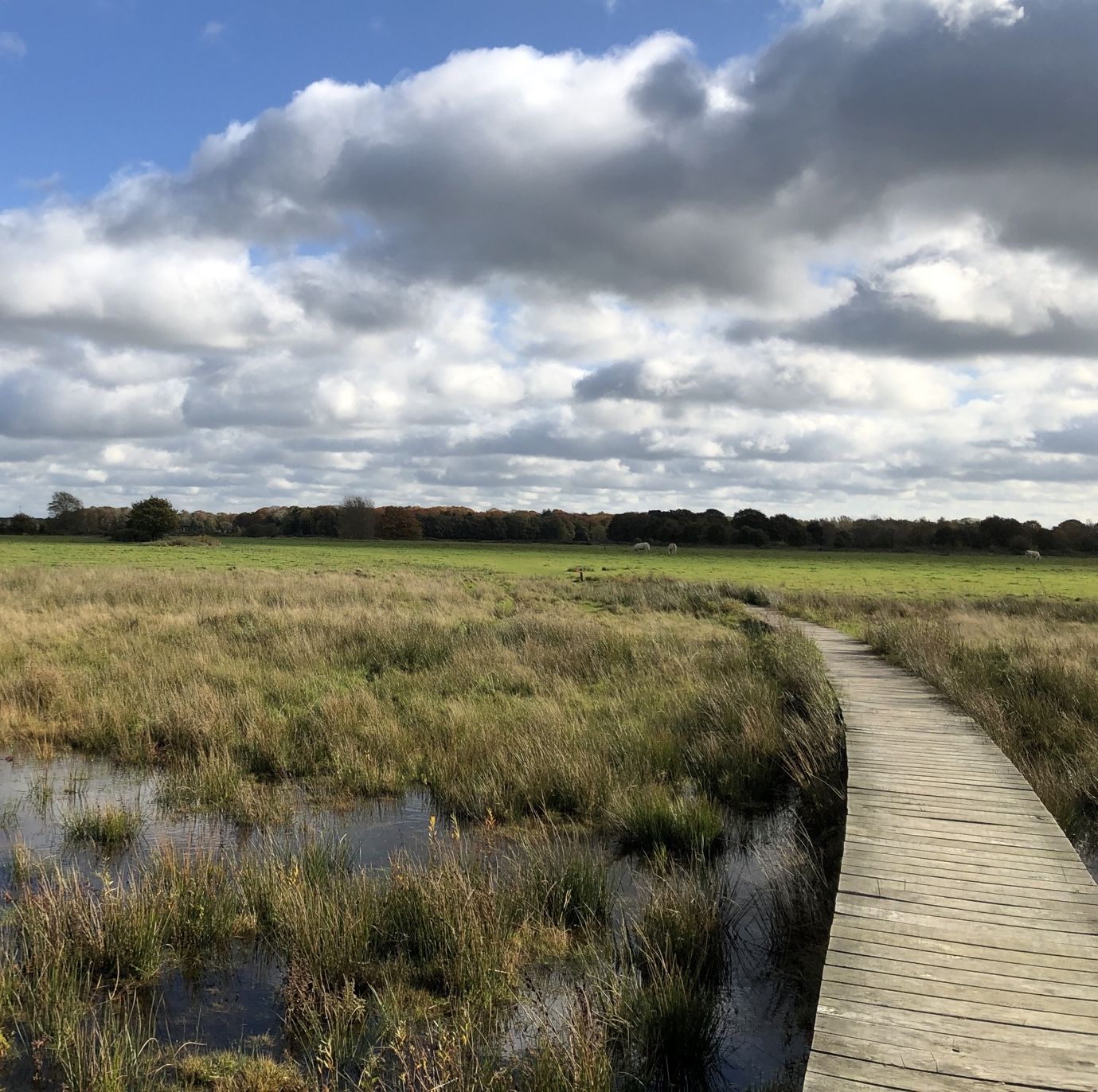
Along Erica near Zwart Goor
Highlight (Segment) • Natural
Translated by Google •
Tip by

Hooge Hof
Highlight • Natural
Translated by Google •
Tip by

Sign up now to discover places like this
Get recommendations on the best single tracks, peaks, & plenty of other exciting outdoor places.
Kaatsheuvelse Ice Rink Lake
Highlight • Lake
Translated by Google •
Tip by

De Spinder Memorial Forest
Highlight • Forest
In the Landgoed Huis ter Heide, we find a natural cemetery with many graves in the middle of the forest.
Here the urn graves …
Translated by Google •
Tip by

Valkenberg Park
Highlight • Forest
Translated by Google •
Tip by
Sign up for free to discover even more natural monuments around Oosterhout.
Already have an account?
Start today with a free account
Your next adventure awaits.


Other adventures around Oosterhout

Tips from the Community

More and more people want to connect with nature. During their lives they enjoy it, but increasingly they also opt for a final resting place in nature. Natuurmonumenten and Natuurbegraven Nederland are working together to strengthen nature in combination with the possibility of natural burial. At Huis ter Heide, a natural burial ground, memorial forest De Spinder, was opened in 2021. In the Gedenkbos, on a central hillock since February 2026, next to the work shed, there is also a monument for all Brabant covid victims. The monument is surrounded by a large pentagonal bench, for remembrance and reflection. Source and more, also about the memorial forest itself at https://gedenkbosdespinder.nl/actueel/
3
0

Memorial forest De Spinder is a small-scale, personal memorial forest north of Tilburg. For your memorial tree or other memorial monument, a private – with wooded banks – spacious field of approximately 10 square meters is available between tall, sun-permeable trees with plenty of privacy. Or you can choose a spot near a tree or a bush on a collective field.
0
0

The Kaatsheuvel ice rink is not a natural fen. The lake was dug by human hands. During the crisis years 1929-1940, the government looked for a job creation project to help the unemployed find work. The municipality of Loon op Zand had an idea: an ice rink to offer residents some winter fun during those economically difficult years. The construction of the ice rink started in 1933 under the direction of the Nederlandsche Heidemaatschappij. Excavators already existed, but to keep the employees busy, the excavation work could not be completed too quickly. All the sand had to be dug out with a shovel, the local history society reported on the board. “And are removed with wheelbarrows.” The ice rink was festively opened on January 27, 1934. An ice club was also founded. That first winter there were already more than 4,000 skaters on the ice. Animals also benefit The ice rink brought fun not only to residents of the region. Animals also benefited from excavating the lake, says Natuurmonumenten. Outside the skating season, birds, insects and other animals would benefit from the water in the otherwise dry drifting sand area of the Loonse and Drunense Duinen. The Kaatsheuvel ice rink can hardly be called a real ice rink anymore. The ice club was defunct in 1950 and in recent years, due to the mild winters, there is hardly any skating on the lake. But if it is possible, the skates are still tied.
5
0
Park Valkenberg is the green oasis in the city center of Breda. A park with royal allure where, until the early nineteenth century, only the castle residents and their guests were welcome. Nowadays it is a wonderful meeting place. Students look for the sun or the shade of the centuries-old trees. Fathers and mothers let their offspring play in the playground while they sit on the terrace of the T-House. Even the geese feel at home there. Falconry The park owes its name to a falcon house that stood on the edge and from which the castle residents and their guests practiced falconry. Live music regularly plays in the park.
5
0

Picturesque pictures are made here...
7
0

Older residents know: The "Kaatsheuvelse Ijsbaan" is not a natural body of water, it was dug by human hands. During the crisis years 1929 - 1940 the government looked for a project to create jobs for the unemployed. The municipality of Loon op Zand had an idea: an ice rink to offer residents some winter fun during these difficult economic years. Construction of the ice rink began in 1933 under the direction of the Nederlandse Heidemaatsschappij. Excavators already existed, but in order to keep the workers busy, the excavation work should not be completed too quickly. All the sand had to be dug out with shovels and then carted away with wheelbarrows. The ice rink was officially opened on January 27, 1934 and an ice sports club was founded. In the first winter there were about 4,000 skaters on the ice. Over the decades, the artificial lake developed into an important place for birds, insects and other animals, which found a watering hole in this otherwise mostly dry shifting sand area.
1
0

A beautiful location with picturesque views, especially in winter with frost
8
0
Frequently Asked Questions
What unique natural features can I explore around Oosterhout?
The region is home to distinctive natural features. For instance, the Along Erica near Zwart Goor highlight in the Goudberg Reserve features fens with peat islands, which are rare remnants of raised bogs in the Netherlands. Oosterheide, also known as Kalix Berna, boasts an exceptional diversity of around 70 different tree species, creating a unique park-like forest environment.
Are there natural monuments suitable for families with children?
Yes, several natural monuments are family-friendly. Hooge Hof, a redesigned former polder, offers walking paths and a footbridge, making it great for exploration. Valkenberg Park in Breda city center is a green oasis with a playground, perfect for families. Additionally, Vredeoord Park features special trees, an aviary, and statues, providing an engaging experience for all ages.
What kind of historical significance do Oosterhout's natural monuments hold?
Many natural areas around Oosterhout have rich histories. The fens in the Goudberg Reserve, such as those near Along Erica near Zwart Goor, largely remained untouched after extensive heathland reclamations in the 19th century, preserving unique natural habitats. Oosterheide (Kalix Berna) was once an 18th-century military exercise ground, and its estate includes a restored country house and farm designated as national monuments, with a park designed in the English landscape style.
Can I go hiking or running near the natural monuments?
Absolutely! The diverse landscapes around Oosterhout are ideal for outdoor activities. You can find numerous trails for running and hiking. For specific routes, explore the Running Trails around Oosterhout guide, which includes routes like the Vrachelse Heath loop.
Are there cycling opportunities near these natural areas?
Yes, Oosterhout offers excellent cycling routes. You can enjoy road cycling or gravel biking through varied terrain. Check out the Road Cycling Routes around Oosterhout guide for options like the Pontje Steur Ferry loop, or the Gravel biking around Oosterhout guide for routes like the North Brabant loop.
What is the best time of year to visit the natural monuments in Oosterhout?
The natural monuments around Oosterhout offer beauty throughout the year. Spring and summer are ideal for seeing meadows and fields burst with wildflowers like poppies in areas like Oosterheide. Autumn is perfect for exploring diverse forests and searching for chestnuts, while winter can offer picturesque views, especially with frost, as noted by visitors to Along Erica near Zwart Goor.
Are the natural monuments around Oosterhout dog-friendly?
Many natural areas in the region are generally dog-friendly, especially for walks on leash. While specific dog-friendly trails are not detailed for every monument, areas like the Goudberg Reserve and Oosterheide are popular for walks where dogs are often welcome. Always check local signage for specific rules regarding dogs in nature reserves.
What kind of wildlife can I expect to see?
The diverse habitats around Oosterhout support various wildlife. In Oosterheide, biodiversity efforts include cultivating old grain varieties to attract butterflies, insects, and birds. The fens and peat islands of the Goudberg Reserve provide unique ecosystems that can host specialized flora and fauna. Keep an eye out for birds and insects, especially in the more secluded areas.
Is there an accessible natural monument for visitors with mobility considerations?
While specific accessibility details vary, Hooge Hof is noted as being easily accessible on foot and by bicycle, with walking paths and a footbridge. Many parks and redesigned areas often feature paved or well-maintained paths suitable for a wider range of visitors. It's always advisable to check specific conditions before your visit.
What do visitors enjoy most about the natural monuments in Oosterhout?
Visitors particularly appreciate the tranquility and unique natural beauty. They enjoy the picturesque views, especially in winter, and the 'purple carpet' of heathland. The opportunity for quiet reflection in places like De Spinder Memorial Forest, and the well-maintained walking paths in areas like Hooge Hof, are frequently highlighted.
Are there any natural monuments that offer a serene or reflective experience?
Yes, De Spinder Memorial Forest is a natural cemetery offering quiet resting places amidst tall trees. It provides a serene environment for reflection, where graves are adapted to nature, allowing visitors to enjoy silence and let their thoughts wander.
Where can I find a park with a mix of nature and urban amenities?
Valkenberg Park in the city center of Breda offers a unique blend. It's a green oasis with royal allure, formerly the garden of Breda Castle. Today, it's a popular meeting place with centuries-old trees, a playground, and even a T-House terrace, making it a vibrant spot within a natural setting.
Most popular routes around Oosterhout
Most popular attractions around Oosterhout

Get inspired with the komoot mobile app


Explore more
Extend your search for the best caves by checking out these guides of the top ones around Oosterhout:
