Top 20 Natural Monuments around Diemen
Natural monuments around Diemen offer a diverse landscape for outdoor exploration. This municipality features extensive green spaces, with approximately two-thirds of its area covered by nature. Visitors can experience a variety of environments, including forests, wetlands, and polder areas. These natural settings provide opportunities for recreation and observing local flora and fauna.
Best natural monuments around Diemen
- The most popular natural monuments is Cherry Blossom Park Amstelveen, a natural monument known for its annual Cherry Blossom Festival. This park features 400 cherry trees, with 200 named after Japanese women and 200 after Dutch women.
- Another must-see spot is Sarphatipark, a park in the Amsterdam-Zuid district. This 4.5-hectare park includes a monument to Samuel Sarphati and offers areas for relaxation and activities.
- Visitors also love The oldest elm in the city, a significant tree planted in 1891. This elm is part of Amsterdam's history, with elms having been planted centuries ago to improve air quality.
- Diemen is known for its forests, polder areas, and urban parks. The region offers a variety of natural monuments to see and explore, from established woodlands to recreational green spaces.
- The natural monuments around Diemen are appreciated by the komoot community, with 115 upvotes and 64 photos contributed by users.
Last updated: July 6, 2026
Cherry Blossom Park Amstelveen
Highlight • Natural Monument
The Cherry Blossom Festival is organized in Amstelveen every year, usually in March or April. A special aspect of this festival is that in the year 2000 the Japan Women's Club (JWC) donated 400 cherry trees to Amstelveen. It is striking that each tree has a name, with 200 trees named after Japanese women's names and 200 trees after Dutch women's names.
Translated by Google •
Tip by

Auschwitz Monument (Never Again Auschwitz) – Wertheimpark, Amsterdam
Highlight • Monument
The monument was designed in 1977 by writer and visual artist Jan Wolkers. Wolkers had been commissioned to make a monument above an urn with ashes of victims from the Auschwitz concentration camp.
Translated by Google •
Tip by

Sign up now to discover places like this
Get recommendations on the best single tracks, peaks, & plenty of other exciting outdoor places.
Sign up for free
The oldest elm in the city
Highlight • Natural Monument
Amsterdam currently has 77,000 elm trees. There is even an elm walking route with the tallest elm, the street with the most different types of elms and much more. You are now standing in front of the oldest elm in Amsterdam, from 1891. Every year the trees create a unique phenomenon. In the spring the elms drop their white blossoms, the 'spring snow'. The scent of the blossom is typical and very recognizable to many. The artist duo Tijdmakers were inspired by the spring snow and decided to capture the scent of elm in a perfume, Eau d'Amsterdam. Is this the real smell of Amsterdam?
Translated by Google •
Tip by

Sarphatipark
Highlight • Natural
Translated by Google •
Tip by
National Monument The History of Slavery
Highlight • Monument
Translated by Google •
Tip by

Sign up for free to discover even more natural monuments around Diemen.
Sign up for free
Already have an account?
Start today with a free account
Your next adventure awaits.
Login or Signup
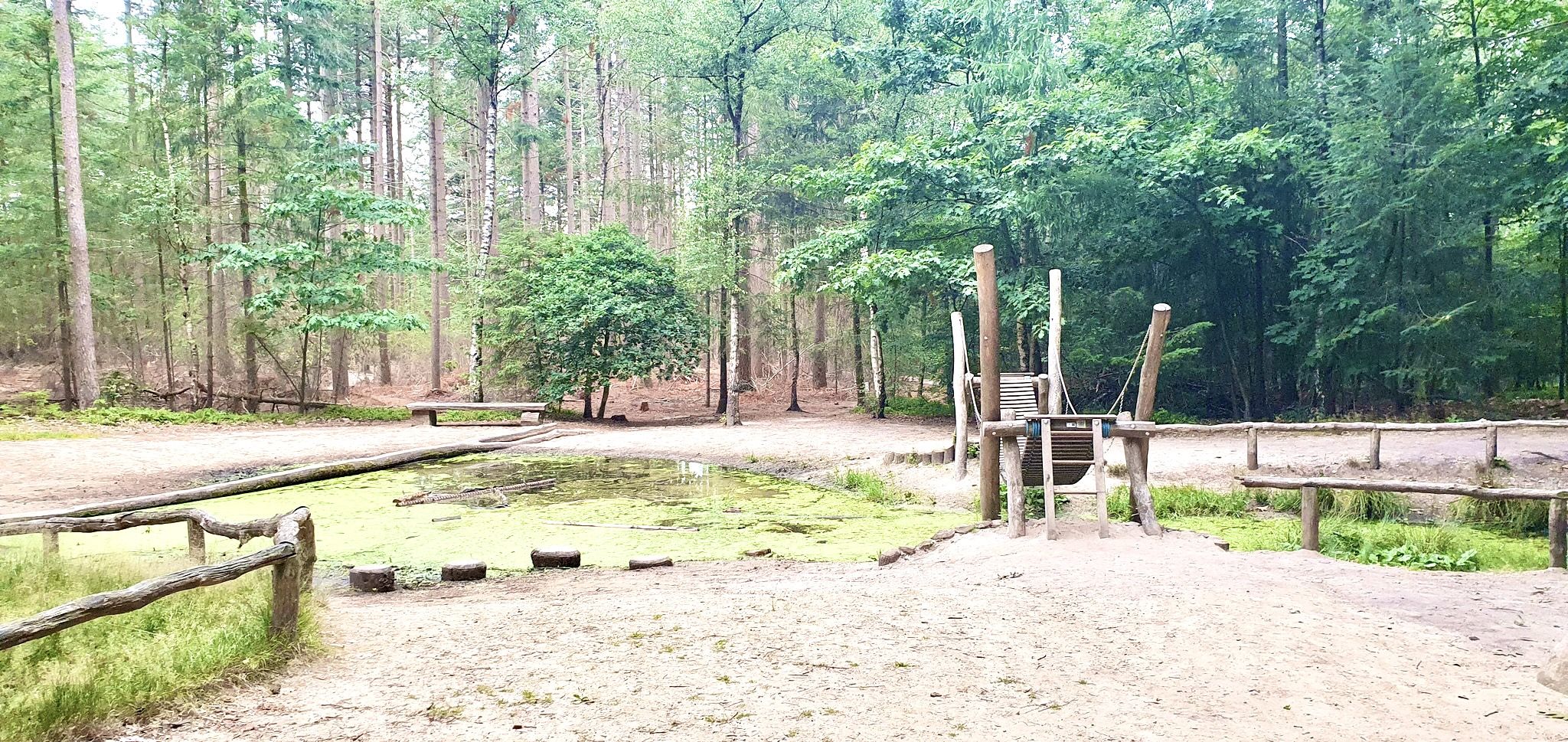
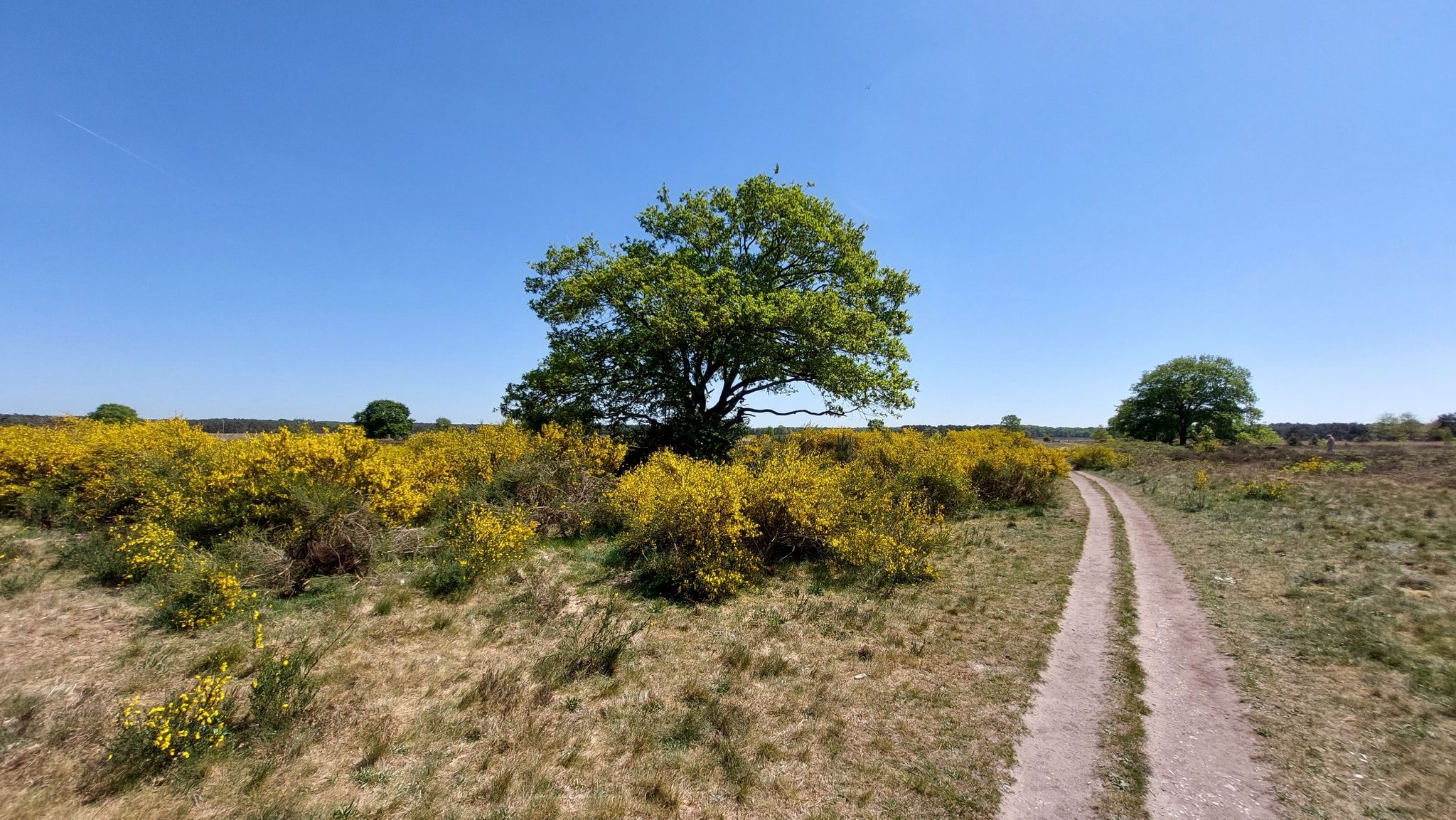
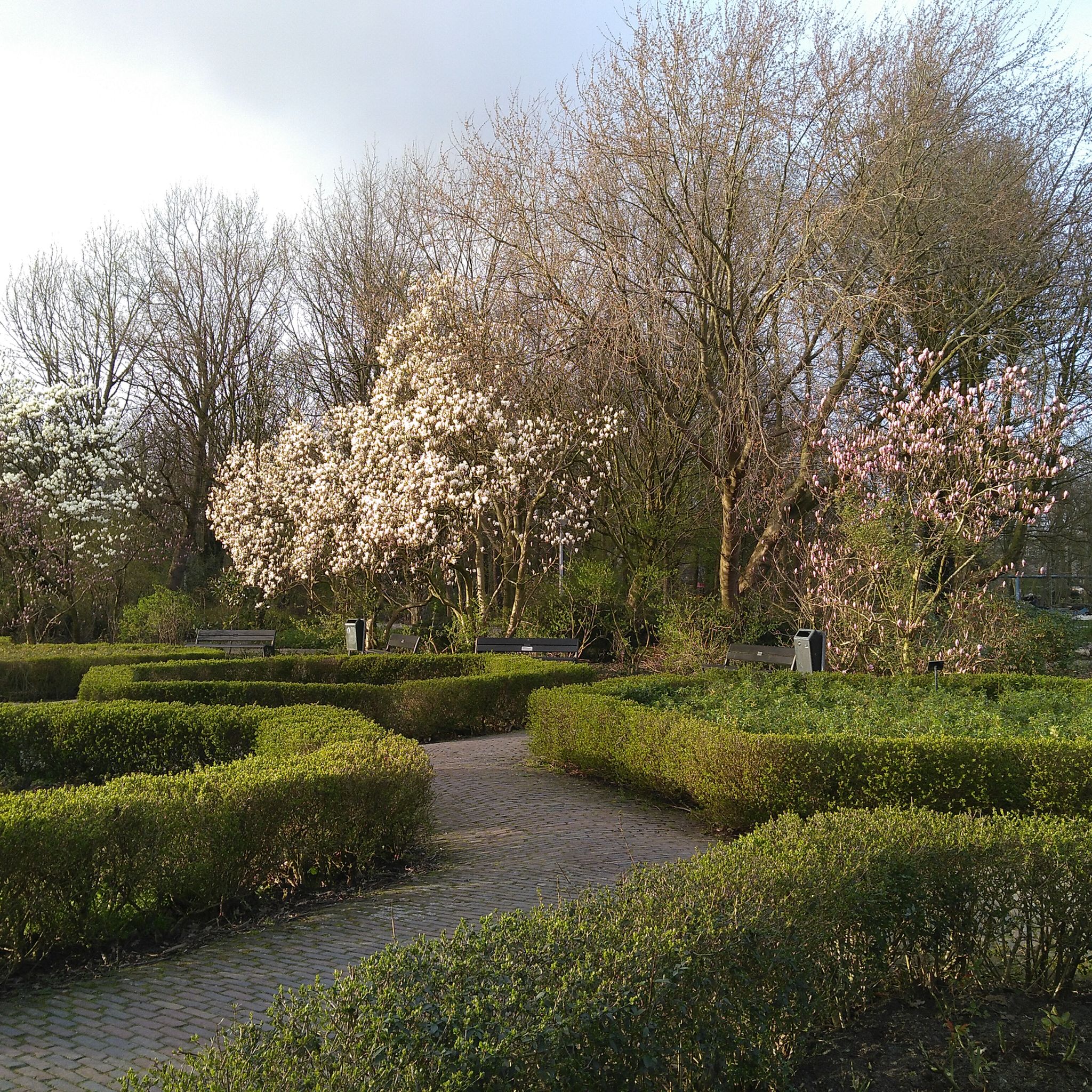
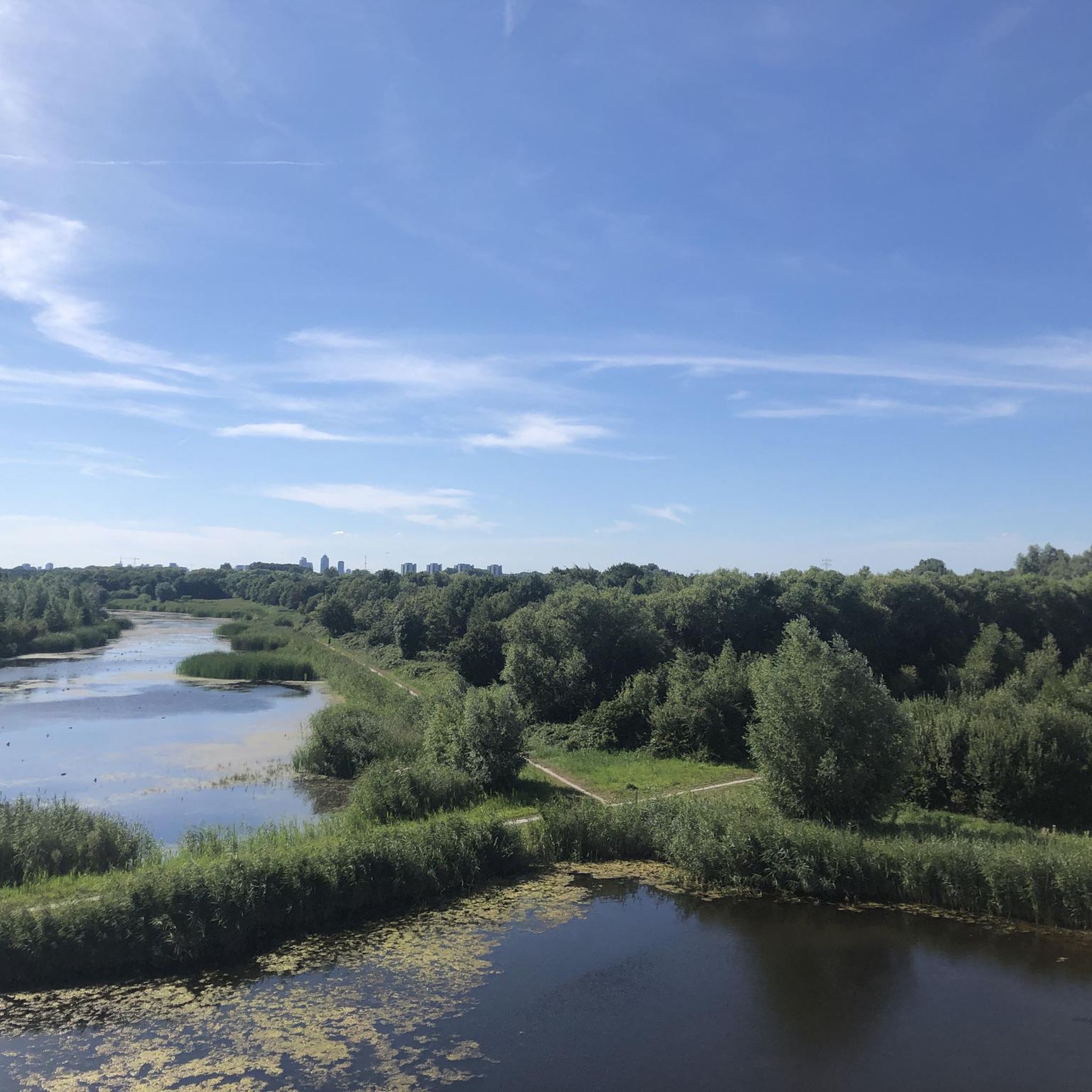


Tips from the Community

On July 1, 2002, the National Slavery Monument was inaugurated in the presence of then-Queen Beatrix. On July 1, 1863, the Netherlands was one of the last countries in Europe to abolish slavery. The National Slavery Monument serves as a place for reflection and commemoration of the Dutch transatlantic slavery past. The initiative came in 1998 from the Afro-European women's movement Sophiedela, chaired by Barryl Biekman. The Dutch government provided a financial contribution. In 2001, Minister Roger van Boxtel declared at an anti-racism conference in South Africa that the Netherlands "sincerely and deeply regrets" the slave trade and slavery. The "static" monument and the establishment of a "dynamic" knowledge institute, the Ninsee, marked the next step. The bronze statue was designed by renowned Surinamese artist Erwin de Vries, who said of it: "The assignment was to address the past of slavery, the present, and the future. From the past, I created a group of enslaved people in chains, from the present, a freed slave, and the most important thing is the future: freedom in the belief that we will one day be completely free from discrimination." While designing the monument, he felt "the pain of the slaves, including my ancestors, but also their enormous strength." Source: https://amsterdam.kunstwacht.nl/kunstwerken/bekijk/949-nationaal-monument-slavernijverleden
1
0

really beautiful, but very busy when everything here is in bloom.
2
0

Definitely worth walking through with all these blossoms. Of course in the month of April.
0
0

the Blossom Park is incredibly beautiful
0
0

Lovely park away from the hustle and bustle of the market
0
0

for a short period of time each year the beautiful blossom of the 400 trees can be admired. Due to the great interest and therefore crowds, try to avoid the weekend in order to enjoy it as much as possible.
1
0

If you want to admire the blossom, come as early as possible on a weekday.
1
0

A place to pause for a moment. The Auschwitz Monument (also known as Spiegelmonument 'Nooit Meer Auschwitz' or Broken mirrors) is a Dutch memorial monument in the Wertheimpark in Amsterdam in memory of those who died in the Auschwitz concentration camp and the other concentration and extermination camps. The monument was designed in 1977 by writer and visual artist Jan Wolkers. Wolkers had been commissioned to make a monument above an urn with ashes of victims from the Auschwitz concentration camp.
1
0
Frequently Asked Questions
What are some unique natural areas to explore in Diemen?
Diemen offers a variety of natural spaces. You can explore the Diemerbos, which features hiking trails, picnic areas, and a natural playground. Another unique spot is the Diemer Vijfhoek, an artificial peninsula in the IJmeer lake that has become a valuable nature reserve, ideal for birdwatching. For a more active experience, Natuurpark de Omloop is a large natural playground with activities like ditch jumping and rafting.
Are there family-friendly natural monuments or parks in Diemen?
Yes, Diemen has several family-friendly options. The Diemerbos includes the 'Banjerbossie,' a natural playground for children. Natuurpark de Omloop is designed for all ages, offering activities like ziplining and rafting. Additionally, Cherry Blossom Park Amstelveen is a popular spot for families, especially during its annual festival, and Sarphatipark provides ample space for relaxation and activities.
Where can I go for a peaceful walk or nature observation in Diemen?
For peaceful walks and nature observation, the Diemer Vijfhoek is an excellent choice, known for its diverse flora and fauna and birdwatching opportunities. The quieter side of the Diemerbos, beyond the A9, offers swamp forest and wet grasslands for tranquil strolls. The Diemerpolder also provides serene hiking trails along the polder landscape and the Diem River.
What kind of wildlife can I expect to see in Diemen's natural areas?
Diemen's natural areas are rich in wildlife. The Diemer Vijfhoek is particularly noted for birdwatching, with species like cormorants, goldeneyes, and grebes. The wetlands and reed beds in areas like the Diemerbos and Overdiemen Recreation Area support various bird species and other small wildlife. Natuurpark Spoorzicht, with its alder woods, is also a place to spot rare plants and wildlife.
Can I find historical natural monuments or significant trees in Diemen?
While Diemen itself is more focused on green spaces, nearby Amsterdam features significant natural monuments with historical context. For example, The oldest elm in the city, planted in 1891, is part of Amsterdam's long history of using elm trees to improve air quality. There's also the Auschwitz Monument in Wertheimpark, which, while man-made, is set within a natural park environment and serves as a poignant historical site.
What cycling opportunities are available near Diemen's natural monuments?
Diemen offers excellent cycling opportunities. You can find various routes for touring bicycles and gravel biking. For instance, there are easy to moderate cycling loops like the 'Ringvaart Canal – Saint Peter in Chains Church, Diemen loop' or the 'De Gooyer Windmill, Amsterdam – De Gooyer Windmill loop'. For more challenging gravel rides, explore routes like the 'IJmeer Cycle Path – Bussummerheide loop'. You can find more details on these routes in the Cycling around Diemen and Gravel biking around Diemen guides.
Are there hiking trails suitable for different skill levels around Diemen?
Yes, Diemen provides hiking trails for various skill levels. Easy walks include 'Bird watching and strolling in the Banjerbossie' and the 'View of the IJmeer – Diemer Vijfhoek Nature Reserve loop'. For those seeking a more challenging hike, the 'Nesciobrug – House of Bird loop' offers a longer distance. You can explore more options in the Hiking around Diemen guide.
Is Diemen's Diemerbos suitable for both active recreation and quiet walks?
Absolutely. The Diemerbos is divided into two sections by the A9 motorway, offering distinct experiences. One side features paved paths suitable for cycling and rollerblading, along with a large lawn and a natural playground for active recreation. The other side provides a more peaceful environment with swamp forest, wet grasslands, and reed beds, perfect for quiet walks and enjoying nature.
Are Diemen's natural monuments accessible by public transport?
Many of Diemen's natural areas are well-connected. For example, Natuurpark Spoorzicht is conveniently located near Diemen's town center and train station, making it easily accessible by public transport. Other areas within the municipality can often be reached via local bus services or are within cycling distance from train stations.
Are there dog-friendly natural areas in Diemen?
While specific dog-friendly zones can vary, many of Diemen's larger green spaces and polder areas generally welcome dogs, often requiring them to be on a leash. The Diemerbos and Diemerpolder are popular choices for walks with dogs. It's always advisable to check local signage for specific regulations in each park or nature reserve.
When is the best time to visit Diemen's natural monuments?
The best time to visit largely depends on your interests. Spring (March-May) is beautiful for blooming flora, especially at Cherry Blossom Park Amstelveen. Summer (June-August) is ideal for outdoor activities like cycling and picnicking. Autumn (September-November) offers stunning foliage, while winter (December-February) can provide peaceful, crisp walks, though some facilities might have reduced hours. Birdwatching is often good year-round, with different species present seasonally.
Are there places to eat or drink near Diemen's natural areas?
Yes, you can find options for refreshments. Within the Diemerbos, there's the House of Bird, a tasting room for the Bird Brewery, where visitors can enjoy craft beer and food amidst nature. Additionally, the municipality of Diemen has various cafes and restaurants, particularly around the town center and shopping areas like Diemerplein, which are often a short distance from the natural parks.
What is the Diemer Vijfhoek, and what makes it special?
The Diemer Vijfhoek is an artificial peninsula located in the IJmeer lake, created in the 1970s from dredged material. It has since transformed into a valuable nature reserve, managed by the Dutch Forestry Commission. Its special appeal lies in its diverse flora and fauna, making it an excellent spot for tranquil walks and significant birdwatching opportunities, as it's part of the IJmeer's nature network.
Most popular attractions around Diemen

Get inspired with the komoot mobile app


Explore more
Extend your search for the best caves by checking out these guides of the top ones around Diemen:
