Top 20 Natural Monuments around Loenen
Natural monuments around Loenen offer diverse landscapes and historical elements within the Veluwe region. The area features extensive forests, rolling heathlands, and ancient shifting sands, providing varied terrain for exploration. Significant natural areas include the Loenermark and the nearby Het Nationale Park De Hoge Veluwe. These locations are home to diverse wildlife and historical sites, making them notable for nature observation and cultural insights.
Best natural monuments around Loenen
- The most popular natural monuments is Gooilust Estate and Gardens,…
Last updated: July 6, 2026
Boekesteyn Estate
Highlight • Forest
Beautiful area for walking, with several marked routes. Walking paths go …
Translated by Google •
Tip by

Gooilust Estate and Gardens
Highlight • Historical Site
Translated by Google •
Tip by

Sign up now to discover places like this
Get recommendations on the best single tracks, peaks, & plenty of other exciting outdoor places.
Sign up for free
Bronze Age Burial Mound in Westerheide
Highlight • Historical Site
Translated by Google •
Tip by

The Growing Monument – Bijlmer Disaster Memorial
Highlight • Monument
Tip by
Echo Forest
Highlight • Forest
Translated by Google •
Tip by

Sign up for free to discover even more natural monuments around Loenen.
Sign up for free
Already have an account?
Start today with a free account
Your next adventure awaits.
Login or Signup


Tips from the Community

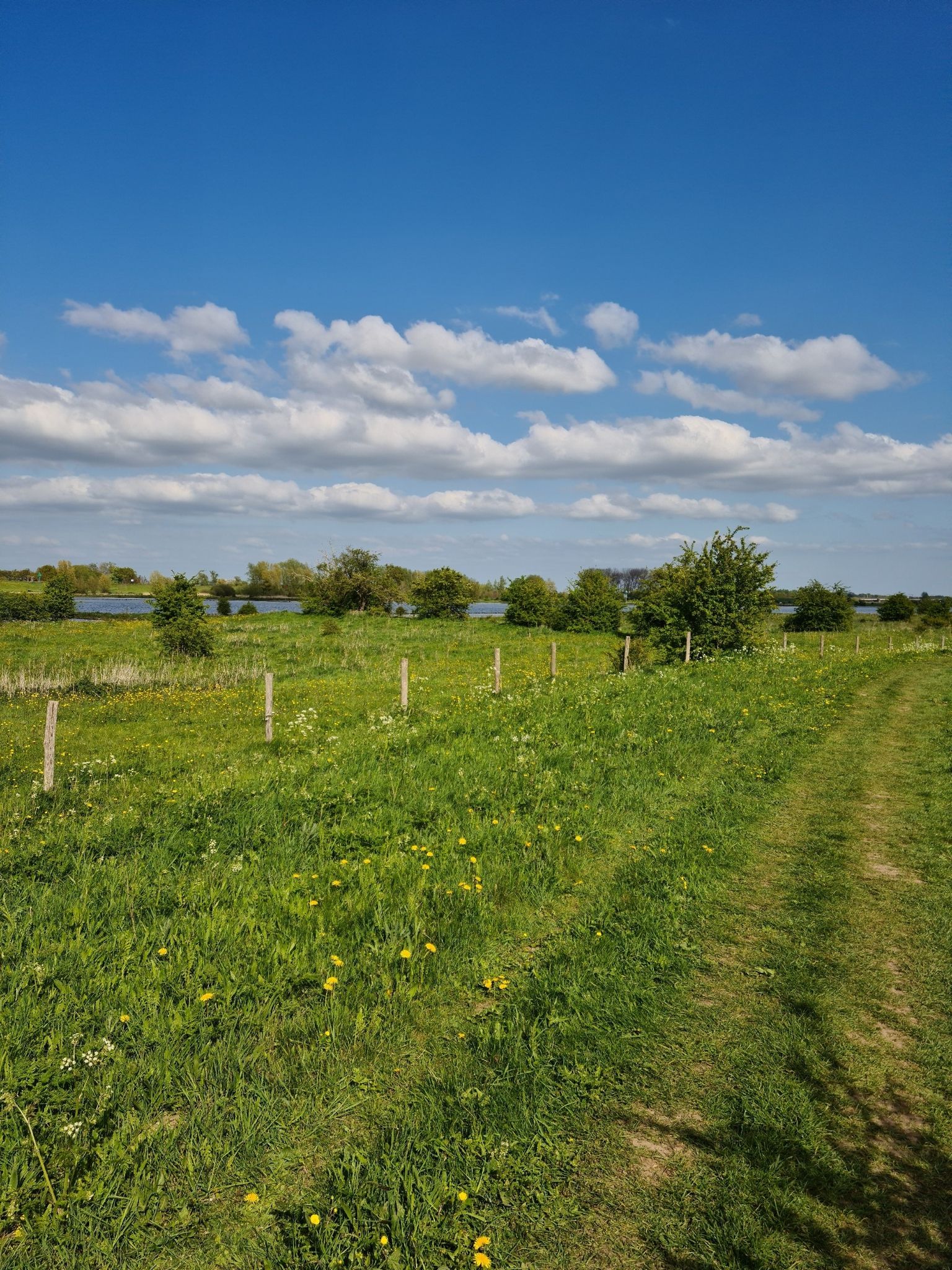
Beautiful views over the heath.
0
0

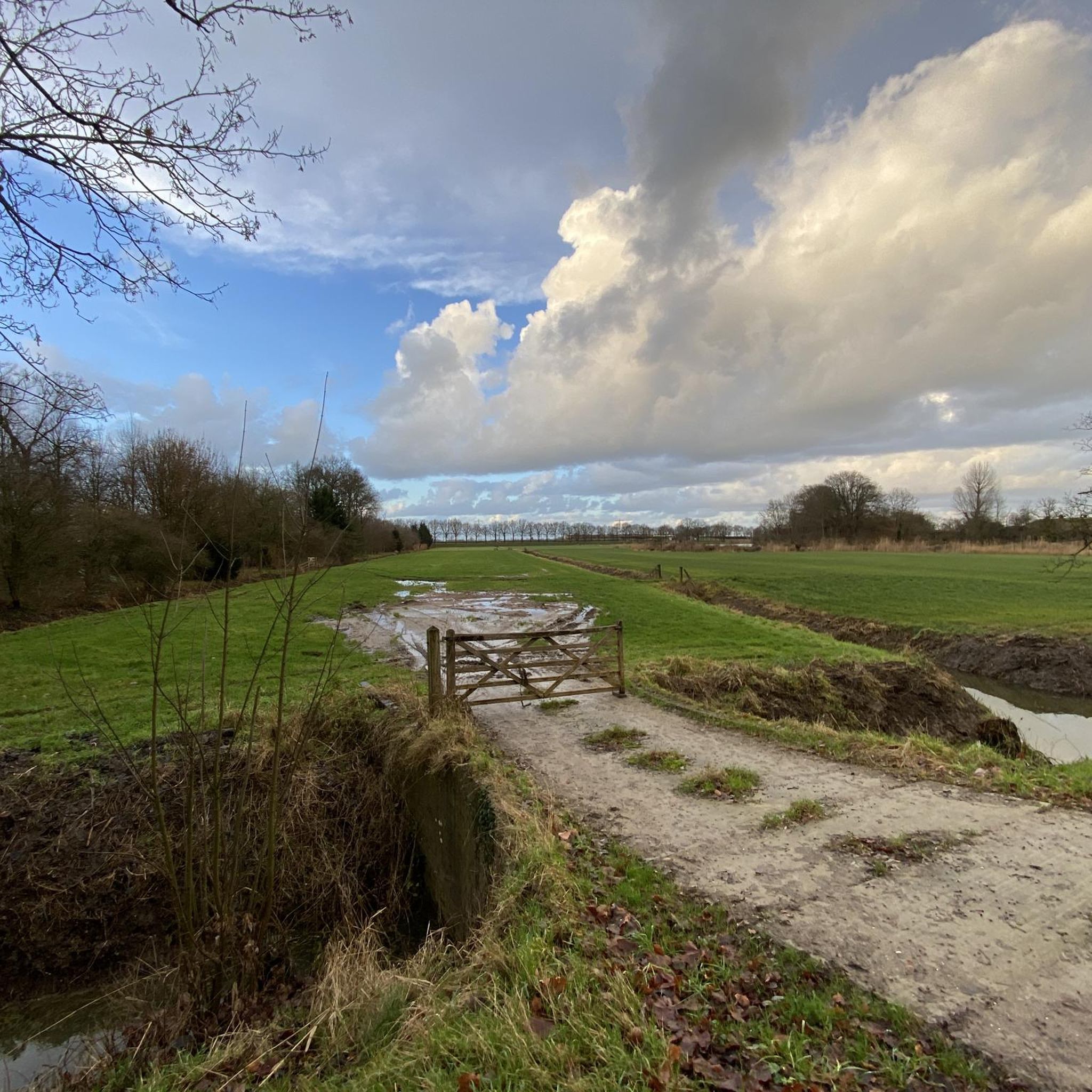
There are still 14 burial mounds in the Goois nature reserve. One of these burial mounds is located here. These may not be entered as they are protected monuments. The burial mounds are the only visible remains of our ancestors and date from the Bronze Age (2000-800 BC). At that time, the Gooi was a wooded landscape. The later deforestation of the forest created the first moors here. In these early moors, people built burial mounds in honor of their deceased, in which sand and turf were layered on top of each other. These are circular burial mounds with a height of 0.5 to 1.5 meters and a diameter of 5 to 10 meters. The cremated remains were placed in bronze urns. Other additions included daggers, an axe, bronze bracelets, arrowheads and tools made of flint or a drinking cup for the afterlife. Some finds have been collected in museums such as the Hofland Geological Museum and the Goois Museum. Most finds are kept in the provincial archaeological depot in the Huis van Hilde in Castricum.
0
0

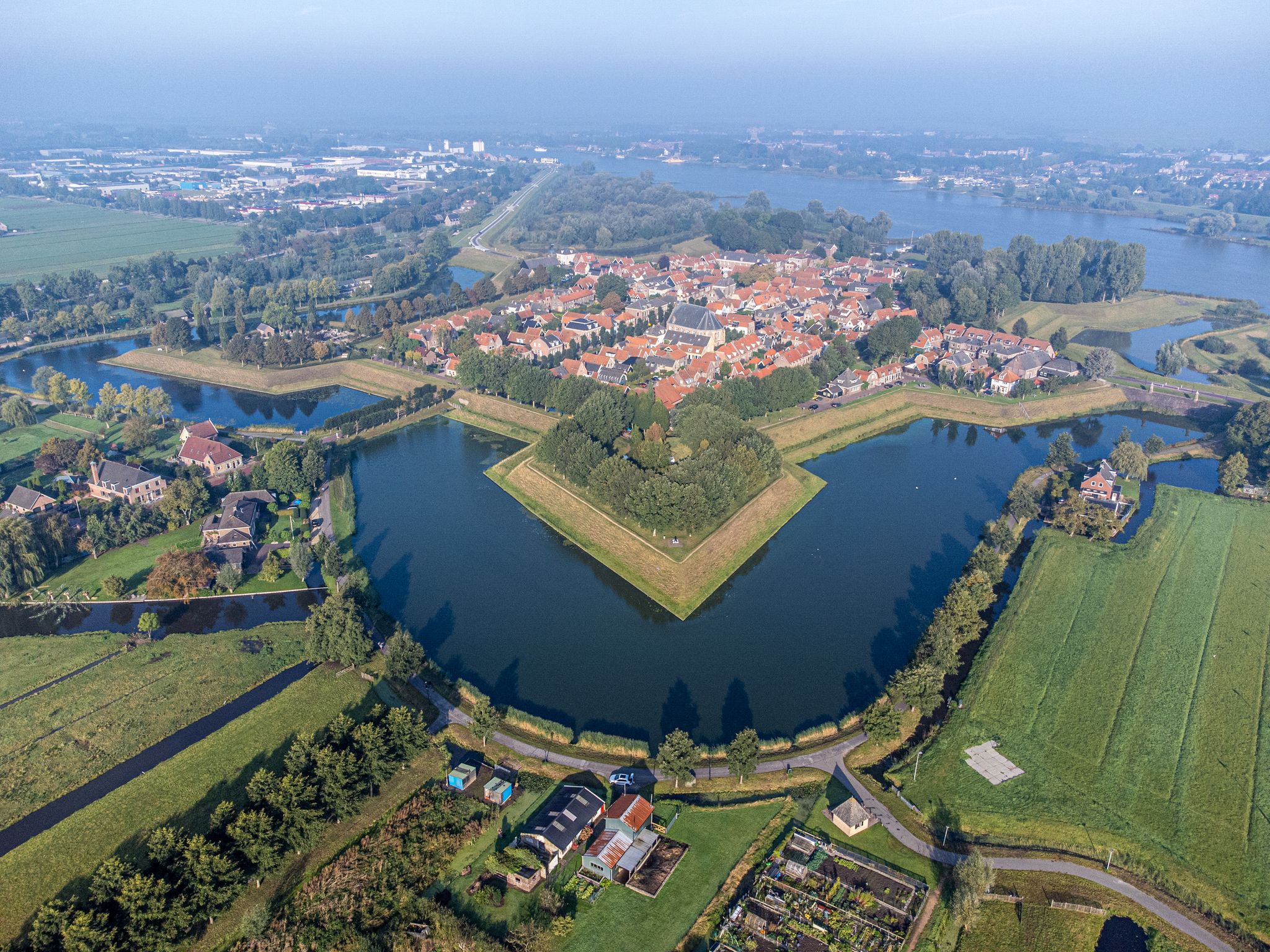
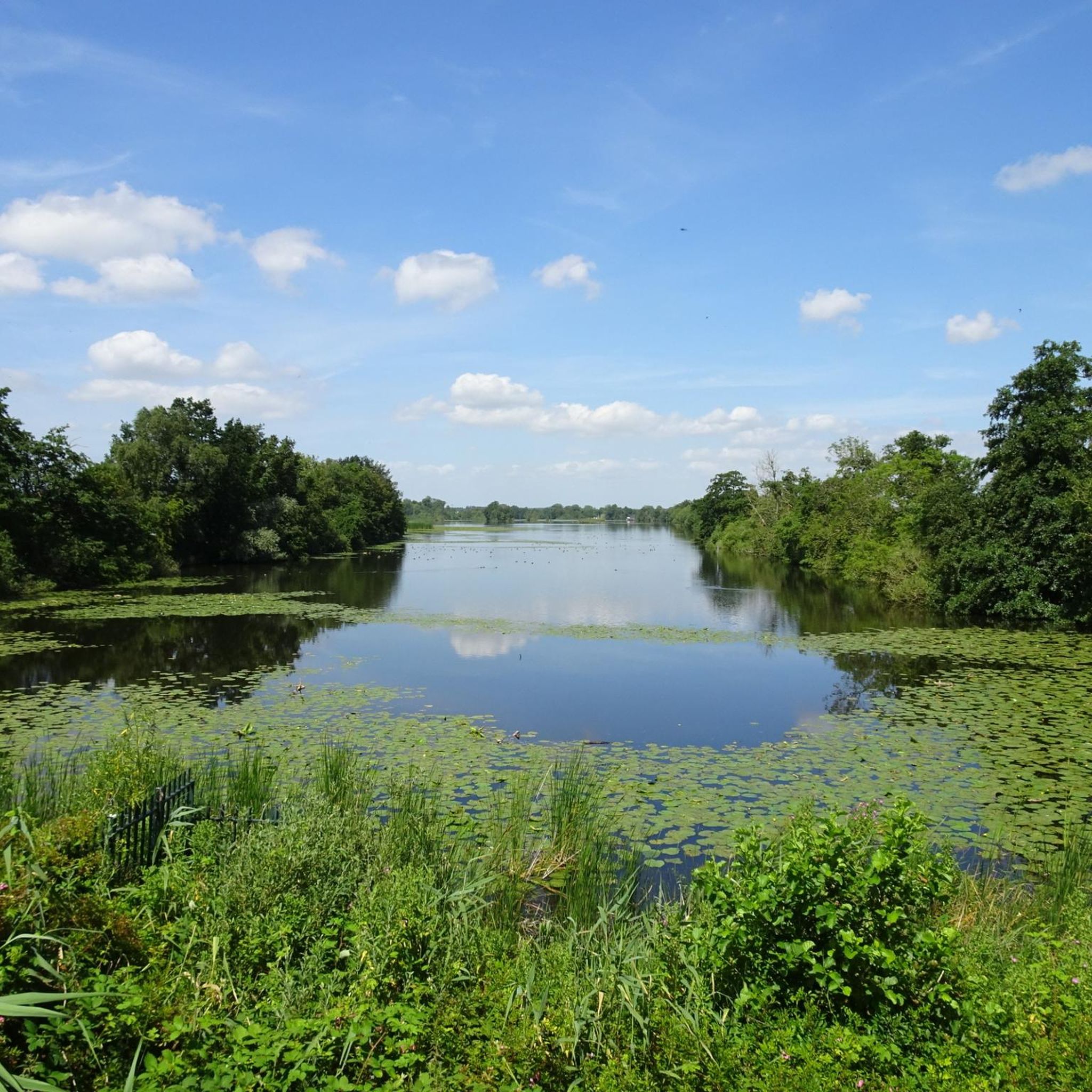
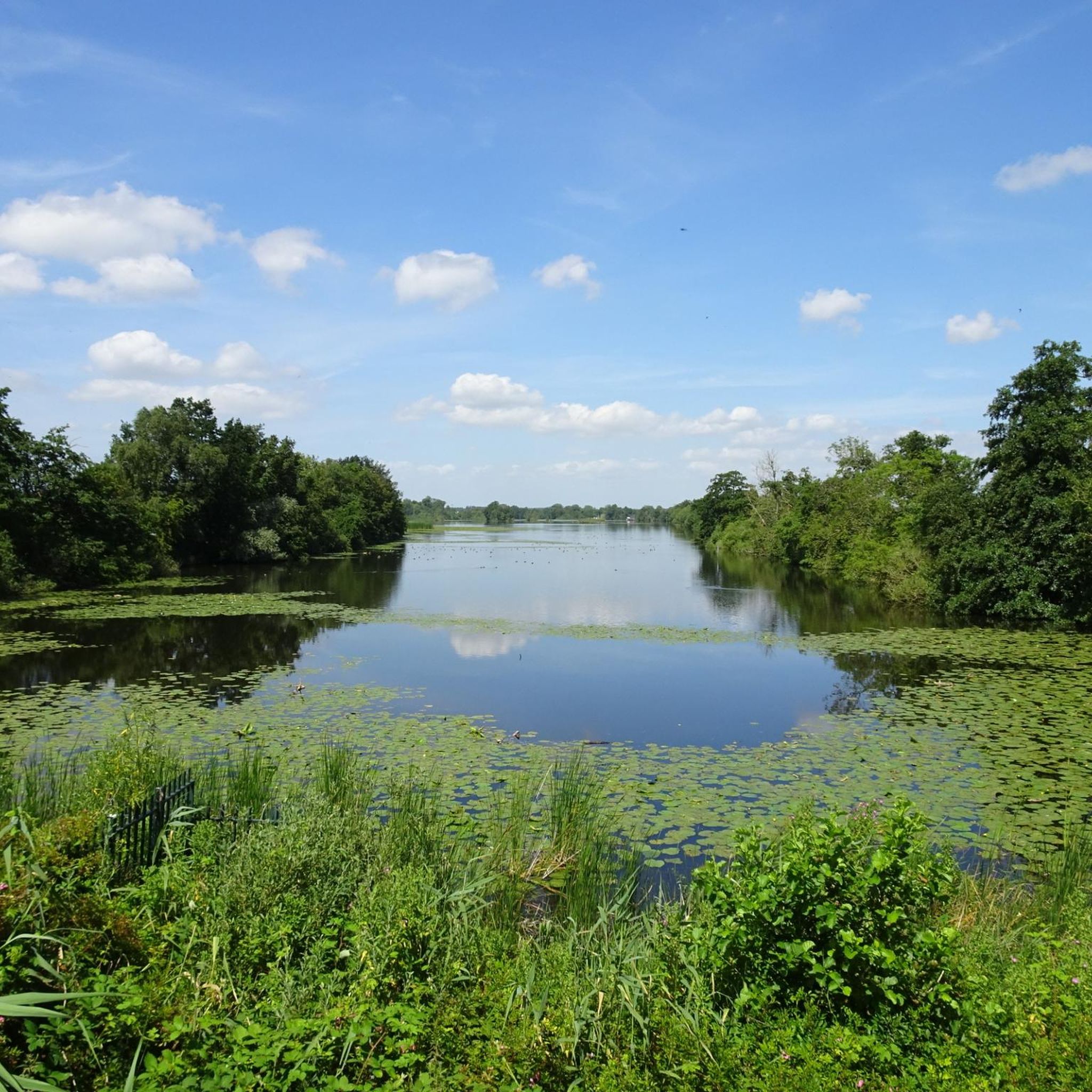
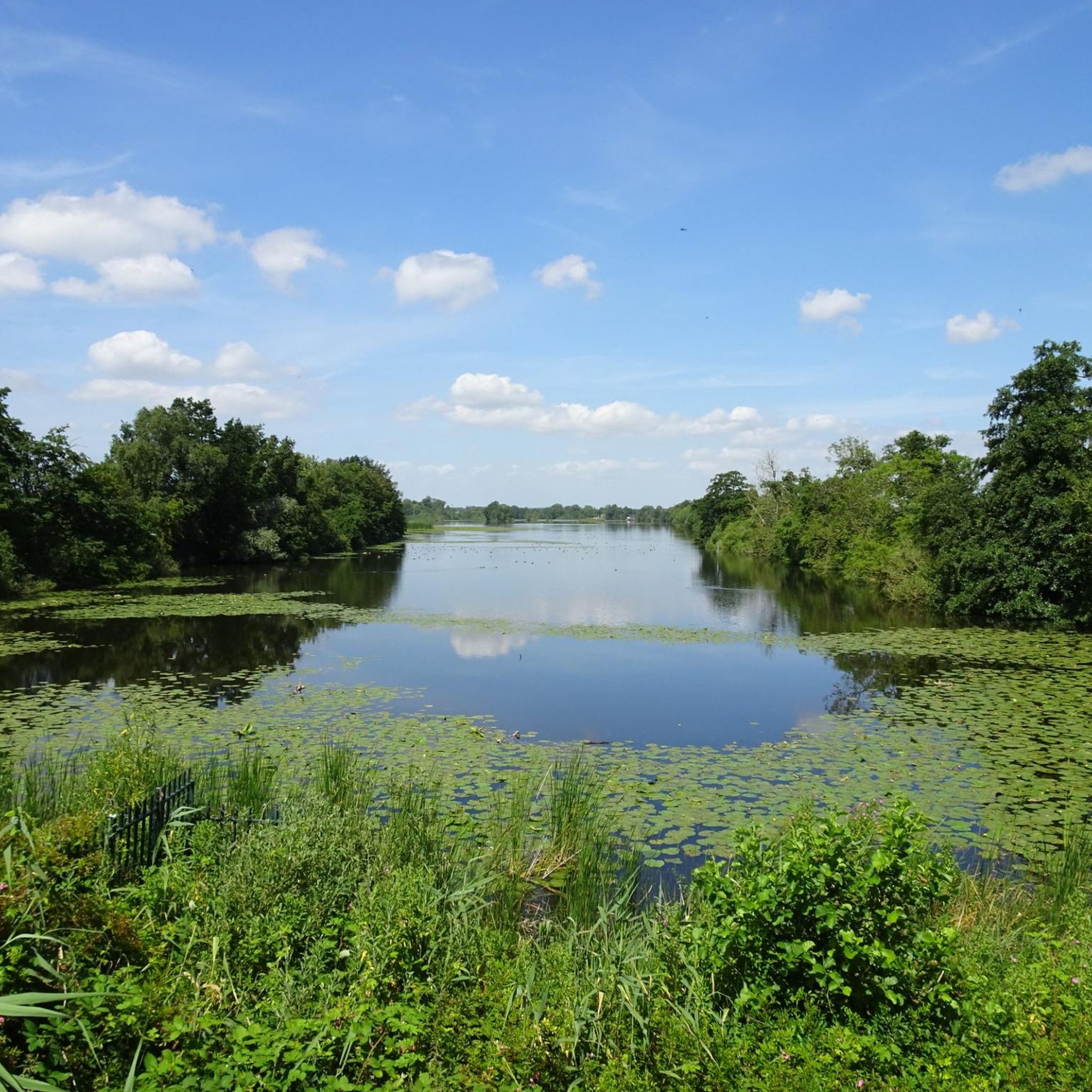
Gooilust is a beautiful walking area in 's-Graveland, near Hilversum. Formerly the estate of Lady Louise Six
0
0

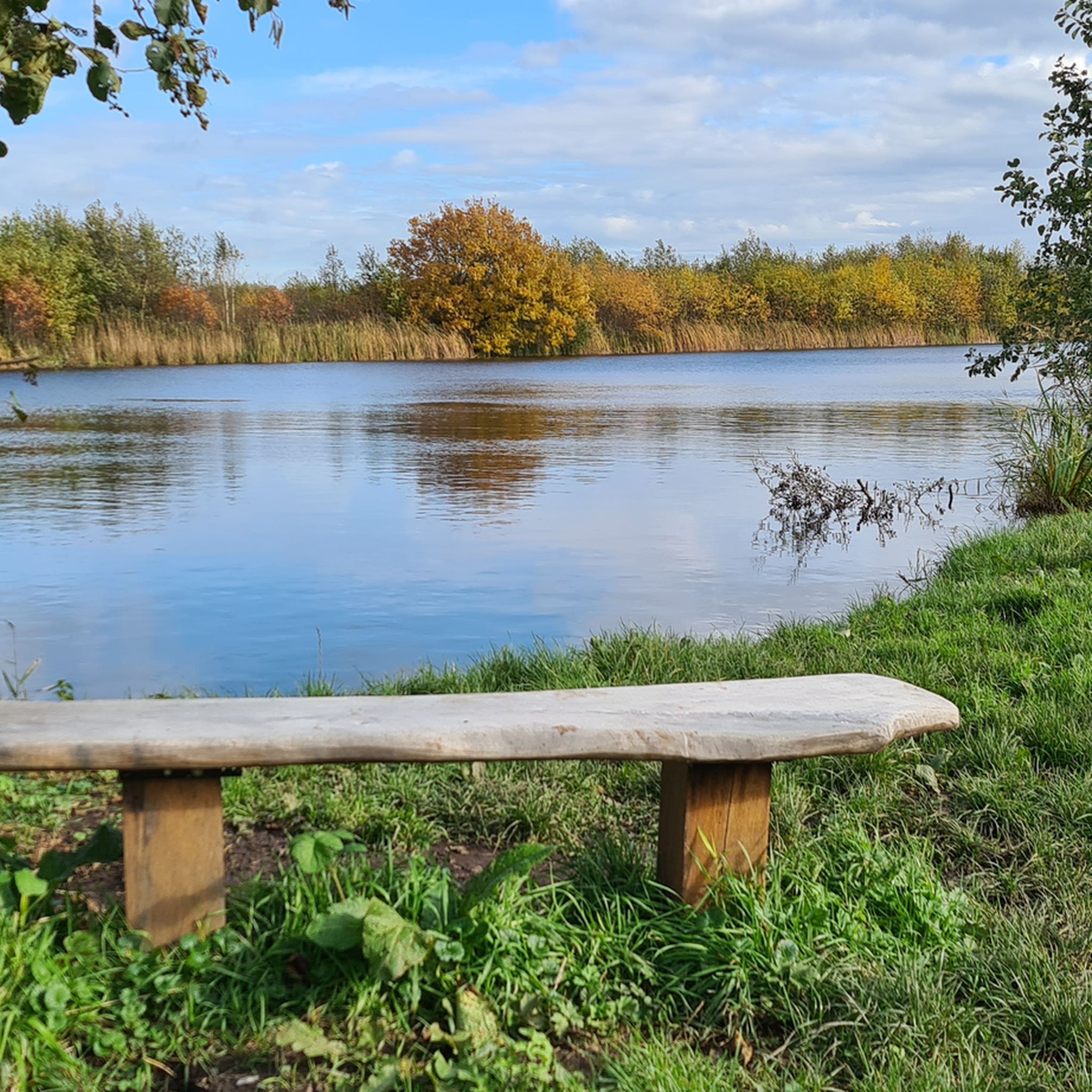
The Echobos is a wooded area on the western edge of the village of Muiderberg. The forest was part of the grounds belonging to the former Rustrijk estate. The forest itself was created around 1800 and 'named' after the echo wall present there. The Dutch Jewish cemetery is located southwest of the forest. Playground with acoustic mirrors and speaking tubes The 7 hectare park forest contains quite a lot of old beech, oak and lime trees with natural hollows.[1] There are also maples, robinias, rowan trees, holly trees and hawthorns, and stinzen plants grow on the forest floor. Just north of the echo wall is a play area with a few acoustic reflectors and a number of speaking tubes. (Wikipedia)
0
0

Visit the garden along the way. Pleasant surprise.
0
0


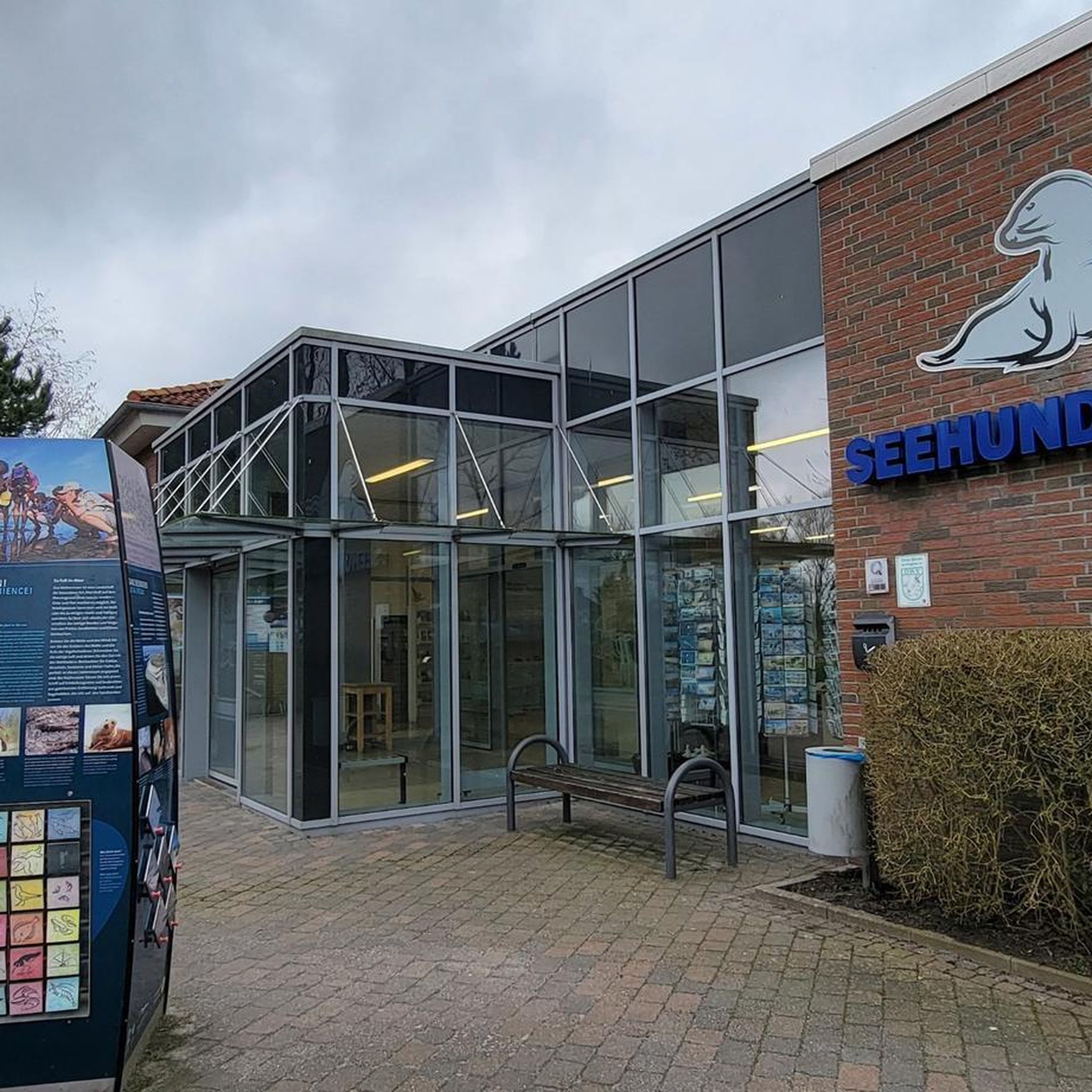
Café-restaurant Brambergen is located next to the visitor center. Wonderful place to take a break during your walk.
0
0

super place for a walk, then a delicious cup of coffee with apple pie or a sandwich
0
0
Frequently Asked Questions
What are some of the most notable natural monuments to explore around Loenen?
The Loenen area offers a variety of natural monuments. You can visit Gooilust Estate and Gardens, known for its ornamental garden with exotic trees and shrubs, and a unique Star Forest. Another significant spot is Boekesteyn Estate, a forest and nature reserve with marked routes. For a historical perspective, explore the Bronze Age Burial Mound in Westerheide, one of 14 protected burial mounds in the Goois nature reserve.
What kind of natural features can I expect to see in the Loenen area?
The region around Loenen, particularly within the Loenermark and nearby Het Nationale Park De Hoge Veluwe, boasts diverse natural features. These include extensive forests, rolling heathlands with juniper bushes, and ancient shifting sands. You'll also find areas rich in blueberry and red cranberry plants within the old woodlands.
Are there any historical or cultural sites among the natural monuments?
Yes, the natural monuments around Loenen are often intertwined with history. Besides the Bronze Age Burial Mound in Westerheide, which dates back 4000 years, the Loenermark features a 17th-century 'Hessenweg' trade route and remains of a Roman marching camp. You can also visit the Echo Forest, known for its historical echo wall, and The Growing Monument – Bijlmer Disaster Memorial, a poignant site with historical significance.
What wildlife can be spotted in the natural areas around Loenen?
The Loenermark is particularly rich in wildlife, including large mammals like deer, roe deer, wild boar, and foxes. It's also an important habitat for badgers. Birdwatchers might spot rare species such as the wryneck, nightjar, and various raptors in winter. Rare insects, including several dragonflies and butterflies, also inhabit the area. In Het Nationale Park De Hoge Veluwe, you can find wild boars, red deer, roe deer, and mouflons.
Are there family-friendly natural monuments or activities in the area?
Many natural monuments around Loenen are suitable for families. Boekesteyn Estate and Gooilust Estate and Gardens are both categorized as family-friendly. The Echo Forest features a play area with acoustic mirrors and speaking tubes, which can be fun for children. Additionally, the Loenermark has a wheelchair-friendly wild observation post, accessible to all.
What outdoor activities can I do near these natural monuments?
The area around Loenen offers various outdoor activities. You can find numerous MTB trails, with options ranging from moderate to difficult. There are also many running trails, often through scenic landscapes. For those who enjoy cycling, Het Nationale Park De Hoge Veluwe provides free white bicycles to explore its 40 kilometers of cycling paths. You can also find gravel biking routes in the wider region.
What is the best time to visit the natural monuments around Loenen?
The best time to visit depends on your interests. Spring (May) is particularly beautiful at Gooilust Estate and Gardens when the rhododendrons are in bloom. Autumn offers vibrant colors in the forests. For wildlife spotting, especially the red deer rutting season, September is ideal in Het Nationale Park De Hoge Veluwe. The heathlands are striking when heather is in bloom, typically late summer.
Are there good viewpoints to enjoy the scenery?
Yes, there are several excellent viewpoints. The Gooilust Estate and Gardens offers great views along its winding paths. In the Loenermark, there is a lookout tower providing panoramic views of the heathlands, forests, and open sandy areas. The Bronze Age Burial Mound in Westerheide also offers beautiful views over the heath.
What are the terrain and difficulty levels for walking paths in the natural monuments?
The terrain varies across the natural monuments. Areas like Boekesteyn Estate offer marked routes through forests and semi-paved paths, making them generally accessible. The Loenermark features diverse landscapes including forests, heathlands, and shifting sands, which can involve uneven natural paths. While many routes are easy, some areas might present moderate challenges due to varied terrain.
Can I see a sheep flock or other traditional landscape management in the area?
Yes, in the Loenermark, a flock of about 150 Veluwe heath sheep, supplemented by a few heath cows, grazes the heath daily. This traditional practice plays a crucial role in maintaining the landscape, and visitors can often see the shepherd with the flock.
Is public transport available to reach the natural monuments around Loenen?
While specific direct public transport routes to every natural monument might vary, Loenen itself is a village in the Netherlands. For detailed planning, it's advisable to check local public transport schedules for connections to the general area, especially for larger destinations like Het Nationale Park De Hoge Veluwe, which often have dedicated bus services from nearby towns.
Are there facilities like cafes or visitor centers near the natural monuments?
Yes, some natural monuments offer facilities. The Boekesteyn Estate is home to the Natuurmonumenten visitor center, which also includes a cafe and restaurant. Het Nationale Park De Hoge Veluwe also has visitor facilities, including museums and places to eat, making it suitable for a full day's visit.
Most popular attractions around Loenen

Get inspired with the komoot mobile app


Explore more
Extend your search for the best caves by checking out these guides of the top ones around Loenen:
