Top 20 Natural Monuments around Veenendaal
Best natural monuments around Veenendaal are situated at the edge of the Utrechtse Heuvelrug and Gelderse Vallei. This region features diverse natural areas and monuments, offering opportunities to experience natural beauty and historical significance. The surrounding landscape provides a variety of features, including forests, heathlands, and unique geological formations.
Best natural monuments around Veenendaal
- The most popular natural monuments is Amerongse Berg, a summit that was formed by moraines during the ice age. It is the highest elevation in…
Last updated: July 6, 2026
Lone oak
Highlight • Natural Monument
Translated by Google •
Tip by

Let de Stigter Path
Highlight (Segment) • Cycleway
Translated by Google •
Tip by

Sign up now to discover places like this
Get recommendations on the best single tracks, peaks, & plenty of other exciting outdoor places.
Sign up for free
Ginkelse Heath
Highlight • Natural
Translated by Google •
Tip by

View of Kwintelooyen
Highlight • Viewpoint
Translated by Google •
Tip by

Geographic centre of the Netherlands
Highlight • Monument
Translated by Google •
Tip by

Sign up for free to discover even more natural monuments around Veenendaal.
Sign up for free
Already have an account?
Start today with a free account
Your next adventure awaits.
Login or Signup
Popular around Veenendaal



Tips from the Community

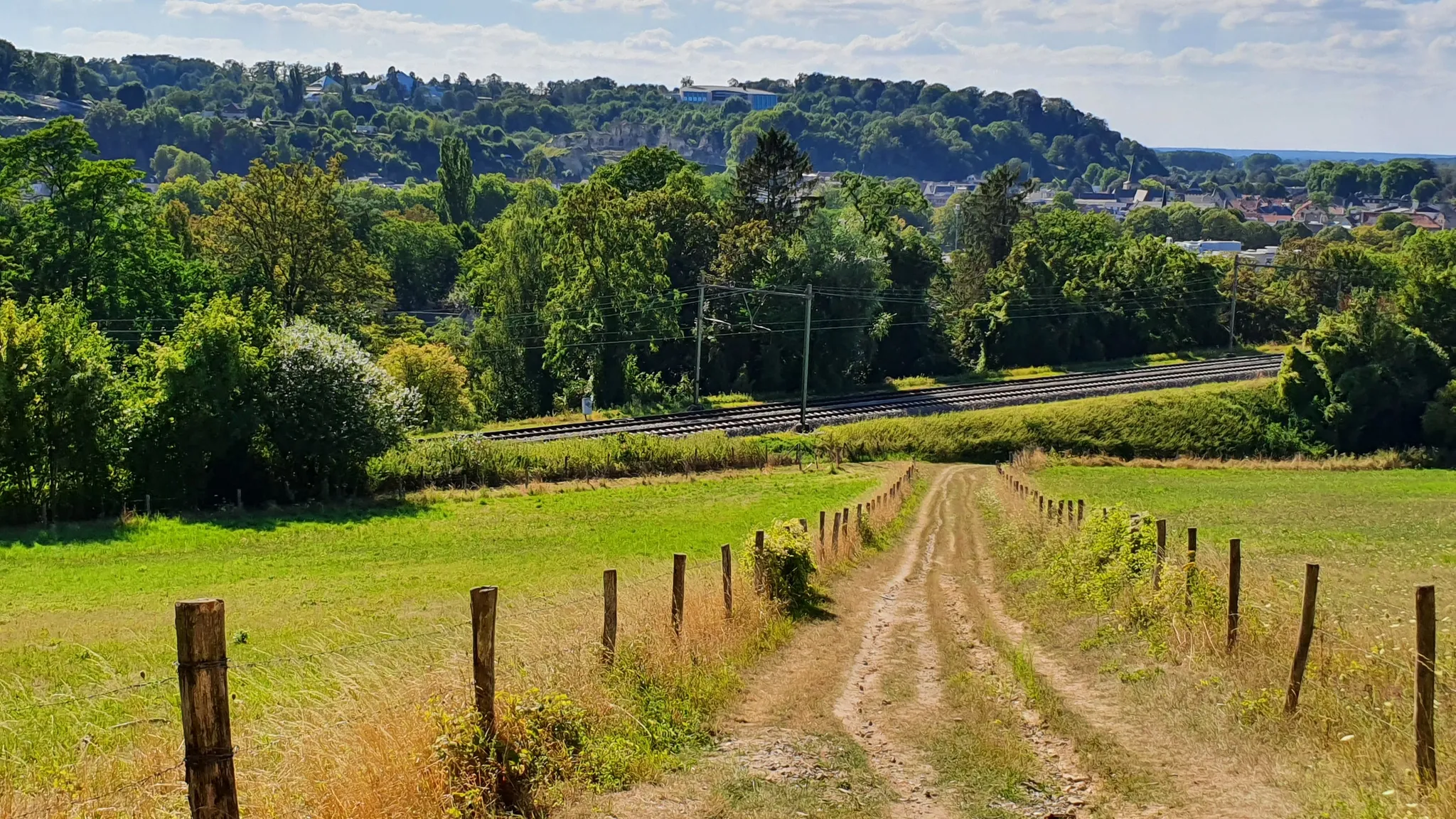
Especially in autumn, a view over colored trees
1
0

After a nice climb, you have a great view here!
1
0

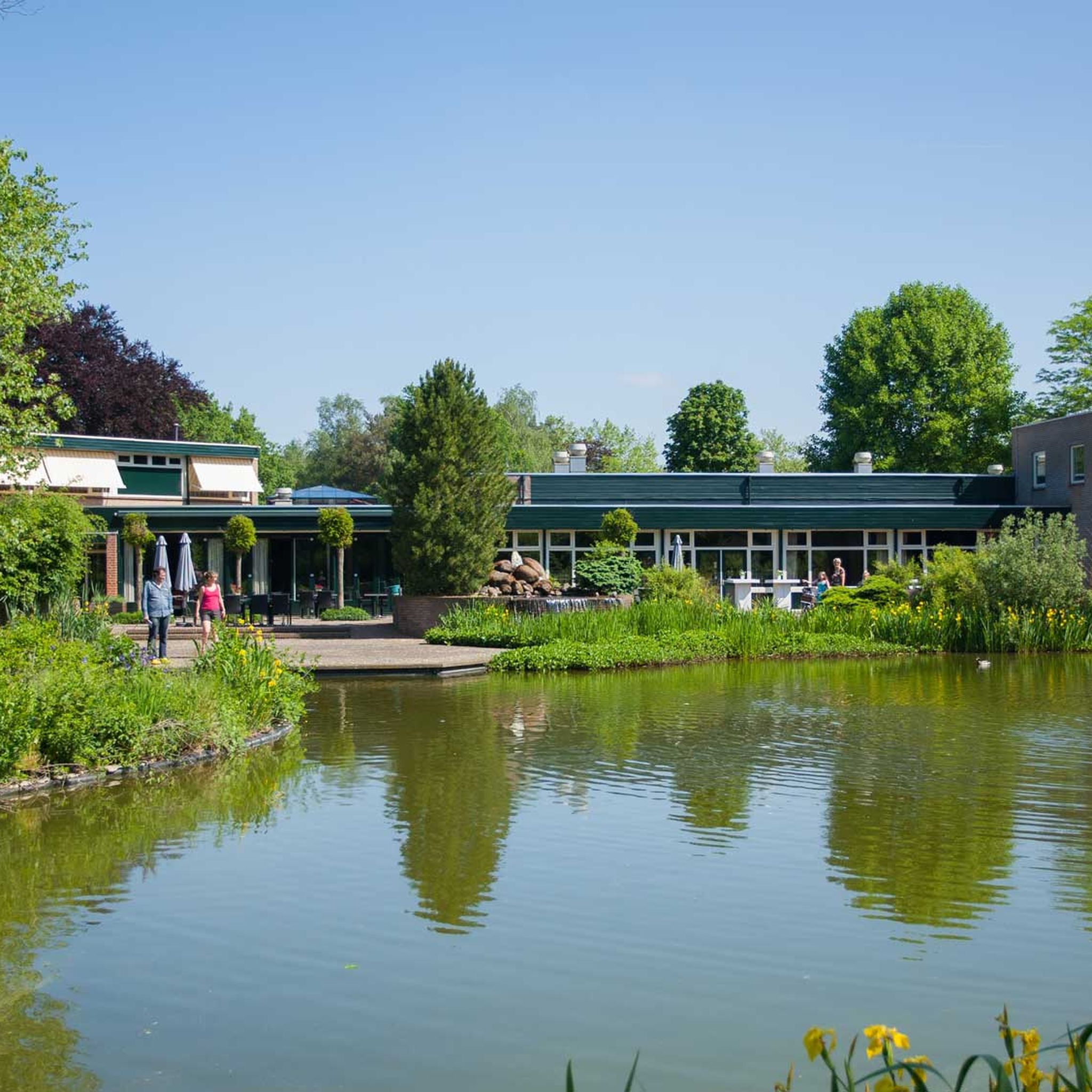
Nice place to take a walk and then enjoy a drink on the terrace.
1
0

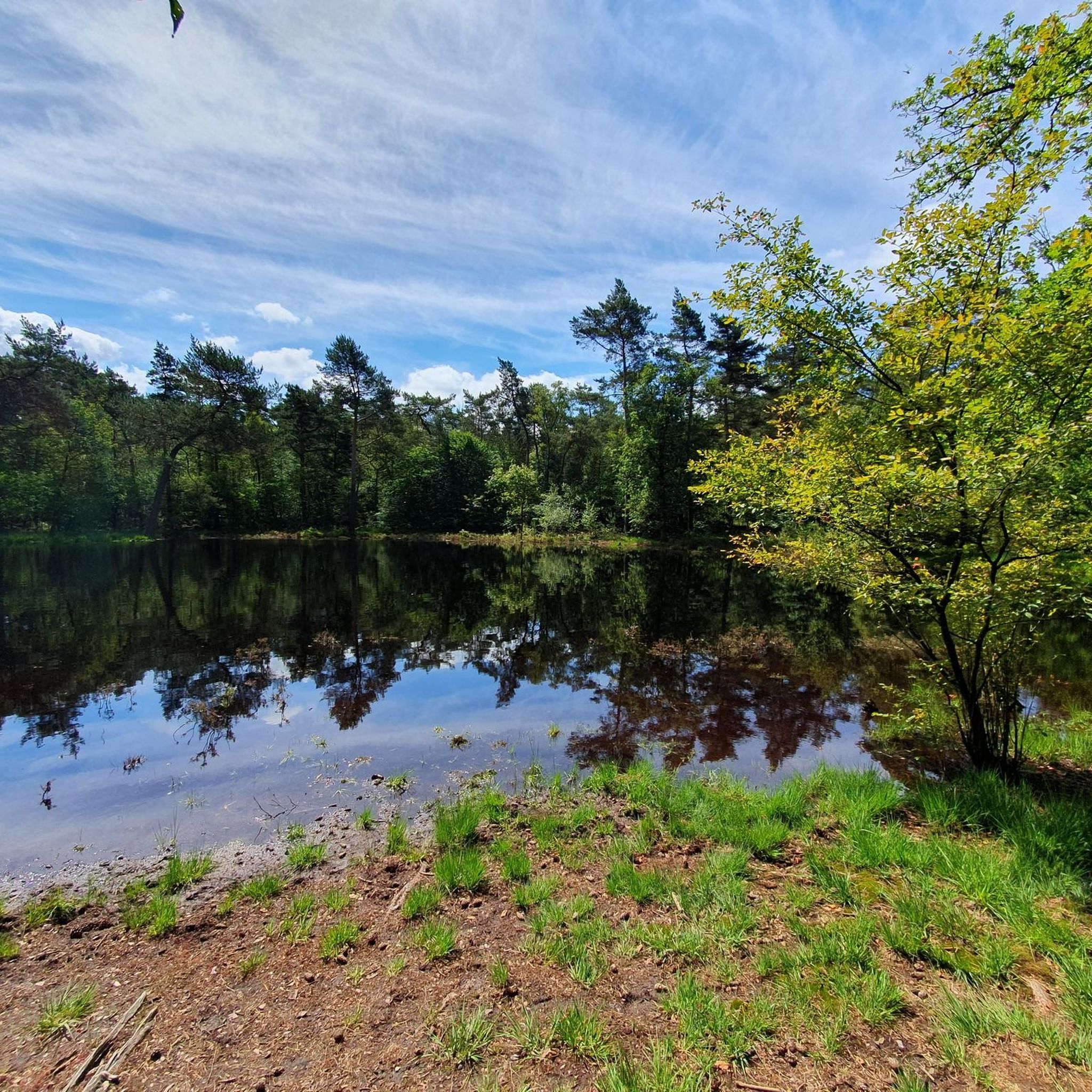
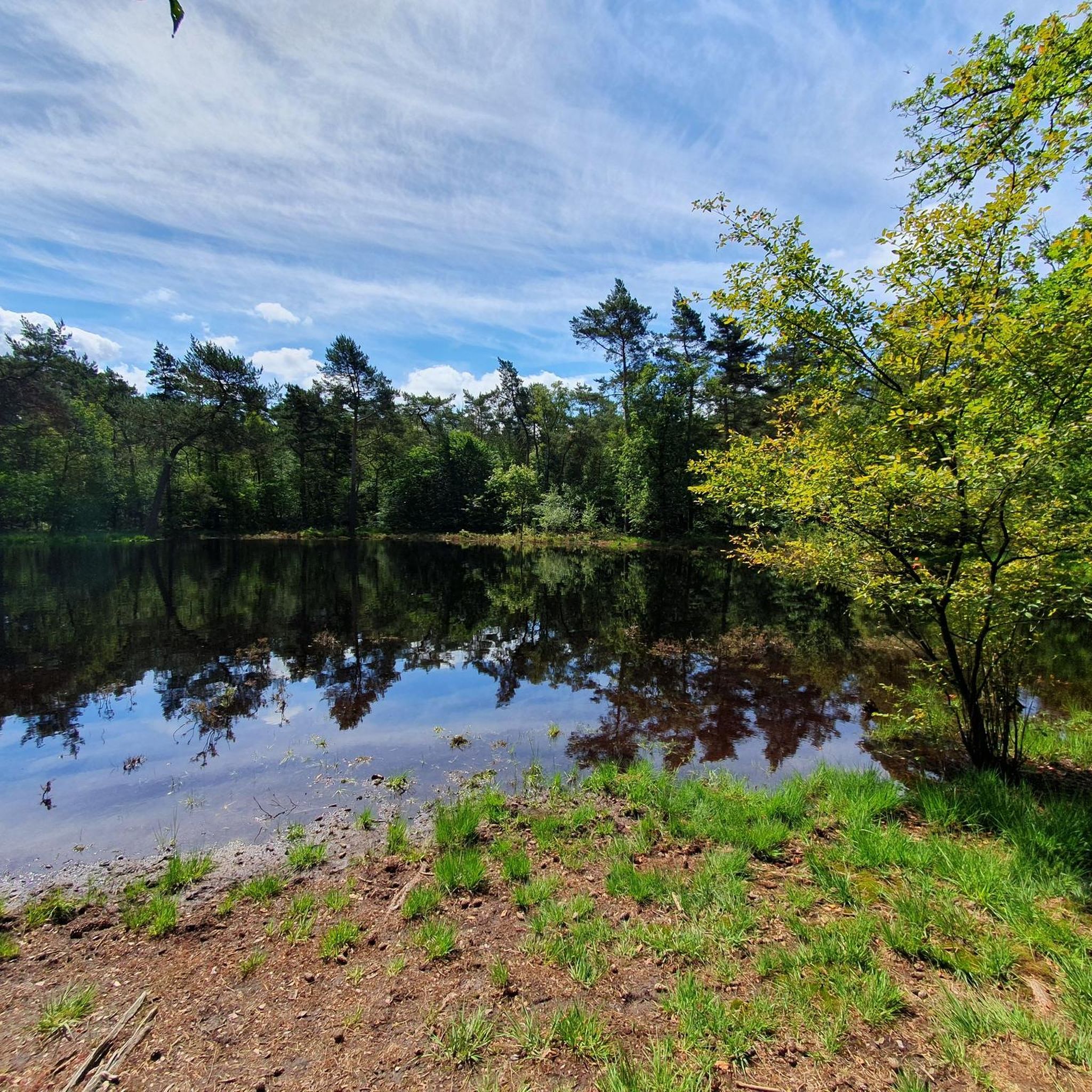
The Ginkelse Heide is a beautiful nature reserve near Ede. Here you can wander all year round over the vast heathland and through the forest. The Ginkelse Heide is also the habitat for many red deer, wild boar, sheep and roe deer. Enjoy the peace and the fantastic beautiful views here!
7
1

Unfortunately, dogs are not welcome in some areas. That's why I had to adjust the row, which fortunately was easy. This happens to me regularly. Actually that should be mentioned. I don't think I'm the only one experiencing this.
7
0

The Ginkelse heide is a beautiful nature reserve located in the Dutch province of Gelderland. With its vast moors, forest areas and sand drifts, it offers a breathtaking landscape for nature lovers. The heath is best known for its rich flora and fauna, including rare plant species and various bird species. Moreover, the Ginkelse heide has a historical significance as a landing zone during the Second World War. Every year, the commemoration of the Battle of Arnhem takes place here, when paratroopers land on the heath.
3
2

The geographic center of the Netherlands. Easy to recognize by the large stone. You also have plenty of opportunities here to sit down for a break.
3
0

Once you know the small round blue stickers, the path is well signposted.
9
1
Frequently Asked Questions
What unique natural monuments can I explore near Veenendaal?
Beyond the well-known spots, you can discover the Lone oak, a solitary tree at the center of a star-shaped forest dating back to 1790. Another unique area is Kwintelooijen, a former sand excavation site now reclaimed by nature, featuring unusually hilly terrain and diverse plant species. For a blend of nature and history, explore the Grebbelinie, an historic defense line with natural elements and waterways.
Are there family-friendly natural monuments around Veenendaal?
Yes, several natural monuments are suitable for families. The Lone oak in the Star Forest offers a tranquil setting for a peaceful walk. Ginkelse Heath is also family-friendly, with vast moors and forest areas to explore. Additionally, Landgoed Prattenburg provides hundreds of hectares of parkland open to the public, where families can wander through forests and heathland, and even pick blueberries in late summer.
What kind of natural features can I expect to see near Veenendaal?
The region around Veenendaal, situated on the edge of the Utrechtse Heuvelrug and Gelderse Vallei, offers diverse natural features. You'll find undulating forests, expansive heathlands, and unique geological formations like the moraines that formed the Amerongse Berg. Kwintelooijen features unusually hilly terrain with fens and moors, while the Grebbelinie incorporates waterways and floodplains into its landscape.
What historical significance do the natural monuments around Veenendaal hold?
Many natural monuments in the area are intertwined with history. The Lone oak was planted during the construction of the star forest in 1792, commissioned by the owners of Amerongen Castle. Ginkelse Heath served as a landing zone during the Second World War. The Grebbelinie is an historic defense line that utilized water as a defensive barrier, offering insights into Dutch defense strategies.
What outdoor activities can I do near these natural monuments?
The area around Veenendaal is excellent for various outdoor activities. You can find numerous routes for mountain biking, gravel biking, and touring cycling. For example, there are MTB trails that include the Harry Slinger Descent near the Amerongse Berg, gravel biking routes through fields and forests, and cycling tours that explore the Binnenveldse Hooilanden. The Utrechtse Heuvelrug also offers extensive hiking and cycling opportunities.
What is the best time of year to visit the natural monuments near Veenendaal?
Spring and summer are particularly rewarding for visiting natural monuments like Kwintelooijen, especially for botany enthusiasts, as over 300 different plant species, including southern marsh orchids, can be seen. Late summer is ideal for visiting Landgoed Prattenburg, where visitors are often permitted to pick blueberries. The vast moors of Ginkelse Heath are stunning when the heather is in bloom, typically in late summer to early autumn.
Are there good viewpoints among the natural monuments?
Yes, several natural monuments offer excellent viewpoints. The Amerongse Berg, the highest elevation in the province of Utrecht, provides several viewpoints within one of the oldest forests in the Netherlands. Additionally, View of Kwintelooyen is a popular spot with benches, inviting visitors to relax and enjoy the scenic vistas of the unique hilly landscape.
Can I bring my dog to the natural monuments around Veenendaal?
Many natural areas in the Netherlands are dog-friendly, often requiring dogs to be on a leash to protect wildlife and other visitors. While specific rules vary by location, areas like Landgoed Prattenburg and parts of the Utrechtse Heuvelrug generally welcome dogs. It's always advisable to check local signage or the specific website for each natural monument for detailed regulations regarding pets.
What do visitors enjoy most about the natural monuments near Veenendaal?
Visitors frequently appreciate the tranquility and natural beauty. For instance, the Lone oak is described as a 'nice place to take a break with a great view' and a spot to 'relax in the sun, out of the wind.' The Amerongse Berg is valued for its 'beautiful forest' and 'worthwhile destination.' The diverse landscapes, from forests to heathlands and unique geological formations, are consistently highlighted.
Are there any easy walking paths suitable for all fitness levels?
Yes, many natural monuments offer accessible and easy walking paths. Landgoed Prattenburg, with its hundreds of hectares of parkland, provides gentle trails through forests and heathland. The star-shaped forest around the Lone oak is also suitable for leisurely strolls. For those seeking a short, interesting walk, visiting the Geographic centre of the Netherlands offers an easy, recognizable landmark.
How can I reach the natural monuments using public transport?
While Veenendaal itself has good public transport connections, reaching some of the more remote natural monuments might require a combination of public transport and walking or cycling. The Grebbelinie Visitor Center, located in National Monument Fort aan de Buursteeg, can serve as a starting point and is often accessible by public transport. For other areas, checking local bus routes to nearby towns or villages and then continuing on foot or by bike is usually the best approach. Information on local transport can often be found on local tourism websites.
Are there any hidden natural gems near Veenendaal worth discovering?
Beyond the more prominent sites, Kwintelooijen is a fascinating 'hidden gem' for those interested in ecological diversity. This former sand excavation site has transformed into a unique nature reserve with unusually hilly terrain, fens, and moors, boasting a remarkable variety of plant species. Its distinct landscape offers a different kind of natural experience compared to the region's forests and heathlands.
Most popular routes around Veenendaal
Most popular attractions around Veenendaal

Get inspired with the komoot mobile app


Explore more
Extend your search for the best caves by checking out these guides of the top ones around Veenendaal:
