Top 9 Natural Monuments around Alblasserdam
Natural monuments around Alblasserdam are found in the heart of the Alblasserwaard polder, a region defined by its low-lying landscape and extensive water management systems. This area is notable for its blend of natural beauty and historical significance, shaped by centuries of interaction between land and water. Visitors can explore unique freshwater tidal wetlands and iconic cultural landscapes that reflect Dutch ingenuity in managing its environment. The region offers diverse opportunities for outdoor activities amidst its distinctive natural features.
Best…
Last updated: July 6, 2026
Kinderdijk Windmills (UNESCO World Heritage Site)
Highlight • Monument
Translated by Google •
Tip by

Observation tower in the Crezéepolder
Highlight • Viewpoint
Translated by Google •
Tip by
Sign up now to discover places like this
Get recommendations on the best single tracks, peaks, & plenty of other exciting outdoor places.
Sign up for free
Wassende Maan Land Art in De Biesbosch
Highlight • Structure
Translated by Google •
Tip by

Baby Forest
Highlight • Forest
Translated by Google •
Tip by

Sophiapolder Nature Island
Highlight (Segment) • Natural
Translated by Google •
Tip by

Sign up for free to discover even more natural monuments around Alblasserdam.
Sign up for free
Already have an account?
Start today with a free account
Your next adventure awaits.
Login or Signup
Tips from the Community

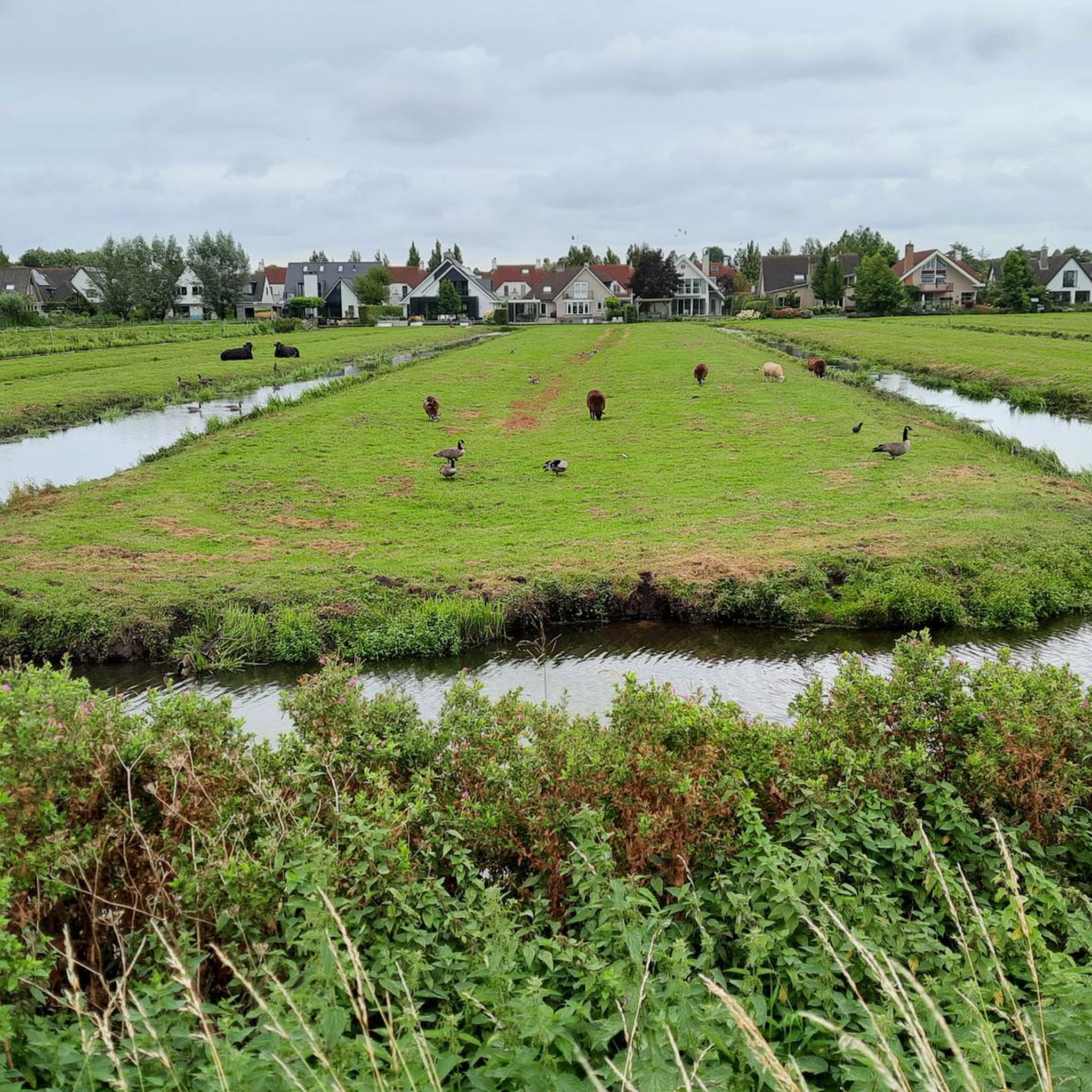
What a loss that this beautiful work of art is so neglected. During my visit on October 4, 2024, I noticed that a large part of this impressive land art was overgrown. The atmosphere and symbolism of the work of art have been completely lost as a result. It seems that it has been poorly maintained for years. Staatsbosbeheer should be ashamed of this. I also noticed that there are signs everywhere, including with four poems, but there is no explanation to be found about the work of art itself. During my visit, there were sheep walking around, which made it difficult to view the work of art without stepping in sheep poop.
4
0

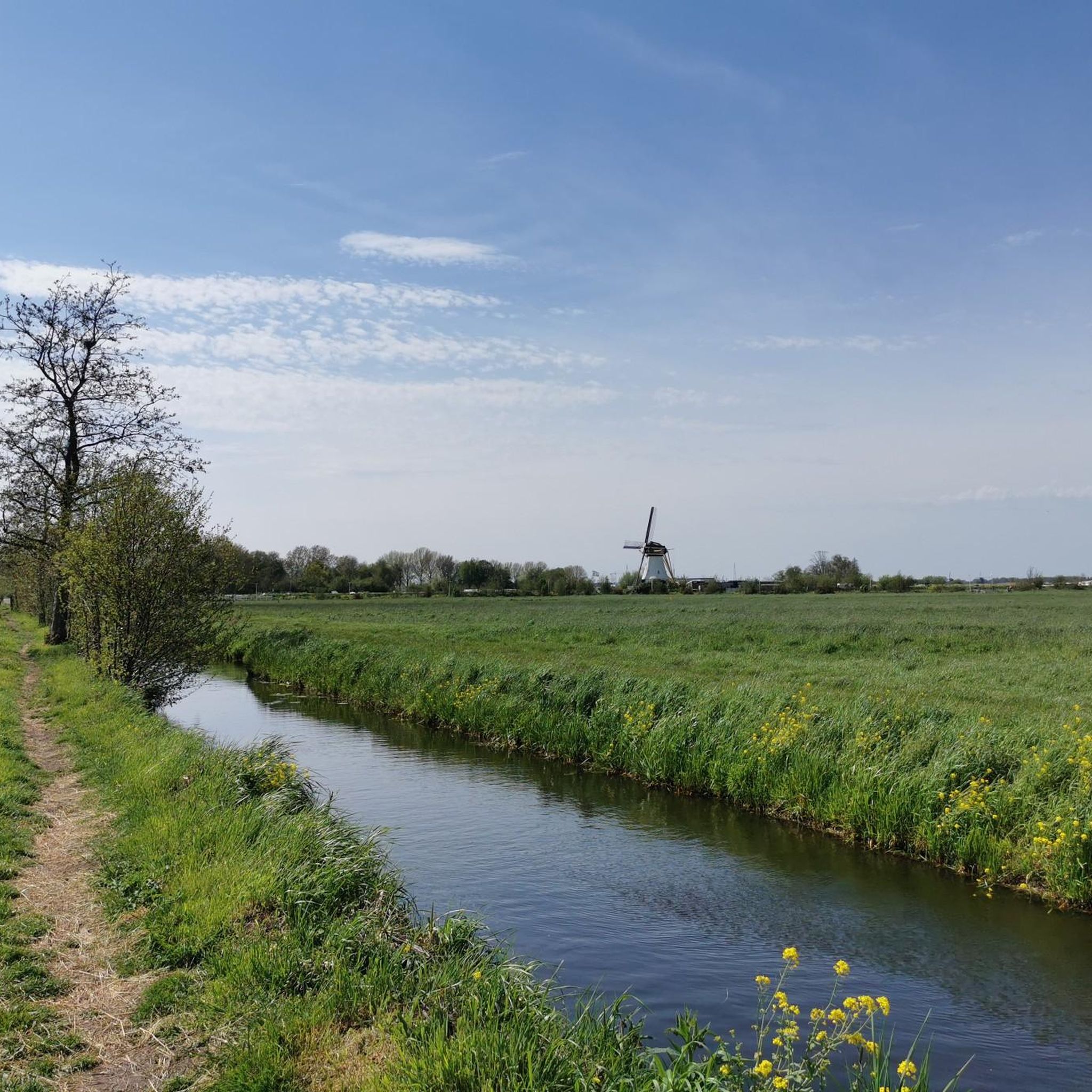
Beautiful walking location between water and windmills...
17
0
For those who don't plan a tour on komoot themselves...
14
0
You see a windmill everywhere... Don't forget to enjoy the surroundings...
14
0
An absolute must to walk between the many windmills and the waterways...
18
0
You have beautiful paths here between the windmills...
15
0

To conclude, a last tree was symbolically planted. All parents and children who have a tree in the Babybos were invited to this event. The municipality has placed a water lime tree in honor of all the children in Capelle. Councilor Marc Wilson unveiled the artwork and sign together with the children present. They also shoveled the earth together near the tree. Source: capellevandaag.nl
5
0
On Wednesday, November 15, 2023, the very last tree of the Babybos was planted in the Schollebos. This puts an end to a special residents' initiative that started eleven years ago. The initiative for the Babybos came from one of the residents: Capelse Ada Lit got the idea when a tree was knocked down in front of her house after the birth of her son. In collaboration with the municipality, a piece of land near the Schollebos was put to use for the construction of the Babybos. Over the years, Capel parents have been able to have their own tree planted for their born child. Each tree came with a nameplate with date of birth. A decade and 43 trees later, the plot of land was full, the municipality announced at the end of last year. Another location for a 'restart' turned out not to be possible. Source: capellevandaag.nl
5
0
Frequently Asked Questions
What unique natural features can I explore around Alblasserdam?
The region around Alblasserdam is characterized by its polder landscapes and unique water management systems. You can explore the iconic Kinderdijk Windmills (UNESCO World Heritage Site), which, while man-made, represent a monumental struggle against water. Additionally, the nearby National Park De Biesbosch offers expansive freshwater tidal wetlands, a labyrinth of rivers, creeks, and willow forests, providing a rich ecological environment.
Are there family-friendly natural monuments to visit near Alblasserdam?
Yes, several natural monuments are suitable for families. The Kinderdijk Windmills are very family-friendly, offering easy paths for walking and cycling. The Observation tower in the Crezéepolder provides a great viewpoint for all ages, and the Baby Forest is a charming spot with a unique community story.
What outdoor activities can I do near these natural monuments?
The area offers diverse outdoor activities. You can enjoy cycling along the polder paths, especially around the Kinderdijk Windmills. National Park De Biesbosch is excellent for kayaking, boating, and wildlife spotting. For more structured routes, you can find various hiking and cycling routes around Alblasserdam.
Where can I find scenic viewpoints of the natural landscape?
For panoramic views, visit the Observation tower in the Crezéepolder, which offers extensive vistas over the nature reserve and even the Kinderdijk windmills. The Kinderdijk Windmills themselves provide picturesque scenery, and the Wassende Maan Land Art in De Biesbosch has a neighboring viewing hill from which to observe the landscape artwork.
Is it possible to spot wildlife in the natural areas around Alblasserdam?
Yes, wildlife spotting is a highlight in several areas. National Park De Biesbosch is known for its diverse fauna, including many bird species and beavers. The Sophiapolder Nature Island is a magnet for birds like avocet, redshank, and spoonbills, and you might see various insects and butterflies. The Crezéepolder also provides opportunities to encounter many bird and plant species.
What is the best time of year to visit the natural monuments?
The natural monuments can be enjoyed year-round. Spring and summer are ideal for outdoor activities like cycling and boating. In September, the Kinderdijk Windmills are illuminated at night for one week, creating a spectacular display. Winter also offers a unique, serene atmosphere for visiting the windmills.
Are there any historical or cultural aspects linked to the natural monuments?
Absolutely. The Kinderdijk Windmills are a UNESCO World Heritage site, showcasing centuries of Dutch water management ingenuity. The Wassende Maan Land Art in De Biesbosch is a contemporary landscape artwork that interacts with nature. The Sophiapolder Nature Island also has a rich history, from its creation in the 14th century to its agricultural use and eventual transformation into a nature reserve.
How can I explore the Kinderdijk Windmills area?
The Kinderdijk Windmills are best explored by walking or cycling along the paths that crisscross the area. You can also take boat tours to appreciate the scale of the system from the water. Don't miss visiting Museum Mill Nederwaard to see how the windmills functioned centuries ago.
What makes National Park De Biesbosch a significant natural monument?
National Park De Biesbosch is a significant natural monument due to its unique freshwater tidal wetlands. It's one of the few remaining freshwater tidal areas in Europe, characterized by a dynamic landscape of rivers, creeks, and willow forests. It serves as a vital habitat for diverse flora and fauna, including beavers and numerous bird species, and plays a crucial role in water management.
Are there easy walking trails suitable for all fitness levels?
Yes, many areas offer easy walking trails. The paths around the Kinderdijk Windmills are generally flat and well-maintained, perfect for leisurely strolls. The Crezéepolder also offers beautiful walking opportunities. For specific easy routes, you can check the hiking guide for Alblasserdam.
Can I bring my dog to the natural monuments around Alblasserdam?
Many outdoor areas in the Netherlands are dog-friendly, often requiring dogs to be on a leash. The polder paths around the Kinderdijk Windmills are generally suitable for walks with dogs. Always check local signage for specific rules regarding pets in nature reserves like De Biesbosch or the Crezéepolder to ensure a pleasant visit for everyone.
How can I reach the Sophiapolder Nature Island?
The Sophiapolder Nature Island is located in the middle of the tidal river De Noord and is only accessible by a foot ferry. Voluntary skippers from the Zuid-Hollands Landschap transfer visitors, and the crossing takes about 5 to 10 minutes. Once there, you can enjoy a 2.5-kilometer walk over decking and dikes.
Most popular attractions around Alblasserdam

Get inspired with the komoot mobile app


Explore more
Extend your search for the best caves by checking out these guides of the top ones around Alblasserdam:
