Top 17 Natural Monuments around Giessenlanden
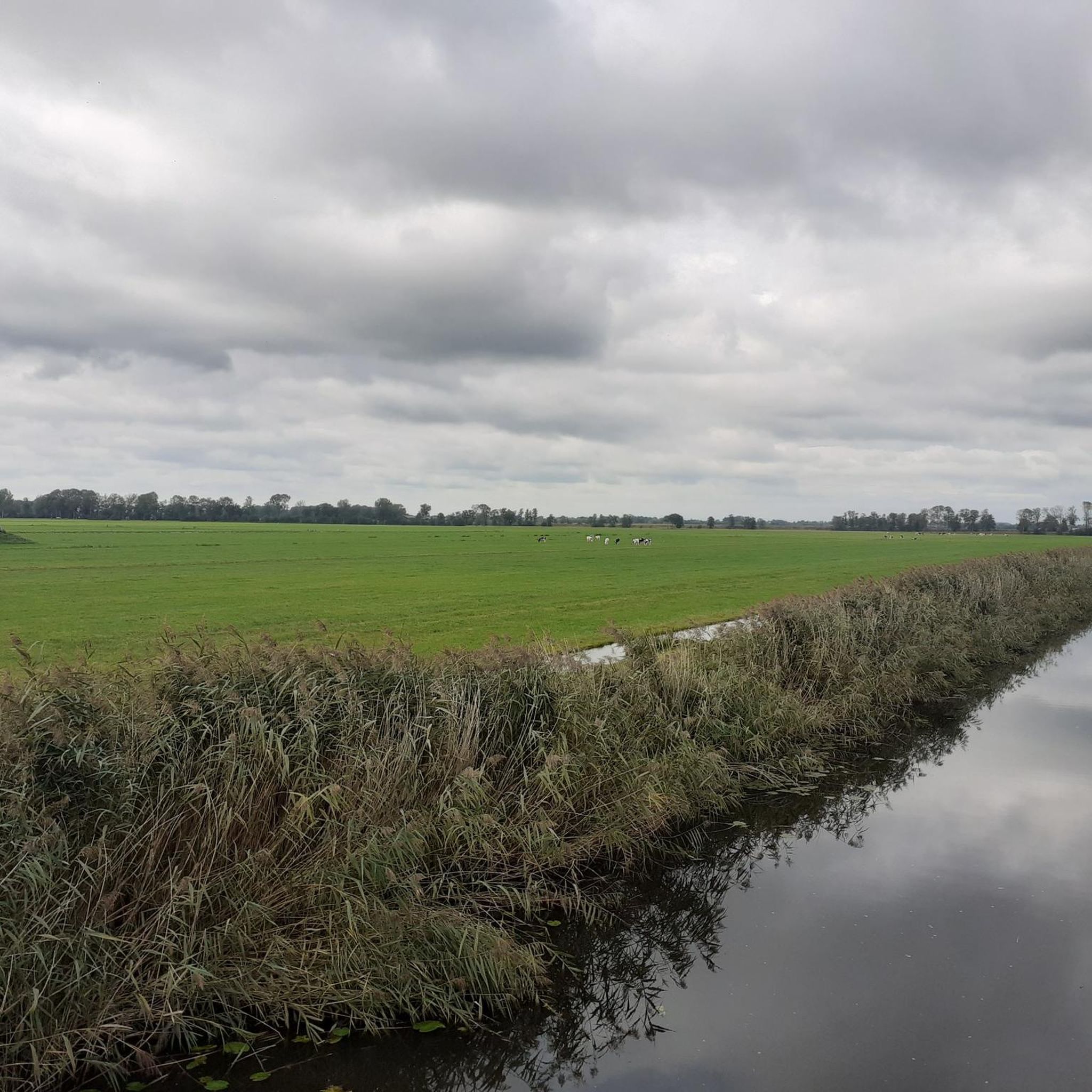
Best natural monuments around Giessenlanden are primarily found within the broader Biesbosch National Park, an area renowned for its unique ecological features. This region, partly situated in what was once Giessenlanden, is characterized by freshwater tidal wetlands, an intricate network of rivers, creeks, and islands. The landscape includes lush willow forests, wet grasslands, and reed beds, influenced by the dynamic water levels of the Rhine and Meuse rivers. It offers a diverse ecosystem for nature observation and outdoor activities.
Best…
Last updated: August 16, 2026
Munnikenland and Loevestein Castle
Highlight • Castle
Translated by Google •
Tip by

Biesbosch Museum Island
Highlight • Historical Site
Translated by Google •
Tip by

Sign up now to discover places like this
Get recommendations on the best single tracks, peaks, & plenty of other exciting outdoor places.
Sign up for free
Wassende Maan Land Art in De Biesbosch
Highlight • Structure
Translated by Google •
Tip by
Biesbosch National Park
Highlight • Natural Monument
Translated by Google •
Tip by

Grazing Area of Konik Horses and Red Cattle in Munnikenland
Highlight • Natural
Translated by Google •
Tip by

Sign up for free to discover even more natural monuments around Giessenlanden.
Sign up for free
Already have an account?
Start today with a free account
Your next adventure awaits.
Login or Signup
Tips from the Community

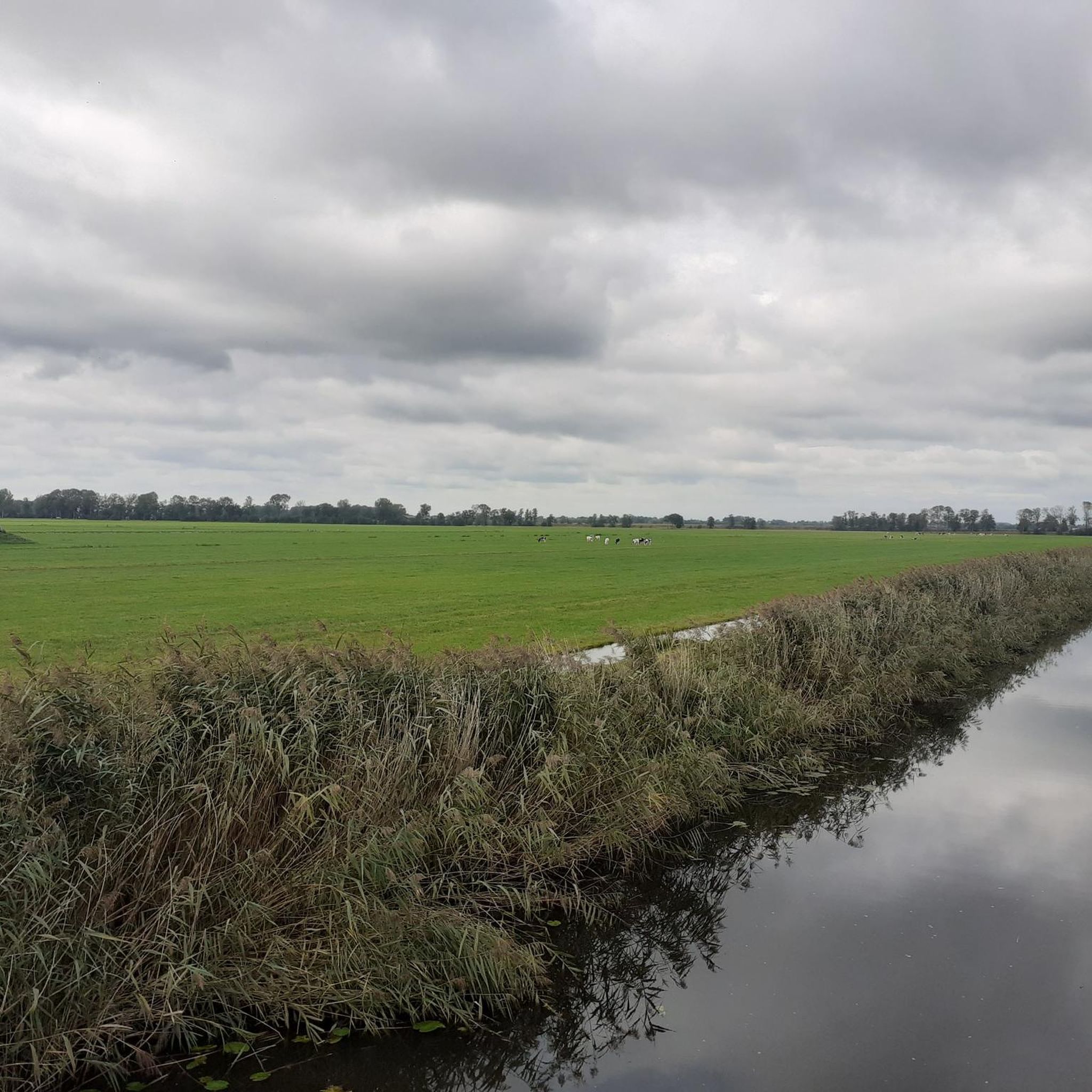
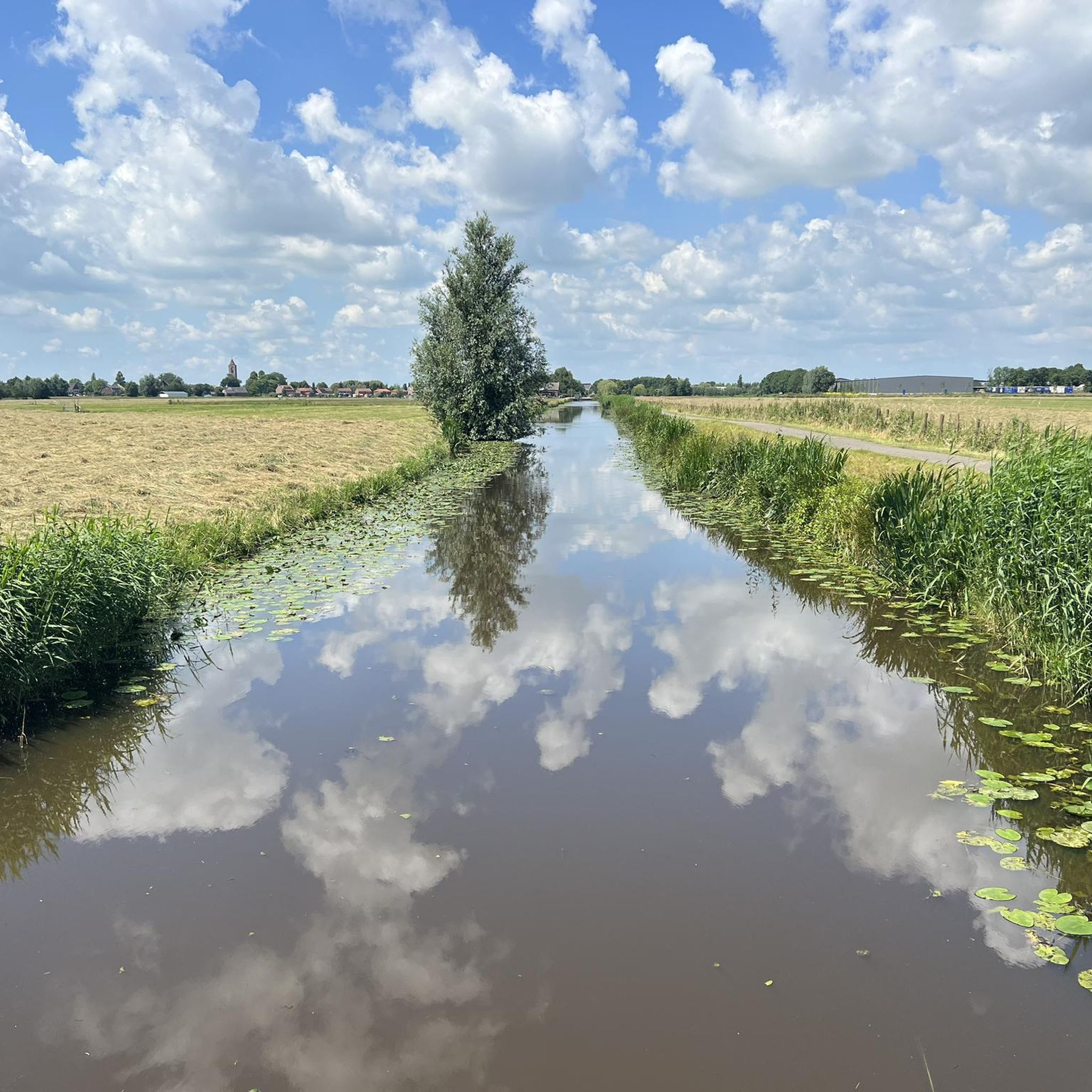
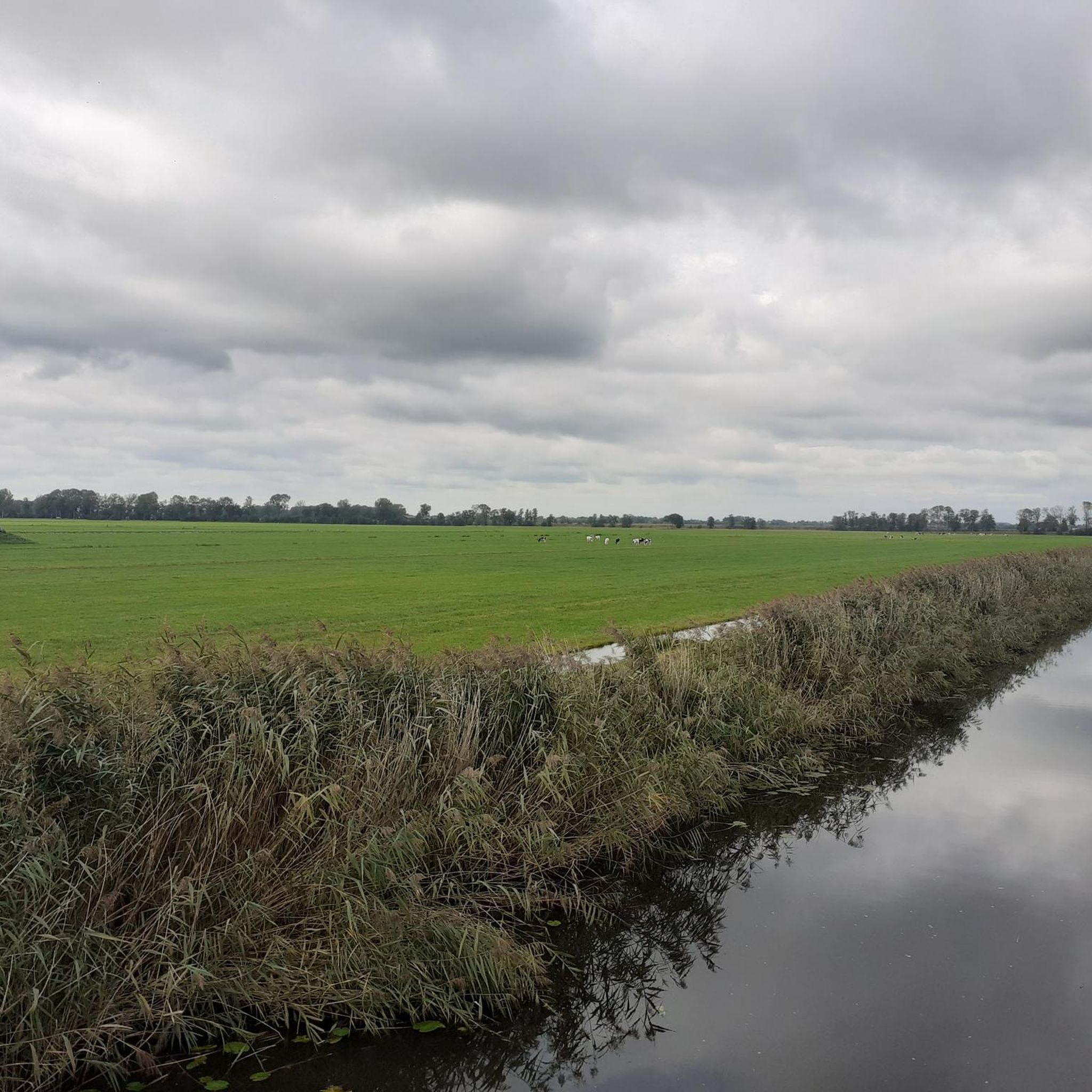
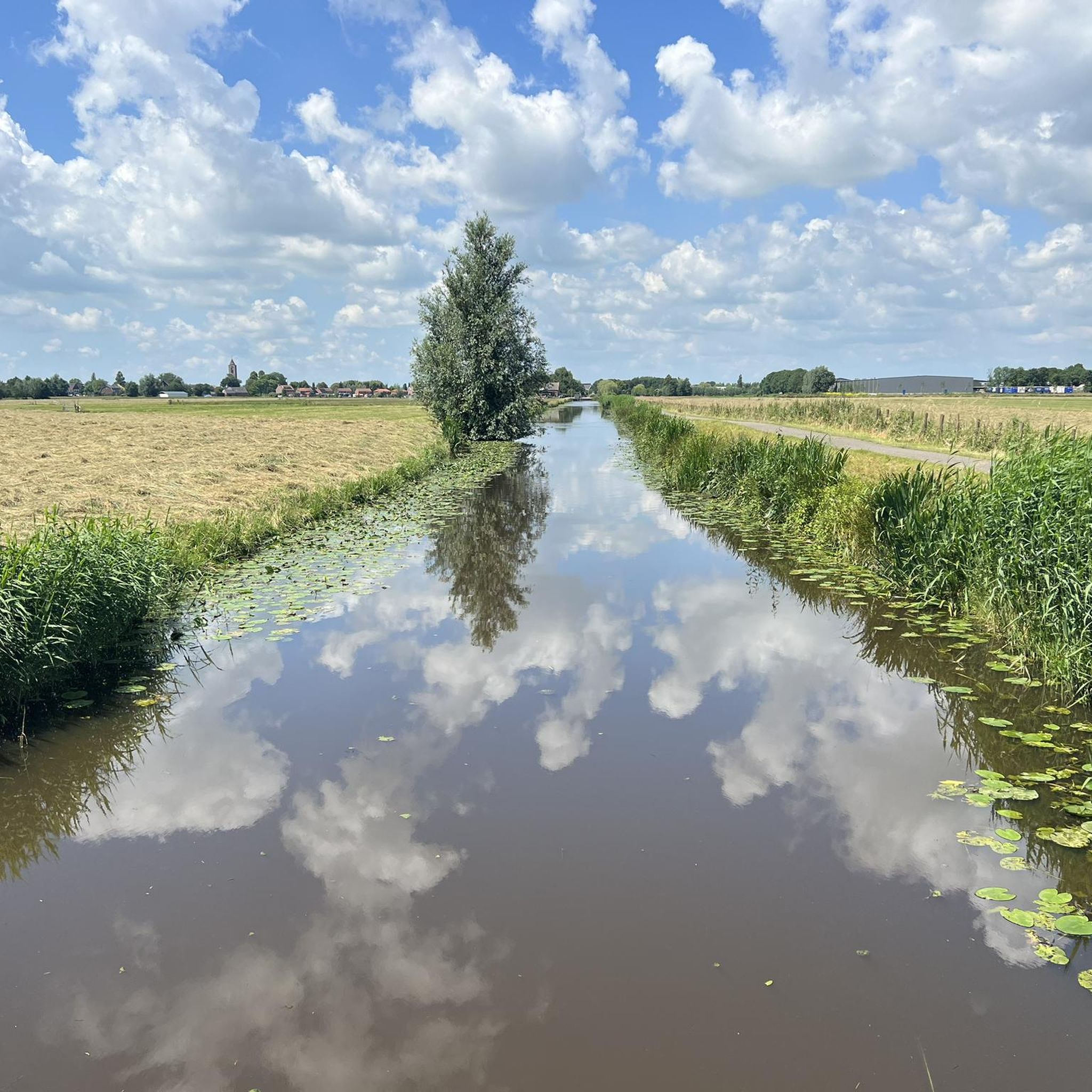
The Biesbosch was originally polder land, but after a storm surge, the area transformed into an inland sea. Water from the Maas and Waal rivers transformed it into a freshwater delta. Sand and river silt formed sandbanks, which were particularly suitable for rushes. Hence the name 'Biesbosch'. When the Haringvliet inlet was later closed off, the large differences between high and low tides disappeared. Nature was given free rein, and the area became wilder. Today, sea eagles and ospreys breed here again. A truly special sight!
1
0

The Biesbosch Museum, located in the heart of the National Park, conveys the history, nature and culture of this unique river landscape and invites you to learn more about the ecological importance of the area.
0
0

What a loss that this beautiful work of art is so neglected. During my visit on October 4, 2024, I noticed that a large part of this impressive land art was overgrown. The atmosphere and symbolism of the work of art have been completely lost as a result. It seems that it has been poorly maintained for years. Staatsbosbeheer should be ashamed of this. I also noticed that there are signs everywhere, including with four poems, but there is no explanation to be found about the work of art itself. During my visit, there were sheep walking around, which made it difficult to view the work of art without stepping in sheep poop.
4
0
Lovely place (I was halfway) to rest for a while and if you want to visit the museum, or take a boat trip through the Biesbosch.
2
0

Fantastic to relax and enjoy nature here 🚲🥾☀️👍
0
0

Beautiful area with many birds. Currently very wet and parts of the walking path are closed. Strolling along the Maas is fun, but now it is swampy.
2
0

In the museum there is lots and lots of information about plants, fauna and birds. Very informative. Beautiful bike route through the landscape.
4
1
Very nice nature reserve, you can watch a lot of birds there!!
0
0
Frequently Asked Questions
What unique natural features can I expect to see around Giessenlanden?
The region around Giessenlanden is primarily characterized by the unique freshwater tidal wetlands of the Biesbosch National Park. This area features an intricate network of rivers, creeks, and islands, with lush willow forests, wet grasslands, and reed beds. The dynamic water levels, influenced by the Rhine and Meuse rivers, create a highly diverse ecosystem.
Are there historical sites integrated with the natural landscapes?
Yes, you can explore areas like Munnikenland and Loevestein Castle. This natural monument offers opportunities for walking through landscapes where you might encounter horses and cattle, with the historic castle as a prominent feature. Large parts of this area are freely walkable without a defined path structure.
What kind of wildlife can be observed in the natural monuments near Giessenlanden?
The Biesbosch National Park is a haven for diverse flora and fauna. It's an important wetland for waterfowl and migrating geese, and you can spot various bird species including kingfishers, spoonbills, and even white-tailed eagles. The Eurasian beaver has also thrived here, and you might see signs of their activity. Roe deer and foxes are also regular inhabitants, particularly in areas like the Grazing Area of Konik Horses and Red Cattle in Munnikenland.
Are there family-friendly natural monuments or activities in the area?
Absolutely. The Biesbosch National Park itself is considered family-friendly, offering various activities. A great starting point is the Biesbosch Museum Island, which provides insights into the park's history and ecology and serves as a natural gateway for cycling, walking, or boating trips. You can also canoe through winding creeks or walk on rugged trails.
What kind of outdoor activities can I do near these natural monuments?
The region offers a variety of outdoor activities. You can find numerous cycling routes, such as the 'Windmill on the River Linge – De Biesbosch National Park loop' or the 'Biesbosch Wetlands – Beautiful floral waterfront loop'. For mountain biking, consider routes like 'De Biesbosch National Park – Biesbosch Museum Island loop'. You can explore more options on the Cycling around Giessenlanden or MTB Trails around Giessenlanden guide pages.
Are there any unique art installations within the natural landscape?
Yes, you can visit Wassende Maan Land Art in De Biesbosch. This unique 4-hectare landscape artwork consists of channels and dikes, designed to change with weather and tides. Located in the Noordwaard, it forms a labyrinth that looks different depending on the season and tidal influences.
What is the best way to explore the Biesbosch National Park?
Boating is a popular way to explore the Biesbosch, whether by whisper boat, canoe, or rented vessel, allowing you to navigate the maze of creeks. Numerous hiking and cycling trails are also available, ranging from short walks to full-day excursions. The Biesbosch Museum Island is an excellent starting point for any exploration.
What do visitors enjoy most about the natural monuments around Giessenlanden?
Visitors particularly appreciate the wildness and tranquility of the Biesbosch National Park, often describing it as a 'jungle-like' landscape. The diverse birdlife, including sea eagles and ospreys, is a special sight. The opportunity to walk freely between large grazers in areas like Munnikenland is also highly valued.
Are there facilities like cafes or museums near the natural monuments?
Yes, the Biesbosch Museum Island serves as a central hub. It houses a museum that conveys the history, nature, and culture of the river landscape, and also includes a cafe. It's an ideal spot to start or end your visit, offering amenities and educational opportunities.
What is the best time to visit the natural monuments in this region?
The Biesbosch National Park offers unique experiences throughout the year. Spring and summer are ideal for boating, cycling, and observing migratory birds and lush vegetation. Autumn brings beautiful colors, while winter can offer a serene, wild landscape, especially for birdwatching. The 'Wassende Maan Land Art' also changes appearance with the seasons and tides.
Are there options for longer cycling tours that include natural monuments?
Yes, for those looking for longer rides, there are challenging routes available. For example, the 'Windmill on the River Linge – De Biesbosch National Park loop from Arkel' is a difficult 130 km cycling route. Another option is the 'Woudrichem Fortress Town – De Biesbosch National Park loop from Boven Hardinxveld', which is over 100 km. You can find more details on the Cycling around Giessenlanden guide page.
Can I walk freely in certain natural areas, or do I need to stick to marked trails?
In some areas, such as Munnikenland and Loevestein Castle, large parts are freely walkable without a defined path structure. Similarly, in the Grazing Area of Konik Horses and Red Cattle in Munnikenland, you are encouraged to wander off the beaten track, though it's important to maintain a safe distance from the wild animals.
Most popular attractions around Giessenlanden

Get inspired with the komoot mobile app


Explore more
Extend your search for the best caves by checking out these guides of the top ones around Giessenlanden:
