Top 14 Natural Monuments around Korendijk
Best natural monuments around Korendijk offer diverse ecosystems and recreational opportunities within the broader Hoeksche Waard region. The area features unique freshwater tidal landscapes, extensive reed fields, and transformed agricultural lands now dedicated to nature. These natural areas provide habitats for various wildlife and offer visitors opportunities for exploration.
Best natural monuments around Korendijk
- The most popular natural monuments is De Wachter Art Installation, a man-made monument that is an eight-metre-high, pyramid-like clay hill. This landmark stands at the…
Last updated: June 23, 2026
De Wachter Art Installation
Highlight • Monument
Translated by Google •
Tip by

Juliana Park
Highlight • Natural Monument
Main entrance Burg. Knappertlaan
The Julianapark is the only park in Schiedam that is protected as a monument. Nowadays, its design is still very similar to the design that …
Translated by Google •
Tip by

Sign up now to discover places like this
Get recommendations on the best single tracks, peaks, & plenty of other exciting outdoor places.
Sign up for free
Bee and insect hotel with information stand
Highlight • Structure
Translated by Google •
Tip by

Wildflower fields in the Oude Polder, Haringvliet
Highlight • Natural
Translated by Google •
Tip by

Tiendgorzen Nature Reserve
Highlight • Natural
Translated by Google •
Tip by

Sign up for free to discover even more natural monuments around Korendijk.
Sign up for free
Already have an account?
Start today with a free account
Your next adventure awaits.
Login or Signup
Tips from the Community

Julianapark Main entrance Burg. Knappertlaan The Julianapark is the only park in Schiedam that is protected as a monument. Nowadays, its design is still very similar to the design that the municipal landscape architect J.K. Dominicus drew in 1914. The park was the first part that was constructed during the development of the new West district. The pond was an important part of the water management in the former polder area, which was reclaimed from 1907 onwards. Dominicus designed a park with curved paths in a landscaped design, combined with several formal avenues and sight lines, such as the access path from Burgemeester Knappertlaan. An artificial hill or belvedere was constructed in the centre of the park, from where there is a beautiful view of the park. The crowning dome is surrounded by a brick pergola. The colonnade with lime trees is also characteristic. There are more beautiful trees in the park, such as a beech and hornbeam, and the liberation tree planted in 1947. There are several monuments in the park, such as the Emmabank from 1935 and a liberation monument from 1949 by Pieter van Starreveld. Many older Schiedammers still remember the magical lighting of the Julianapark during the 'Holiday Festivities' in the fifties. This lighting was not easy, for example the eight kilometres of electricity cables had to be buried in lawns, flower beds and paths. The manager was therefore not initially enthusiastic. With Winterlicht in December the beautiful effect can be relived. NB. Fortunately this lighting was not always on. The adult male youth had secret meetings in the park at night with the young student nurses who stayed in the convent next to the park.
2
0

An insect hotel is a structure that is specially designed to provide shelter and nesting places for insects. It is often used in gardens, parks or natural areas to support biodiversity. Here is more information about insect hotels: Purpose of an insect hotel • Supporting biodiversity: Insect hotels help beneficial insect species such as bees, ladybirds, lacewings and earwigs to survive, especially in urban or agricultural areas where natural shelters are scarce. • Pollination: Solitary bees, which often use insect hotels, play an important role in pollinating flowers and crops. • Pest control: Some insects, such as ladybirds and earwigs, eat pest insects such as aphids, which can help to naturally maintain plants. Construction of an insect hotel An insect hotel consists of several compartments, each suitable for different types of insects. Commonly used materials include: • Wooden blocks with holes drilled into them: For solitary bees, such as the mason bee. • Hollow stems: Bamboo or reed for small bee species. • Pine cones or straw: For ladybugs and earwigs. • Bark and twigs: For spiders and other small insects. • Loam or clay: For bees that seal their nests with mud.
8
0

Along the Oostdijk between the Tonnekreek and Willemstad is 'De Wachter' a special work of art. De Wachter stands exactly on the spot where the storm surge on 1 February 1953 hit and flooded the Ruigenhilpolder. The work of art is an eight-metre-high hill, on which sheep can graze. The work of art De Wachter, by artist Marius Boender, was built along the Hollandsch Diep at the spot where the dike broke during the Flood Disaster in 1953. The reason for the monument was the completion of the dike reinforcement in 2001. The work of art is an eight-metre-high, pyramid-like clay hill, overgrown with grass. You can climb the work of art via a path that winds over the work of art. There is a good chance that you will do so in the company of grazing sheep. The creation of the work of art was a challenge, because factors such as weight (not too heavy), weather resistance (rain and wind) and construction (not subsidence under pressure from visitors) had to be taken into account. Source: https://www.visitmoerdijk.nl/nl/locaties/2645610321/de-wachter
6
0

The work of art is an eight-metre high hill on which sheep can graze. De Wachter, by artist Marius Boender, was built along the Hollandsch Diep at the spot where the dike broke during the 1953 flood disaster.
3
0

The nature reserve of the Tiendgorzen is located on the Haringvliet next to the ferry to the island of Tiengemeten. The rare Arctic vole has been living in the wetlands of Tiendgorzen for several years now. The animal feels completely at home in the nature of the marshy grass and reed land. There are also many birds in Tiendgorzen. For example, reed birds and waders such as the reed warbler and redshank are frequent visitors. [natuurmonumenten.nl]
0
0

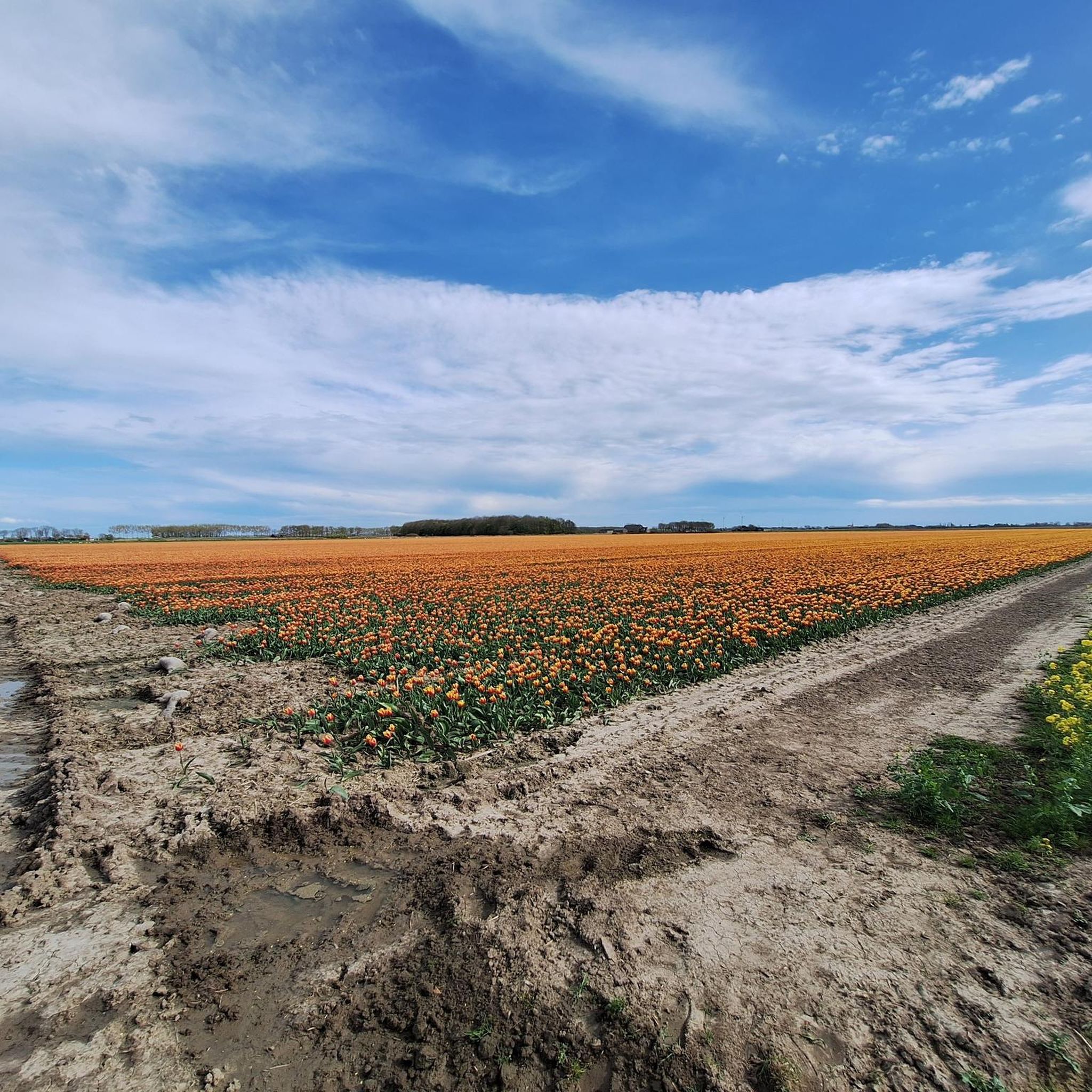
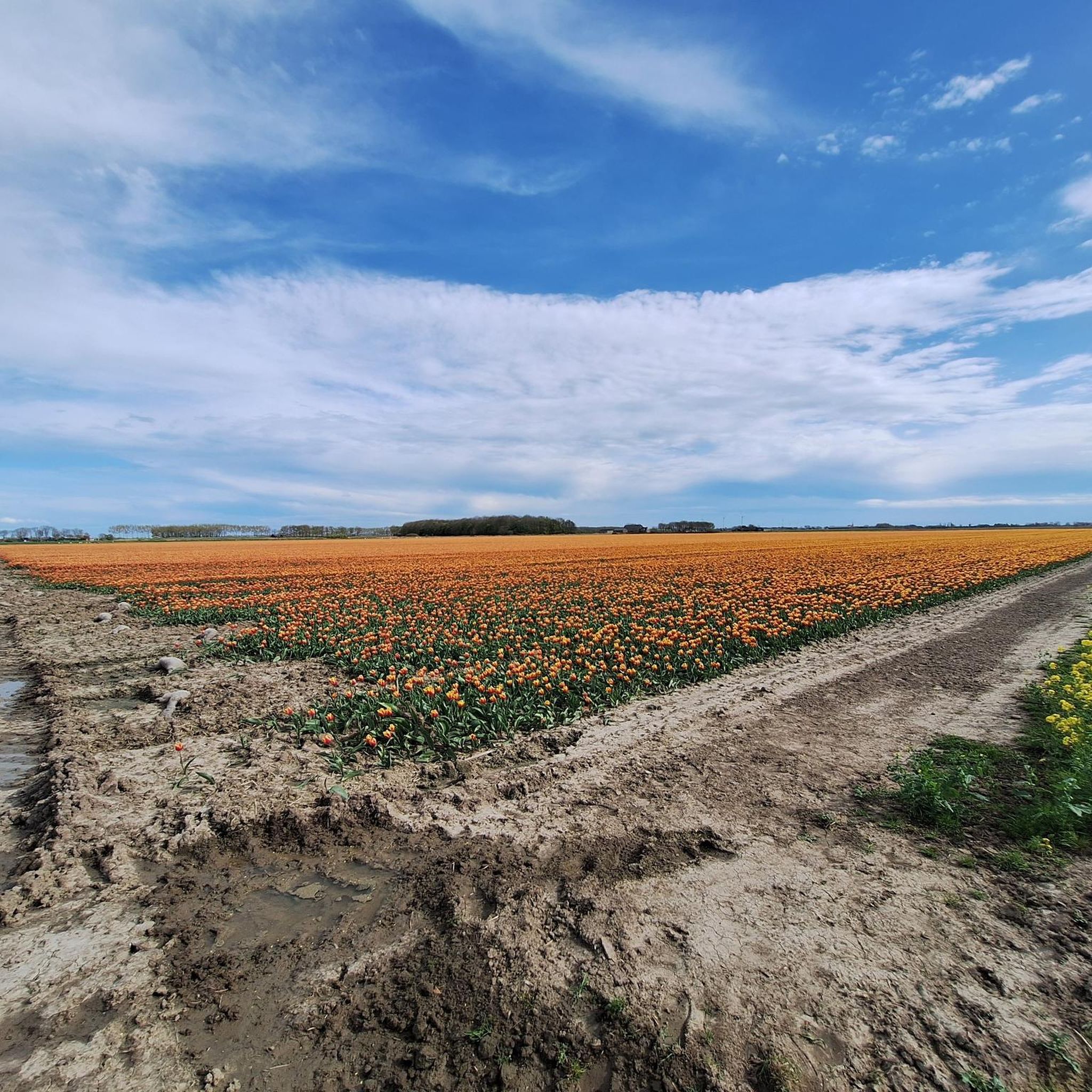
Fields with many colourful flowers
3
0

Arable lands full of poppy, cornflower and yellow goose flower. The farmer used to harvest grains, including weeds. He saved part of the harvest for sowing again the following year. In addition to grain, the wild field flowers also reappeared. Nowadays, the foresters are actively working on the return of field flowers to restore the agricultural image of the past in the Oude Polder.
3
0
Frequently Asked Questions
What unique natural features can I explore around Korendijk?
The region around Korendijk, part of the broader Hoeksche Waard, is known for its diverse natural features. You can find rare freshwater tidal willow forests like the Rhoonse Grienden, extensive reed fields at the Korendijkse Slikken, and transformed island nature reserves such as Tiengemeten. These areas offer unique ecosystems, dynamic landscapes shaped by water and wind, and a rich variety of flora and fauna.
Are there any natural monuments with historical significance?
Yes, De Wachter Art Installation is a significant landmark. This eight-metre-high, pyramid-like clay hill stands at the exact spot where the dike broke during the devastating 1953 flood disaster, serving as a powerful reminder of the region's history with water management.
Where can I find beautiful wildflower fields?
You can visit the Wildflower fields in the Oude Polder, Haringvliet. Here, arable lands are actively managed by foresters to restore the agricultural image of the past, encouraging the growth of poppy, cornflower, and yellow goose flowers, creating vibrant and colorful landscapes.
Which natural monuments are best for birdwatching?
The Korendijkse Slikken and Tiengemeten are excellent for birdwatching. The Korendijkse Slikken is a breeding ground for the impressive white-tailed eagle and attracts species like the black-tailed godwit and marsh harrier. Tiengemeten is a paradise for birds, especially in winter for species like wigeon and hen harrier, and in spring for bluethroats. The Rhoonse Grienden also host numerous species, including kingfishers and nightingales.
Are there family-friendly natural monuments or activities?
Absolutely. Tiengemeten island offers a large nature playground called 'Speelnatuur van OERRR' for children, making it a great family destination. Additionally, highlights like Juliana Park and the Bee and insect hotel with information stand are categorized as family-friendly, providing engaging experiences for all ages.
What kind of walking routes can I find near these natural monuments?
There are various walking routes available. For instance, near Tiengemeten, you can find routes like the 'Tiengemeten Visitor Center – Lonely House in the Marshes loop' which is a moderate hike. Close to the Korendijkse Slikken, there's an easy 'Windmills in Haringvliet – Korendijkse Slikken Viewing Hill loop'. You can explore more options on the Hiking around Korendijk guide.
Can I go cycling near the natural monuments?
Yes, cycling is a popular activity. You can find routes such as the 'Tiengemeten Visitor Center – Tiengemeten Wetlands loop' which is an easy ride. For more cycling options, including road cycling, check out the Cycling around Korendijk guide and the Road Cycling Routes around Korendijk guide.
What is the best time of year to visit the natural monuments around Korendijk?
The best time to visit depends on your interests. Spring brings newly arrived summer birds like the bluethroat to Tiengemeten and the blooming of rare plants like marsh marigold in Rhoonse Grienden. Winter is excellent for birdwatching, as many species from the far north come to Tiengemeten. The dynamic nature of these areas means their appearance changes significantly with the seasons, offering unique experiences year-round.
Where can I experience a unique freshwater tidal landscape?
The Rhoonse Grienden offers a rare freshwater tidal landscape. Located along the Oude Maas, large parts of this area fall dry and flood twice daily due to tidal influence. Walking through the natural tunnels formed by gnarled willow trunks and branches, along narrow paths and wooden bridges, provides a truly unique experience of this dynamic environment.
What is the Beninger Slikken Nature Reserve known for?
The Beninger Slikken Nature Reserve is a vast and watery mudflat and marsh landscape. It is particularly important for migratory birds, serving as a crucial stopover point where they can rest and find food during their journeys.
Are there viewpoints to observe the natural beauty?
Yes, many natural monuments offer excellent viewpoints. The Korendijkse Slikken has renewed walking paths and lookout points that provide great views of the wetlands and its diverse inhabitants. Tiengemeten also offers various marked walking routes that lead through scenic areas, and Juliana Park features an artificial hill (belvedere) with a beautiful view of the park.
Can I see beavers in the Korendijk area?
Yes, beavers have established lodges in both the Rhoonse Grienden and on Tiengemeten island. While elusive, there's a chance to spot these creatures, especially around dusk, in these unique natural habitats.
Most popular attractions around Korendijk

Get inspired with the komoot mobile app


Explore more
Extend your search for the best caves by checking out these guides of the top ones around Korendijk:
