Top 13 Natural Monuments around Rijnwoude
Best natural monuments around Rijnwoude are found within the area that was formerly the municipality of Rijnwoude, now part of Alphen aan den Rijn. This region features diverse landscapes, including extensive forest areas, traditional peat meadows, and wetlands. These natural spaces offer opportunities for recreation and observation of local wildlife natural monuments Rijnwoude. The area is characterized by its blend of cultivated land and protected natural habitats.
Best natural monuments around Rijnwoude
- The most popular natural monuments is Duivenvoorde Castle…
Last updated: July 6, 2026
Hortus Botanicus Leiden
Highlight • Natural
Translated by Google •
Tip by

Benthuizer Lake
Highlight • Lake
Translated by Google •
Tip by

Sign up now to discover places like this
Get recommendations on the best single tracks, peaks, & plenty of other exciting outdoor places.
Sign up for free
National Children's Tree Forest
Highlight • Forest
Translated by Google •
Tip by
Duivenvoorde Castle
Highlight • Castle
Translated by Google •
Tip by

Origin of the Rotte
Highlight • River
Translated by Google •
Tip by

Sign up for free to discover even more natural monuments around Rijnwoude.
Sign up for free
Already have an account?
Start today with a free account
Your next adventure awaits.
Login or Signup


Tips from the Community

The cultivation and trade of extremely valuable tulips began in the Netherlands after Carolus Clusius brought tulips from Turkey to Europe in 1593. During the Dutch Golden Age, tulip bulbs became an object of speculation. In the 1630s, prices for tulip bulbs rose to comparatively extremely high levels before the market collapsed abruptly in early February 1637 (= the first relatively well-documented speculative bubble in economic history). (Source: Wikipedia) THE TULIP: It came to Europe from Persia and Turkey in the 16th century. The Netherlands, especially Leiden, became the center of tulip cultivation. The "Semper Augustus" became particularly valuable because a virus caused it to have unique red and white flame patterns on its petals. During the tulip mania around 1643, it was recorded as the most expensive tulip in the world (Collection of the Norton Simon Art Foundation, USA). It is unknown who bred the Semper Augustus, as it is a historical, now extinct specimen. However, it became a symbol of the Dutch "tulip mania" (nl = tulpenwoede, tulpengekte) in the 17th century. At its peak in 1637, one bulb of this variety fetched 10,000 guilders, exactly the price of a house on a canal. In 1624, there were only 12 of this variety. (Source: Book "Leidener Runde und Rembrandt Route" by Leiden City Marketing)
2
0
🌿🌱After the founding of Leiden University in 1575, it seemed sensible to establish a "hortus medicus," a herb garden where medical students could study medicinal plants. This marked the beginning of a development that continued at the LUMC Academic Hospital and the Bio Science Park. The "Hortus Botanicus Leiden" was established in 1590, making it the oldest botanical garden in the Netherlands. 🌷Carolus CLUSIUS, a Hortulanus from Vienna, was the first director of the garden in 1593. He oversaw its design and cultivated the first large tulip collections in Europe. These form the basis of the nearby Keukenhof in Lisse, the "Garden of Leiden." ☘In the 19th century, Philipp Franz von SIEBOLD introduced around 700 previously unknown plants from Japan and China. (Source: Book "Leidener Runde and Rembrandt Route" by the Leiden City Marketing)
2
0

I was there early yesterday evening. The weather was beautiful and NO ONE was there. It's a shame because this is such a lovely place.
0
0

Children's Tree Forest The National Children's Tree Forest is located in the Bentwoud. In this forest, family members plant trees in memory of their newborn or deceased children. The forest consists of 5 tree rooms with Italian poplars and hornbeams and a central tree circle with 12 white poplars. The Children's Tree Forest is an initiative of the National Tree Planting Day Foundation and Staatsbosbeheer made 20 hectares available for its construction. For more information: Kinderbomenbos.nl Source and more information: www.staatsbosbeheer.nk
4
0
Children's Tree Forest The National Children's Tree Forest is located in the Bentwoud. In this forest, family members plant trees in memory of their newborn or deceased children. The forest consists of 5 tree rooms with Italian poplars and hornbeams and a central tree circle with 12 white poplars. The Children's Tree Forest is an initiative of the National Tree Planting Day Foundation and Staatsbosbeheer made 20 hectares available for the construction. For more information: Kinderbomenbos.nl Source: www.staatsbosbeheer.nl
2
0

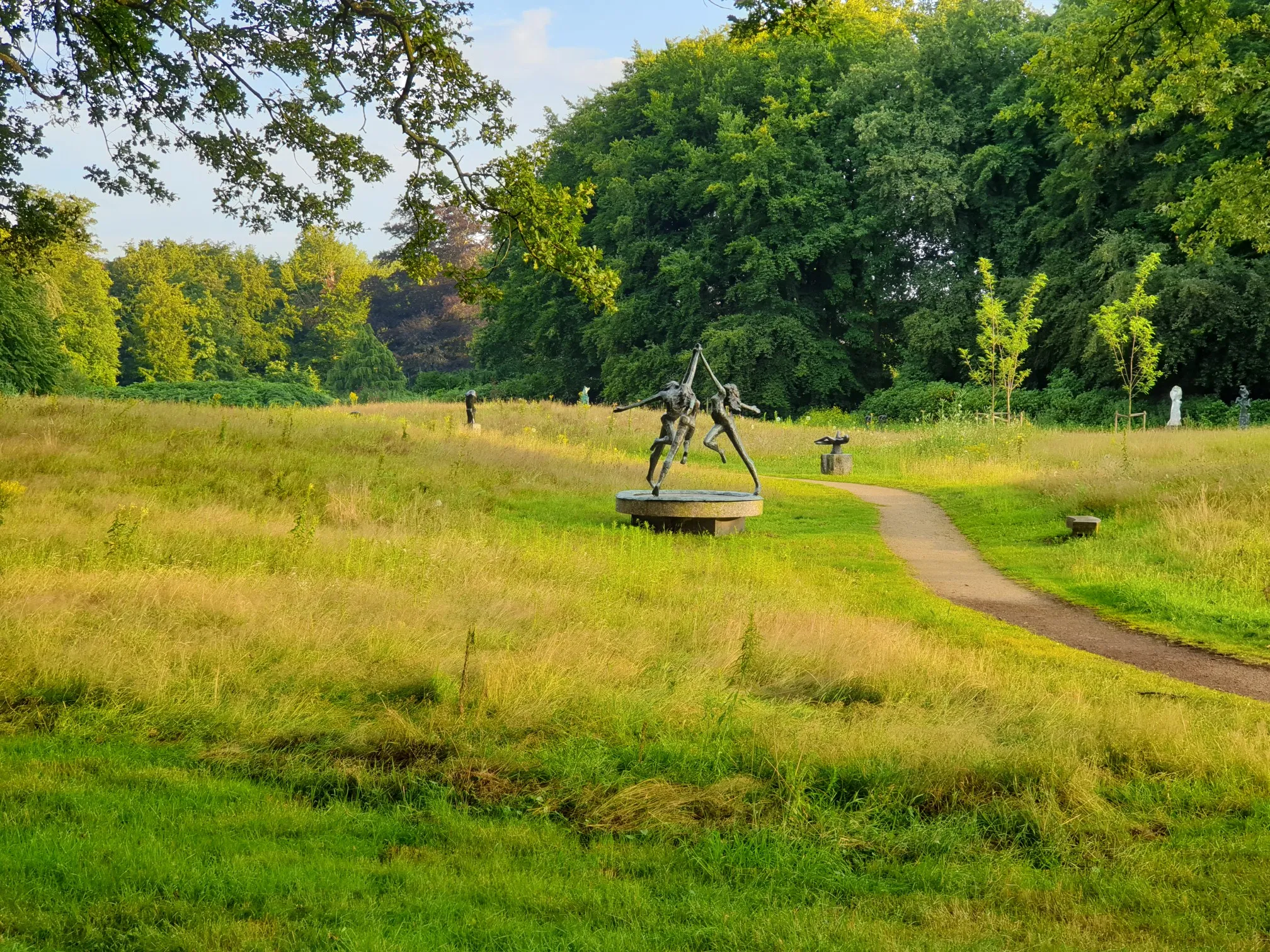
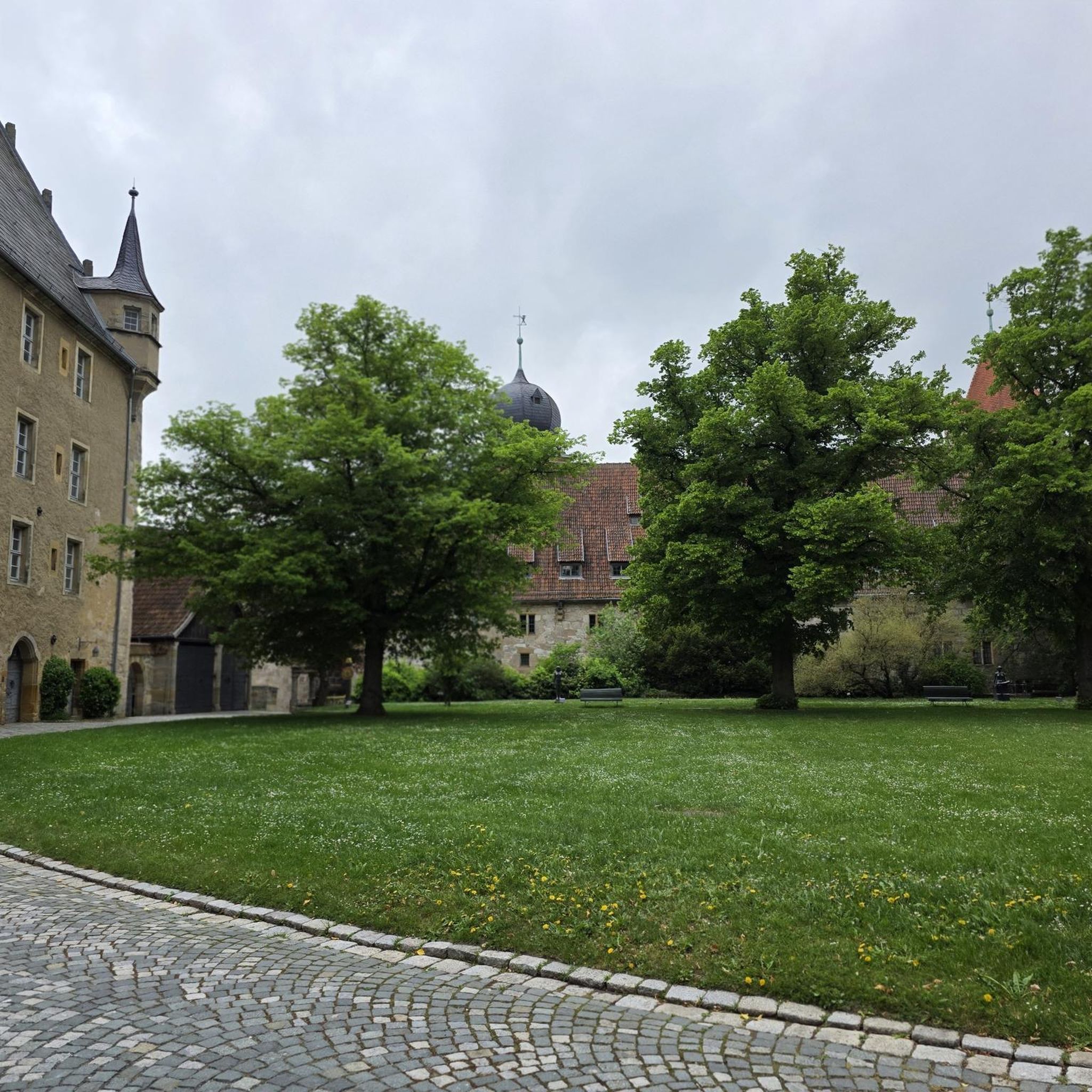
Nice flora and fauna, the park/estate plus castle offer a special beautiful atmosphere.
1
0

After the foundation of Leiden University in 1575, it was deemed desirable to create a 'hortus medicus': a garden in which medical students could study medicinal plants. The start of a development that has continued in the Academic Hospital LUMC and the Bio Science Park. Hortus Botanicus Leiden was founded in 1590, making it the oldest botanical garden in the Netherlands.
4
0

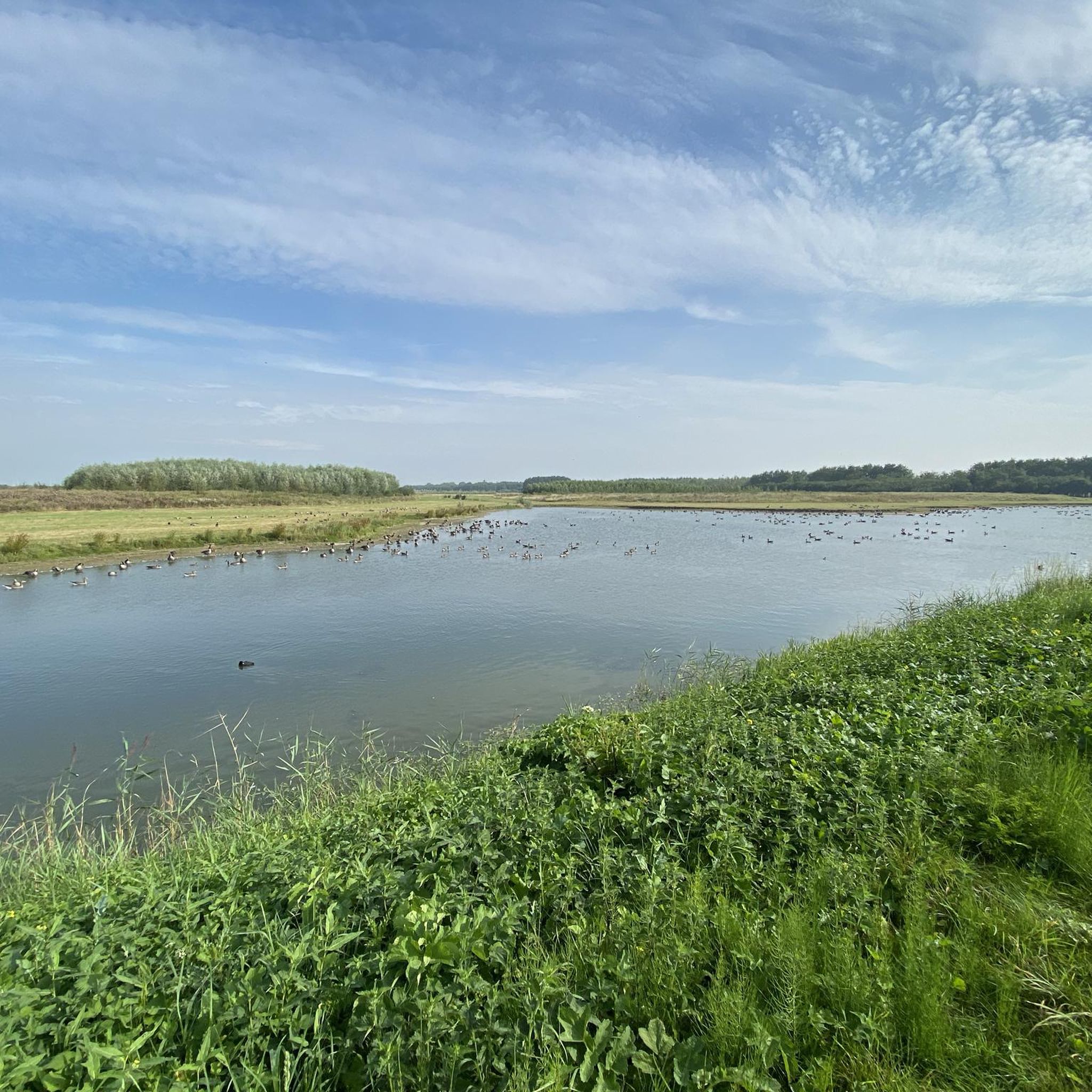
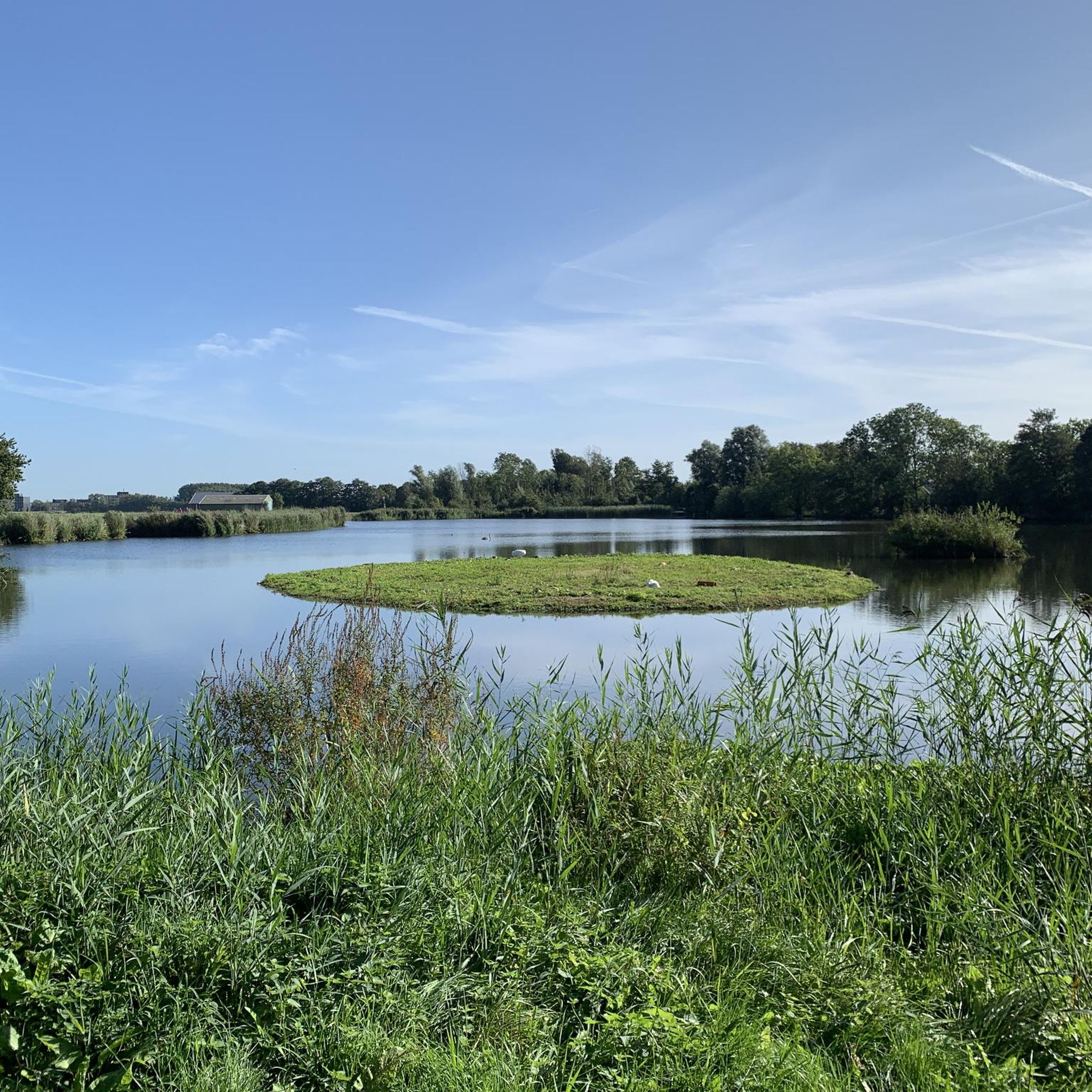
The Benthuizerplas, like the other two lakes, has an important function as a water storage facility, but is also a nature development lake between Benthuizen and Zoetermeer. The lake is a special area when it comes to nature. The water is completely closed off from the other lakes and has its own natural water level management system. This means that rain and evaporation largely determine the height of the water level.
12
0
Frequently Asked Questions
What are the most popular natural monuments to visit around Rijnwoude?
Among the most popular natural monuments in the area are Duivenvoorde Castle, a historical site with a large estate and restored English-style park, and De Horsten Royal Estate, known for its extensive walking paths through varied forest landscapes. Visitors also highly appreciate Hortus Botanicus Leiden, the Netherlands' first botanical garden.
Are there family-friendly natural monuments in the Rijnwoude area?
Yes, several natural monuments are great for families. The National Children's Tree Forest within Bentwoud Nature Reserve offers a unique experience where families plant trees. Bentwoud also features the Speelbos Bentjungle play forest and a gnome trail. Park Zegersloot is another excellent option, with the Prinses Irenebos, which includes a gnome forest, and a nearby children's farm.
Where can I go for birdwatching near Rijnwoude?
The region is excellent for birdwatching. De Wilck, a Natura 2000 area, is crucial for breeding meadow birds like the Black-tailed Godwit and Eurasian Oystercatcher. Spookverlaat offers a bird hide for observing species such as the Common Pheasant and Eurasian Kestrel. The Project IJsvogel is specifically designed for kingfishers and other waterbirds, featuring a birdwatching hut. Additionally, the Zaanse Rietveld has a bird-watching screen for observing Marsh Harriers and Buzzards.
What kind of natural features can I expect to see in the Rijnwoude area?
The area offers diverse natural features. You'll find extensive forest areas like the 800-hectare Bentwoud Nature Reserve, with varied landscapes of forests, shrubs, grasslands, and marshes. Traditional peat meadows characterize De Wilck, while Spookverlaat features reedbeds and a pond. There are also lakes like Benthuizer Lake, which is a nature reserve popular with waterfowl.
Are there any historical natural monuments or sites with cultural significance?
Absolutely. Duivenvoorde Castle is a national monument with roots dating back to the 13th century, set within a historic estate. Hortus Botanicus Leiden is the first botanical garden established in the Netherlands, with a rich history of plant collection from expeditions. The Zaanse Rietveld also has a unique historical touch with its old wood quay and the
What outdoor activities can I do near these natural monuments?
The region offers various outdoor activities. You can enjoy extensive walking and cycling paths, especially in Bentwoud Nature Reserve, which boasts 80 kilometers of trails. For more structured activities, consider exploring the hiking routes around Rijnwoude, cycling tours, or even running trails that often pass by these natural sites.
Are there specific hiking trails or routes recommended for exploring the natural monuments?
Yes, there are many trails. For example, within Bentwoud Nature Reserve, you can find a 3-kilometer 'Woudloperspad' for runners, and a gnome trail for younger visitors. The Project IJsvogel is part of several walking routes. You can find detailed information on various hiking routes around Rijnwoude, including easy and moderate options, that will take you through these natural areas.
What is the best time of year to visit the natural monuments around Rijnwoude?
The natural monuments are enjoyable year-round, but each season offers unique experiences. Spring and summer are ideal for birdwatching, especially in areas like De Wilck and Spookverlaat, when many species are active and breeding. The lush greenery of Bentwoud and Park Zegersloot is also at its peak. Autumn brings beautiful colors to the forests, while winter can offer serene, quiet walks, and even ice skating on Benthuizer Lake if temperatures drop sufficiently.
Can I observe wildlife in these natural monuments?
Yes, wildlife observation is a highlight. Bentwoud Nature Reserve is home to many bird, butterfly, and plant species, with the possibility of hearing a bittern. De Wilck is a vital area for meadow birds and a resting place for migratory species. Spookverlaat and Zaanse Rietveld are known for various bird species, including raptors. The Project IJsvogel offers a unique chance to see kingfishers, sand martins, and common terns. Park Zegersloot also features large grazers and diverse birdlife.
Are there any natural monuments suitable for a quiet stroll?
For a quiet stroll, Spookverlaat is ideal, offering peaceful walking paths and a bird hide for undisturbed viewing. The Zaanse Rietveld also provides a short, tranquil walk (about 45 minutes) with a bird-watching screen. Even within the larger Bentwoud Nature Reserve, you can find quieter sections along its 80 kilometers of paths, allowing for a peaceful experience amidst nature.
What are the unique features of Bentwoud Nature Reserve?
Bentwoud Nature Reserve is the largest continuous forest area in the Randstad, spanning over 800 hectares with millions of trees. It features a varied landscape of forests, shrubs, flower-filled grasslands, and marshes. Unique elements include the National Children's Tree Forest, where families plant trees, and the Speelbos Bentjungle, a play forest with hills and water features. It offers 80 kilometers of paths for walking and cycling.
Is there a place to see kingfishers specifically?
Yes, the Project IJsvogel (Kingfisher Project) is a small nature area specifically created to provide optimal breeding conditions for kingfishers. It includes trees, shrubs, shallow and deep pools, reeds, and a birdwatching hut, offering a unique opportunity to observe these vibrant birds in their natural habitat.
What makes Park Zegersloot a good natural monument to visit?
Park Zegersloot, along with the Zegerplas lake, forms the 'green heart' of Alphen aan den Rijn. Its northern part is rich in nature, featuring abundant greenery, large grazers, and various bird species. It's home to the Prinses Irenebos, a new forest created in 2021 that includes specialized areas like a food forest, a bee forest, a climate forest, and a gnome forest, making it appealing for both relaxation and educational experiences.
Most popular attractions around Rijnwoude

Get inspired with the komoot mobile app


Explore more
Extend your search for the best caves by checking out these guides of the top ones around Rijnwoude:
