Top 14 Natural Monuments around Avila
Best natural monuments around Avila showcase a diverse landscape shaped by granite formations and historical influences. The province features prominent mountain ranges like Sierra de Gredos and Sierra de Ávila, with peaks exceeding 2,500 meters. Ancient cave systems and serene valleys also contribute to the region's natural appeal. These areas offer opportunities to explore geological processes and observe varied ecosystems.
Best natural monuments around Avila
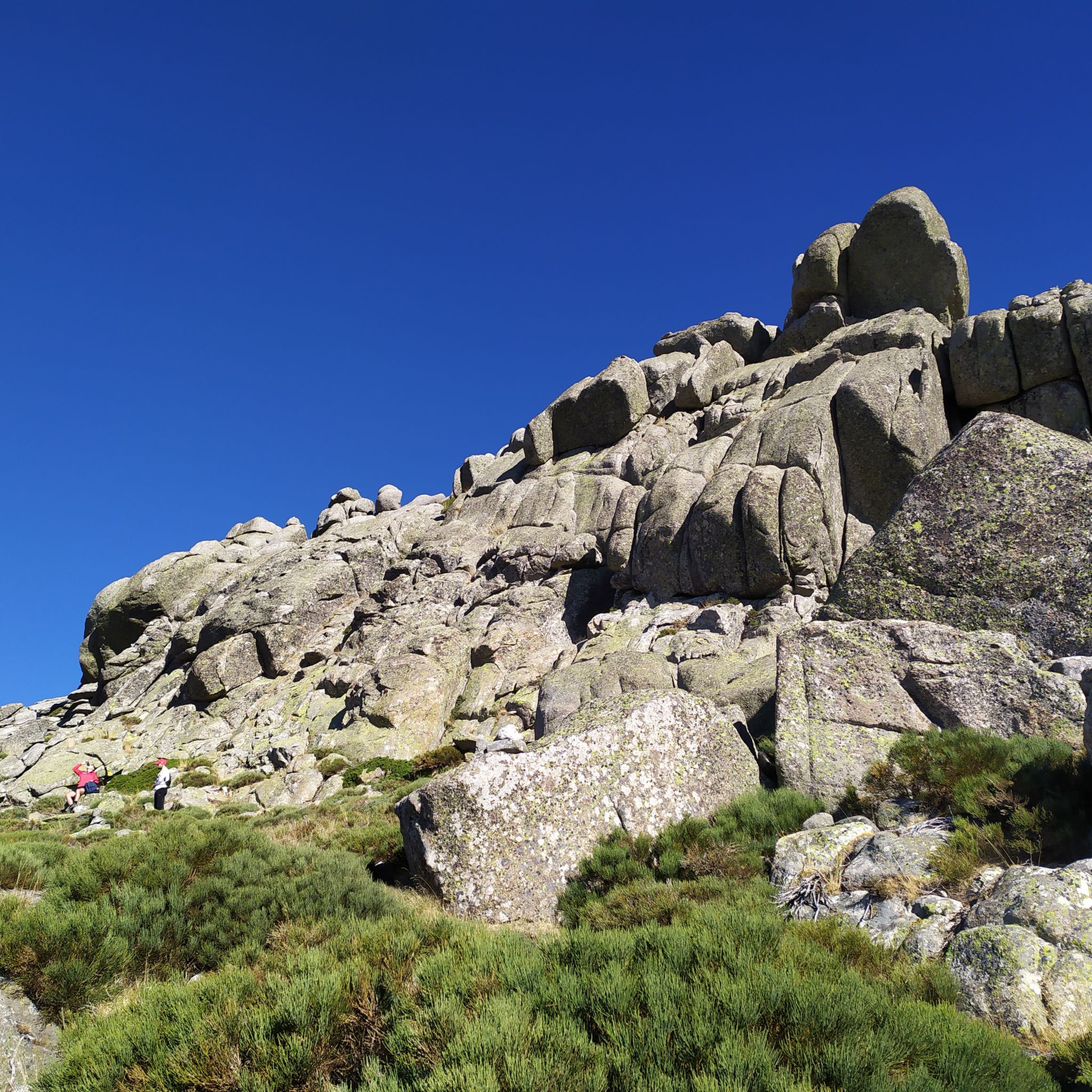
- The most popular natural monuments is Pico Zapatero, a summit that features a unique…
Last updated: July 6, 2026
Pico Zapatero
Highlight • Summit
Translated by Google •
Tip by

Cueva Mingubela Rock Art
Highlight • Cave
Translated by Google •
Tip by

Sign up now to discover places like this
Get recommendations on the best single tracks, peaks, & plenty of other exciting outdoor places.
Sign up for free
Castro de Las Cogotas
Highlight • Historical Site
Translated by Google •
Tip by
Portacho del Cuchillo
Highlight • Mountain Pass
Translated by Google •
Tip by
Serrota
Highlight • Summit
Translated by Google •
Tip by

Dolmen del Prado de Las Cruces
Highlight • Historical Site
Translated by Google •
Tip by
Cerro de Gorría
Highlight • Summit
Translated by Google •
Tip by
Alto Cuesta del Chicho (Sierra de la Paramera)
Highlight • Mountain Pass
Translated by Google •
Tip by
Collado de la Honda
Highlight • Mountain Pass
Translated by Google •
Tip by
Views of Valdecasa
Highlight • Viewpoint
Translated by Google •
Tip by
Sign up for free to discover even more natural monuments around Avila.
Sign up for free
Already have an account?
Start today with a free account
Your next adventure awaits.
Login or Signup

Other adventures around Avila

Tips from the Community

The Castro de Las Cogotas, located in the municipality of Cardeñosa (Ávila), is one of the most emblematic Iron Age archaeological sites on the Iberian Peninsula, especially linked to the Vetton people. It is situated on a hill next to the Adaja River, surrounded by holm oak groves, pastures, and fertile land. This location offered defensive advantages and abundant natural resources. The fort is open to the public and has an Interpretation Center that explains its history and characteristics. Periodic archaeological conferences are also held on the site.
2
0
Mingubela Cave, also known as Peña Mingubela, is a fascinating rock shelter located near the small village of Ojos Albos in Ávila, Spain. This site is known for its ancient cave paintings, which depict various figures, including warriors, some of whom are shown holding shields or in prayer positions. The cave is divided by a stone column, which adds to its unique structure. If you are interested in visiting, it is important to note that the cave is only accessible on foot and the path can be quite steep, so it is advisable to bring a flashlight and seek precise directions from locals. Additionally, there are several hiking trails in the area, such as the circular trail from Ojos Albos that includes La Atalaya and Mingubela Cave.
5
0
This dolmen has an ancient history, being used as a burial place from the end of the Neolithic to the beginning of the Bronze Age, covering the last centuries of the fourth millennium BC. until the first third of the second millennium BC. Its presence evokes mystery and connects us with the ancient cultures that built it.
2
0

Megalithic monument built with granite or slate from a local quarry for ceremonial purposes.
1
1

On the other side of the Arroyo del Corral is this well-known cave where cave paintings are found. Just above it, we can find Peña de la Mora.
0
1
Rounded mountain range that is easily accessible from several towns. From the geodesic vertex there are impressive front-row views of the Sierra de la Paramera, La Serrota, the Amblés valley to the south and all of La Moraña to the north.
1
0
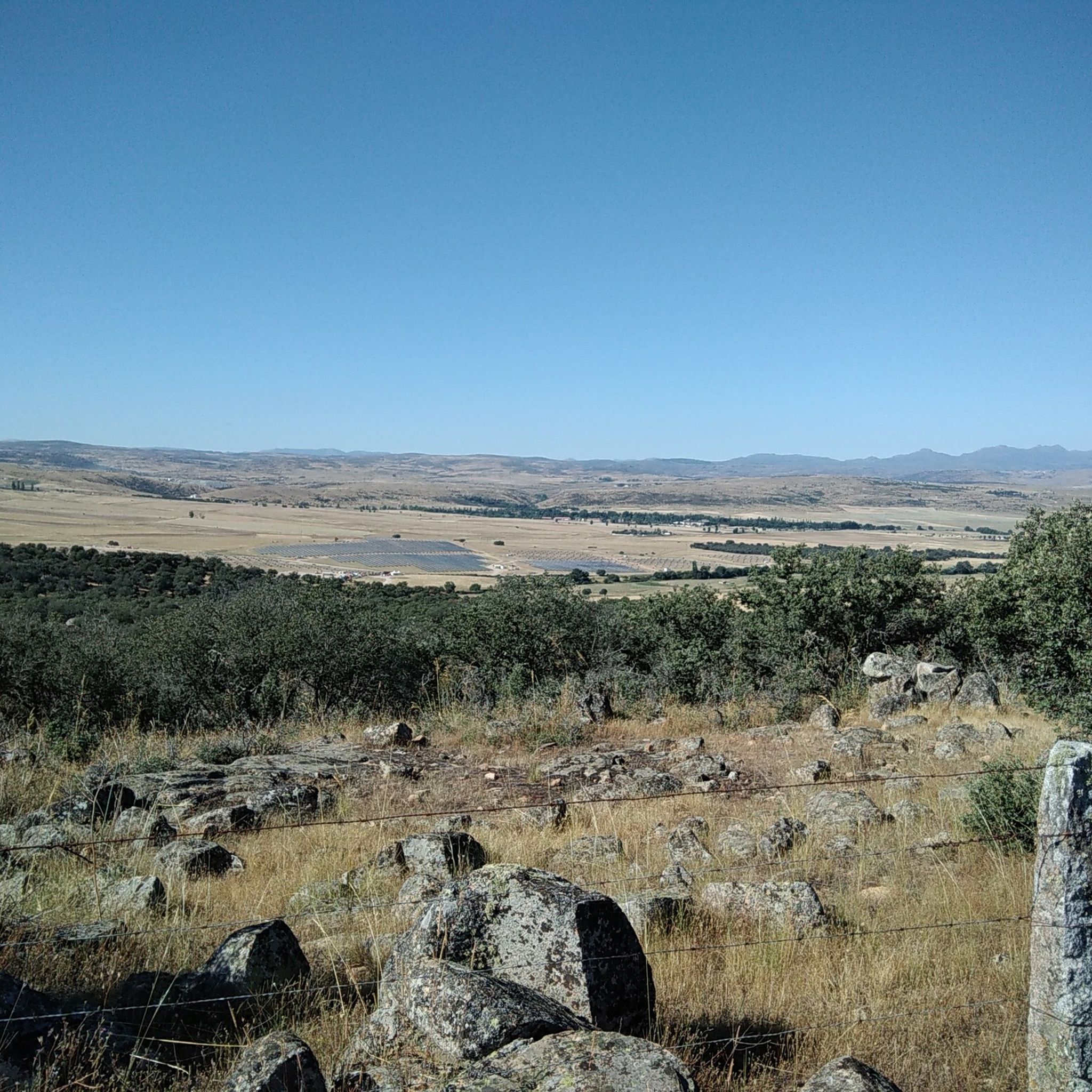
From this point you can see the town of Valdecasa where the mountain of El Berrocalejo rises in the background. It is an area of the Central System where batholiths appear, a granitic rock formation that forms stone balls typical of these areas.
1
0
The Collado de la Honda is the final part of an old glacier that ends at this point. The glacier is the result of ancient times when the glacial movements were more southern and this is an example of how in this area of the middle of the Meseta there were.
1
0
Frequently Asked Questions
What are some of the most notable natural monuments to explore in the Avila province?
Beyond the well-known spots, Avila offers diverse natural monuments. You can explore the unique granite formations and extensive views from Pico Zapatero, or discover the ancient Iron Age archaeological site of Castro de Las Cogotas, which blends history with natural surroundings. Another impressive geological formation is Portacho del Cuchillo, a mountain pass with striking rock features.
Are there family-friendly natural monuments around Avila?
Yes, several natural monuments are suitable for families. Castro de Las Cogotas is considered family-friendly, offering an accessible archaeological site with an Interpretation Center. Additionally, the accessible route through El Águila Caves provides a fascinating and educational underground adventure for all ages, showcasing spectacular stalactites and stalagmites.
What kind of natural features can I expect to see in Avila's natural monuments?
Avila's natural monuments are characterized by diverse features. You'll find prominent granite landscapes with unique modeling forms like slabs and corridors at places such as Pico Zapatero and the Sierra de Ávila. The region also boasts extensive underground caverns with rich speleothems in El Águila Caves, high mountain peaks, glacial lakes in Sierra de Gredos, and serene natural pools and rivers, particularly in the Tiétar Valley.
What historical or cultural sites are integrated with the natural monuments in Avila?
Avila's natural landscapes often intertwine with its rich history. Castro de Las Cogotas is a prime example, an Iron Age archaeological site situated on a hill next to the Adaja River, offering insights into ancient societies. Another historical natural monument is Dolmen del Prado de Las Cruces, an ancient megalithic structure.
What outdoor activities can I do near these natural monuments?
The natural monuments around Avila offer a variety of outdoor activities. You can enjoy challenging hiking trails in the Sierra de Gredos, explore mountain passes like Alto Cuesta del Chicho, or take in panoramic views from summits such as Cerro de Gorría. For cycling enthusiasts, there are numerous options, including road cycling routes like the 'Sierra de Ávila and Puerto de las Fuentes Loop' or gravel biking adventures such as the 'Ávila Cathedral – Convento de San José loop'. You can find more details on these activities in the Road Cycling Routes around Avila and Gravel biking around Avila guides.
Are there hiking trails near the natural monuments in Avila?
Yes, Avila is excellent for hiking. The Sierra de Gredos Regional Park is renowned for its challenging hiking trails and breathtaking scenery. You can also find trails leading to summits like Serrota, which offers extraordinary views. For running, there are options like the 'City of Ávila by the Río Adaja' trail. More information on running trails can be found in the Running Trails around Avila guide.
What is the best time of year to visit Avila's natural monuments?
The best time to visit Avila's natural monuments largely depends on the activity. For hiking in higher altitudes like Serrota, spring and autumn offer pleasant temperatures, while winter can bring snow and require specific gear. Natural pools are ideal for refreshing escapes during warmer months. The El Águila Caves maintain a stable temperature year-round, making them a good option in any season.
What are some hidden natural gems in the Avila province?
While many natural monuments are well-known, the province holds several less-traveled spots. The Iruelas Valley Nature Reserve, for instance, is a significant area for birdwatching and offers tranquil natural landscapes away from the crowds. Exploring the numerous natural pools and rivers in the Sierra de Gredos and Tiétar Valley can also lead to picturesque, secluded spots for relaxation.
What are the terrain and difficulty levels for trails in the Sierra de Gredos?
Trails in the Sierra de Gredos, particularly those leading to high peaks like Pico Almanzor, are generally considered challenging. The terrain is primarily composed of granite rock, shaped by ice and water, featuring high mountain peaks and glacial lakes. Ascents to summits like Pico Zapatero involve navigating a labyrinth of stone sculptures and can be technically demanding, especially with ice and snow. Intermediate options also exist, such as Collado de la Honda.
Can I spot wildlife in the natural monuments of Avila?
Yes, Avila's natural monuments offer opportunities for wildlife observation. The Sierra de Gredos Regional Park is known for its diverse ecosystems, making it ideal for wildlife spotting. The Iruelas Valley Nature Reserve is particularly important for ornithological tourism, offering excellent chances for birdwatching. Keep an eye out for local fauna in these protected natural environments.
Are there good viewpoints among Avila's natural monuments?
Many natural monuments in Avila offer spectacular viewpoints. From the summit of Pico Zapatero, you can enjoy extensive views of the surrounding granite domes. Cerro de Gorría provides impressive front-row views of the Sierra de la Paramera and the Amblés valley. Additionally, Views of Valdecasa is a dedicated viewpoint offering scenic vistas.
How long should I plan to explore the natural monuments around Avila?
The time needed to explore varies greatly depending on the monument and your activity. A visit to El Águila Caves typically takes about an hour. For hiking to summits like Serrota or Cerro de la Cabeza, plan for a half to full day, especially if you want to enjoy the views and the journey. Shorter visits can be made to accessible sites like Castro de Las Cogotas, which can be combined with other nearby attractions.
Most popular routes around Avila
Most popular attractions around Avila

Get inspired with the komoot mobile app


Didn’t find what you were looking for?
Find even more amazing natural monuments around Avila by checking out the top Highlights region by region:
Explore more
Extend your search for the best caves by checking out these guides of the top ones around Avila:
