Top 20 Natural Monuments around Maresme
Best natural monuments around Maresme are found in a region situated between the Mediterranean Sea and the Catalan Coastal Range. This area features expansive natural parks that contain a rich blend of biodiversity, geological interest, and historical significance. The landscape offers diverse ecosystems, from pine forests to holm oak and cork forests, alongside ancient human settlements. These natural areas provide opportunities to explore geological formations and historical sites.
Best natural monuments around Maresme
- The most popular natural monuments is Dolmen…
Last updated: August 16, 2026
Dolmen of the Roca d'en Toni
Highlight • Historical Site
Translated by Google •
Tip by

Dolmen de Ca l'Arenes
Highlight • Historical Site
Translated by Google •
Tip by

Sign up now to discover places like this
Get recommendations on the best single tracks, peaks, & plenty of other exciting outdoor places.
Sign up for free
Montalt
Highlight • Summit
Montalt is a mountain that belongs to the Catalan coastal range, within the Corredor mountain range and the …
Translated by Google •
Tip by

Font d'en Mamet
Highlight • Natural Monument
Translated by Google •
Tip by

Creu de Montcabrer Summit
Highlight • Summit
Sea and Cabrils.
Translated by Google •
Tip by

Font de Sant Mateu
Highlight • Natural Monument
Translated by Google •
Tip by

Horseshoe Stone
Highlight • Natural Monument
Translated by Google •
Tip by
Font del Ferro de Cabrera
Highlight • Natural Monument
Translated by Google •
Tip by

Font del Sot Ferruginosa
Highlight • Natural Monument
Translated by Google •
Tip by
Font de la Llorita
Highlight • Natural Monument
Translated by Google •
Tip by

Sign up for free to discover even more natural monuments around Maresme.
Sign up for free
Already have an account?
Start today with a free account
Your next adventure awaits.
Login or Signup
Popular around Maresme
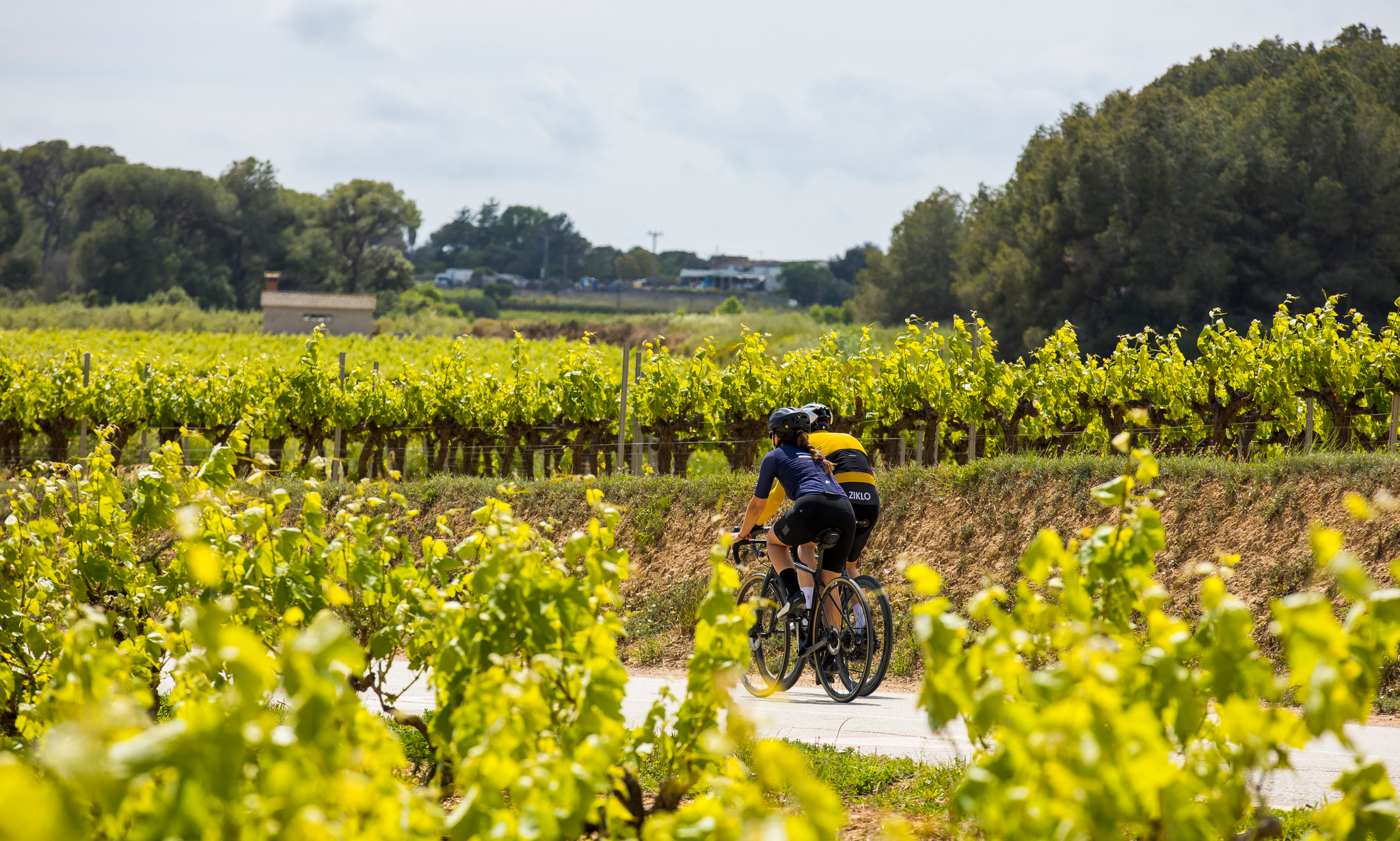
Cycling in the province of Barcelona — family routes and traverses
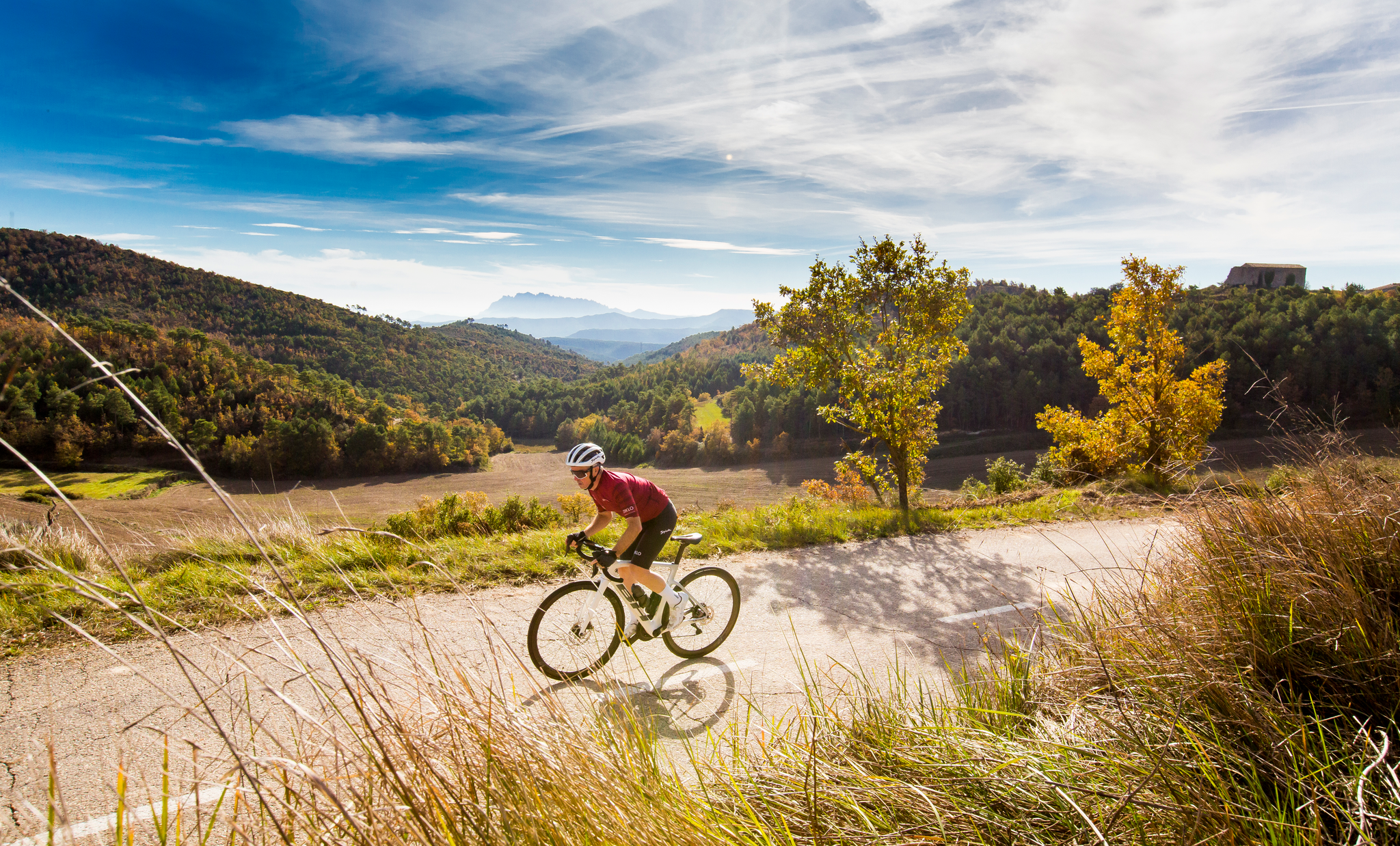
Barcelona: routes near the Tour de France 2026 Grand Départ
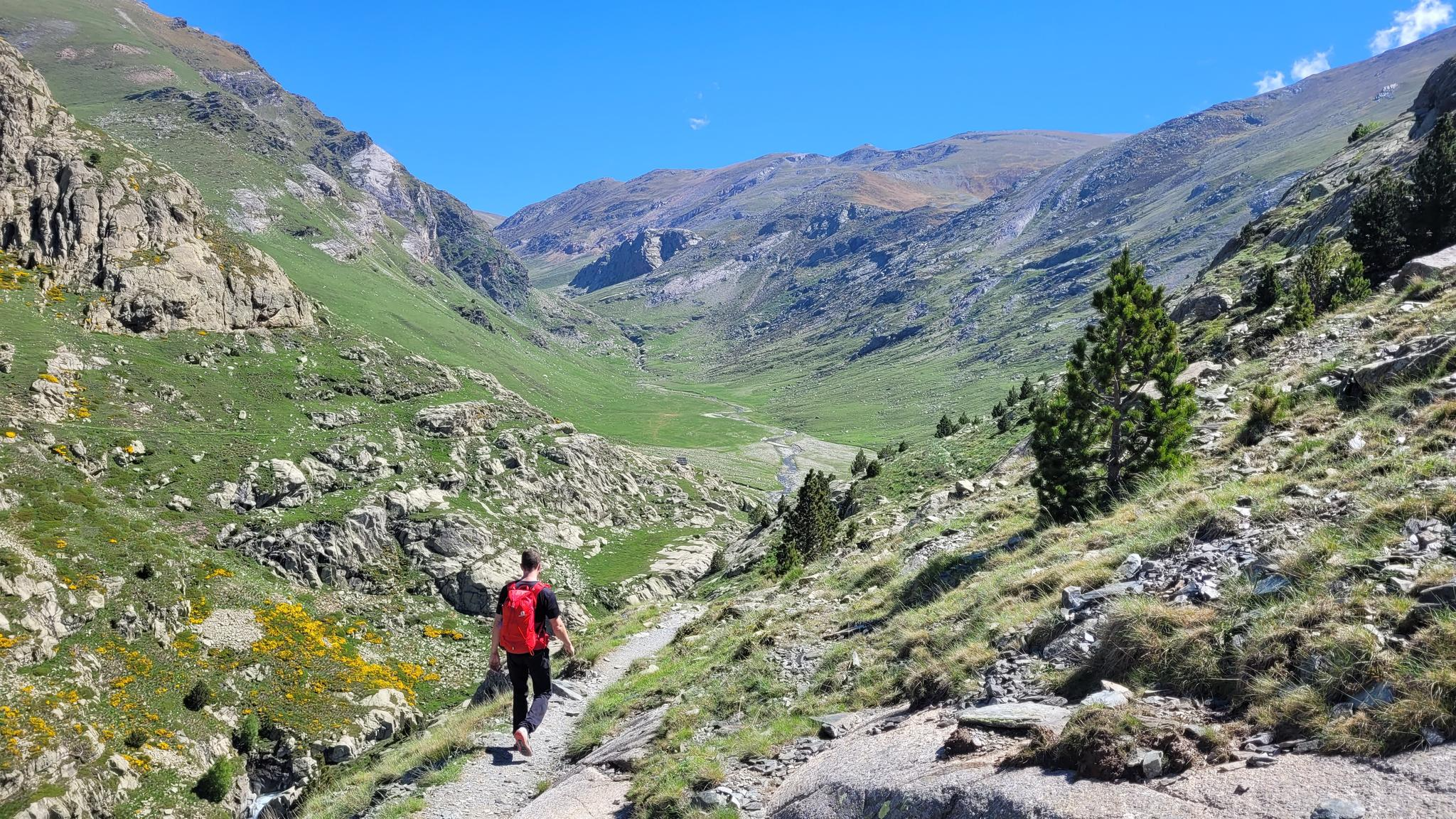
10 hikes with teenagers — Catalan paradises
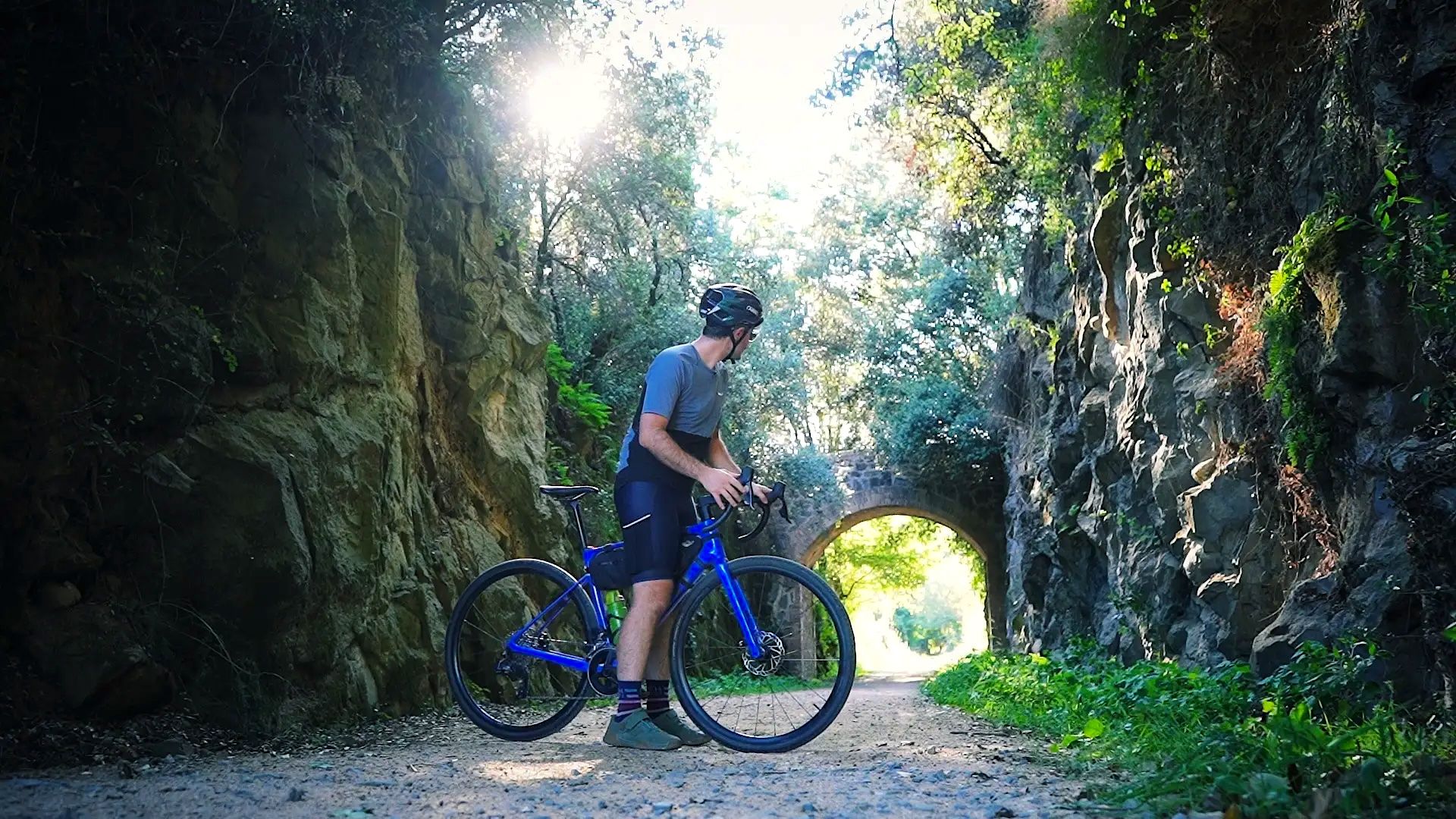
Cycling in Catalonia with Pietro Franzese – four unmissable routes
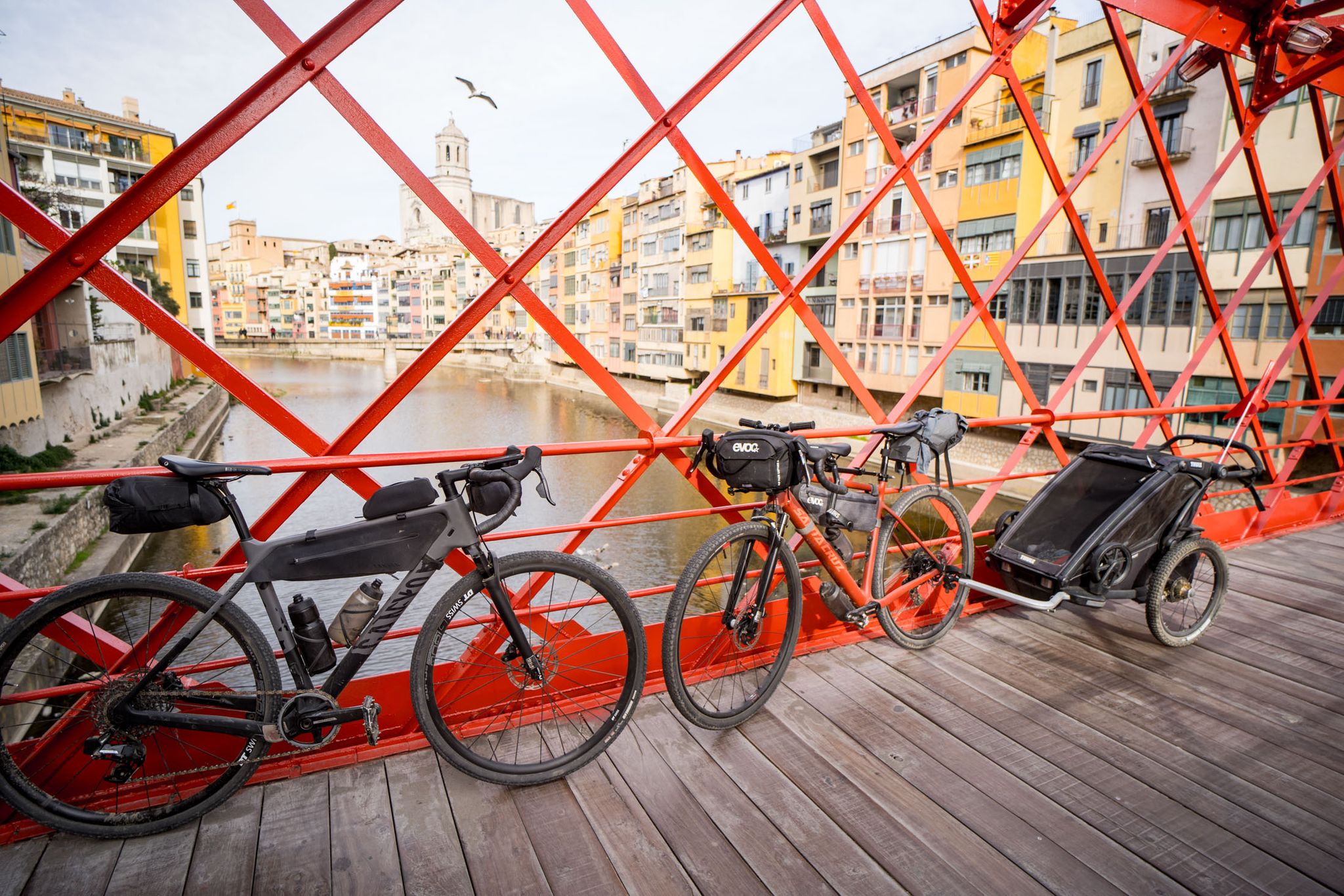
Family Bikepacking / Barcelona-Girona
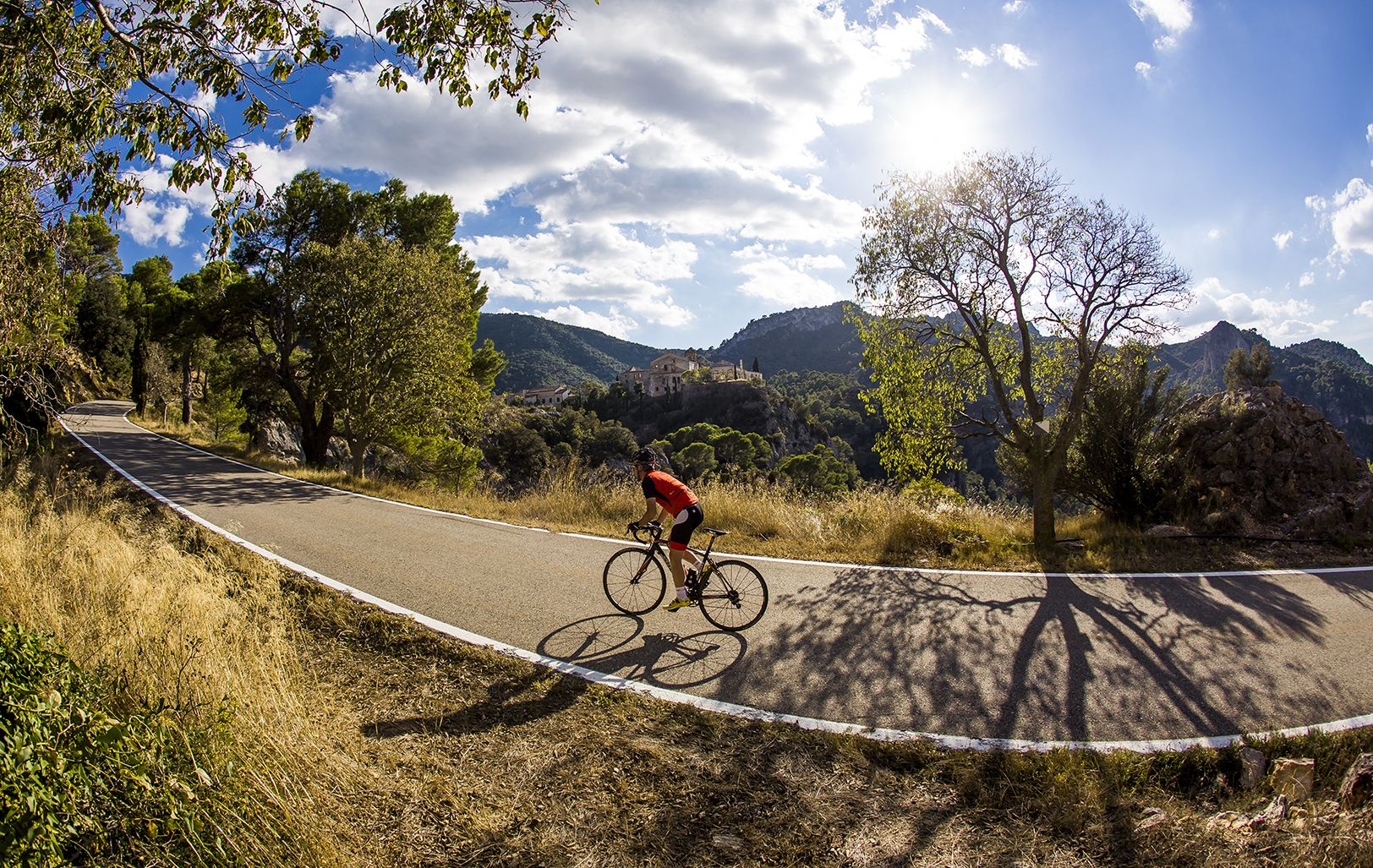
Discover Catalonia by road bike
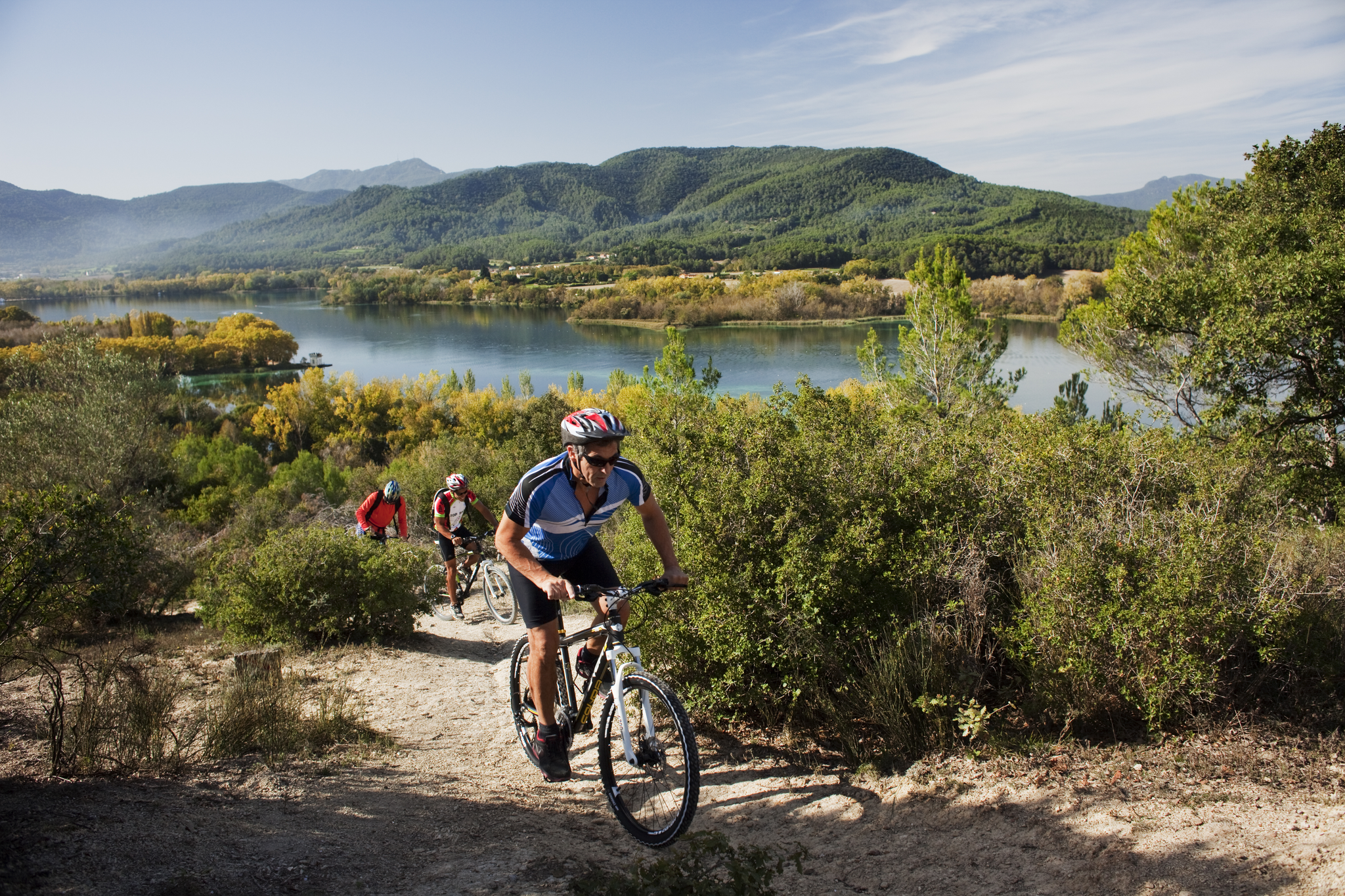
Discover Catalonia on a mountain bike
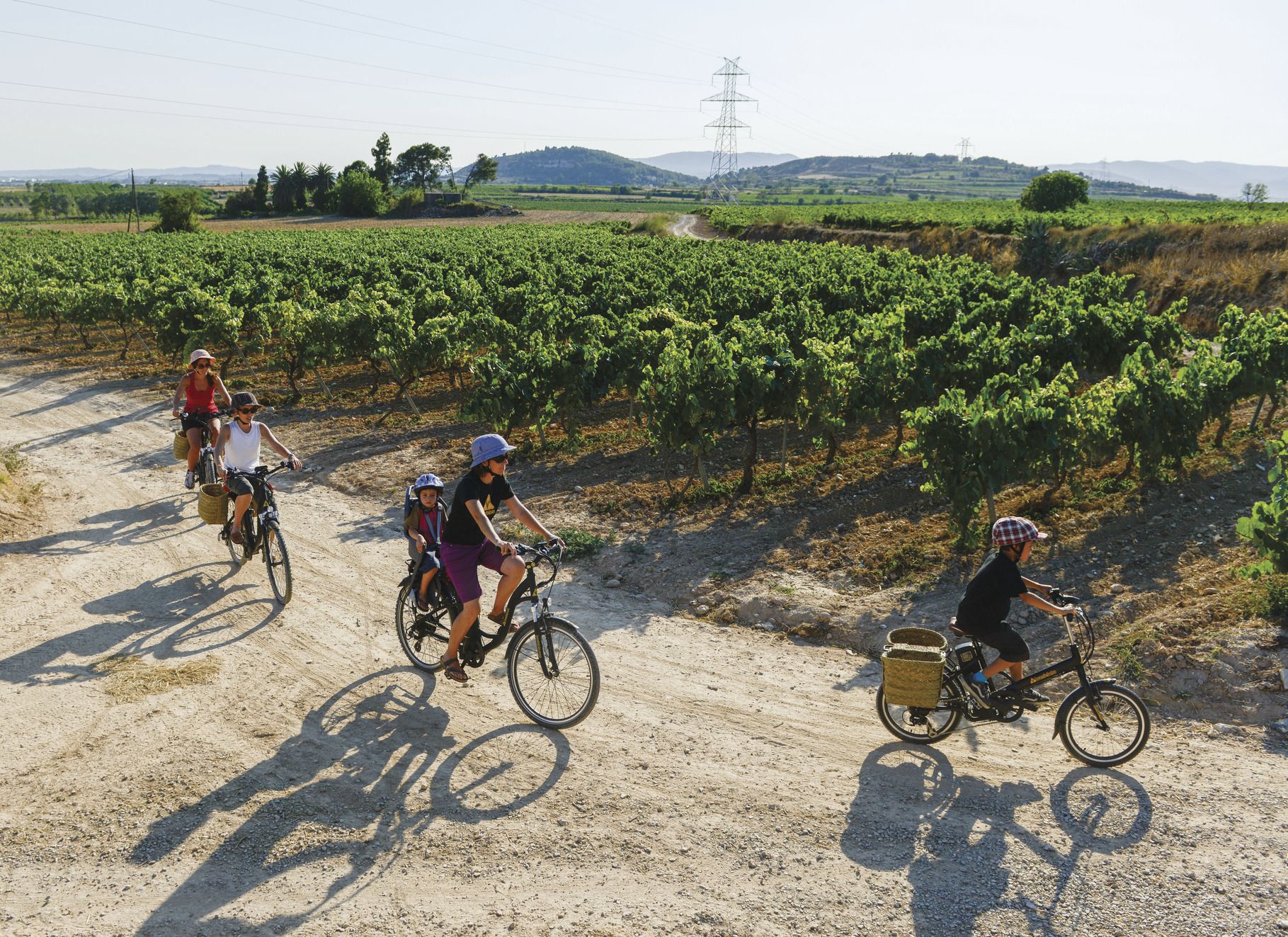
Cycling through Catalonia with your family
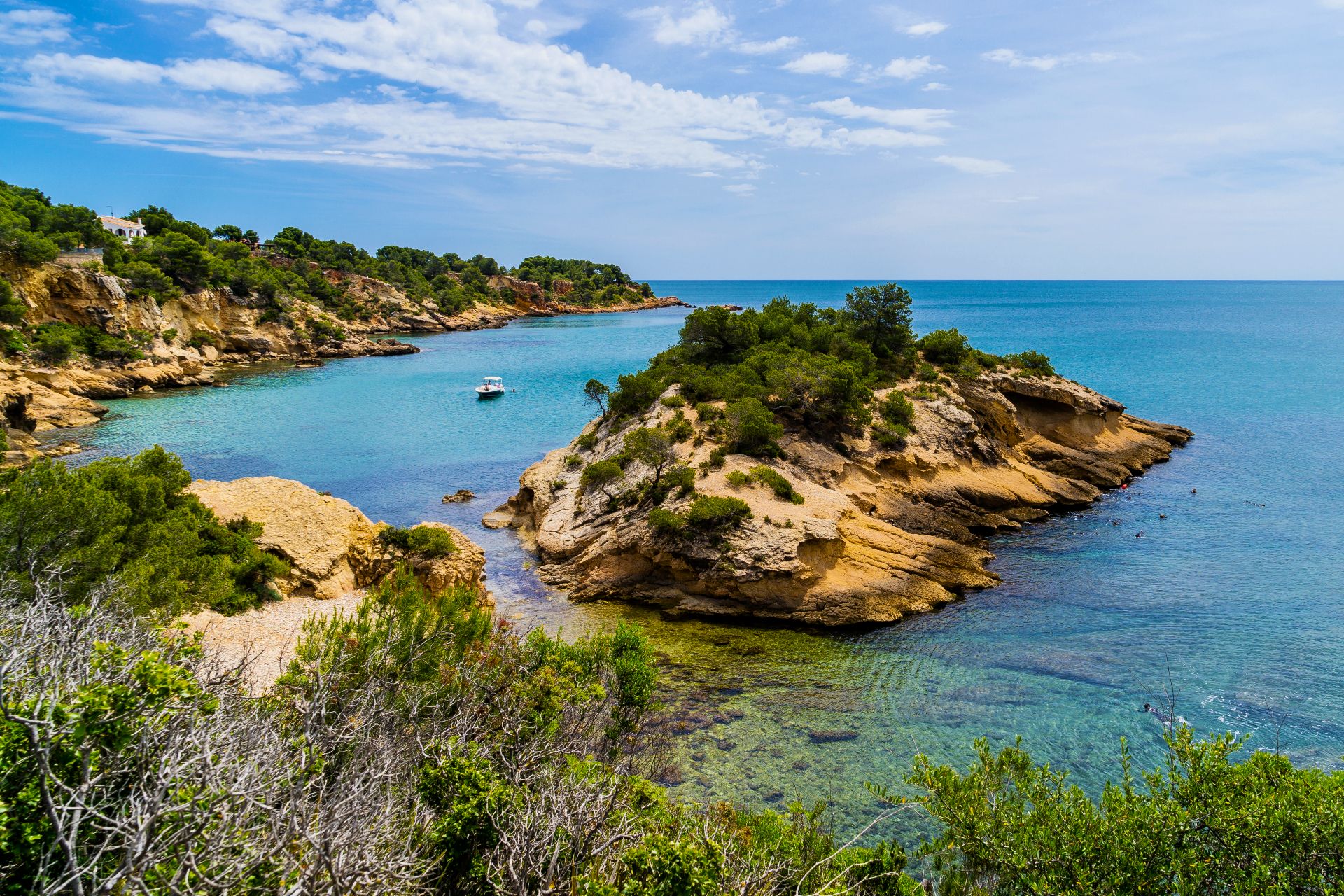
The Catalan coast on foot – Mediterranean Path (GR 92)
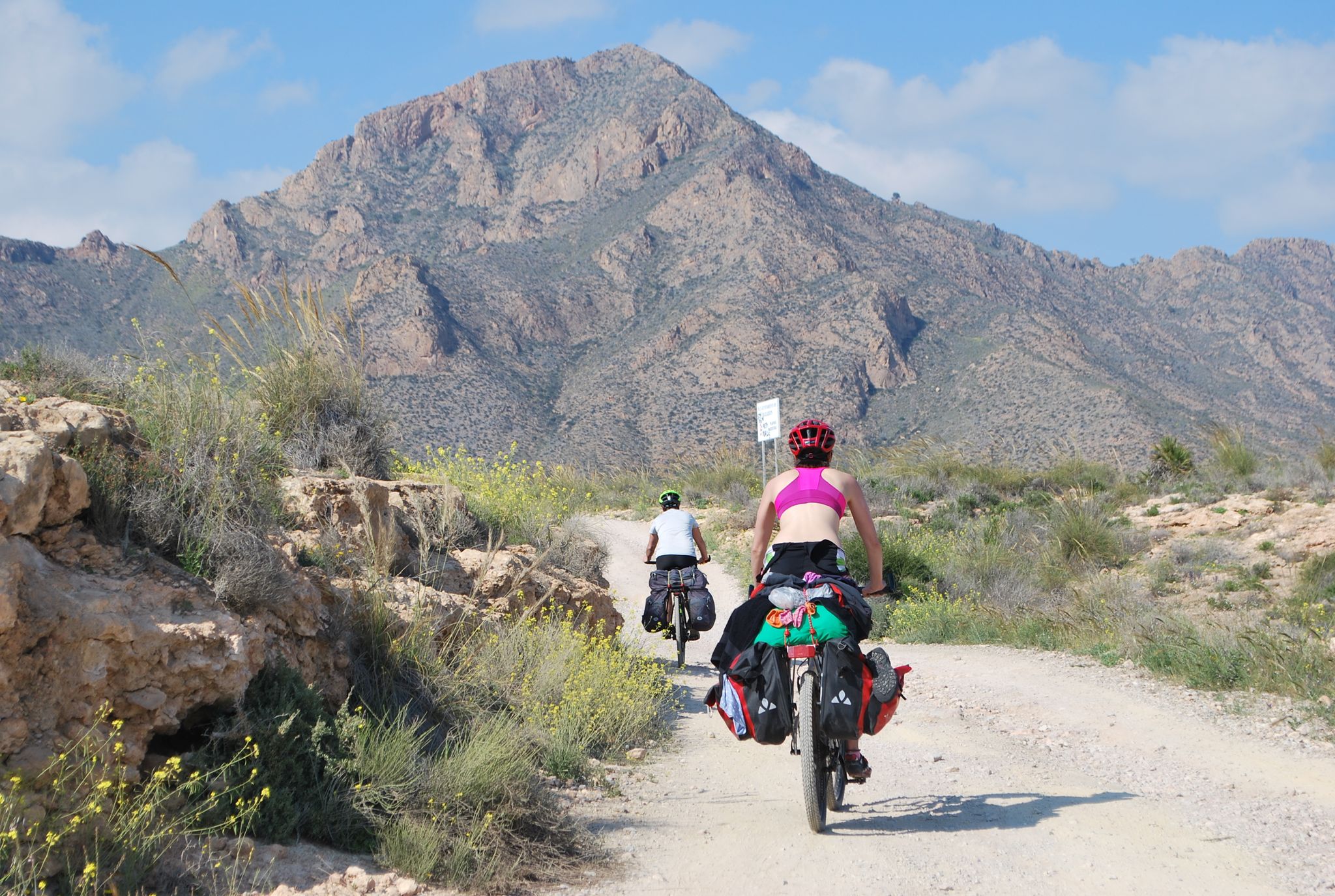
Mediterranean coastal paradise – EuroVelo 8 in Spain
Other adventures around Maresme


Tips from the Community

Un monument megalític datat entre el final del neolític i l'edat del bronze, considerat un dels jaciments prehistòrics més importants del Maresme.
0
0
Parc i Font de la Llorita Aquest indret, molt a la vora del centre urbà, va ser des dels anys cinquanta un lloc d'esbarjo per a molts llavanerencs. Al costat de la riera i a l'ombra de les alzines i altres arbres centenaris, es va construir una font i diversos bancs; durant alguns anys, també s'hi instal·lava, a l'estiu, un petit "merendero". Eren moltes, les colles d'amics que als vespres d'estiu es portaven les taules i cadires per anar a sopar sota la fresca dels arbres. També s'hi organitzaven ballades de sardanes i altres actes festius i també era un lloc habitual per als infants de les escoles que hi anaven, la tarda del dijous gras o altres dies, a fer una excursió i berenar. Font: Ajuntament de Sant Andreu de Llavaneres
0
0

It's a megalithic tomb, approximately 5,000 years old, discovered in 1997 and restored in 2006-2007. Located in the heart of the Montnegre i el Corredor Natural Park, it's easy to miss, but it has a history: it belonged to a Neolithic community that used it as a collective grave. Interestingly, remains of the tumulus that covered it are still preserved, which is unusual, and its orientation seems related to astronomical events, like other dolmens in the area. It's an archaeological rarity in the middle of a prime cycling area, perfect for stopping and reflecting that humans once walked this path... but without helmets.
2
0
In addition to the spout and the pond, it preserves the old paved landing where, according to the long-time residents, people who went up to the sanctuary stopped to have a drink and “gain strength”. For decades it was a meeting point for hikers and farmers, and it was said that if the spring flowed strongly, a good year of rain would come. The access is short and easy, and the clearing in the surrounding forest still maintains the cool and shady atmosphere of the routes of the past.
0
0
The Creu de Montcabrer crowns one of the most emblematic points of the Serralada Litoral. The current cross, placed in 1982 and blessed in 1983, is the last in a long tradition dating back to 1565. Over the centuries, it has been replaced several times due to lightning, vandalism, and even bullet impacts during the Civil War. In addition to its unique history, this place is wonderful for the spectacular views it offers: from Montseny to Barcelona, passing through the Castell de Burriac and reaching Blanes on clear days. It's ideal for stopping, breathing, and contemplating the landscape. 🚴 WARNING: Do not attempt to ride down the path that leads to the caves located just below the cross. It is not suitable for cycling and can be dangerous. It is recommended to return along the same path you came in.
3
0
"Until the middle of the 20th century, this place was one of the most emblematic of the municipality, used as a tourist and summer resort. It was a place of recreation very frequented, both by the people of Dosrius and by summer vacationers, where "I used to go there for a walk, to have lunch and to chat. Nowadays, however, the situation has changed drastically. The water is not drinkable and its condition is more than regrettable, being even flooded. which obscures the memory of its glorious days."
6
0

The Dolmen of Can Boquet, also known as Roca d'en Toni, is a megalithic structure in Catalonia. The name Roca d'en Toni probably comes from the fact that, according to 19th century records, the landowner was called Toni Puig.
6
0

La Creu de Montcabrer (311 meters) is a viewpoint with spectacular views of the sea and mountains. The iron cross that presides over it has a long history of legends related to the towns of Cabrera de Sea and Cabrils.
1
0
Frequently Asked Questions
What kind of natural monuments can I expect to find in the Maresme region?
The Maresme region offers a diverse range of natural monuments, from ancient megalithic structures to significant summits and natural springs. You'll find expansive natural parks like Parc del Montnegre i el Corredor, Parc de la Serralada Litoral, and Parc de la Serralada de Marina, which encompass a rich blend of biodiversity, geological interest, and historical significance. These areas feature diverse ecosystems, including pine, holm oak, oak, cork, and even beech forests, alongside ancient human settlements.
Are there any historical or archaeological natural monuments to explore in Maresme?
Yes, the Maresme region is rich in historical and archaeological natural monuments. You can visit ancient megalithic structures such as the Dolmen of the Roca d'en Toni, which dates back to the third and second millennium BC and is known for its good state of preservation. Another significant site is the Dolmen de Ca l'Arenes, a 5,000-year-old megalithic tomb located within the Montnegre Park. The natural parks also contain Iberian remains, medieval churches, and traditional farmhouses.
What are some of the best viewpoints or summits in the Maresme natural monuments?
For spectacular views, consider visiting Montalt, a summit within the Corredor mountain range that offers magnificent panoramic views of the entire Maresme coast. Another excellent viewpoint is the Creu de Montcabrer Summit, which provides breathtaking sea and mountain vistas from its 311-meter elevation, located between Cabrils and Cabrera de Mar.
Are there family-friendly natural monuments in Maresme?
Absolutely! Many natural monuments in Maresme are suitable for families. The Dolmen of the Roca d'en Toni is considered family-friendly, offering an accessible glimpse into ancient history. The Font de Sant Mateu, a natural spring with a large pool, is also a pleasant spot for families to visit. Additionally, the Arboretum of Cabrils provides an interactive outdoor space to learn about local flora and fauna, making it ideal for educational family outings.
Can I spot any wildlife in the natural areas of Maresme?
Yes, the natural parks in Maresme are home to rich biodiversity. Parc del Montnegre i el Corredor, for instance, hosts species like the pine marten, edible dormouse, and goshawk. Parc de la Serralada de Marina is particularly important for observing migratory birds, as it lies on the Western Mediterranean migratory route. The Arboretum of Cabrils also actively engages in conservation projects for local fauna, including amphibians like salamanders and spurred toads, and provides bat nesting spaces.
What kind of outdoor activities can I do near the natural monuments in Maresme?
The natural monuments in Maresme are surrounded by opportunities for various outdoor activities. You can enjoy extensive networks of trails for hiking and mountain biking in areas like Parc del Montnegre i el Corredor and Parc de la Serralada Litoral. For specific activities, you can find numerous running trails, waterfall hikes, and road cycling routes throughout the region.
Are there specific hiking trails recommended for exploring the natural monuments?
Yes, the natural parks offer numerous trails. For example, within the Parc del Montnegre i el Corredor, you can find trails leading to the Dolmen de Ca l'Arenes. The path to the Montalt summit from Coll de la Ferradura is a popular, albeit steep, ascent. For more general hiking, explore the waterfall hikes around Maresme, which include routes like the Riera de Vallforners Trail.
What is the best season to visit the natural monuments in Maresme?
The Maresme region, with its Mediterranean climate, is enjoyable year-round. However, spring and autumn are often ideal for visiting the natural monuments. During these seasons, the weather is typically mild, making it comfortable for hiking and exploring. Autumn, in particular, offers beautiful foliage in the diverse forests of the natural parks.
Are there any natural springs or unique water features among the natural monuments?
Yes, Maresme features several natural springs. The Font de Sant Mateu is a notable natural spring whose water comes from a mine and collects in a large pool. Historically, its water was considered very digestive, and it served as a popular meeting point for hikers. You can also find other springs like Font del Ferro de Cabrera and Font del Sot Ferruginosa.
What makes the Parc del Montnegre i el Corredor a significant natural monument area?
Parc del Montnegre i el Corredor is a highly significant natural area due to its expansive size (15,000 hectares), diverse ecosystems including rare beech groves, and rich biodiversity. It offers spectacular panoramic views of the Maresme coast and is recognized as Spain's first Urban Quiet Park, providing exceptional natural silence. Beyond its natural beauty, the park also holds substantial historical heritage, with Neolithic dolmens, Iberian remains, and medieval churches scattered throughout its landscape.
Are there any natural monuments that are easily accessible from urban areas?
Yes, the Parc de la Serralada de Marina is strategically located within the metropolitan area and close to Barcelona, making it a vital green space that is easily accessible for a quick escape into nature. It offers numerous signposted itineraries and guided routes, allowing visitors to enjoy its natural beauty and historical sites without traveling far from urban centers.
Most popular routes around Maresme
Most popular attractions around Maresme

Get inspired with the komoot mobile app


Didn’t find what you were looking for?
Find even more amazing natural monuments around Maresme by checking out the top Highlights region by region:
Explore more
Extend your search for the best caves by checking out these guides of the top ones around Maresme:
