Top 10 Natural Monuments around la Costera
Natural monuments around La Costera, a region in Valencia, Spain, feature unique ecological, historical, and geological characteristics. The area is known for its diverse landscapes, including significant prehistoric sites and protected natural areas. Visitors can explore ancient caves, former salt mines, and historical quarries that showcase the region's rich past and natural beauty. These sites offer insights into both human history and distinct ecosystems.
Best natural monuments around la Costera
- The most popular natural monuments is Cova Negra, a…
Last updated: July 6, 2026
Cova Negra
Highlight • Cave
Translated by Google •
Tip by

Les Salines
Highlight • Natural Monument
It is a protected space …
Translated by Google •
Tip by

Sign up now to discover places like this
Get recommendations on the best single tracks, peaks, & plenty of other exciting outdoor places.
Sign up for free
Quarry of Quatre Camins (Llosar dels Francs)
Highlight • Historical Site
Translated by Google •
Tip by
Cart tracks
Highlight • Historical Site
Translated by Google •
Tip by
Alt de la Creu
Highlight • Summit
Tip by

Pi d'Ambrosio
Highlight • Forest
Translated by Google •
Tip by
Panoramic view from La Plana
Highlight • Viewpoint
Translated by Google •
Tip by

La Bastida de les Alcusses
Highlight • Historical Site
Translated by Google •
Tip by
Font del Cossi
Highlight • Natural Monument
Translated by Google •
Tip by

Cova de les Finestres Rock Paintings
Highlight • Historical Site
Tip by
Sign up for free to discover even more natural monuments around la Costera.
Sign up for free
Already have an account?
Start today with a free account
Your next adventure awaits.
Login or Signup
Popular around la Costera
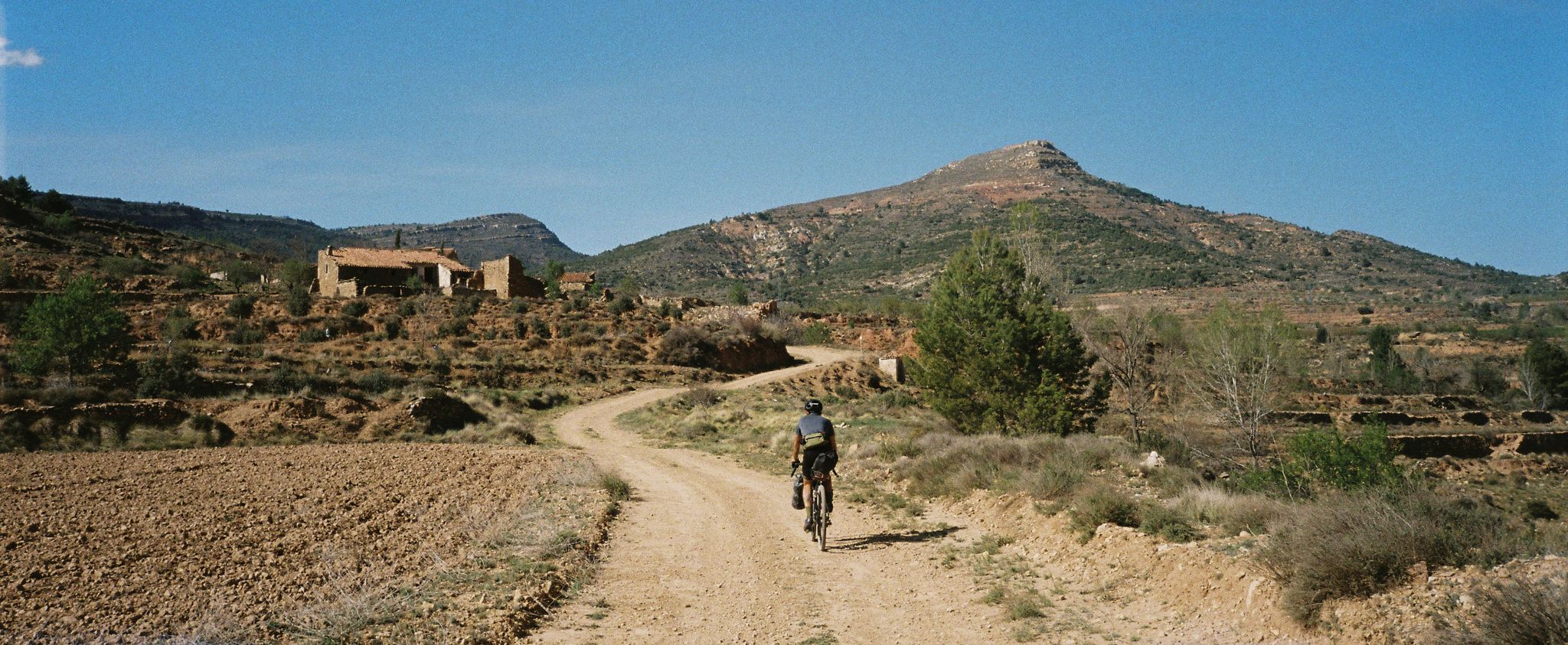
Path of the Tasters - Bikepacking in the Valencian ranges
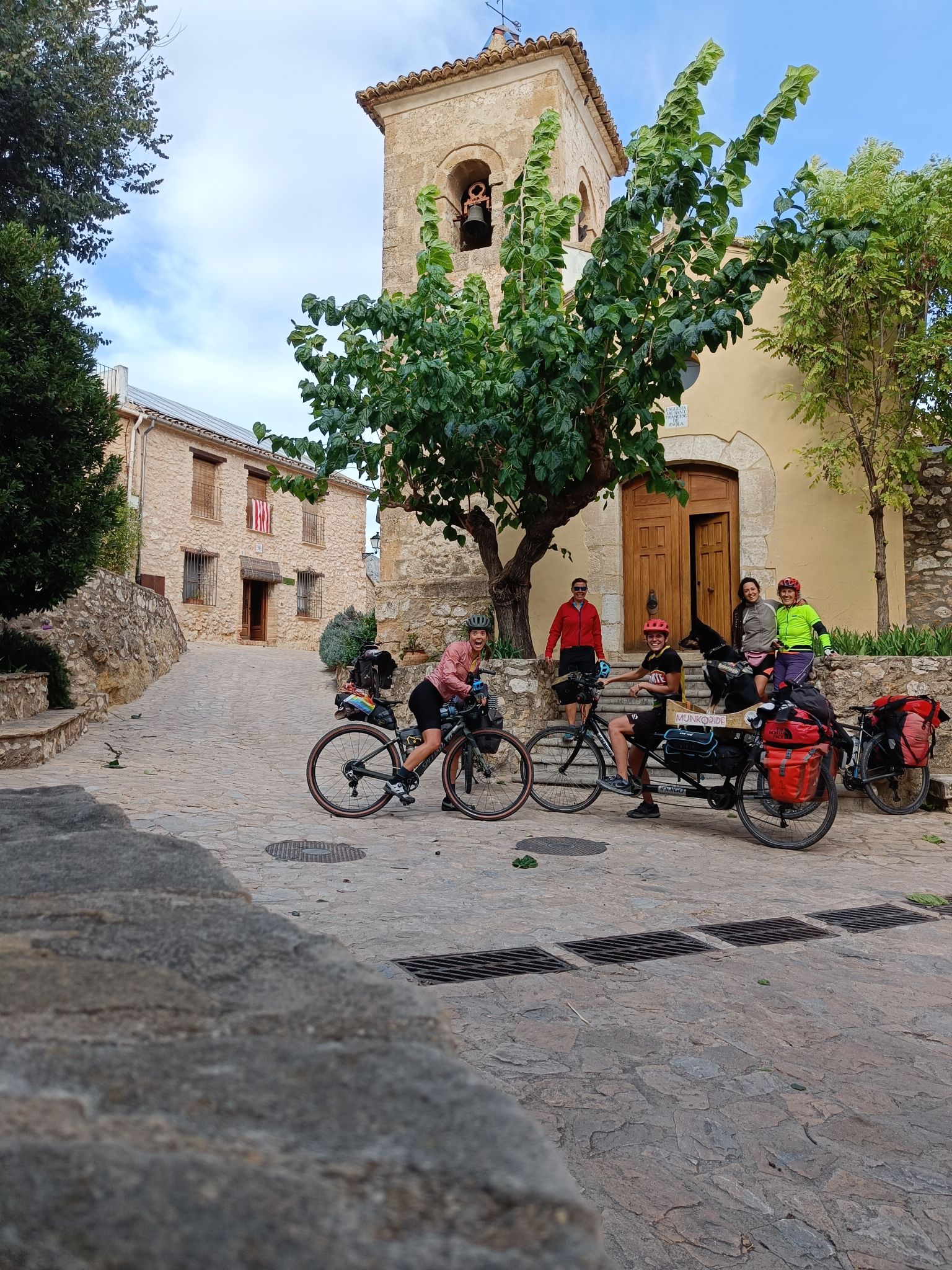
Community ride through the east of Spain – an autumn adventure
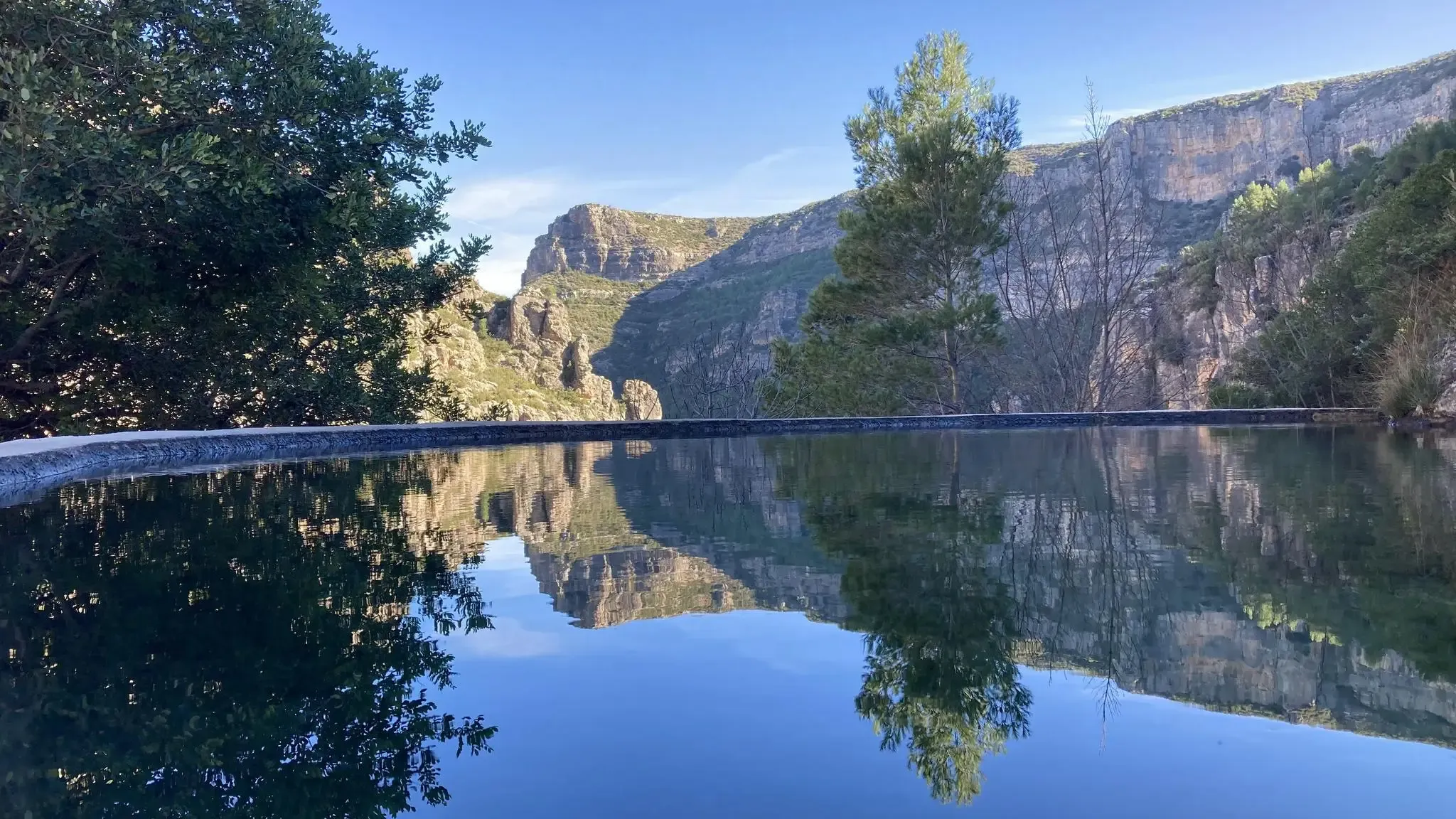
The hidden gem of Valencia – Caroig Massif (GR 237)
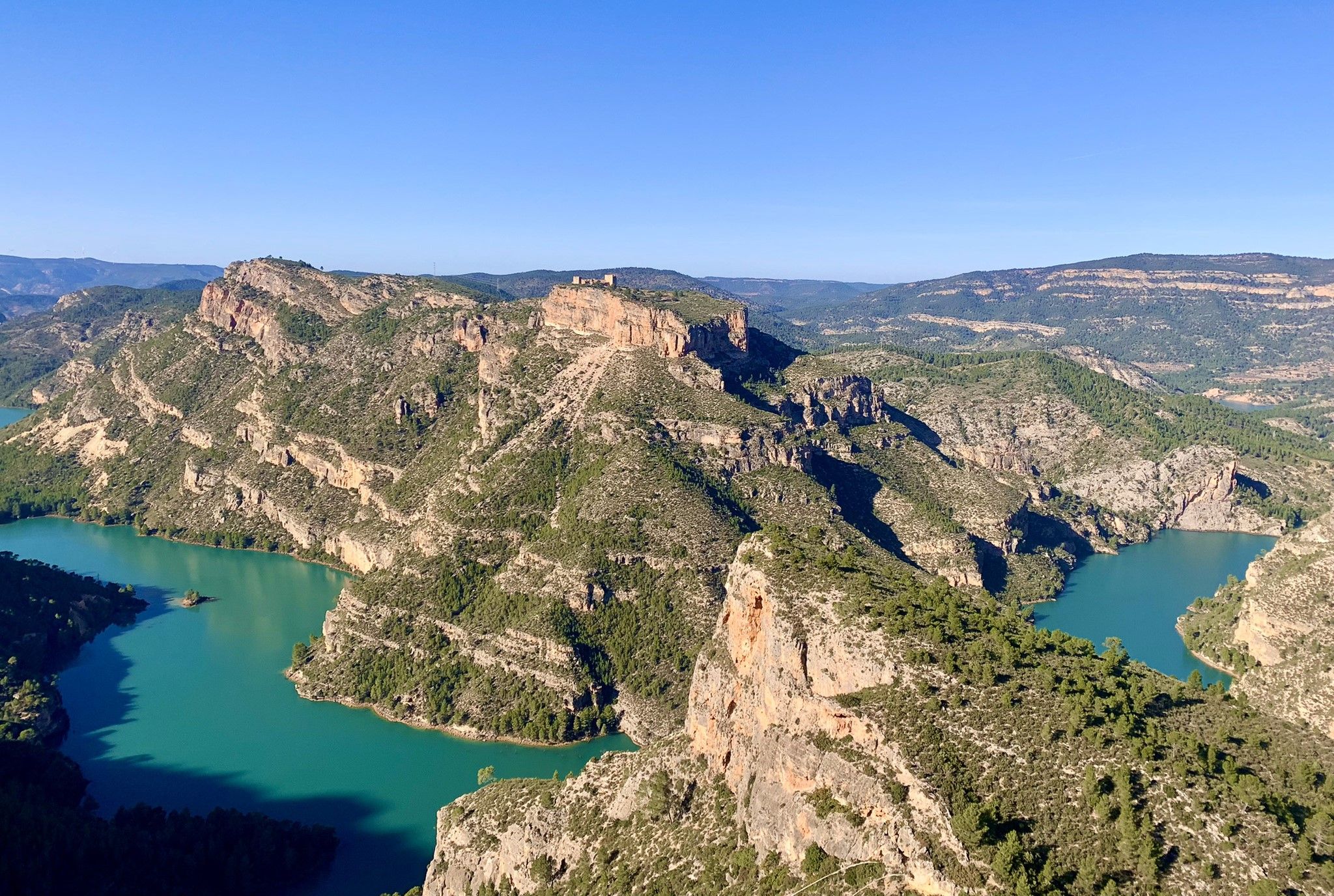
A journey full of discoveries – the Valencia region on foot (GR7)
A journey to the interior of the Iberian Peninsula – Levante Way (GR 239)
Road Cycling Routes around la Costera
Hiking around la Costera
MTB Trails around la Costera
Running Trails around la Costera
Cycling around la Costera
Other adventures around la Costera


Tips from the Community

The Quatre Camins quarry, also known as the Llosar dels Francs, is an archaeological site 500m away. of the Roman villa, known as Villa Cornelius, located in Partida dels Francs, in the municipality of Énova. These are quarries that, according to some scholars, could be considered the most important of the Roman period in the Iberian Peninsula. The commercialization of the marble extracted from these quarries was the main source of wealth for the Iunii family, of the Galeria Tribe, owners of the plantation and the Cornelius town. The transport of the stone was done through the carriladas, that is to say, grooves in the rocks that channeled the wheels of the carts, which can still be seen on the road that leads from Énova to Barxeta (https:// www.komoot.com/es-es/highlight/6171388). The planter has preserved marks that show that the marble was extracted forming rectangular blocks. These large blocks were transported in bullock carts to the town, where the work of stonemasons or stonemasons continued, who would fragment them and shape them into specific pieces, according to the order that needed to be served. This marble was used to make tombstones, monuments of different sizes and even slabs to pave the Roman theater in Zaragoza or the plinths of the Romanesque door of the Cathedral of Valencia. In the same municipality of Énova there are several Roman tombstones that provide the Greek names of slaves such as Lleones, Vibi Èutic (Vibius Euthycus) and Himeto (Himetós), which are built with materials from these quarries.
1
0

a short uphill side track brings you to a well preserved and well protected site with some rock paintings.
1
0

Going up the S.Esteve hermitage to the Alt de la Creu has unbeatable views.
0
0
Alt de la Creu and its fire watch tower give extensive views of the surrounding area: Benicadell, Montcabrer, etc
1
0

The La Cova Negra municipal natural area is located in the municipality of Játiva, province of Valencia. In the Cova Negra is the Middle Paleolithic site in which remains of Homo Neanderthal have appeared. This natural area is located in the narrow valley formed by the Albaida River, as it crosses the reliefs of the Sierra Grossa, at the exit of the so-called Estret de les Aigües. In the widest meander formed by the Albaida River, at the height of Pico del Paller, you can see the Cova Negra, named for the blackish appearance of its walls.
2
1
Geodetic point at 900m, bordering the municipalities of Vallada, Moixent, Ontinyent and Aielo de Malferit, represents the highest point in Vallada, where endemic plant associations of the region appear. The views are undoubtedly spectacular. The climb is done on scratched concrete and is very demanding, but it is worth going up to contemplate the landscape.
0
0

It is an archaeological site from the Iberian period that is located at the top of the Serra Grossa. Along the route there are explanatory signs that bring you closer to discovering the life of the time. From the top you can get a 360-degree panoramic view of the entire mountain range, it is worth taking a seat and enjoying it in peace.
1
0
The so-called "lanes" are the marks of a road perpendicular to the Via Heraklea (Path of Hercules) during the Bronze Age, which the Romans later renamed Via Augusta. This road, in the Iberian era, connected the interior of the peninsula with the sea, directly connecting the ancient city of Saiti (Roman Saetabis, today Xàtiva) with the city of Dianium (now Dénia). These lanes are very marked in the rock due to the continuous traffic of the carts. The distance between the axles of the wheels confirms that they date from the Iberian era. In Énova, this road was used for centuries due to the Roman exploitation of the quarry for the production of marble (which is located a few meters away), as well as being used to connect the Roman Villa with the rest of the world
1
0
Frequently Asked Questions
What unique natural features can I discover in La Costera?
La Costera offers a variety of unique natural features. You can explore the geological formations of Cova Negra, a narrow gorge carved into the Sierra Grossa, or the distinct saline-adapted ecosystem at Les Salines, which features a white pine forest and rare plants like Limonium mansanetianum. The region also boasts various viewpoints and forests.
Are there historical sites among the natural monuments in La Costera?
Yes, several natural monuments in La Costera also hold significant historical value. Cova Negra is a crucial Middle Paleolithic site where Neanderthal remains have been found. Les Salines was an old salt mine used by the army and features remnants like the 'Paret del Moro,' an 11th-century watchtower. Additionally, the Quarry of Quatre Camins showcases Roman-era marble extraction with visible cart tracks.
What kind of hiking trails are available near these natural monuments?
You can find a range of hiking trails near the natural monuments. For instance, the La Cova Negra Trail offers a pleasant walk along the Albaida River. At Les Salines, you can follow the 'Ruta de la Sal,' a circular path approximately 4 kilometers long, divided into three distinct trails. For more options, explore the easy hikes around La Costera.
Are there family-friendly natural monuments to visit in La Costera?
Yes, several natural monuments are suitable for families. Les Salines is categorized as family-friendly and offers an engaging 'Ruta de la Sal' with historical elements. The La Cova Negra Trail is also noted as family-friendly, providing a scenic walk. Additionally, Pi d'Ambrosio is a forest area with facilities, making it a good spot for families.
What outdoor activities can I do near the natural monuments in La Costera?
Beyond hiking, La Costera offers opportunities for running and mountain biking. You can find various routes, such as the 'Vine Spring loop from Barxeta' for running or the 'Cova Negra – Les Arcades old bridge loop from Vallés' for mountain biking. For detailed routes, check out the Running Trails around La Costera and MTB Trails around La Costera guides.
Where can I find panoramic views in La Costera?
For spectacular panoramic views, consider visiting Alt de la Creu, which offers extensive vistas of the surrounding area, including Benicadell and Montcabrer. Another excellent spot is the Panoramic view from La Plana, providing scenic outlooks over the landscape.
What do visitors enjoy most about the natural monuments in La Costera?
Visitors particularly appreciate the blend of natural beauty and historical significance. The paleontological importance of Cova Negra and its scenic trails along the Albaida River are highly rated. The unique ecosystem and historical remnants at Les Salines also receive positive feedback for their distinct charm and walking opportunities.
Are there any ancient Roman sites among the natural monuments?
Yes, the Quarry of Quatre Camins (Llosar dels Francs) is an archaeological site considered one of the most important Roman quarries in the Iberian Peninsula. Here, you can still see cart tracks and evidence of marble extraction used for various Roman constructions. Nearby, you can also find Cart tracks that date back to the Iberian era and were later used by the Romans.
What kind of vegetation can be found at the natural monuments?
The vegetation varies across the natural monuments. At Cova Negra, you'll find riverbank vegetation with poplars and elms, alongside Mediterranean mountain flora including aromatic plants. Les Salines features a unique white pine forest and saline-adapted plants like the Valencian endemism Limonium mansanetianum, as well as tamarisk trees.
Is there a natural monument that is also a forest with facilities?
Yes, Pi d'Ambrosio is a forest categorized as a natural monument that also offers facilities, making it a comfortable spot for visitors to enjoy nature.
Are there any natural springs or water features to visit?
Yes, you can visit Font del Cossi, which is a natural monument featuring a spring within a forest setting, offering a tranquil natural experience.
What is the highest point in the natural monuments area of La Costera?
The highest point in the area is Alt de la Creu, a geodetic point at 900m. It represents the highest elevation in Vallada and offers challenging climbs with rewarding, spectacular views.
Most popular routes around la Costera
Most popular attractions around la Costera

Get inspired with the komoot mobile app


Didn’t find what you were looking for?
Find even more amazing natural monuments around la Costera by checking out the top Highlights region by region:
Explore more
Extend your search for the best caves by checking out these guides of the top ones around la Costera:
