Top 20 Natural Monuments around Bajo Aragon
Best natural monuments around Bajo Aragon showcase a region in Teruel, Spain, known for its diverse geology and unique ecosystems. The area features karstic systems, river-carved formations, and significant geological sites. These natural attractions offer opportunities to explore varied landscapes and observe local wildlife. Bajo Aragon provides a rich tapestry of natural wonders for outdoor enthusiasts.
Best natural monuments around Bajo Aragon
- The most popular natural monuments is Natural Pool of El Azud, a natural_monument that is a natural water pool on the bed of the Matarraña river. It is ideal for summer days, offering a refreshing swim in a picturesque environment.
- Another must-see spot is Penyagalera Summit (1,035 m), a solitary and unique massif with rocks and vertical escarpments. From its top at 1035 m, it offers panoramic views of the Matarraña River valley and the north of Les Ports.
- Visitors also love Parrissal Walkways, a section with wooden walkways along the Matarranya River. This route features gorges and offers a unique way to experience the river's landscape.
- Bajo Aragon is known for gorges, summits, and natural pools. These sites provide diverse opportunities for hiking and exploring unique geological formations.
- The natural monuments around Bajo Aragon are appreciated by the komoot community, with more than 20 upvotes and 25 photos shared.
Last updated: August 30, 2026
El Parrizal Gorge
Highlight • Gorge
Translated by Google •
Tip by

Parrissal Walkways
Highlight (Segment) • Gorge
It has a route of about 2.3 km and an approximate difference in level of 110 m, and runs along the riverbed of the Matarranya River between the water catchment station and the Gúbies del Parrissal. We will find sections with wooden walkways to save gorges where there is no other alternative, others depending on the flood of the ravine will inevitably get your feet wet.
In the last ten years, new walkways have been created and existing ones repaired, leaving little room for adventure and discovery.
As if that wasn't enough and for the information of people who wish to sign up for the Estels del Sud crossing. Beseit City Council notifies that from March 2022 it has approved a Municipal Ordinance that regulates the public price for transit along the Parrissal Footbridges Route with personal insurance. For more information and to purchase a ticket, visit the City Council's website.
Due to the Passarelles del Parrissal being one of the crossing points of the Estels del Sud crossing in the stage between Beseit and the Refugi de la Font Ferrera, all participants in the crossing who wish to cross the footbridges must 'obtain said ticket beforehand. The price of the toll is 5 euros, but for those officially registered with Estels del Sud the price will be 4 euros, since you are either Federated, or you have the Insurance provided by Estels del Sud.
Although the passage through the footbridges and the Parrissal is only one of the possible itineraries between Beseit and Font Ferrera, if you want to save the amount of the Toll, you have the option of passing through the Moletes d'Arany. Itinerary of great scenic beauty and which leaves just before reaching the footbridges.
Translated by Google •
Tip by

Sign up now to discover places like this
Get recommendations on the best single tracks, peaks, & plenty of other exciting outdoor places.
Sign up for free
Penyagalera Summit (1,035 m)
Highlight • Summit
The ascent that we could consider normal is the one that goes up from La Pesquera and is signposted as PR-TE 151, we did it downhill. Coming from Arnes, in our case, you have to go up following the Barranc de la Cova, a natural separation between the Penyagalera and the Serrall de les Clapisses, to the Coll de Pelele, from where we will go up a fairly straight path to the ridge where, we will reach the top more gently.
Translated by Google •
Tip by
Beautiful spot
Highlight • Gorge
Translated by Google •
Tip by

La Fenellasa Rock Paintings
Highlight • Historical Site
Discovered by C. Forcadell in 1966, they belong to the schematic style that is framed under the generic name of Levantine Art, declared World Heritage in 1998. This style is characterized by the schematization and simplification of the representations of animals and human beings that are reduced to vertical and horizontal strokes. This style spans from the Neolithic to the Metal Age and is the manifestation of people who already knew agriculture and the domestication of animals, as these paintings show.
Translated by Google •
Tip by
Rabosa Pool
Highlight • Waterfall
Translated by Google •
Tip by

Pozas del Mas de Lluvia
Highlight • River
Translated by Google •
Tip by
Pantano de Pena
Highlight • Lake
Translated by Google •
Tip by

Natural Pool of El Azud
Highlight • Natural Monument
Translated by Google •
Tip by

El Toll del Vidre Waterfall
Highlight • Waterfall
Translated by Google •
Tip by

Sign up for free to discover even more natural monuments around Bajo Aragon.
Sign up for free
Already have an account?
Start today with a free account
Your next adventure awaits.
Login or Signup
Popular around Bajo Aragon
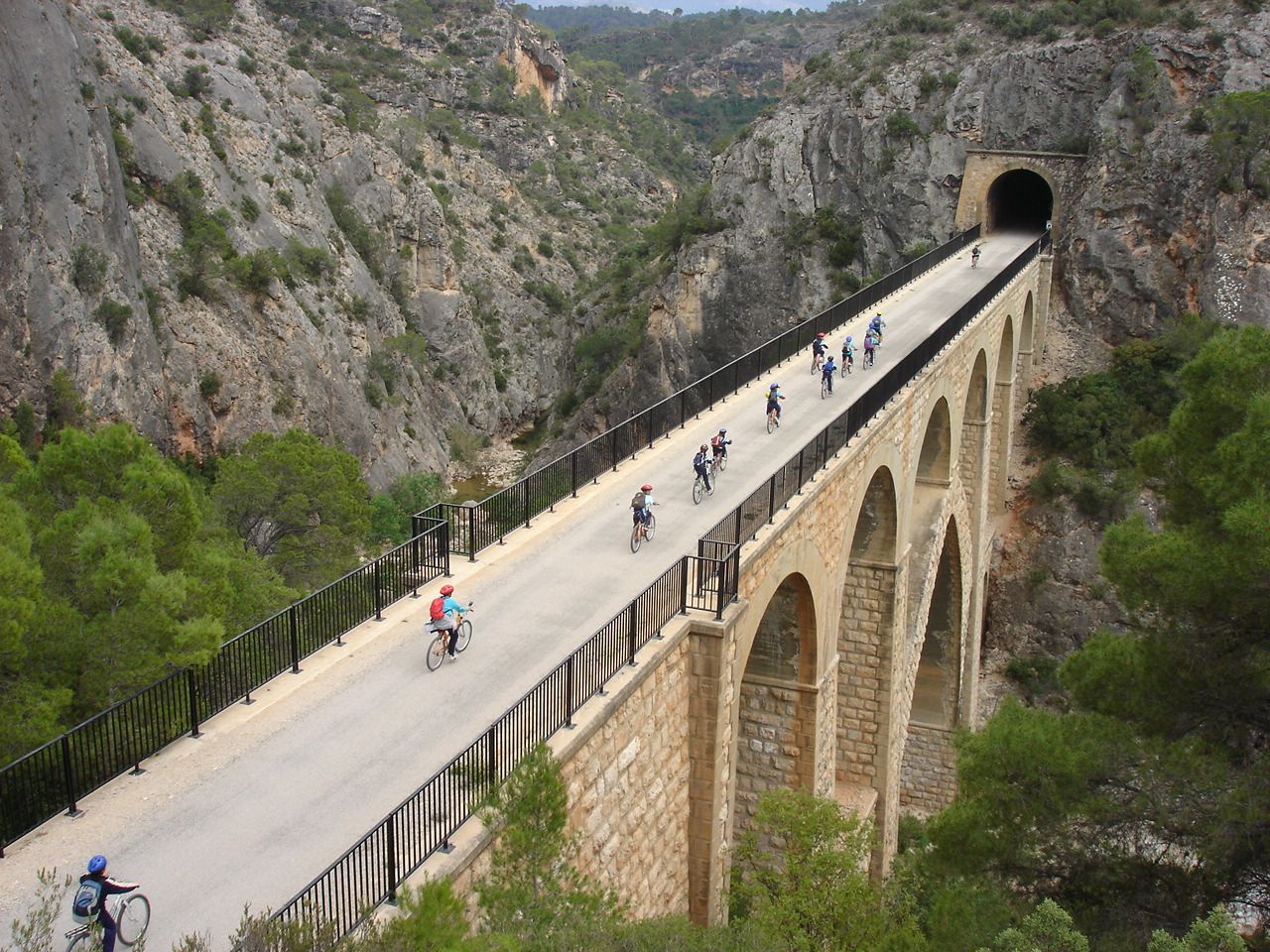
The train that went to the sea – Vía Verde de la Val del Zafán
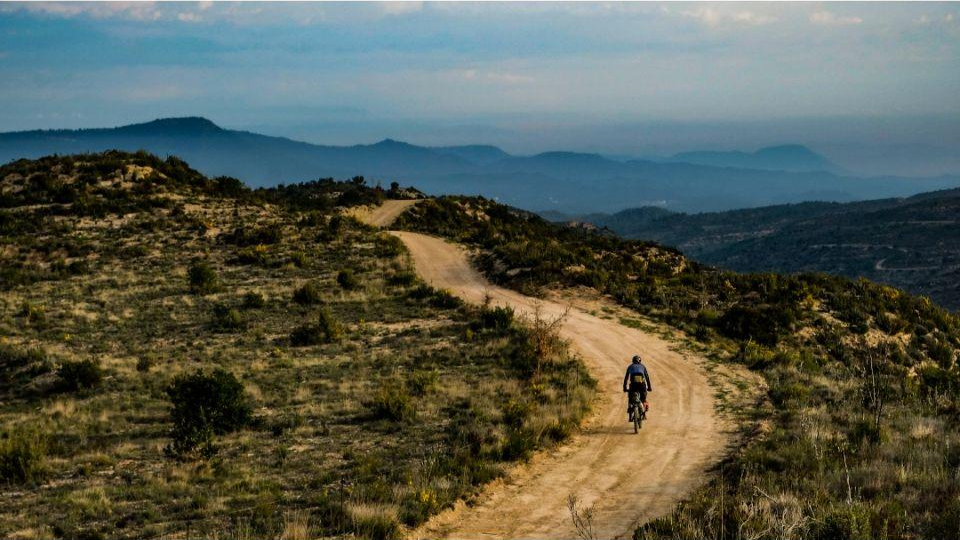
European Divide Trail across the Iberian Peninsula – north
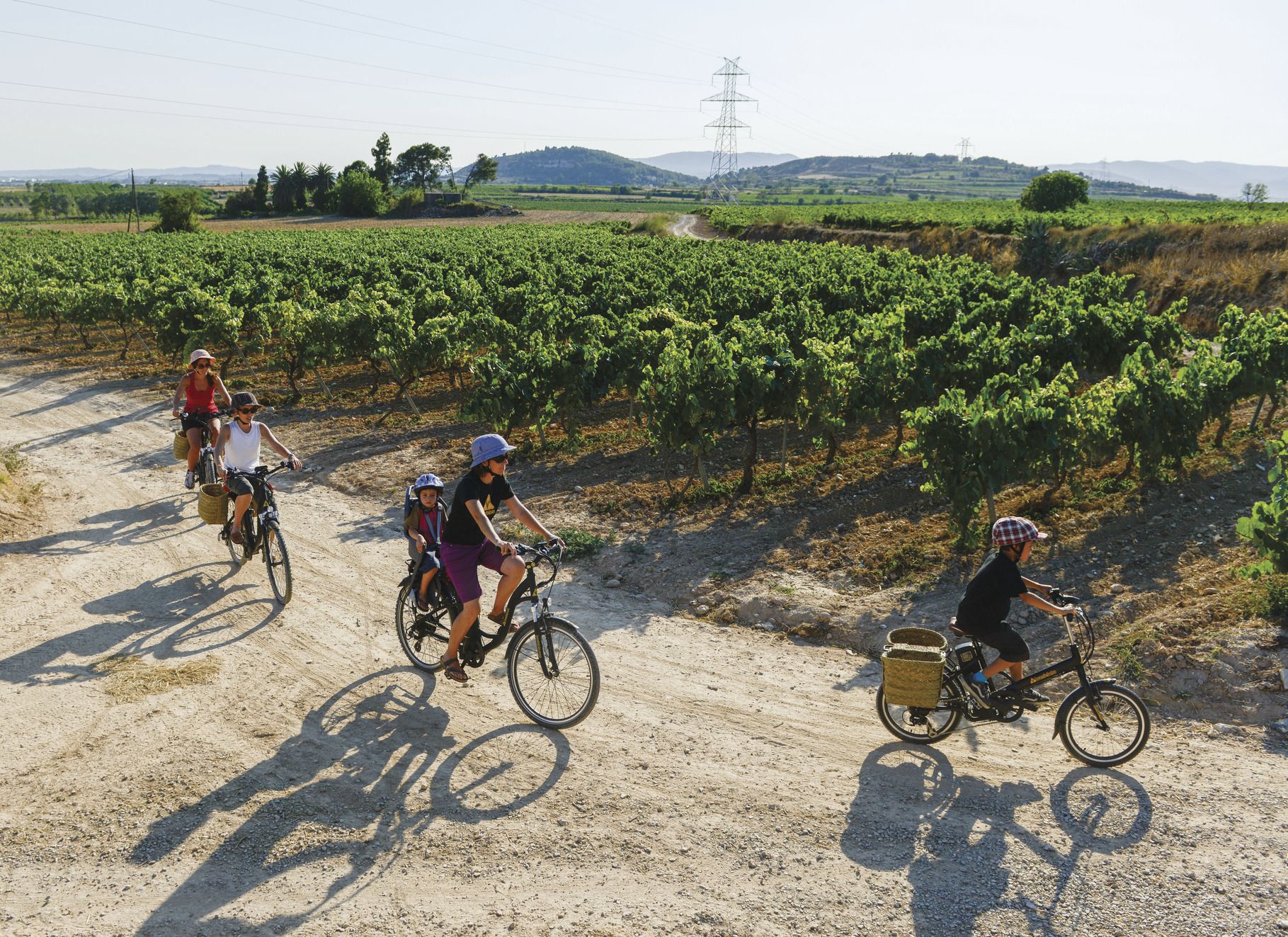
Cycling through Catalonia with your family
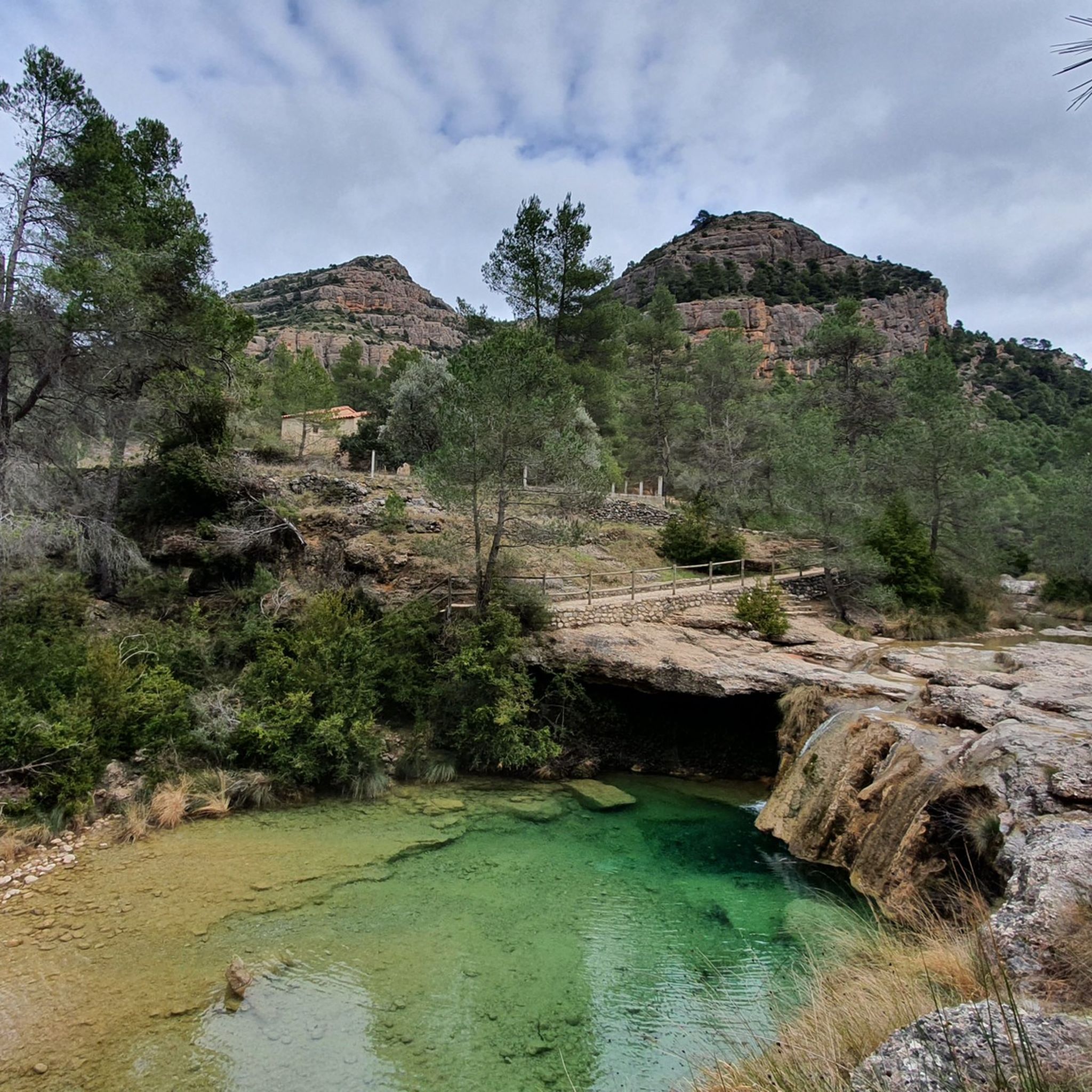
Hiking around Bajo Aragon
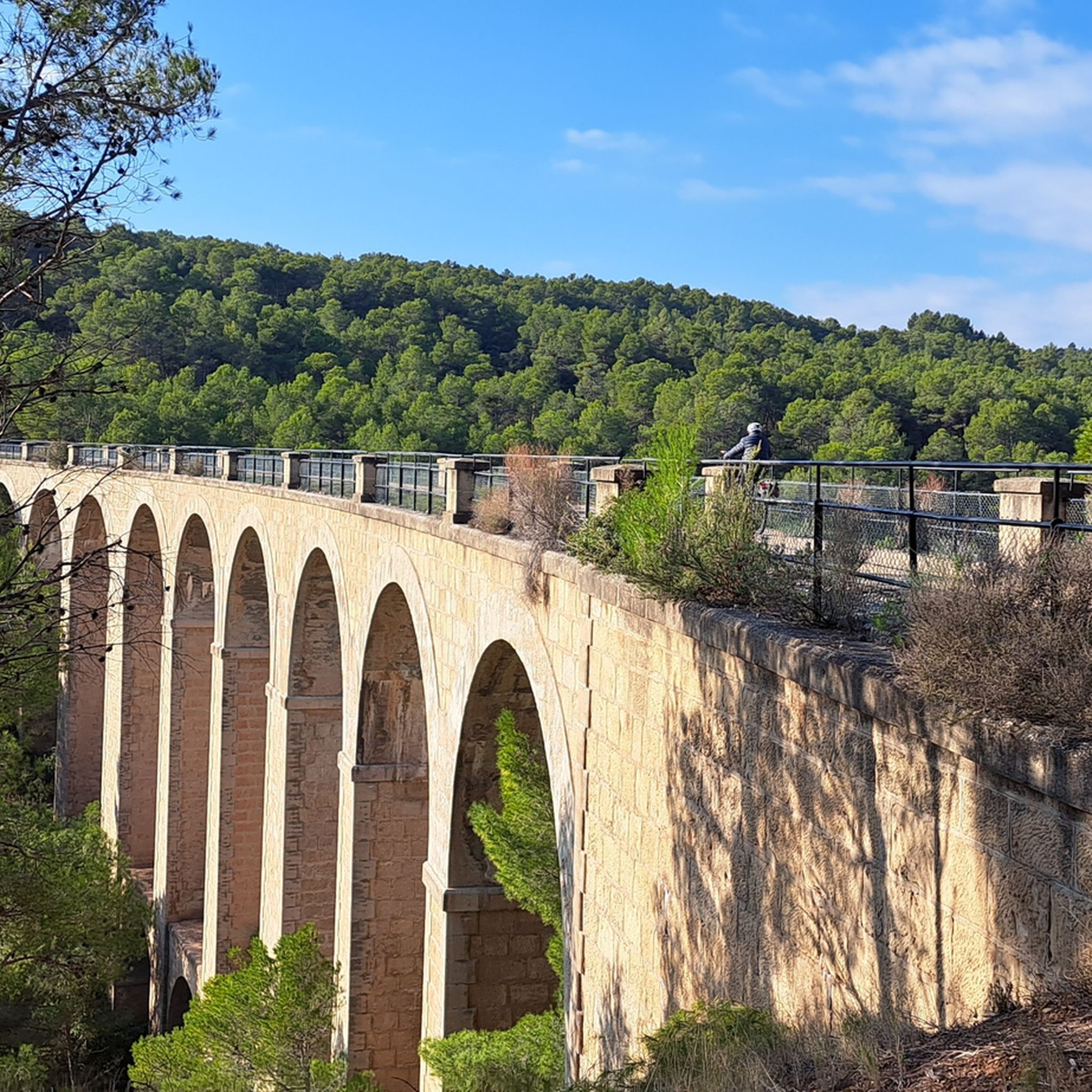
MTB Trails around Bajo Aragon
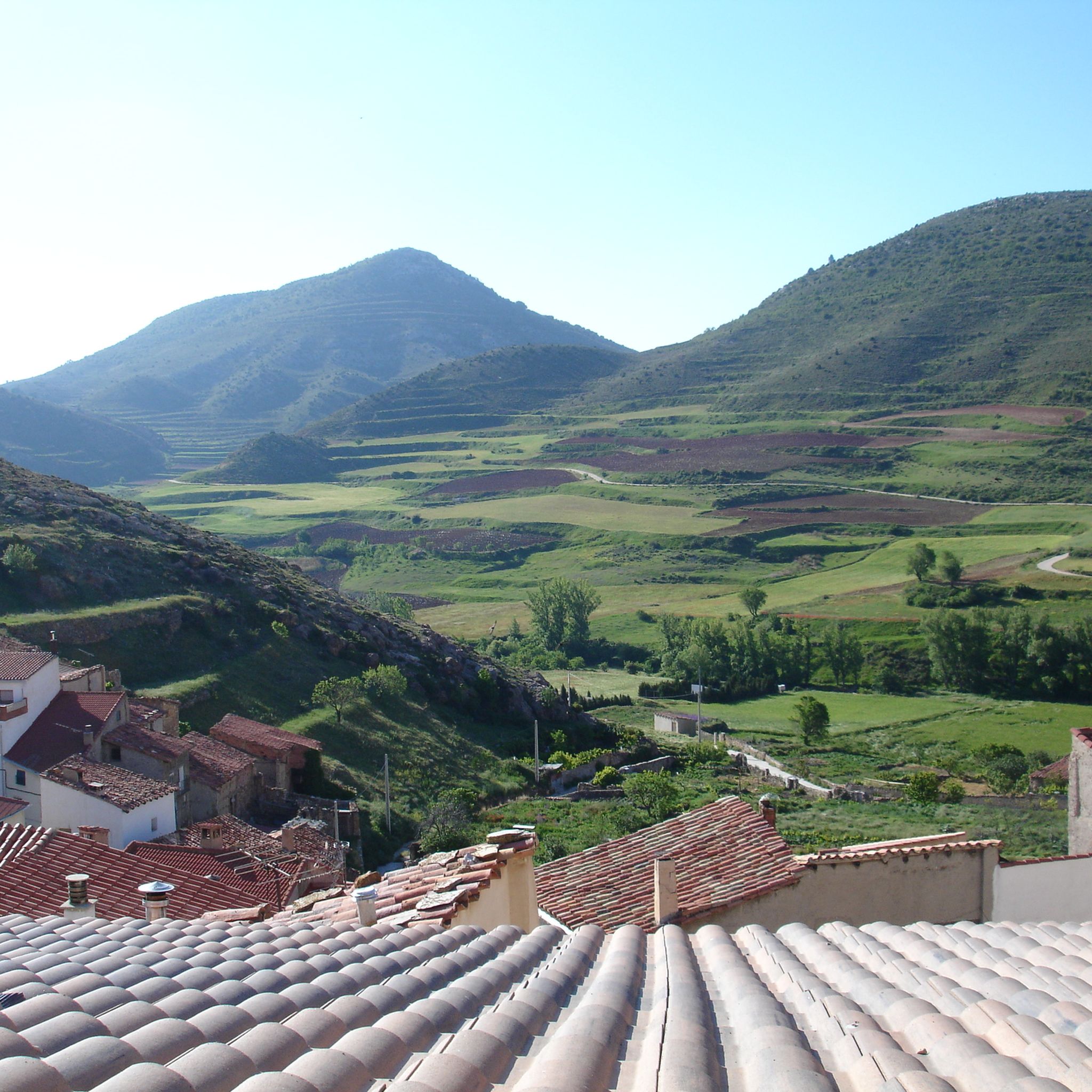
Road Cycling Routes around Bajo Aragon
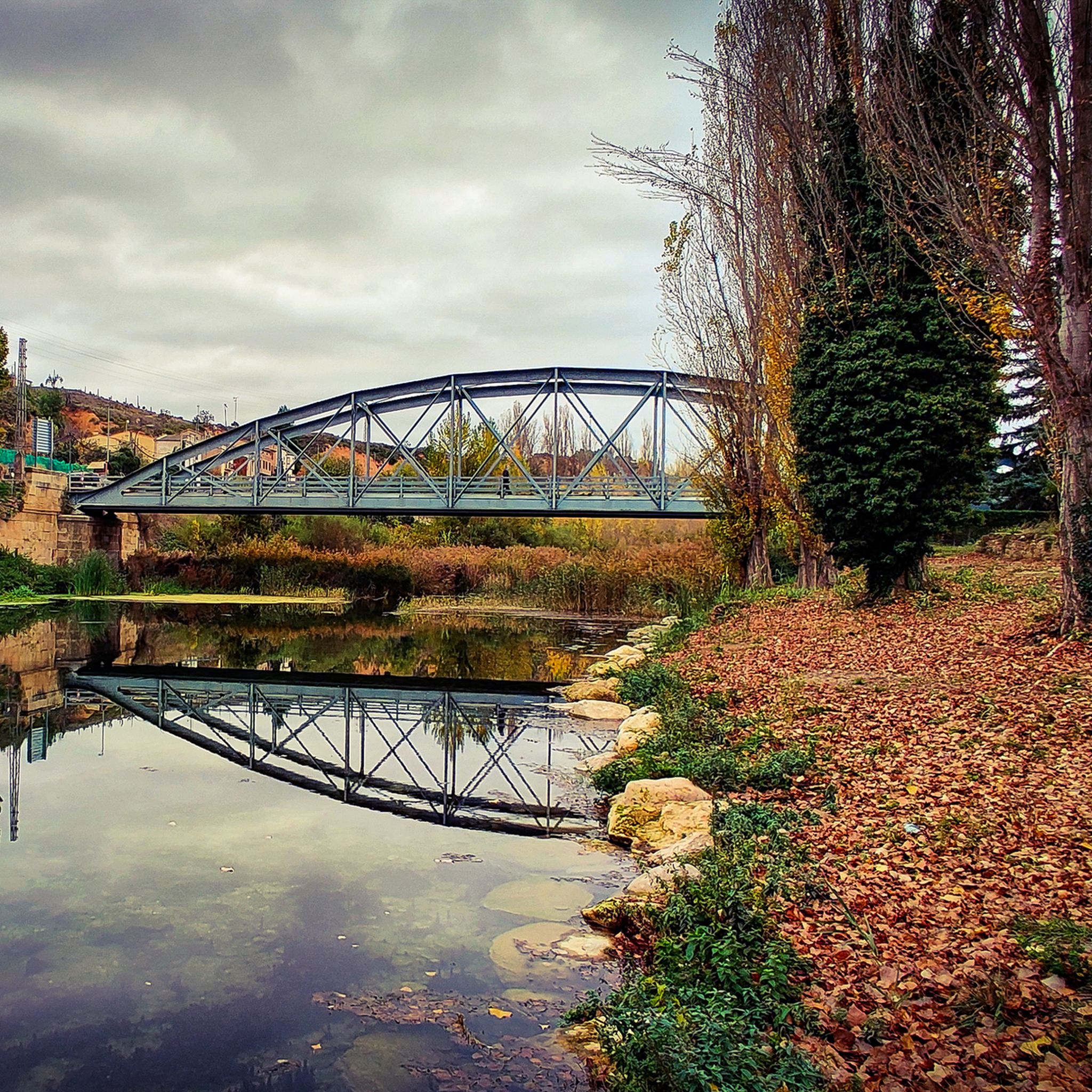
Cycling around Bajo Aragon
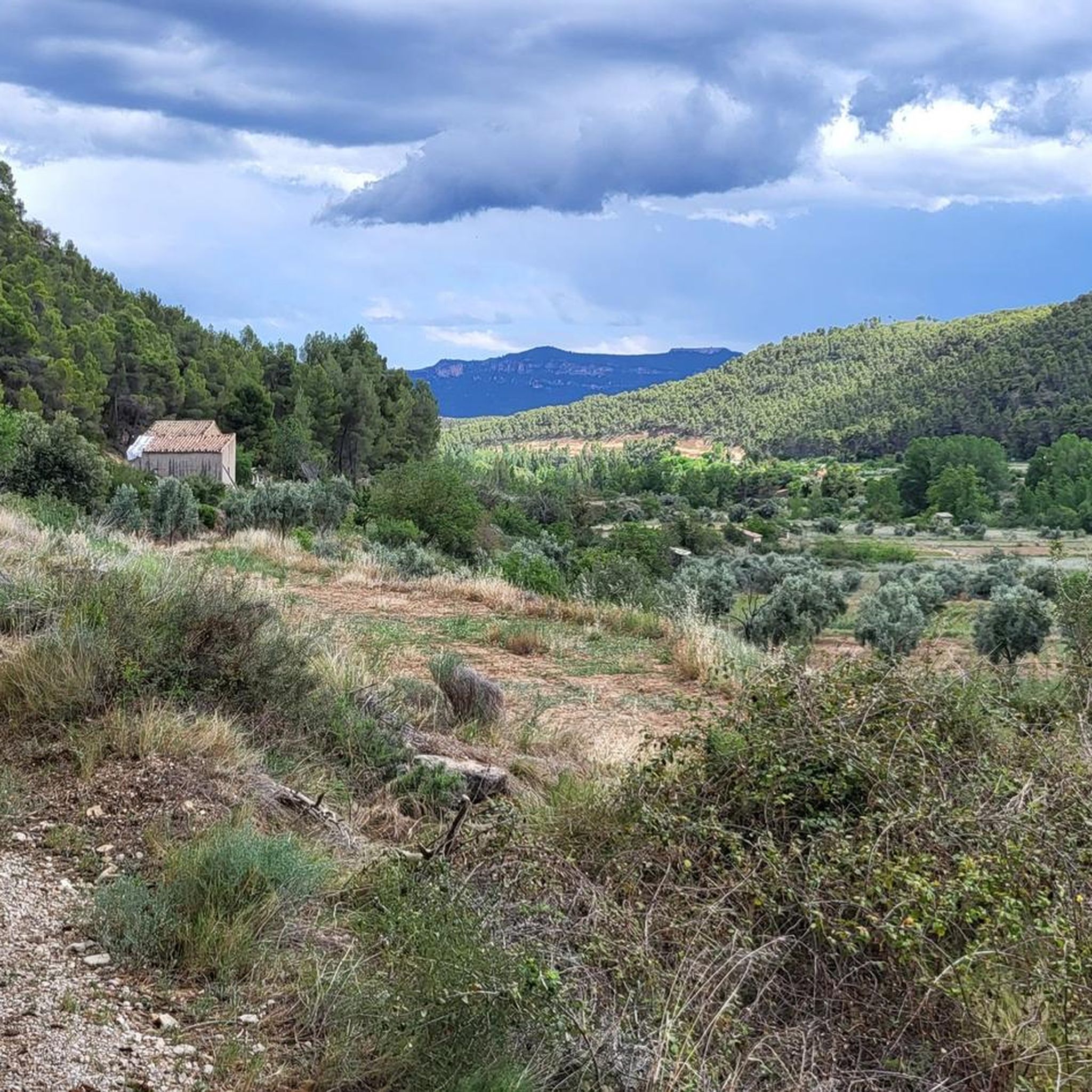
Running Trails around Bajo Aragon

Gravel biking around Bajo Aragon
Other adventures around Bajo Aragon


Tips from the Community

A beautiful and not demanding route, perhaps too crowded.
0
0

Another essential route in the Matarraña region
0
0

The Poza de la Fuente de Rabosa (or Font de la Rabosa) is a beautiful natural pool located within the town of Beceite, in the Matarraña region (Teruel). It's an ideal place to cool off in the summer and enjoy the natural surroundings without leaving the town.
2
0
Penyagalera (1,036 m) is one of the most iconic mountains in the Puertos de Beceite mountain range, in the Matarraña region (Teruel). Its sharp silhouette and solitary position make it a spectacular natural viewpoint overlooking the Els Ports massif and the Ulldemó River valley.
2
0

Great 360º viewpoint, I bivouacked there and everything
0
0

Today we hiked the Penyagalera trail, which was fantastic. We started at P4, just as we were about to descend to the river and begin our ascent. Tip: wear gaiters because you have to put your feet in the river to cross, both on the way there and back on the other side (you exit at P8). Good endurance because it's all uphill until you reach the peak. It's cold at the top, so at least wear gloves. And enjoy the scenery.
0
0
The Mas de la Lluvia Pool in Beceite is a magical place, perfect for enjoying nature. Located in the Matarraña region, this pool is formed by the crystal-clear waters that flow down from the mountains, creating an ideal setting for swimming and relaxation.
2
0

Frequently Asked Questions
What unique geological features can I explore in Bajo Aragón?
Bajo Aragón offers a rich tapestry of geological wonders. You can explore the spectacular karstic system of the Grutas de Cristal de Molinos, featuring impressive stalactites and stalagmites. Another unique site is the Monumento Natural del Puente de Fonseca, a natural tufa rock bridge formed by the Guadalope River. For a deeper dive into Earth's history, the Parque Geológico de Aliaga showcases 200 million years of geological formations, including mountains, ravines, and canyons.
Are there natural monuments suitable for families with children?
Yes, several natural monuments in Bajo Aragón are family-friendly. The Natural Pool of El Azud is ideal for summer days, offering a refreshing swim. The Rabosa Pool in Beceite is another beautiful spot for cooling off. Additionally, the Parrissal Walkways, while requiring a ticket, offer an accessible route with wooden walkways over the Matarraña River, suitable for families to experience unique gorges.
What kind of outdoor activities can I do near these natural monuments?
The natural monuments in Bajo Aragón are excellent starting points for various outdoor activities. You can enjoy hiking along the Guadalope River near the Puente de Fonseca or explore the wild environment around the Nacimiento del Río Pitarque. For cycling enthusiasts, there are numerous routes available. You can find detailed MTB Trails, Road Cycling Routes, and Touring Cycling options throughout the region.
Where can I go for wildlife spotting in Bajo Aragón?
Bajo Aragón offers several excellent locations for wildlife spotting. The Monumento Natural del Puente de Fonseca is home to diverse wildlife, including river crabs, Bonelli's eagles, a large colony of griffon vultures, wild boars, otters, and Iberian ibex. The Nacimiento del Río Pitarque is another prime location, providing refuge for numerous bird species like griffon vultures, golden eagles, and Egyptian vultures, as well as Iberian ibex and otters.
Are there any historical or cultural sites near the natural monuments?
Yes, the region blends natural beauty with historical significance. Near the Monumento Natural del Puente de Fonseca, you can find ancient Levantine rock paintings, which are a World Heritage Site. The Grutas de Cristal de Molinos also hold historical value, as they harbored the remains of the "Man of Molinos," the oldest hominid discovered in Aragon, dating back 25,000 years. Additionally, the La Fenellasa Rock Paintings are another UNESCO World Heritage site worth visiting.
What is the best time to visit the natural monuments in Bajo Aragón?
The best time to visit depends on your preferred activities. Spring (especially during the thaw) offers stunning scenery at the Nacimiento del Río Pitarque with its cascading water. Summer is ideal for swimming in natural pools like El Azud or Rabosa Pool. Autumn provides pleasant temperatures for hiking and enjoying the changing foliage. Many sites, like the Grutas de Cristal, are accessible year-round, but it's always good to check specific opening hours.
Can I find any unique natural phenomena like waterfalls or springs?
Absolutely. The Nacimiento del Río Pitarque is a prime example, protecting the dramatic point where crystalline waters emerge abundantly from an aquifer, forming the source of the Pitarque River. After heavy rainfall, a notable "chimney" here creates a spectacular waterfall effect. You can also find the beautiful El Toll del Vidre Waterfall in the region.
What do visitors enjoy most about the natural monuments in Bajo Aragón?
Visitors frequently praise the stunning natural beauty and the opportunities for immersion in nature. Many appreciate the refreshing natural pools like El Azud and Rabosa Pool, especially during warmer months. The unique geological formations, such as the Parrissal Walkways and the panoramic views from Penyagalera Summit, are also highly rated experiences.
Are there any notable singular trees or forests to visit?
While not always officially designated as natural monuments, Aragon maintains a "Catalogue of Singular Trees" for specimens of exceptional size, age, or scientific importance. An example within the broader Teruel province is the Chopo Cabecero del Remolinar, a notable pollarded black poplar. Routes dedicated to singular trees exist, allowing nature enthusiasts to discover these living monuments and the unique forest ecosystems they inhabit.
Are there any natural lakes or reservoirs in the area?
Yes, the region features several natural and man-made water bodies that are popular for their scenic beauty and recreational opportunities. The Pantano de Pena (Pena Reservoir) is a significant lake surrounded by beautiful mountains, offering a picturesque setting for nature and sports lovers. You can also find various river pools like Pozas del Mas de Lluvia.
What are the Grutas de Cristal de Molinos and what makes them special?
The Grutas de Cristal de Molinos (Crystal Caves of Molinos) are a spectacular complex karstic system discovered in 1961. They feature a network of underground rooms and galleries adorned with an impressive array of stalactites, stalagmites, columns, and cascades. Their varied colors and crystallizations give them their evocative name. Beyond their geological beauty, the caves are significant for harboring fossil fauna, including the remains of the "Man of Molinos," the oldest hominid found in Aragon. You can find more information on Wikipedia.
Most popular routes around Bajo Aragon
Most popular attractions around Bajo Aragon

Get inspired with the komoot mobile app


Didn’t find what you were looking for?
Find even more amazing natural monuments around Bajo Aragon by checking out the top Highlights region by region:
Explore more
Extend your search for the best caves by checking out these guides of the top ones around Bajo Aragon:
