Top 20 Natural Monuments around Mieres
Best natural monuments around Mieres showcase Asturias's diverse landscapes, from dramatic river gorges to ancient, protected trees. The region features impressive geological formations like the Foces del Río Aller, alongside individual natural wonders such as the singular trees of Mieres. These natural features are set within a broader protected area, offering a blend of natural beauty and historical significance. Mieres provides opportunities to explore varied natural environments.
Best natural monuments around Mieres
- The most popular natural monuments is Ojo de…
Last updated: June 23, 2026
La Cubilla Pass
Highlight • Mountain Pass
By MTB you can get there …
Translated by Google •
Tip by

Ojo de Buey (L'Arcu de la Finiesta), Peña Mea
Highlight • Natural Monument
Translated by Google •
Tip by

Sign up now to discover places like this
Get recommendations on the best single tracks, peaks, & plenty of other exciting outdoor places.
Sign up for free
View from Pajares
Highlight • Viewpoint
Translated by Google •
Tip by

Texu la Oración Viewpoint
Highlight • Viewpoint
Translated by Google •
Tip by
Tabayón del Mongayu Waterfall
Highlight • Waterfall
Translated by Google •
Tip by
Collada de Pelúgano
Highlight • Mountain Pass
Translated by Google •
Tip by

Brañagallones Refuge
Highlight • Mountain Hut
In la Vega there is a …
Translated by Google •
Tip by

Collada d'Arniciu
Highlight • Mountain Pass
Translated by Google •
Tip by
Peña Ubiña
Highlight • Summit
Translated by Google •
Tip by
Trail to the mountain hut, Ubiñas-La Mesa Natural Park
Highlight • Trail
Beautiful landscapes.
Translated by Google •
Tip by

Sign up for free to discover even more natural monuments around Mieres.
Sign up for free
Already have an account?
Start today with a free account
Your next adventure awaits.
Login or Signup
Popular around Mieres
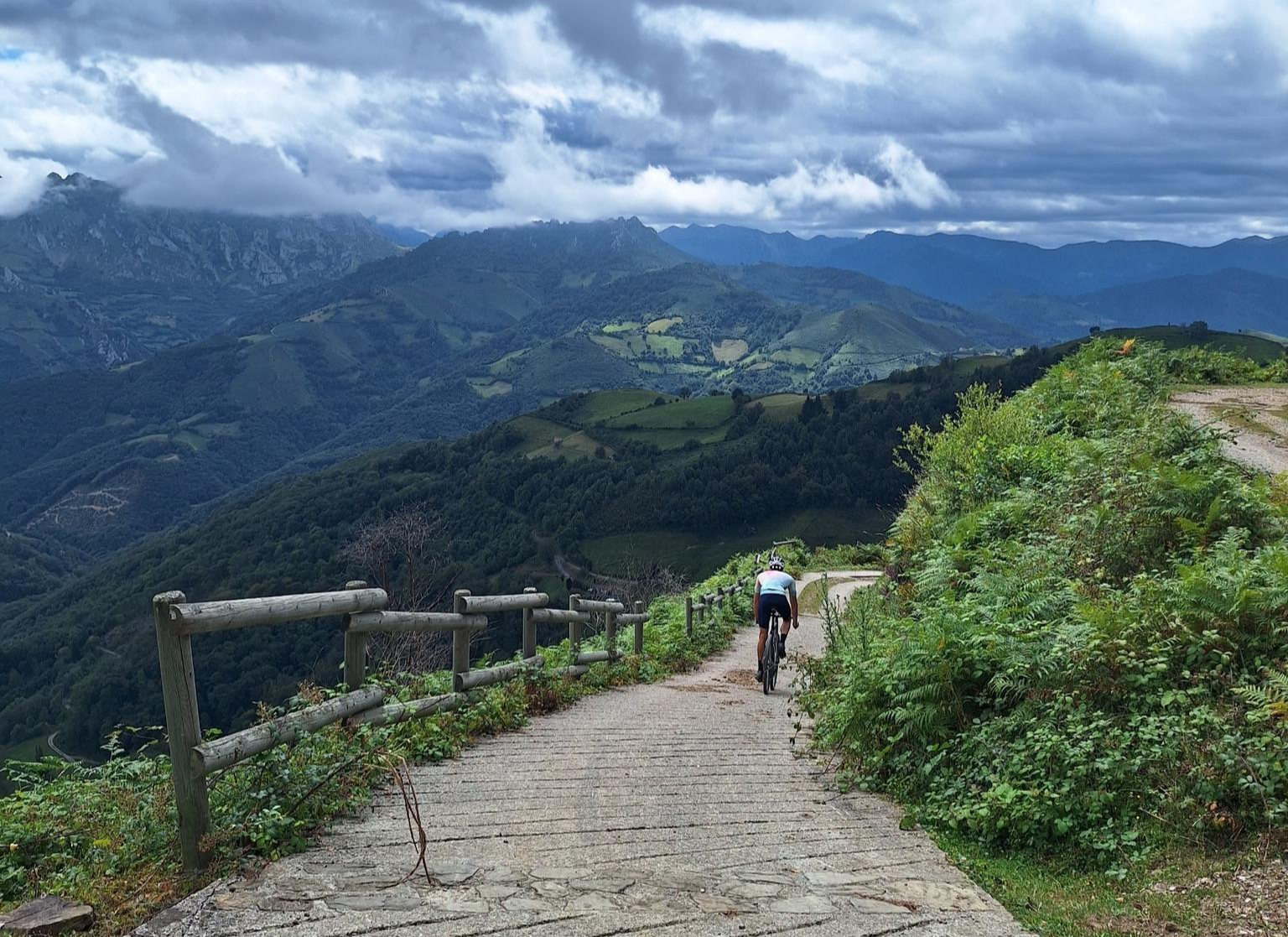
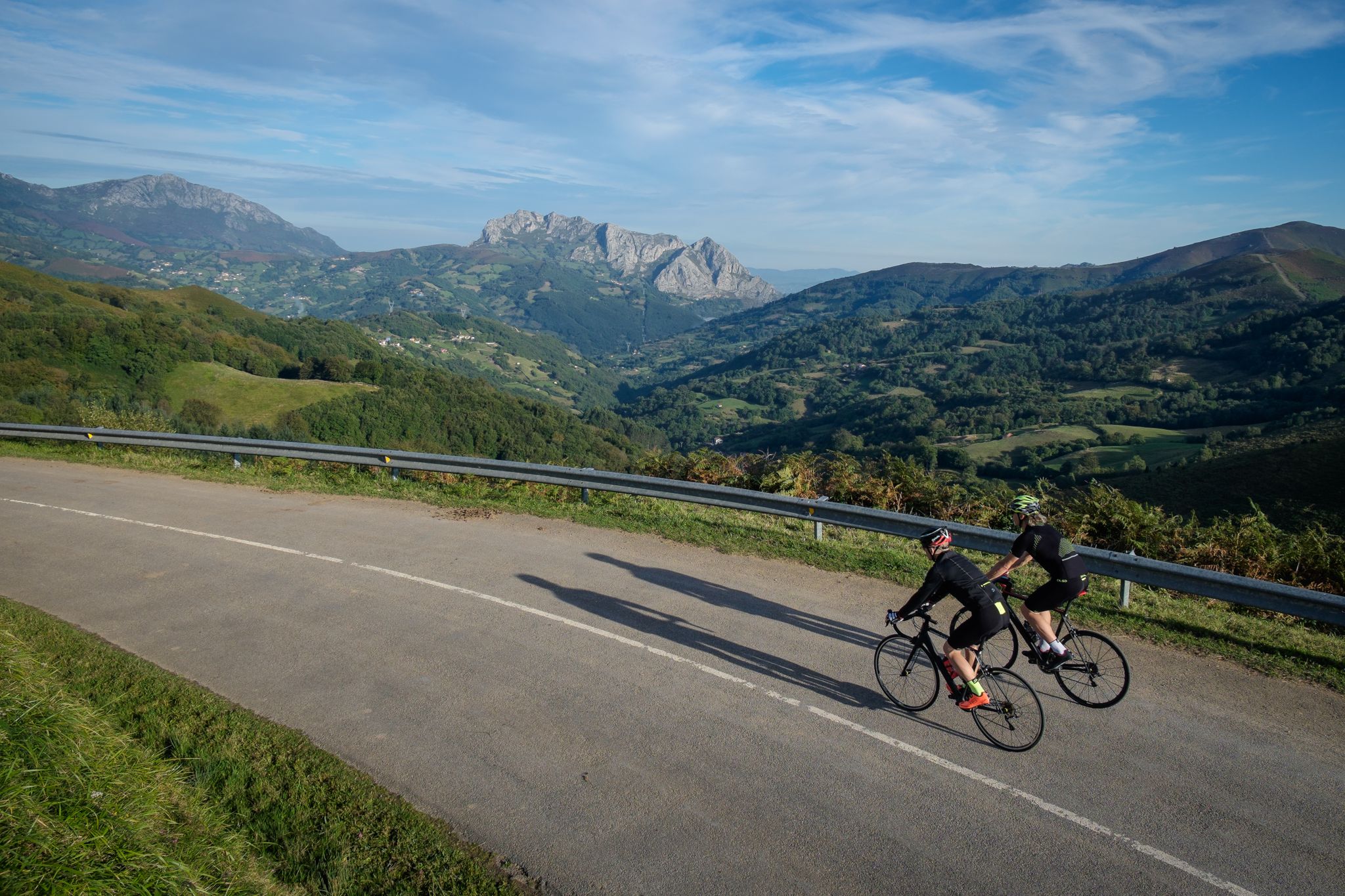
Central Mountain Cycling Ring GR 208 - Tour of the Asturian Mountains
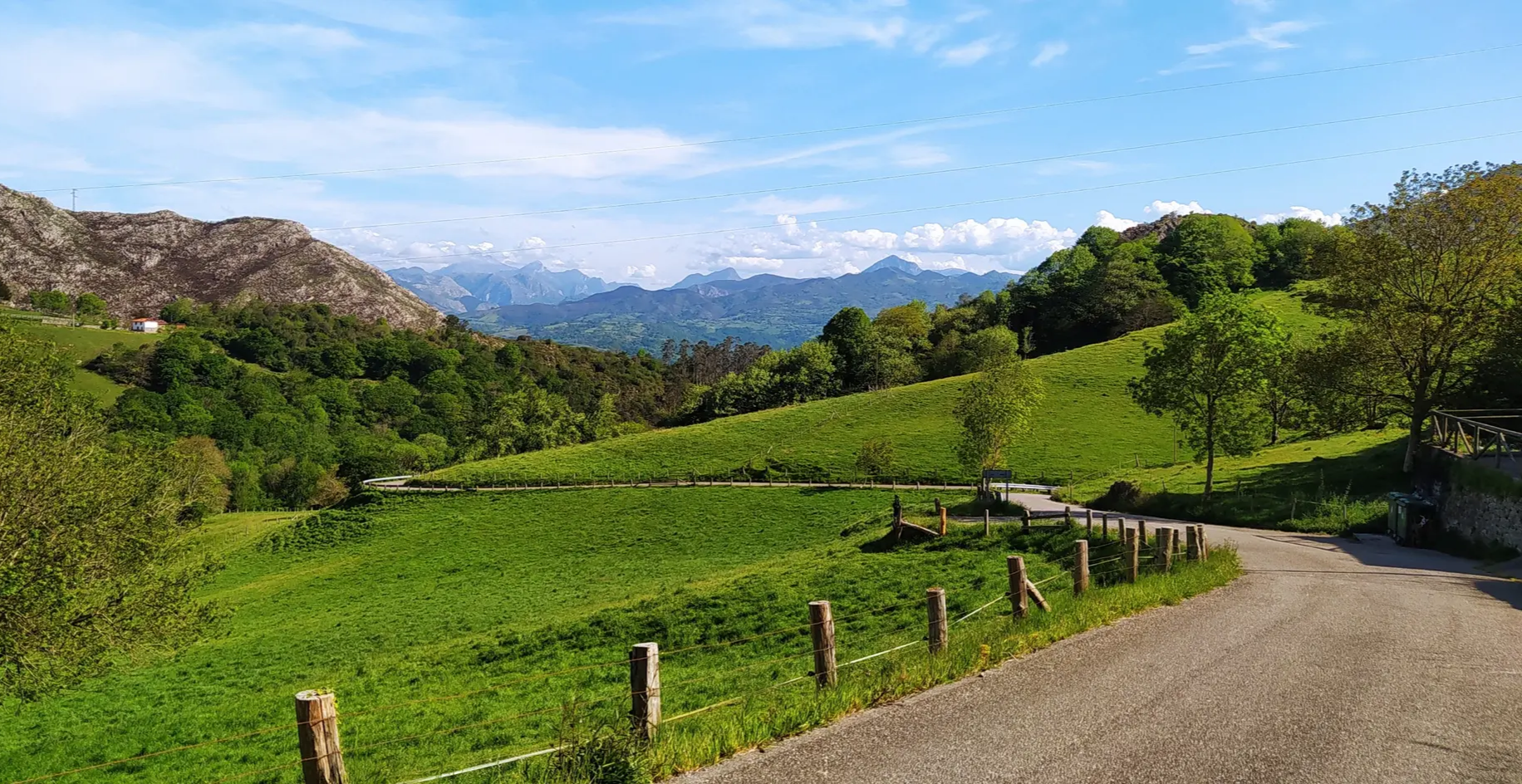
Great mountain passes of Picos de Europa on road bikes
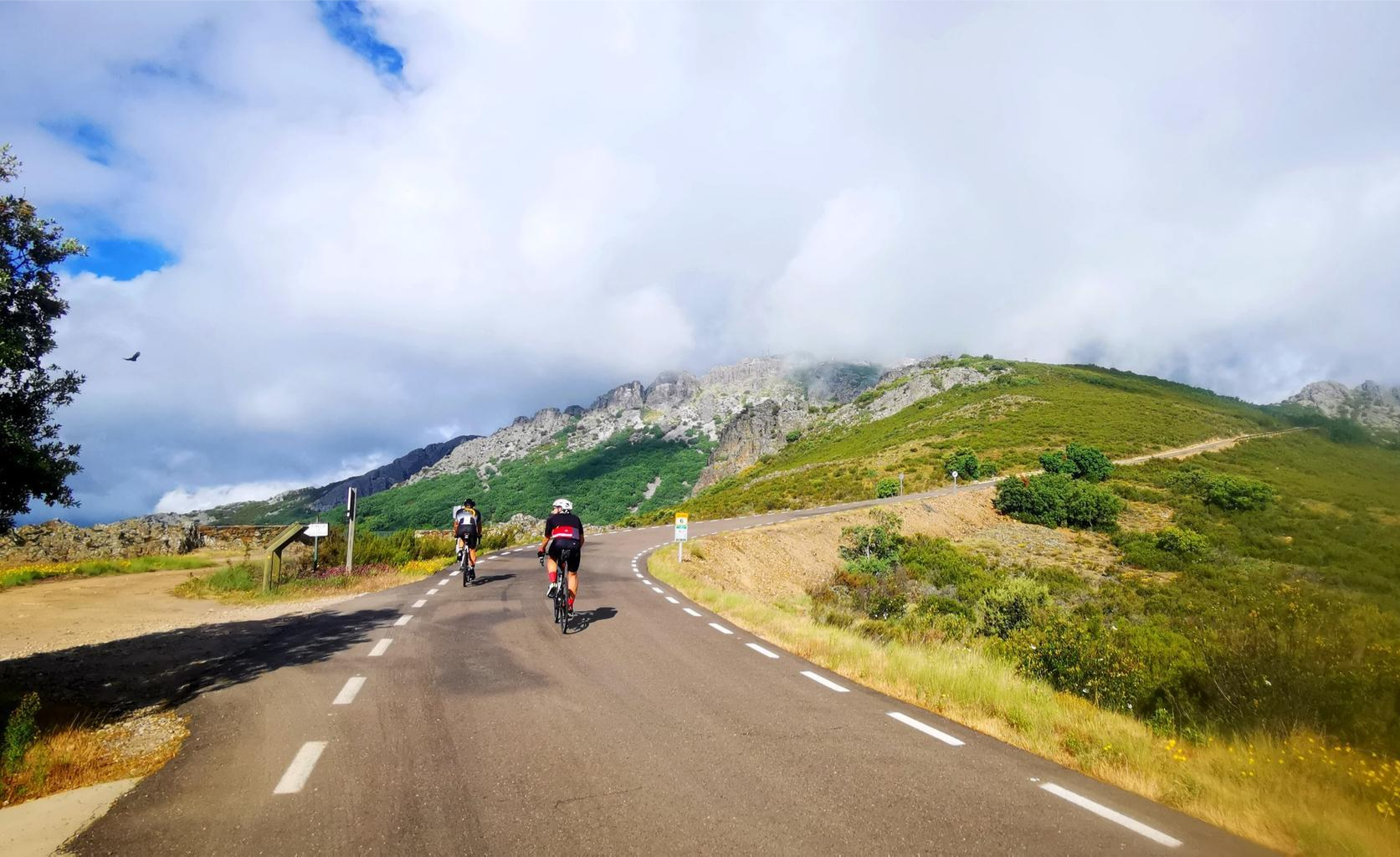
Legendary climbs - Ports of La Vuelta a España
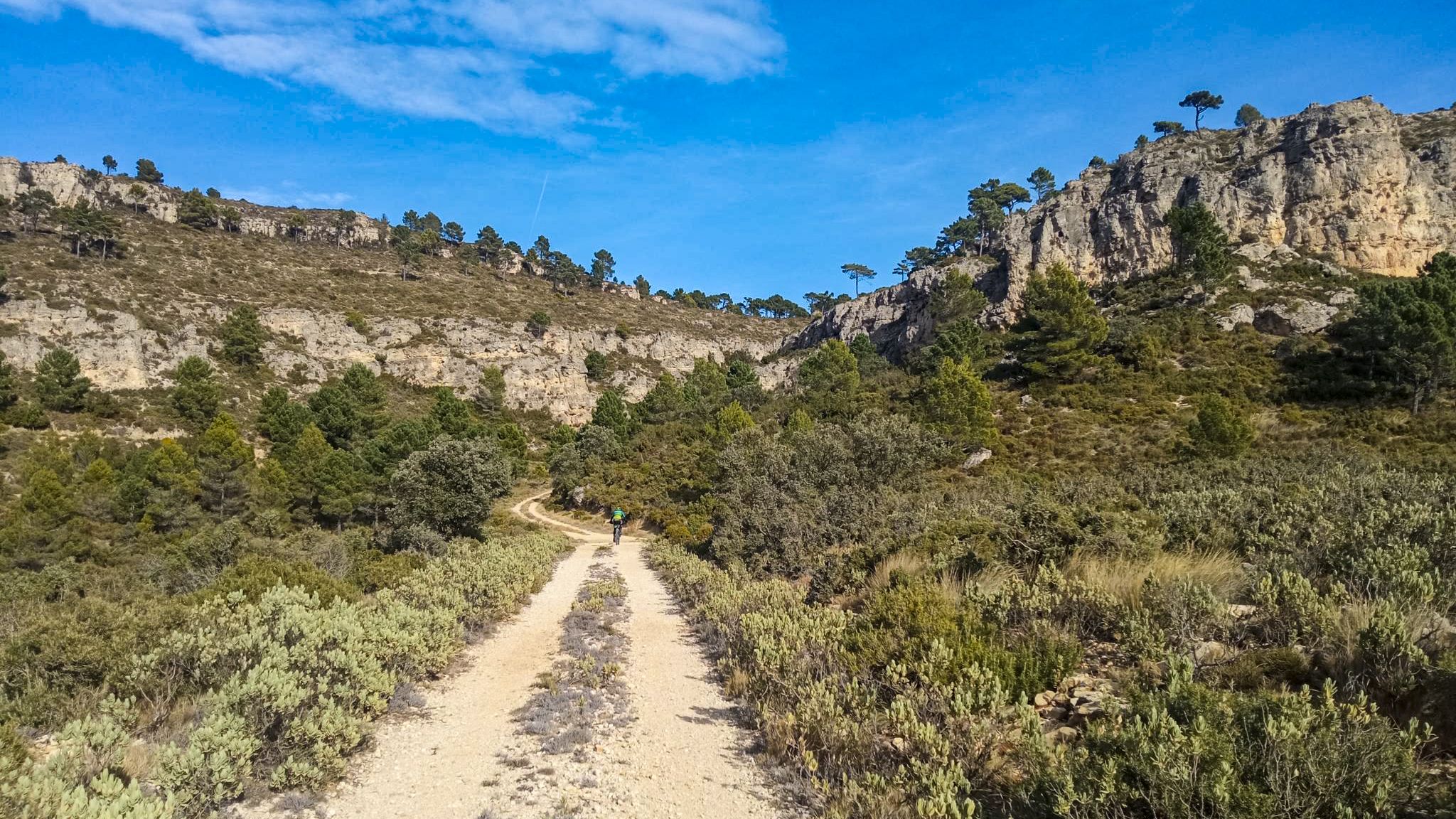
10 gravel routes to discover hidden gems in Spain
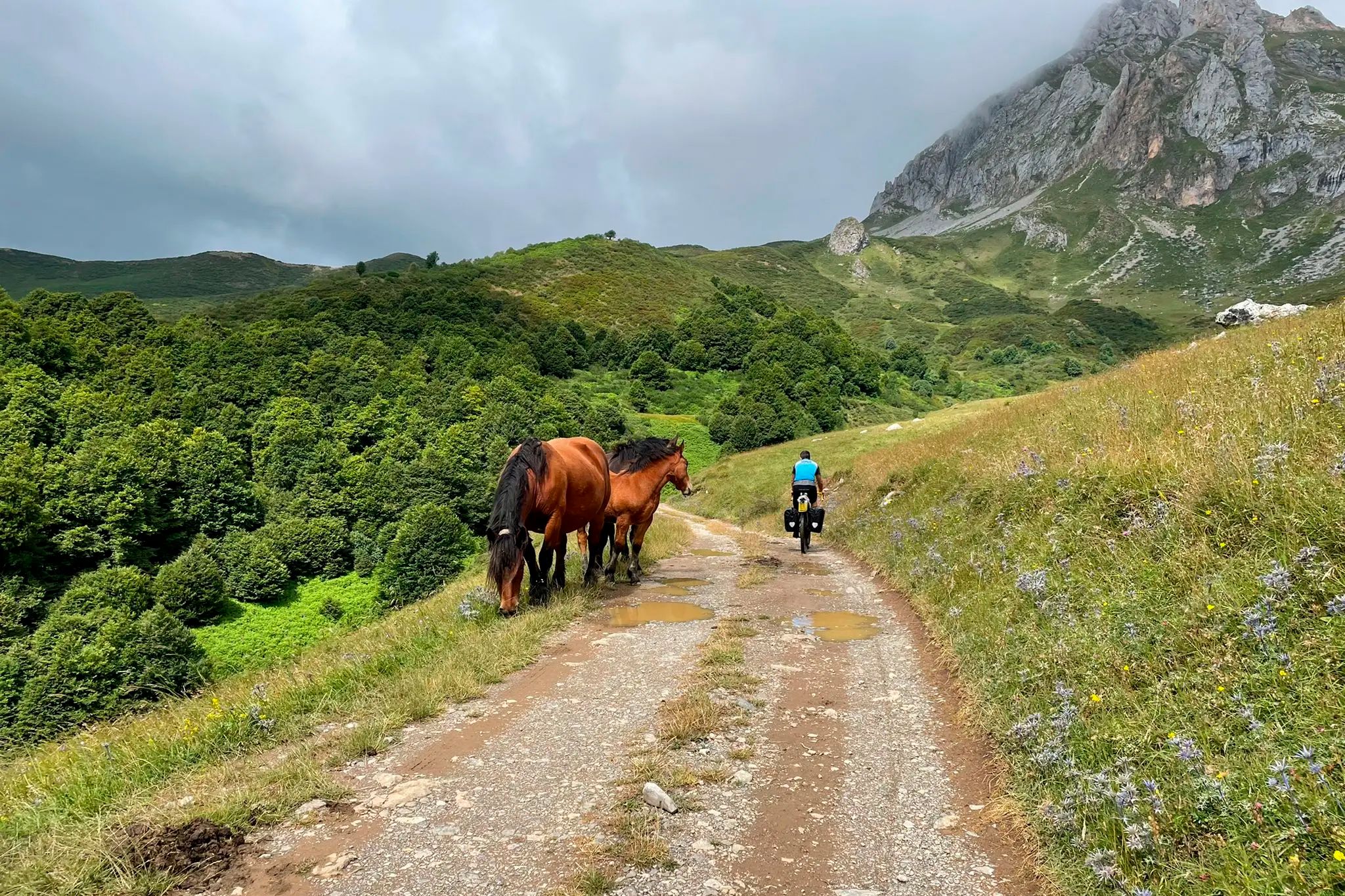
TransCantabrica – Extreme mountain biking in northern Spain
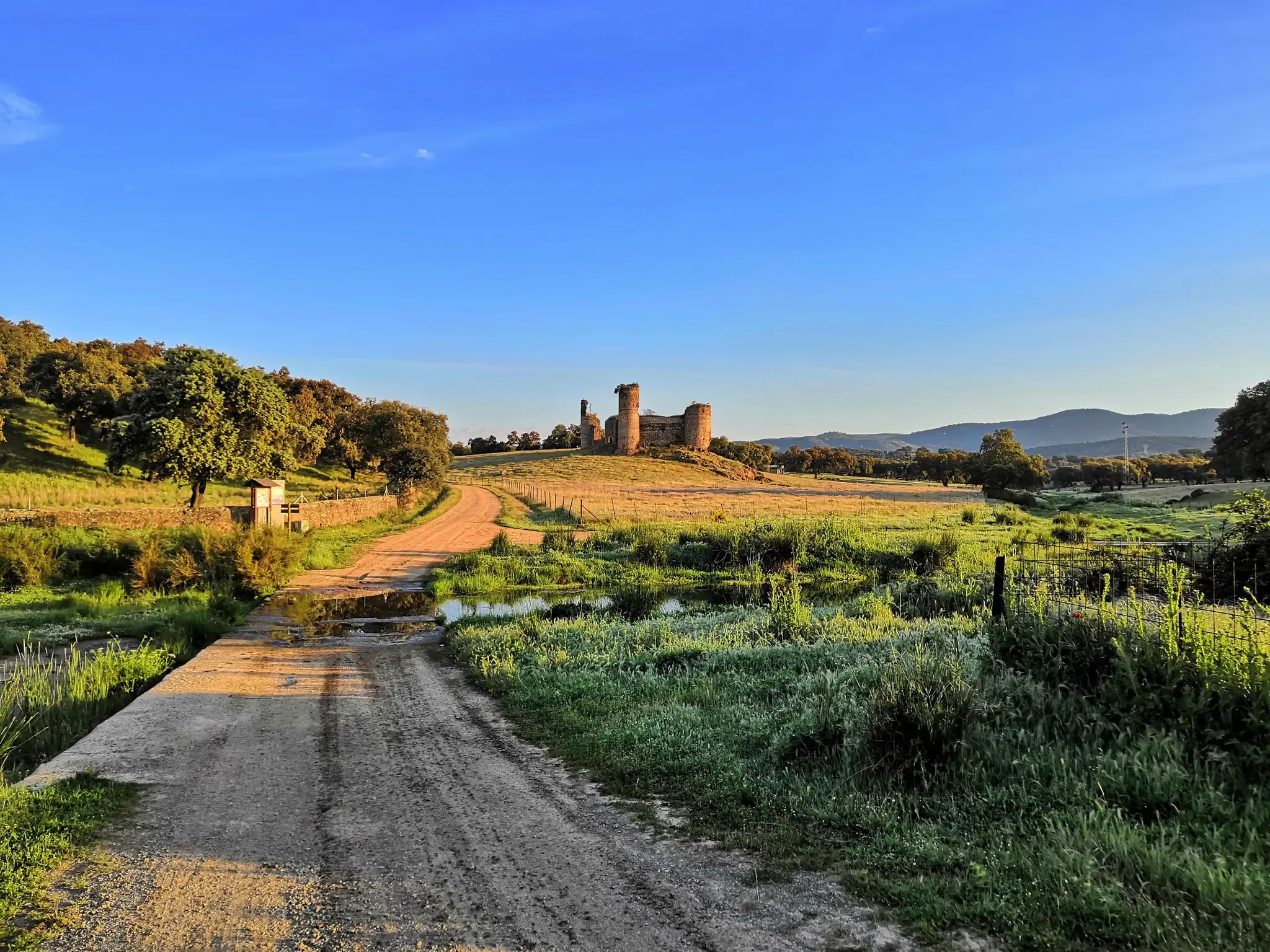
A romantic journey in the footsteps of the Romans – Via de la Plata
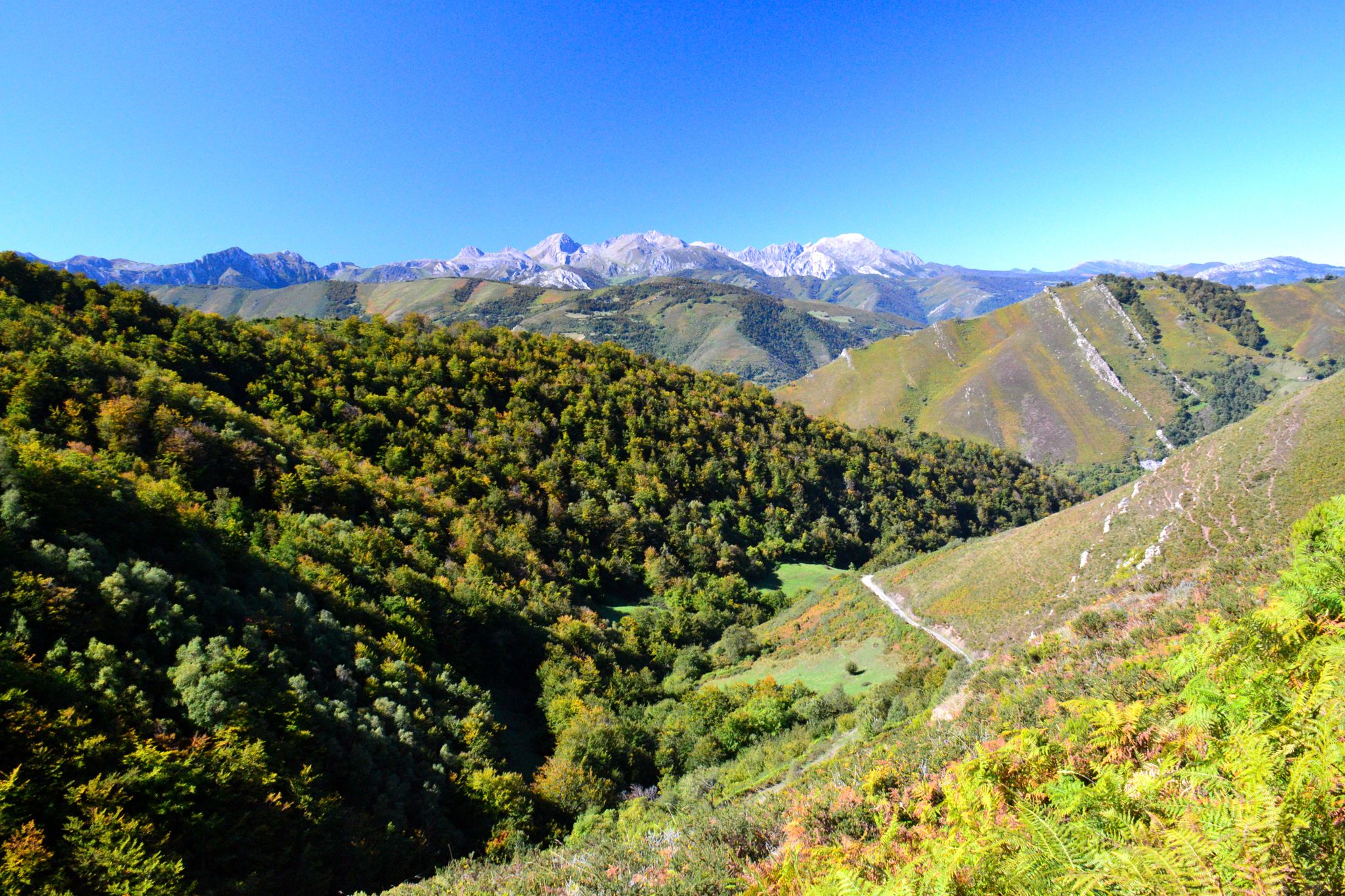
The heart of Asturias – Central Mountain Cycling Ring
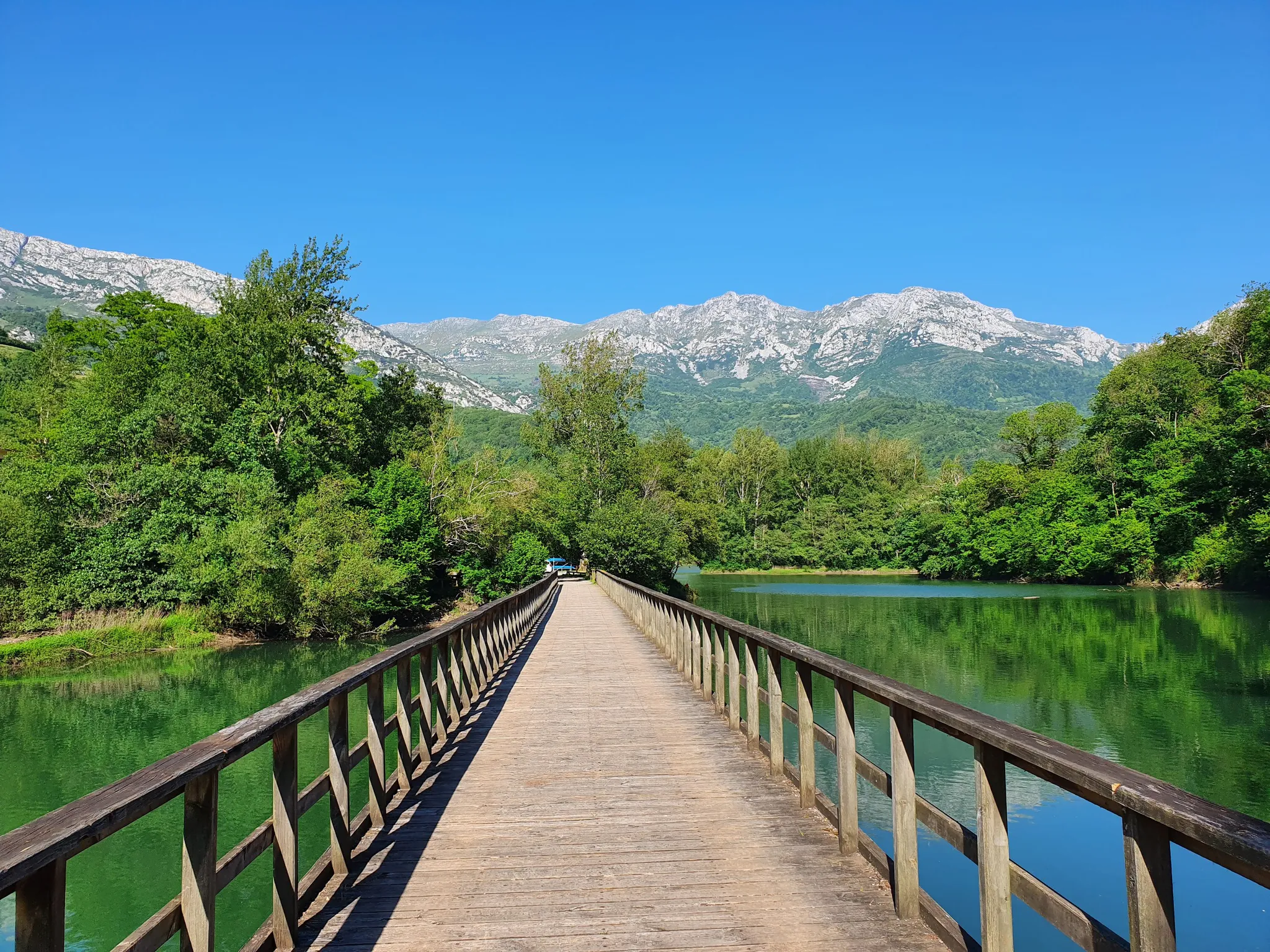
The secrets of the Cantabrian Mountains – GR 109 Asturias Interior
Explore Spain’s monuments and landscapes – cycle the Via de la Plata
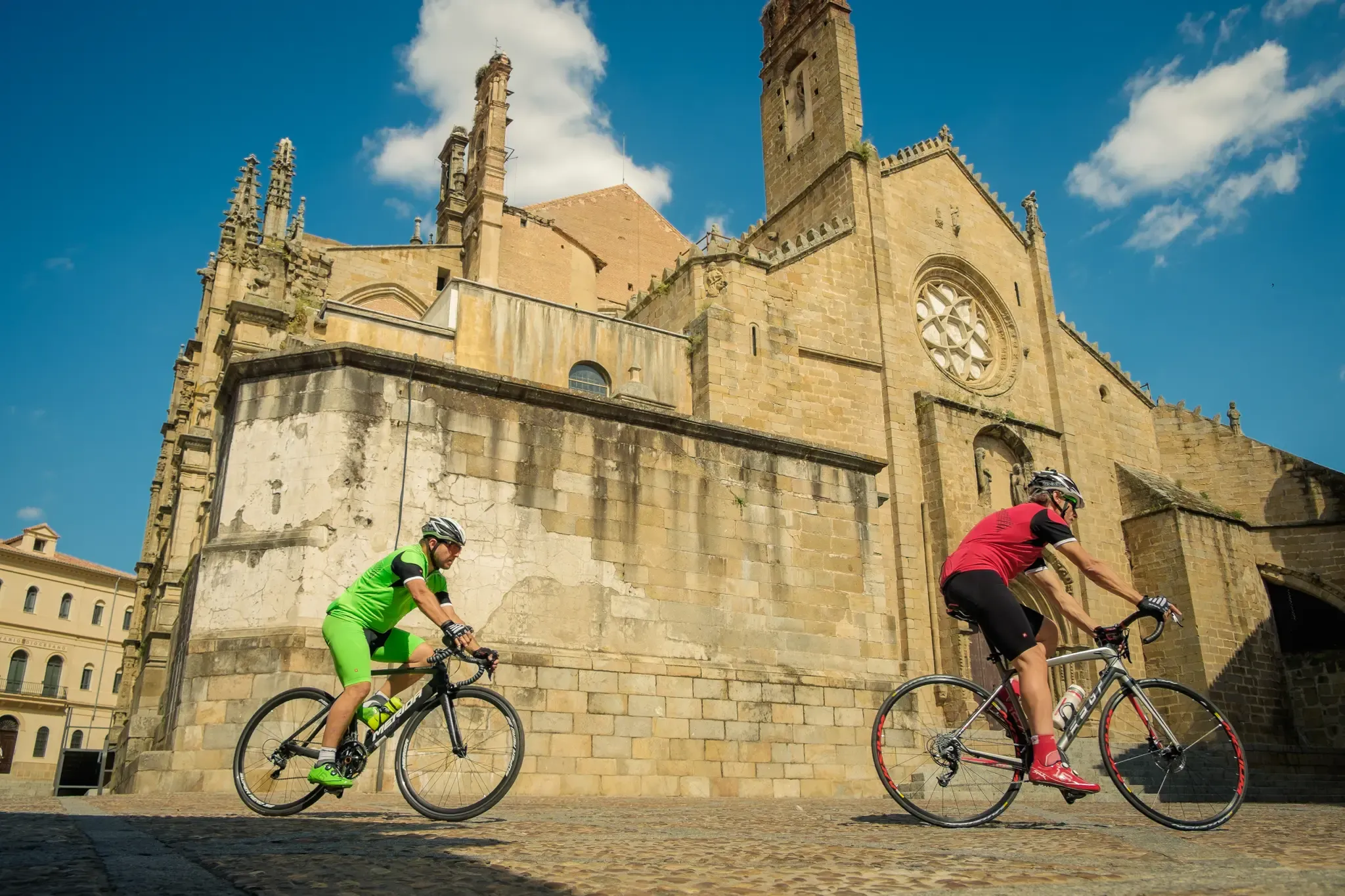
Vía de la Plata – from Seville to Gijón by bike
Other adventures around Mieres


Tips from the Community

Upon reaching the summit, you don't arrive at a village or a tourist center, but rather at a kind of natural balcony overlooking the Lena mountain passes, which gives a strange feeling, as if you've stepped onto an empty stage. And on clear days, the wind is louder among the mountain passes than any car, because traffic is minimal.
0
0
For decades, La Cubilla was practically a ghost town: a road built to connect mining valleys, used more by livestock farmers and scattered trucks than by travelers. This lack of traffic left a remarkably clean route, free of curves, absurd straights, and modern widenings: pure mountain design from another era. That's why many cyclists say it "looks more like an Alpine pass than a Cantabrian one," with those giant limestone walls silently accompanying you.
0
0

You have to get up early to park your car. Always take the summer road, as the winter road is closed.
0
0

The La Cubilla mountain pass is located at an altitude of 1,683 meters, on the border between Asturias and León. Its rugged terrain and the beauty of its surroundings have earned it the title of stage finisher of the Vuelta a España, making it one of the most iconic climbs among cyclists.
0
0

A very broken road. On a road bike, you're guaranteed to get a flat if you don't break something, both uphill and downhill. Great on gravel.
0
0

It's a beautiful place and a dreamlike landscape. What a shame the shelter isn't working. These politicians we have don't do a single thing right.
0
0

Bring binoculars. Beautiful landscapes.
0
0

The Puerto de la Cubilla is a mountain pass on the border between the Principality of Asturias and the community of Castilla y León. By MTB you can get there from San Emiliano (ten kilometers and 500 meters of positive gradient) or from Caldas de Luna (17 kilometers and 730 meters of positive gradient). It is part of the TransCantábrica BTT route.
2
0
Frequently Asked Questions
What are some notable natural features or viewpoints to explore around Mieres?
Mieres offers a variety of impressive natural features. You can visit the Ojo de Buey (L'Arcu de la Finiesta), Peña Mea, an impressive 20-meter natural rock arch. The La Cubilla Pass provides magnificent landscapes, while the View from Pajares offers beautiful vistas of the village and the Sierra de la Casomera. Don't miss the Texu la Oración Viewpoint, which provides one of the best views of the Redes Natural Park.
Are there any challenging natural monuments for experienced hikers?
Yes, for experienced hikers seeking a challenge, Peña Ubiña is a prominent summit offering demanding routes and rewarding views. The area around the La Cubilla Pass also features long but not overly steep slopes, which are part of the TransCantábrica BTT route, suitable for those looking for endurance.
What are some family-friendly natural monuments in the Mieres area?
Families can enjoy the El Tabayón del Mongayu Waterfall Trail, which is known for being family-friendly. Another great option is the Brañagallones Refuge area, which serves as a base for several beautiful hiking trails and offers a public transport service to reach the Vega, avoiding the initial 11km walk from Bezanes.
What kind of outdoor activities can I do near these natural monuments?
Beyond exploring the natural monuments themselves, you can enjoy various outdoor activities. There are numerous waterfall hikes, with routes like the Foz de los Moñacos loop. Cycling is also popular, with options for general cycling and road cycling, including challenging loops around Angliru and Collada de Arnicio.
Are there specific hiking trails associated with the natural monuments?
Yes, the Foces del Río Aller, a magnificent gorge, is integrated into the PR AS-31 hiking route, known as the "Ruta allerana de las Foces del río Pino y del río Aller," connecting El Pino with La Paraya. This route allows you to experience the natural splendor firsthand, including its picturesque cobblestone path. Additionally, the El Tabayón del Mongayu Waterfall Trail is a dedicated hiking path to a beautiful waterfall.
What is the best time of year to visit the natural monuments in Mieres?
While specific seasonal tips are not provided for all monuments, the region's natural beauty, with its leafy beech and oak forests and green mountain pastures, suggests that spring and autumn would offer pleasant temperatures and vibrant scenery. Summer is also suitable for outdoor activities, though it might be busier. Winter can offer a different, often snow-covered, perspective, especially in higher mountain passes like La Cubilla Pass.
Are there any unique or less-known natural monuments worth discovering?
Beyond the more prominent sites, Mieres is home to several 'Singular Trees' recognized for their unique characteristics. These include the Castaño de Santa Marina, a well-developed chestnut tree, the robust Tilo de Cenera (linden tree) providing shade, and the striking Cedro Azul del Atlas de La Felguera (Atlas blue cedar) with its bluish needles. These offer serene spots for contemplation and appreciation of individual natural wonders.
What kind of wildlife might I encounter in the natural monuments around Mieres?
The natural monuments and the broader Cuencas Mineras Protected Landscape are characterized by diverse ecosystems, including leafy beech and oak forests, and mountain pastures. While specific wildlife sightings are not guaranteed, these habitats are home to various species typical of Asturian mountain environments. Keep an eye out for local birds and other forest inhabitants during your visit.
Are permits required to visit any of the natural monuments or protected areas?
The Foces del Río Aller is a Natural Monument of Asturias and is generally accessible without specific permits for general visitation or hiking on established routes like the PR AS-31. Similarly, the singular trees within Mieres are publicly accessible. While Mieres is part of the broader Cuencas Mineras Protected Landscape, general access to its natural areas typically does not require permits for casual exploration. However, for specific activities or in other nearby natural parks like Redes or Ubiñas-La Mesa, it's always advisable to check local regulations if venturing off marked paths or planning extensive stays.
Where can I find refreshments or accommodation near the natural monuments?
While specific cafes or accommodations directly at every natural monument are not detailed, the Brañagallones Refuge offers a place to sleep and eat, making it a convenient stop for those exploring the Redes Natural Park. For other locations, the nearby towns and villages within Mieres municipality will provide various options for dining and lodging.
Are there any circular walks available around the natural monuments?
Yes, for those who enjoy circular routes, the nearby waterfall hikes around Mieres include options like the Foz de los Moñacos loop from La Pesanca. These routes allow you to start and end in the same location, offering a convenient way to explore the natural beauty.
What makes the Foces del Río Aller a significant natural monument?
The Foces del Río Aller is a significant natural monument due to its impressive gorge carved by the Aller River, characterized by narrow, dramatic rock formations, numerous waterfalls, and torrents. It was declared a Natural Monument of Asturias in 2001 and is notable for its geological beauty and its historical role as a passage for pilgrims on the Camino de Santiago, evidenced by its ancient cobblestone path.
Most popular routes around Mieres
Most popular attractions around Mieres

Get inspired with the komoot mobile app


Didn’t find what you were looking for?
Find even more amazing natural monuments around Mieres by checking out the top Highlights region by region:
Explore more
Extend your search for the best caves by checking out these guides of the top ones around Mieres:
