Top 12 Natural Monuments in Cook County
Best natural monuments in Cook County offer diverse ecosystems and recreational opportunities across a varied landscape. The region features extensive forest preserves, wetlands, prairies, and unique geological formations like canyons and bluffs. These areas provide opportunities for hiking, birdwatching, and exploring natural habitats. Cook County's natural areas are recognized for their ecological significance and conservation efforts.
Best natural monuments in Cook County
- The most popular natural monuments is Swallow Cliff Stairs and Bluff View, a viewpoint that features views…
Last updated: July 7, 2026
Buckingham Fountain
Highlight • Monument
Translated by Google •
Tip by

Wrigley Square & Millennium Monument
Highlight • Monument
Translated by Google •
Tip by

Sign up now to discover places like this
Get recommendations on the best single tracks, peaks, & plenty of other exciting outdoor places.
Sign up for free
Crown Fountain, Millennium Park
Highlight • Monument
Translated by Google •
Tip by

Milton L Olive III Park
Highlight • Monument
Tip by

Montrose Beach Dunes Natural Area
Highlight • Natural Monument
Tip by

Ladd Arboretum & Evanston Ecology Center
Highlight • Forest
Tip by
Bill Jarvis Migratory Bird Sanctuary
Highlight • Natural Monument
Tip by

The Grove
Highlight (Segment) • Historical Site
Tip by
Swallow Cliff Stairs and Bluff View
Highlight • Viewpoint
Tip by

Lake Katherine Nature Center & Botanic Gardens
Highlight • Lake
The lake and gardens are free to enter and provide a beautiful location for a family-friendly stroll.
Tip by

Sign up for free to discover even more natural monuments in Cook County.
Sign up for free
Already have an account?
Start today with a free account
Your next adventure awaits.
Login or Signup
Popular around Cook County
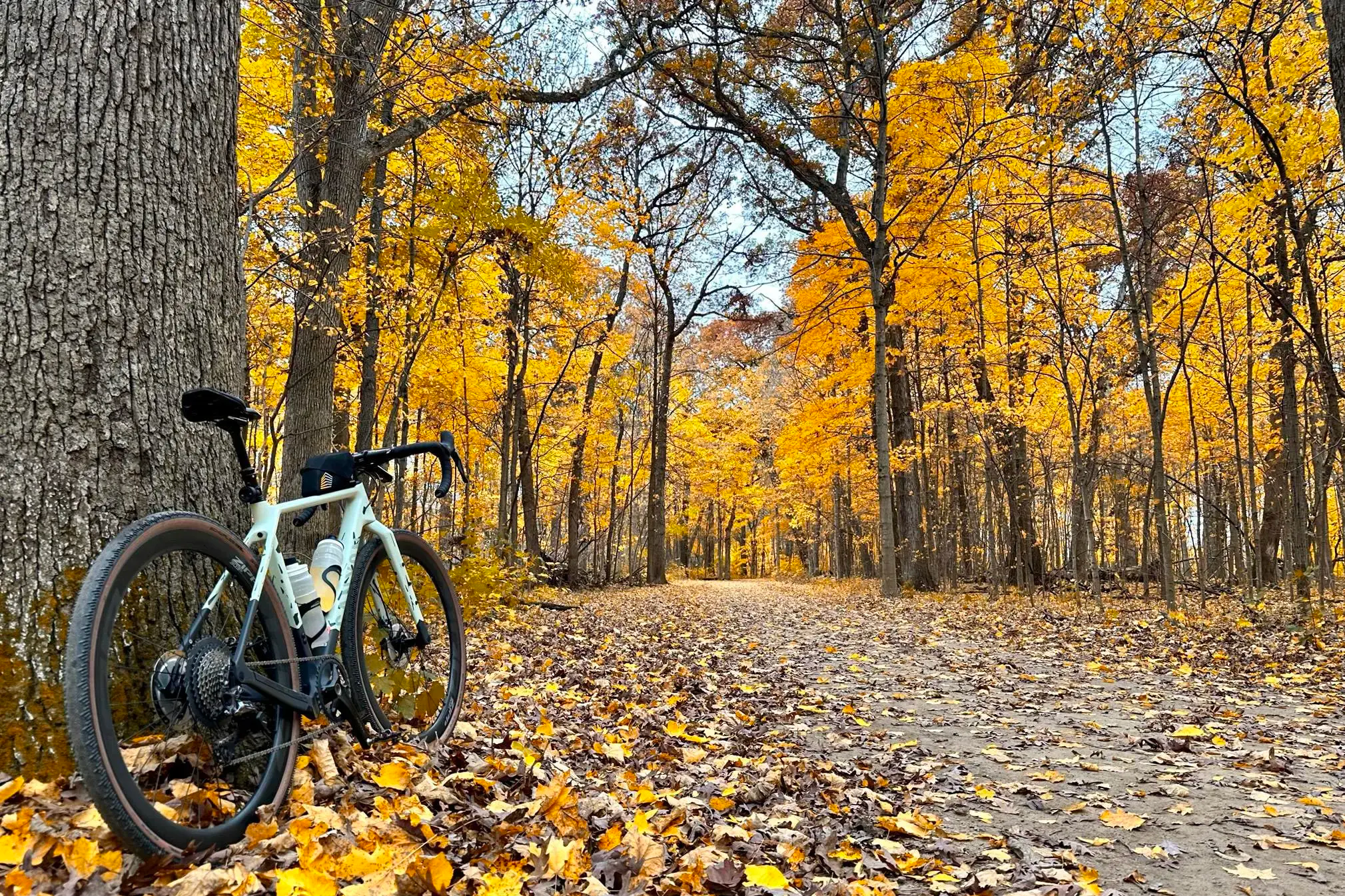
Des Plaines River Trail and Greenway — Cycling Along Nature’s Highway
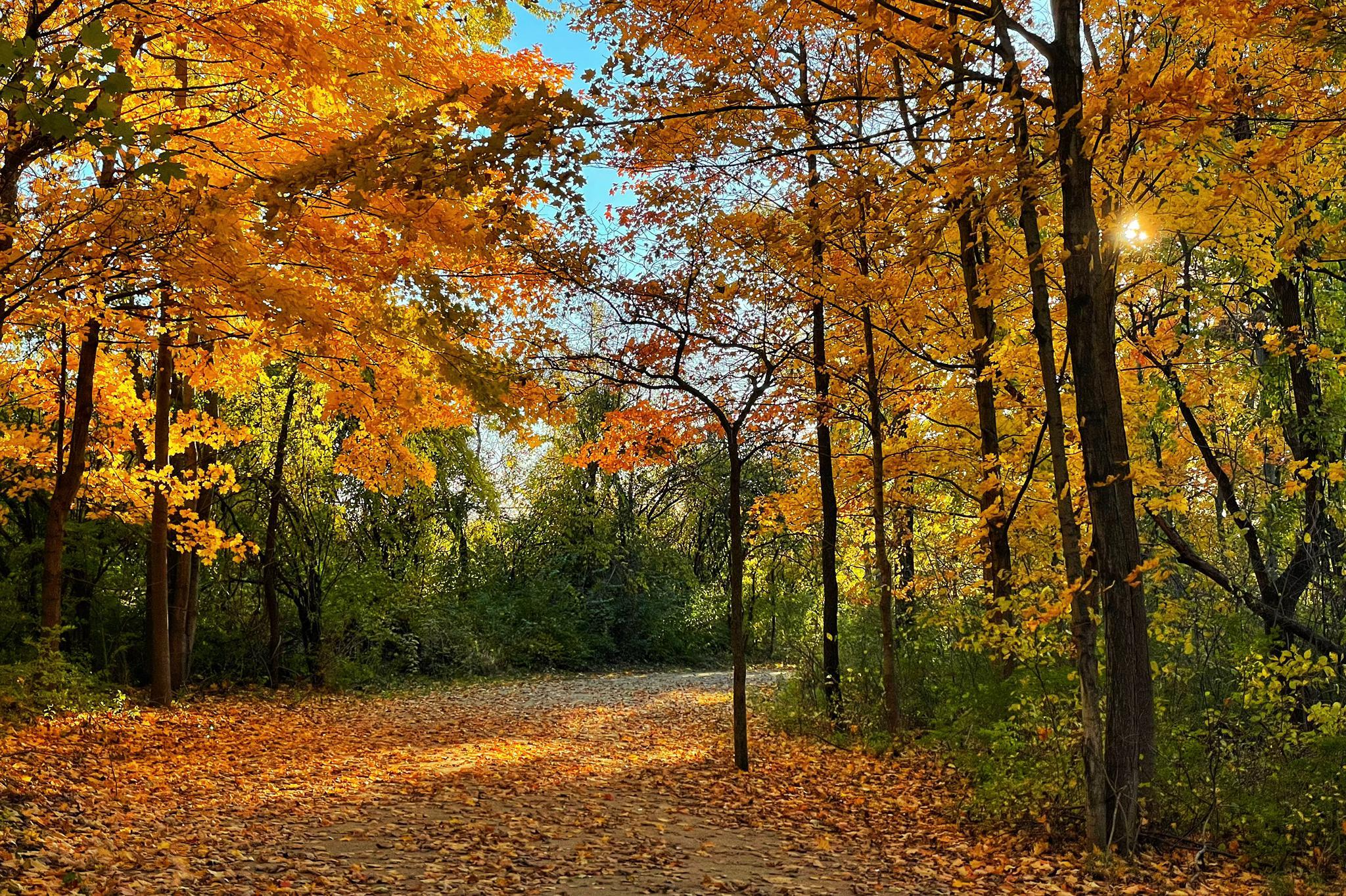
Des Plaines River Trail & Greenway — From Wetlands to Woods

The rhythms of the river – road trip along the Mississippi
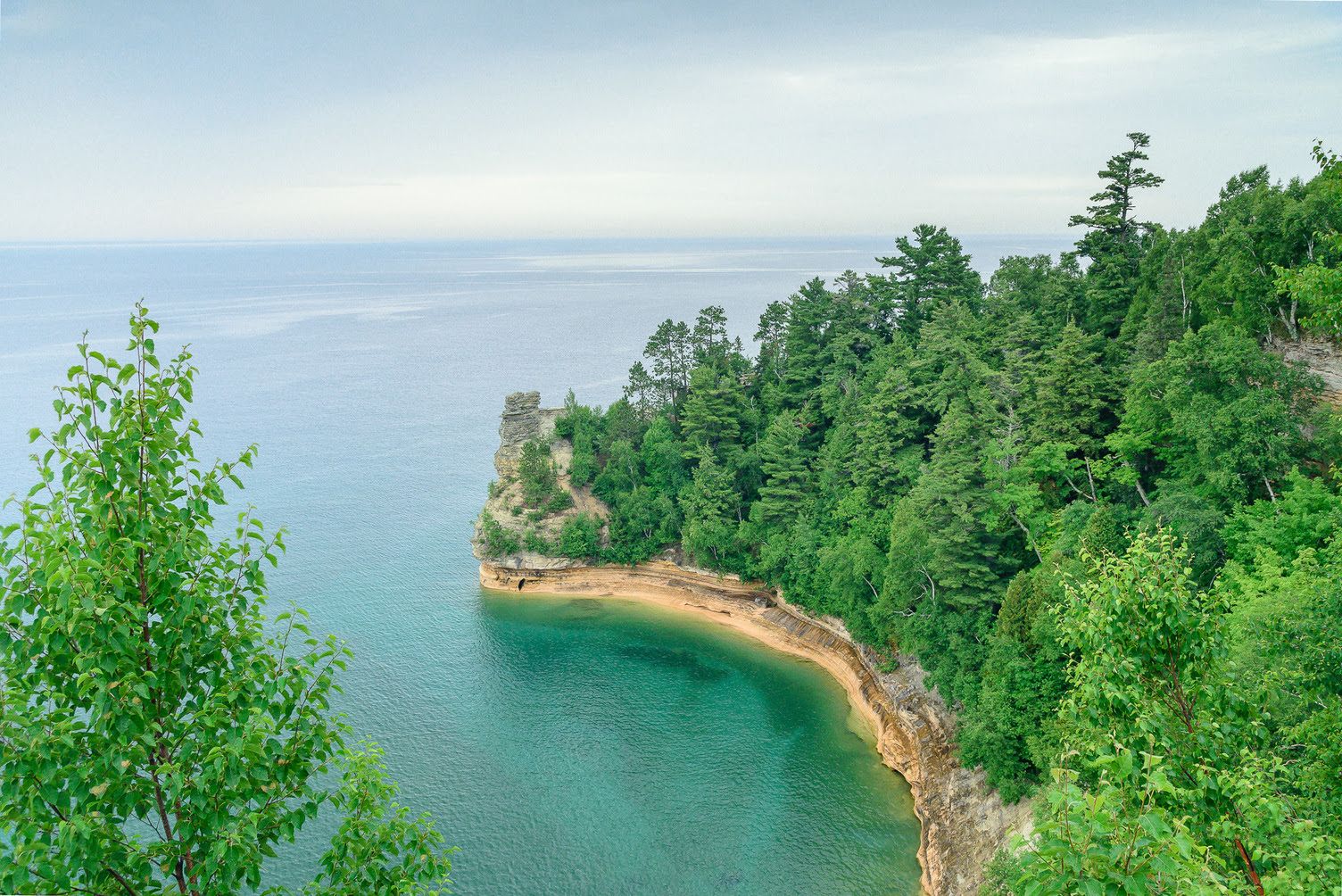
Great North Music Tour – hiking in the footsteps of music legends
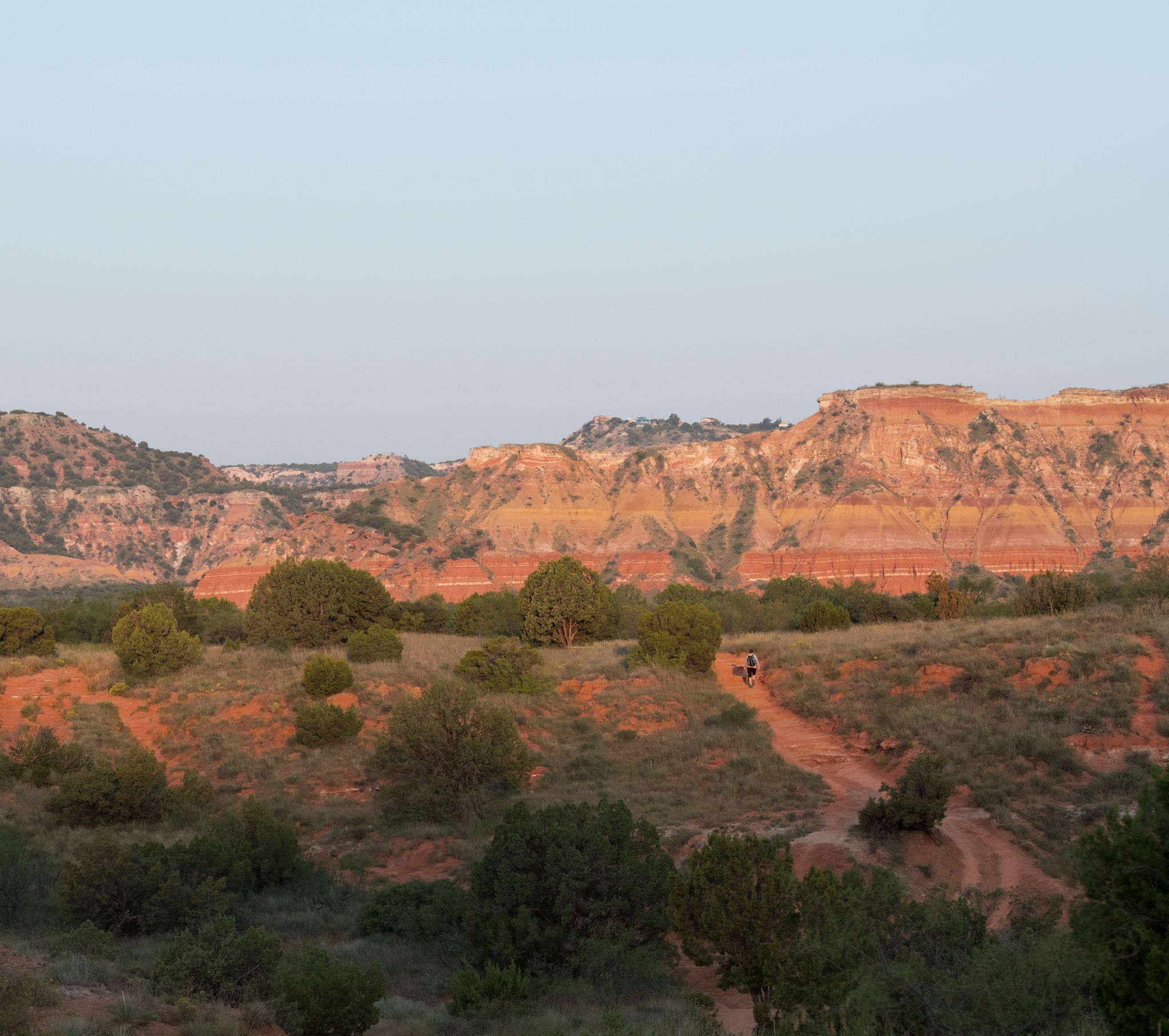
Historic Route 66 – curiosities, selfie spots and diners

On the shores of the Great Lakes
Hiking in Cook County

Running Trails in Cook County
Road Cycling Routes in Cook County
Cycling in Cook County
Other adventures in Cook County


Tips from the Community

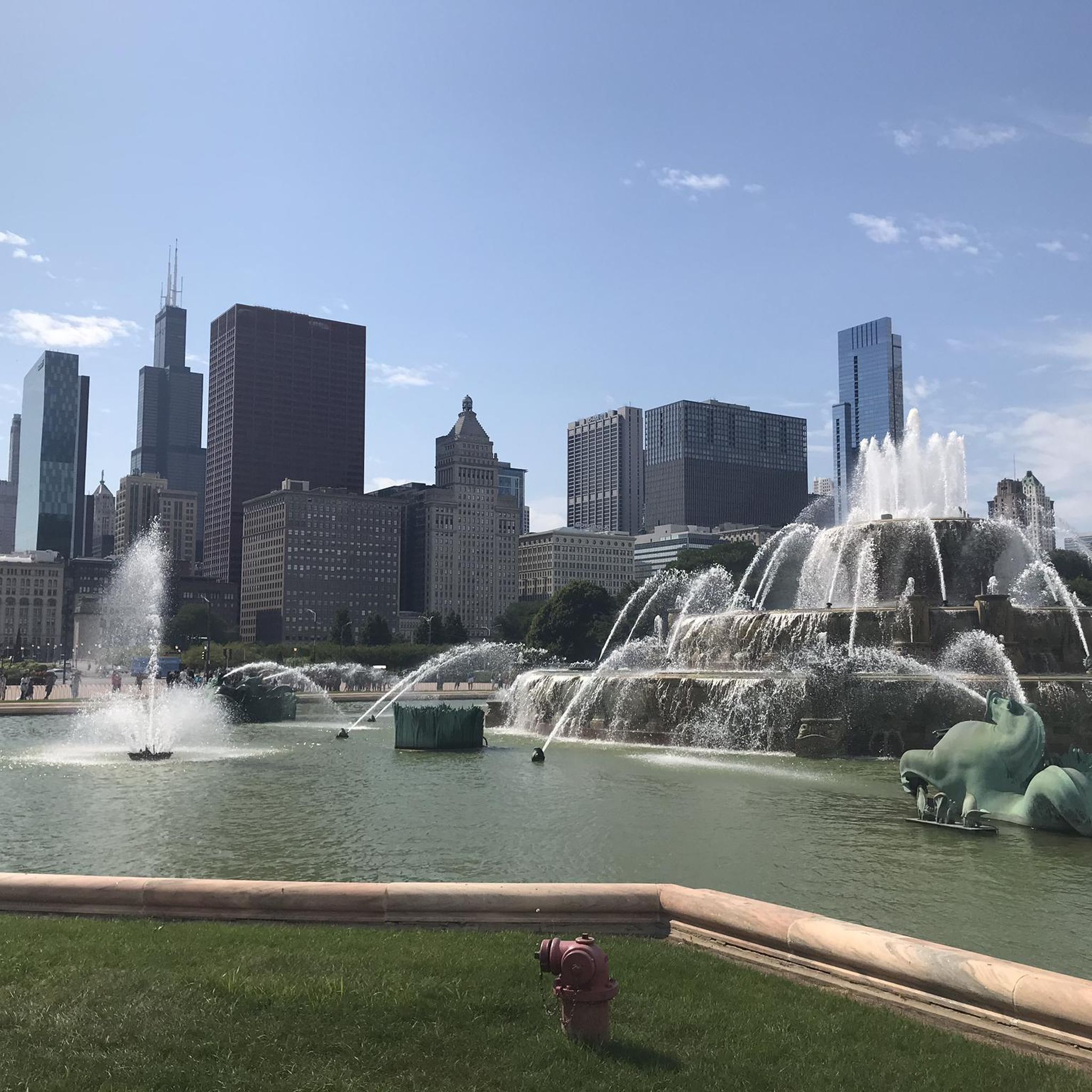
The Clarence F. Buckingham Memorial Fountain is one of the largest and most impressive fountains in the world. It stands in the center of Grant Park, Chicago's "front yard," and was donated to the city in 1927 by Kate S. Buckingham in memory of her brother.
1
0
The Crown Fountain in Millennium Park, Chicago, is one of the city's most unique and interactive artworks. Designed by Spanish artist Jaume Plensa, the fountain consists of two 50-foot-tall glass towers, each with LED screens projecting the faces of Chicagoans. Between the towers is a shallow pool where children (and adults!) can play on warm days.
1
0
The Millennium Monument in Chicago is an impressive tribute to the city's past and future. It's located in Wrigley Square, a quiet corner of Millennium Park.
1
0

This 23-acre arboretum is a refreshing oasis of nature along the North Shore Channel. It also holds the Evanston Ecology Center, a small educational facility with a nature classroom and fun, interactive programming. (The Evanston Ecology Center is closed for renovations until August 2025.)
0
0

The Grove is a popular attraction in the Glenview Park District, featuring 150 acres of diverse land. Established by Dr. John Kennicott in 1836, it became home to his son, naturalist Robert Kennicott. Designated a National Historic Landmark in 1976, The Grove offers trails through oak-hickory savannas and wetlands, highlighting the history of Native American tribes and pioneer settlers.
1
0

With 150 acres of ecologically diverse land preserved and maintained by the Glenview Park District, The Grove is one of the Glenview Park District’s busiest attractions. In 1836, visionary horticulturist and educator Dr. John Kennicott settled on the property from New Orleans. His son, Robert Kennicott, became a prominent early naturalist and kept part of his plant and animal specimen collection at The Grove. Robert Kennicott also founded the Chicago Academy of Sciences. In 1976, The Grove was designated a National Historic Landmark by the U.S. Department of the Interior. It is on the National Registry of Historic Places and is a partner of the U.S. Fish and Wildlife Service and Chicago Wilderness. Experience Glenview’s most unique outdoor history and nature museum at The Grove. Venture on trails through the oak-hickory savanna, past wetland pools, and stop to watch a family of turtles. Learn about the Native American tribes and pioneer settlers who lived on this land and the tremendous impact they had on our community. https://glenviewparks.org/facilities/the-grove/
0
0

Wrigley Square is a prominent public space in the northwest corner of Millennium Park in Chicago. It was established as part of the park's development and is named in recognition of the William Wrigley Jr. Foundation, which donated $5 million to its creation. The centerpiece of Wrigley Square is the Millennium Monument, a semi-circular colonnade designed in the Greco-Doric style. The monument is a replica of the original peristyle that stood in Grant Park from 1917 to 1953. The colonnade’s base honors 115 major donors to Millennium Park, with 91 contributing $1 million or more. The square also features an expansive lawn and a fountain, that provides an iconic open space for visitors to enjoy and serves as a key historical and architectural highlight within Millennium Park.
0
0

Water features are what make a park really interesting. This fountain is too big for European standards, but it fits perfectly in Chicago!
1
0
Frequently Asked Questions
What unique natural features can I explore in Cook County's natural monuments?
Cook County offers a variety of unique natural features. You can discover the only canyon in Cook County at Sagawau Environmental Learning Center, featuring distinctive rock formations and rare plants. Thorn Creek Woods Nature Preserve boasts a rugged landscape with deep valleys carved into glacial till, while the Palos Preserves provide extensive wetlands, woodlands, and prairies with significant topography.
Are there family-friendly natural monuments in Cook County?
Yes, several natural monuments in Cook County are family-friendly. Ladd Arboretum & Evanston Ecology Center offers year-round natural beauty and educational programs. Montrose Beach Dunes Natural Area provides a diverse environment with beach, forest, and lake features suitable for families. Additionally, Bill Jarvis Migratory Bird Sanctuary and Lake Katherine Nature Center & Botanic Gardens are also great options for families.
What kind of wildlife can I expect to see in Cook County's natural areas?
Cook County's natural monuments are rich in wildlife. At Sagawau Environmental Learning Center, you can spot over 100 species of migrant and resident birds. Thorn Creek Woods Nature Preserve is home to southern flying squirrels, warblers, and various hawk species. Deer Grove Forest Preserve is a haven for deer, birds, and other creatures, while the Palos Preserves support abundant wildlife across their vast habitats.
What outdoor activities are available near Cook County's natural monuments?
You can enjoy a wide range of outdoor activities. For hiking, explore routes like the easy Rocky Glen Trail or the moderate Waterfall Glen Main Trail. Cycling enthusiasts can ride the Lakefront Trail or the North Branch Trail. Running trails include the Chicago Lakefront and Riverwalk Trail. For more details on these activities, visit the Waterfall hikes in Cook County, Cycling in Cook County, and Running Trails in Cook County guides.
Are there good hiking trails for different skill levels?
Yes, Cook County offers hiking trails for all skill levels. Sagawau Environmental Learning Center has 2.6 miles of diverse hiking trails. Thorn Creek Woods Nature Preserve features over 3.5 miles of trails, including rugged paths through deep valleys. Deer Grove Forest Preserve provides over 10 miles of trails, both paved and unpaved, catering to hikers of all levels. For a challenge, Swallow Cliff Stairs and Bluff View features a staircase with 125 stairs to reach 100-foot bluffs.
What is the best time of year to visit Cook County's natural monuments?
Cook County's natural monuments offer beauty year-round. Spring brings vibrant wildflowers like yellow trout-lily and jack-in-the-pulpit, especially in Thorn Creek Woods. Summer is ideal for exploring diverse ecosystems and enjoying water features. Autumn provides stunning scenery with vibrant hues, particularly in Deer Grove Forest Preserve. Winter transforms areas like Sagawau into cross-country skiing destinations.
Can I go cross-country skiing in Cook County's natural monuments during winter?
Yes, cross-country skiing is a popular winter activity. Sagawau Environmental Learning Center transforms into a cross-country skiing destination with groomed trails suitable for all skill levels. Deer Grove Forest Preserve also offers opportunities for cross-country skiing on its extensive trails during the winter months.
Are dogs allowed on trails in Cook County's natural monuments?
Many natural monuments in Cook County are dog-friendly, but it's always best to check specific preserve rules. For example, Lake Katherine Nature Center & Botanic Gardens and The Grove are known to be dog-friendly. Always keep dogs on a leash and clean up after them to preserve the natural environment.
Are there any permits required for hiking or visiting natural monuments in Cook County?
Generally, no specific permits are required for hiking or visiting the natural monuments within the Forest Preserves of Cook County for general recreational use. However, for certain organized events, large groups, or specific activities, permits might be necessary. It's always advisable to check the official Forest Preserves of Cook County website for the most current regulations.
Where can I find parking at Cook County's natural monuments?
Most major natural monuments and forest preserves in Cook County, such as Sagawau Environmental Learning Center, Thorn Creek Woods Nature Preserve, and Deer Grove Forest Preserve, offer designated parking areas for visitors. These are typically well-marked and located near trailheads or visitor centers. It is recommended to check the specific preserve's website for detailed parking information before your visit.
Are Cook County's natural monuments accessible for visitors with mobility challenges?
Some natural monuments and forest preserves in Cook County offer accessible features. Deer Grove Forest Preserve East, for instance, has paved paths suitable for visitors with mobility challenges. Additionally, highlights like Buckingham Fountain, Wrigley Square & Millennium Monument, and Crown Fountain, Millennium Park are wheelchair accessible. It's best to consult individual preserve websites for specific accessibility details.
What are some winter activities available at Cook County's natural monuments?
In winter, Cook County's natural monuments transform into a snowy playground. Sagawau Environmental Learning Center is a prime spot for cross-country skiing with groomed trails. Deer Grove Forest Preserve also offers opportunities for cross-country skiing and winter hiking on its trails. Many preserves are suitable for peaceful winter walks, birdwatching, and enjoying the serene snow-covered landscapes.
Most popular routes in Cook County
Most popular attractions in Cook County

Get inspired with the komoot mobile app


Didn’t find what you were looking for?
Find even more amazing natural monuments in Cook County by checking out the top Highlights region by region:
Explore more
Extend your search for the best caves by checking out these guides of the top ones in Cook County:
