Guadalupe Mountains National Park
Guadalupe Mountains National Park
Top 10 Natural Monuments in Guadalupe Mountains National Park
Best natural monuments in Guadalupe Mountains National Park are geological formations that are remnants of an ancient marine fossil reef from the Permian period. The park, located in West Texas, features striking natural landmarks that rise dramatically from the Chihuahuan Desert. These monuments offer diverse landscapes, from high mountain summits to lush canyons and unique desert features. Visitors can explore these sites to experience the park's varied ecosystems and geological history.
Best natural monuments in Guadalupe Mountains National Park
- The…
Last updated: May 11, 2026
Devil's Hall
Highlight • Canyon
Tip by

Guadalupe Peak
Highlight • Summit
Tip by

Sign up now to discover places like this
Get recommendations on the best single tracks, peaks, & plenty of other exciting outdoor places.
Sign up for free
Smith Spring
Highlight • Natural Monument
Tip by
Gypsum Sand Dunes
Highlight • Natural Monument
Translated by Google •
Tip by

The Grotto
Highlight • Cave
Tip by
Sign up for free to discover even more natural monuments in Guadalupe Mountains National Park.
Sign up for free
Already have an account?
Start today with a free account
Your next adventure awaits.
Login or Signup
Popular around Guadalupe Mountains National Park
Tips from the Community

Must do if the weather is right. Mid fall to early spring is the best time. Can take as little as 5 hours if you are reasonably fit (like 9 minute mile).
0
0

Also known as the Salt Basin Dunes, These dunes are truly special because they are made of gypsum, a mineral that makes them bright white, almost like snow! Unlike regular sand, gypsum sand is softer and cooler to the touch. The dunes are still growing and moving, sometimes shifting many feet each year.
0
0

Deep in McKittrick Canyon is a small, shaded spot that houses a small, unique-looking cave at the base of rounded cliff. There are a few wooden picnic tables near the Grotto, making it a great place to stop for lunch or a snack on your hike.
1
0
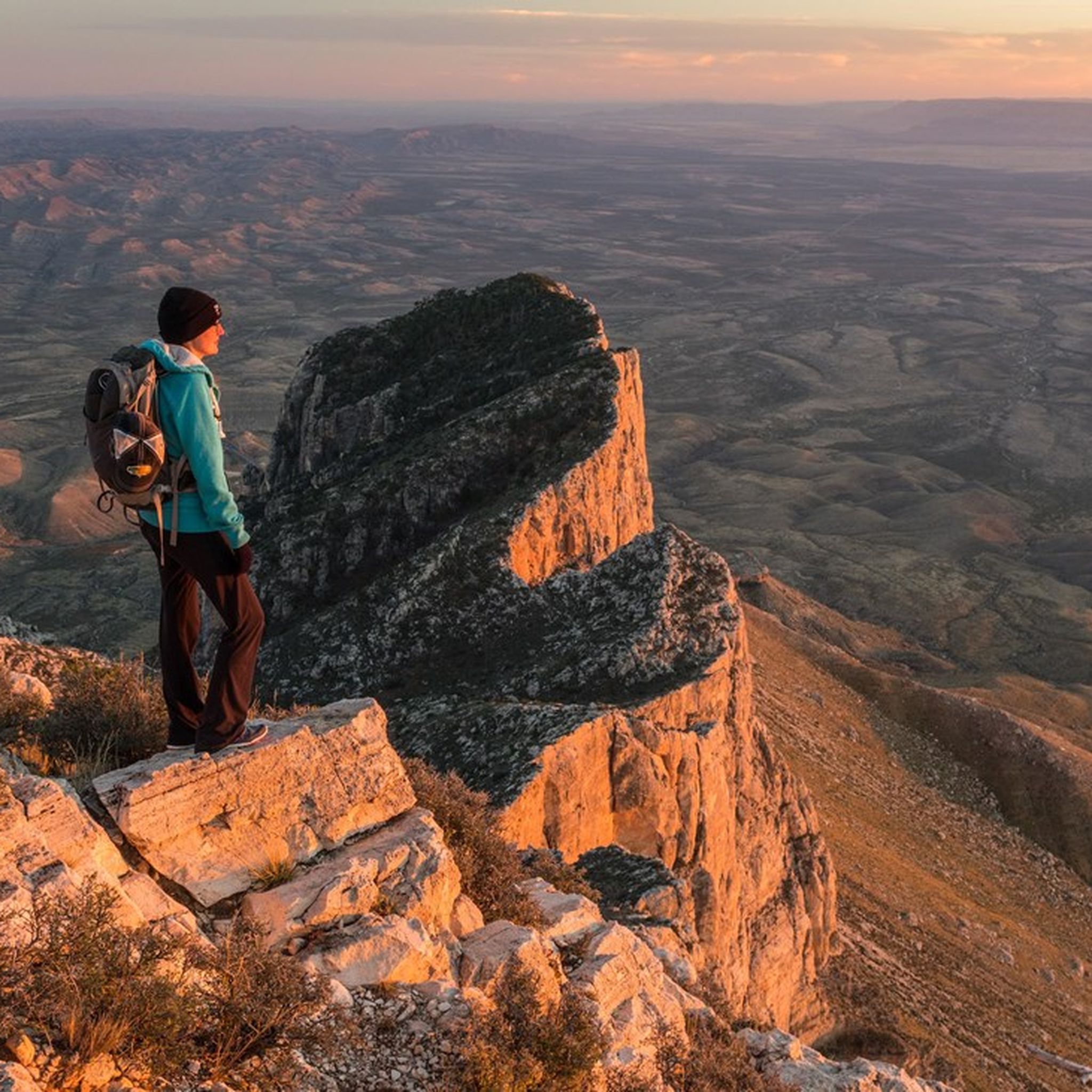
Also known as the "Top of Texas," Guadalupe Peak stands at 8,751 feet and is the highest point in the state of Texas. The summit hosts not only spectacular, panoramic views of the surrounding mountains, including the sheer cliffs of El Capitan, and the expansive desert, but it also has a monument marking its status as Texas's highest peak. This is a great place to eat a snack, snap some photographs, and relax after the strenuous hike.
1
0
Smith Spring is an oasis in the desert. Surrounded by plants, the heavily vegetated Smith Spring stands in stark contrast to the surrounding dry, rocky desert. This is a fantastic spot in the foothills of the mountains to relax in the shade, take some photographs, and be on the lookout for the many animals that rely on this important source of water in the desert.
1
0

After more than 2km finally the longed-for white dunes. Nothing like White Sands, NM. Pretty much vegetation here, but still.
0
0
Nice gorge, also suitable as a photo motif.
0
0

A challenging hike up the old watershed involving some scrambling. The hikers stairs are easier to go up than down. But the end is worth the hike. The Devil's Hall is a canyon that acts as a wind tunnel so will help cool you off at the end. Bring a snack to recharge for the hike back and bring plenty of water for the return.
1
0
Frequently Asked Questions
What are some of the most striking natural monuments to visit in Guadalupe Mountains National Park?
The park offers several striking natural monuments. You can explore the dramatic slot canyon of Devil's Hall, which involves boulder hopping and scrambling. Another iconic landmark is Guadalupe Peak, the highest point in Texas, offering panoramic views. For a unique desert oasis, visit Smith Spring, known for its lush vegetation amidst the arid landscape.
Are there any family-friendly natural monuments or trails in Guadalupe Mountains National Park?
While many trails in the park can be challenging, the Gypsum Sand Dunes are considered family-friendly. These unique white dunes, made of gypsum, offer a softer, cooler surface to explore compared to typical sand, and are still growing and shifting. It's a fascinating natural monument for all ages.
What kind of geological history do the natural monuments in Guadalupe Mountains National Park represent?
The natural monuments in Guadalupe Mountains National Park are remnants of an ancient marine fossil reef from the Permian period. This geological history is evident in formations like El Capitan, a massive limestone promontory that was once part of this ancient reef, rising dramatically from the Chihuahuan Desert.
What is the best time of year to visit the natural monuments in Guadalupe Mountains National Park?
Mid-fall to early spring is generally the best time to visit the natural monuments. During these seasons, the weather is more moderate, making strenuous hikes to places like Guadalupe Peak more enjoyable. McKittrick Canyon is particularly famous for its vibrant fall foliage, offering a stunning visual experience.
What can I expect when hiking to Devil's Hall?
The hike to Devil's Hall is a 4.2-mile round trip that is considered challenging. It involves hiking up an old watershed, requiring boulder hopping and some scrambling, especially at the 'Hiker's Staircase.' The reward is the impressive, confined beauty of the slot canyon itself, which can also act as a wind tunnel, providing a cool respite.
What makes McKittrick Canyon a unique natural monument?
McKittrick Canyon is often called the 'most beautiful spot in Texas' due to its lush riparian oasis nestled within the Chihuahuan Desert. It showcases a remarkable diversity of plant life, transitioning from desert flora to highland forests. It's a day-use only area, preserving its unique ecosystem and vibrant fall foliage.
Are there opportunities for longer, challenging hikes to natural monuments?
Yes, for challenging hikes, consider the trail to Guadalupe Peak. This 8.5-mile round trip hike is strenuous but rewards adventurers with panoramic views from the highest point in Texas. Another challenging option is the Permian Reef Trail (Switchback Section), which ascends to the top of Wilderness Ridge through an ancient fossilized reef.
What kind of views can I expect from Guadalupe Peak?
From the summit of Guadalupe Peak, you can expect spectacular, panoramic views of the surrounding Chihuahuan Desert and the sheer cliffs of El Capitan. On clear days, visibility can extend for up to 100 miles, offering an expansive perspective of the region.
What outdoor activities are available near the natural monuments in Guadalupe Mountains National Park?
The park is excellent for hiking. You can find a variety of trails, from easy loops like the Smith & Manzanita Springs loop to more difficult routes such as The Bowl Loop or the Guadalupe Peak Trail. For more details on hiking options, you can explore the Hiking in Guadalupe Mountains National Park guide.
What is special about the Gypsum Sand Dunes?
The Gypsum Sand Dunes, also known as the Salt Basin Dunes, are unique because they are made of gypsum, a mineral that gives them a bright white, almost snow-like appearance. Unlike typical sand, gypsum sand is softer and cooler to the touch, and the dunes are constantly shifting and growing.
Can I see fossils on any of the natural monument trails?
Yes, the Permian Reef Trail (Switchback Section) was specifically designed to showcase preserved Permian age geologic and fossil features. As you ascend this trail, you can observe numerous fossils embedded within the ancient Capitan Reef, offering a direct look into the park's geological past.
What is the significance of El Capitan?
El Capitan is an iconic and highly photographed landmark, serving as the southern terminus of the Guadalupe Mountains. This massive limestone promontory rises dramatically over 3,000 feet from the valley floor and was historically used as a significant landmark by travelers. While there's no direct trail to its summit, it offers magnificent views from various points within the park, particularly from the Pine Springs area.
Most popular routes in Guadalupe Mountains National Park
Most popular attractions in Guadalupe Mountains National Park

Get inspired with the komoot mobile app


Explore more
Extend your search for the best caves by checking out these guides of the top ones in Guadalupe Mountains National Park:
