Top 4 Natural Monuments around Victoria
Best natural monuments around Victoria offer diverse landscapes, from coastal features to mountainous terrain and unique geological formations. The region is characterized by its significant natural landmarks, which include ancient forests, dramatic rock formations, and impressive viewpoints. These sites provide opportunities to explore varied ecosystems and observe distinct geological features. Victoria's natural monuments are cherished for their unique characteristics and accessibility.
Best natural monuments around Victoria
- The most popular natural monument is Mount Finlayson summit, a summit that offers…
Last updated: August 31, 2026
Mount Finlayson summit
Highlight • Summit
Tip by

British Columbia Legislative Sequoia Tree
Highlight • Natural Monument
leg.bc.ca/learn/discover-your-legislature/building-tour/exterior-features/sequoia-tree
Tip by

Sign up now to discover places like this
Get recommendations on the best single tracks, peaks, & plenty of other exciting outdoor places.
Sign up for free
Mount Douglas Summit Observation Deck
Highlight • Viewpoint
Tip by

View of Mount Finlayson
Highlight • Viewpoint
Translated by Google •
Tip by

Mount Wells Regional Park
Highlight • Viewpoint
Tip by

Start today with a free account
Your next adventure awaits.
Login or Signup
Tips from the Community

Mount Wells Regional Park offers a quick escape into rugged terrain just outside the city. The main trail climbs through second-growth forest to open rock, where you get wide views over the surrounding area. The park covers 123 hectares, and is a good choice for a short outing where you can find spring wildflowers, mossy outcroppings, and stunning views.
0
0

Mount Finlayson, at roughly 419 metres, is one of the most recognizable landmarks along the Saanich Inlet, towering above Goldstream Provincial Park and the Malahat. From here, panoramic views stretch across Greater Victoria, the Strait of Juan de Fuca, the Olympic Mountains, and Mount Baker, making the climb to get here well worth the effort. This exposed, rocky summit is a great place to take a long, well-deserved break to enjoy the scenery before heading back down the trail.
0
0

Beautiful scenery for a walk. Lots of character.
0
0

The summit of Mount Finlayson is 419 meters high; the ascent is on a well-marked route, first through forest and later with scrambling over rocks. https://www.peakbagger.com/peak.aspx?pid=31207
3
0
The 30-meter-tall Sequoia Tree (Costal Redwood) dates back to the late 19th century. This is British Columbia's official Christmas tree. Every December, it is decorated with countless lights. https://www.leg.bc.ca/learn/discover-your-legislature/building-tour/exterior-features/sequoia-tree
2
0

Remarkable mountain that stands out from the surrounding hills. Particularly beautiful from this viewpoint: you don't have to climb up...
0
0

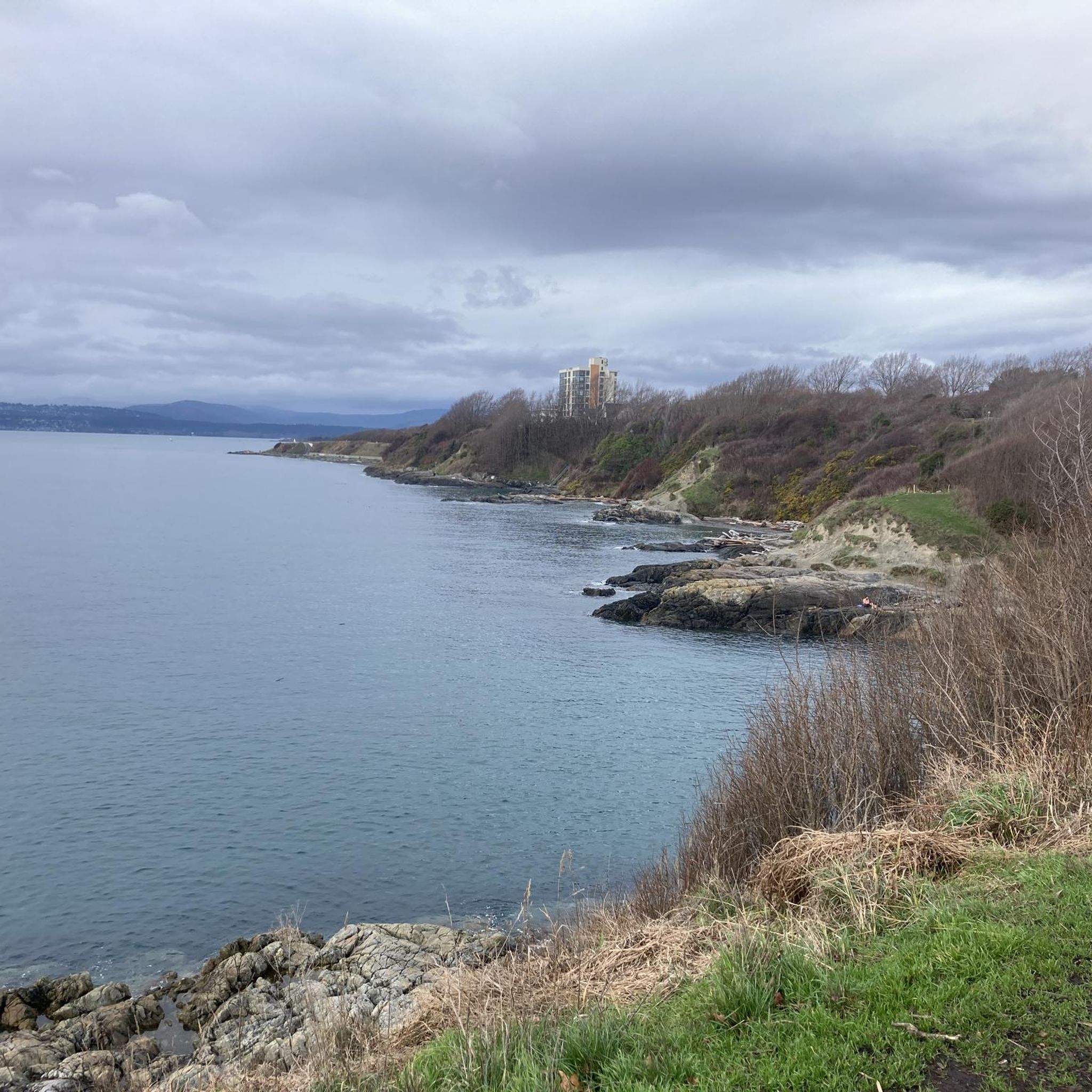
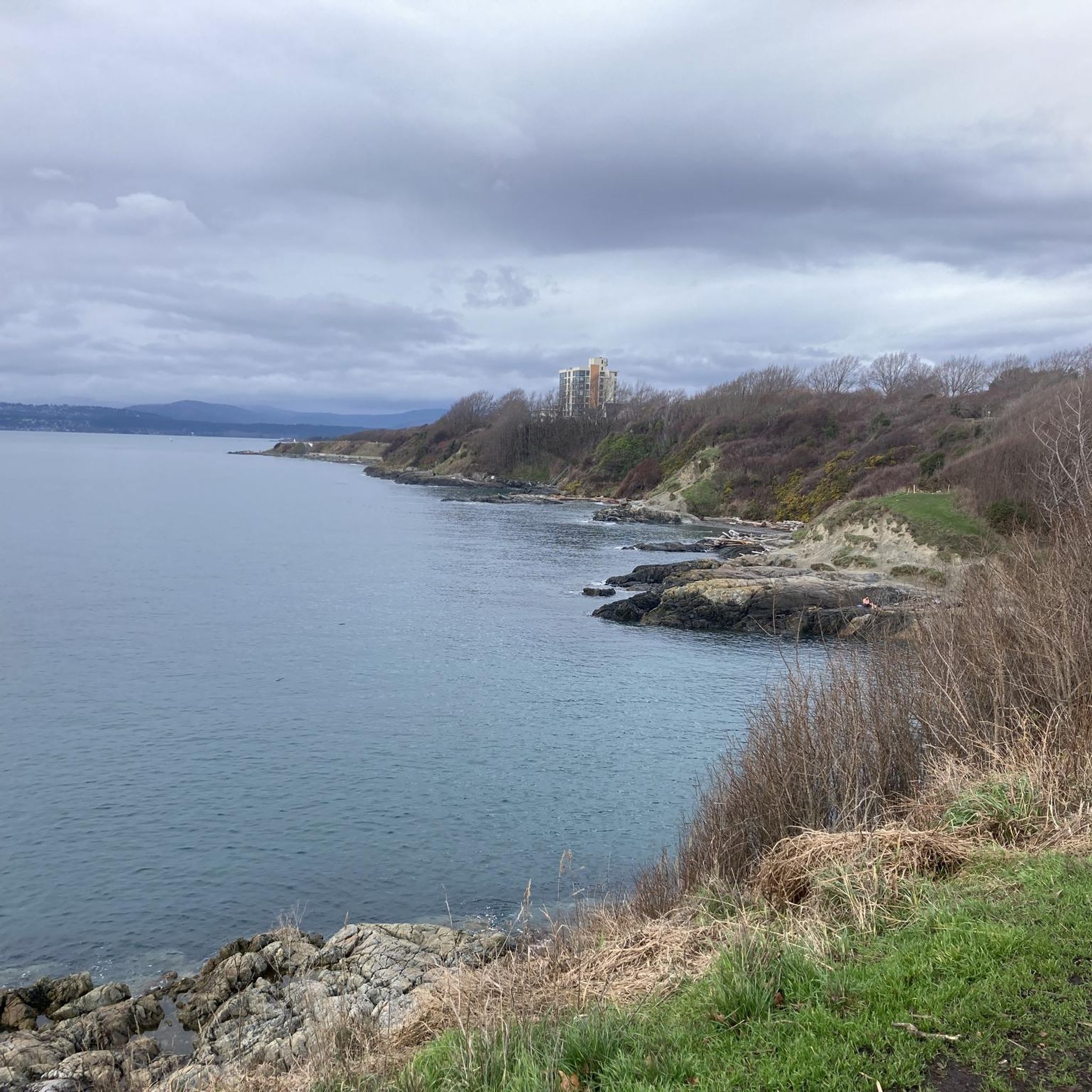
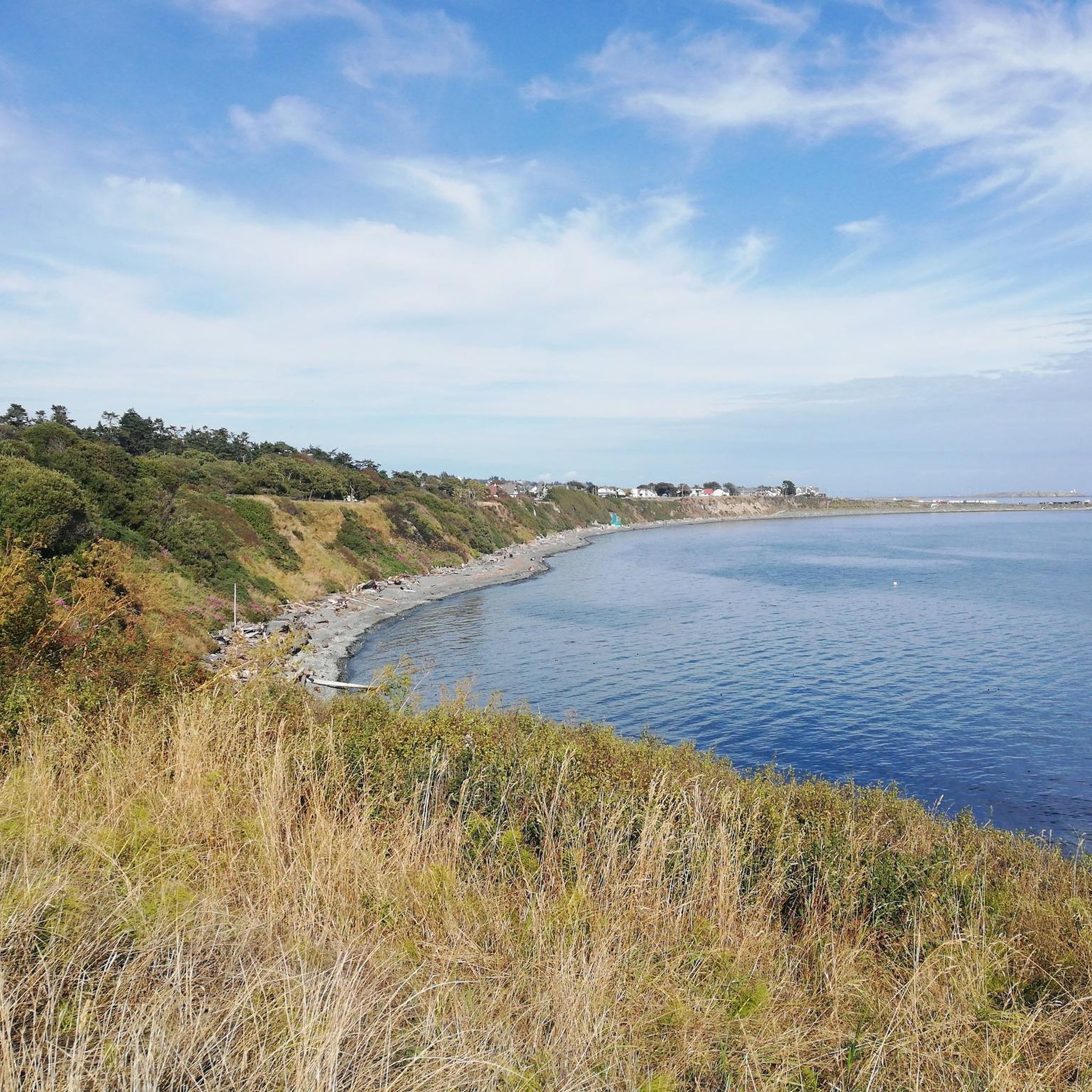
A very nice view of the sea
0
0

In top of Mount Douglas you’ll find an observation deck with a great view and enough space for a picnic.
1
0
Frequently Asked Questions
What are some of the most iconic natural monuments to visit in Victoria?
Victoria boasts several iconic natural monuments. Along the Great Ocean Road, you'll find the majestic Twelve Apostles, the dramatic Loch Ard Gorge, and the striking London Arch. Inland, the Grampians (Gariwerd) National Park features the panoramic Pinnacle and the powerful MacKenzie Falls. Other notable sites include the unique volcanic formation of Hanging Rock and the ancient Buchan Caves.
Are there natural monuments in Victoria suitable for families with children?
Yes, many natural monuments in Victoria are family-friendly. The British Columbia Legislative Sequoia Tree is a unique and accessible natural monument. The Great Otway National Park offers rainforest walks and waterfall viewing suitable for various ages. Tower Hill Wildlife Reserve is excellent for wildlife spotting, and the Organ Pipes National Park provides easy walks to fascinating geological formations. Many lookouts along the Great Ocean Road, like those at the Twelve Apostles, are also easily accessible for families.
Where can I experience unique geological formations in Victoria?
Victoria is rich in unique geology. The Twelve Apostles, Loch Ard Gorge, London Arch, and The Grotto along the Great Ocean Road showcase dramatic coastal erosion. Inland, Organ Pipes National Park features striking basalt columns formed from ancient lava flows. Hanging Rock is a distinctive volcanic mamelon, and the ancient Buchan Caves offer intricate underground limestone formations. The Pink Lakes in Murray Sunset National Park are known for their unique salt flats and occasional pink hue.
Which natural monuments offer insights into Victoria's Indigenous history and culture?
The Grampians (Gariwerd) National Park is particularly significant for its Indigenous heritage, home to over 80% of Victoria's known Aboriginal rock art sites. Accessible sites like Bunjil's Shelter and Gulgurn Manja Shelter provide a profound connection to ancient Indigenous culture. Additionally, the Buchan Caves have a rich Aboriginal heritage, and Tower Hill Wildlife Reserve is a significant natural and historical landscape for the local Indigenous community.
What kind of wildlife can I expect to see at Victoria's natural monuments?
Victoria's natural monuments are home to diverse wildlife. Great Otway National Park is known for koalas and native birdlife. Tower Hill Wildlife Reserve is an excellent spot to see native birds, emus, koalas, kangaroos, wallabies, and echidnas. Along the coast, you might spot marine birds and, occasionally, marine life from viewpoints. The Grampians also host a variety of native animals in their rugged landscapes.
Are there good hiking opportunities around Victoria's natural monuments?
Yes, many natural monuments offer excellent hiking. In the Grampians, trails lead to The Pinnacle and MacKenzie Falls, offering varying difficulties. Great Otway National Park has numerous rainforest walks and waterfall trails. Organ Pipes National Park provides shorter walks to its geological features. For more general hiking, you can explore routes like the "West Bay Walkway" or "Clover Point to Ogden Point Lighthouse" near Victoria. Find more hiking options in the Hiking around Victoria guide.
What is the best time of year to visit Victoria's natural monuments?
The best time to visit Victoria's natural monuments generally depends on the region and your preferred activities. Spring (September-November) offers pleasant temperatures and wildflowers, especially in the Grampians. Summer (December-February) is ideal for coastal attractions like the Great Ocean Road, though it can be busy. Autumn (March-May) provides mild weather and beautiful foliage. Winter (June-August) can be dramatic along the coast with powerful seas, and waterfalls like MacKenzie Falls are often at their most impressive due to rainfall.
Can I find opportunities for cycling or mountain biking near these natural monuments?
Yes, there are cycling opportunities. While some natural monuments are protected areas with specific trail rules, nearby regions often offer great routes. For instance, you can find gravel biking routes around Victoria, such as the "Rail Trail Along Sooke Inlet" or the "Pacific Rainforest Trail". Check out the Gravel biking around Victoria guide for more details on routes in the area.
Are there any hidden gems or less-known natural monuments worth exploring in Victoria?
Beyond the most famous sites, Victoria has several lesser-known natural wonders. The Californian Redwood Forest near Warburton offers a unique, almost otherworldly experience distinct from native Australian bushland. The Grotto along the Great Ocean Road provides a tranquil and mysterious coastal formation. Cleft Island, also known as Skull Rock, off Wilsons Promontory, is a dramatic and distinctive sight best viewed by boat.
What are the accessibility considerations for natural monuments in Victoria?
Accessibility varies greatly among Victoria's natural monuments. Many popular viewpoints, such as those at the Twelve Apostles and Mount Douglas Summit Observation Deck, offer paved paths and accessible viewing platforms. However, many hiking trails, especially in national parks like the Grampians, can be rugged and involve steps or uneven terrain. It's best to check specific site information for detailed accessibility details before visiting.
Where can I see ancient trees or unique forests in Victoria?
Victoria is home to some remarkable tree formations. The British Columbia Legislative Sequoia Tree is a significant and historic tree. The Great Otway National Park features temperate rainforests with towering ferns and ancient eucalyptus trees. Additionally, the Californian Redwood Forest near Warburton is a unique plantation of nearly 1500 majestic red-barked redwood trees, offering a distinct forest experience.
Most popular routes around Victoria
Most popular attractions around Victoria

Get inspired with the komoot mobile app


Explore more
Extend your search for the best caves by checking out these guides of the top ones around Victoria:
