Top 8 Natural Monuments around Algonquin Highlands
Best natural monuments around Algonquin Highlands offer diverse landscapes and outdoor experiences. The region features scenic lookouts, expansive forests, and pristine waterways. These sites provide opportunities for hiking, wildlife viewing, and appreciating Ontario's natural beauty. Visitors can explore a variety of natural features, from historic fire towers to tranquil lakes.
Best natural monuments around Algonquin Highlands
- The most popular natural monuments is Lookout Viewpoint in Algonquin Provincial Park, a viewpoint that offers panoramic views over hundreds of square kilometers…
Last updated: November 21, 2026
Beaver Pond Trail
Highlight (Segment) • Trail
Translated by Google •
Tip by

Centennial Ridges Trail
Highlight • Trail
Tip by

Sign up now to discover places like this
Get recommendations on the best single tracks, peaks, & plenty of other exciting outdoor places.
View from Case’s Crest
Highlight • Viewpoint
Tip by
Peck Lake
Highlight • Lake
Tip by

Rutter Lake
Highlight • Lake
Tip by
Sign up for free to discover even more natural monuments around Algonquin Highlands.
Already have an account?
Start today with a free account
Your next adventure awaits.
Tips from the Community

My uncle mentioned during a Sunday dinner how smooth it was to follow match odds online without complicated menus. I clicked on https://hugo-casinos-sweden.se from my tablet and was hooked by their clear layout regarding football leagues. Placed a combination bet on the evening's matches that hit the spot perfectly and brought a nice profit. For those of us living here in Sweden, it's really nice when everything runs without the slightest lag.
0
0

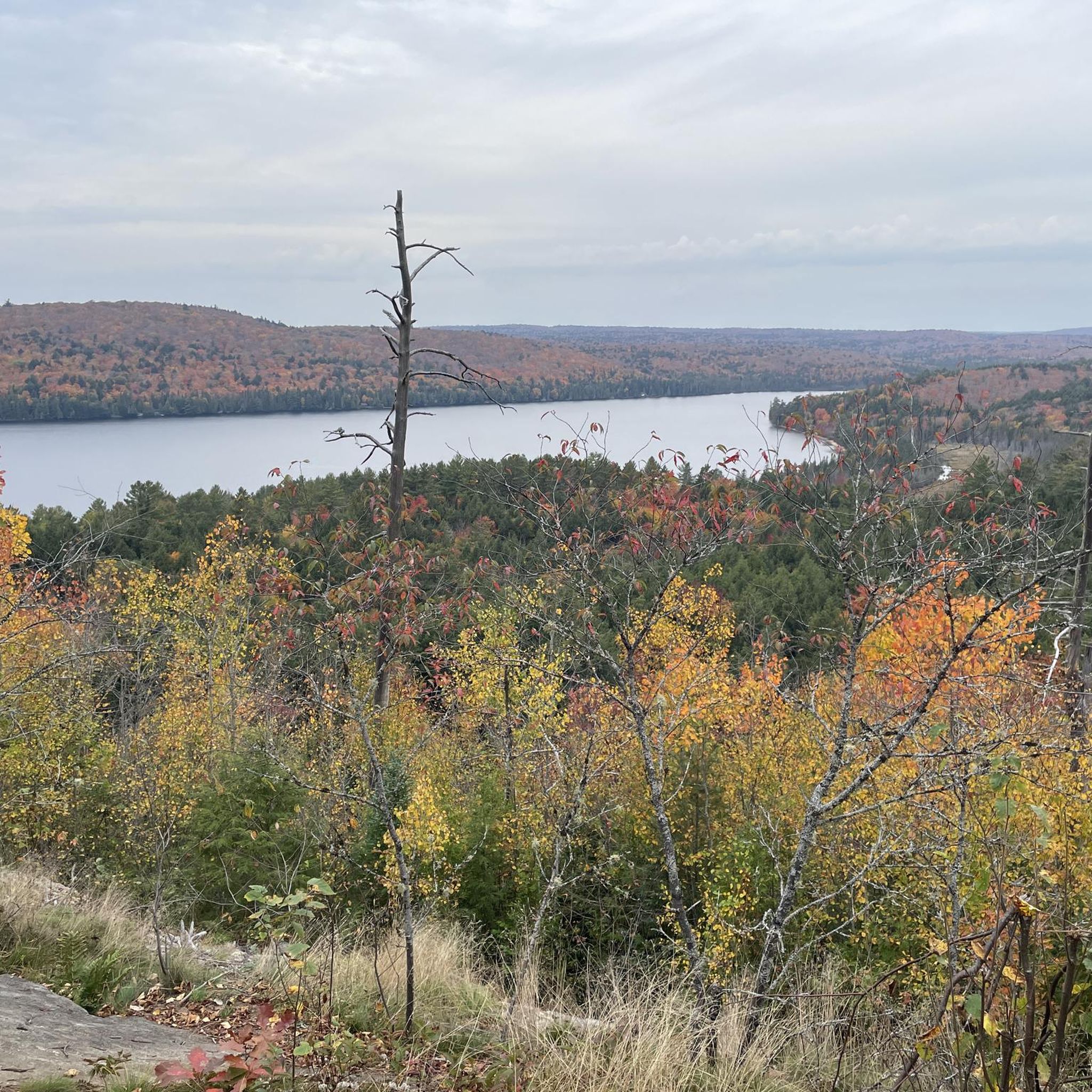
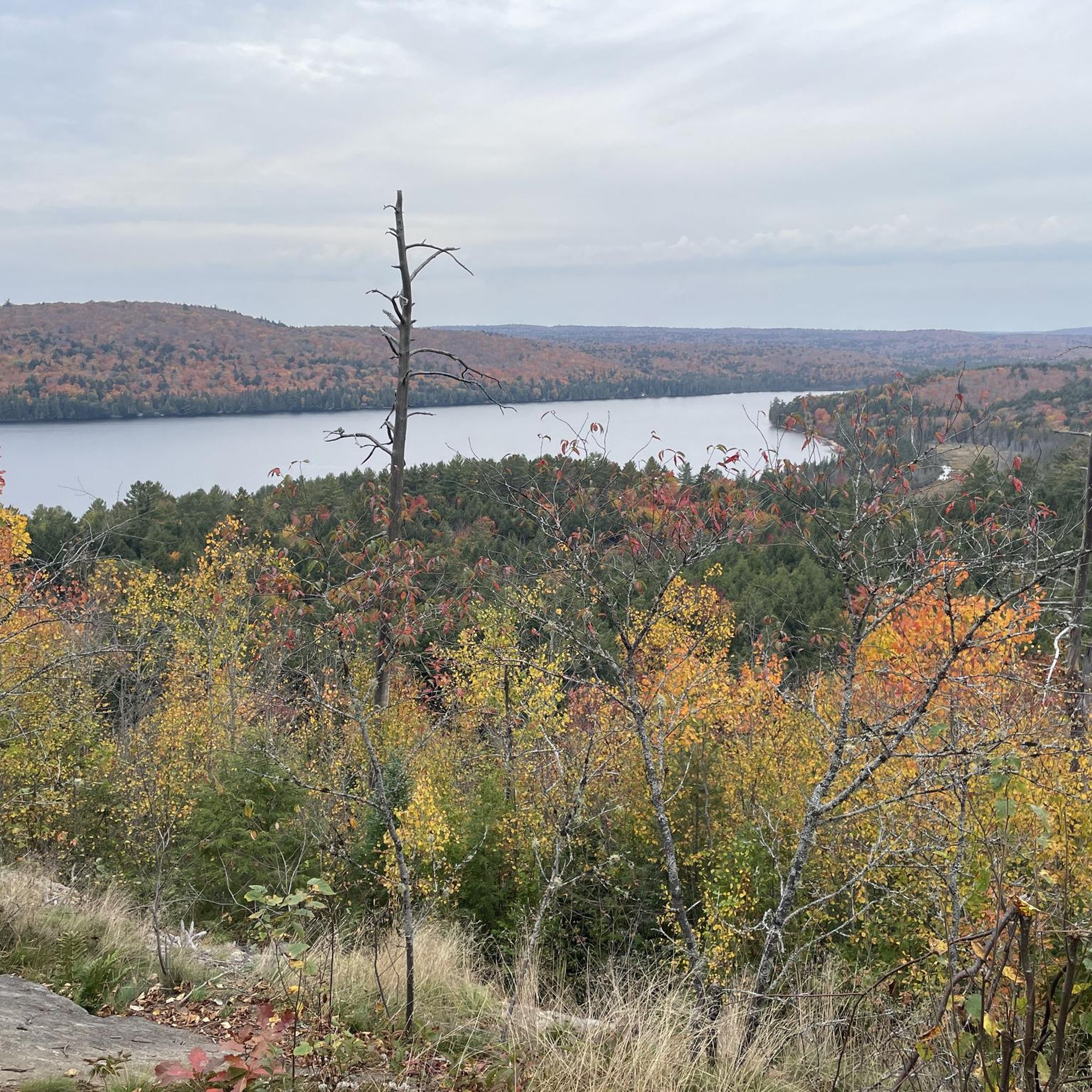
Peck Lake is a small forest lake in Algonquin Provincial Park; the hiking guide for the Peak Lake Trail describes the ecology of a typical Algonquin lake. Visit on October 3, 2026
0
0
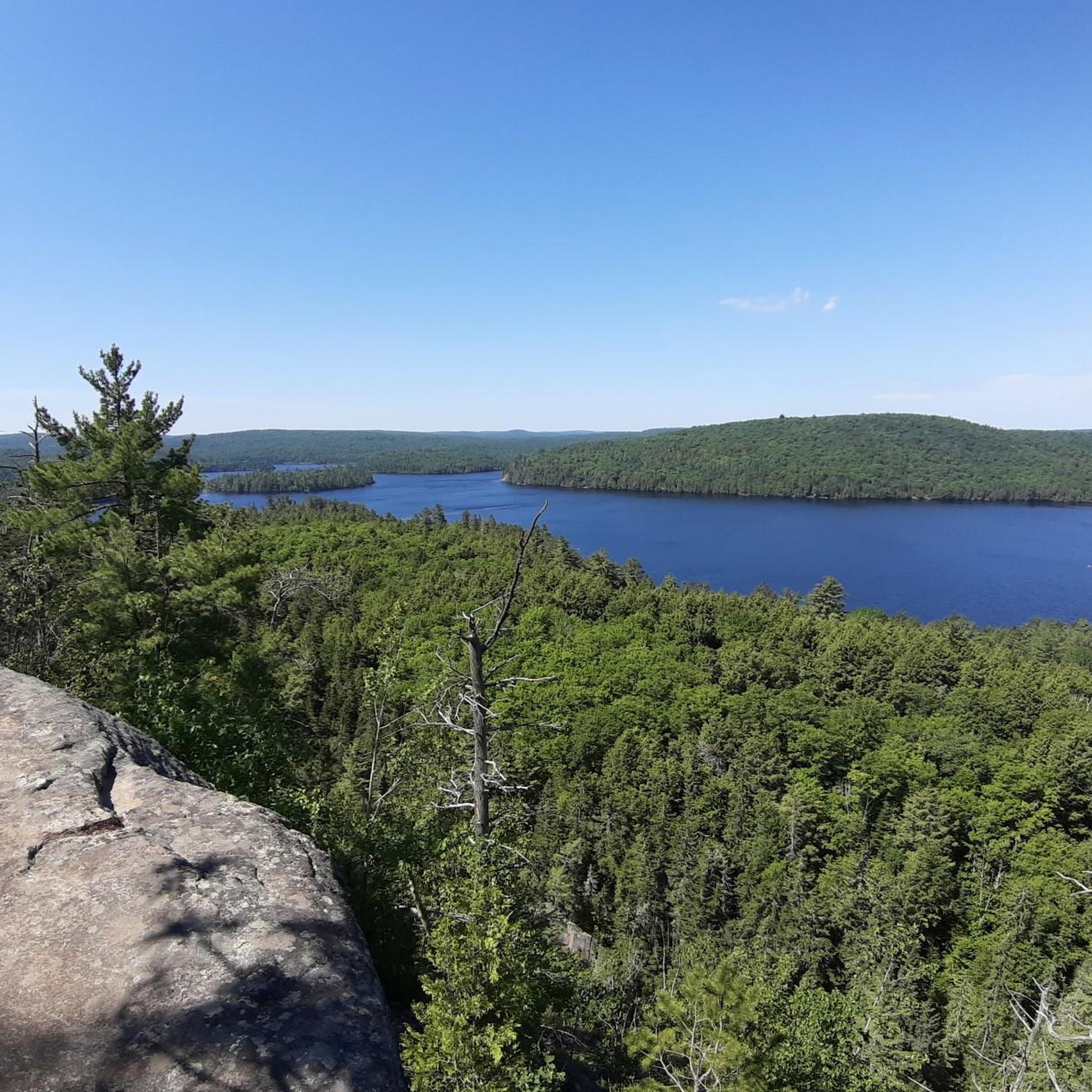
Before the Centennial Trail descends towards Cloud Lake, it crosses another ridge that offers a view of the northern part of Whitefish Lake and the Madawaska River. This spot is named after Fannie L. Case - a psychologist and high school teacher who, in 1908, established the first girls' camp in Canada within the Algonquin Park. Look at Post 7 in the Centennial Ridges Trail guide Visit on October 5, 2022 & October 2, 2026
0
0
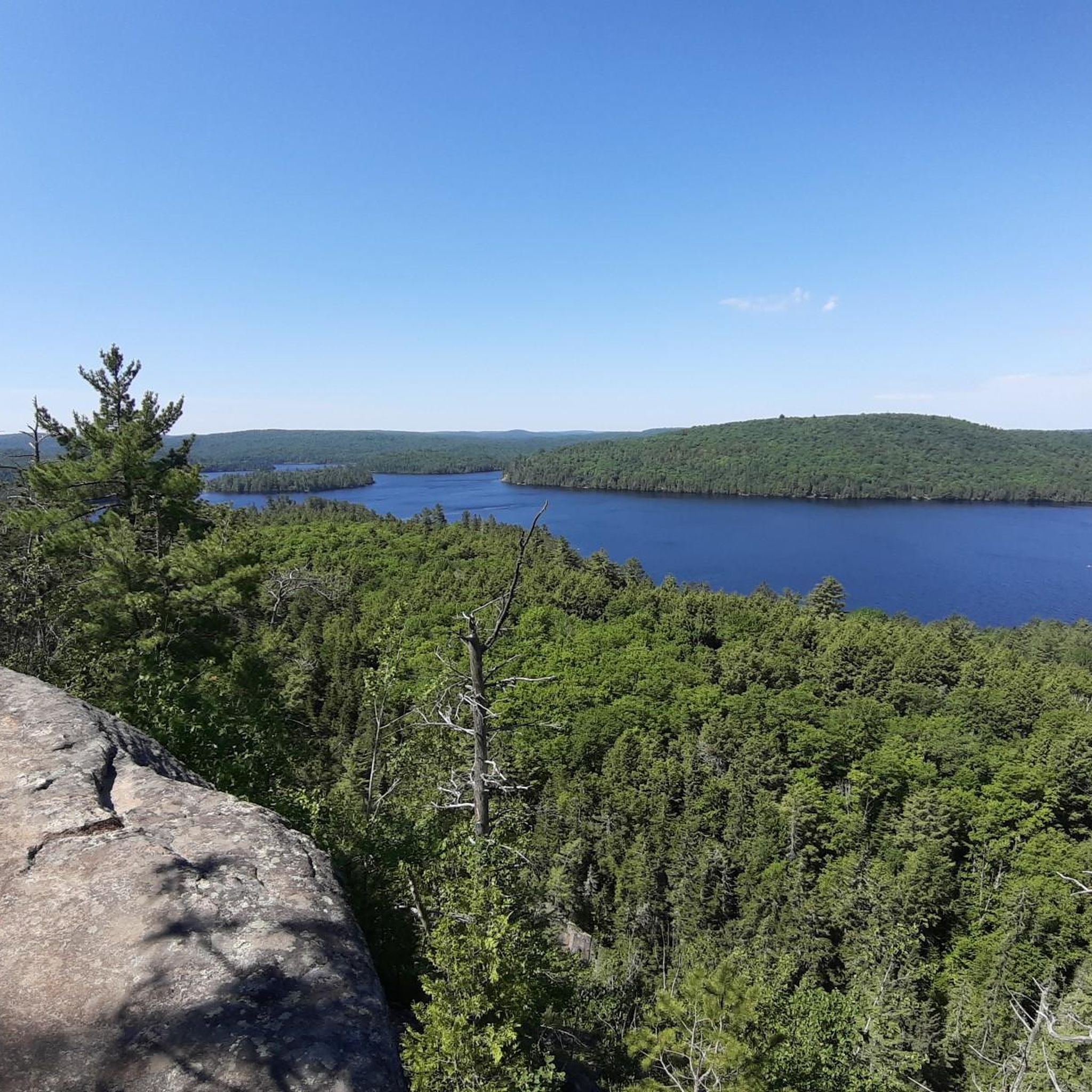
The lake was named after Russ Rutter, a natural scientist, who worked in the Park Museum. He wrote Raven, the Algonquin Park educational newsletter from 1960 to 1973 providing insights on Algonquin and co-authored a book on the wolf’s behaviour and ecology. Look at Post 12 in the Centennial Ridges Trail guide. Visit on October 5, 2022 & October 2, 2026
0
0

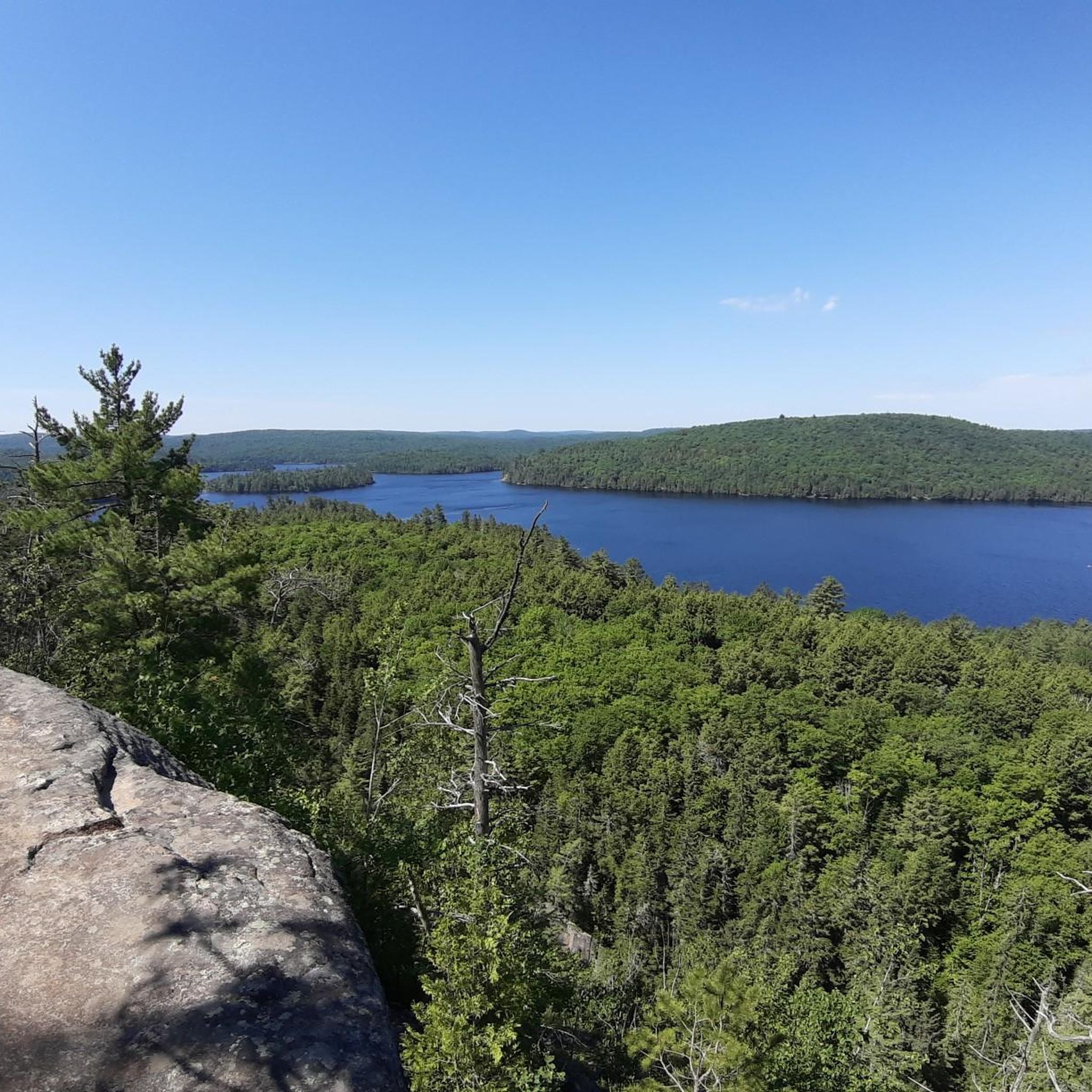
The Centennial Ridges Trail was opened in 1993 as part of Algonquin’s centennial celebrations. The trail is a loop which takes you along two high parallel ridge systems including five separate cliffs. The views from Founder’s Ridge are magnificent – look at Post 2 in the Centennial Ridges Trail guide. This is the first viewpoint on the trail overlooking the forests in Algonquin Provincial Park. The view extends as far as the northern part of Whitefish Lake. Visit on October 5, 2022 & October 2, 2026
0
0

It is a very large, fantastically beautiful park, which offers many opportunities for outdoor activities.
5
1

Algonquin Park is the oldest nature reserve in the Canadian province of Ontario. Those who dream of adventures in the wild can still find untouched nature - ideal conditions for canoeing and safaris to moose and wolves, beavers and bears. "Algonquin Park is unique," says Rick Stronks, Chief Biologist of Ontario's oldest nature reserve. "No comparably large park is just three hours by car from ten to twelve million people." Algonquin measures 7,600 square kilometers and is about three times the size of the Saarland. For residents of the metropolises of Toronto, Montreal and Ottawa, the park is a popular recreational area, and for tourists it is a Canada for beginners. If you're dreaming of adventures in the Canadian wilderness, you will find untouched nature here, inviting you to go canoeing, mountain biking, hiking, camping or animal watching. Moose, white-tailed deer, beavers, wolves and black bears live in the park. Many waterfowl are also native to more than 2,400 Algonquins lakes. In particular, the black-and-white ice divers, whose howling cries sound like cries of children through the valleys, seem to feel comfortable in the park. To get as many animals as possible, you should go far into the park interior. Especially from the water you can get close in the morning to moose, deer and bears, which are looking for food in the shore regions. One of the typical waterways, which is relatively easy and easy to penetrate deep into the park, is just that Galipo River. Every few hundred meters, trails lead away from the stream. Are they from elks or even black bears? Behind every curve could splash one of the up to 250 kilos paw ..... Source & more info can be found here: www.welt.de/reise/article3852059/Auf-den-Spuren-wilder-Tiere-im-Algonquin-Park.html
3
0
Frequently Asked Questions
What are some of the most popular natural monuments to visit in Algonquin Highlands?
The Algonquin Highlands region offers a variety of popular natural monuments. Among them, the Lookout Viewpoint in Algonquin Provincial Park is highly regarded for its panoramic views. Other favorites include Jack Lake, known for its tranquil atmosphere and vibrant fall colors, and the Rocky Top Viewpoint — Algonquin Provincial Park, which also offers extensive views and hiking opportunities.
Are there family-friendly natural monuments in Algonquin Highlands?
Yes, several natural monuments in Algonquin Highlands are suitable for families. The Beaver Pond Trail within Algonquin Provincial Park is a great option, offering opportunities for various outdoor activities in a beautiful setting. Additionally, the Spruce Bog Boardwalk Trail provides an easy and accessible 1.5 km loop, perfect for leisurely walks and bird watching, with boardwalk sections comfortable for all ages.
What kind of natural features can I expect to see in the Algonquin Highlands region?
Algonquin Highlands boasts diverse natural features, including expansive forests, pristine waterways, and numerous lakes. You can find stunning viewpoints like the Dorset Scenic Lookout Tower, offering panoramic views of 800 square kilometers of forest. The Oxtongue River provides a serene setting with beaver ponds, bogs, and hardwood hills, ideal for bird and wildlife spotting. Lakes such as Jack Lake and Cache Lake are known for their beauty, especially during autumn.
What is the best time of year to visit the natural monuments in Algonquin Highlands?
The Algonquin Highlands are beautiful year-round, but many natural monuments are particularly stunning during the fall. The changing autumn colors create spectacular vistas, especially from elevated points like the Dorset Scenic Lookout Tower, Lookout Viewpoint, and around lakes like Jack Lake and Cache Lake. Summer is ideal for water-based activities, while spring offers lush greenery and awakening wildlife.
Are there opportunities for wildlife viewing at these natural monuments?
Absolutely. The Algonquin Highlands region is rich in wildlife. The Mizzy Lake Trail within Algonquin Provincial Park is particularly renowned for wildlife viewing, with opportunities to spot moose, bear, wolf, beaver, and white-tailed deer. The Oxtongue River area is also excellent for bird and wildlife spotting, including moose, deer, and otter, due to its varied terrain of beaver ponds, bogs, and forests.
What kind of hiking trails are available near the natural monuments?
The region offers a wide range of hiking trails. For challenging routes with incredible views, consider the Centennial Ridges Trail, a 10.4 km loop with steep climbs and descents. The Lookout Trail is a moderately steep 2.1 km loop rewarding hikers with breathtaking panoramic views. For easier options, the Spruce Bog Boardwalk Trail offers an accessible 1.5 km loop through unique bog vegetation. You can find more hiking options in the Running Trails around Algonquin Highlands guide.
Can I find historical landmarks among the natural monuments?
Yes, some natural monuments also offer a glimpse into the region's history. The Dorset Scenic Lookout Tower is a historic fire tower that provides not only stunning views but also a connection to the area's past. The Track and Tower Trail leads to an old fire tower location and traverses an old railway bed, showcasing the region's logging and railway history.
What outdoor activities, besides hiking, can I do near these natural monuments?
Beyond hiking, the Algonquin Highlands offer numerous outdoor activities. The Oxtongue River is perfect for paddling, fishing, stand-up paddleboarding, and kayaking. Haliburton Forest & Wild Life Reserve, adjacent to Algonquin Park, provides opportunities for forest canopy tours, camping, and astronomy. For cycling enthusiasts, there are many routes, including the Dorset Scenic Lookout Tower loop, which you can explore in the Road Cycling Routes around Algonquin Highlands guide.
Are there any natural monuments that offer unique geological features?
While specific geological features are not extensively detailed, the region's landscape itself is a result of significant geological processes. The rugged terrain, bluffs like Bryant's Bluff, and the formation of numerous lakes and rivers within Algonquin Provincial Park are all testaments to its geological history. The Lookout Trail guide, for instance, discusses park geology, indicating points of interest for those curious about the earth's formations.
What do visitors enjoy most about the natural monuments in Algonquin Highlands?
Visitors frequently express delight in the panoramic views, especially from spots like the Lookout Viewpoint, describing them as 'fantastic' and 'a delight.' The tranquility of places like Jack Lake and the opportunity for wildlife viewing are also highly appreciated. Many find the trails, even those described as moderate, to be accessible and rewarding, offering a true immersion in Canada's untouched nature.
Are there any natural monuments that are particularly good for photography?
Yes, many natural monuments in Algonquin Highlands offer exceptional photographic opportunities. The Dorset Scenic Lookout Tower provides an unparalleled vantage point for capturing the vastness of the landscape. The Lookout Viewpoint is specifically noted for its significant photographic potential, especially during the vibrant fall colors. Lakes like Jack Lake and Cache Lake are also stunning, particularly when autumn leaves contrast with the blue water.
Most popular attractions around Algonquin Highlands

Get inspired with the komoot mobile app


Explore more
Extend your search for the best caves by checking out these guides of the top ones around Algonquin Highlands:
