Top 13 Natural Monuments around Yukon
Best natural monuments around Yukon showcase a vast wilderness characterized by rugged mountains, extensive icefields, and unique geological formations. The territory features Canada's highest peaks and significant glacial landscapes. These natural features provide diverse opportunities for exploration and observing the region's distinct geology. The Yukon's protected areas preserve these natural landmarks, offering insights into its volcanic past and glacial history.
Best natural monuments around Yukon
- The most popular natural monuments is Five Finger Rapids, a river formation that divides…
Last updated: July 8, 2026
Five Finger Rapids
Highlight • River
Translated by Google •
Tip by

Kluane National Park and Reserve
Highlight • Natural Monument
Translated by Google •
Tip by

Sign up now to discover places like this
Get recommendations on the best single tracks, peaks, & plenty of other exciting outdoor places.
Sign up for free
Carcross Desert
Highlight • Natural Monument
Translated by Google •
Tip by
Kathleen Lake (Mät’àtäna Män)
Highlight • Lake
Showing Translation
Tip by
Kaskawulsh Glacier
Highlight • Natural Monument
Showing Translation
Tip by
Sign up for free to discover even more natural monuments around Yukon.
Sign up for free
Already have an account?
Start today with a free account
Your next adventure awaits.
Login or Signup
Popular around Yukon
Around the World in 80 Days
Canada's Dempster Highway — make gravel great again
The Yukon, larger than life – hiking in the Canadian Great North
Canada by train – scenic hikes from Western stations
The longest footpath in the world – Trans Canada Trail
Adventure Yukon – stunning hikes on your road trip
Hiking around Yukon
Running Trails around Yukon
Cycling around Yukon
MTB Trails around Yukon
Other adventures around Yukon


Tips from the Community

You could spend hours strolling along the shore of this large, beautiful lake, with new views opening up time and time again. Unfortunately, the adjacent trails were closed due to bears.
0
0

Small path to the cliff over the Yukon
0
0

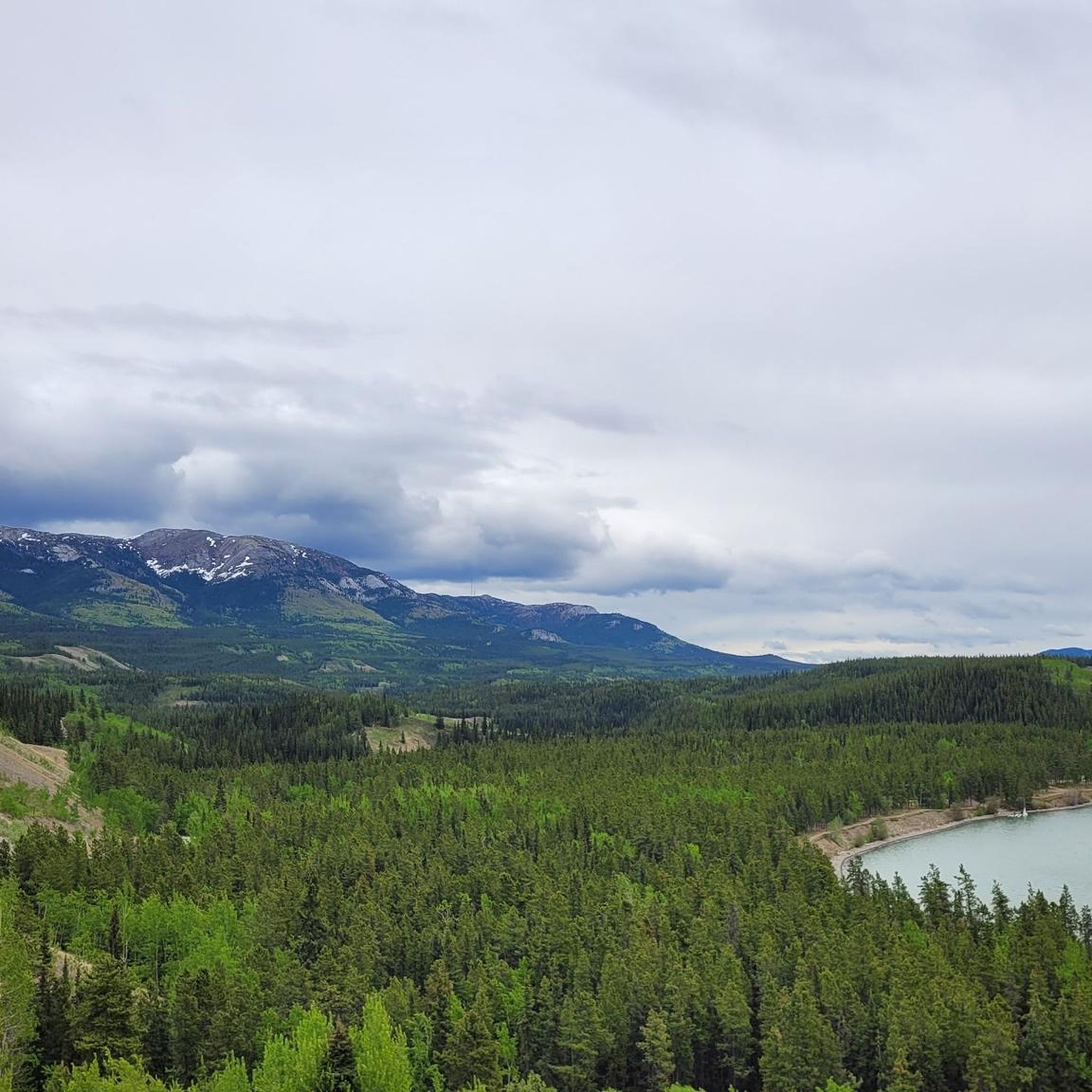
Kluane National Park and Reserve is located in the Yukon Province and borders British Columbia and Alaska. The national park was established in 1976 and protects more than 22,000 km2 of Canada's Northern Coastal Mountains. Kluane and adjacent Wrangell-St. Elias National Park in Alaska were jointly designated a UNESCO World Heritage Site in 1979. Kluane National Park is home to Canada's highest mountains, including Mount Logan (5,959 m), Canada's highest peak. The park features the world's largest non-polar ice fields, covering almost half of the park. https://parks.canada.ca/pn-np/yt/kluane/visit/cartes-maps/PNR-Kluane-NPR https://parks.canada.ca/pn-np/yt/kluane http://parkscanadahistory.com/publications/fact-sheets/eng/kluane.pdf
2
0
The ‘Kaskawulsh Glacier‘ is a huge glacier in the ‘St. Elias Mountain Range‘. It covers an area of more than 39,000 km2 and consists of two converging outlet glaciers that are more than 6 km wide. The glacial water flows into two large river valleys, the Slims River and the Kaskawulsh River. However, due to the glacier's retreat, only a small amount of meltwater has been flowing into the Slims River since the spring of 2016.
2
0
The magnificently located Mät’àtäna Män Lake (Kathleen Lake) is situated south of Haines Junction on the Haines Highway. Kathleen Lake is one of the main attractions of the national park, with opportunities for hiking and recreation. Near the lake, there is a well-maintained campsite with toilets and access to fresh drinking water. https://parks.canada.ca/pn-np/yt/kluane/visit/services/kathleen
2
0
'Carcross Desert' is located on the 'Klondike Highway'. The "desert" is a dune landscape with an area of approx. 2.5 km2. The dunes formed after the last ice age, after a large glacial lake dried up. Efforts by the Yukon provincial government to place the dunes under protection failed due to resistance from the local population. Judging by the wheel tracks in the sand, the dunes are used for recreation. https://en.wikipedia.org/wiki/Carcross_Desert
2
0

The Five Finger Rapids is a rock formation in the Yukon River in Yukon, Canada, 20 km downstream from Carmacks on the Klondike Highway. Four basalt rock pillars divided the river into five rapids, the "fingers". The Tutchone call the rapids Tthi-chò nädezhé, which means "rocks that stand in the water". The rapids have been known as Five Finger Rapids since the 1880s, when gold prospectors on the way to Alaska and Dawson on the Klondike began to use the Yukon as a transportation route. The Rapids were a dangerous obstacle on which many lost their belongings. Paddle steamers used winches and steel cables to maneuver through the rapids. One of the pillars has now been removed by blasting, making the Rapids largely passable for ships. (Source: Wikipedia)
2
0
Frequently Asked Questions
What unique geological features can I explore in Yukon's natural monuments?
Yukon's natural monuments showcase a diverse range of geological formations. You can witness the striking basaltic lava flows and hexagonal columns at Miles Canyon, formed by volcanic activity over 8.5 million years ago. The 'world's smallest desert', Carcross Desert, is a unique dune landscape created from glacial silt. Additionally, the region features vast icefields and glaciers, such as the immense Kaskawulsh Glacier in the St. Elias Mountain Range, and the distinctive 'finger-like' rock formations of Five Finger Rapids on the Yukon River.
Are there family-friendly natural monuments in Yukon?
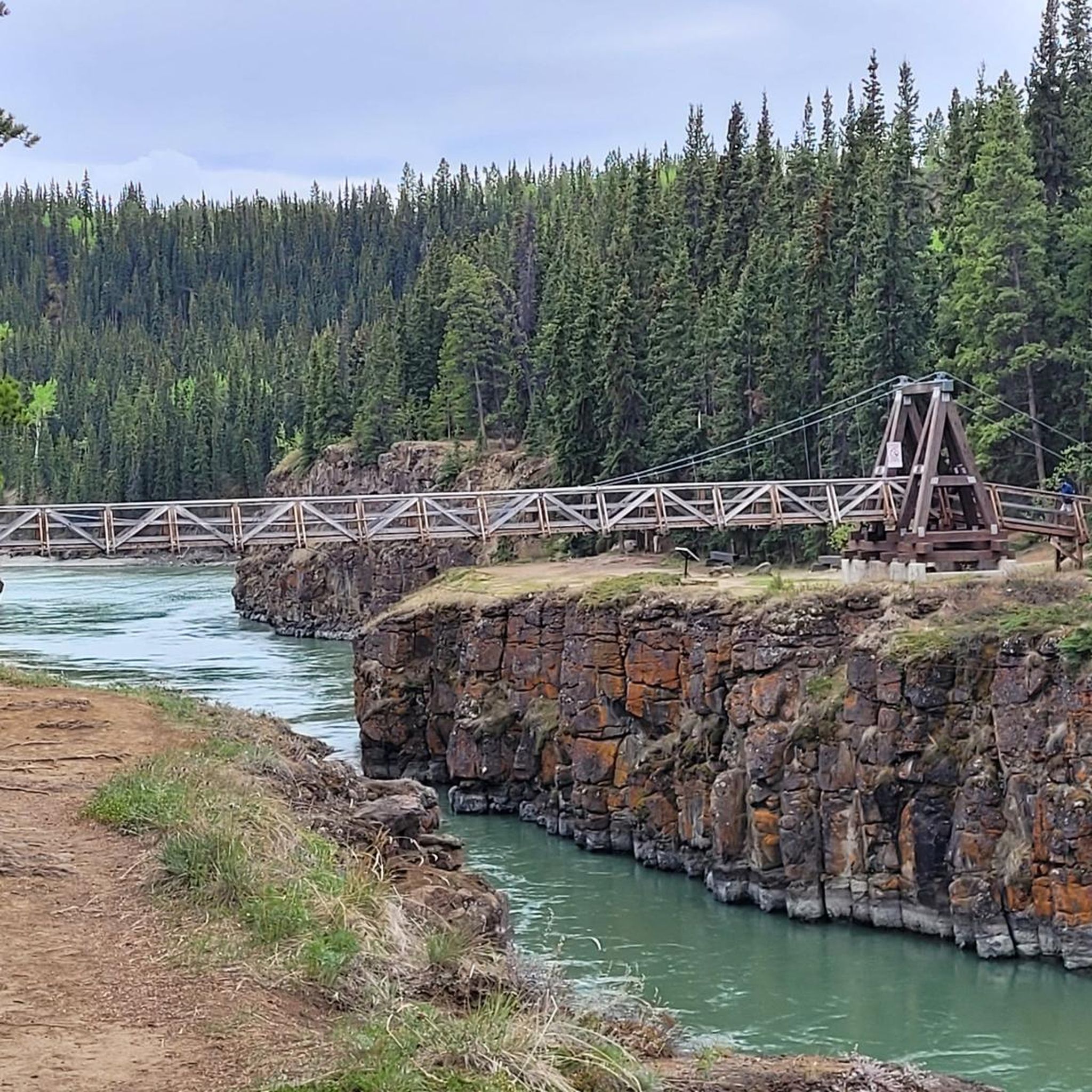
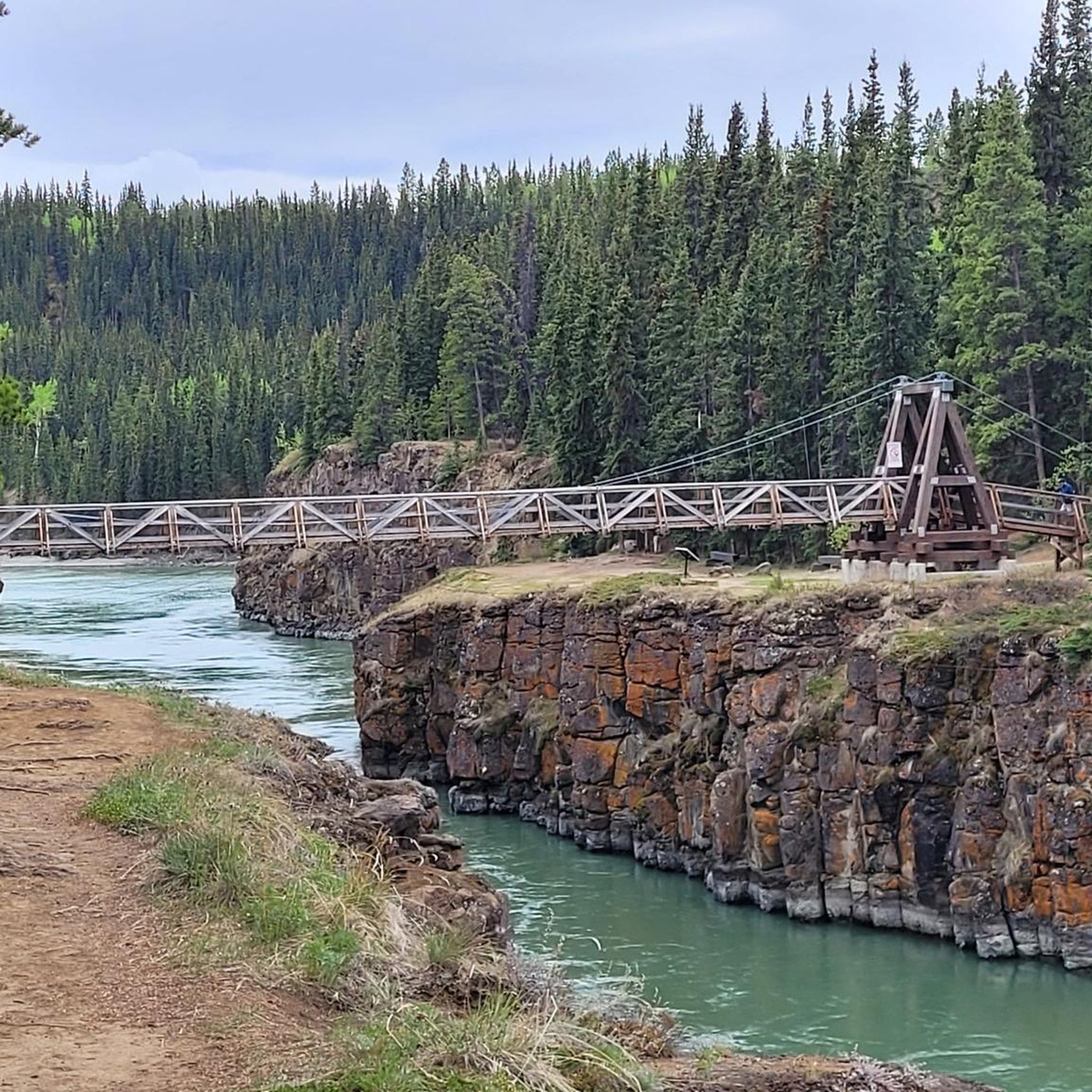
Yes, several natural monuments in Yukon offer family-friendly experiences. The Carcross Desert is a unique and accessible spot for families to explore its sandy dunes. Miles Canyon, near Whitehorse, also provides well-marked hiking trails and a suspension bridge that are suitable for most ages, offering panoramic views of the Yukon River's basaltic cliffs.
What are some challenging hikes available at Yukon's natural monuments?
For those seeking a challenge, the ascent to King's Throne offers a demanding trail to a prominent summit with a basin below its peak, providing notable viewpoints. This trail is steep, unpaved, and can be difficult due to snow conditions even in lower regions during spring. The vast wilderness of Kluane National Park and Reserve also contains numerous challenging routes through its mountainous and glacial terrain.
What kind of wildlife can I expect to see at Yukon's natural monuments?
Yukon's natural monuments are prime locations for wildlife viewing. In Kluane National Park and Reserve, you might spot grizzly bears, eagles, caribou, and Dall sheep. Tombstone Territorial Park is also known for its wildlife, including caribou, Dall sheep, and grizzly bears, especially in its expansive tundra valleys. Always maintain a safe distance and be aware of your surroundings when in wildlife habitats.
What is the best time of year to visit Yukon's natural monuments?
The best time to visit Yukon's natural monuments largely depends on the activities you plan. Summer (June to August) offers the warmest weather, longest daylight hours, and full accessibility to trails and parks, ideal for hiking and general exploration. Fall (September) is renowned for its vibrant autumn colors, particularly in areas like Tombstone Territorial Park, offering stunning photographic opportunities before winter sets in. Winter brings opportunities for snow-based activities, though accessibility to some remote areas may be limited.
Are there any easy hiking trails around Yukon's natural monuments?
Yes, there are easier options for exploring Yukon's natural beauty. Miles Canyon, near Whitehorse, features well-maintained trails along the canyon rim that are suitable for casual walks. While the full ascent to King's Throne is challenging, the initial sections of trails in Kluane National Park and Reserve, such as those around Kathleen Lake, offer more accessible options for shorter, less strenuous walks with beautiful views.
What outdoor activities, besides hiking, can I do near Yukon's natural monuments?
Beyond hiking, the Yukon offers a variety of outdoor activities. You can find numerous cycling routes, including options for mountain biking and touring. For example, there are MTB Trails around Yukon with routes like the 'Schwatka Lake – Yukon River loop from Whitehorse'. If you prefer road cycling, explore the Cycling around Yukon guide. Running enthusiasts can also find suitable paths, such as those listed in the Running Trails around Yukon guide, including the 'Whistlebend River loop'.
Where can I find accommodation or amenities near Yukon's natural monuments?
Accommodation and amenities are available in towns and communities near the natural monuments. Whitehorse, as the capital, offers a wide range of options. Haines Junction is a key gateway to Kluane National Park and Reserve, providing services for visitors. Carcross, near the Carcross Desert, also has local facilities. For Tombstone Territorial Park, Dawson City serves as a primary base for visitors, offering various amenities.
How long should I plan for a visit to Yukon's natural monuments?
The duration of your visit depends on which natural monuments you wish to see and the activities you plan. Some sites, like Emerald Lake or Carcross Desert, can be enjoyed in a few hours as part of a scenic drive. Miles Canyon can be explored in half a day. However, to fully experience vast areas like Kluane National Park and Reserve or Tombstone Territorial Park, with their extensive hiking trails and wilderness, you should plan for several days.
Are there any natural monuments with historical significance in Yukon?
Yes, several natural monuments in Yukon hold significant historical value. The Five Finger Rapids on the Yukon River were a notorious and challenging obstacle for steamboats during the Klondike Gold Rush, playing a crucial role in the region's transportation history. Miles Canyon also has historical ties to the Gold Rush era, as prospectors navigated its turbulent waters. These sites offer a glimpse into the past challenges and triumphs of those who journeyed through the Yukon.
Is public transport available to reach Yukon's natural monuments?
Public transport options to reach many of Yukon's natural monuments are limited, as most are located in wilderness areas. While Whitehorse has local transit, reaching more remote parks and sites typically requires a personal vehicle, guided tour, or shuttle services, especially for places like Kluane National Park and Reserve or Tombstone Territorial Park. It's advisable to check specific park websites or local tourism information for the most up-to-date transport options.
What are some notable viewpoints within Yukon's natural monuments?
Yukon's natural monuments offer numerous breathtaking viewpoints. The summit of King's Throne provides expansive vistas of the surrounding mountains and valleys. Miles Canyon offers panoramic views of the Yukon River carving through ancient basalt cliffs, especially from its suspension bridge. Within Kluane National Park and Reserve, locations like Kathleen Lake and Sheep Mountain provide sweeping views of glacial lakes and the St. Elias Mountain range.
Are permits required to visit any of Yukon's natural monuments?
While many natural monuments in Yukon are freely accessible, some protected areas, particularly national parks like Kluane National Park and Reserve, may require park passes or permits for entry, camping, or specific activities. It's always recommended to check the official Parks Canada website or the relevant territorial park authority for the most current information on fees and permit requirements before your visit.
Most popular attractions around Yukon

Get inspired with the komoot mobile app


Explore more
Extend your search for the best caves by checking out these guides of the top ones around Yukon:
