Top 8 Natural Monuments in National Forests In Alabama
Best natural monuments in National Forests In Alabama showcase diverse geological features and natural landscapes across the state's four National Forests. These areas, including William B. Bankhead and Talladega National Forests, contain significant natural formations. Visitors can explore waterfalls, high peaks, and extensive wilderness areas. The forests present a range of natural attractions for outdoor enthusiasts.
Best natural monuments in National Forests In Alabama
- The most popular natural monuments is Bald Rock Summit, a summit that is Alabama's highest…
Last updated: April 26, 2026
Bald Rock Summit
Highlight • Summit
Tip by

Caney Creek Falls
Highlight • Waterfall
Tip by

Sign up now to discover places like this
Get recommendations on the best single tracks, peaks, & plenty of other exciting outdoor places.
Sign up for free
Thompson Creek Waterfall (Sipsey Wilderness)
Highlight (Segment) • Waterfall
Tip by
Talladega Scenic Dive
Highlight • Viewpoint
Tip by

Choccolocco Wildlife Management Area
Highlight • Forest
Tip by
Sign up for free to discover even more natural monuments in National Forests In Alabama.
Sign up for free
Already have an account?
Start today with a free account
Your next adventure awaits.
Login or Signup
Popular around National Forests In Alabama
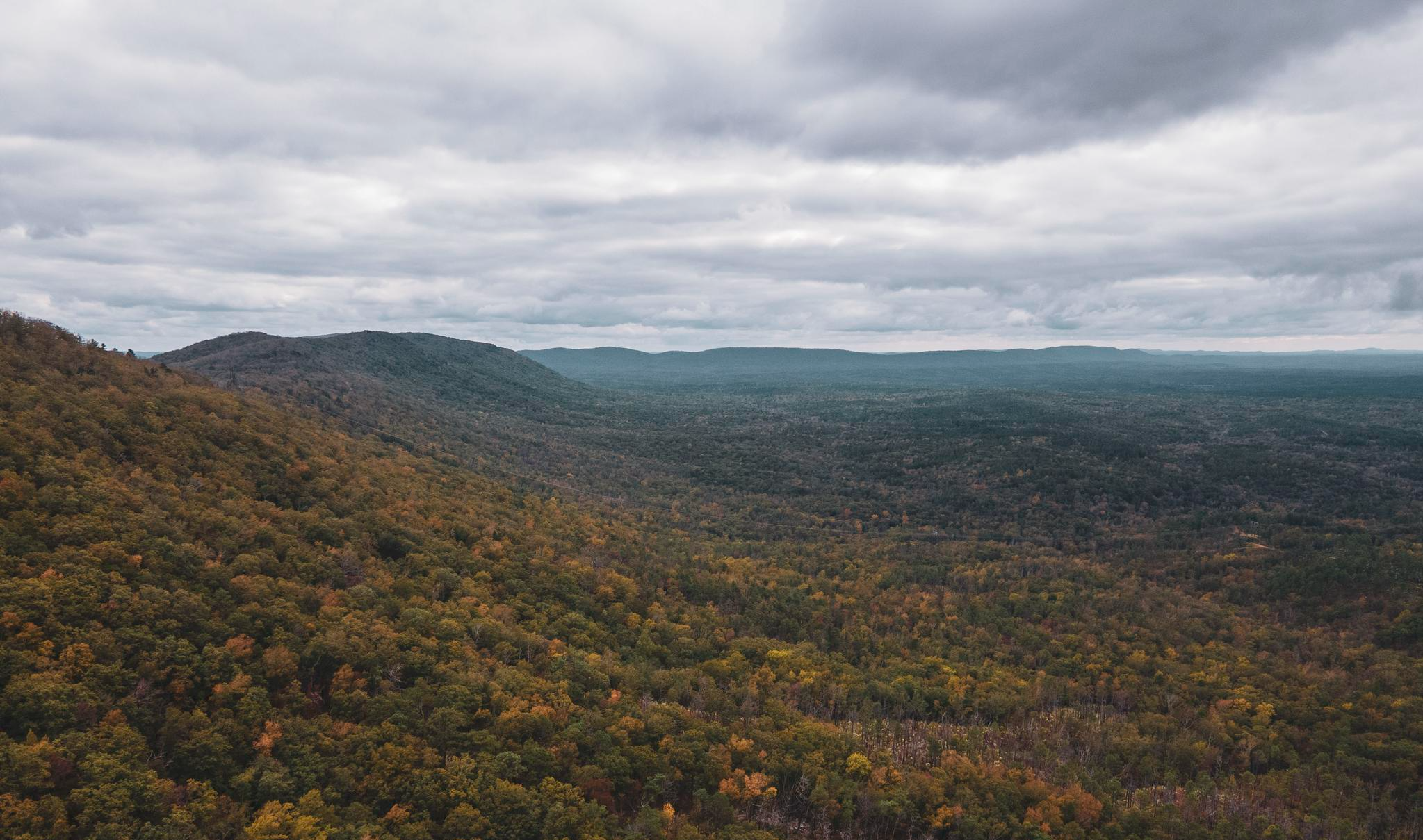
Pinhoti Trail — Alabama & Georgia's southernmost Appalachias
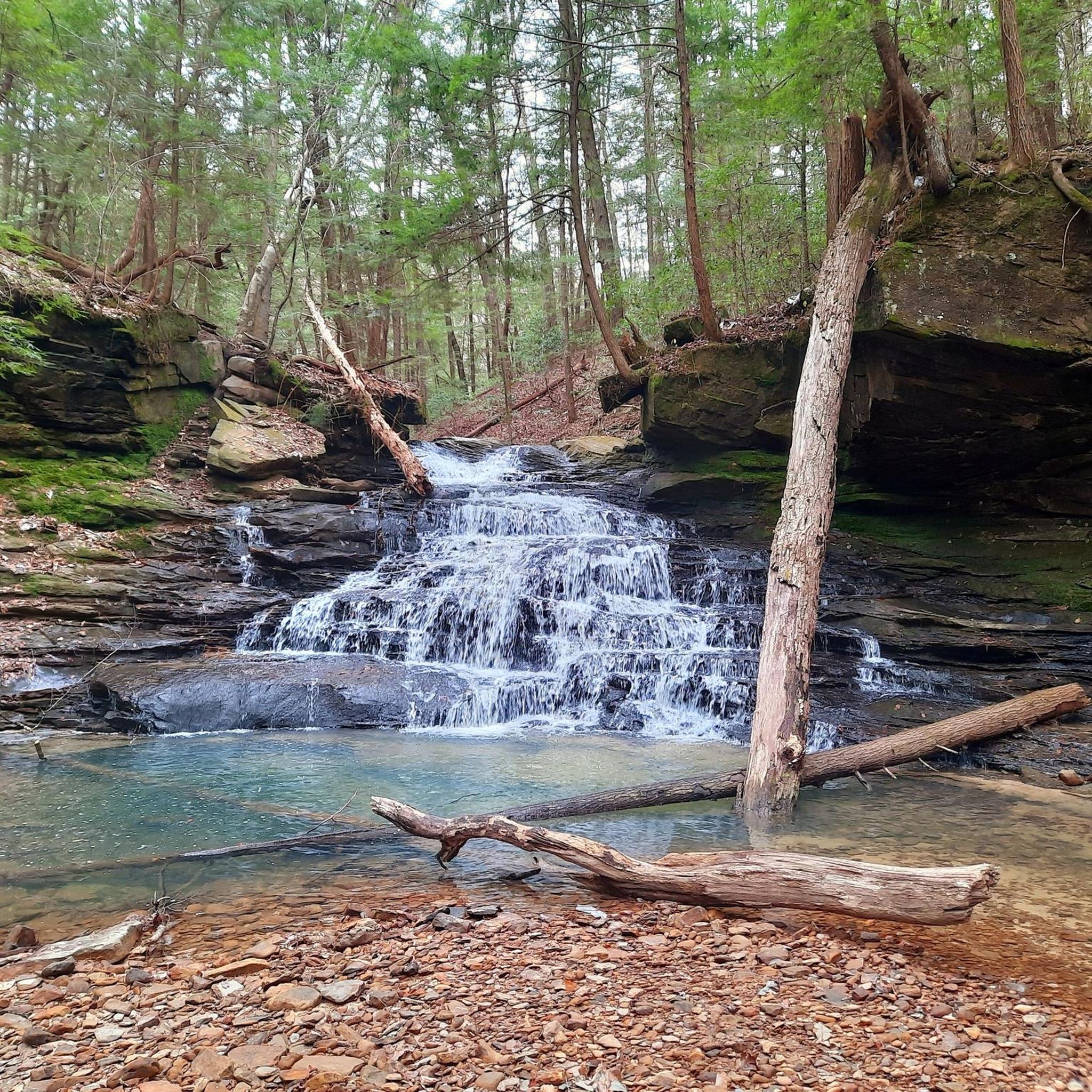
Hiking in National Forests In Alabama

Road Cycling Routes in National Forests In Alabama

MTB Trails in National Forests In Alabama

Cycling in National Forests In Alabama

Running Trails in National Forests In Alabama
Gravel biking in National Forests In Alabama
Other adventures in National Forests In Alabama

Tips from the Community

Choccolocco State Forest got its name from the creek "Choccolocco." In the Creek language, "Chahko" means "shoals," and "logo" means "big." This creek runs north to south, roughly dividing the forest in half. This area was home to Native Americans thousands of years ago, and archaeologists at Jacksonville State University have found artifacts dating back to the Archaic period, approximately 8,000 years ago.
0
0
Here, the Pinhoti trail crosses Talladega Scenic Drive, only half a mile from Cheaha State Park, with fantastic views, restrooms, cabins, and more.
0
0

Bald Rock is the highest point in Alabama at 2,326 feet. It is primarily reached via the Doug Ghee Accessible Trail, an 1,520-foot elevated boardwalk that is handicap accessible. It ends at the summit where there is an observation platform that offers sweeping 180-degree views, making it a prime spot for hawk-watching, especially during the fall migration from mid-September to mid-November. In addition to raptors and hawks, along the trail you might be able to spot a variety of other bird species, including Scarlet and Summer Tanagers, Pine Warblers, and Winter Wrens.
1
0

Section of the Thompson Creek Trail with great rock formations and waterfalls. This is a good sample of the many sandstone formations you will encounter on other hikes throughout the wilderness.
0
0
While technically not in the Sipsey Wilderness, the short hike to the nearby Caney Creek Falls is worth a stop on a visit to this area. The falls are considered by many to be one the the most scenic in Alabama. They are about 20 feet high and run off into a shallow pool. During times of greater flow another set of falls flows to the right of the main one.
0
0
Frequently Asked Questions
What are some of the most popular natural monuments to visit in Alabama's National Forests?
Among the highly regarded natural monuments, you'll find Bald Rock Summit in Talladega National Forest, which is Alabama's highest point offering sweeping 180-degree views. Another favorite is Caney Creek Falls, known for its scenic beauty, and the Thompson Creek Waterfall (Sipsey Wilderness), featuring impressive rock formations and cascades within the William B. Bankhead National Forest.
Are there any natural monuments suitable for families with children?
Yes, several natural monuments are family-friendly. Bald Rock Summit in Talladega National Forest is highly accessible via an elevated boardwalk, making it suitable for all ages. The Talladega Scenic Drive also offers accessible viewpoints and is great for families.
What kind of natural features can I expect to see in the William B. Bankhead National Forest?
The William B. Bankhead National Forest, often called the 'land of a thousand waterfalls,' is renowned for its abundant swift streams, limestone bluffs, and numerous waterfalls. You can explore the Sipsey Wilderness, which features magnificent rock walls carved by water, and discover natural bridges, including a smaller one within the forest itself, distinct from the larger Natural Bridge located just outside its boundary.
Where can I find Alabama's highest point and what does it offer?
Alabama's highest point is Bald Rock Summit, located within the Talladega National Forest at 2,326 feet. It provides spectacular 180-degree views from an observation platform, accessible via an elevated boardwalk. It's particularly popular for hawk-watching during the fall migration.
Are there opportunities for hiking near these natural monuments?
Absolutely. The National Forests in Alabama offer extensive hiking opportunities. For instance, the Sipsey Wilderness within William B. Bankhead National Forest boasts 45 miles of trails. You can find various hiking routes, including easy to moderate trails like the Hernandez Peak and McDill Point via Pinhoti Trail. For more options, explore the Hiking in National Forests In Alabama guide.
What historical or cultural elements are present near the natural monuments?
The Choccolocco Wildlife Management Area in Talladega National Forest has significant historical context, having been home to Native Americans thousands of years ago, with artifacts dating back to the Archaic period. Additionally, the Natural Bridge near Haleyville, though just outside Bankhead National Forest, features a mysterious 'Indian head' carving, adding a cultural dimension to its ancient origins.
What kind of wildlife can I expect to see?
Many natural monuments offer opportunities for wildlife viewing. At Bald Rock Summit, you might spot various bird species, including raptors, hawks, Scarlet and Summer Tanagers, Pine Warblers, and Winter Wrens, especially during fall migration. The Bartram National Recreation Trail in Tuskegee National Forest is also known for its diverse wildflowers and wildlife.
What activities are available at Conecuh National Forest's natural features?
Conecuh National Forest features the Open Pond Recreation Area, which centers around a 30-acre natural sinkhole lake, offering opportunities for hiking, fishing, and camping. The Blue Lake Recreation Area provides the only official swimming location in the forest, along with picnic tables and a sandy beach, where limited non-motorized boating is also permitted.
Are there any scenic drives or viewpoints in the National Forests?
Yes, the Talladega Scenic Drive is a notable highlight, offering fantastic views, especially where it crosses the Pinhoti Trail near Cheaha State Park. Bald Rock Summit also provides sweeping 180-degree views from its observation platform.
What is the best time of year to visit the natural monuments in Alabama's National Forests?
The fall season, particularly from mid-September to mid-November, is excellent for visiting, especially for activities like hawk-watching at Bald Rock Summit. Spring also offers pleasant weather and blooming wildflowers, while summer can be warm but ideal for water-based activities at places like Blue Lake in Conecuh National Forest.
Can I go cycling or gravel biking near these natural monuments?
Yes, the National Forests in Alabama offer various cycling and gravel biking routes. You can find options ranging from moderate to difficult, such as the Chief Ladiga Trail loops for cycling or routes like the Flag Mountain – Brymer Mountain loop for gravel biking. For detailed routes, refer to the Cycling in National Forests In Alabama guide and the Gravel biking in National Forests In Alabama guide.
What makes the Sipsey Wilderness a unique natural monument?
The Sipsey Wilderness, located within William B. Bankhead National Forest, is the largest national forest wilderness area east of the Mississippi River. It's characterized by abundant swift streams, dramatic limestone bluffs, and numerous waterfalls, including Thompson Creek Waterfall. Its old-growth forests and biodiversity make it a significant and tranquil experience for hikers and nature enthusiasts.
Most popular routes in National Forests In Alabama
Most popular attractions in National Forests In Alabama

Get inspired with the komoot mobile app


Explore more
Extend your search for the best caves by checking out these guides of the top ones in National Forests In Alabama:
