Santa Rosa And San Jacinto National Monument
Santa Rosa And San Jacinto National Monument
Top 16 Natural Monuments in Santa Rosa And San Jacinto National Monument
Best natural monuments in Santa Rosa And San Jacinto National Monument are found across a diverse landscape spanning over 280,000 acres. This region features dramatic elevation changes, from arid desert to alpine forests, and includes towering peaks and unique palm oases. The monument encompasses significant portions of the Santa Rosa and San Jacinto Mountain Ranges, which rise abruptly from the Coachella Valley floor. These natural features support diverse ecosystems and hold cultural significance.
Best natural monuments in Santa Rosa And…
Last updated: September 28, 2026
San Jacinto Peak
Highlight • Summit
Tip by

Andreas Canyon creek crossing
Highlight • Bridge
Tip by

Sign up now to discover places like this
Get recommendations on the best single tracks, peaks, & plenty of other exciting outdoor places.
Palm Canyon
Highlight • Canyon
Tip by
Andreas Canyon Oasis
Highlight • Canyon
Tip by
Tahquitz Peak
Highlight • Summit
Tip by
Palm Canyon Trail — Wild Horse Trail Section
Highlight (Segment) • Trail
Tip by

Tahquitz Falls
Highlight • Waterfall
Tip by

Hidden Lake
Highlight • Lake
Translated by Google •
Tip by

Pacific Crest Trail (PCT) and trail marker
Highlight • Trail
Tip by
Apache Spring Junction
Highlight • Trail
Tip by
Sign up for free to discover even more natural monuments in Santa Rosa And San Jacinto National Monument.
Already have an account?
Start today with a free account
Your next adventure awaits.
Popular around Santa Rosa And San Jacinto National Monument

Pacific Crest Trail from Mexico to Canada – 4,200 kilometres of wilderness
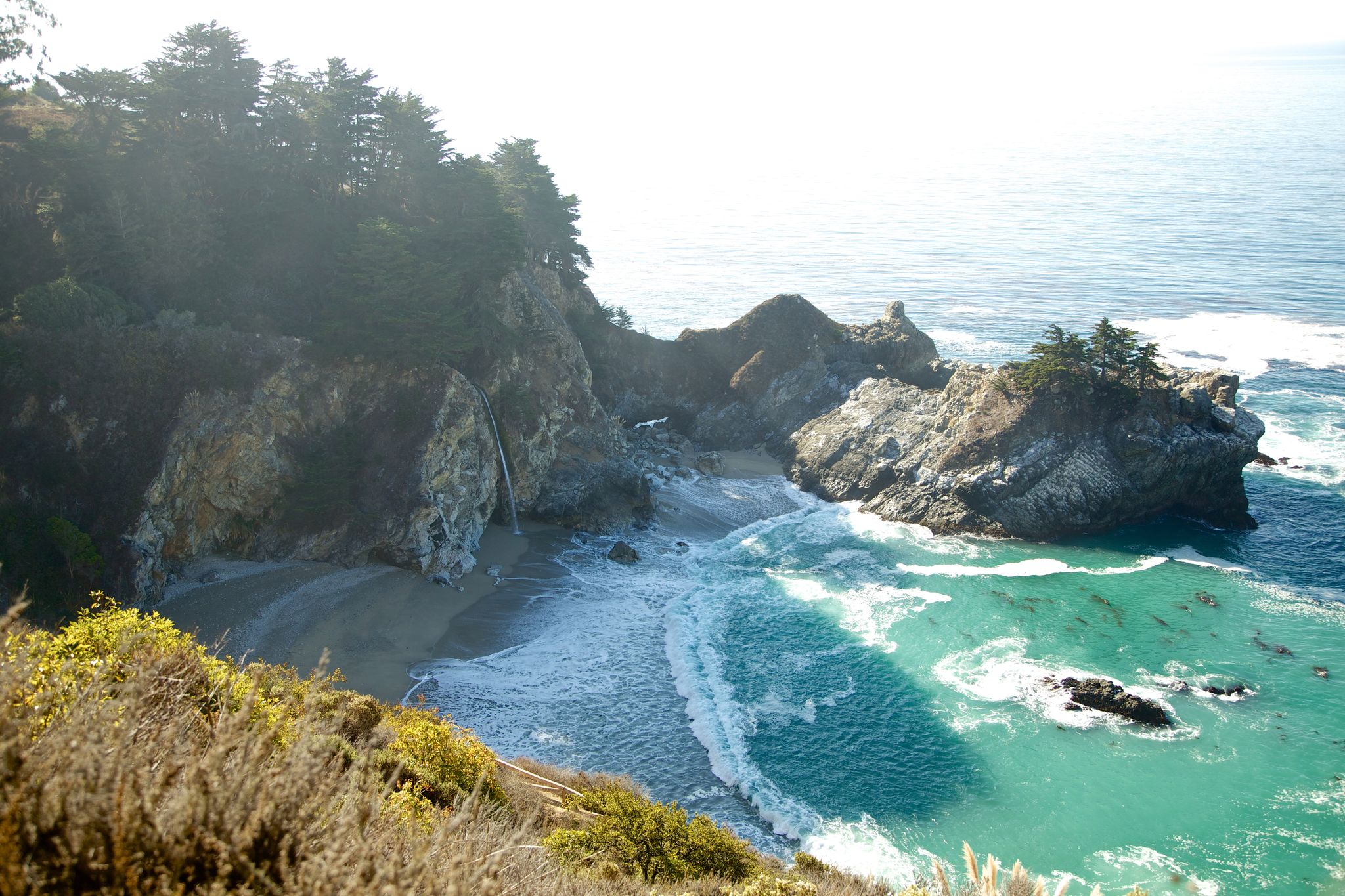
The tour of your life – music trails on the Pacific coast
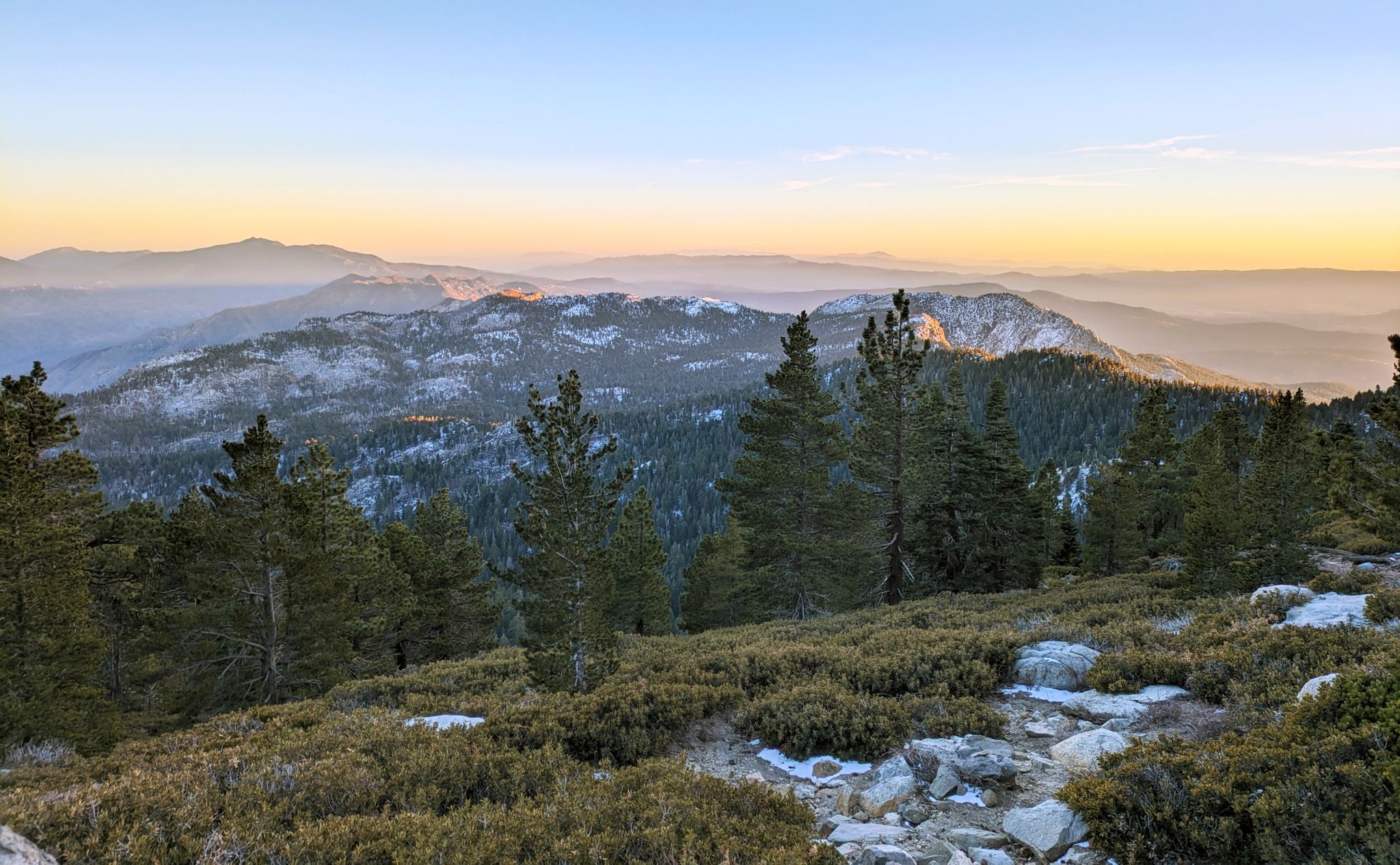
Climbing Mount San Jacinto on the Deer Springs Trail
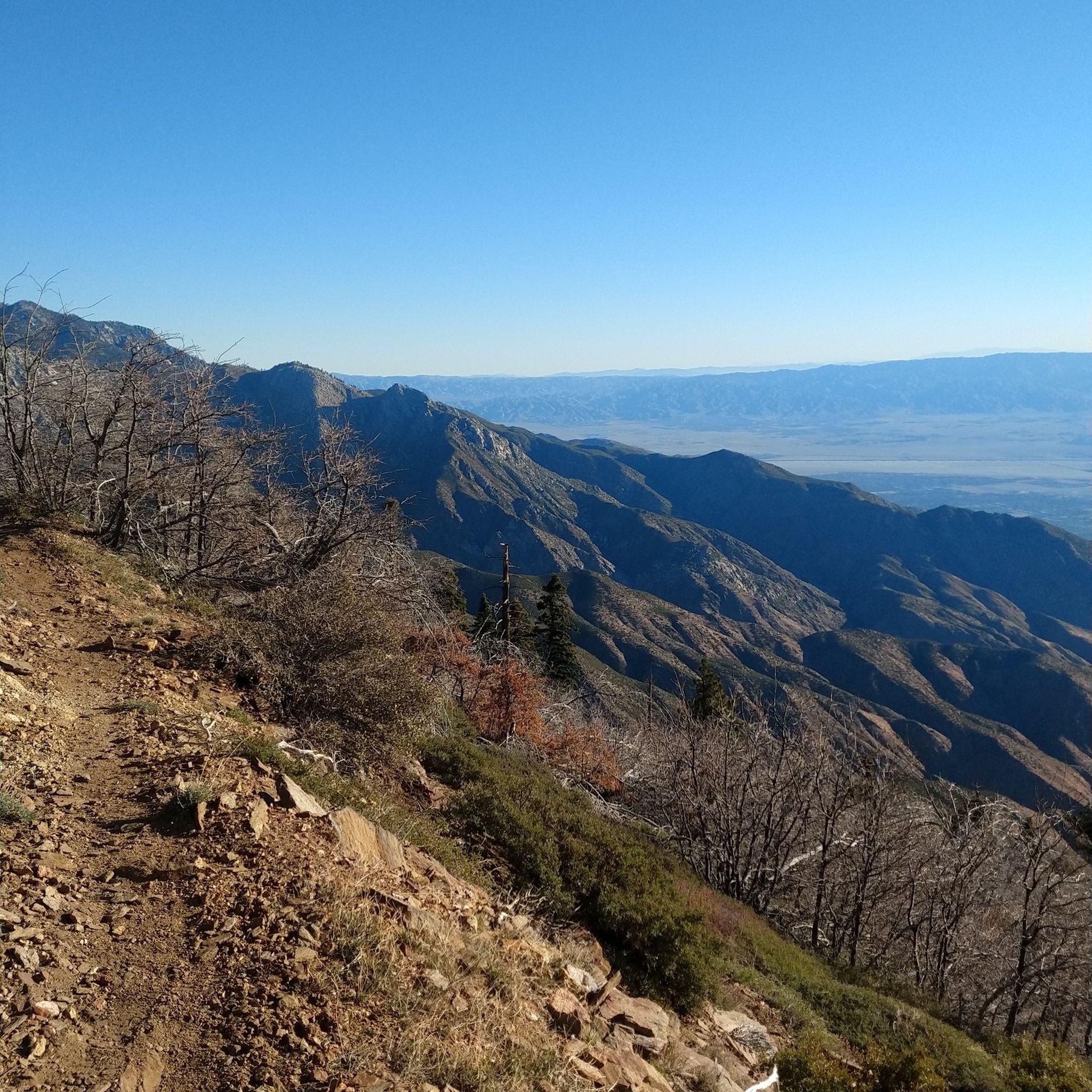
Hiking in Santa Rosa And San Jacinto National Monument
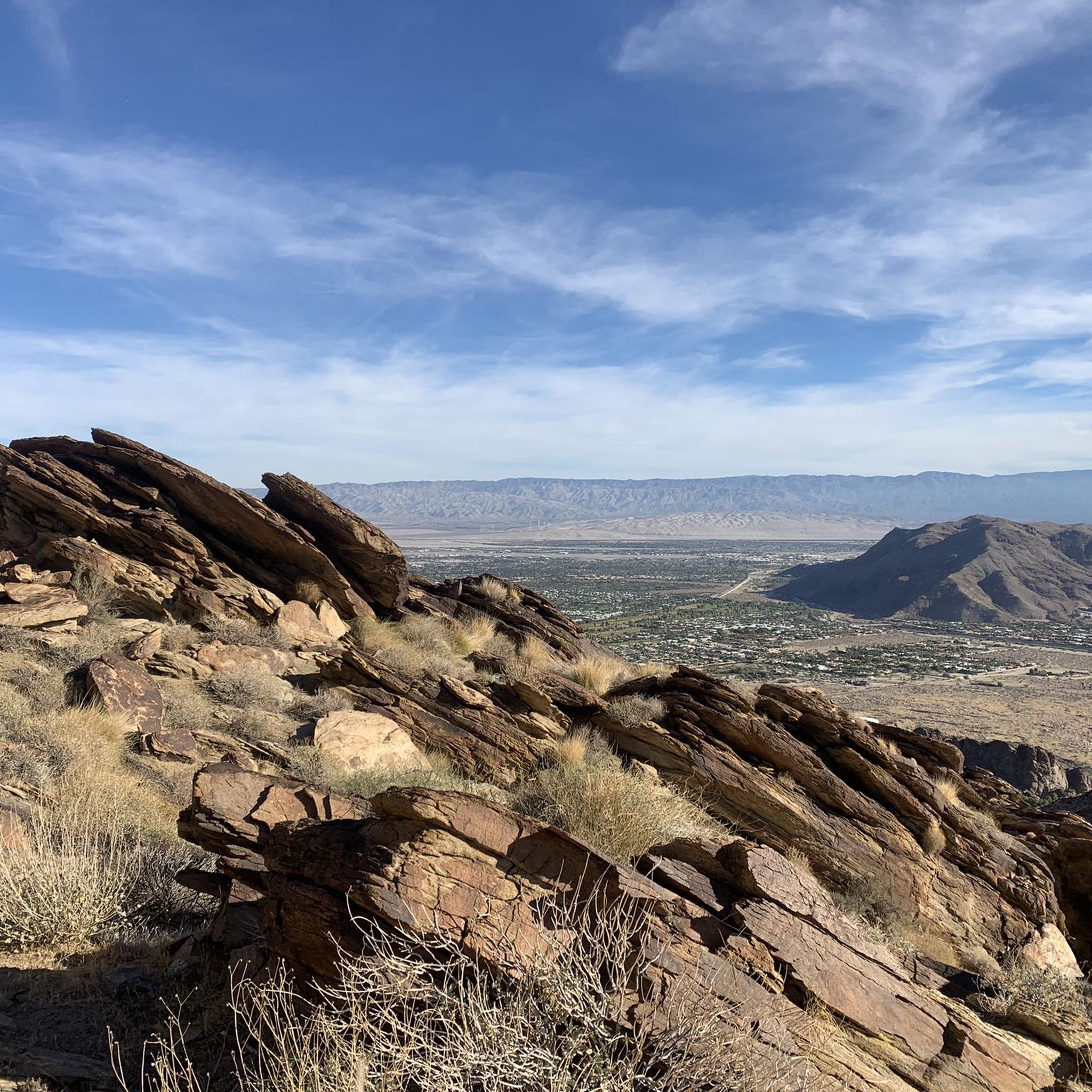
Running Trails in Santa Rosa And San Jacinto National Monument
MTB Trails in Santa Rosa And San Jacinto National Monument
Cycling in Santa Rosa And San Jacinto National Monument
Road Cycling Routes in Santa Rosa And San Jacinto National Monument
Other adventures in Santa Rosa And San Jacinto National Monument


Tips from the Community

The Tahquitz Peak (2696m) is a well-known mountain peak in the San Jacinto Mountains with a historic "observation tower", no, rather a historic wooden tower from 1937, built by the Civilian Conservation Corps with the task that volunteer helpers use it during the summer months to watch out for forest fires. After all, it seems to be the longest continuously operated fire lookout tower in the entire National Forest. The trail - South Ridge Trail - begins at South Ridge Road/Forest Road 5S11 near Idyllwild. The final access is a rather rough gravel road. All-wheel drive and high ground clearance are definitely advantageous there; those who have such a vehicle park where the asphalt road turns into the gravel path, it's just 3 km longer (round trip). The trail itself is - depending on the parking lot - 11 to 14 kilometers long round trip (depending on the parking lot), always easy to walk, becoming significantly steeper in the (pre-)summit area and also more exposed to the sun. Once at the historic fire lookout tower, you have a fantastic 360-degree view of the surrounding mountains and deserts... and many small rocks to rest and look at. It's worth it!
0
0

Beautiful little trail in the desert. Enjoyed the water rushing through the path that the Palm Trees created.
0
0
Since 2020, Palm Canyon Trail—a multi-use trail—has seen a significant increase in users: hikers, equestrian and mountain bikers, including eBikes. Most of the trail crosses BLM and US Forest Service land. The Trail crosses private land as well as land owned by Agua Caliente. The properties the Tribe recently received as ancestral land back donations were offered to the Tribe. As a property owner with the right to regulate access to its land, the Agua Caliente chose to improve a portion of Palm Canyon Trail that is on its land—not federal land. The Tribe conducted trail maintenance work within its own property in the Indian Canyons for emergency access, security and safety for our hikers and other lawful users of the Trail. Why did it do this? Because it values its lands and prioritizes proper management of it. Unfortunately, one entitled business owner, [Dave Wood, owner of Bikes and Brews -tgk] who is unhappy over the fact that mountain biking and e-mountain biking is not allowed in this area is acting out by spreading false information, which is unnecessarily causing confusion in the community. His false narrative insultingly prioritizes his desire to financially profit from trespassing on Tribal lands, over the Tribe’s right to protect its property and its cultural resources. Tribal employees are now receiving “anonymous” threats promising more property destruction if tribal staff attempts to interfere with this illegal activity, which generates profits by organizing trail rides for groups of bikers who (unknowingly) trespass on a trail where that activity is not permitted. The Tribe has never permitted mountain biking on its land. The land acquired as land back donations is now Tribal land and consistent with our policy, mountain biking and eBikes are prohibited. Anyone on a mountain or eBike accessing the land is in trespass of Tribal lands. Trespassing on, and damaging, the property of another is never ok. We ask this business owner to ride his bicycle somewhere else where this activity is permitted.
0
0
The Palm Canyon Epic Trail is now closed to mountain biking. In April and June 2024 several landowners of wilderness areas donated their land to the Agua Caliente Band of Cahuilla Indicans (ACBCI). The donated lands included important parts of the Palm Canyon Epic Trail. As part of ACBCI policy on land use, mountain bike travel is prohibited on these lands. Recently Margaret Park-Robinson, Chief Planning Officer of ACBCI released a statement concerning the closure of the PCE. She can be reached at 760-883-1326 or email: mpark@aguacaliente-nsn.gov I append the full statement to this comment. Tom Kohn ACBCI Statement on the PCE closure Since time immemorial, Agua Caliente and other Cahuilla have lived within the lands of the National Monument, including Palm Canyon. Since time immemorial, the Palm Canyon Trail has been a significant cultural and historical pathway for Cahuilla people. Since 2000, the National Monument was established despite concerns by Agua Caliente. The legislation directs the federal agencies (BLM & USFS) to consult with Agua Caliente. Since 2008, Palm Canyon and the portion of the trail was designated as a federal Wild & Scenic River by the US Forest Service despite concerns by Agua Caliente. continues in a following post...
0
0

Fantastic, but it's good that not too many people know about this place!
1
1

This desert oasis is home to 150 species of plants, all growing within a half-mile radius. The Andreas Canyon Trail goes through this canyon, passing interesting rock formations, and follows the perennial Andreas Creek.
0
0

Tahquitz Falls, nestled in Southern California's San Jacinto Mountains, captivates with its 60-foot cascade, lush surroundings, and a serene ambiance, offering a refreshing oasis and scenic beauty.
0
0
Hidden Lake on San Jacinto is a vernal pool at 8700 feet above sea level. The small lake fills with water in the spring season during rainfall years, and during the summer it dries up. As the pool recedes and the water dries up, very specialized plants are exposed and begin to grow along the edges of the water.
0
0
Frequently Asked Questions
What are the most popular natural monuments in Santa Rosa And San Jacinto National Monument?
Visitors frequently enjoy the dramatic landscapes and unique ecosystems. Among the most popular are Palm Canyon, known for its extensive native California fan palm oases, and San Jacinto Peak, which offers extensive hiking trails and breathtaking panoramic views from its 10,883-foot summit.
What is the best time to visit Santa Rosa And San Jacinto National Monument?
The best time to visit depends on your planned activities. The desert floor areas, including the palm oases, are most pleasant during the cooler months from fall through spring (October to April). For hiking to higher elevations like San Jacinto Peak, late spring to early fall (May to October) is ideal, though conditions can vary and snow may persist at higher altitudes.
What unique natural features can I expect to see?
The monument boasts remarkable natural diversity. You can explore towering peaks like San Jacinto Peak and Tahquitz Peak, unique palm oases such as Palm Canyon and Andreas Canyon, and diverse ecosystems ranging from arid desert to alpine forests. Geological formations, including the steep fault-block escarpment of the San Jacinto Mountains, are also prominent.
Are there family-friendly natural monuments or activities?
Yes, several areas are suitable for families. The Andreas Canyon creek crossing offers an easy walk with a boardwalk, and the palm oases like Andreas Canyon Oasis provide shaded trails. These areas allow for gentle exploration and enjoyment of nature.
Are there any permits or fees required to visit the natural monuments?
Access to certain areas, particularly the Indian Canyons which include Palm Canyon, Andreas Canyon, and Murray Canyon, requires an entry fee. For hiking in the San Jacinto Wilderness, including trails to San Jacinto Peak and Tahquitz Peak, a free wilderness permit is required. These can often be obtained from Ranger Stations in Idyllwild or the Valley Ranger Station on the Palm Springs Aerial Tramway side. It's advisable to check current requirements before your visit.
How can I access the higher elevations like San Jacinto Peak?
You can hike to San Jacinto Peak from either Idyllwild on the west side or Palm Springs on the east. An aerial tramway from Palm Springs provides access into the San Jacinto Wilderness, significantly reducing the ascent. From the tramway station, you can then hike to the summit.
What hiking opportunities are available near these natural monuments?
The region offers a wide range of hiking trails. For easy walks, you can explore routes like The Cross Trail or Art Smith Loop. Moderate options include the Dry Wash Loop Trail. For challenging adventures, consider the San Jacinto Peak and Round Valley Loop or sections of the Pacific Crest Trail. You can find more details on various routes in the Hiking in Santa Rosa And San Jacinto National Monument guide.
Are there options for mountain biking?
Yes, the monument area provides excellent mountain biking opportunities. Popular routes include the Palm Canyon Epic, Cathedral City Loop, and Hopalong Cassidy Loop. These trails offer varying levels of difficulty, from moderate to difficult. For more information, refer to the MTB Trails in Santa Rosa And San Jacinto National Monument guide.
What makes the palm oases in the monument so special?
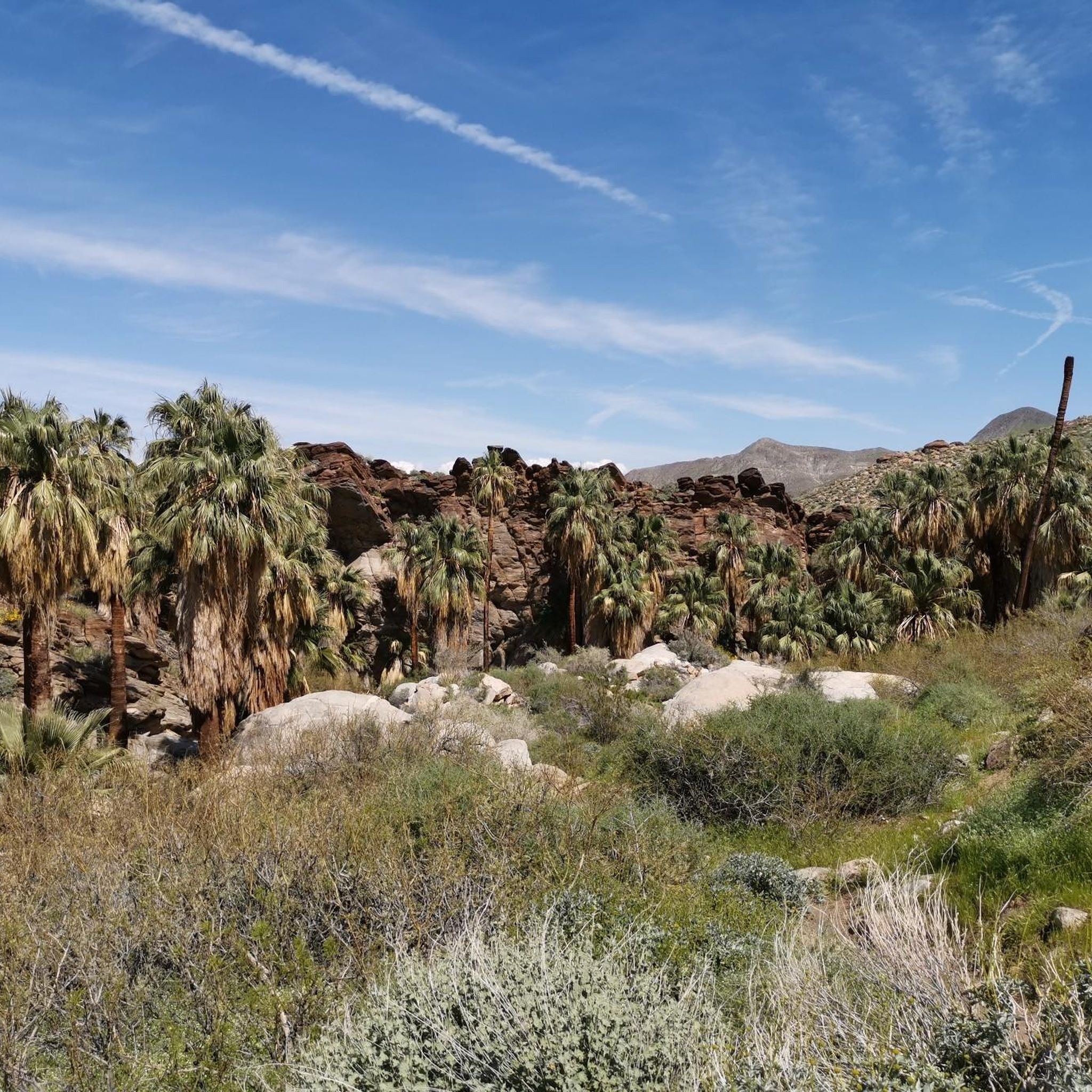
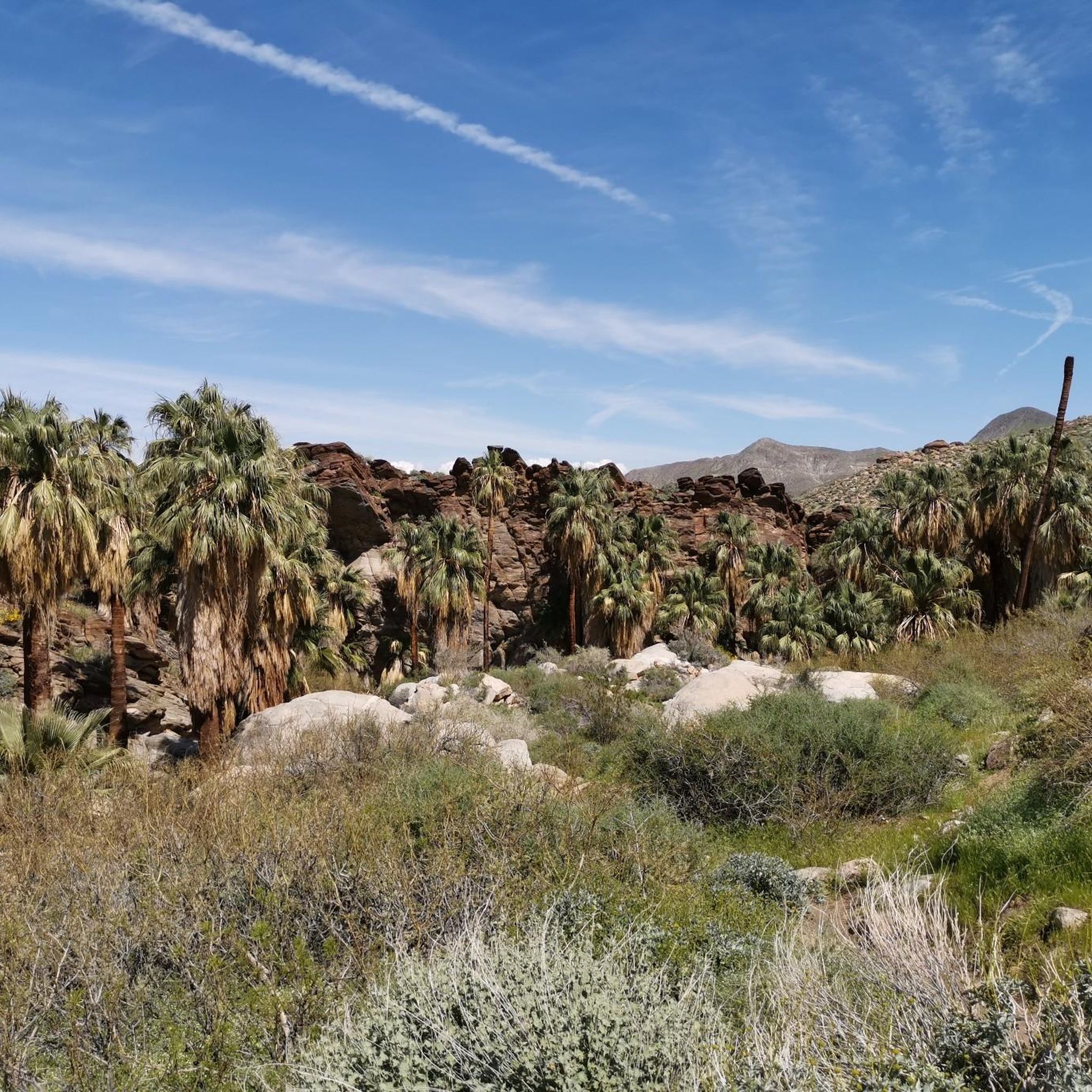
The palm oases, including Palm Canyon, Andreas Canyon, and Murray Canyon, are unique because they host the largest system of native California fan palms (*Washingtonia filifera*) in the United States. These lush green areas stand in stark contrast to the surrounding arid desert, sustained by groundwater forced to the surface by the Palm Canyon Fault, part of the San Andreas Fault System. They provide critical water and habitat for desert wildlife.
Where can I find panoramic views of the region?
For stunning panoramic views, head to San Jacinto Peak, which offers expansive vistas across the Peninsular Ranges and the Coachella Valley. Tahquitz Peak also provides picture-postcard views, including glimpses of the Salton Sea. Many trails within the San Jacinto Wilderness also offer incredible viewpoints.
What cultural significance does the monument hold?
The Santa Rosa and San Jacinto Mountains National Monument holds significant cultural importance, particularly for the Agua Caliente Band of Cahuilla Indians. Many archaeological sites of the Cahuilla Indians are found within the Santa Rosa Mountains, reflecting a deep historical connection to the land. The palm oases, in particular, have been a vital source of sustenance and shelter for generations.
Are there any challenging trails for experienced hikers?
Absolutely. The monument offers several challenging trails, especially those leading to the summits of San Jacinto Peak and Tahquitz Peak. The San Jacinto Wilderness includes sections of the long-distance Pacific Crest Trail, which provides rigorous hiking experiences. Always be prepared for steep ascents, significant elevation changes, and variable weather conditions in these areas.
What kind of wildlife can be found in the monument?
The monument's diverse ecosystems support a variety of wildlife. You might encounter desert bighorn sheep, especially the endangered Peninsular Bighorn Sheep, as well as various species of birds, reptiles, and smaller mammals. The palm oases provide crucial water sources, attracting many animals.
Most popular routes in Santa Rosa And San Jacinto National Monument
Most popular attractions in Santa Rosa And San Jacinto National Monument

Get inspired with the komoot mobile app


Didn’t find what you were looking for?
Find even more amazing natural monuments in Santa Rosa And San Jacinto National Monument by checking out the top Highlights region by region:
Explore more
Extend your search for the best caves by checking out these guides of the top ones in Santa Rosa And San Jacinto National Monument:
