Top 5 Natural Monuments around South Tucson
Best natural monuments around South Tucson showcase the unique Sonoran Desert landscape. The region features prominent natural areas like Saguaro National Park, Tumamoc Hill, and the Santa Catalina Mountains. These sites preserve diverse ecosystems, from desert scrub to mixed conifer forests. Visitors can explore a range of geological formations and unique desert flora.
Best natural monuments around South Tucson
- The most popular natural monuments is Saguaro Cacti, a natural monument that features clusters of saguaros, some living over 200…
Last updated: July 8, 2026
Saguaro Cacti
Highlight • Natural Monument
Tip by

Sentinel Peak
Highlight • Summit
Tip by

Sign up now to discover places like this
Get recommendations on the best single tracks, peaks, & plenty of other exciting outdoor places.
Sign up for free
Tumamoc Hill Trail
Highlight (Segment) • Trail
Tip by

Sentinel Peak Park
Highlight • Summit
Tip by

Reid Park Rose Garden
Highlight • Natural Monument
Tip by
Start today with a free account
Your next adventure awaits.
Login or Signup
Tips from the Community

Circular trails around this large rose breeding and display gardens
0
0

Sentinel Peak Park, also known as “A” Mountain, is a great spot for a hill workout in Tucson. The paved road climbs steadily to the top, giving you wide desert views and a solid leg burn. It’s short but steep—perfect if you want to squeeze in some elevation on your run.
0
0

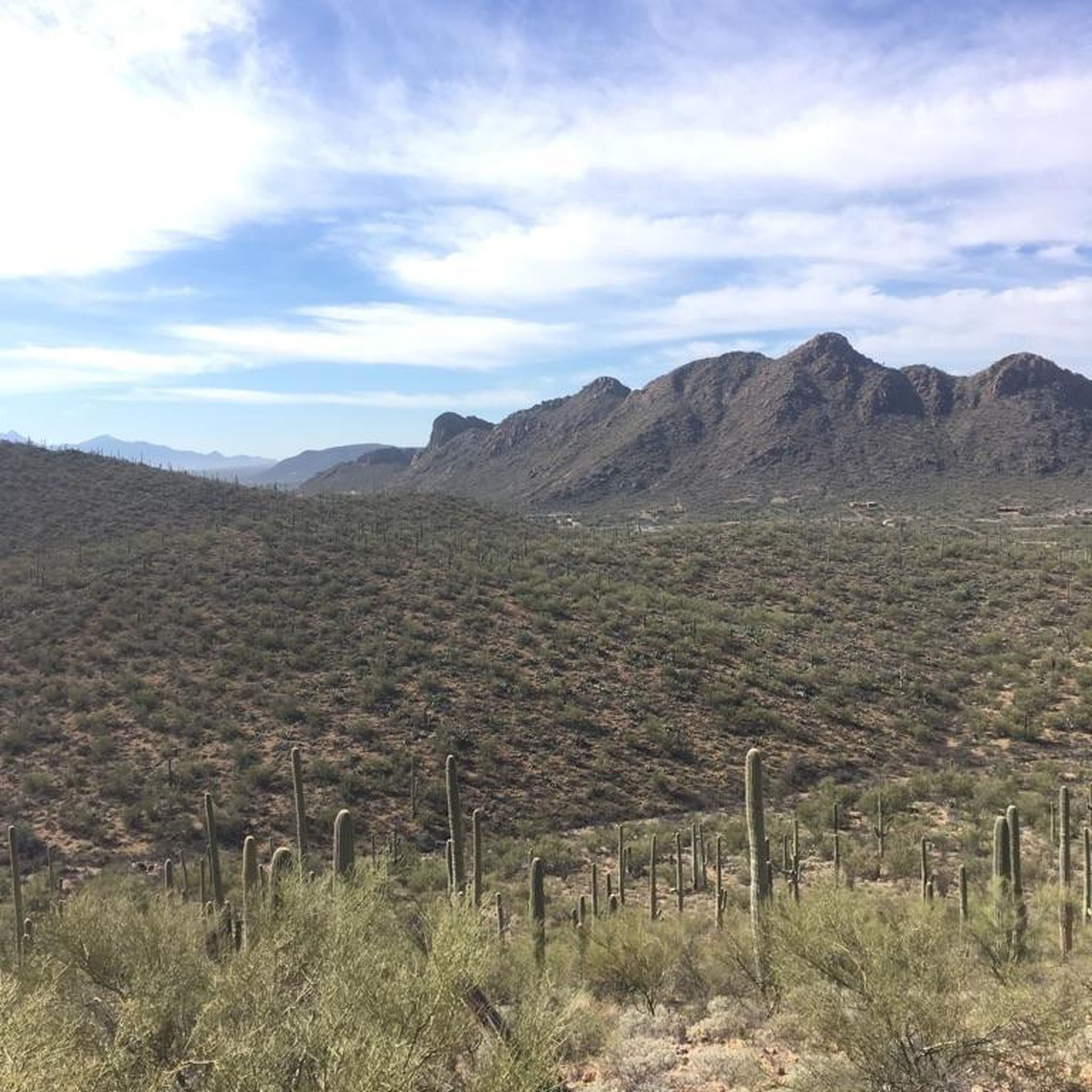
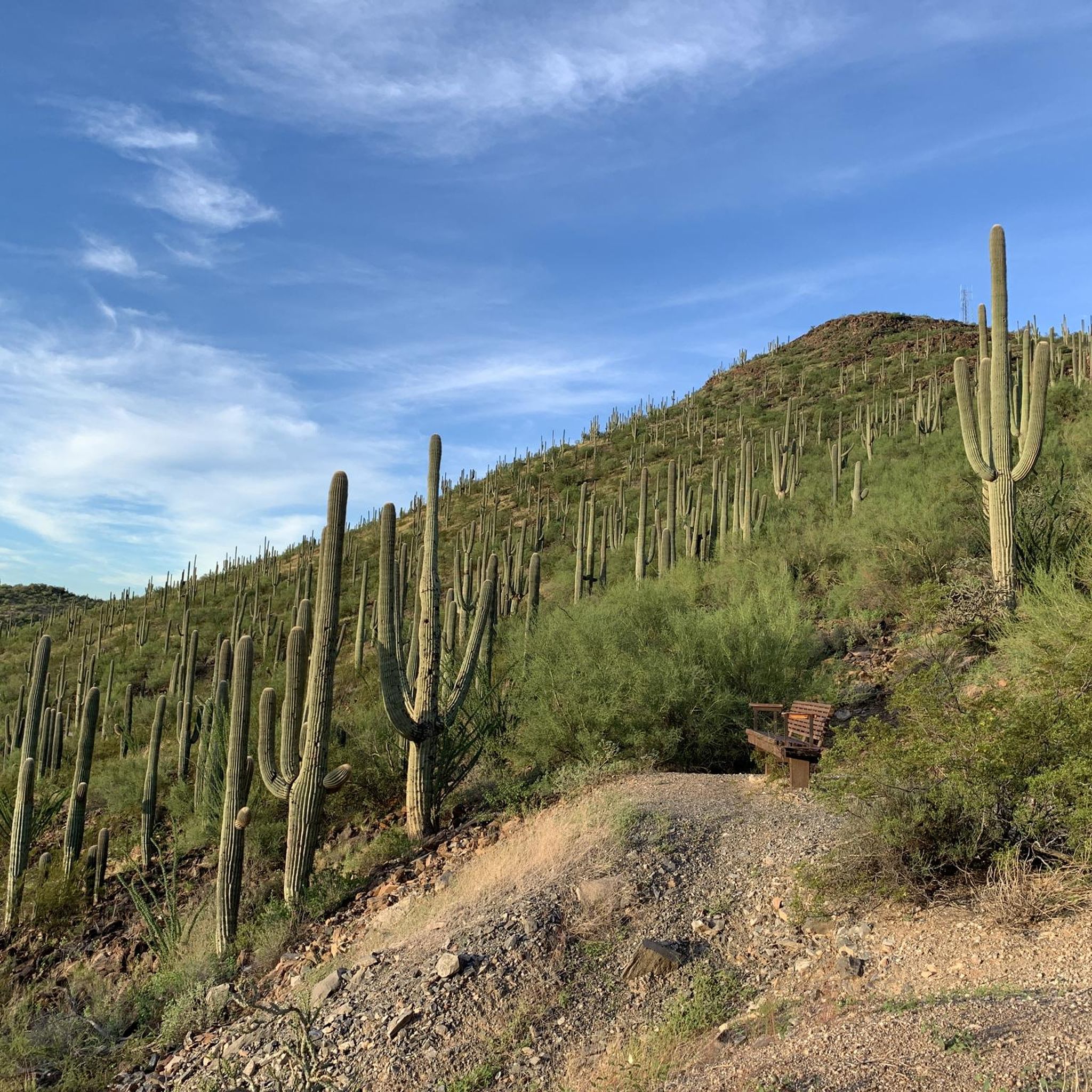
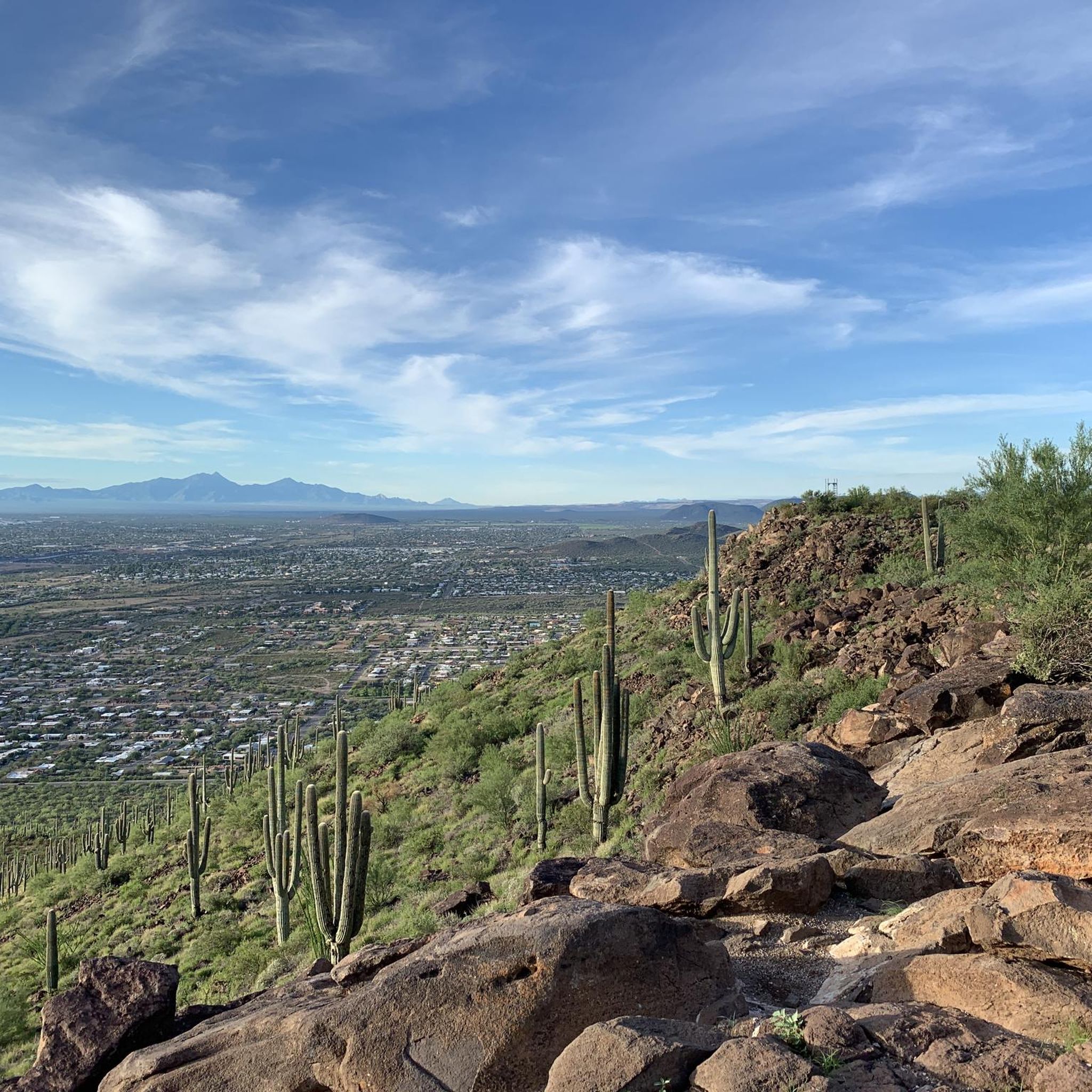
Hike by clusters of saguaros, keeping in mind some can live to be over 200 years old. Saguaros here are a protected, native plant.
1
0

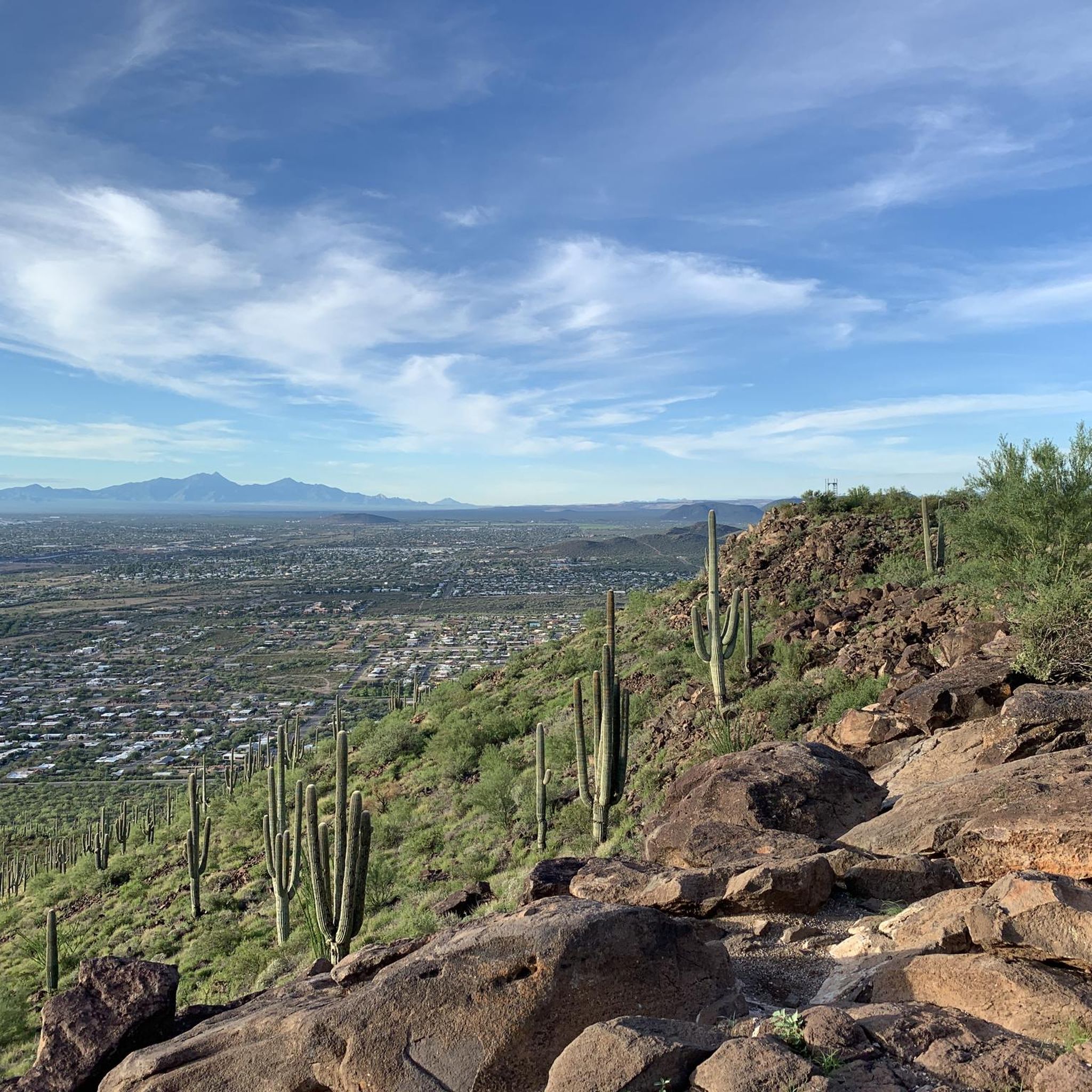
The trail up the hill is paved and has sweeping views of Tucson all around. You get to see a spectacular array of saguaro cacti on the way up. The trail tends to get pretty popular later in the day and on weekends, but earlier in the day you may have more of the hill to yourself.
0
0

Sentinel Peak is an easy access summit that is great for watching the sunset over Tucson. It is also known as "A" Mountain because of the giant A on it's east side.
0
0
Nice public space to stop by as you stroll through the park. There are over 100 species of roses here!
0
0

Frequently Asked Questions
What are the most prominent natural monuments to explore around South Tucson?
The South Tucson area is rich in natural monuments, primarily showcasing the unique Sonoran Desert. Key locations include Saguaro Cacti within Saguaro National Park, the historically significant Tumamoc Hill, and the diverse Santa Catalina Mountains, which include areas like Sabino Canyon.
Are there family-friendly natural monuments near South Tucson?
Yes, several natural monuments are suitable for families. Sentinel Peak, also known as "A" Mountain, offers easy access and panoramic views of Tucson, making it a popular spot for all ages. The Reid Park Rose Garden is another family-friendly option, providing a pleasant public space with over 100 species of roses.
What kind of unique natural features can I expect to see in the region?
The region is defined by the Sonoran Desert, home to the iconic saguaro cactus, which can live for over 200 years and grow up to 50 feet tall. You'll also find volcanic buttes like Tumamoc Hill and Sentinel Peak, and the dramatic elevation changes of the Santa Catalina Mountains, which transition from desert scrub to mixed conifer forests with deep canyons and riparian habitats.
What is the best time of year to visit the natural monuments around South Tucson?
The cooler months, typically from late fall through spring (October to April), are generally the most comfortable for exploring the natural monuments. During this time, temperatures are milder, making hiking and outdoor activities more enjoyable. Summer can be extremely hot, though higher elevations in the Santa Catalina Mountains offer a cooler escape.
What outdoor activities can I do near these natural monuments?
The area offers a wide range of outdoor activities. You can enjoy hiking, bicycling, and horseback riding within Saguaro National Park. The Santa Catalina Mountains provide extensive opportunities for hiking, biking, rock climbing, and camping, with Mount Lemmon even offering skiing in winter. For more specific routes, you can explore guides like Cycling around South Tucson, MTB Trails around South Tucson, and Easy hikes around South Tucson.
Are there any natural monuments with significant historical or cultural importance?
Yes, Tumamoc Hill is a U.S. National Historic Landmark and an active ecological reserve. It boasts a history of human activity dating back 4,100 years, including early maize cultivation, making it one of the longest continuously inhabited sites in the United States. The Hohokam people also left behind petroglyphs and pottery fragments there.
Can I find easy hiking trails at these natural monuments?
Absolutely. The Tumamoc Hill Trail is a popular paved trail offering a 3-mile round trip with sweeping views, suitable for an easy to moderate walk. Sentinel Peak also offers an easy-access summit. For more options, check out the Easy hikes around South Tucson guide.
What kind of wildlife can be observed in the natural monuments?
The Sonoran Desert ecosystems support diverse wildlife. In Saguaro National Park, you might spot various bird species, snakes, deer, and owls. Higher elevations in the Rincon Mountains (part of Saguaro NP) can even host bears. Sabino Canyon, within the Santa Catalina Mountains, is known for its riparian habitats and abundant wildlife, making it a prime location for birdwatching.
Are there any natural monuments that offer panoramic viewpoints?
Many natural monuments in the area provide stunning views. Sentinel Peak (A Mountain) is renowned for its panoramic vistas of Tucson, especially at sunset. The Tumamoc Hill Trail also offers sweeping views of the surrounding desert landscape and the city as you ascend.
What are the two districts of Saguaro National Park and how do they differ?
Saguaro National Park is divided into two districts: the Tucson Mountain District (TMD) to the west and the Rincon Mountain District (RMD) to the east. Both are about 10 miles from central Tucson. The TMD is generally lower in elevation and features a denser saguaro forest. The RMD, at higher elevations, includes forests with oaks, pine trees, and other conifers, and offers the 8.3-mile Cactus Forest Loop Drive.
Can I access the Santa Catalina Mountains by car?
Yes, the Santa Catalina Mountains are accessible via the scenic Catalina Highway. This road allows visitors to explore the full range of ecosystems, from the saguaro-dotted desertscrub at lower elevations to mixed conifer forests and ponderosa pines at higher altitudes, reaching Mount Lemmon.
What do visitors enjoy most about the natural monuments around South Tucson?
Visitors frequently appreciate the unique beauty of the Sonoran Desert, especially the spectacular array of saguaro cacti. The panoramic views from spots like Sentinel Peak and Tumamoc Hill Trail are highly praised, particularly at sunset. The opportunity to hike among ancient saguaros and experience the diverse desert-to-forest ecosystems is also a major draw.
Most popular attractions around South Tucson

Get inspired with the komoot mobile app


Explore more
Extend your search for the best caves by checking out these guides of the top ones around South Tucson:
