Top 5 Natural Monuments around Montezuma
Natural monuments around Montezuma, Costa Rica, are characterized by diverse ecosystems, including rainforests, beaches, and coastal areas. The region is known for its waterfalls, protected reserves, and varied wildlife. These natural features offer opportunities for exploration and observing local flora and fauna.
Best natural monuments around Montezuma
- The most popular natural monuments is Grays Peak, a summit that is one of Colorado's 14ers. It is considered one of the easier 14ers to summit and is located directly on the…
Last updated: July 9, 2026
Grays Peak
Highlight • Summit
Tip by

Torreys Peak
Highlight • Summit
Tip by
Sign up now to discover places like this
Get recommendations on the best single tracks, peaks, & plenty of other exciting outdoor places.
Sign up for free
Grizzly Peak
Highlight • Summit
Tip by

Mount Edwards
Highlight • Summit
Tip by
Cupid Peak
Highlight • Summit
Tip by
Sign up for free to discover even more natural monuments around Montezuma.
Sign up for free
Already have an account?
Start today with a free account
Your next adventure awaits.
Login or Signup
Tips from the Community

Cupid Peak is a 13,126-foot peak in Arapaho National Forest. The summit requires some class 2 moves and can be a fun scrambling experience for novices. The peak is often tagged alongside Grizzly Peak and Mount Sniktau, which are two notable 13ers on the same ridge.
0
0
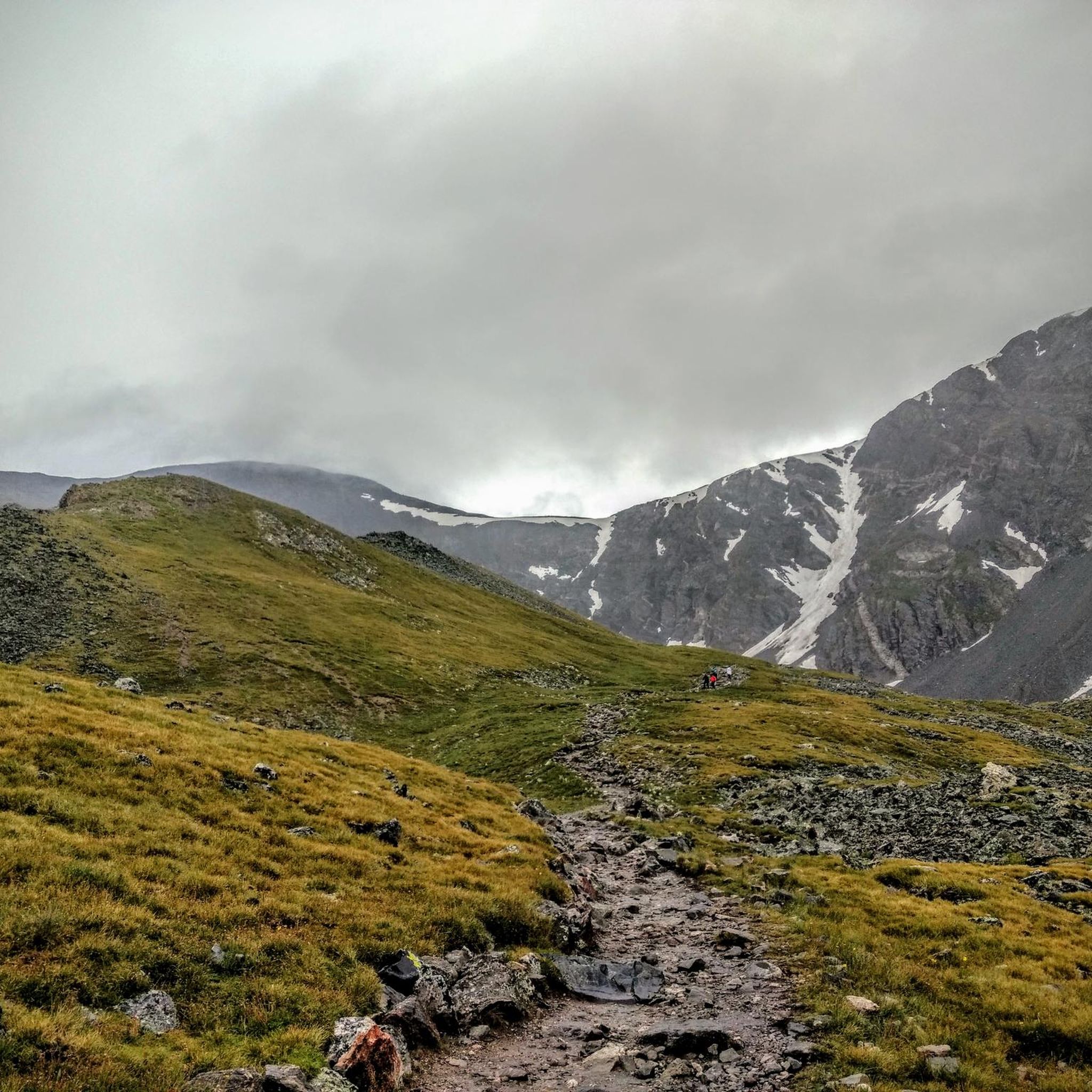
At 13,433 feet, Grizzly Peak offers an alpine experience without the crowds of a 14er. The mountain rests on a ridge of 13,000 foot peaks just north of the 14ers Grays and Torreys Peaks. When you get to the top, you can see deep into Arapaho National Forest over an alpine lake down in the basin below.
1
0
Mount Edwards is a 13,856-foot tall peak in Arapaho National Forest. This class 2 summit does not see nearly as many people reaching its peak as the 14er Grays Peak, which shares a long ridge with Mount Edwards. Route finding is straight forward once you are on the ridge, and the views are just as great as the higher summits.
0
0
Mount Edwards is a 13,856-foot tall peak in Arapaho National Forest. This class 2 summit does not see nearly as many people reaching its peak as the 14er Grays Peak, which shares a long ridge with Mount Edwards. Route finding is straight forward once you are on the ridge, and the views are just as great as the higher summits.
0
0
At 13,433 feet, Grizzly Peak offers an alpine experience without the crowds of a 14er. The mountain rests on a ridge of 13,000 foot peaks just north of the 14ers Grays and Torreys Peaks. When you get to the top, you can see deep into Arapaho National Forest over an alpine lake down in the basin below.
2
0
Cupid Peak is a 13,126-foot peak in Arapaho National Forest. The summit requires some class 2 moves and can be a fun scrambling experience for novices. The peak is often tagged alongside Grizzly Peak and Mount Sniktau, which are two notable 13ers on the same ridge.
0
0

Torreys Peak is just around the corner from Grays Peak – so you can summit two of the 58 peaks that exceed 14,000 feet in one hike. The view from the summit is exceptionally beautiful. Keep an eye on the weather, though. Thunderstorms are likely to occur in the afternoon during the summer months.
4
0
Grays Peak is one of Colorado's famous 14ers and one of the easier ones to summit. If you hike along the iconic Continental Divide Trail (stretching from Mexico to Canada), this mountain is directly on your route. As with all mountains in this area: Keep an eye on the weather. Thunderstorms in the afternoon are very likely during the summer months, so start your hike early. And since you are already here: With Torreys Peak, there is another 14er just around the corner.
4
0
Frequently Asked Questions
What are the most popular natural monuments to visit around Montezuma?
Montezuma, Costa Rica, is renowned for its natural beauty. Among the most popular natural monuments are the captivating Montezuma Waterfalls, the pristine Cabo Blanco Absolute Natural Reserve, and the unique El Chorro Waterfall, which cascades directly into the ocean.
Are there family-friendly natural monuments in Montezuma?
Yes, the Montezuma Waterfalls are a great option for families. The hike to the falls is relatively accessible, taking about 20 minutes, and the pools at the base are perfect for swimming. Additionally, the Curu Wildlife Refuge, though a short drive away, offers accessible trails and abundant wildlife viewing opportunities suitable for all ages.
What kind of wildlife can I expect to see at these natural monuments?
The natural monuments around Montezuma are rich in biodiversity. At Cabo Blanco Absolute Natural Reserve and Curu Wildlife Refuge, you might spot white-faced monkeys, spider monkeys, scarlet macaws, white-tailed deer, coatis, and various bird species. The lush rainforests surrounding the Montezuma Waterfalls also host diverse flora and fauna.
What are the best natural monuments for hiking enthusiasts?
For hikers, the Cabo Blanco Absolute Natural Reserve offers the challenging Sueco Trail, a 10 km round trip leading to the secluded Playa Cabo Blanco. The hike to El Chorro Waterfall is also a rewarding two-hour trek through jungles and along beaches.
Is there a natural monument where a waterfall meets the ocean?
Yes, El Chorro Waterfall is a rare natural phenomenon where freshwater cascades directly into the Pacific Ocean. Reaching it involves an approximately two-hour hike from Montezuma, traversing jungles and secluded beaches to arrive at Playa Cocalito.
What is the best time to visit the natural monuments in Montezuma?
While specific best times for each monument vary, generally, the dry season (December to April) offers more predictable weather for hiking and exploring. However, the wet season brings lush greenery and fuller waterfalls. Always check local conditions before your visit.
Are there any natural monuments suitable for beginner hikers?
The hike to the Montezuma Waterfalls is considered relatively easy and takes about 20 minutes from the parking area, making it suitable for beginners. Additionally, the trails within the Curu Wildlife Refuge are generally accessible and well-maintained.
What unique geological features can be found in Montezuma's natural monuments?
Montezuma's natural monuments feature diverse geological formations. The Montezuma Waterfalls showcase impressive cascades and rock pools. Along the coastal path to Playa Grande, you'll discover beautiful rock formations and unique shells, while El Chorro Waterfall offers the rare sight of a waterfall meeting the ocean.
What outdoor activities can I do near these natural monuments?
Beyond exploring the monuments themselves, you can enjoy various outdoor activities. For cycling, consider routes like the 'River Run via Highway 6' or 'Montezuma Road' as part of Cycling around Montezuma. For easy hikes, options like the 'Chihuahua Lake Trail' are available, as detailed in Easy hikes around Montezuma.
How long should I allocate to visit the natural monuments?
Visiting the Montezuma Waterfalls typically takes a few hours, including the hike and time for swimming. For Cabo Blanco Absolute Natural Reserve, especially if tackling the Sueco Trail, a full day is recommended. El Chorro Waterfall requires a two-hour hike each way, so plan for at least half a day. Playa Grande can be enjoyed for a leisurely walk or a few hours of relaxation.
Are there any protected areas or reserves among Montezuma's natural monuments?
Yes, the Cabo Blanco Absolute Natural Reserve is Costa Rica's first protected area, safeguarding diverse ecosystems. Additionally, the Curu Wildlife Refuge, a short drive from Montezuma, is a significant private nature reserve known for its abundant wildlife and stunning coastal landscapes.
What makes Playa Grande a notable natural monument?
Playa Grande is a stunning, nearly one-kilometer-long beach accessible by a scenic hike from Montezuma Beach. It's notable for its firm, thin gray sand, making it ideal for leisurely walks and beginner surfing. The coastal path to Playa Grande also features beautiful rock formations and shells, enhancing its natural allure.
Most popular attractions around Montezuma

Get inspired with the komoot mobile app


Explore more
Extend your search for the best caves by checking out these guides of the top ones around Montezuma:
