Top 5 Natural Monuments around Kaiminani
Best natural monuments around Kaiminani are found in a diverse landscape just north of Kailua-Kona on the island of Hawaii. This area features unique geological and ecological characteristics, including pristine coastal and forest environments. Visitors can explore a range of natural attractions, from white sandy beaches to volcanic formations. The region offers opportunities for hiking, wildlife viewing, and experiencing distinct Hawaiian ecosystems.
Best natural monuments around Kaiminani
- The most popular natural monuments is Wainanaliʻi Pond Natural Rock Arch, a…
Last updated: April 27, 2026
Ka‘elehuluhulu Beach
Highlight • Beach
Tip by

Lava Tube
Highlight • Cave
Tip by

Sign up now to discover places like this
Get recommendations on the best single tracks, peaks, & plenty of other exciting outdoor places.
Sign up for free
Makalawena Beach
Highlight • Beach
Tip by

Wainanaliʻi Pond Natural Rock Arch
Highlight • Natural Monument
Tip by
Kīholo Overlook
Highlight • Viewpoint
Tip by
Sign up for free to discover even more natural monuments around Kaiminani.
Sign up for free
Already have an account?
Start today with a free account
Your next adventure awaits.
Login or Signup
Tips from the Community


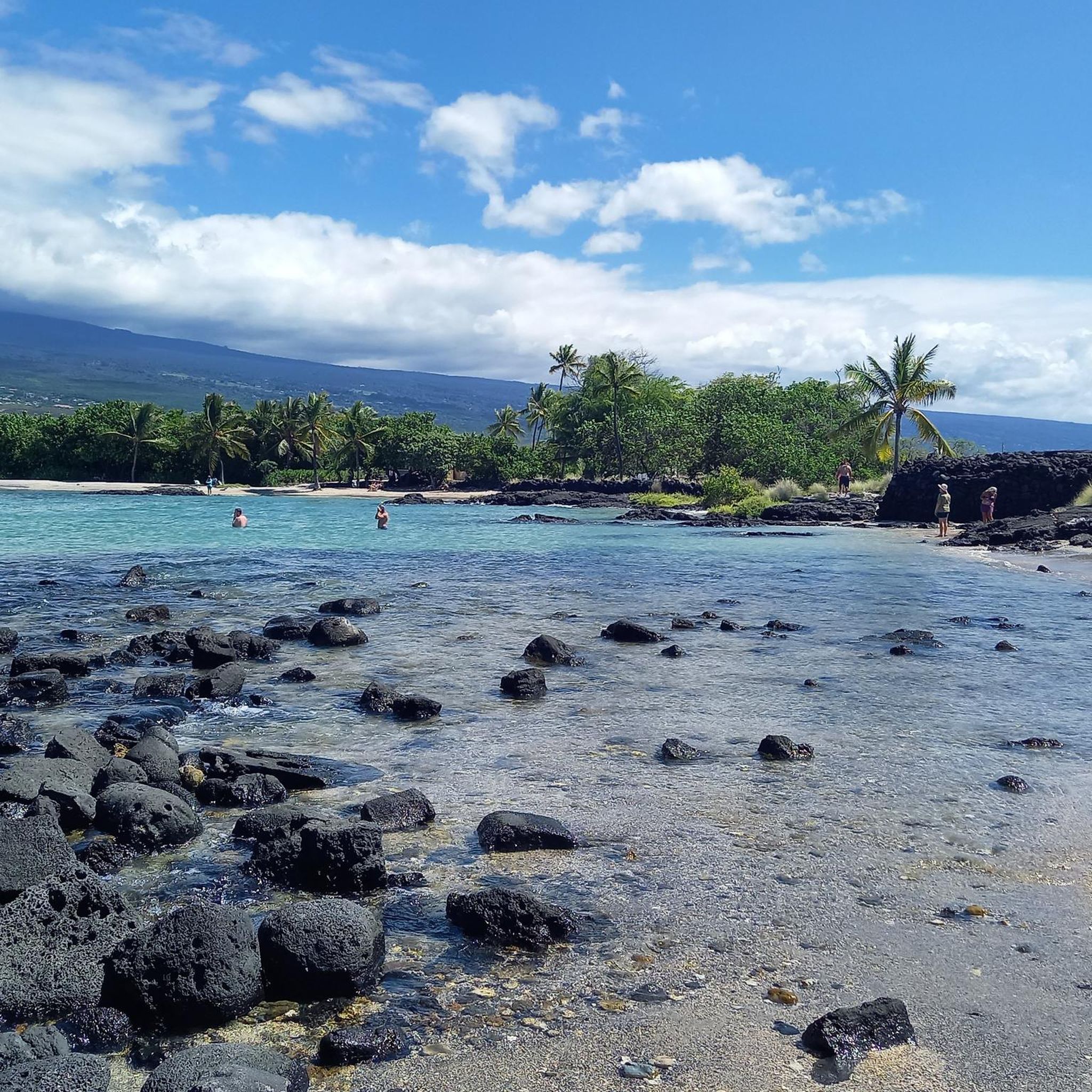
Ka'elehuluhulu Beach is part of the Kekaha Kai State Park and the easiest of the beaches in the state park to reach due to some of the roads. Here you can find restrooms, BBQ grills, picnic tables, and plenty of shade. The waters surrounding the beach are part of the Hawaiian Islands Humpback Whale National Marine Sanctuary!
0
0

Ka‘elehuluhulu Beach is one of three beaches in Kekaha Kai State Park and can actually be reached by car as there is a parking lot right next to the beach. But please be aware, that the dirt road from the Highway should only be used if your car has 4WD. As the ground here is covered in reefs, it's not the best beach for swimming and snorkeling, but a great spot to have a picnic and enjoy the atmosphere.
0
0

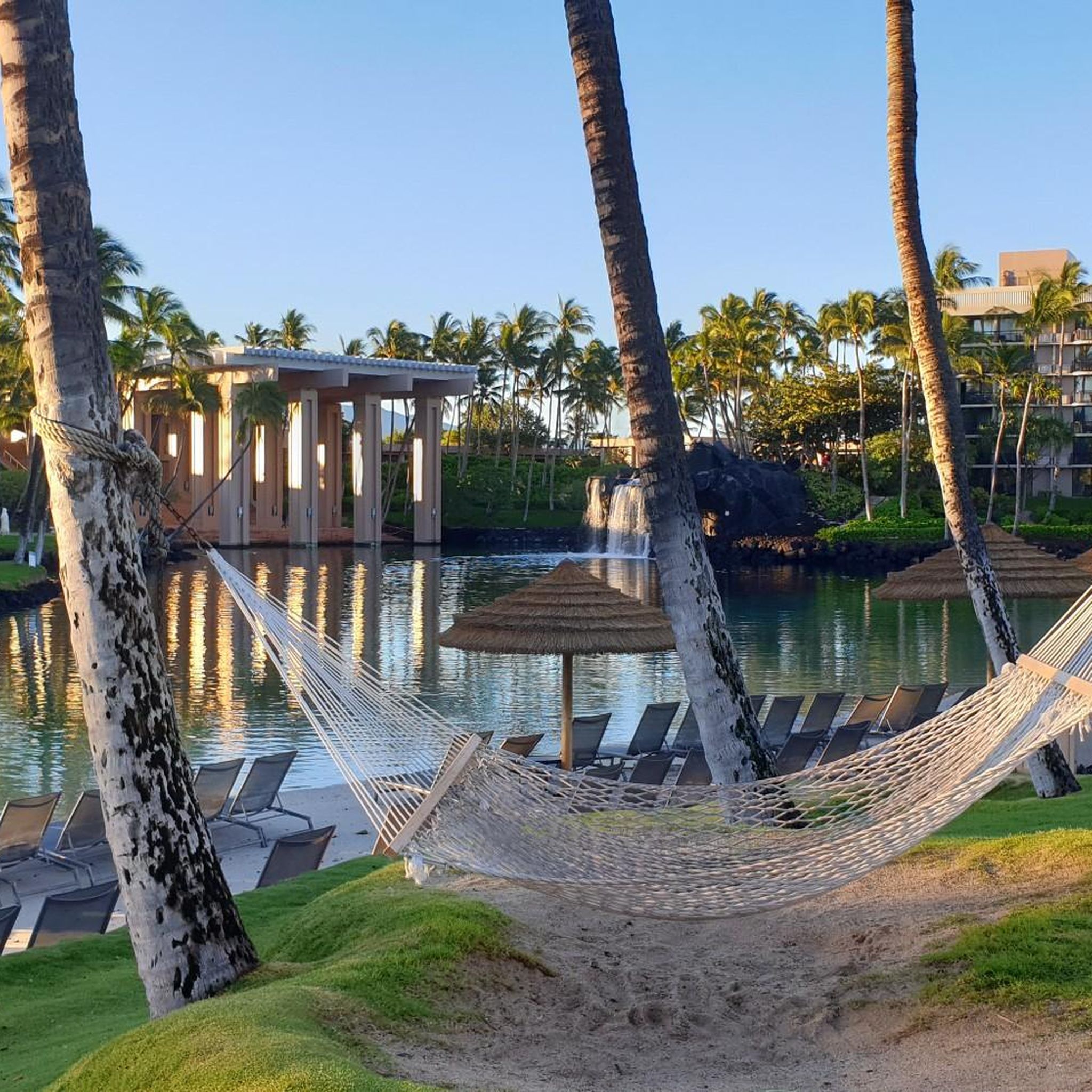
Kīholo Bay and State Park Reserve is a protected group of turquoise-colored tidepools inside a calm bay. This overlook gives cyclests a good chance to look down into the area without having to brave the road there that is a rough ride. Kīholo Bay a great place to go with fewer crowds compared to other beaches in the area, and recent conservation action has improved this area. Letting people drive on the beach stopped, which helped the ecosystem a lot.
3
0
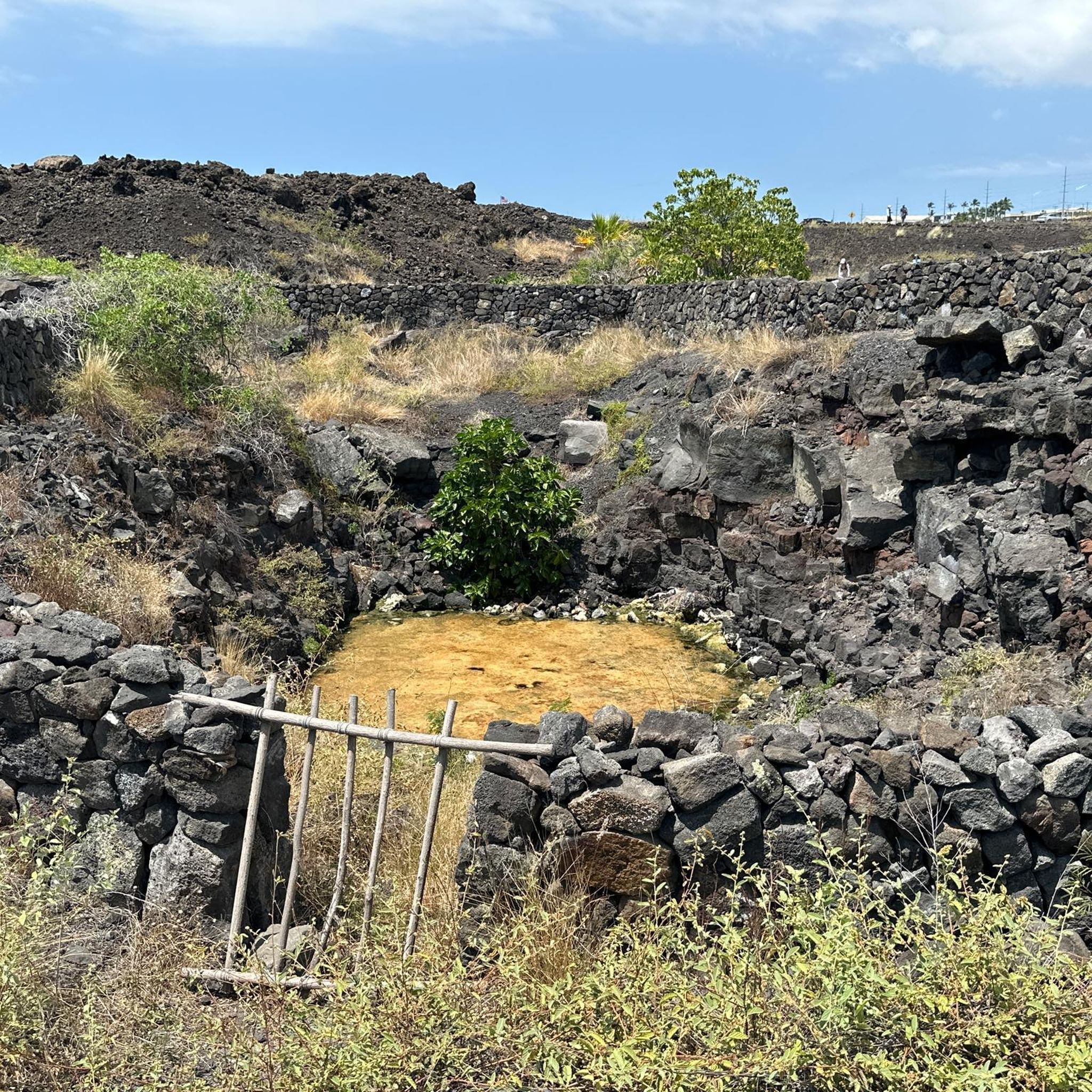
This lava tube is just inland from the black sand beaches typical of this area on the west coast of the big island. Lava tubes are created by the volcanic process and can be made two ways. One way is when the surface of lava cools faster, and the other way is sequential lava flows, with newer flows going underneath the older flows and creating cavities by inflation.
3
0
Frequently Asked Questions
What unique natural features can I explore around Kaiminani?
The Kaiminani area offers a diverse range of natural features. You can discover unique geological formations like the Wainanaliʻi Pond Natural Rock Arch, where dark lava stones meet bright blue water, often frequented by sea turtles. There's also a fascinating Lava Tube, showcasing the volcanic processes that shaped the island. The region also boasts pristine white sandy beaches, anchialine ponds, and lush cloud forests.
Are there good hiking opportunities near Kaiminani's natural monuments?
Yes, there are several excellent hiking opportunities. The Makāula ʻOʻoma Trail within the Honuaʻula Forest Reserve offers a refreshing escape into a lush cloud forest, perfect for birdwatching. Within Kekaha Kai State Park, you can hike a 4.5-mile section of the historic Ala Kahakai coastal trail or ascend Puʻu Kuʻili for panoramic views. For easy hikes, consider routes like the Ka‘elehuluhulu Beach & Mahai‘ula Beach trail.
Which natural monuments are best for swimming and snorkeling?
For excellent swimming and snorkeling, head to Makalawena Beach. It features immaculate white sand and crystal-clear waters, ideal for observing colorful fish and potentially sea turtles. While Ka‘elehuluhulu Beach is beautiful, its reefs make it less ideal for swimming, but it's great for tide pooling.
Are there any family-friendly natural monuments around Kaiminani?
Many natural monuments in the area are family-friendly. Ka‘elehuluhulu Beach is a great spot for picnics and exploring tide pools, where Hawaiian monk seals are occasionally sighted. The easy hikes within Kekaha Kai State Park, such as those leading to Mahai‘ula Beach, are also suitable for families. Always check specific trail conditions for younger children.
What should I know about accessing these natural monuments, especially regarding parking and road conditions?
Access varies by location. For Ka‘elehuluhulu Beach, there's a parking lot right next to the beach, but the dirt road from the highway is best navigated with a 4WD vehicle. For Makalawena Beach, expect a 1-mile walk across a lava field from the parking lot, so proper shoes are recommended over flip-flops. Always bring water and a trash bag, as some remote beaches are not serviced.
Can I see wildlife at the natural monuments near Kaiminani?
Yes, wildlife viewing is a highlight. At Wainanaliʻi Pond Natural Rock Arch, sea turtles are often observed. Ka‘elehuluhulu Beach is a known location for Hawaiian monk seal sightings. Kekaha Kai State Park also encompasses the ʻŌpaeʻula Pond, a critical nesting ground for native Hawaiian birds like the āeʻo (Hawaiian stilt) and ʻalae keʻokeʻo (Hawaiian coot). The Makāula ʻOʻoma Trail is excellent for birdwatching in a cloud forest environment.
What are the best times to visit the natural monuments around Kaiminani?
The Big Island generally has pleasant weather year-round. The higher elevation Makāula ʻOʻoma Trail offers cooler and wetter conditions compared to the warmer Kona coast, making it a refreshing escape. For coastal areas and beaches, mornings are often calmer and less crowded, and the midday sun can be intense, especially during walks across lava fields to places like Makalawena Beach. Always bring plenty of water and sun protection.
Are there any cultural or historical sites integrated with the natural monuments?
Yes, the region beautifully blends natural beauty with historical significance. Puʻuhonua o Hōnaunau National Historical Park, while primarily historical, is set on a pristine black lava rock shoreline with ancient lava flows and tree molds. Within Kekaha Kai State Park, you can hike a section of the historic Ala Kahakai coastal trail, offering a glimpse into ancient Hawaiian pathways and their connection to the natural landscape.
What other outdoor activities can I do near Kaiminani's natural monuments?
Beyond hiking, the Kaiminani area offers various outdoor activities. You can find several road cycling routes, ranging from easy to difficult, such as the 'Kumukea Beach to Kaauau Point' or the 'Luhia to Kaloko Drive'. For running enthusiasts, there are running trails like the 'Makāula ʻOʻoma Trail loop' or coastal runs around Kailua Bay.
What should I bring for a visit to these natural monuments?
When visiting, it's essential to be prepared. Bring plenty of water, especially for walks across lava fields or during midday. Proper footwear is crucial for trails and rocky areas; flip-flops are not recommended for places like the walk to Makalawena Beach. Sunscreen, a hat, and sunglasses are advisable for sun protection. If visiting remote beaches, bring a trash bag to pack out everything you pack in, as services may be limited.
Where can I find scenic viewpoints of the natural landscape?
For breathtaking views, consider the Kīholo Overlook, which provides a vantage point over Kīholo Bay and its protected turquoise tidepools. Within Kekaha Kai State Park, ascending Puʻu Kuʻili, a 342-foot-high cinder cone, offers panoramic views of the coastline. The coastal trails themselves provide continuous scenic vistas of the Pacific Ocean and volcanic landscapes.
Are there any natural monuments that are less crowded or considered 'hidden gems'?
While popular spots can attract visitors, areas like Makalawena Beach, despite the walk to get there, are often described as offering more peace and quiet due to their slightly more challenging access. Kīholo Bay, viewed from the Kīholo Overlook, is also known for having fewer crowds compared to other beaches in the area, especially after recent conservation efforts.
Most popular attractions around Kaiminani

Get inspired with the komoot mobile app


Explore more
Extend your search for the best caves by checking out these guides of the top ones around Kaiminani:
