Top 20 Natural Monuments around Mauna Loa Estates
Best natural monuments around Mauna Loa Estates are situated on the Big Island of Hawaii, offering access to features associated with the Mauna Loa and Kīlauea volcanoes. Many of these natural wonders are located within Hawaiʻi Volcanoes National Park. The area presents dynamic volcanic landscapes, lush rainforests, and distinct geological formations. This region provides opportunities to observe active volcanic processes and diverse ecosystems.
Best natural monuments around Mauna Loa Estates
- The most popular natural monuments is Kīlauea Iki Crater Trail…
Last updated: June 25, 2026
Kīlauea Iki Crater Trail
Highlight (Segment) • Trail
Translated by Google •
Tip by

Kīlauea Iki West Overlook
Highlight • Viewpoint
Tip by

Sign up now to discover places like this
Get recommendations on the best single tracks, peaks, & plenty of other exciting outdoor places.
Sign up for free
Kīlauea Iki East Overlook
Highlight • Viewpoint
Translated by Google •
Tip by

Nāhuku (Thurston Lava Tube)
Highlight (Segment) • Cave
Translated by Google •
Tip by

Devastation Trail
Highlight (Segment) • Trail
Tip by
Sign up for free to discover even more natural monuments around Mauna Loa Estates.
Sign up for free
Already have an account?
Start today with a free account
Your next adventure awaits.
Login or Signup
Tips from the Community

impressive 500-meter-long tunnel in the lava flow
2
0

Never seen anything like this before
0
1
World class, like a moonwalk
2
0

This 500-year-old lava tube was created by a river of lava. Nowadays the lava tube is lit for visitors from 8am-8pm, and the National Park Service urges you to be avoid touching the tube's walls and any hanging roots, as they support entire ecosystems of very delicate organisms. Parking around the lava tube is extremely scarce, but you can hike here along the Crater Rim Trail, which offers many more parking opportunities.
1
0

Iki Trail is a must in Volcano National Park
0
1
You have to do it once. Great landscape
3
0

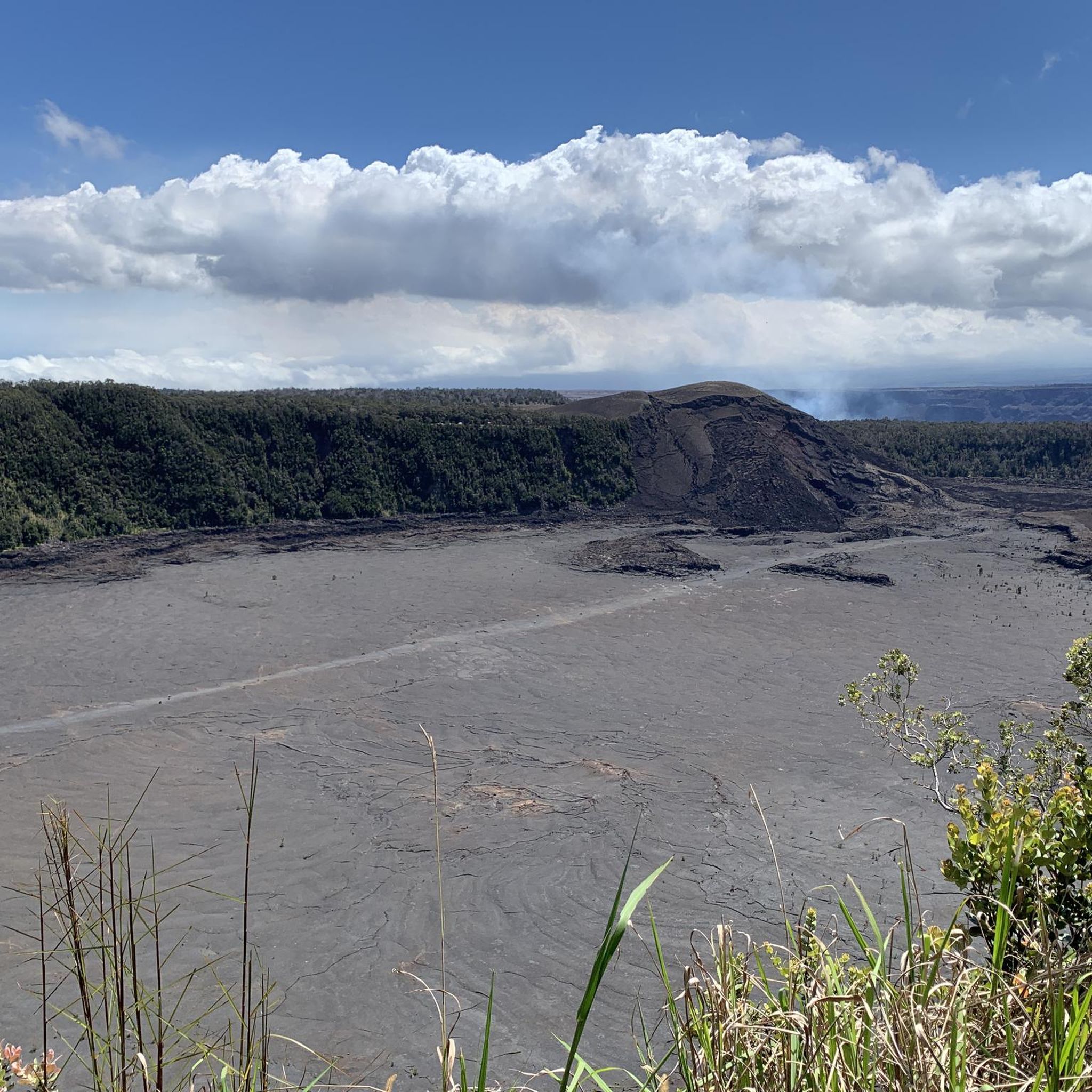
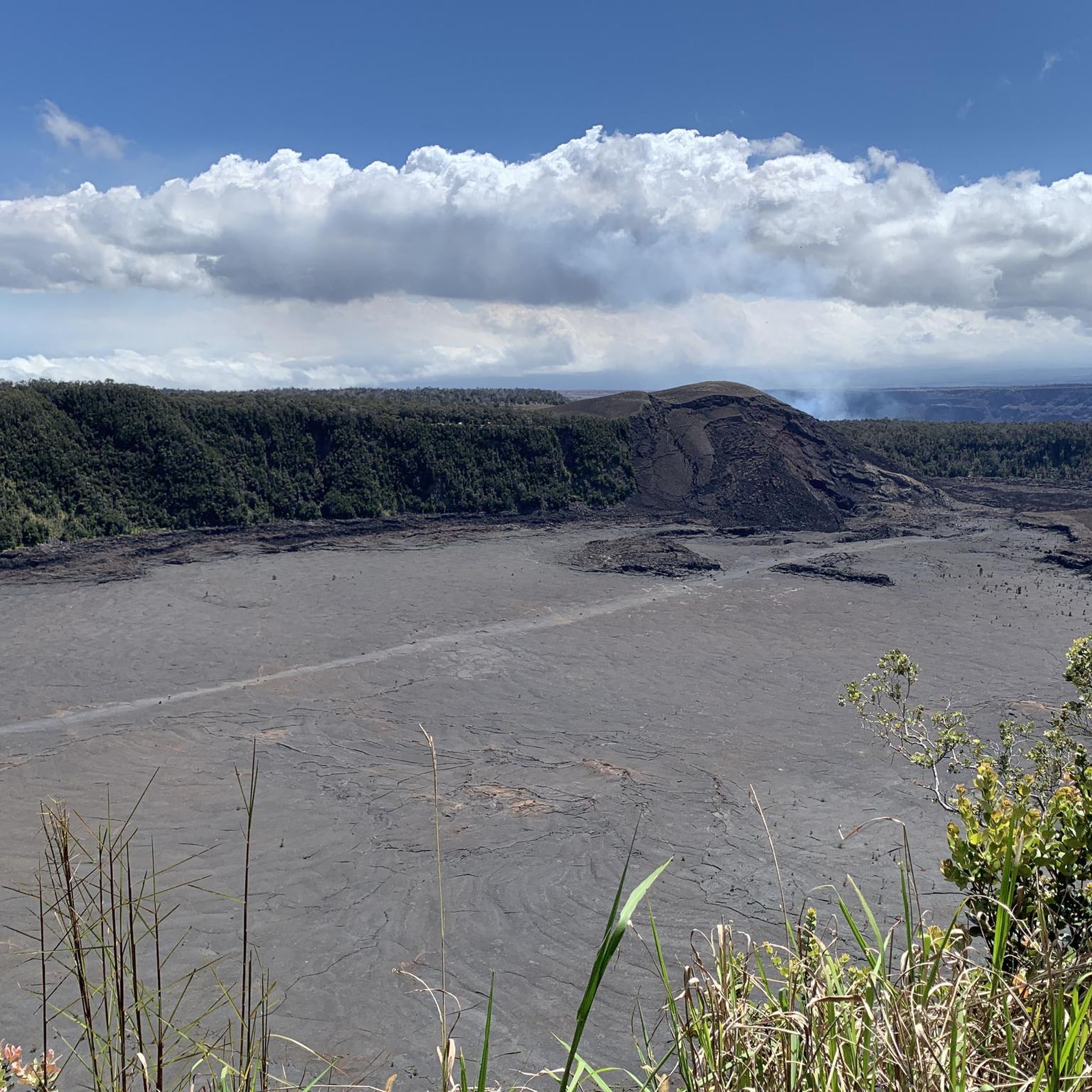
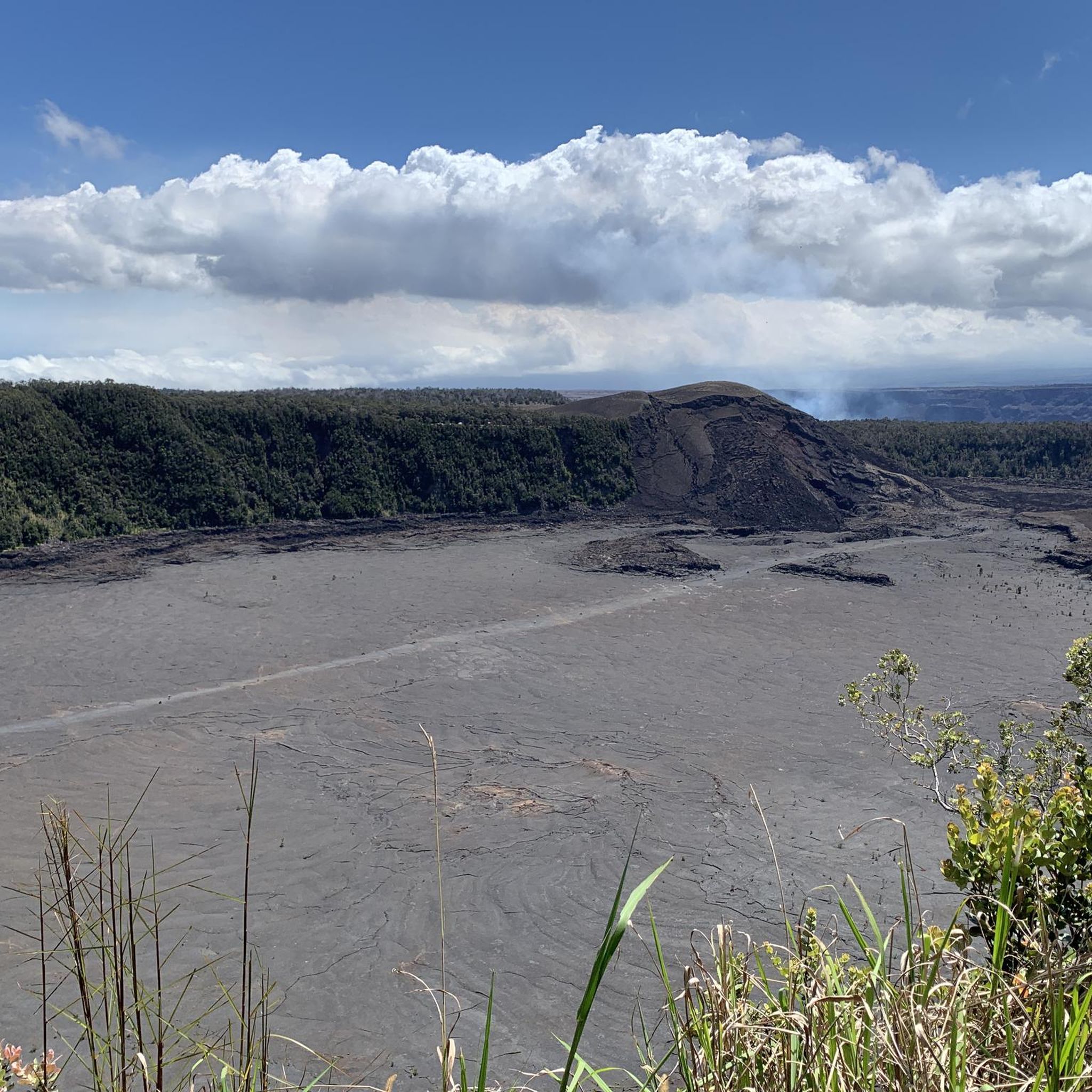
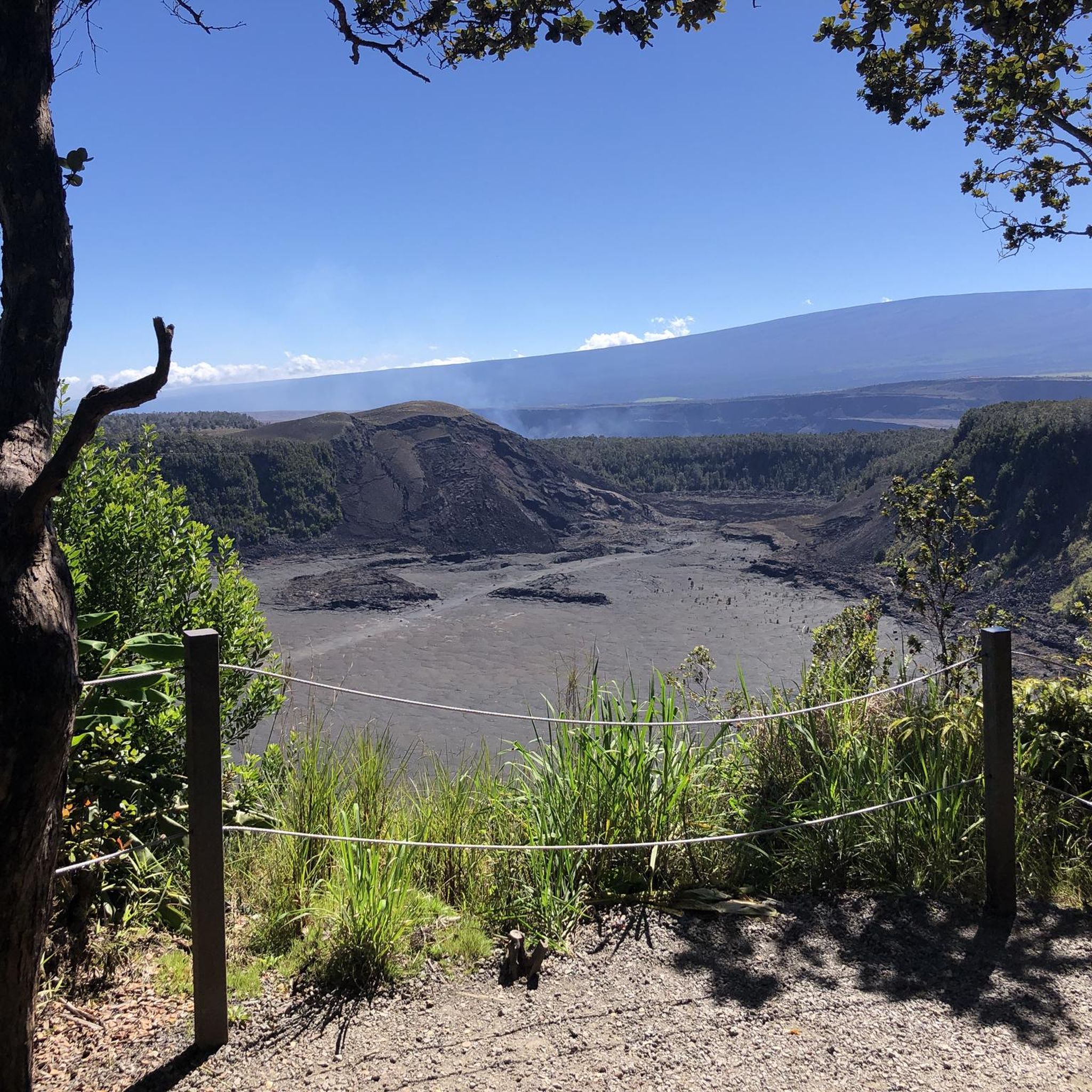
The crater of Kīlauea Iki, or "Little Kīlauea", last erupted in 1959. The flat base of the crater below used to be a lava lake; elevated areas of the lakebed were once floating islands of rock which collapsed from the crater walls into the molten lake.
0
0

The 180m long walk-in cave has a special origin: it is a lava cave. So go through it and become aware that 500 years ago hot lava flowed through it.
0
0
Frequently Asked Questions
What are some of the most popular natural monuments to visit near Mauna Loa Estates?
Visitors frequently enjoy the Kīlauea Iki Crater Trail, which offers a unique view into the crater after the 1959 eruption. Another highly rated spot is Nāhuku (Thurston Lava Tube), a 500-year-old lava tube you can walk through. The Fern Rainforest, located above the lava tube, is also a favorite for its vibrant greenery.
What unique geological features can I expect to see around Mauna Loa Estates?
The area is rich in volcanic formations. You can explore craters like the Kīlauea Iki Crater, walk through ancient lava tubes such as Nāhuku (Thurston Lava Tube), and witness the vastness of the Kīlauea Caldera. The landscape showcases both stark volcanic aftermath and rapidly recovering flora.
Are there family-friendly natural monuments around Mauna Loa Estates?
Yes, several natural monuments are suitable for families. Nāhuku (Thurston Lava Tube) is considered family-friendly, offering an easy walk through a lit cave. The Fern Rainforest, with its asphalt path, is also great for families. Additionally, the Kīlauea Caldera North Overlook provides impressive views that are accessible for all ages.
Are any natural monuments around Mauna Loa Estates wheelchair accessible?
Yes, the Devastation Trail is wheelchair accessible, offering a poignant look at nature's destructive and regenerative power. The Fern Rainforest also features an asphalt path leading to the Thurston Lava Tube, making it accessible.
What kind of hiking terrain can I expect when visiting these natural monuments?
The terrain varies significantly. You can expect to traverse diverse ecosystems, from lush, native flora-filled forests in areas like the Fern Rainforest to stark, otherworldly volcanic landscapes found on trails like the Kīlauea Iki Crater Trail and the Devastation Trail.
What is the best time to visit the natural monuments around Mauna Loa Estates?
The Big Island of Hawaii generally has pleasant weather year-round. However, for the best experience, consider visiting during the drier months to avoid heavy rainfall, which can make some trails muddy. Early mornings often offer clearer views and cooler temperatures, especially for longer hikes.
What should I wear when exploring the natural monuments?
Given the diverse terrain and potential for varying weather, it's advisable to wear layers. Sturdy, closed-toe shoes are essential for navigating volcanic rock and uneven trails. Bring rain gear, as showers can occur unexpectedly, especially in rainforest areas. Sun protection like hats and sunscreen is also recommended.
Is parking available at the natural monuments?
Parking can be scarce at popular spots like Nāhuku (Thurston Lava Tube). However, you can often find more parking opportunities by hiking in via connecting trails, such as parts of the Crater Rim Trail. The Kīlauea Visitor Center is a good starting point for information on current parking availability.
Are permits required to visit natural monuments in the area?
Many of the natural monuments, including Kīlauea Iki Crater Trail and Nāhuku (Thurston Lava Tube), are located within Hawaiʻi Volcanoes National Park. An entrance fee or park pass is required to access the park. You can find detailed information on fees and passes on the National Park Service website.
What do visitors enjoy most about the <a href="https://www.komoot.com/highlight/346469" target="_blank" rel="noopener">Kīlauea Iki Crater Trail</a>?
Visitors are often impressed by the unique experience of walking across the crater floor, describing it as a 'lunar landscape' where you can hear hollow sounds beneath your feet. The trail offers a direct encounter with the aftermath of a volcanic eruption and the power of nature.
What makes <a href="https://www.komoot.com/highlight/633384" target="_blank" rel="noopener">Nāhuku (Thurston Lava Tube)</a> a unique experience?
The uniqueness comes from walking through a 500-year-old lava tube, imagining the molten lava that once flowed there. It's a tangible connection to the island's volcanic history, surrounded by a beautiful rainforest at its entrance.
Where can I find easy hikes near the natural monuments?
For easy hikes, you can explore routes like the Kīlauea Iki Trail or the Halema‘uma‘u and Keanakāko‘i Craters loop. These are part of the broader selection of easy hikes around Mauna Loa Estates, offering accessible ways to experience the volcanic landscape.
What outdoor activities can I do near these natural monuments?
The area is excellent for hiking and running. You can find various trails, from easy walks to more challenging routes. Popular options include the Crater Rim Trail for both hiking and running, and the Kīlauea Iki Trail. For more details, check out the hiking around Mauna Loa Estates and running trails around Mauna Loa Estates guides.
Can I see an active lava pit or caldera from any of the natural monuments?
Yes, from the Kīlauea Caldera North Overlook, you can get a view across Kīlauea Caldera to Halemaʻumaʻu crater, which is Kīlauea's active lava pit. Even when inactive, the sheer size of the caldera is impressive.
Most popular attractions around Mauna Loa Estates

Get inspired with the komoot mobile app


Explore more
Extend your search for the best caves by checking out these guides of the top ones around Mauna Loa Estates:
