Top 7 Natural Monuments around Decorah
Best natural monuments around Decorah are found within the unique Driftless Region, characterized by dramatic bluffs, winding rivers, and lush forests. This area offers a diverse landscape shaped by ancient geological processes, including limestone formations and significant springs. Visitors can explore a variety of natural features that showcase the region's distinct geology and serene beauty. The landscape provides opportunities to experience geological wonders and tranquil natural settings.
Best natural monuments around Decorah
- The most popular natural monuments is Decorah Impact…
Last updated: May 13, 2026
Decorah Impact Crater Marker
Highlight • Monument
Tip by

Dunning's Spring Waterfall
Highlight • Waterfall
Tip by

Sign up now to discover places like this
Get recommendations on the best single tracks, peaks, & plenty of other exciting outdoor places.
Sign up for free
Twin Springs Park
Highlight • Natural
Tip by
Pulpit Rock
Highlight • Natural Monument
Tip by
Siewers Spring State Park
Highlight • Natural Monument
Tip by
Sign up for free to discover even more natural monuments around Decorah.
Sign up for free
Already have an account?
Start today with a free account
Your next adventure awaits.
Login or Signup
Popular around Decorah

Tips from the Community

Siewers Spring, located a mile south of Decorah, is Iowa’s second-largest natural spring. It’s the vital water source for the Chuck Gipp Decorah Fish Hatchery, where rainbow trout are raised and visible to the public. Enjoy walking paths, picnic spots, and streamside fishing at the spring and nearby Trout Run. With a history dating to 1832, Siewers Spring once powered local industries before becoming a state park and hatchery in the 1930s, with Civilian Conservation Corps-crafted limestone buildings.
4
0
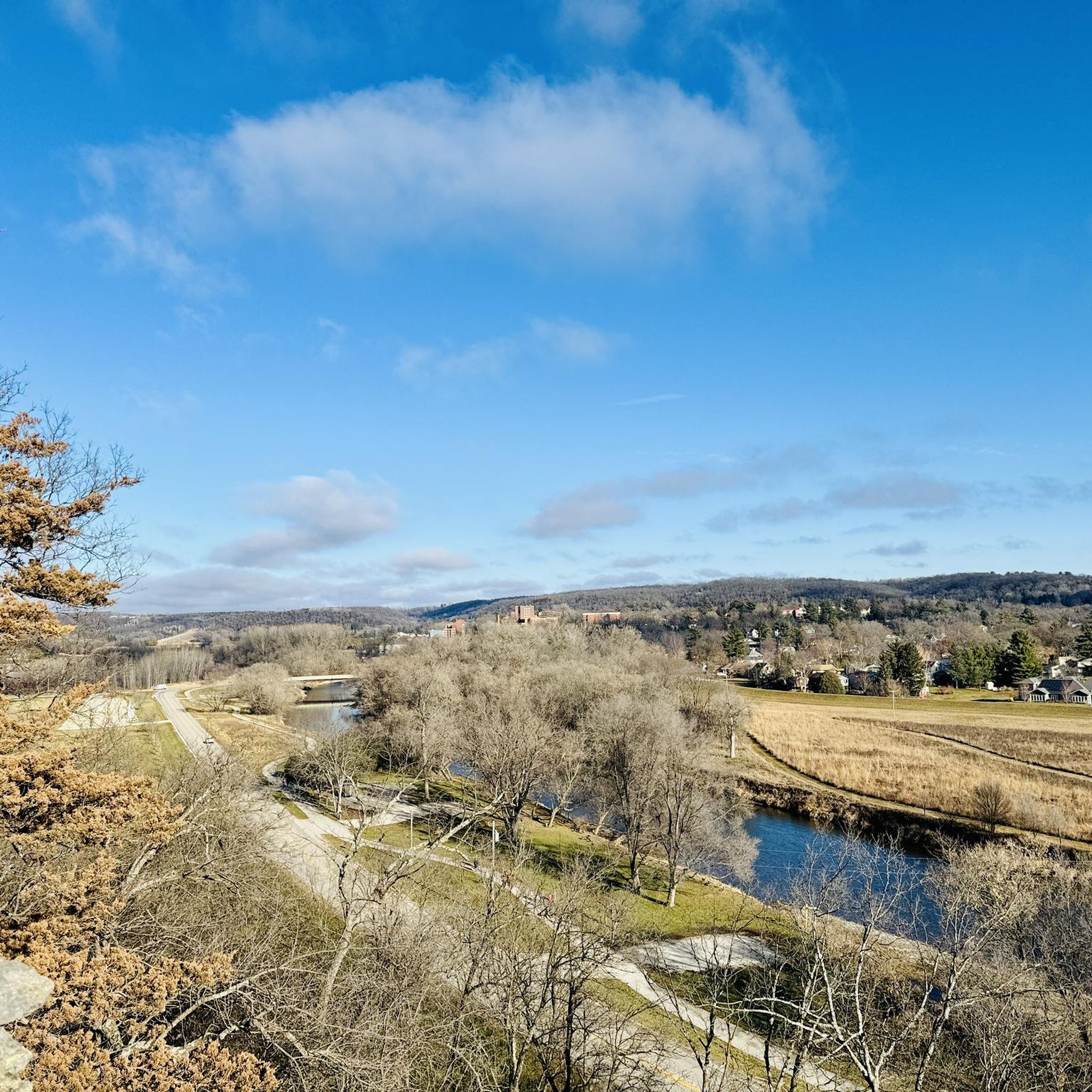
Pulpit Rock, a prominent limestone bluff in Decorah, Iowa, is a picturesque natural landmark in Will Baker Park. This striking geological formation, sculpted by centuries of erosion, offers dramatic views of the Upper Iowa River and the surrounding cityscape. A moderately challenging one-mile loop trail, featuring some steep sections and stone steps, leads hikers to the summit. From this vantage point, visitors are rewarded with panoramic vistas of the Decorah Community Prairie and the scenic rolling hills characteristic of Iowa's Driftless Area.
3
0
The water that feeds Dunning Spring comes from near the base of the Galena Aquifer. Beneath this aquifer is the much less permeable Decorah Shale, which acts as a "confining bed" or "floor" for the aquifer. When the Decorah Shale is exposed near the surface of the land, particularly on the sides of river valleys, it causes groundwater to discharge. This process creates beautiful waterfalls and springs, such as Dunning Spring.
3
0
About 465 to 470 million years ago, a meteorite struck near present-day Decorah, Iowa, creating a 3.5-mile (5.6 km) wide impact crater buried beneath the city's surface. Although this highlight is named “Decorah Impact Crater Marker”, at the time of my most recent hike to this highlight, on August 2, 2025, there was no marker or monument nearby. However, there is a large bronze medallion set in concrete marking the precise meteorite impact site located about 0.2 miles west-southwest of this highlight.. The marker can be found at GPS coordinates 43.31580, -91.77474. I have made this location a komoot highlight as well. The bottom of the impact crater now lies about 300 feet below the marker due to geological changes that have occurred over the millennia following the meteorite strike. The crater and its discovery are significant because it is one of fewer than 200 recognized impact structures on Earth. It has preserved a unique fossil record of ancient life, including the nearly 6-foot sea scorpion known as Pentecopterus decorahensis.
3
0

Amenities & Points of Interest: fresh water spring, 8 acres tall prairie grass, trails for hiking, mountain biking, horseback riding, cross-country skiing, and snowshoeing (this is a natural wildlife area which is not developed for picnicking and camping) https://parks.decorahia.org/decorah-parks
1
0
Park in the gravel area just south of the entrance to Dunning’s Spring Park. Walk to the waterfall and be sure to take time to walk across the stone bridge and climb the steps to view the source of Dunning’s Spring. To the right of the stone bridge is a steep trail leading up to a series of trails above Ice Cave Road. Dunning Springs is the site of a beautiful waterfall surrounded by limestone cliffs. The park features a walking path, scenic overlook, and bridge crafted by local stone mason, Ted Wilson. The trails throughout Dunning Springs and Ice Cave Park are numerous. Due to their complexity and technical difficulty, not all the trails are marked on printed maps. Talk to experts at the local bike shops about navigating this system. https://visitdecorah.com/trail/dunnings-spring-park/
4
0
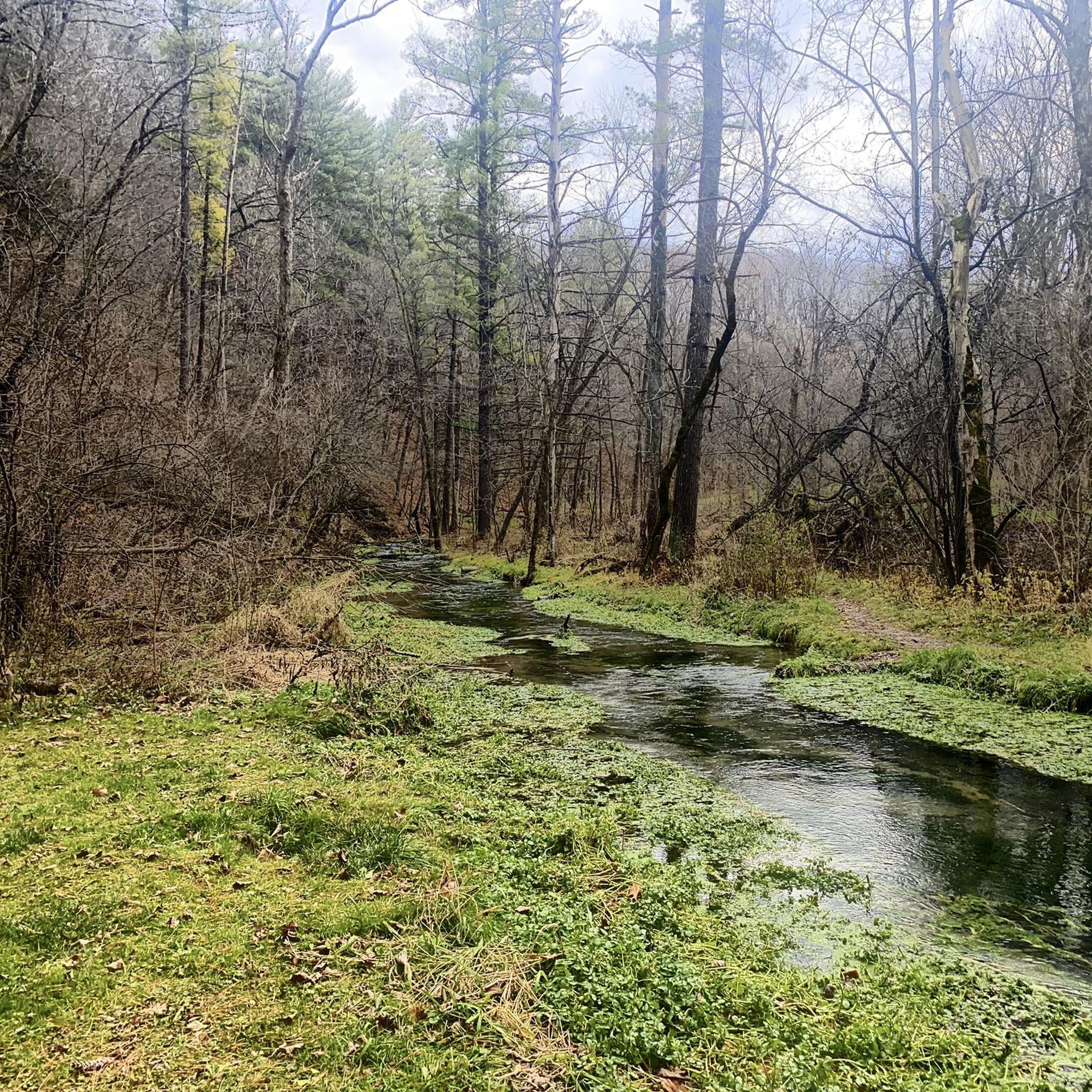
Park anywhere along Twin Springs Road and follow the stream “up river” until the stream disappears into the ground—you have found the source of Twin Springs! Twin Springs park used to be the site of an Iowa DNR fish hatchery. It now is a City of Decorah Park, with benches, picnic tables, grills, a stocked trout stream, a children’s fishing pond, and trails for hiking. At the spring head, the 0.8-mile Odin’s Loop heads into the hills above the stream. https://visitdecorah.com/trail/twin-springs-park/
2
0
Frequently Asked Questions
What unique geological features can I explore around Decorah?
Decorah is situated in the unique Driftless Region, known for its dramatic bluffs and limestone formations. You can explore the site of the Decorah Impact Crater Marker, which signifies a 3.5-mile wide meteorite impact crater buried beneath the city. Another fascinating geological site is the Decorah Ice Cave State Preserve, one of the largest ice-containing caverns in the Midwest, where ice can persist well into late summer.
Are there any family-friendly natural monuments in Decorah?
Yes, several natural monuments around Decorah are great for families. Dunning's Spring Waterfall offers walking paths, a scenic overlook, and a stone bridge, with trails suitable for all ages. Twin Springs Park provides a scenic trail, fishing opportunities, and picnic spots. Siewers Spring State Park also features walking paths, picnic areas, and the Chuck Gipp Decorah Fish Hatchery where you can observe rainbow trout.
What are the best natural monuments for scenic views?
For breathtaking panoramic views, visit Pulpit Rock in Will Baker Park. This prominent limestone bluff offers dramatic vistas of the Upper Iowa River and the surrounding landscape. The trail to the summit is moderately challenging but rewards visitors with expansive views of the Decorah Community Prairie and the Driftless Area's rolling hills.
Where can I find hiking trails near Decorah's natural monuments?
Many natural monuments have integrated trail systems. For instance, Dunning's Spring Waterfall has numerous trails that connect to the Barnhart-Van Peenen Park system. Twin Springs Park features the 0.8-mile Odin's Loop. You can find more detailed hiking routes and guides for the area, including trails like the Pulpit Rock Overlook via Yggdrasil Loop and the Dunning's Spring, Ice Cave & Van Peenen Loop, on the Hiking around Decorah guide.
Are there any natural monuments with waterfalls in the Decorah area?
Yes, Decorah is home to several beautiful waterfalls. Dunning's Spring Waterfall is a stunning 200-foot waterfall surrounded by limestone cliffs. Malanaphy Springs State Preserve also features a beautiful 10-foot waterfall at the end of a series of cascading falls, flowing over porous lime deposits into the Upper Iowa River.
What is the best time of year to visit Decorah's natural monuments?
The natural monuments around Decorah offer beauty throughout the year, but spring, summer, and fall are generally ideal for outdoor activities. Spring brings lush greenery and flowing waterfalls, while fall showcases vibrant foliage. Summer is perfect for exploring trails and enjoying the springs. The Decorah Ice Cave is unique as its ice deposits can persist well into August or September, offering a cool escape during warmer months.
Are there any natural monuments with historical significance?
The Decorah Impact Crater Marker highlights a significant geological event from 465 to 470 million years ago, preserving a unique fossil record. Siewers Spring State Park also has a rich history, once powering local industries before becoming a state park and fish hatchery in the 1930s, with limestone buildings crafted by the Civilian Conservation Corps.
What kind of wildlife can I expect to see at these natural monuments?
The natural monuments are rich in biodiversity. Malanaphy Springs State Preserve, for example, boasts over 300 native vascular plants, including sugar maple, basswood, and ironwood. At Twin Springs Park, you might spot beavers along the creek. The Chuck Gipp Decorah Fish Hatchery at Siewers Spring State Park allows visitors to observe rainbow trout.
Are there opportunities for fishing at Decorah's natural springs?
Yes, both Twin Springs Park and Siewers Spring State Park offer opportunities for fishing. Twin Springs Creek is easily accessible for trout fishing, and Siewers Spring provides streamside fishing spots, particularly along the nearby Trout Run.
What should I know before visiting the Decorah Ice Cave State Preserve?
The Decorah Ice Cave is a unique natural phenomenon where ice can persist well into late summer. While you can explore about 60 feet into the cave, a flashlight is recommended, and caution is advised due to potentially slippery conditions. The surrounding area also features trails with steep inclines and exposed limestone. For more information on the preserve's access and conditions, you can check the Iowa DNR website: iowadnr.gov.
Are there easy walking routes near Decorah's natural monuments?
Yes, many natural monuments offer easy walking paths. Dunning's Spring Waterfall has well-marked and fairly easy trails. Siewers Spring State Park also provides walking paths. For more easy options, consult the Easy hikes around Decorah guide, which includes routes like Pulpit Rock Overlook via Yggdrasil Loop and Malanaphy Falls Trail.
What other outdoor activities are available near these natural monuments?
Beyond hiking and walking, the area around Decorah's natural monuments offers various outdoor activities. You can find running trails, such as the River Trail or the Dunning's Spring Waterfall – River Trail loop, detailed in the Running Trails around Decorah guide. Fishing is popular at Twin Springs Park and Siewers Spring. Some areas, like Barnhart-Van Peenen Park near the Decorah Impact Crater Marker, also offer mountain biking, horseback riding, cross-country skiing, and snowshoeing.
Most popular attractions around Decorah

Get inspired with the komoot mobile app


