Top 20 Natural Monuments around Boston
Best natural monuments around Boston offer a variety of outdoor experiences, complementing the city's historical character. These areas provide opportunities for recreation and connection with nature within and near the urban environment. The region features a mix of iconic public gardens, extensive arboretums, and scenic riverfronts. Visitors can explore green spaces, botanical collections, and coastal areas.
Best natural monuments around Boston
- The most popular natural monuments is Boston Public Garden Footbridge, a bridge that is part of a serene…
Last updated: August 20, 2026
Arnold Arboretum
Highlight • Forest
Translated by Google •
Tip by

Winthrop Square
Highlight • Historical Site
Translated by Google •
Tip by

Sign up now to discover places like this
Get recommendations on the best single tracks, peaks, & plenty of other exciting outdoor places.
Sign up for free
Charles River Floating Wetlands
Highlight • Structure
Translated by Google •
Tip by
Saint Moritz Pond
Highlight • Forest
Tip by

Sand Sculptures at Revere Beach
Highlight • Beach
Tip by

Sign up for free to discover even more natural monuments around Boston.
Sign up for free
Already have an account?
Start today with a free account
Your next adventure awaits.
Login or Signup
Popular around Boston
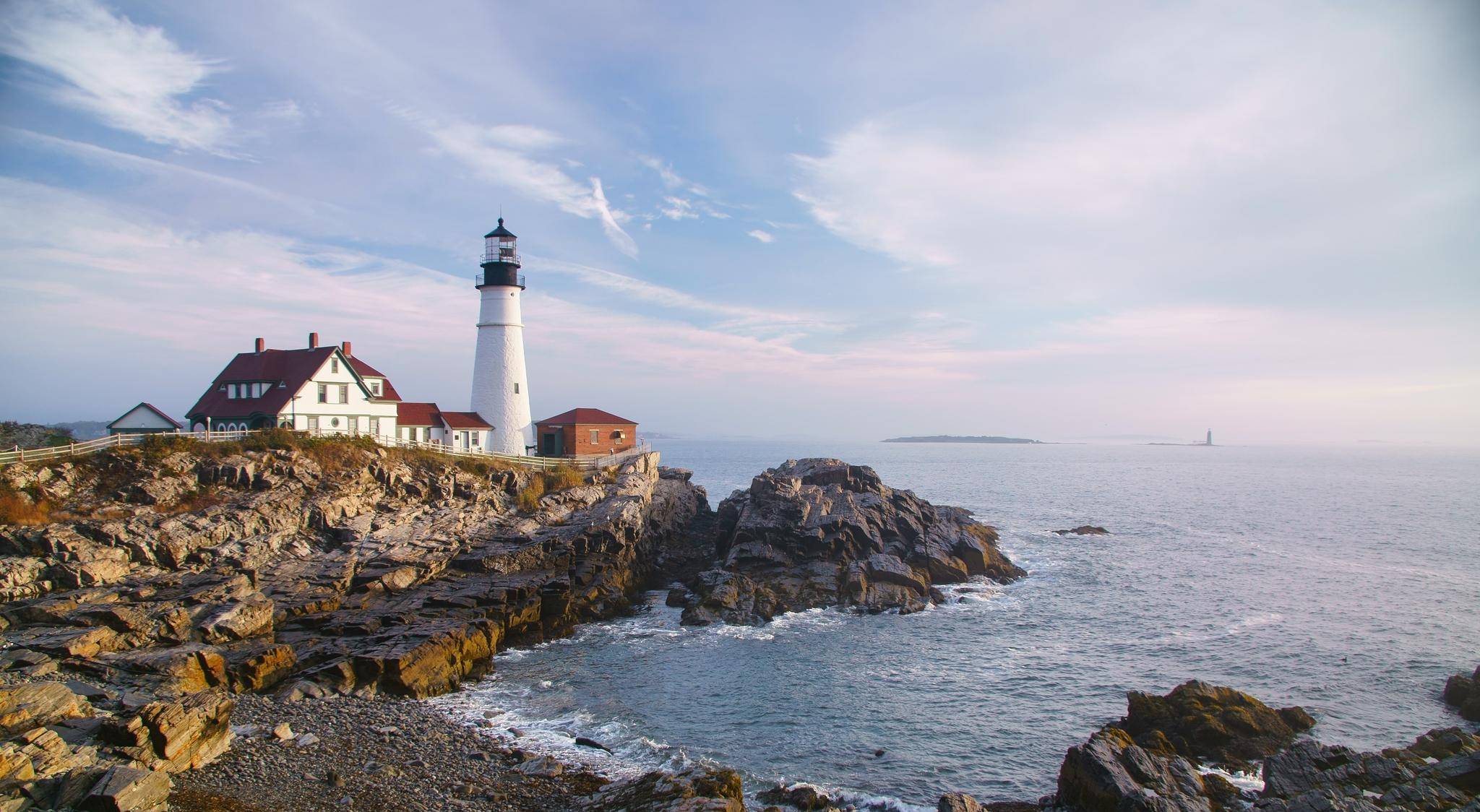
On the trail of the Pilgrim Fathers – road trip along the Atlantic coast
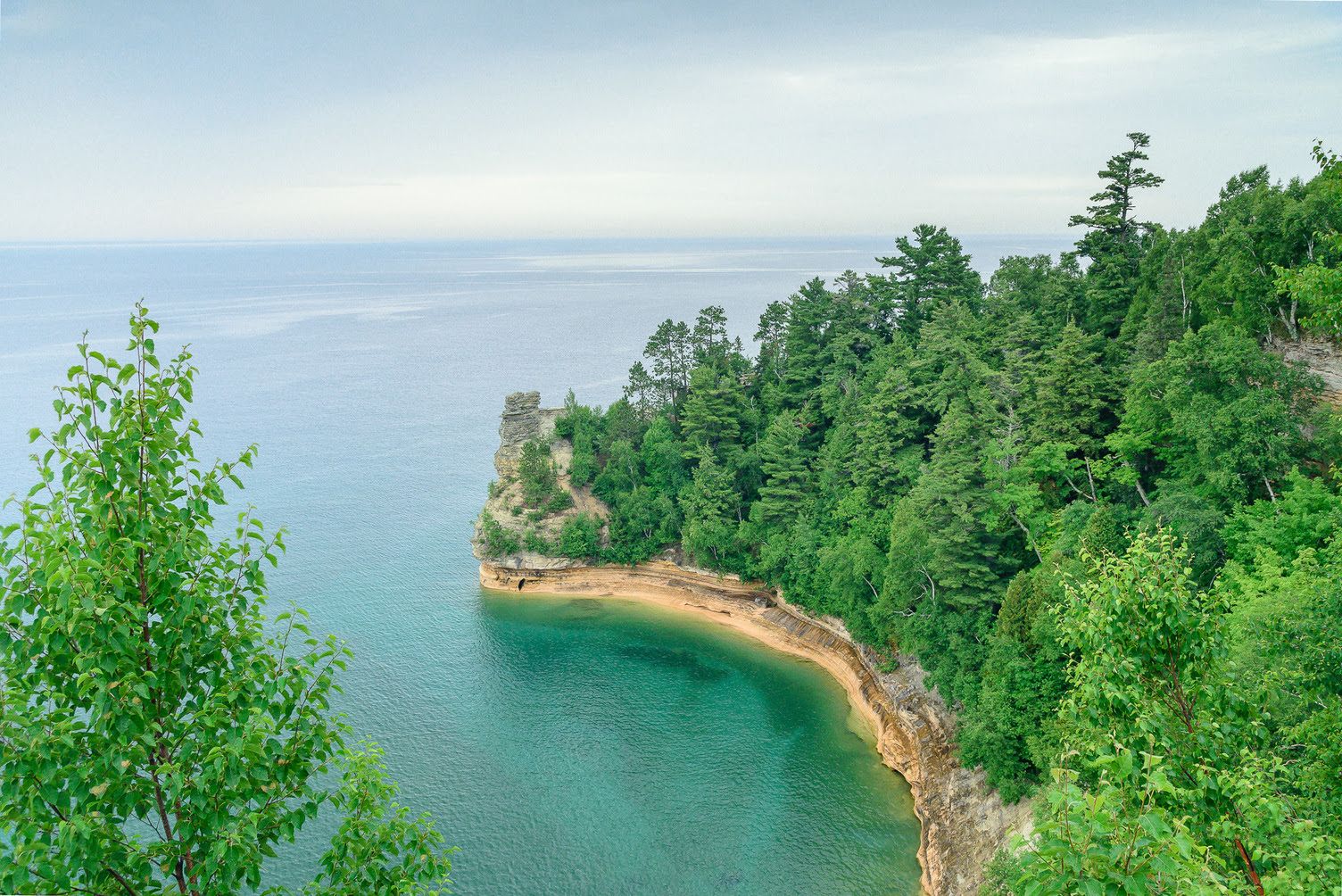
Great North Music Tour – hiking in the footsteps of music legends
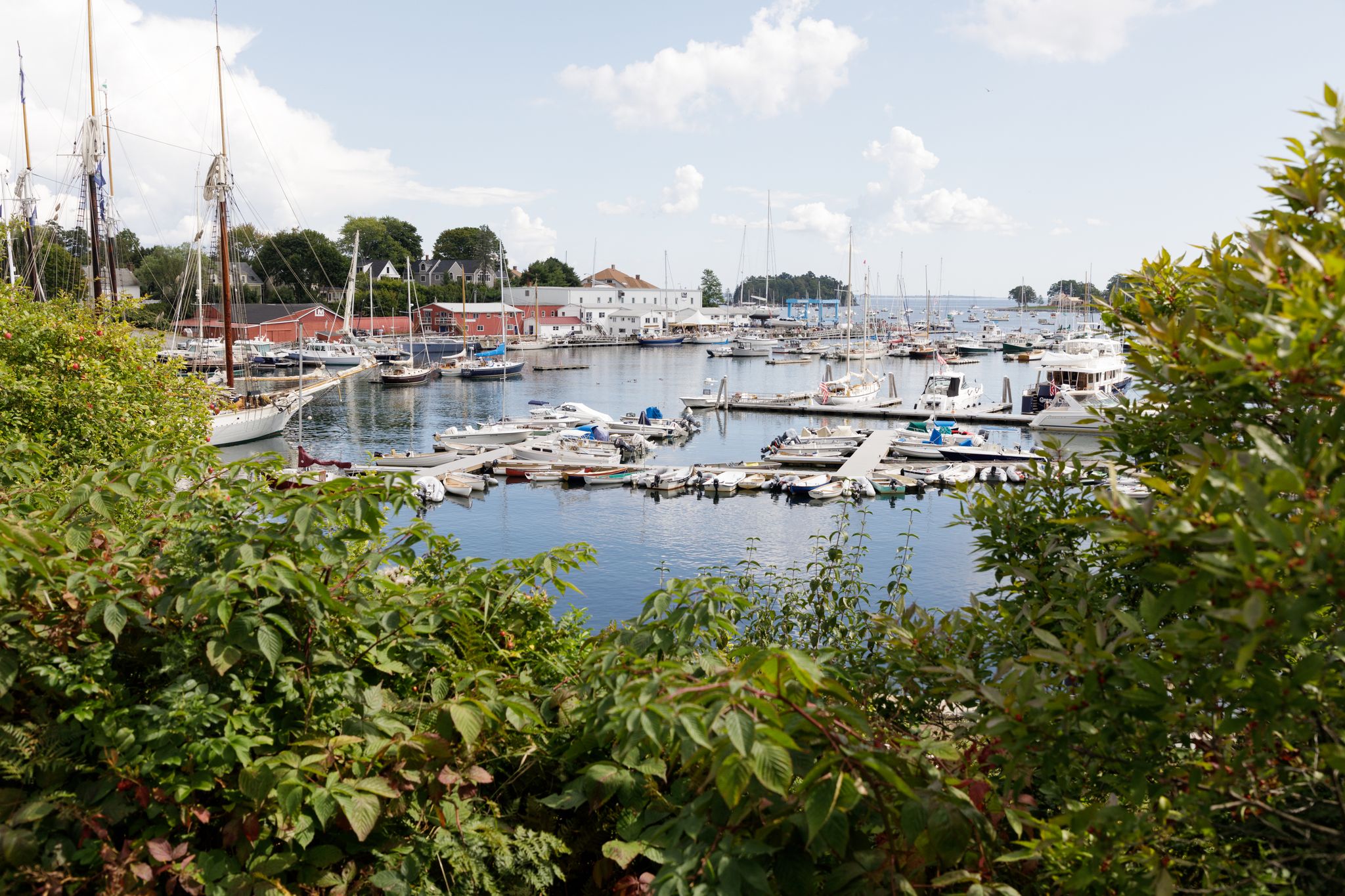
New England – vibrant cities, picturesque coastlines and wild mountain landscapes
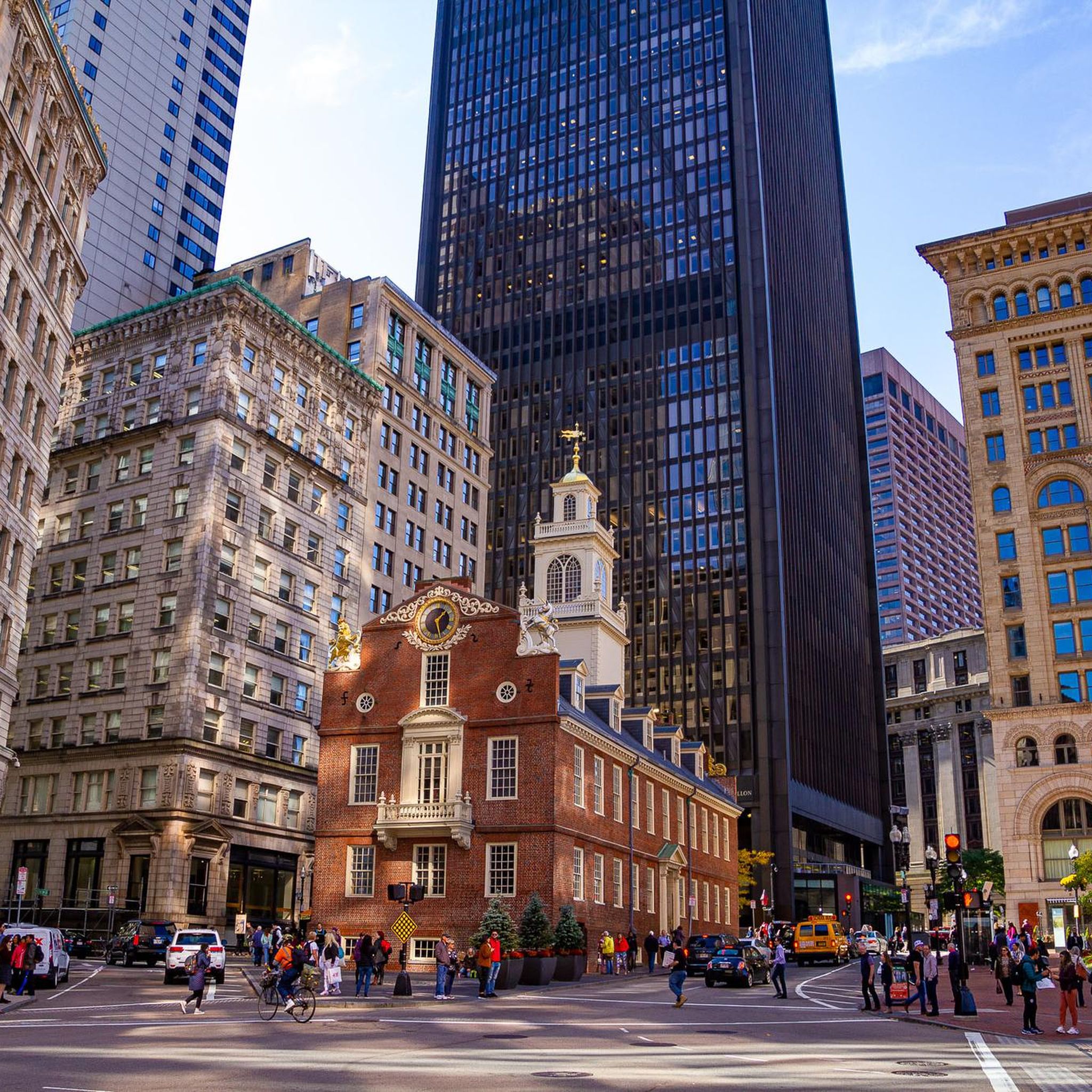
Hiking around Boston
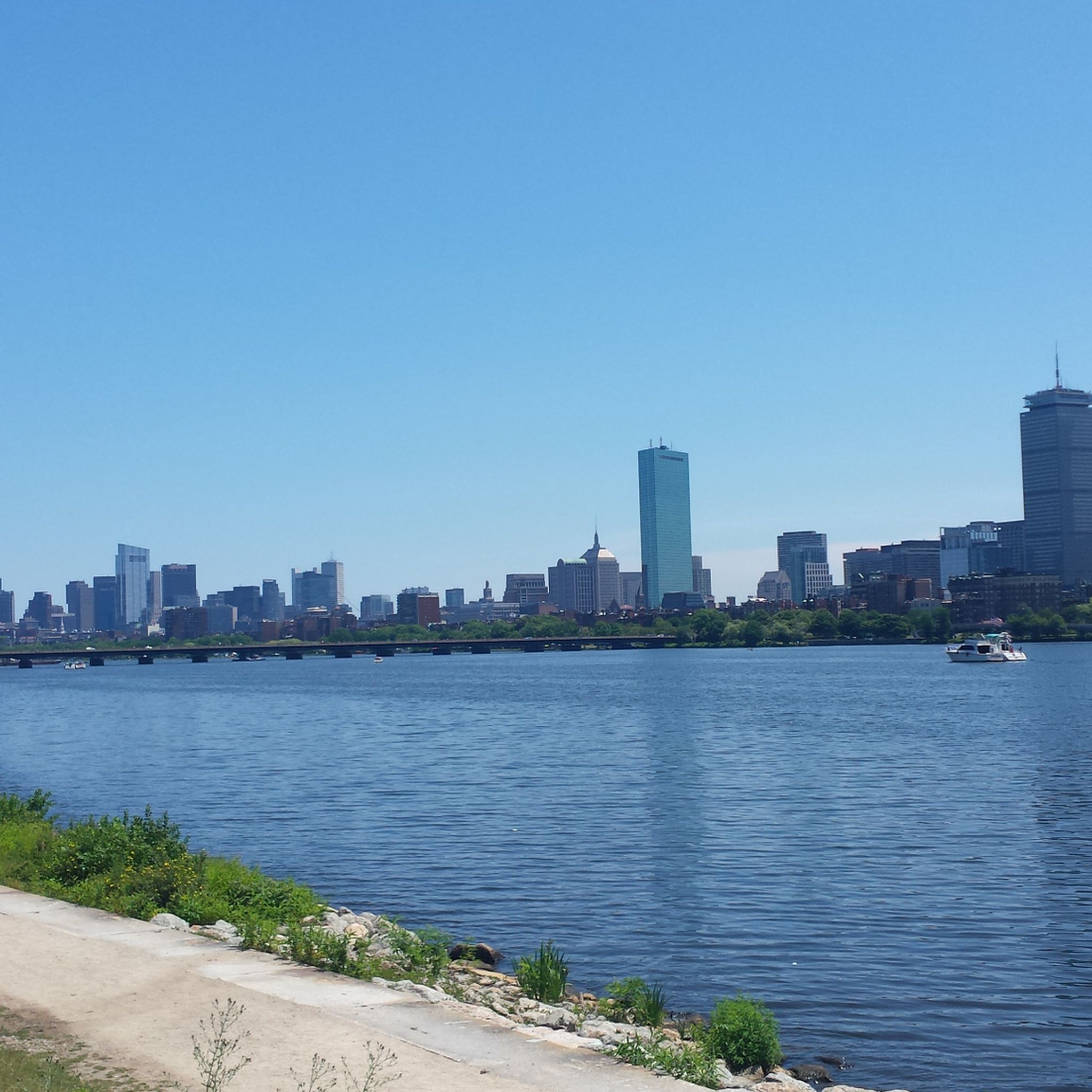
Cycling around Boston
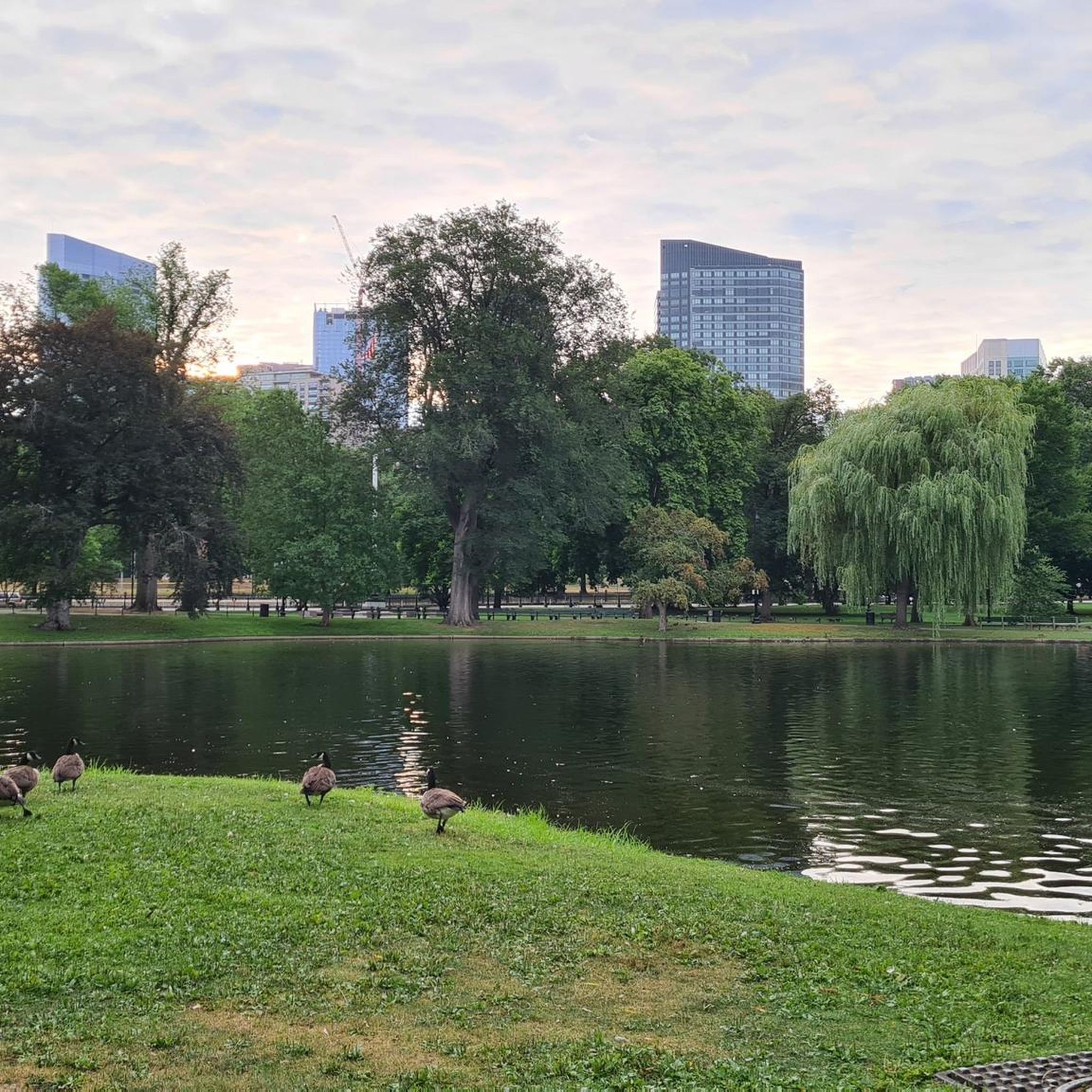
Running Trails around Boston
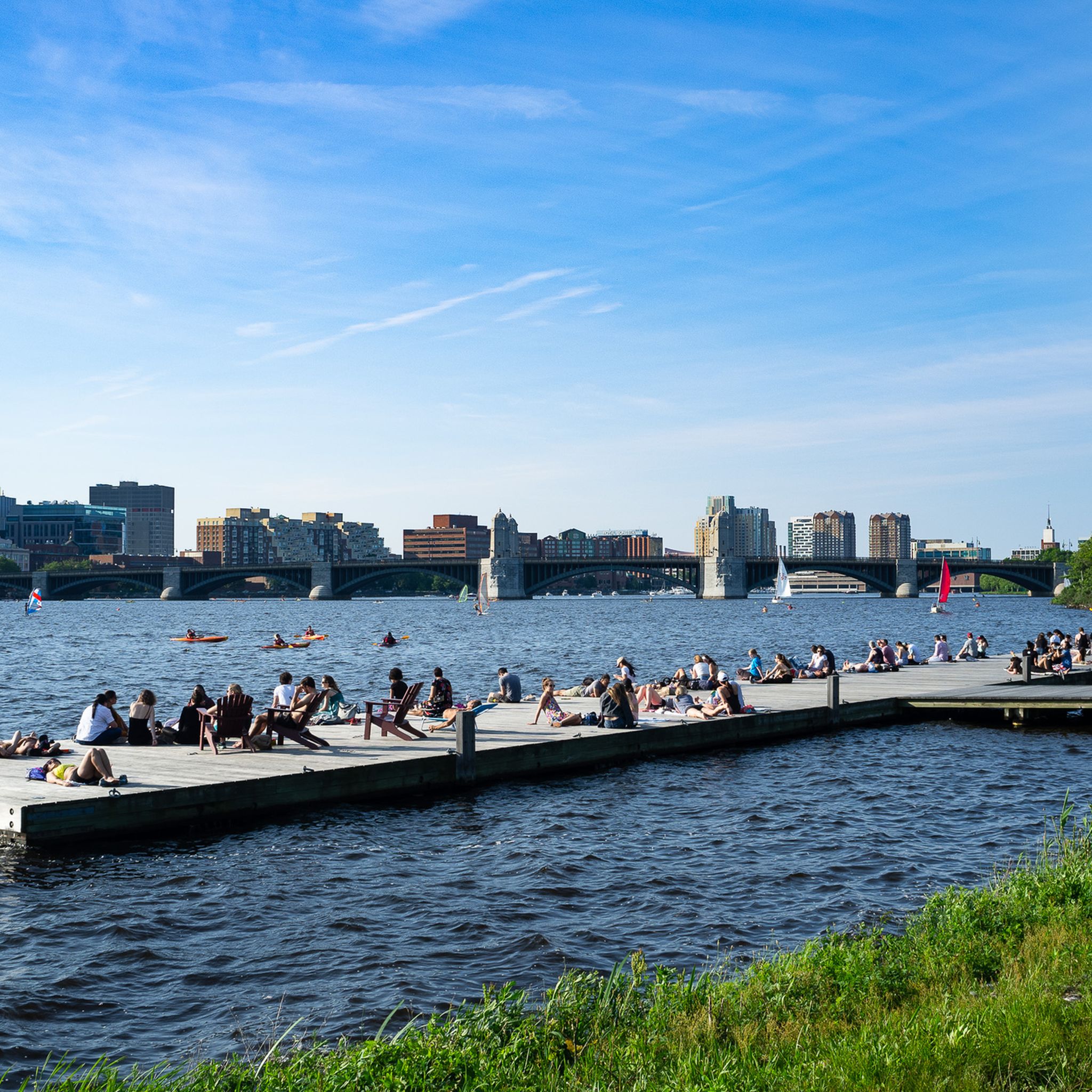
Road Cycling Routes around Boston
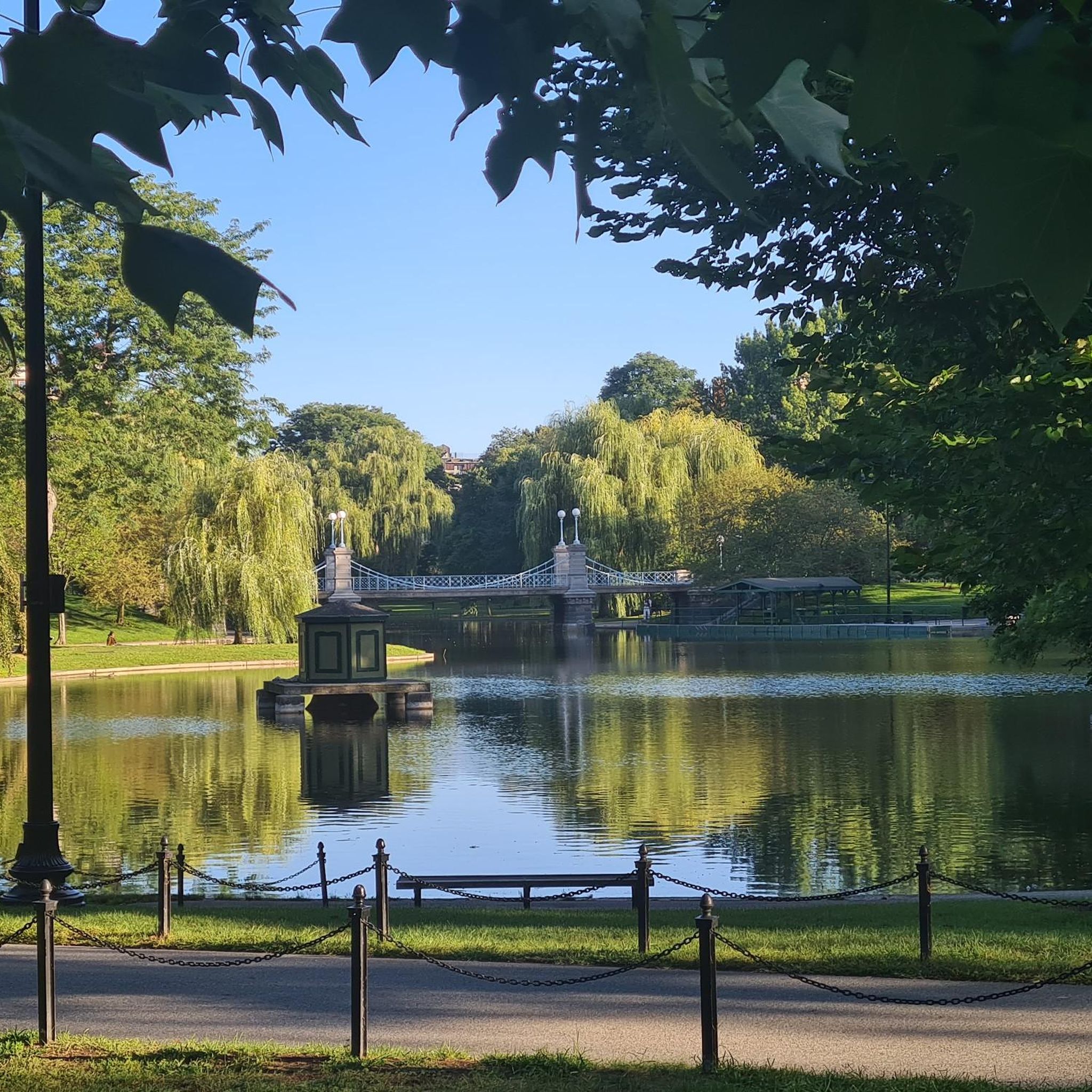
Gravel biking around Boston
MTB Trails around Boston
Other adventures around Boston

Tips from the Community

very generous and well-maintained facility on the outskirts of Boston :) :)
0
0

Harvard University's Great Botanical Garden is located on and around three hills, with the highest, Peters Hill, offering a particularly beautiful view of the city skyline. And botany enthusiasts can, of course, spend days here, admiring the sheer number of exotic plants.
2
0

The floating wetlands aim to combat harmful algal blooms by providing a natural solution for managing nutrient pollution and increasing local biodiversity.
0
0

Nice place to be outside for sport, picnic etc
0
0

The Charles River Floating Wetland is an ecological solution to fight harmful algal blooms that threaten the Charles River's health. Floating wetlands absorb nutrients, add biodiversity, support local ecosystems, and offer co-benefits like additional green space.
0
0

The Arnold Arboretum of Harvard University is a 270-acre nature reserve in the heart of Boston. It manages one of the world's most comprehensive and best-documented collections of temperate woody plants, with a particular focus on the floras of eastern North America and East Asia. As part of the Emerald Necklace park system, it is open daily for free. The arboretum was founded in 1872, designed by Frederick Law Olmsted (1872) and co-designed by Charles Sprague Sargent, the first director. https://arboretum.harvard.edu/ https://arboretum.harvard.edu/explorer/
1
0
The water quality of the Charles River is threatened by harmful algae growth. The Charles River Floating Wetland project is investigating the extent to which floating wetlands can help reduce nutrient pollution. They are intended to absorb nutrients from the water, increase biodiversity and support local ecological changes. https://thecharles.org/floating-wetlands/
2
0
Winthrop Square / the Training Field is a city park in Charlestown with an 1872 monument honoring the men of Charlestown who fought in the American Civil War in 1861. This square is of national significance because of its connection to the Battle of Bunker Hill. On June 17, 1775, fighting between American patriots and British soldiers took place on or near what is now Winthrop Square. Since its creation in the 1640s, the park has served the citizens of Charlestown as farmland and pasture; it has been a military training ground, a schoolyard, a site for political rallies, a children's playground, and a peaceful retreat in a dense urban environment. Over time, Winthrop Square has undergone extensive changes, from an open field to an urban city park. Its current appearance is characterized by redesigns in 1872 and 1919. https://cps-ris.org/wp-content/uploads/2020/03/Winthrop-Square.pdf
2
0
Frequently Asked Questions
What are some of the most popular natural monuments to visit around Boston?
Visitors frequently enjoy the serene oasis of the Boston Public Garden Footbridge, known for its Swan Boats and botanical displays. Another highly appreciated spot is the Arnold Arboretum, a vast botanical garden offering diverse plant collections and scenic paths. The Sand Sculptures at Revere Beach also draw many, especially during its annual festival, as it's a National Historic Landmark.
Are there family-friendly natural monuments in the Boston area?
Yes, many natural monuments around Boston are great for families. The Boston Public Garden Footbridge is part of the Public Garden, which offers Swan Boat rides and lush scenery. The Arnold Arboretum provides ample space for children to explore diverse plant collections. Additionally, the Boston Common features a playground and the Frog Pond, which is popular in both summer and winter. The Sand Sculptures at Revere Beach is also a family favorite, especially during the sand sculpting festival.
What kind of outdoor activities can I do near Boston's natural monuments?
The Boston area offers a variety of outdoor activities. For cycling, you can explore routes like the Dr. Paul Dudley White Path or the Southwest Corridor Park & Olmsted Park loop. If you prefer hiking, consider easy trails such as the Charles River Pathway Short Loop or the Boston Harbor and Castle Island trail. You can find more details on these and other routes in the Cycling around Boston and Easy hikes around Boston guides.
Are there natural monuments around Boston that are accessible by public transport?
Many of Boston's natural spaces are well-connected by public transport. The Boston Common and Public Garden are centrally located and easily accessible. The Arnold Arboretum is also accessible by public transportation. The Charles River Esplanade stretches along the river, with various access points near T stations. For places slightly further out, like the Blue Hills Reservation, public transport options combined with a short walk or ride are often available.
Where can I find scenic views of the Boston skyline from a natural setting?
For stunning views of the Boston skyline, consider visiting the Blue Hills Reservation, just 20 minutes outside the city. Its Skyline Loop offers panoramic vistas. The Charles River Esplanade also provides picturesque views of both the Boston and Cambridge skylines, especially at sunset. From the Boston Harbor Islands, you can get unique perspectives of the city across the water.
Are there any natural monuments in Boston with historical significance?
Absolutely. Boston Common, established in 1634, is the nation's oldest public park and has a rich history as a grazing ground and public gathering space. Winthrop Square, also known as "Training Field" near Bunker Hill, holds significant colonial and American Revolution history. Revere Beach, home to the Sand Sculptures at Revere Beach, is a National Historic Landmark. The Boston Harbor Islands also feature historic sites like the Civil War-era Fort Warren.
Which natural monuments are good for birdwatching or spotting wildlife?
The Arnold Arboretum is an excellent spot for birdwatching due to its diverse plant collections and varied habitats. The Back Bay Fens, despite its urban setting, is teeming with wildlife, including ducks and turtles. The Blue Hills Reservation, with its diverse landscape of woods, marshes, swamps, and ponds, provides opportunities to spot deer and other local wildlife.
Can I find natural monuments suitable for a leisurely stroll or a relaxing day out?
Yes, Boston offers several tranquil spots for relaxation. The Public Garden, with its lush willow trees, vibrant ponds, and diverse flowers, is perfect for leisurely strolls. The Charles River Esplanade provides a picturesque green space along the river, ideal for walking, jogging, or simply relaxing by the water. The Arnold Arboretum also offers peaceful paved paths through its extensive botanical collections.
Are there any unique natural features or conservation efforts to see?
Yes, the Charles River Floating Wetlands are a unique sight, part of an ecological project investigating how floating wetlands can help reduce nutrient pollution and increase biodiversity in the Charles River. The Arnold Arboretum itself is a significant conservation effort, preserving a vast collection of plants from around the world.
What are some natural monuments that are part of Boston's larger park systems?
The Arnold Arboretum is a key component of Boston's Emerald Necklace park system, a chain of parks designed by Frederick Law Olmsted. The Boston Common and Public Garden are also integral parts of the city's historic green spaces, forming a continuous green corridor in the heart of Boston.
Are there any natural monuments near Boston that offer water-based activities?
The Boston Harbor Islands National & State Park, accessible by a short ferry ride, offers opportunities for kayaking and swimming. The Charles River Esplanade is popular for activities on the Charles River, such as kayaking and sailing, with many sailboats and kayaks often seen on the water. The Public Garden also features its iconic Swan Boats on the lagoon.
What is the best time of year to visit Boston's natural monuments?
Boston's natural monuments offer beauty year-round. Spring brings vibrant blooms to the Public Garden and Arnold Arboretum. Summer is ideal for enjoying the Charles River Esplanade and the Boston Harbor Islands. Fall showcases stunning foliage in places like the Arnold Arboretum and Blue Hills Reservation. Even in winter, the Frog Pond on Boston Common transforms into an ice rink, and many parks offer serene snowy landscapes for walks.
Most popular routes around Boston
Most popular attractions around Boston

Get inspired with the komoot mobile app


Explore more
Extend your search for the best caves by checking out these guides of the top ones around Boston:
