Top 16 Natural Monuments around Belmont
Best natural monuments around Belmont, Massachusetts, offer opportunities for nature exploration close to an urban center. This region features conserved lands, woods, and meadows, providing natural spaces just a few miles from downtown Boston. The area's landscape includes significant historical sites and botanical collections, blending natural beauty with cultural heritage. Visitors can explore a variety of natural features within this diverse environment.
Best natural monuments around Belmont
- The most popular natural monuments is Boston Public Garden Footbridge, a bridge…
Last updated: July 10, 2026
Boston Public Garden Footbridge
Highlight • Bridge
Tip by

Lexington Battle Green
Highlight • Historical Site
It was at this site that the opening shots …
Tip by

Sign up now to discover places like this
Get recommendations on the best single tracks, peaks, & plenty of other exciting outdoor places.
Sign up for free
Arnold Arboretum
Highlight • Forest
Translated by Google •
Tip by

Winthrop Square
Highlight • Historical Site
Translated by Google •
Tip by

Charles River Floating Wetlands
Highlight • Structure
Translated by Google •
Tip by
Sign up for free to discover even more natural monuments around Belmont.
Sign up for free
Already have an account?
Start today with a free account
Your next adventure awaits.
Login or Signup

Tips from the Community

One of the most historically important places in the USA. This is where the first battle of the Revolutionary War took place.
1
0

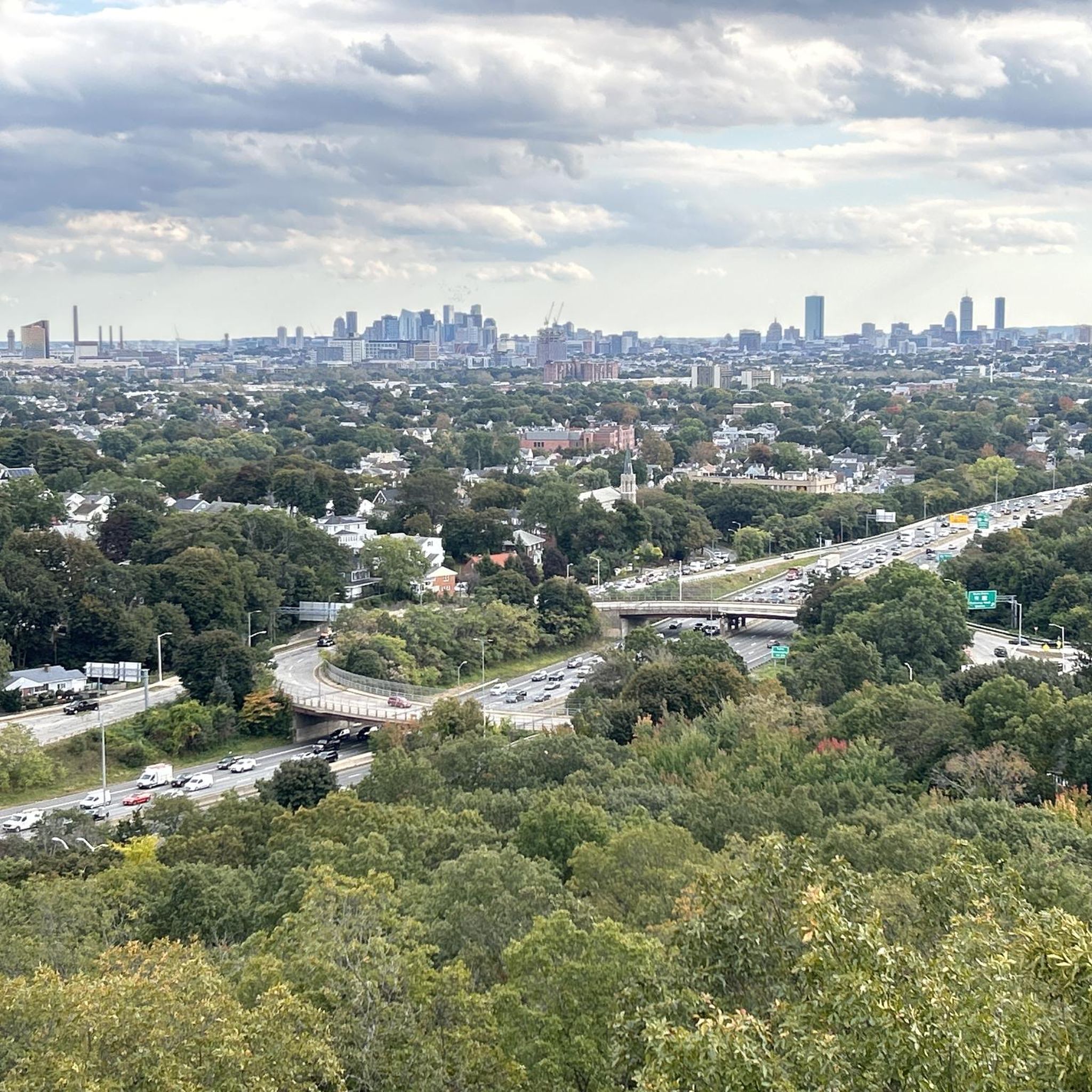
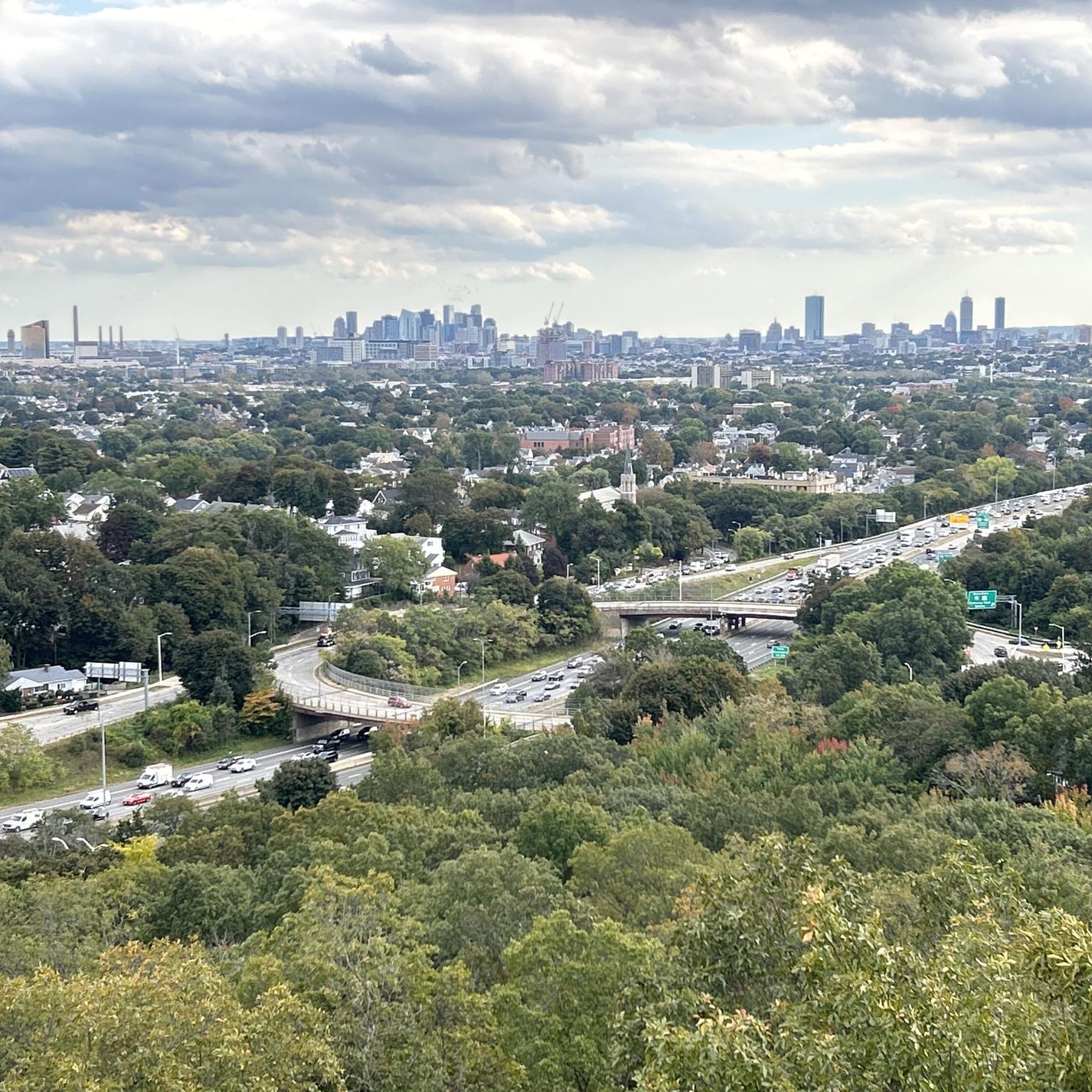
Harvard University's Great Botanical Garden is located on and around three hills, with the highest, Peters Hill, offering a particularly beautiful view of the city skyline. And botany enthusiasts can, of course, spend days here, admiring the sheer number of exotic plants.
2
0

The floating wetlands aim to combat harmful algal blooms by providing a natural solution for managing nutrient pollution and increasing local biodiversity.
0
0
Nice place to be outside for sport, picnic etc
0
0

The Lexington Battle Green, also known as Lexington Common, is a historic site in Lexington, Massachusetts. On April 19, 1775, this green was the site of the first armed conflict between colonial militiamen and British soldiers, marking the start of the Revolutionary War. Known as the "shot heard 'round the world," this skirmish began the colonies' fight for independence from England. The Battle Green is now a National Historic Landmark and features key monuments, including the iconic Minuteman Statue, the Revolutionary War Monument, and the nearby Belfry, a reproduction of the structure that summoned the militia.
2
0

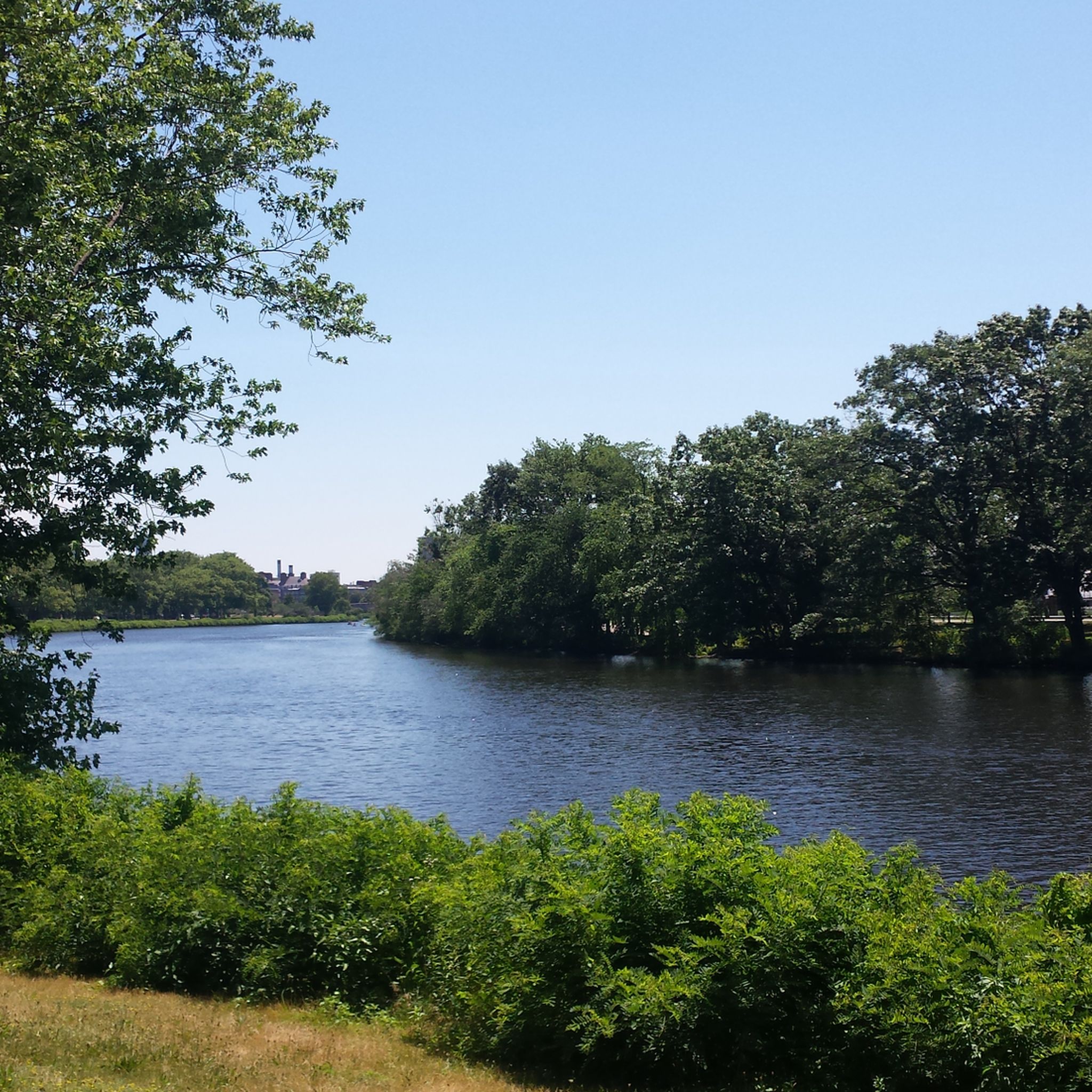
The Charles River Floating Wetland is an ecological solution to fight harmful algal blooms that threaten the Charles River's health. Floating wetlands absorb nutrients, add biodiversity, support local ecosystems, and offer co-benefits like additional green space.
0
0

The Arnold Arboretum of Harvard University is a 270-acre nature reserve in the heart of Boston. It manages one of the world's most comprehensive and best-documented collections of temperate woody plants, with a particular focus on the floras of eastern North America and East Asia. As part of the Emerald Necklace park system, it is open daily for free. The arboretum was founded in 1872, designed by Frederick Law Olmsted (1872) and co-designed by Charles Sprague Sargent, the first director. https://arboretum.harvard.edu/ https://arboretum.harvard.edu/explorer/
1
0
The water quality of the Charles River is threatened by harmful algae growth. The Charles River Floating Wetland project is investigating the extent to which floating wetlands can help reduce nutrient pollution. They are intended to absorb nutrients from the water, increase biodiversity and support local ecological changes. https://thecharles.org/floating-wetlands/
2
0
Frequently Asked Questions
What are some of the most popular natural monuments around Belmont?
Visitors frequently enjoy the Boston Public Garden Footbridge, a serene oasis with iconic Swan Boats and lush botanical displays. Another highly regarded spot is Lexington Battle Green, a historical site marking the start of the American Revolutionary War. The Arnold Arboretum, a botanical garden of Harvard University, is also very popular for its diverse plant collections and scenic paths.
What kind of natural features can I expect to see near Belmont?
Belmont and its surroundings offer a variety of natural features. You can explore extensive gardens and diverse plant collections at the Arnold Arboretum. The Charles River features unique Floating Wetlands, an ecological solution to improve water quality. Additionally, conserved lands like Rock Meadow and Lone Tree Hill provide woods, meadows, and rich ecological settings.
Are there historical natural monuments or sites near Belmont?
Yes, Belmont is rich in historical natural monuments. The Lexington Battle Green is a pivotal site where the American Revolutionary War began. Winthrop Square, also known as 'Training Field' in Charlestown, holds a storied past dating back to the colonial era and is connected to the Battle of Bunker Hill. The Boston Public Garden Footbridge is part of a garden founded in 1837, offering a blend of natural beauty and historical significance.
What outdoor activities can I do near Belmont's natural monuments?
The area around Belmont offers a range of outdoor activities. You can enjoy road cycling on routes like the 'Spy Pond – Alewife Brook Reservation loop' or 'Cambridge Common – John W. Weeks Footbridges loop'. For mountain biking, explore trails such as the 'Western Greenway Loop' or routes around Rock Meadow Conservation Area. There are also easy hiking options like the 'Duck Pond and Mill Pond Loop' or the 'Alewife Linear Park'. You can find more details on these activities and routes in the guides for Road Cycling, MTB Trails, and Easy Hikes around Belmont.
Are there family-friendly natural monuments around Belmont?
Absolutely. Many natural monuments in the Belmont area are suitable for families. The Boston Public Garden Footbridge and the entire Public Garden are great for all ages, with Swan Boats and open spaces. Lexington Battle Green offers an engaging historical experience for families. The Arnold Arboretum provides paved paths perfect for leisurely strolls with children. Even the Charles River Floating Wetlands can be an interesting educational visit for families.
What do visitors enjoy most about Belmont's natural monuments?
Visitors particularly appreciate the blend of natural beauty and historical significance. They enjoy the serene atmosphere of places like the Boston Public Garden, with its botanical displays and tranquil lagoon. The historical depth of sites like Lexington Battle Green, where the American Revolution began, is also a major draw. Many find the Arnold Arboretum to be a beautiful public park for exploration and connecting with nature.
Are there wheelchair accessible natural monuments in Belmont?
Yes, several natural monuments in the area offer wheelchair accessibility. The Boston Public Garden Footbridge and the surrounding garden are generally accessible. The Arnold Arboretum features several paved paths, making it easier to explore its diverse plant collections. These locations strive to provide inclusive experiences for all visitors.
What is the best time to visit Belmont's natural monuments?
The best time to visit Belmont's natural monuments largely depends on your interests. Spring and summer offer lush greenery and blooming flowers, especially at the Arnold Arboretum and Boston Public Garden. Autumn is spectacular for fall foliage, particularly in wooded areas like Rock Meadow and Lone Tree Hill. Historical sites like Lexington Battle Green can be visited year-round, though pleasant weather enhances the experience.
Can I find hiking trails near Belmont's natural monuments?
Yes, there are numerous hiking opportunities. For easy hikes, consider the 'Duck Pond and Mill Pond Loop' or the 'Alewife Linear Park'. More extensive trails can be found in conserved lands like Rock Meadow and Lone Tree Hill. You can explore various hiking routes in the Easy Hikes around Belmont guide.
Are there any natural monuments that are also significant historical sites?
Definitely. The Lexington Battle Green is a prime example, being the exact location of the first armed conflict of the American Revolutionary War. Winthrop Square in Charlestown, also known as 'Training Field', has served as a vital meeting point and military training ground since the 1640s and is connected to the Battle of Bunker Hill. Even the Boston Public Garden, while a natural oasis, has a rich history dating back to its founding in 1837.
What kind of wildlife can I expect to see in Belmont's natural areas?
In natural areas like Rock Meadow and Lone Tree Hill, you can observe a variety of local wildlife. These ecologically rich settings support natural diversity, including butterflies, honeybees, and small mammals. Birdwatching is also popular in these conserved lands and around the Arnold Arboretum, which provides a habitat for numerous bird species.
Are there any unique ecological projects or initiatives related to Belmont's natural monuments?
Yes, the Charles River Floating Wetlands project is a notable ecological initiative. These floating wetlands are designed to absorb nutrients from the water, increase biodiversity, and support local ecological changes, helping to combat harmful algae growth in the Charles River. It's an innovative approach to improving the health of the river ecosystem.
Most popular routes around Belmont
Most popular attractions around Belmont

Get inspired with the komoot mobile app


Explore more
Extend your search for the best caves by checking out these guides of the top ones around Belmont:
