Top 15 Natural Monuments around Milton
Best natural monuments around Milton include a variety of natural and man-made features. The region offers diverse landscapes, from serene gardens to prominent summits, providing opportunities for outdoor exploration. These areas are characterized by their unique ecological and geological attributes. Visitors can explore a range of natural settings within the Milton area.
Best natural monuments around Milton
- The most popular natural monuments is Boston Public Garden Footbridge, a bridge that is part of a serene oasis in the heart…
Last updated: June 26, 2026
Boston Public Garden Footbridge
Highlight • Bridge
Tip by

Arnold Arboretum
Highlight • Forest
Translated by Google •
Tip by

Sign up now to discover places like this
Get recommendations on the best single tracks, peaks, & plenty of other exciting outdoor places.
Sign up for free
Charles River Floating Wetlands
Highlight • Structure
Translated by Google •
Tip by

Saint Moritz Pond
Highlight • Forest
Tip by

Boston Common Park
Highlight • Natural
Tip by
Sign up for free to discover even more natural monuments around Milton.
Sign up for free
Already have an account?
Start today with a free account
Your next adventure awaits.
Login or Signup
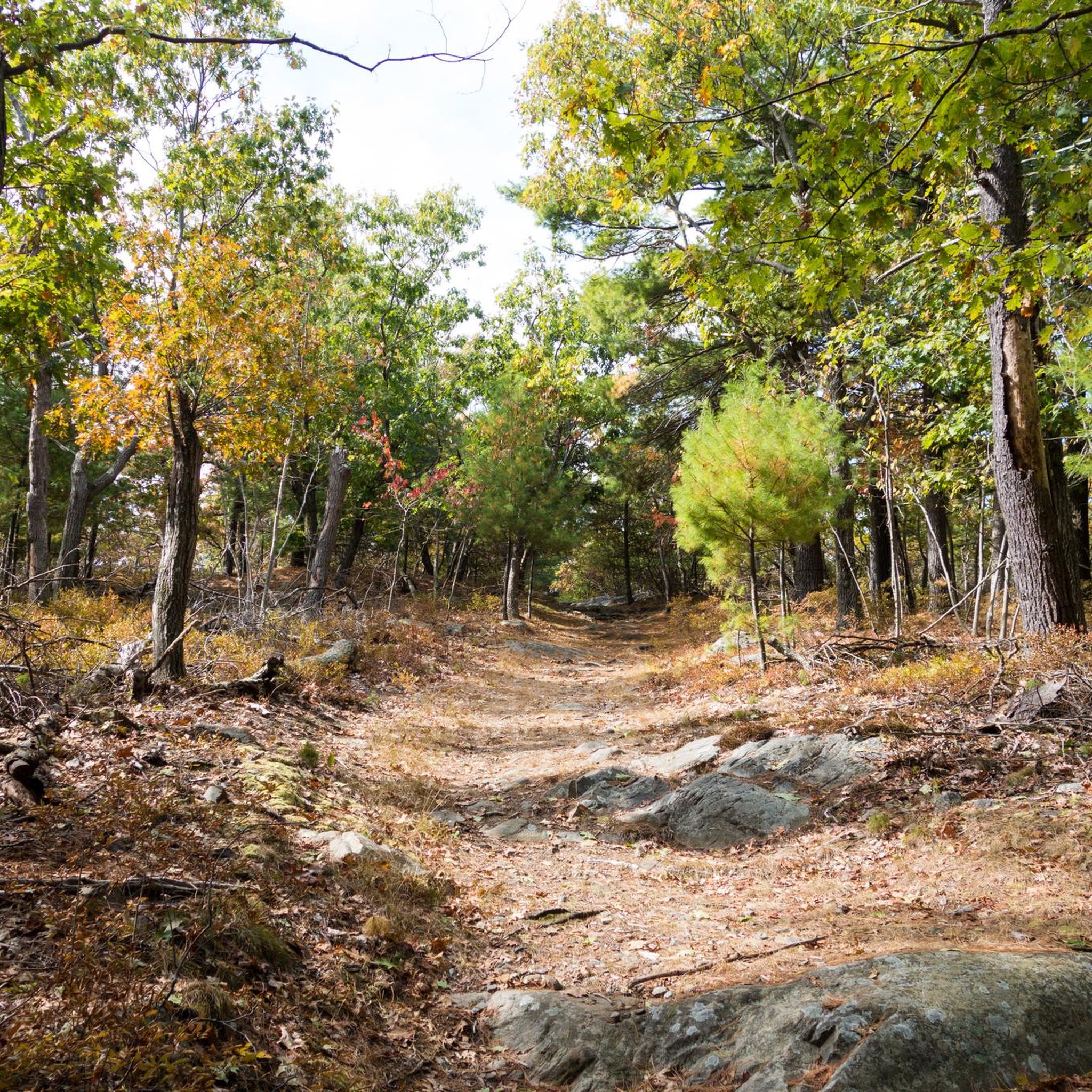
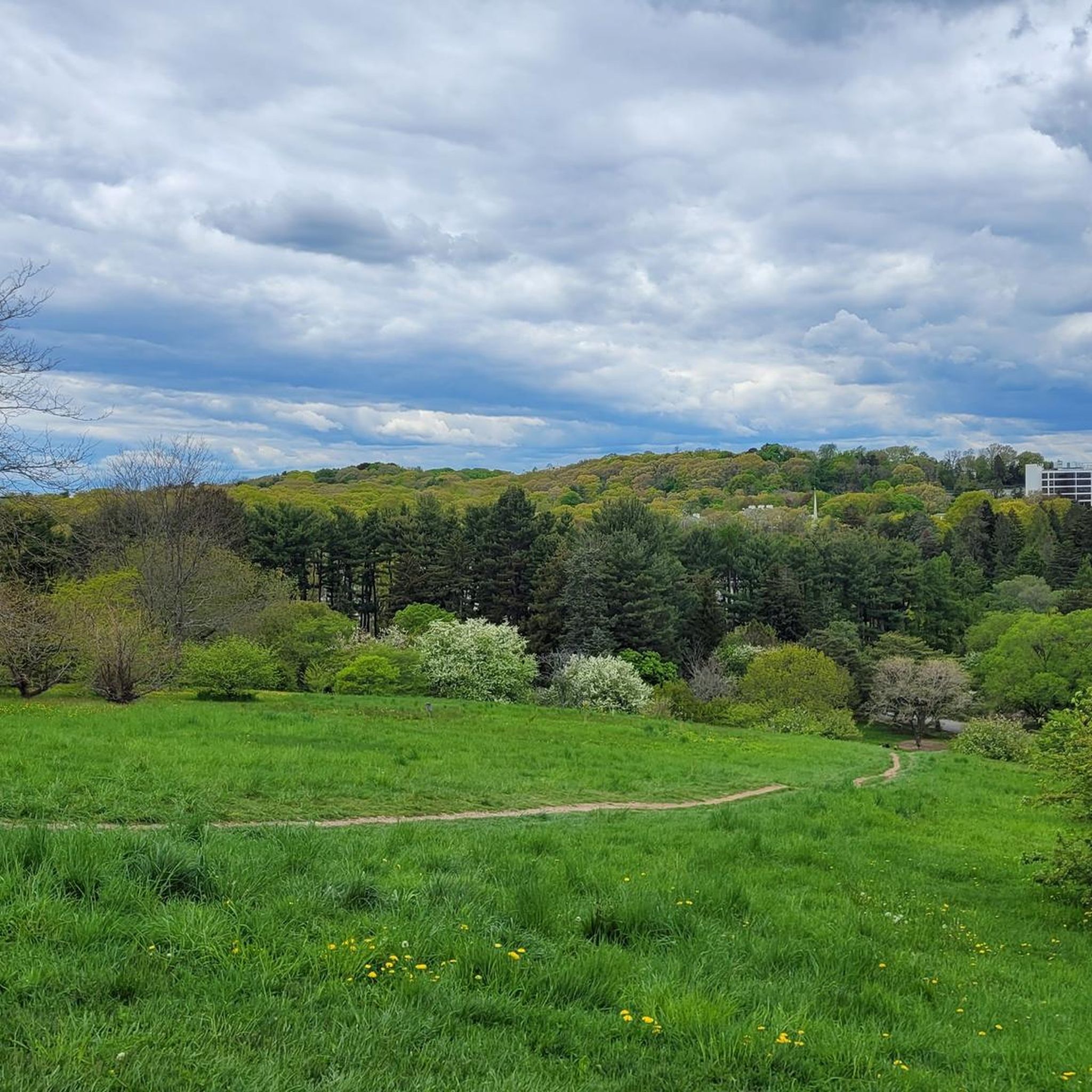
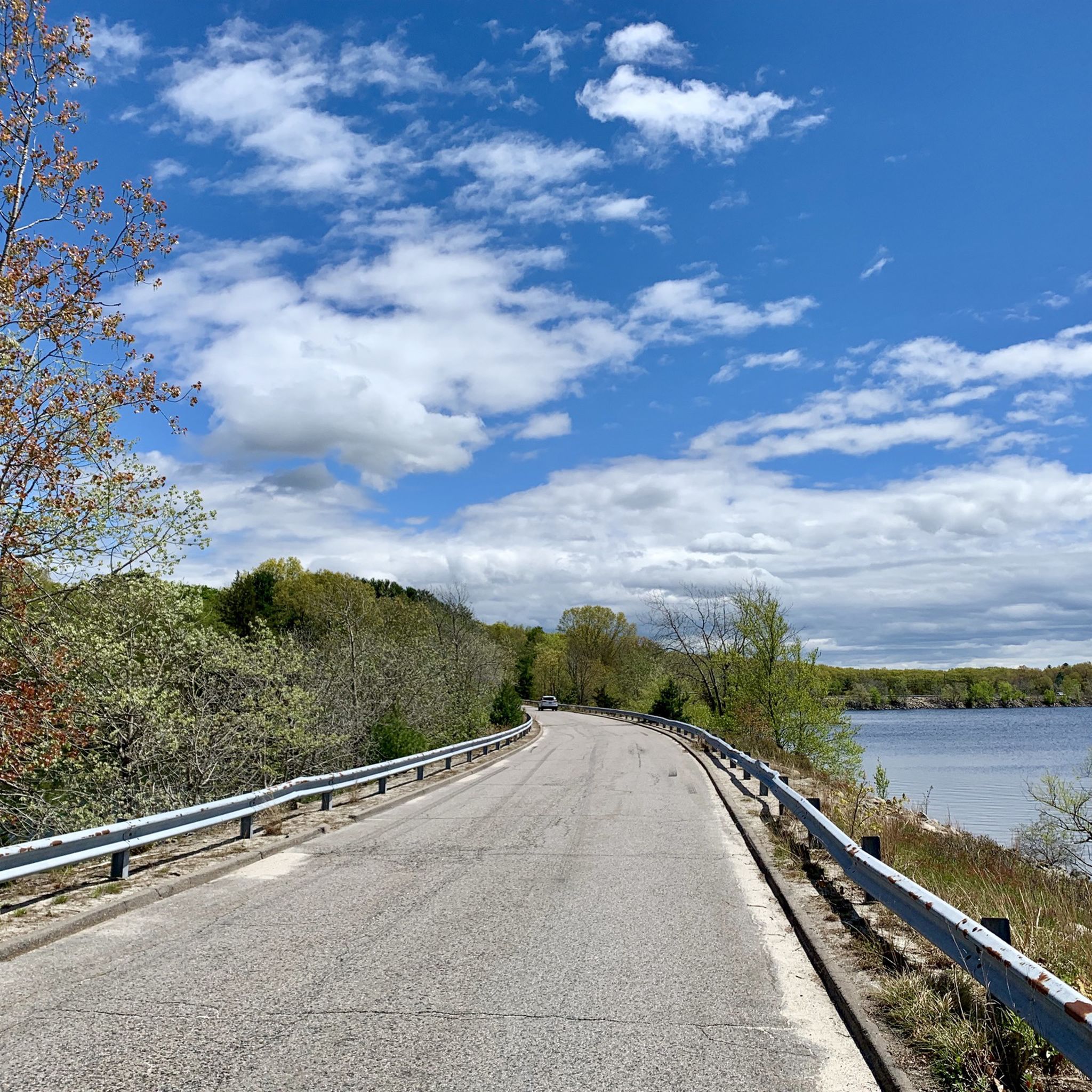
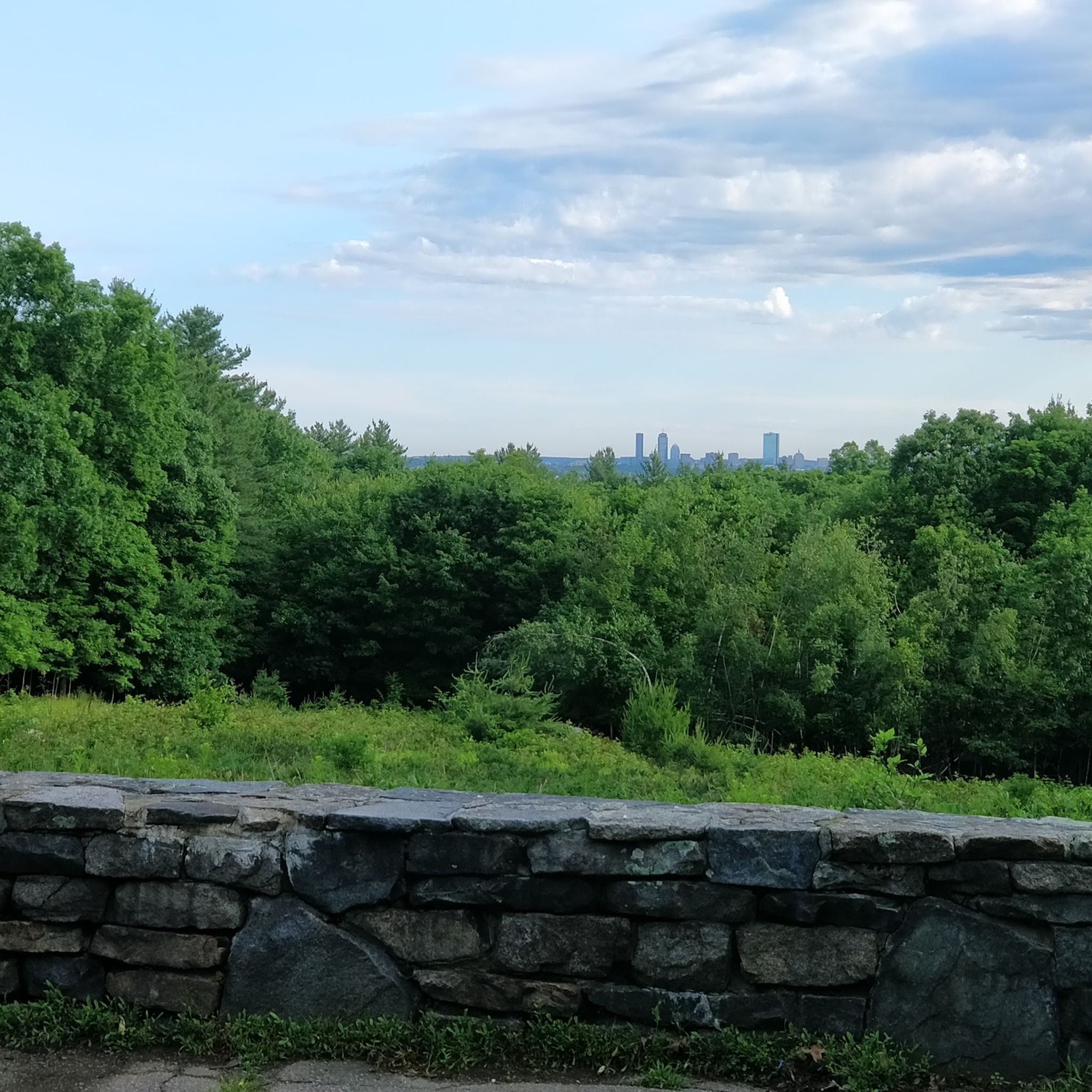

Tips from the Community

Harvard University's Great Botanical Garden is located on and around three hills, with the highest, Peters Hill, offering a particularly beautiful view of the city skyline. And botany enthusiasts can, of course, spend days here, admiring the sheer number of exotic plants.
2
0

The floating wetlands aim to combat harmful algal blooms by providing a natural solution for managing nutrient pollution and increasing local biodiversity.
0
0

Nice place to be outside for sport, picnic etc
0
0

The Charles River Floating Wetland is an ecological solution to fight harmful algal blooms that threaten the Charles River's health. Floating wetlands absorb nutrients, add biodiversity, support local ecosystems, and offer co-benefits like additional green space.
0
0

The Arnold Arboretum of Harvard University is a 270-acre nature reserve in the heart of Boston. It manages one of the world's most comprehensive and best-documented collections of temperate woody plants, with a particular focus on the floras of eastern North America and East Asia. As part of the Emerald Necklace park system, it is open daily for free. The arboretum was founded in 1872, designed by Frederick Law Olmsted (1872) and co-designed by Charles Sprague Sargent, the first director. https://arboretum.harvard.edu/ https://arboretum.harvard.edu/explorer/
1
0
The water quality of the Charles River is threatened by harmful algae growth. The Charles River Floating Wetland project is investigating the extent to which floating wetlands can help reduce nutrient pollution. They are intended to absorb nutrients from the water, increase biodiversity and support local ecological changes. https://thecharles.org/floating-wetlands/
2
0
The Boston Public Garden was founded in 1837 and was the first public botanical garden in America. Two centuries lie between the creation of the Boston Common and the neighboring Public Garden. While the Common was a public park with a variety of uses, the Public Garden was designed in the Victorian style with flowerbeds, exotic trees, a lagoon, monuments and fountains. https://www.boston.gov/parks/public-garden
2
0
The Boston Public Garden Foot Bridge is a pedestrian bridge over the lagoon in Boston Public Garden. It was completed in 1867. Although this bridge has been equipped with modern girders to carry live loads since 1921, it still has the oldest known suspension system in the country. https://www.historicnewengland.org/explore/collections-access/gusn/196278 https://en.wikipedia.org/wiki/Boston_Public_Garden_Foot_Bridge
2
0
Frequently Asked Questions
What are some of the most notable natural monuments to visit in Milton, Ontario?
Milton, Ontario, is home to several impressive natural monuments, primarily shaped by the Niagara Escarpment. Key areas include Rattlesnake Point Conservation Area, known for its cliff-edge views and ancient cedar trees; Hilton Falls Conservation Area, featuring a beautiful waterfall and old mill ruins; and Crawford Lake Conservation Area, with its unique meromictic lake and Iroquoian village reconstruction.
What kind of natural features can I expect to see in Milton's natural monuments?
Visitors to Milton's natural monuments can expect diverse landscapes, including dramatic limestone cliffs and dense woodlands along the Niagara Escarpment. You'll find natural waterfalls like at Hilton Falls, unique geological formations such as Crawford Lake's meromictic lake, and extensive wetlands at Mountsberg Conservation Area.
When is the best time to visit Milton's natural monuments?
The best time to visit depends on your interests. Spring offers impressive waterfall flows, especially at Hilton Falls, due to melting snow. Fall is particularly spectacular for viewing the vibrant foliage at places like Rattlesnake Point. Summer provides ideal conditions for hiking and outdoor activities, while winter offers opportunities for snowshoeing and cross-country skiing.
Are there family-friendly natural monuments in Milton?
Yes, several natural monuments in Milton are excellent for families. Hilton Falls Conservation Area has an easy 3 km round trip trail to the waterfall. Crawford Lake Conservation Area features an accessible boardwalk around the lake and educational exhibits on Indigenous history. Mountsberg Conservation Area offers farm animals, a raptor center, and a wildlife walkway.
Can I find historical or cultural sites within Milton's natural monuments?
Yes, Crawford Lake Conservation Area is notable for its recreated 15th-century Iroquoian longhouses, offering a glimpse into Indigenous history and culture based on archaeological excavations. Hilton Falls Conservation Area also features old mill ruins, adding a historical element to your visit.
Are there accessible options for visitors with mobility challenges at Milton's natural monuments?
Yes, Crawford Lake Conservation Area offers an accessible boardwalk trail that encircles the unique meromictic lake, making it suitable for a leisurely stroll for visitors with mobility challenges.
What outdoor activities can I do near these natural monuments?
Milton's natural monuments are excellent for various outdoor activities. You can enjoy extensive hiking on trails like the Bruce Trail, which passes through many conservation areas. There are also opportunities for gravel biking and mountain biking. For specific routes, explore the Gravel biking around Milton, Hiking around Milton, and MTB Trails around Milton guides.
Are there hiking trails near these natural monuments?
Absolutely. Milton is a hiker's paradise, with numerous trails connecting its natural monuments. The extensive Bruce Trail runs through many conservation areas, offering diverse landscapes. You can find trails for various abilities at Rattlesnake Point, Hilton Falls, and Mountsberg. For detailed hiking routes, refer to the Hiking around Milton guide.
Where can I find panoramic views in Milton?
For breathtaking panoramic views, head to Rattlesnake Point Conservation Area. Its cliff-edge lookouts, particularly along the Buffalo Crag Trail, offer stunning vistas over the Niagara Escarpment. The Lakeshore Lookout Trail at Mountsberg Conservation Area also provides brilliant views overlooking the Mountsberg Reservoir.
Are dogs allowed on trails at Milton's natural monuments?
Most conservation areas in Milton, including Rattlesnake Point, Hilton Falls, Crawford Lake, and Mountsberg, generally permit dogs on trails, provided they are kept on a leash. It's always a good idea to check the specific conservation area's website for their most current pet policies before your visit.
What makes Crawford Lake unique among Milton's natural monuments?
Crawford Lake Conservation Area is unique due to its rare meromictic lake. This means the layers of water do not mix, preserving a thousand years of history in its depths. A boardwalk trail encircles the lake, allowing visitors to observe this geological phenomenon up close, alongside recreated 15th-century Iroquoian longhouses.
Are there opportunities for rock climbing in Milton's natural monuments?
Yes, Rattlesnake Point Conservation Area is a significant location for rock climbing, offering various routes along its impressive limestone cliffs. It's a popular spot for climbers of different skill levels.
Most popular routes around Milton
Most popular attractions around Milton

Get inspired with the komoot mobile app


Explore more
Extend your search for the best caves by checking out these guides of the top ones around Milton:
