Top 8 Natural Monuments around Wellesley
Best natural monuments around Wellesley offer diverse ecosystems and geological formations within a rich conservation landscape. The town features extensive woodlands, ponds, and riverine areas, providing varied opportunities for outdoor exploration. These natural spaces are valued for their ecological significance and recreational offerings, including a comprehensive trail system. The area's natural features include glacial erratics, steep eskers, and scenic river views.
Best natural monuments around Wellesley
- The most popular natural monuments is Arnold Arboretum, a forest that showcases diverse…
Last updated: June 26, 2026
Arnold Arboretum
Highlight • Forest
Translated by Google •
Tip by

Prospect Hill Park
Highlight • Viewpoint
Tip by

Sign up now to discover places like this
Get recommendations on the best single tracks, peaks, & plenty of other exciting outdoor places.
Sign up for free
Rock Formation in Medfield Charles River State Reservation
Highlight • Natural Monument
Tip by

South Natick Dam and Park
Highlight • Monument
Tip by

Nira Rock Urban Wild
Highlight • Natural Monument
Tip by

Sign up for free to discover even more natural monuments around Wellesley.
Sign up for free
Already have an account?
Start today with a free account
Your next adventure awaits.
Login or Signup

Tips from the Community

Sunset Shelter is located near the high point of the park, with tree-obstructed view to the west.
0
0

Harvard University's Great Botanical Garden is located on and around three hills, with the highest, Peters Hill, offering a particularly beautiful view of the city skyline. And botany enthusiasts can, of course, spend days here, admiring the sheer number of exotic plants.
2
0

A peaceful spot within urban surroundings, the view of the Boston skyline at the horizon across wooded areas is a highlight
1
0

The Arnold Arboretum of Harvard University is a 270-acre nature reserve in the heart of Boston. It manages one of the world's most comprehensive and best-documented collections of temperate woody plants, with a particular focus on the floras of eastern North America and East Asia. As part of the Emerald Necklace park system, it is open daily for free. The arboretum was founded in 1872, designed by Frederick Law Olmsted (1872) and co-designed by Charles Sprague Sargent, the first director. https://arboretum.harvard.edu/ https://arboretum.harvard.edu/explorer/
1
0

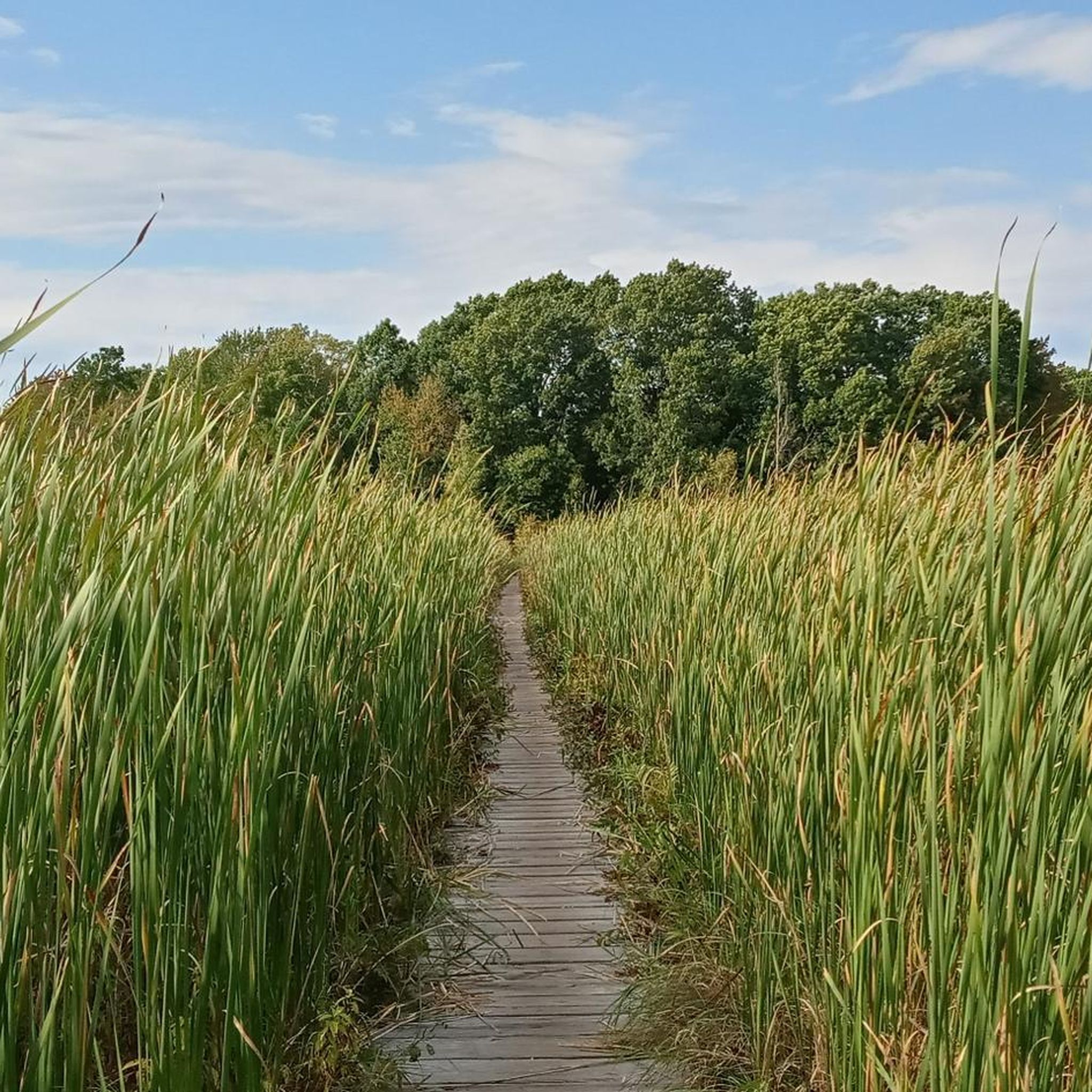
This park provides a stunning environment with meadows, forests, and a river, making it an excellent location for a picturesque jog. Additionally, an abandoned psychiatric hospital has been transformed into a park on the premises, which adds an intriguing element.
0
0

This recreation area encompasses fields, woodlands and river and is a wonderful place for a stroll. There is also an abandoned psychiatrist hospital-turned park here, so there's lots to experience.
1
0

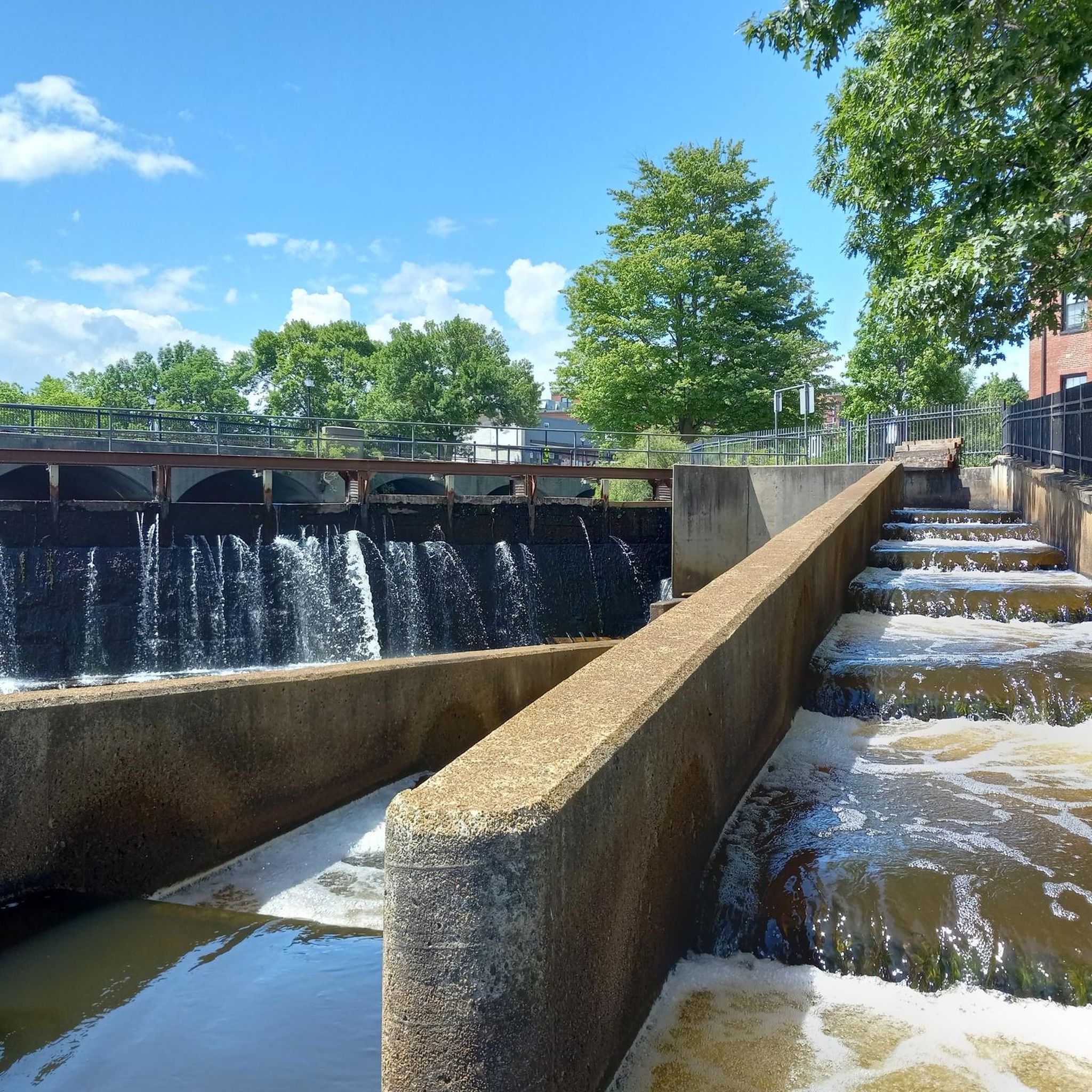
The South Natick Dam, or Charles River Dam, is a very small but picturesque flood control structure on the Charles River in Boston. There is also a small park adjacent to the dam, and it is a popular spot for visitors.
1
0

Arnold Arboretum in Boston, founded in 1872, is a botanical oasis. It spans 281 acres and showcases diverse plant collections, providing a serene setting for research, education, and pleasant runs through beautiful landscapes.
0
0
Frequently Asked Questions
What unique geological features can be found in Wellesley's natural monuments?
Wellesley's natural monuments showcase a rich geological history. You can explore areas with steep eskers, which are ridge-like formations created by glaciers, particularly in the Wellesley Town Forest. The Boulder Brook Reservation is notable for its large glacial erratics and landscapes carved by ancient glaciers. Additionally, Hemlock Gorge features unique geological formations along the Charles River, and Nira Rock Urban Wild, formerly a quarry, features a significant puddingstone outcropping.
Are there family-friendly natural monuments in Wellesley?
Yes, several natural monuments in Wellesley are ideal for families. The Arnold Arboretum offers paved paths suitable for all ages to explore diverse plant collections. Prospect Hill Park provides scenic trails and views, while the South Natick Dam and Park is a pleasant spot by the Charles River. Fuller Brook Park, with its ADA-accessible Brook Path, is also a beloved spot for family walks and jogging.
What are the best natural monuments for scenic views in Wellesley?
For stunning vistas, Prospect Hill Park offers panoramic views from its elevated position. Centennial Reservation provides picturesque walks to the top of Maugus Hill, one of Wellesley's highest points, where you can enjoy views of the surrounding landscape, including the Great Blue Hills. Boulder Brook Reservation also offers a scenic view from the top of Rocky Ledges.
Where can I go for a walk or hike in Wellesley's natural areas?
Wellesley offers an extensive trail system connecting many natural areas. The Wellesley Town Forest features an extensive trail system for hiking and birdwatching. Morses Pond has trails winding through pine forests and along the Cochituate Aqueduct. Fuller Brook Park's Brook Path is excellent for walking and jogging. For more structured routes, you can find various running trails, including the Sudbury Aqueduct Path and the Centennial Park and Brook Path Loop, on the Running Trails around Wellesley guide.
What opportunities are there for cycling near Wellesley's natural monuments?
Cyclists can enjoy several routes that pass by or through Wellesley's natural areas. The Arnold Arboretum has paved paths suitable for cycling. For longer rides, consider routes like the Wellesley Hills to Moose Hill Reservation loop or the Scott Conservation Land Trust loop. You can find detailed cycling routes in the Cycling around Wellesley guide.
Can I find natural monuments with water features in Wellesley?
Yes, Wellesley has several natural monuments featuring water. Morses Pond is a 102-acre pond popular for swimming, kayaking, and paddle-boarding. The Wellesley Town Forest encompasses Rosemary Brook and Longfellow Pond. Hemlock Gorge is located along the Charles River, offering scenic river views, and the South Natick Dam and Park is situated directly on the Charles River.
What kind of wildlife can be observed in Wellesley's natural monuments?
Wellesley's diverse ecosystems support various wildlife. The Wellesley Town Forest, with its woodlands, marshes, and vernal pool, is an excellent spot for birdwatching. Morses Pond and the Charles River areas are home to aquatic wildlife and various bird species. Centennial Reservation is also a great spot for wildlife spotting, particularly in its rolling meadows and woodlands.
Are there any natural monuments in Wellesley that are wheelchair accessible?
Fuller Brook Park features the popular Brook Path, which is an ADA-accessible stone dust path, making it suitable for wheelchairs. The Arnold Arboretum also offers several paved paths that are generally wheelchair-friendly, allowing visitors to explore its botanical collections.
What is the best time to visit Wellesley's natural monuments?
Wellesley's natural monuments can be enjoyed year-round, with each season offering a different experience. Spring brings blooming flora, while summer is ideal for water activities at Morses Pond. Autumn showcases vibrant fall foliage, particularly beautiful in areas like Centennial Reservation and the Wellesley Town Forest. Even in winter, trails can be explored, though seasonal conditions should be checked. For specific trail conditions, you might find useful information on the town's trail resources, such as Wellesley Trails.
Are there opportunities for gravel biking near Wellesley's natural monuments?
Yes, gravel biking enthusiasts can find routes around Wellesley that incorporate natural landscapes. Options include the Auburndale Park and Forest Grove loop or sections of the Western Greenway Loop. For more detailed routes and difficulty levels, refer to the Gravel biking around Wellesley guide.
Where can I find information about parking for Wellesley's natural monuments?
Parking availability varies by location. For instance, the South Natick Dam and Park has adjacent parking. Many conservation areas, like the Wellesley Town Forest and Morses Pond, typically have designated parking areas. It's advisable to check specific town resources for detailed parking information, such as the Maps, Guides & Descriptions page on the wellesleyma.gov website.
What historical significance do some of Wellesley's natural monuments hold?
Some natural areas in Wellesley also have historical significance. Fuller Brook Park, for example, was established in 1899 and is listed on the National Register of Historic Places, designed by John Charles Olmsted. Hemlock Gorge features the historic Echo Bridge, offering a unique perspective and a fun echo phenomenon. The Cochituate Aqueduct, which runs near Morses Pond, is also a historic engineering marvel.
Most popular routes around Wellesley
Most popular attractions around Wellesley

Get inspired with the komoot mobile app


Explore more
Extend your search for the best caves by checking out these guides of the top ones around Wellesley:
