Top 5 Natural Monuments around Chaska
Best natural monuments around Chaska include diverse natural spaces, from wetlands and lakes to unique geological features. The region features varied ecosystems, including remnants of "Big Woods" areas and extensive trail systems. Chaska's natural landscape offers opportunities to explore wetlands, springs, and river features. These areas provide insight into the region's ecological heritage and geological past.
Best natural monuments around Chaska
- The most popular natural monument is Rapids in the Minnesota River at Rapids Lake, a river feature that…
Last updated: June 26, 2026
Seminary Fen Scientific and Natural Area
Highlight • Natural Monument
Tip by

Gigantic Glacial Erratic
Highlight • Natural Monument
Tip by
Sign up now to discover places like this
Get recommendations on the best single tracks, peaks, & plenty of other exciting outdoor places.
Sign up for free
View of the Minnesota River Valley from Richard T. Anderson Conservation Area
Highlight • Viewpoint
Tip by

Rapids in the Minnesota River at Rapids Lake
Highlight • River
Tip by
Fredrick-Miller Spring
Highlight • Natural Monument
Tip by
Sign up for free to discover even more natural monuments around Chaska.
Sign up for free
Already have an account?
Start today with a free account
Your next adventure awaits.
Login or Signup

Tips from the Community

Really stands out as your hiking along that suddenly there is a HUGE bolder!
0
0

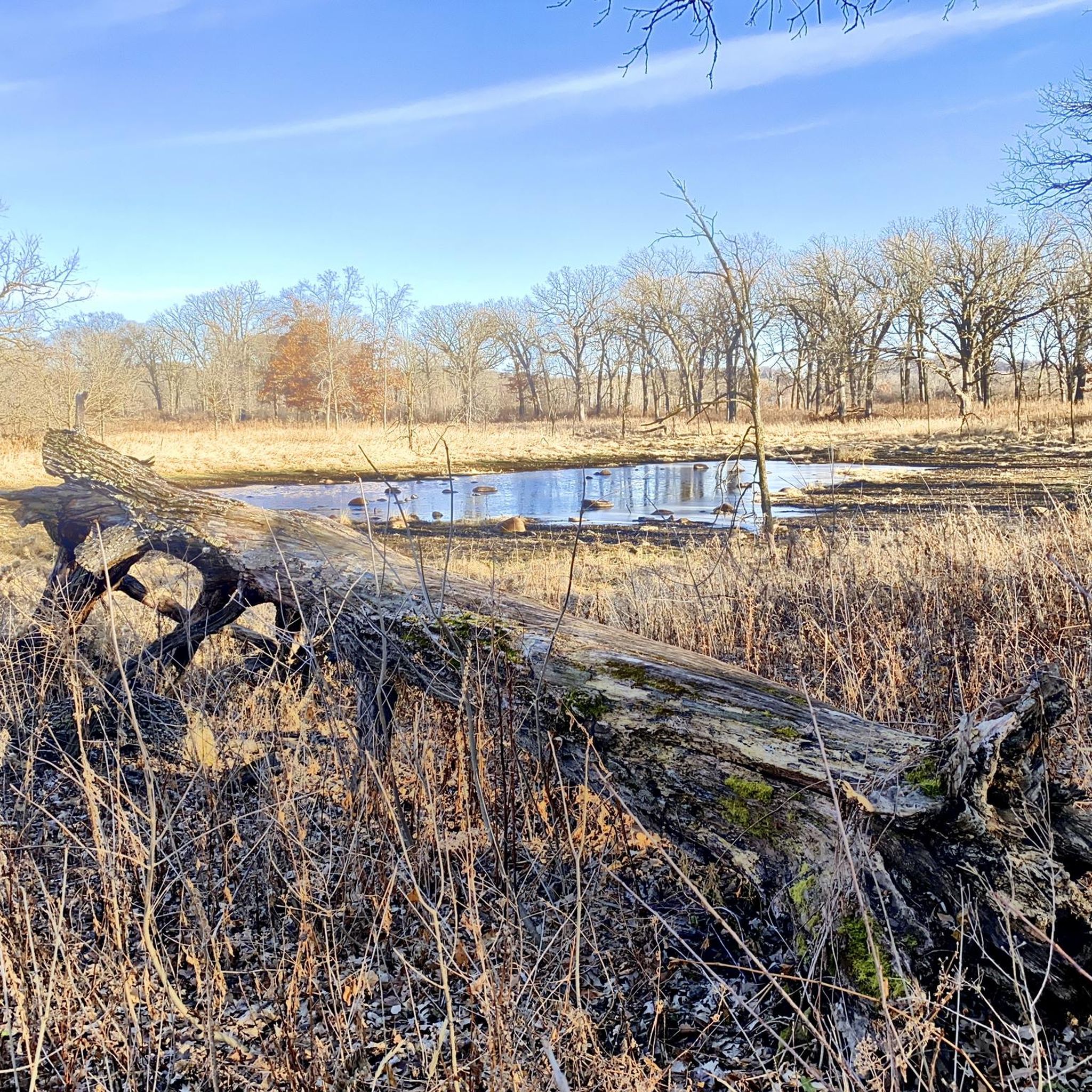
Minnesota SNAs are designated to permanently protect native plant communities, rare species, and geological features. Approximately 170 SNA SNAs are strategically located throughout Minnesota to safeguard the unique species and geological characteristics associated with the various biomes. In the early 1900s, the site of the Seminary Fen SNA was home to a health spa known as Mudcura, established by Dr. Henry Fischer. Dr. Fischer treated patients with various ailments with mud baths and sulfur water from the springs feeding Assumption Creek. As interest in mud treatments waned, the spa was transferred to the Franciscan Order, which used the buildings as a seminary and school until its closure in 1965. The unused building burned down in 1997 and was demolished. The Seminary Fen Scientific and Natural Area was established on June 28, 2028, to protect a rare and unique calcareous fen, a lowland area along Assumption Creek. These fens accumulate peat and rely on a constant supply of upwelling calcium-rich groundwater and other minerals. While there are no established walking trails in the SNA, visitors can use game trails to access the oak savanna on the highland and the calcareous fen below.
0
0
Since 1890, spring has been readily available to anybody who wants to use it. Even today, when I visited it, eight people stood in line on a cold winter day, waiting for their turn to fill a jug with spring water.
0
0
Although walking to this overlook from the parking lot below is a bit of a climb, this would be an excellent place for a Birding Big Day to look for migrating raptors.
0
0

At this point, you'll be treated to a sweeping view of the Minnesota River Valley, a landscape shaped by glaciers melting over 12,000 years ago. An informative board provides additional insights into the area's rich history, offering fascinating facts for visitors to explore.
0
0
This is a huge glacial erratic which, when viewed from one angle, looks like a Bison, and when viewed from another, looks like a Right Whale.
5
0
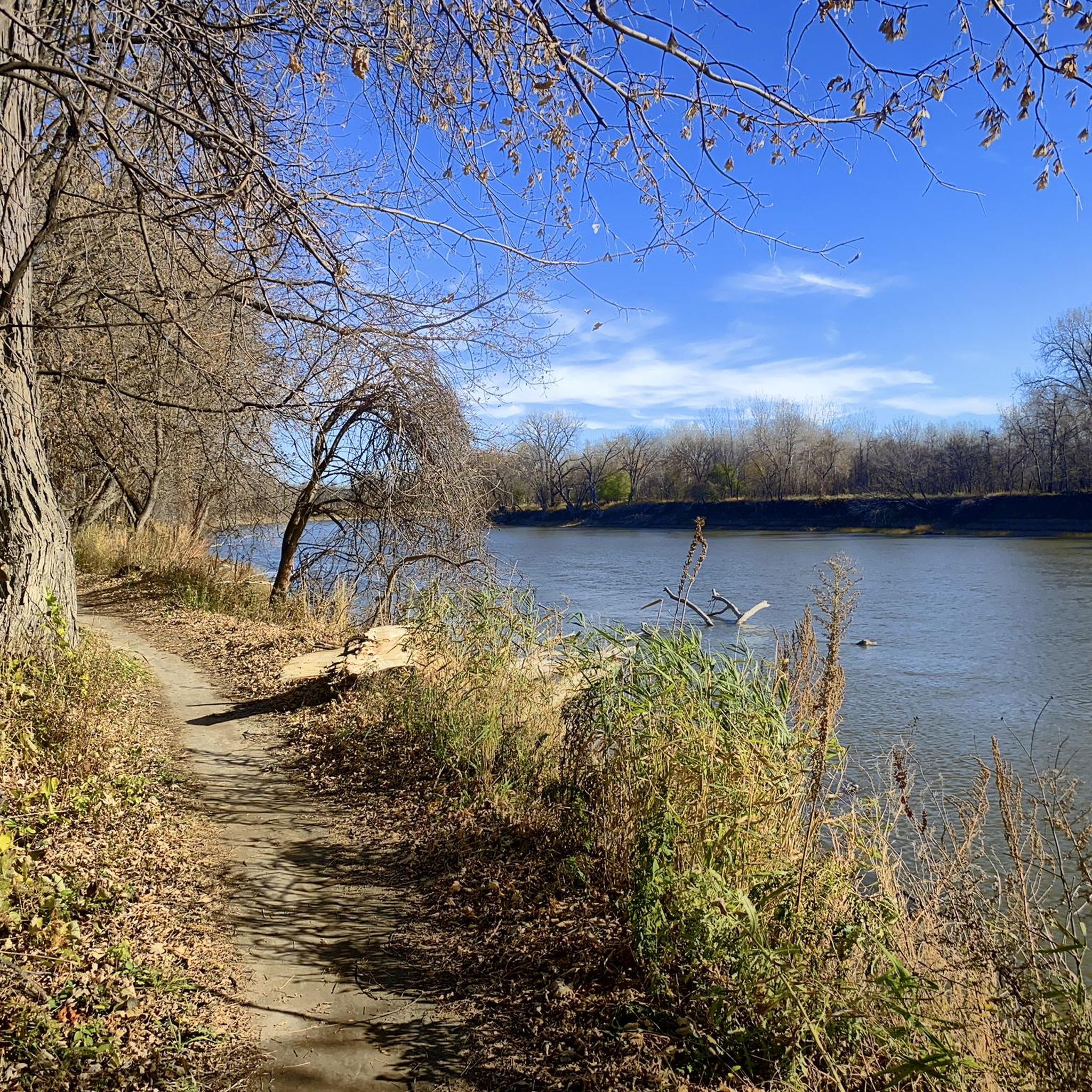
These rapids add a bit of interest and are an unusual feature in this generally smoothly flowing section of the Minnesota River.
0
0
Frequently Asked Questions
What unique natural landmarks can I find in Chaska?
Chaska offers several unique natural landmarks. You can visit the Gigantic Glacial Erratic, a massive boulder that appears like a Bison from one angle and a Right Whale from another. Another interesting spot is the Fredrick-Miller Spring, a natural spring that has provided water to the community since 1890, with people still visiting to fill jugs today.
What are some notable natural features or viewpoints in the Chaska area?
Beyond specific monuments, Chaska is known for its diverse natural features. The Rapids in the Minnesota River at Rapids Lake offer an unusual and interesting river feature in an otherwise smoothly flowing section. The region also boasts extensive wetlands, such as the Seminary Fen Scientific and Natural Area, which protects a rare calcareous fen, and the Spring Peeper Meadow at the University of Minnesota Landscape Arboretum, a restored wetland with a boardwalk and excellent birdwatching opportunities.
Are there family-friendly natural monuments around Chaska?
Yes, Chaska has natural spots suitable for families. The Gigantic Glacial Erratic is a fun and impressive sight for all ages. Additionally, the Shakopee Springs at site of Pond Mission offers a blend of natural beauty and historical significance that can be engaging for families. Firemen's Park and Clayhole Lake also provide walking paths and paddleboat rentals, making it a great family outing.
What is the best time to visit natural monuments in Chaska?
Chaska's natural monuments offer beauty throughout the year. Spring and summer are ideal for enjoying wildflowers and birdwatching, especially at places like Spring Peeper Meadow. Fall brings vibrant foliage to the 'Big Woods' remnants and trail systems. Even in winter, places like Fredrick-Miller Spring see visitors, and trails are suitable for outdoor activities in various weather conditions. Interpretive signs along trails, such as at Spring Peeper Meadow, enhance the experience year-round.
Are there hiking trails near these natural monuments?
Yes, Chaska boasts an extensive trail system, with over 60 miles of trails traversing the natural landscape. You can find easy hikes like the Mazomani Trail or Lake McKnight Loop, and moderate options such as the Sunny Lake Loop Trail or Minnesota Landscape Arboretum Loop. For more details on hiking routes, you can explore the Hiking around Chaska guide or the Easy hikes around Chaska guide.
What outdoor activities can I do near Chaska's natural monuments?
Besides exploring the monuments themselves, the Chaska area offers a variety of outdoor activities. The extensive trail system is perfect for walking, running, and biking. Clayhole Lake at Firemen's Park offers paddleboat and paddleboard rentals. Courthouse Lake is known for trout fishing. For cycling enthusiasts, there are numerous road cycling routes, including those passing by the Seminary Fen Scientific and Natural Area. Check out the Road Cycling Routes around Chaska guide for more options.
Are there any historical natural sites in Chaska?
Yes, Chaska has natural sites with historical significance. The Shakopee Springs at site of Pond Mission were used by Native Americans long before European settlers arrived. The Fredrick-Miller Spring has been a community water source since 1890. The site of the Seminary Fen Scientific and Natural Area was once home to the Mudcura health spa in the early 1900s, known for its mud baths and sulfur water treatments.
Where can I go birdwatching or see wildlife in Chaska?
Spring Peeper Meadow at the University of Minnesota Landscape Arboretum is an excellent spot for birdwatching, with over 90 species observed. Its wetland environment also supports diverse wildlife. Chaska's various parks and natural resource areas, connected by the trail system, provide opportunities to observe local ecology, including the Minnesota River floodplain and related wetlands, which are rich in wildlife.
Are there any natural areas in Chaska that are good for a peaceful retreat?
Absolutely. Wetlands Park is highlighted as a peaceful retreat with trails for walking and running. Courthouse Lake offers a serene, shaded walk around the lake, featuring a natural prairie grass area with chairs overlooking the water. Lake Jonathan and Lake Grace also provide easy walking paths with calm water views, perfect for relaxed strolls close to town.
What types of geological features can be found in Chaska?
Chaska's geological features include unique formations like the Gigantic Glacial Erratic, a large boulder deposited by glaciers. The region also features calcareous fens, such as the one protected at the Seminary Fen Scientific and Natural Area, which are lowland areas accumulating peat and relying on calcium-rich groundwater. The historic Clayhole Lake was formed from former clay mining operations, showcasing the area's geological past.
Are there any natural areas in Chaska that preserve 'Big Woods' ecosystems?
Yes, Chaska's comprehensive plans emphasize the preservation of 'Big Woods' areas. These forested ecosystems represent a significant natural resource and can be found particularly adjacent to new park developments like the SW Chaska Park. Exploring Chaska's extensive trail system often leads through these valuable natural surroundings.
Where can I find information about Chaska's parks and recreation facilities?
For more information about Chaska's parks, trails, and recreation facilities, you can visit the official city website. They provide details on various amenities and opportunities available. You can find more information at chaskamn.gov.
Most popular attractions around Chaska

Get inspired with the komoot mobile app


Explore more
Extend your search for the best caves by checking out these guides of the top ones around Chaska:
