Top 8 Natural Monuments around Minnetonka
Best natural monuments around Minnetonka offer diverse natural areas and parks for outdoor exploration. The city is characterized by its wetlands and forested areas, providing natural beauty within a metropolitan setting. Minnetonka maintains over 268 acres of parkland and more than 100 miles of trails, demonstrating a commitment to preserving its ecological heritage. These natural features, including restored prairies and woodlands, provide opportunities for hiking and connecting with nature.
Best natural monuments around Minnetonka
- The most popular natural monuments is…
Last updated: June 26, 2026
Lyndale Park Rose Garden
Highlight • Natural Monument
Tip by

Wolsfeld Woods Scientific and Natural Area
Highlight • Forest
Tip by

Sign up now to discover places like this
Get recommendations on the best single tracks, peaks, & plenty of other exciting outdoor places.
Sign up for free
Eloise Butler Wildflower Garden and Bird Sanctuary
Highlight • Forest
Tip by
Quaking Bog
Highlight • Natural
Tip by
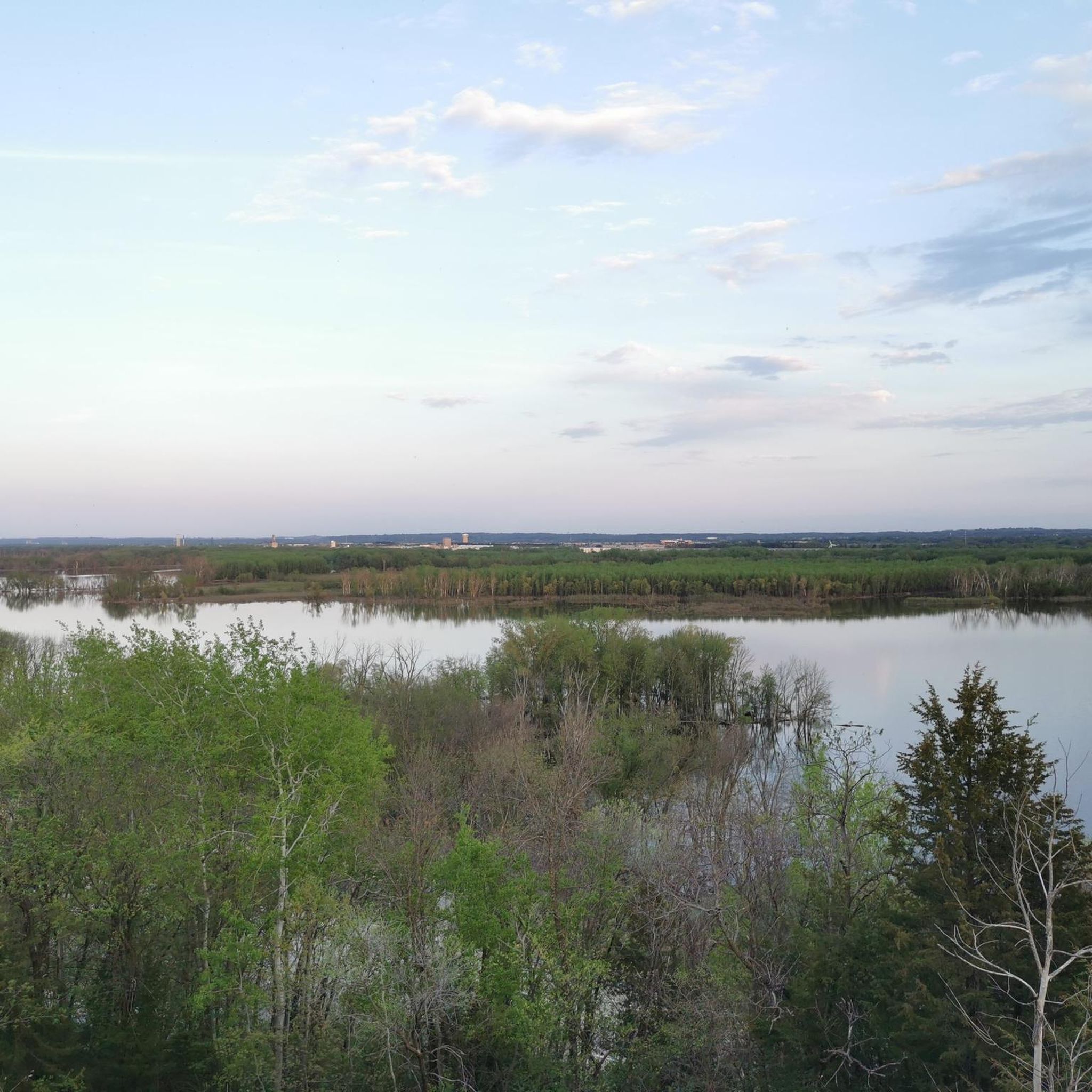
View of the Minnesota River Valley from Richard T. Anderson Conservation Area
Highlight • Viewpoint
Tip by
Sign up for free to discover even more natural monuments around Minnetonka.
Sign up for free
Already have an account?
Start today with a free account
Your next adventure awaits.
Login or Signup

Tips from the Community

Nice place tucked away off a church parking lot.
0
0

This is the second-oldest public rose garden in the United States, showcasing a hundred different types of roses and some 3,000 plants in all.
0
0

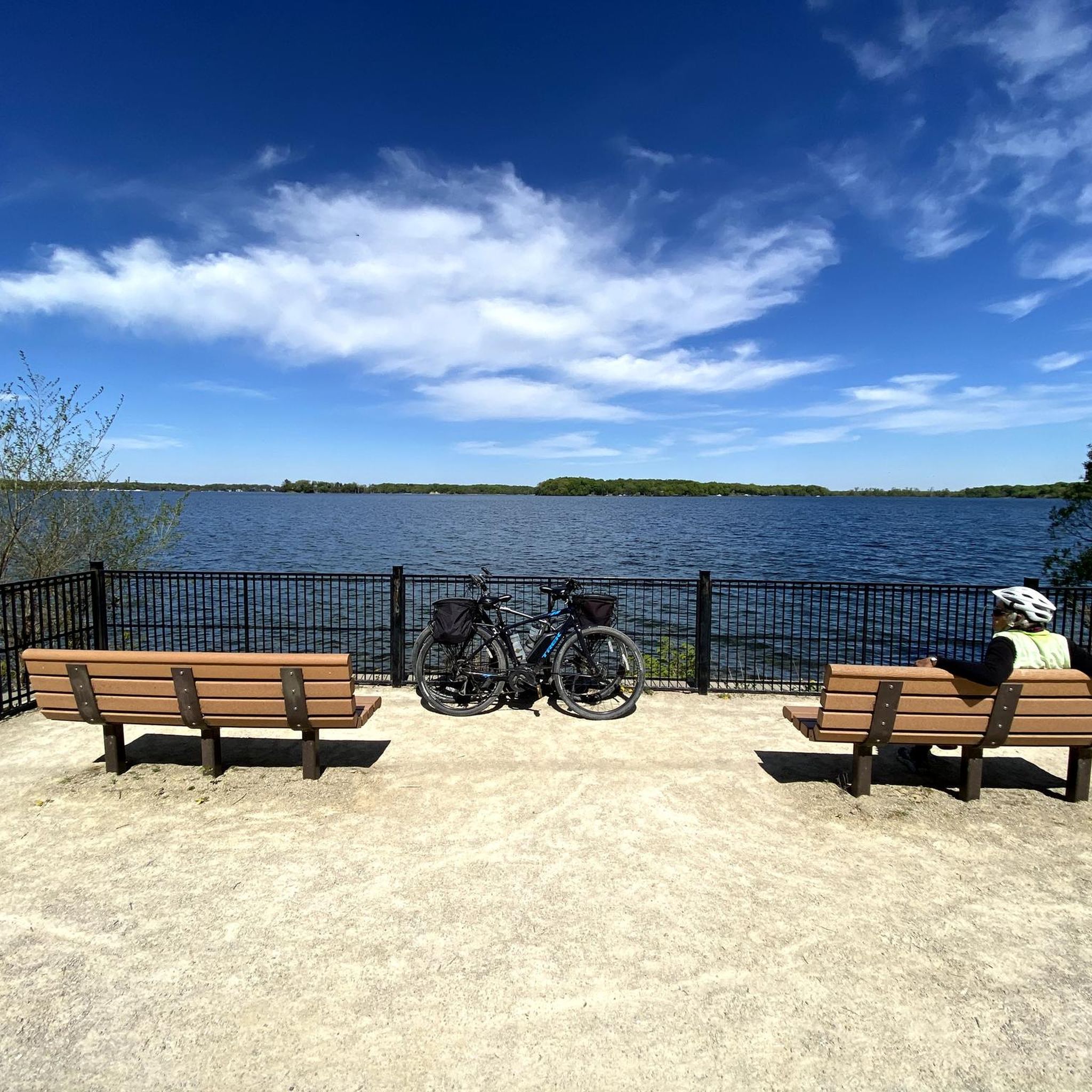
Although walking to this overlook from the parking lot below is a bit of a climb, this would be an excellent place for a Birding Big Day to look for migrating raptors.
0
0

Wolsfeld Woods was one of Minnesota's earliest Scientific and Natural Areas, established in 1978. It boasts some of the state's largest sugar maple trees, with Wolsfeld Lake enhancing the northwest corner. Be sure to keep an eye out for the diverse wildlife that frequents this area.
0
0
At this point, you'll be treated to a sweeping view of the Minnesota River Valley, a landscape shaped by glaciers melting over 12,000 years ago. An informative board provides additional insights into the area's rich history, offering fascinating facts for visitors to explore.
0
0
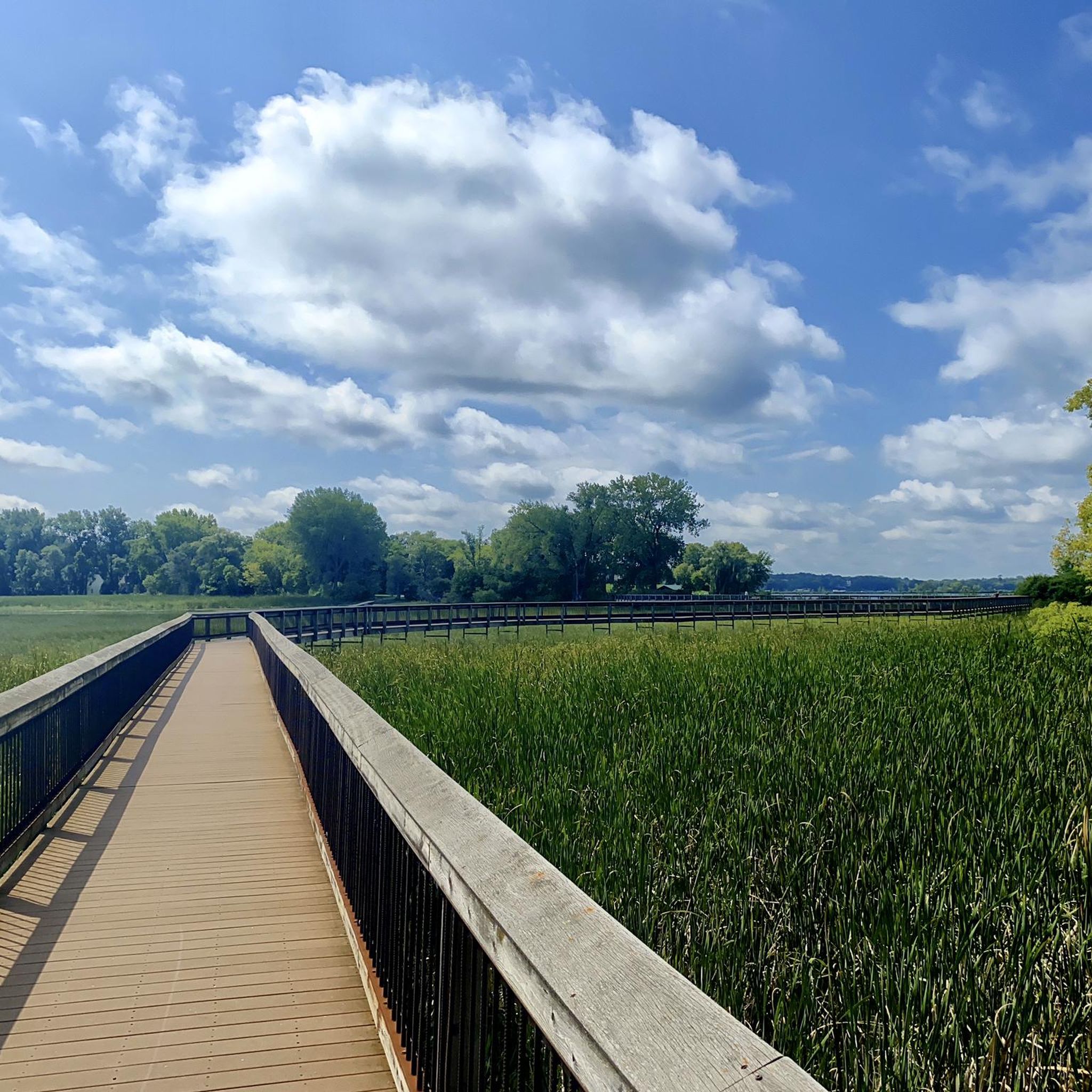
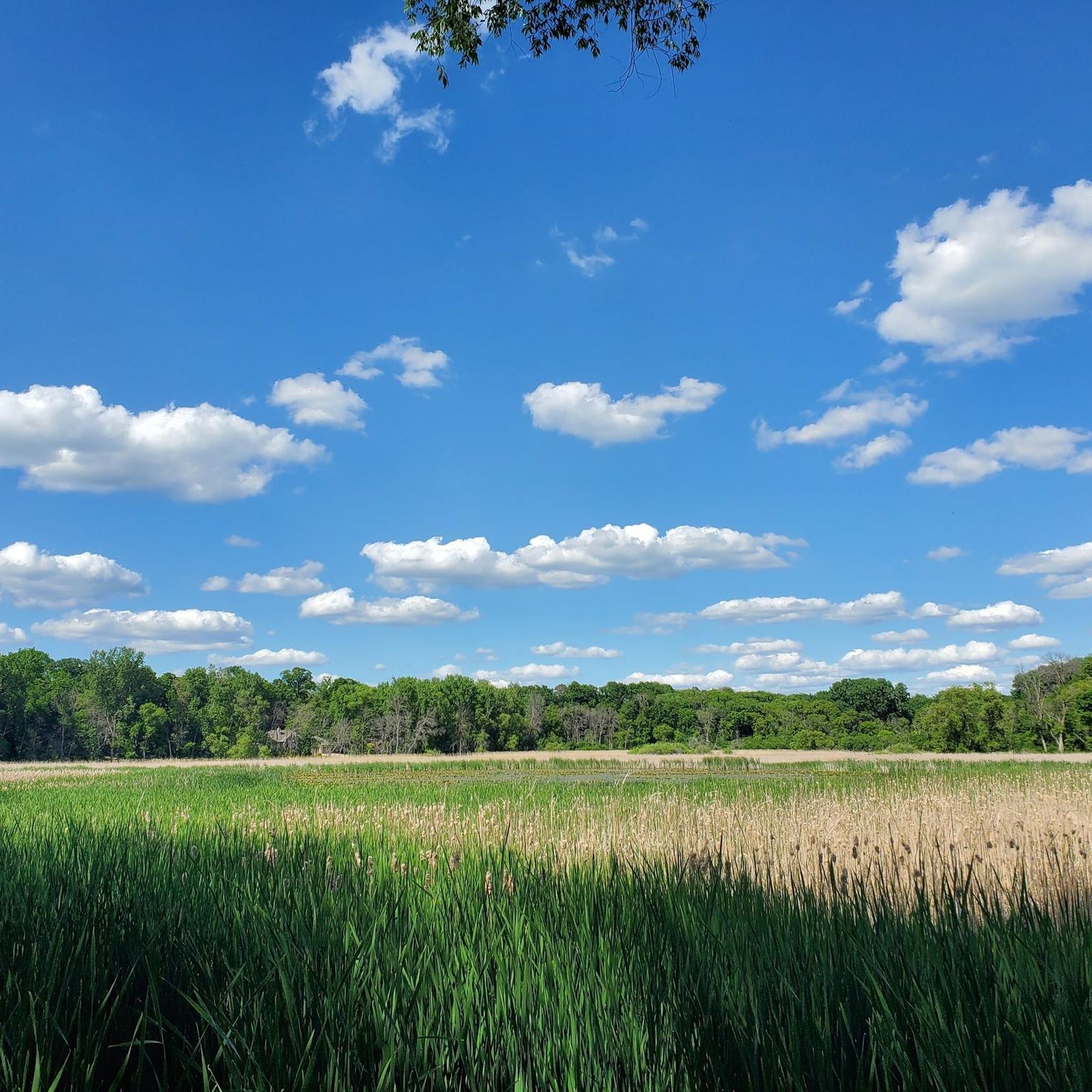
Quaking Bog is a wetland area slowly being reclaimed by vegetation. When walked upon, it feels as if you're bouncing on the surface. The park features a boardwalk that guides you through this fascinating natural phenomenon.
0
0
In 1907, Eloise Butler and others petitioned the park board for space to establish a botanical garden in the park. They were granted three acres within the park. Today, the park boasts over 600 plant species and provides a habitat for more than 130 species of birds, offering a rich natural experience for visitors.
0
0
Frequently Asked Questions
What are some unique natural monuments to visit in Minnetonka?
Minnetonka offers a variety of unique natural monuments. You can explore the Quaking Bog, a fascinating wetland area where the ground literally quakes underfoot, or discover the historic Wolsfeld Woods Scientific and Natural Area, home to some of Minnesota's largest sugar maple trees. For a more curated experience, the Noerenberg Memorial Gardens are known for their beautiful flower displays.
Are there any historic natural monuments in the Minnetonka area?
Yes, the Eloise Butler Wildflower Garden and Bird Sanctuary holds significant historical value, established in 1907. It now boasts over 600 plant species and provides a habitat for more than 130 species of birds. Additionally, the Lyndale Park Rose Garden is the second-oldest public rose garden in the United States.
What kind of natural features can I expect to see in Minnetonka's natural monuments?
Minnetonka's natural monuments showcase diverse features, including lush forests, serene lakes, unique wetlands like the Quaking Bog, and restored prairie and woodland areas found at Lone Lake Park. You'll also find meticulously maintained gardens, such as the Lyndale Park Rose Garden, and scenic overlooks offering expansive views.
Are there family-friendly natural monuments around Minnetonka?
Absolutely! Many natural monuments in Minnetonka are great for families. The Eloise Butler Wildflower Garden and Bird Sanctuary and Wolsfeld Woods Scientific and Natural Area are both family-friendly. Lone Lake Park offers hiking, fishing, and a beach area, while Aquila Park, featuring the Old Tree in Aquila Park, provides paved trails and picnic spots suitable for all ages.
Are there any wheelchair accessible natural monuments in Minnetonka?
Yes, the Lyndale Park Rose Garden is wheelchair accessible, offering a beautiful and inclusive experience to enjoy its extensive collection of roses and plants.
What outdoor activities can I do near Minnetonka's natural monuments?
Near Minnetonka's natural monuments, you can enjoy a wide range of outdoor activities. Hiking, biking, and running are popular, with many trails available. Fishing, kayaking, and canoeing are also options, especially around Minnehaha Creek Park and Purgatory Creek Park. In winter, Lone Lake Park offers opportunities for sledding and snowshoeing. For more detailed route information, explore the hiking, MTB, and running guides around Minnetonka.
Where can I go for bird-watching or wildlife viewing in Minnetonka?
For excellent bird-watching and wildlife viewing, visit the Eloise Butler Wildflower Garden and Bird Sanctuary, which hosts over 130 bird species. Wolsfeld Woods Scientific and Natural Area and Big Island Nature Park are also great spots to observe diverse wildlife. Westwood Hills Nature Center provides habitat for deer, turtles, foxes, and offers an apiary for observing honey bees.
Are there hiking trails near these natural monuments?
Yes, numerous hiking trails are available. Purgatory Creek Park and Lone Lake Park both feature extensive trail systems. The Minnetonka Loop Trail, accessible from Meadow Park, offers an easy 3.5-mile path. You can find more options, including the Bryant Lake to Lone Lake Trail and Minnehaha Creek Trail, in the hiking guide around Minnetonka.
What is the best time to visit Minnetonka's natural areas?
Minnetonka's natural areas offer beauty year-round. Spring and summer are ideal for enjoying lush greenery, blooming flowers at places like the Lyndale Park Rose Garden, and active wildlife. Autumn brings vibrant fall foliage, especially in forested areas like Wolsfeld Woods. Winter provides opportunities for snowshoeing and sledding at parks like Lone Lake Park, offering a peaceful, snow-covered landscape.
Can I go mountain biking near Minnetonka's natural monuments?
Yes, there are mountain biking opportunities in the Minnetonka area. While some natural monuments focus on hiking, you can find dedicated mountain bike trails nearby. For example, the Luce Line Regional Trail and Brownie Lake loops offer moderate routes. Check the MTB Trails around Minnetonka guide for specific routes and difficulty levels.
Where can I find a tranquil natural environment for relaxation?
For a tranquil escape, Big Island Nature Park is an excellent choice, accessible by boat and known for its untouched landscapes and peaceful atmosphere. The Noerenberg Memorial Gardens also offer a serene retreat with their meticulously maintained grounds and beautiful flower displays. Purgatory Creek Park provides a peaceful setting with winding trails and lush greenery.
Are there any natural monuments with water features like lakes or creeks?
Yes, several natural monuments in Minnetonka feature water elements. Wolsfeld Woods Scientific and Natural Area includes Wolsfeld Lake. Lone Lake Park offers views of Lone Lake and opportunities for fishing. Minnehaha Creek Park is a popular spot for fishing, kayaking, and canoeing along Minnehaha Creek. Purgatory Creek Park also has fishing areas.
Most popular routes around Minnetonka
Most popular attractions around Minnetonka

Get inspired with the komoot mobile app


Explore more
Extend your search for the best caves by checking out these guides of the top ones around Minnetonka:
