Top 11 Natural Monuments around Alexandria
Best natural monuments around Alexandria provide a blend of historical significance and natural landscaping. The region features various sites that incorporate green spaces, water features, and park-like settings, offering opportunities for exploration. These locations are valued for their integration of natural elements within memorial designs and their accessible environments. Visitors can discover a range of outdoor experiences across the area's natural monuments.
Best natural monuments around Alexandria
- The most popular natural monuments is World War II Memorial, a man-made…
Last updated: June 28, 2026
World War II Memorial
Highlight • Monument
Tip by

Korean War Veterans Memorial
Highlight • Monument
Translated by Google •
Tip by

Sign up now to discover places like this
Get recommendations on the best single tracks, peaks, & plenty of other exciting outdoor places.
Sign up for free
Roosevelt Memorial
Highlight • Monument
Tip by
Washington Monument
Highlight • Monument
Tip by

United States Botanic Garden
Highlight • Natural
en.wikipedia.org/wiki/United_States_Botanic_Garden
Tip by

Sign up for free to discover even more natural monuments around Alexandria.
Sign up for free
Already have an account?
Start today with a free account
Your next adventure awaits.
Login or Signup
Tips from the Community

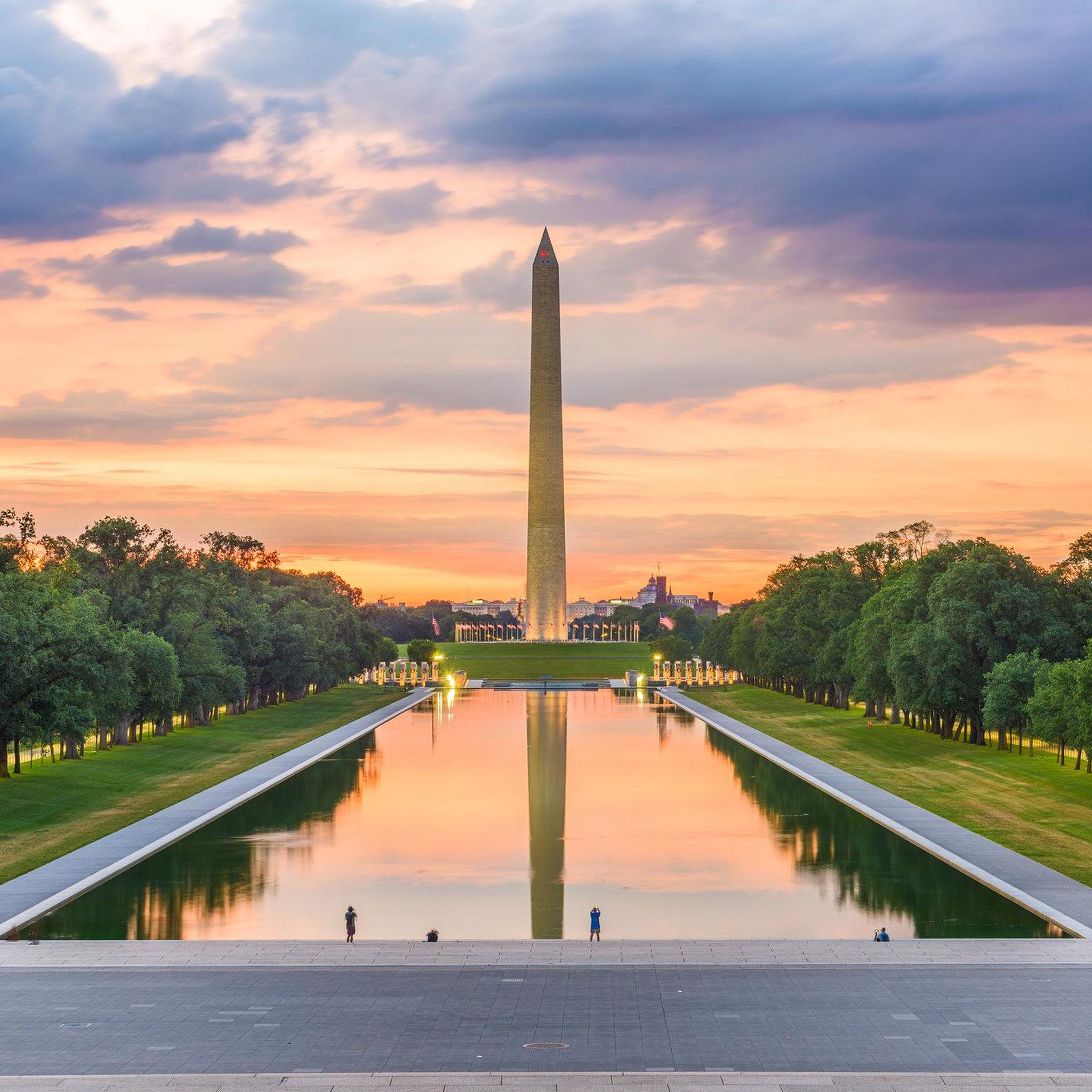
What is the Washington Monument? The Washington Monument is an iconic obelisk of white marble, granite, and bluestone, built in honor of George Washington, the first president of the United States. It stands at the center of the National Mall in Washington, D.C. At 553 feet (169 meters), it was the tallest structure in the world upon its completion in 1884. It remains the tallest freestanding stone structure and obelisk in the world.
2
0

one of the sights in the National Mall
1
0
very big and basically tells a story
1
0
This important man in the US story deserves such a big monument.
0
0
Great place and definitely worth visiting
0
0

The Washington Monument is an obelisk on the National Mall and is one of the most well-known landmarks in Washington, DC. The monument was constructed to memorialize George Washington, one of the Founding Fathers of the US and the first president.
2
0
An impressive representation, I think
1
0
It is essential for Germans to watch this. The Americans can celebrate their efforts in WW2
1
0
Frequently Asked Questions
What kind of natural monuments can I expect to find around Alexandria?
Around Alexandria, you'll find a unique blend of historical memorials that incorporate significant natural landscaping and water features, alongside expansive natural parks and preserves. The memorials, such as the World War II Memorial and Roosevelt Memorial, use natural elements to create reflective spaces. Additionally, areas like Huntley Meadows Park and Dora Kelley Nature Park offer true natural landscapes with wetlands and forests.
Are there opportunities for wildlife observation near Alexandria?
Yes, Alexandria offers excellent opportunities for wildlife observation, particularly in its natural parks. Huntley Meadows Park, a 1,400-acre wetland wildlife sanctuary, is home to diverse species like herons and beavers and is a prime spot for bird watching. Dora Kelley Nature Park also features a one-acre wetland inhabited by bullfrogs, green frogs, red slider turtles, and spotted salamanders, making it another great location for birding.
Which natural monuments are suitable for families?
Many of the natural areas and memorials are family-friendly. The World War II Memorial and Korean War Veterans Memorial offer educational experiences with their detailed sculptures and landscaping. For more active family outings, Winkler Botanical Preserve provides tranquil trails, waterfalls, and wooden bridges, perfect for nature walks. The United States Botanic Garden is also a great option with its diverse plant collections.
Can I find hiking or walking trails at these natural monuments?
Absolutely. Many locations offer trails for walking and hiking. Dora Kelley Nature Park has a mile-long nature trail through woodlands and marshlands. The Mount Vernon Trail, an 18-mile paved path, runs along the Potomac River, offering scenic views for walking, running, and biking. For more options, you can explore various hiking trails around Alexandria, including easy routes like the Mount Vernon Trail: Daingerfield Island to Oronoco Bay Park.
Are there any historical natural monuments in the area?
Yes, Alexandria is particularly known for its historical memorials that integrate natural elements. The World War II Memorial, Korean War Veterans Memorial, and Roosevelt Memorial are prime examples. These sites use landscaping, water features, and park-like settings to honor historical events and figures, offering both reflection and scenic beauty. Jones Point Park also blends natural beauty with historical significance, featuring an interpretive trail and a historic lighthouse.
What are some accessible natural monuments around Alexandria?
Several natural monuments and parks in the area are wheelchair accessible. The World War II Memorial, Korean War Veterans Memorial, Roosevelt Memorial, and the United States Botanic Garden are all noted as wheelchair accessible, ensuring a wider range of visitors can enjoy their beauty and historical significance.
What is the best time of year to visit the natural areas around Alexandria?
The natural areas around Alexandria can be enjoyed year-round, but spring and fall generally offer the most pleasant weather for outdoor activities like hiking and wildlife viewing, with vibrant foliage or blooming plants. Summer can be warm and humid, while winter offers a different, often quieter, experience, especially for places like The National Christmas Tree, which is best seen when lit up during the holiday season.
Are there places to run or cycle near these natural monuments?
Yes, the area is very popular for running and cycling. The Mount Vernon Trail is an excellent option for both, offering 18 miles of paved path along the Potomac River. You can find various running trails and cycling routes around Alexandria, including loops that pass by scenic waterfronts and parks.
Where can I learn more about the local natural history and wildlife?
For those interested in local natural history and wildlife, the Jerome 'Buddie' Ford Nature Center, adjacent to Dora Kelley Nature Park, is an excellent resource. It houses live animals and offers exhibits and programs on the area's natural and cultural history. You can find more information about Dora Kelley Nature Park and the Nature Center on the Alexandria city website.
What do visitors enjoy most about the natural monuments around Alexandria?
Visitors frequently appreciate the thoughtful integration of natural elements within the historical memorials, creating serene and reflective environments. The Roosevelt Memorial, for example, is often praised for feeling like a beautiful park. The diverse ecosystems of places like Huntley Meadows Park and Dora Kelley Nature Park are also highly valued for their wildlife and peaceful escape from the city.
Are there any natural monuments that are particularly good for photography?
Many of the natural monuments offer fantastic photographic opportunities. The World War II Memorial, with its 56 granite pillars, extensive landscaping, and water features, provides striking compositions. The Roosevelt Memorial, with its series of 'rooms' and views of the city, is also very photogenic. For natural landscapes, the wetlands of Huntley Meadows Park offer unique shots of wildlife and scenic vistas.
Can I visit a botanical garden in the Alexandria area?
Yes, the United States Botanic Garden is located nearby and is the oldest public garden in the United States. It offers a diverse collection of plants and is a great place to explore different ecosystems under one roof. It's also wheelchair accessible, making it enjoyable for all visitors.
Most popular routes around Alexandria
Most popular attractions around Alexandria

Get inspired with the komoot mobile app


