Top 8 Natural Monuments around Lake Barcroft
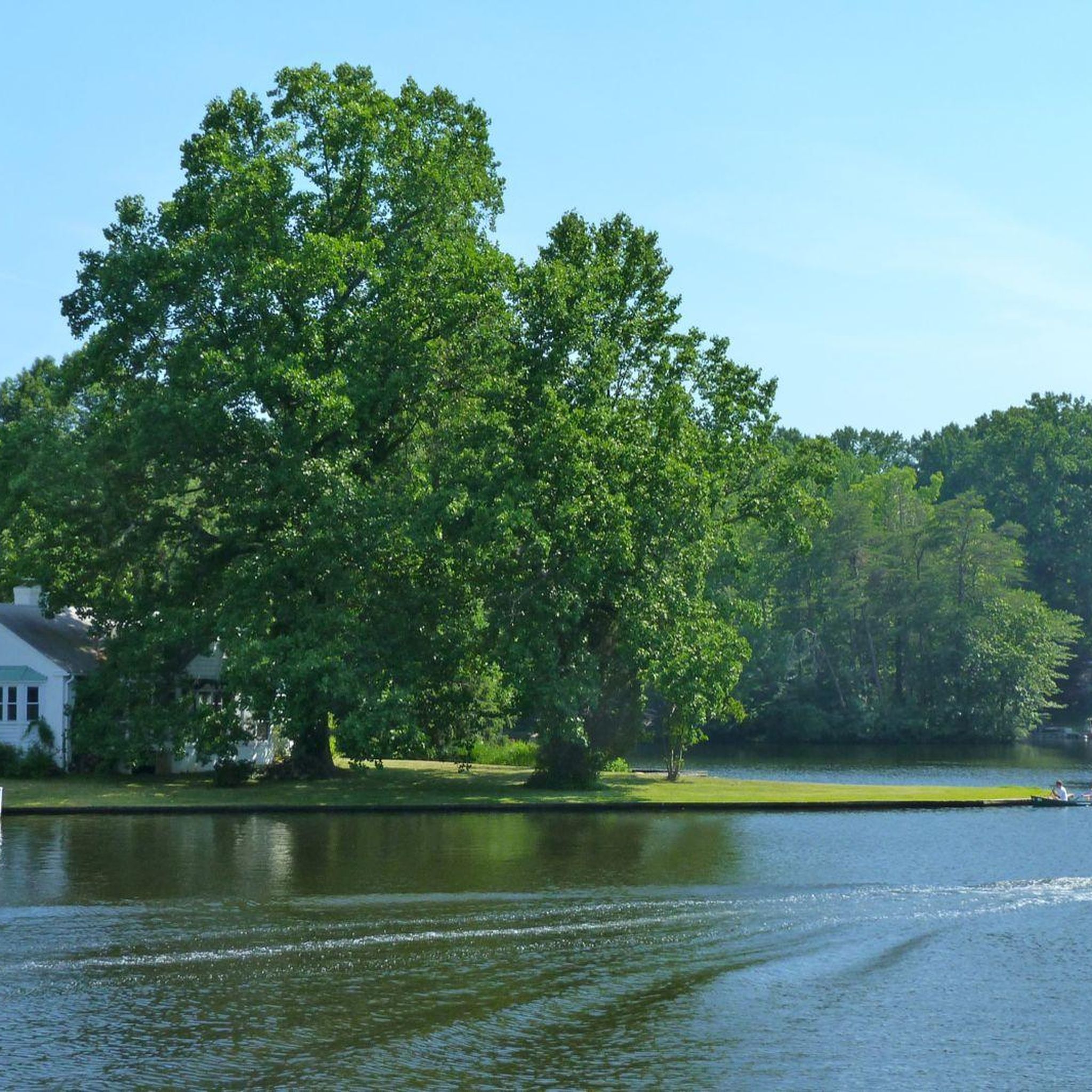
Best natural monuments around Lake Barcroft include the lake itself, which was formed by damming Holmes Run and Tripps Run. This man-made lake has evolved into a significant natural amenity, supporting diverse wildlife within a suburban setting. The area offers opportunities for observing aquatic life, various bird species, and riparian ecosystems. Its consistent water levels and clear waters contribute to a thriving environment for both recreation and nature appreciation.
Best natural monuments around Lake Barcroft
- The most popular natural monuments…
Last updated: August 22, 2026
World War II Memorial
Highlight • Monument
Tip by

Roosevelt Memorial
Highlight • Monument
Tip by
Sign up now to discover places like this
Get recommendations on the best single tracks, peaks, & plenty of other exciting outdoor places.
Sign up for free
Washington Monument
Highlight • Monument
Tip by

Japanese Cherry Trees
Highlight • Monument
Tip by
Little Falls Dam
Highlight • Monument
Translated by Google •
Tip by

Sign up for free to discover even more natural monuments around Lake Barcroft.
Sign up for free
Already have an account?
Start today with a free account
Your next adventure awaits.
Login or Signup


Tips from the Community

What is the Washington Monument? The Washington Monument is an iconic obelisk of white marble, granite, and bluestone, built in honor of George Washington, the first president of the United States. It stands at the center of the National Mall in Washington, D.C. At 553 feet (169 meters), it was the tallest structure in the world upon its completion in 1884. It remains the tallest freestanding stone structure and obelisk in the world.
2
0

very big and basically tells a story
1
0
This important man in the US story deserves such a big monument.
0
0

The Little Falls Dam is the spot that separates the Upper Potomac River and Lower Potomac River. It was constructed in 1959.
0
0
The Washington Monument is an obelisk on the National Mall and is one of the most well-known landmarks in Washington, DC. The monument was constructed to memorialize George Washington, one of the Founding Fathers of the US and the first president.
2
0
It is essential for Germans to watch this. The Americans can celebrate their efforts in WW2
1
0

It's the most storytelling memorial at the pont, worth spending some time there and remember Roosevelt's life.
0
0

The World War II Memorial honors the service of 16 million members of the Armed Forces of the United States of America, the support of countless millions on the home front, and the ultimate sacrifice of 405,399 Americans. On May 29, 2004, a four-day “grand reunion” of veterans on the National Mall culminated in the dedication of this tribute to the legacy of “The Greatest Generation.” Twenty-four bronze bas-relief panels flank the ceremonial entrance. To many, these panels stir memories as they tell the story of America's experience in the war. Granite columns representing each U.S. state and territory at the time of World War II ring an impressive pool with water shooting high into the air. Quotes, references to theaters, campaigns, and battles, and two massive victory pavilions chronicle the efforts Americans undertook to win the war. A wall of 4,048 gold stars reminds all of the supreme sacrifice made by over 400,000 Americans to make that victory possible. https://www.nps.gov/wwii/index.htm
3
0
Frequently Asked Questions
What natural features can I explore around Lake Barcroft?
Lake Barcroft itself is a significant natural amenity, formed by the damming of Holmes Run and Tripps Run. You can observe the lake's clear waters, the riparian ecosystems along its feeding runs, and a diverse array of wildlife. The area supports over 22 varieties of fish, semi-aquatic species like muskrat and ducks, and various birds including ospreys and bald eagles.
Are there family-friendly natural monuments to visit near Lake Barcroft?
Yes, several natural monuments around Lake Barcroft are suitable for families. The Japanese Cherry Trees are a beautiful spot, especially when in bloom. Additionally, the Theodore Roosevelt Memorial, located on an 88-acre island, offers a natural setting for recreation and is known for its biodiversity, making it a great family-friendly option.
What historical natural monuments are there around Lake Barcroft?
While Lake Barcroft is known for its natural beauty, the surrounding area also features several significant historical natural monuments. These include the World War II Memorial, the Korean War Veterans Memorial, and the Roosevelt Memorial. These sites blend monumental architecture with natural elements like landscaping and water features, offering a unique historical and natural experience.
Are there wheelchair-accessible paths at the natural monuments near Lake Barcroft?
Yes, several natural monuments in the vicinity of Lake Barcroft offer wheelchair-accessible paths. The World War II Memorial, Korean War Veterans Memorial, and Roosevelt Memorial are all noted for their accessibility, allowing visitors to experience these significant sites comfortably.
What outdoor activities can I do near the natural monuments around Lake Barcroft?
The area around Lake Barcroft offers various outdoor activities. You can find numerous routes for jogging, mountain biking, and gravel biking. For running, explore trails like the Bon Air Park – Four Mile Run Trail loop. Mountain bikers can enjoy the Wakefield Park MTB Trail, while gravel biking enthusiasts might consider routes such as the Francis Scott Key Bridge – Horseshoe Bend at Great Falls loop. You can find more details and routes in the Running Trails around Lake Barcroft, MTB Trails around Lake Barcroft, and Gravel biking around Lake Barcroft guides.
What is the best time of year to visit the natural monuments around Lake Barcroft?
The best time to visit depends on your interests. Spring, particularly late March through early April, is ideal for seeing the Japanese Cherry Trees in bloom. The warmer months are great for enjoying the lake and observing wildlife. Fall offers pleasant weather for exploring and beautiful foliage. Winter can be quieter, providing a different perspective on the memorials and natural landscapes.
What kind of wildlife can be observed at Lake Barcroft?
Lake Barcroft is home to a rich variety of wildlife. The lake itself supports over 22 known varieties of fish, including largemouth bass, catfish, and bluegill. You might even spot non-stinging freshwater jellyfish in shallower areas. Semi-aquatic species like muskrat, ducks, Canada geese, and kingfishers are common, and ospreys and bald eagles have also been observed, indicating a healthy ecosystem.
Are there specific trails or paths for hiking near Lake Barcroft's natural monuments?
While the immediate vicinity of Lake Barcroft is primarily residential, the broader area offers various trails suitable for hiking and walking. Many of the historical natural monuments, such as the World War II Memorial, feature extensive grounds and pathways for exploration. For dedicated hiking, you can explore the running and biking trails mentioned in the nearby routes, which often double as walking paths.
What do visitors enjoy most about the natural monuments around Lake Barcroft?
Visitors frequently appreciate the blend of natural beauty and historical significance. For instance, the World War II Memorial is praised for its impressive scale and thoughtful execution, balancing pathos and heroism. The Korean War Veterans Memorial is noted for its individually detailed sculptures, while the Roosevelt Memorial is loved for its beautiful park-like setting and unique use of water, stone, and landscaping to tell a story.
Can I find less crowded natural monuments or areas around Lake Barcroft?
While the prominent memorials can attract crowds, especially during peak tourist seasons, exploring the natural areas surrounding Lake Barcroft, such as the less-trafficked sections of Holmes Run or Tripps Run, can offer a quieter experience. The Theodore Roosevelt Memorial, located on an island, often feels more secluded and offers a peaceful natural escape.
Are there any unique geological features to see near Lake Barcroft?
While Lake Barcroft itself is a man-made lake, its existence is tied to the natural hydrology of Holmes Run and Tripps Run, which feed into it. These runs showcase typical riparian ecosystems. The lake's consistent water levels, maintained by a managed bascule gate, are a unique aspect of its engineered natural environment, supporting a thriving aquatic habitat.
What are the difficulty levels of trails near the natural monuments?
The difficulty of trails near the natural monuments varies. Many paths within the memorial sites are easy and paved. For more active pursuits, running trails around Lake Barcroft range from moderate, like the Bon Air Park – Four Mile Run Trail loop, to difficult, such as the Crossman Park – West End Park loop. Mountain biking and gravel biking routes also offer a mix of easy, moderate, and difficult options, catering to different skill levels.
Most popular attractions around Lake Barcroft

Get inspired with the komoot mobile app


Explore more
Extend your search for the best caves by checking out these guides of the top ones around Lake Barcroft:
