Top 12 Natural Monuments around Snoqualmie
Best natural monuments around Snoqualmie feature a diverse landscape of waterfalls, summits, and unique rock formations. The region is characterized by its lush, green, mountainous terrain, offering extensive hiking opportunities. Snoqualmie Falls stands as an iconic natural landmark, deeply rooted in the cultural history of the Snoqualmie Tribe. The broader Snoqualmie Valley provides numerous natural features, including additional waterfalls and panoramic viewpoints.
Best natural monuments around Snoqualmie
- The most popular natural monuments is Snoqualmie Falls, a waterfall that is…
Last updated: July 12, 2026
Snoqualmie Falls
Highlight • Waterfall
Translated by Google •
Tip by

Talus Rocks
Highlight • Natural Monument
Tip by

Sign up now to discover places like this
Get recommendations on the best single tracks, peaks, & plenty of other exciting outdoor places.
Sign up for free
Little Si Summit
Highlight • Summit
Tip by

Teneriffe Falls
Highlight • Waterfall
Tip by
Mount Si Viewpoint
Highlight • Viewpoint
Tip by

Sign up for free to discover even more natural monuments around Snoqualmie.
Sign up for free
Already have an account?
Start today with a free account
Your next adventure awaits.
Login or Signup

Tips from the Community


Hiking among towering moss-covered rocks with small caves to either side is a bit creepy, but it's worth the visit! It's not very well marked, but you have stairs to one side if you don't want to walk in between the rocks. There's a wooden fence blocking off an unsafe path between rocks, so if you see that, you're in the right place.
0
0

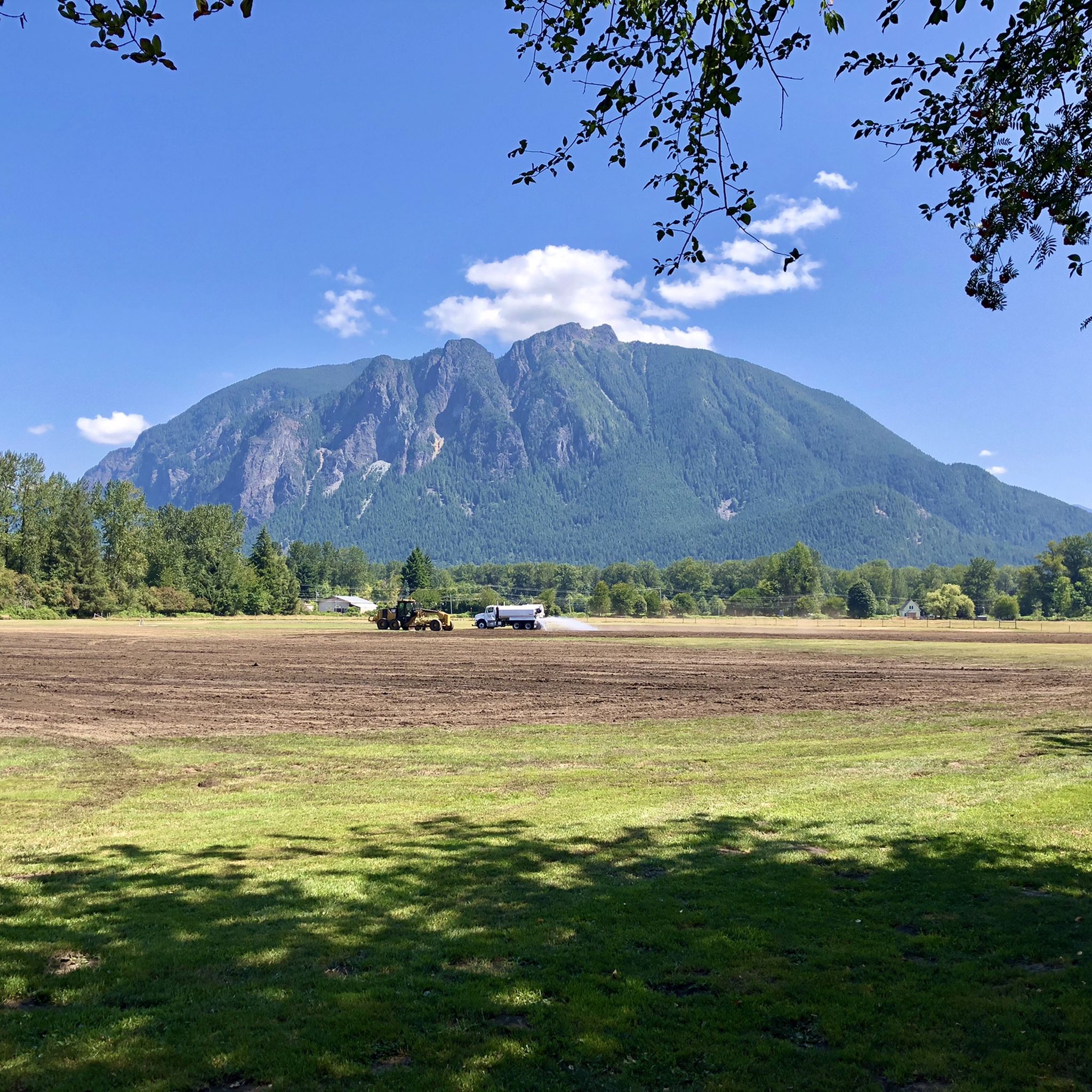
About 0.24 mile below the summit of Mount Si, this viewpoint on the Mt. Si Trail offers sweeping views of the Snoqualmie Valley through the trees. There are some boulders in the way of the view, but some will scramble around to see the view. Be careful, as veering off trail can be unsafe. The best views are close, at the summit!
1
0

Great viewpoint from which you can admire the Snoqualmie Falls.
0
0

Snoqualmie Falls is a 268-foot waterfall and is one of Washington's most popular scenic attractions. The falls were listed on the National Register of Historic Places in 2009. You will need to park your bike to view the falls, since cycling isn't allowed on the observation deck.
0
0

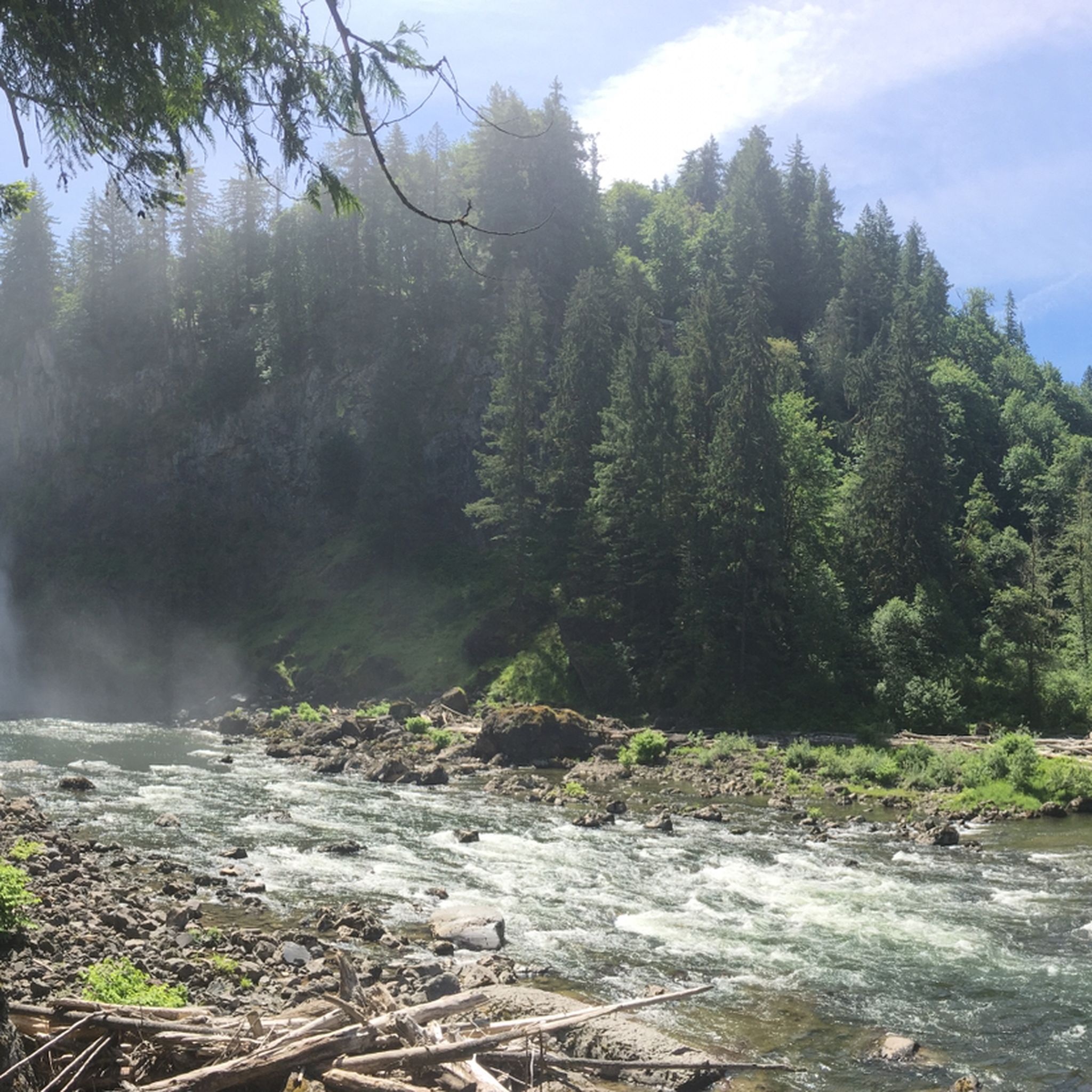
A waterfall that is characterized not only by its size, but above all by its mystical history. The sound of the masses of water cascading down over a 30-meter-wide cliff edge captivates everyone. With an impressive height of 82 meters - more than twice as high as Niagara Falls - the Snoqualmie River shows all its power and energy here. But Snoqualmie Falls is not only a place of natural beauty, it is also deeply rooted in the culture and history of the Snoqualmie People Indian tribe. Here, in this powerful place, they saw not only a burial place, but also a sacred site for prayers and rituals. Legends say that the falls are the place where the moon created the first man. The rumbling of the water and the fine spray in the air make this belief tangible. The falls are not only known for their natural beauty. For many they are also a place of nostalgia, as in the 90s they served as the backdrop for the iconic TV series "Twin Peaks". Your route to the falls takes you along Railroad Ave, using the gift shop at the parking lot as a guide. After you have parked your car in the free parking lot, a pedestrian bridge leads directly to the viewing point. Just follow the increasingly loud roar of the water. During your visit it is worth exploring the surrounding area. A walk downstream gives you a glimpse of the Snoqualmie Lower Falls, which are smaller but just as worth seeing. And anyone interested in technology and history should not miss the historic hydroelectric power station from the 19th century, which is now listed as a Historic Civil Engineering Landmark.
2
0


According to the Northwest Waterfall Survey, Teneriffe Falls, formerly known as Kamikaze Falls, is 414 feet (126 m) tall. However it falls in several tiers, with the highest measuring 226 feet (69 m) — and some parts of it are obscured by the forest and fallen logs.
0
0
Frequently Asked Questions
What are some of the most prominent natural landmarks in the Snoqualmie area?
Beyond the iconic Snoqualmie Falls, the region boasts other significant natural monuments. You can explore the unique glacial rock formations at Talus Rocks, or enjoy sweeping views from Mount Si Viewpoint. For those seeking a summit experience, Little Si Summit offers surprisingly good vistas of the valley and surrounding peaks.
Beyond Snoqualmie Falls, what other natural features can I explore in the Snoqualmie Valley?
The broader Snoqualmie Valley is rich with natural beauty. Besides Snoqualmie Falls, you can discover other impressive waterfalls like Teneriffe Falls, which cascades over 400 feet in several tiers. The region is also characterized by its lush, green, mountainous landscape, offering numerous hiking trails and gushing rivers. The Snoqualmie River itself features several major waterfalls along its North, Middle, and South Forks, including Twin Falls and Franklin Falls.
What hiking opportunities are available near Snoqualmie's natural monuments?
The Snoqualmie area is a hiker's paradise. You can find a variety of trails, from easy walks to challenging ascents. The Snoqualmie Valley Trail is a 31-mile path offering scenic views along the Snoqualmie River. For more strenuous options, trails leading to Little Si Summit or Mount Si Viewpoint are popular. You can find more detailed hiking routes and their difficulties in the Hiking around Snoqualmie guide.
When is the best time to visit the natural monuments in Snoqualmie?
Snoqualmie's natural monuments can be enjoyed year-round, but the best time often depends on your activity. For Snoqualmie Falls, visiting early morning or late afternoon is recommended to avoid crowds and experience the falls in softer light. Spring and fall offer pleasant temperatures for hiking and vibrant foliage, while summer provides warmer weather for exploring. Winter can bring snow, creating a different, serene beauty, though some trails may have varying conditions.
Are there family-friendly natural monuments in Snoqualmie?
Yes, several natural monuments are suitable for families. Snoqualmie Falls is highly family-friendly, featuring ADA-accessible paths, two observation decks, and interpretive signage. The 1.5-mile roundtrip trail to the river below the falls is also manageable for many families. Additionally, easy hikes like those found on the Snoqualmie Valley Trail offer accessible options for all ages.
Are the natural monuments accessible for visitors with mobility challenges?
Yes, Snoqualmie Falls is notably accessible. It features ADA-compliant paths and observation decks, allowing visitors with mobility challenges to enjoy the stunning views of the waterfall. Information regarding accessibility for other specific natural monuments or trails should be checked individually, as terrain can vary.
Are dogs allowed at the natural monuments or on nearby trails?
Many trails in the Snoqualmie area are dog-friendly, but specific rules can vary by location. For instance, while cycling is not allowed on the observation deck at Snoqualmie Falls, dogs are generally permitted in the park area on a leash. Always check local signage or park regulations for each specific natural monument or trail to ensure compliance.
What kind of wildlife can I expect to see around Snoqualmie's natural monuments?
The natural areas around Snoqualmie are home to diverse wildlife. Visitors often spot deer, various bird species, and even peregrine falcons nesting on the cliff face near Snoqualmie Falls. The lush forests and river valleys provide habitats for many creatures, offering opportunities for wildlife viewing, especially during quieter times of day.
Are permits required to visit natural monuments or hike in the Snoqualmie area?
For most natural monuments like Snoqualmie Falls, no specific permits are required for entry, though parking fees may apply at some locations. However, for certain trailheads or wilderness areas, a Northwest Forest Pass or a Discover Pass might be necessary for parking. If you plan on winter activities, a Sno-Park Pass may be required. Always check the specific requirements for your chosen destination before heading out.
Is parking available at the natural monuments?
Yes, parking is generally available at the major natural monuments. For Snoqualmie Falls, there are two free visitor parking spaces directly on the street, with the opposite car park connected to the viewpoints by a pedestrian bridge. For other trailheads leading to natural monuments like Little Si Summit or Mount Si Viewpoint, designated parking lots are typically available, though they can fill up quickly during peak times.
Are there dining options or amenities near Snoqualmie Falls?
Yes, Snoqualmie Falls is well-equipped for visitors. There is a gift shop near the parking lot. The nearby town of Snoqualmie offers various cafes, restaurants, and other amenities for visitors looking for dining options or refreshments after exploring the falls. You can also find accommodation in the Snoqualmie area.
What cultural or historical significance do the natural monuments hold?
Many natural monuments in Snoqualmie hold deep cultural and historical significance. Snoqualmie Falls is a sacred site to the Snoqualmie Tribe, playing a prominent role in their origin myths and serving as a place for acquiring spiritual power. It also houses the world's first entirely underground hydroelectric plant, built in the late 1800s, making it a Historic Civil Engineering Landmark. The falls were also famously featured as a backdrop in the TV series "Twin Peaks".
Most popular routes around Snoqualmie
Most popular attractions around Snoqualmie

Get inspired with the komoot mobile app


Explore more
Extend your search for the best caves by checking out these guides of the top ones around Snoqualmie:
