Top 6 Natural Monuments around Fall City
Natural monuments around Fall City, an unincorporated community in King County, Washington, are found at the confluence of the Snoqualmie and Raging Rivers. This geographic setting provides access to several notable natural features. The area offers opportunities for recreation, nature observation, and an appreciation of the Pacific Northwest's natural beauty. These sites are central to the community's landscape and local ecosystem.
Best natural monuments around Fall City
- The most popular natural monument is Snoqualmie Falls, a waterfall that is…
Last updated: June 28, 2026
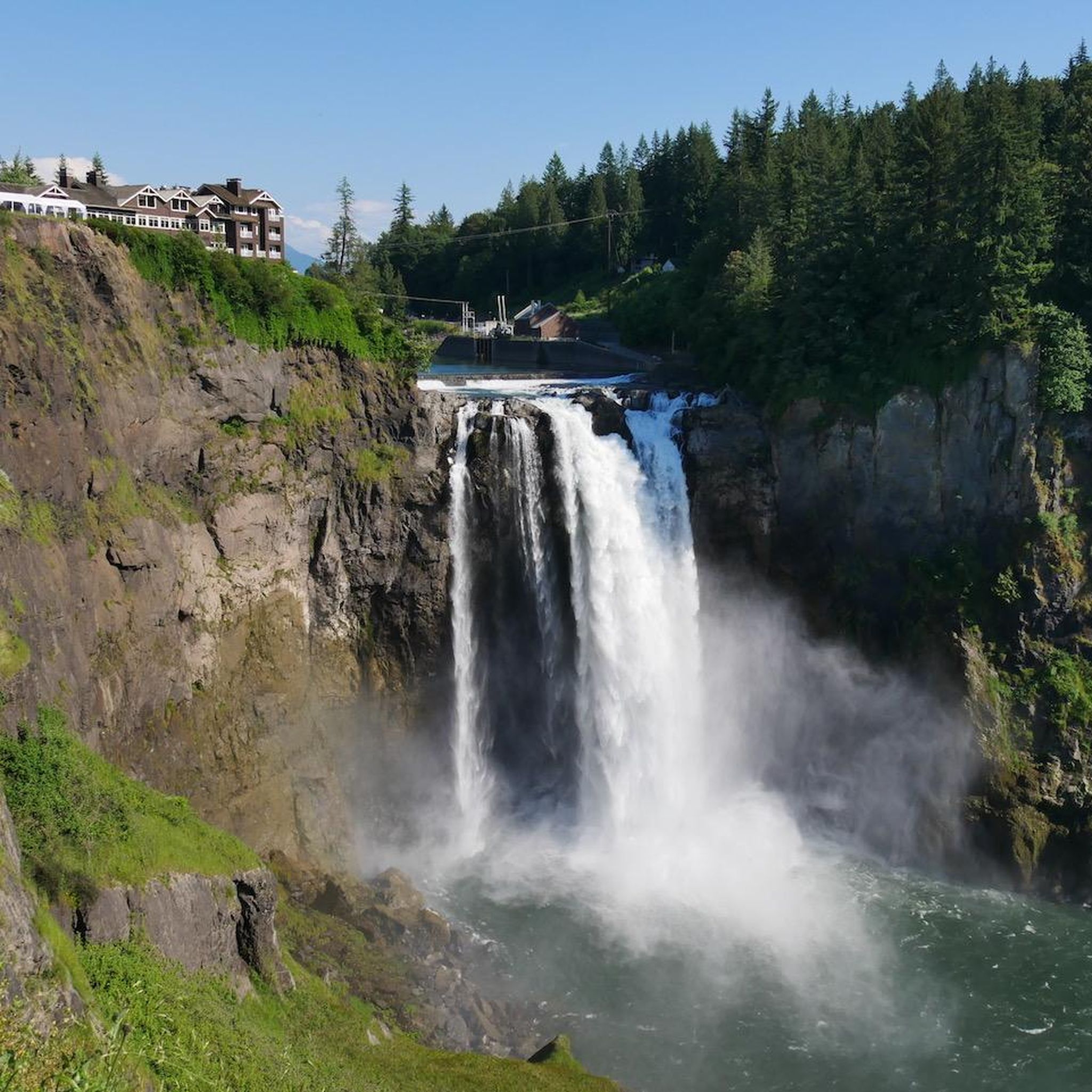
Snoqualmie Falls
Highlight • Waterfall
Translated by Google •
Tip by

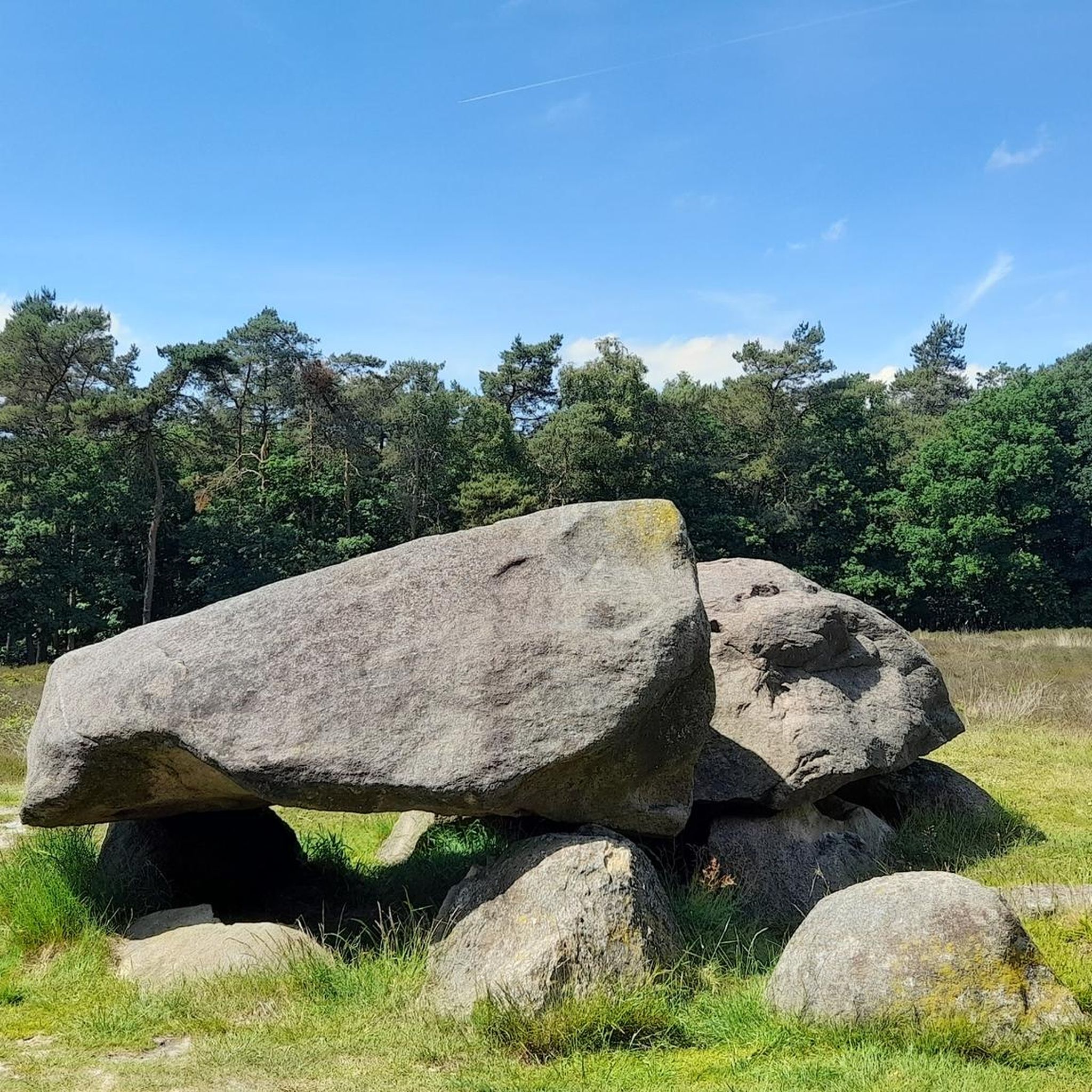
Talus Rocks
Highlight • Natural Monument
Tip by

Sign up now to discover places like this
Get recommendations on the best single tracks, peaks, & plenty of other exciting outdoor places.
Sign up for free
Snoqualmie Falls — Lower Viewpoint
Highlight • Waterfall
Tip by

Snoqualmie River
Highlight • River
Tip by

Snoqualmie Centennial Log
Highlight • Monument
Tip by

Start today with a free account
Your next adventure awaits.
Login or Signup


Tips from the Community


The end of the Snoqualmie Falls is a great place to stop for a mid-run break to enjoy the breathtaking view of the Snoqualmie Falls. The falls are a popular waterfall, where the water cascades 270 feet to a pool below.
0
0

This massive log was cut in 1976 after being struck by lightning. Its seedling dates back to 1576, and it was brought to this location by railroad in 1979. It is an exhibit to help people understand the challenges and opportunities the forest has provided to our ancestors who worked in the woods or mills to construct homes and businesses. It is a great spot to stop and reflect on its history and the importance it brings to the community.
0
0

Hiking among towering moss-covered rocks with small caves to either side is a bit creepy, but it's worth the visit! It's not very well marked, but you have stairs to one side if you don't want to walk in between the rocks. There's a wooden fence blocking off an unsafe path between rocks, so if you see that, you're in the right place.
0
0

Great viewpoint from which you can admire the Snoqualmie Falls.
0
0

The Snoqualmie River is a 45-mile-long river that starts at the confluence of the river's three forks near Snoqualmie. It features several waterfalls, with the most popular one being Snoqualmie Falls, known as one of Washington's most scenic attractions.
0
0
Snoqualmie Falls is a 268-foot waterfall and is one of Washington's most popular scenic attractions. The falls were listed on the National Register of Historic Places in 2009. You will need to park your bike to view the falls, since cycling isn't allowed on the observation deck.
0
0

A waterfall that is characterized not only by its size, but above all by its mystical history. The sound of the masses of water cascading down over a 30-meter-wide cliff edge captivates everyone. With an impressive height of 82 meters - more than twice as high as Niagara Falls - the Snoqualmie River shows all its power and energy here. But Snoqualmie Falls is not only a place of natural beauty, it is also deeply rooted in the culture and history of the Snoqualmie People Indian tribe. Here, in this powerful place, they saw not only a burial place, but also a sacred site for prayers and rituals. Legends say that the falls are the place where the moon created the first man. The rumbling of the water and the fine spray in the air make this belief tangible. The falls are not only known for their natural beauty. For many they are also a place of nostalgia, as in the 90s they served as the backdrop for the iconic TV series "Twin Peaks". Your route to the falls takes you along Railroad Ave, using the gift shop at the parking lot as a guide. After you have parked your car in the free parking lot, a pedestrian bridge leads directly to the viewing point. Just follow the increasingly loud roar of the water. During your visit it is worth exploring the surrounding area. A walk downstream gives you a glimpse of the Snoqualmie Lower Falls, which are smaller but just as worth seeing. And anyone interested in technology and history should not miss the historic hydroelectric power station from the 19th century, which is now listed as a Historic Civil Engineering Landmark.
2
0
Frequently Asked Questions
What are some notable natural features to explore around Fall City?
Beyond the iconic Snoqualmie Falls, you can discover unique geological formations like Talus Rocks, known for its moss-covered boulders moved by glacial action. The Snoqualmie and Raging Rivers themselves offer broad, rocky shorelines and are central to the area's natural landscape. The Fall City Natural Area also provides a glimpse into vital riparian habitats.
Are there family-friendly natural monuments in the Fall City area?
Yes, several natural monuments are suitable for families. Snoqualmie Falls offers accessible observation decks and a short trail to the lower viewpoint, which is also family-friendly. The Snoqualmie Centennial Log is another interesting historical natural monument that can be enjoyed by all ages.
What kind of hiking trails can I find near Fall City's natural monuments?
The area around Fall City offers a variety of hiking opportunities. For easy walks, you can explore sections of the Preston-Snoqualmie Trail or the Snoqualmie Falls Trail, which leads to the Snoqualmie Falls — Lower Viewpoint. These trails immerse you in forested areas and offer scenic views. You can find more details and routes in the Easy hikes around Fall City guide.
What historical or cultural significance do the natural monuments hold?
Snoqualmie Falls is a site of profound natural, historic, and cultural significance, listed on the National Register of Historic Places. It is considered a sacred site by the Snoqualmie Tribe. Additionally, the Snoqualmie Centennial Log serves as an exhibit reflecting on the region's logging history and the forest's importance to the community.
What is the best time of year to visit the natural monuments around Fall City?
While beautiful year-round, the summer and fall months are particularly popular for visiting the natural monuments. During these seasons, water levels in the Snoqualmie and Raging Rivers are often lower, revealing broad shorelines, and the weather is generally favorable for outdoor activities. Autumn also offers opportunities for fall foliage viewing in the surrounding areas.
Are there opportunities for cycling near Fall City's natural monuments?
Yes, the Fall City area is well-suited for cycling. You can find various routes, including the Snoqualmie Valley Trail, which offers scenic rides through diverse natural landscapes. For specific routes and difficulty levels, refer to the Cycling around Fall City guide.
What kind of wildlife can I observe in the Fall City Natural Area?
The Fall City Natural Area is a crucial habitat, especially for salmon conservation. It's an important area for chinook salmon winter rearing and juvenile habitat. Visitors interested in local ecosystems can observe various wildlife species that thrive in this relatively undisturbed riparian forest setting.
Is there parking available at the natural monuments?
Yes, for popular sites like Snoqualmie Falls, there are free visitor parking spaces directly on the street, connected to viewpoints by a pedestrian bridge. For other areas like the Fall City Natural Area, access might be more primitive, often involving access roads used by pedestrians.
How long should I plan for a visit to the natural monuments?
The duration of your visit depends on which natural monuments you plan to see. A visit to Snoqualmie Falls and its lower viewpoint can take anywhere from 1 to 2 hours, including the short hike. Exploring areas like the Fall City Natural Area or specific hiking trails could extend to a half-day or full-day outing, depending on your chosen activity.
What are some activities to do along the Snoqualmie and Raging Rivers?
The Snoqualmie and Raging Rivers offer excellent opportunities for recreation. When water levels permit, activities include floating, hiking along the riverbanks, and fishing. These rivers are a vital part of the local ecosystem and attract many visitors during the warmer months.
Are there any natural monuments suitable for mountain biking or gravel biking?
While specific natural monuments might not allow biking directly on site, the broader Fall City area offers extensive routes for gravel biking and mountain biking. You can find trails that traverse diverse natural landscapes near the rivers and forests. Check the Gravel biking around Fall City guide for detailed routes.
What makes the <a href="https://www.komoot.com/highlight/4197872" target="_blank" rel="noopener">Talus Rocks</a> unique?
Talus Rocks is unique for its cluster of giant, moss-covered boulders. These impressive rock formations were moved into their current positions by glacial action during past ice ages, making them a fascinating geological feature to explore within a serene forest setting.
Most popular routes around Fall City
Most popular attractions around Fall City

Get inspired with the komoot mobile app


Explore more
Extend your search for the best caves by checking out these guides of the top ones around Fall City:
