Top 13 Natural Monuments around Fitchburg
Natural monuments around Fitchburg, Massachusetts, offer diverse landscapes and recreational opportunities. The region is characterized by wooded areas, rocky ledges, and significant geological features, providing a tranquil escape. These sites are valued for their ecological importance and natural beauty, contributing to the area's outdoor appeal. Fitchburg and its surroundings provide a variety of natural settings for exploration.
Best natural monuments around Fitchburg
- The most popular natural monuments is Picnic Point Mound Group, a historical site that features sacred burial…
Last updated: July 12, 2026
Picnic Point Mound Group
Highlight • Historical Site
Tip by

Olbrich Botanical Gardens
Highlight • Natural Monument
Tip by

Sign up now to discover places like this
Get recommendations on the best single tracks, peaks, & plenty of other exciting outdoor places.
Sign up for free
Class of 1918 Marsh
Highlight • Natural
covered all of the area now occupied by playing fields, parking lots, and the Nielsen …
Tip by

Edna Taylor Conservation Park
Highlight • Forest
A BELIEVER IN SENSIBLE ECOLOGY" SHE PROPOSED TO SELL
37 OF HER 98 ACRES OF …
Tip by
Eagle Heights Mound Group (DA130)
Highlight • Historical Site
Tip by
Sign up for free to discover even more natural monuments around Fitchburg.
Sign up for free
Already have an account?
Start today with a free account
Your next adventure awaits.
Login or Signup


Tips from the Community

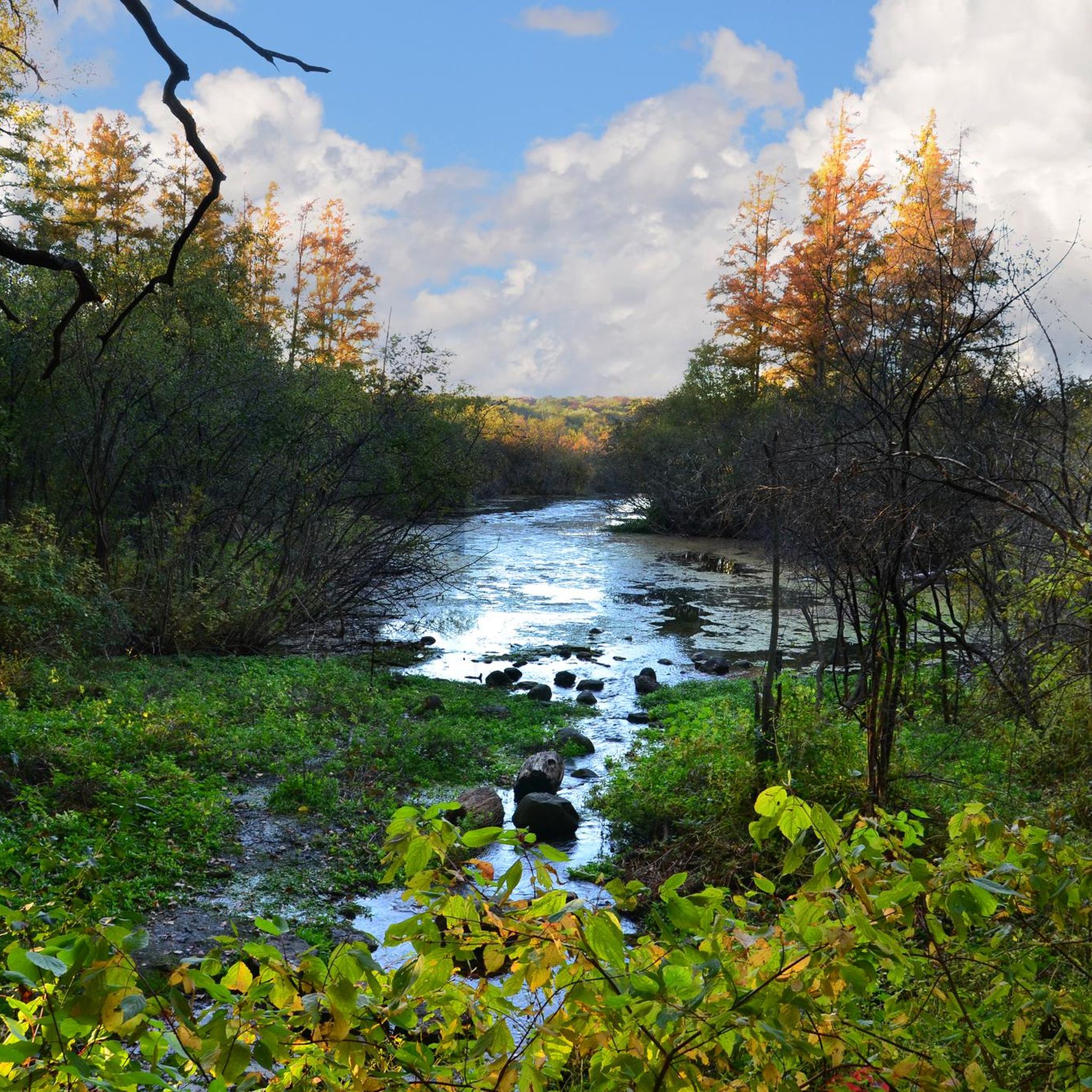
EDNA BE TAYLOR WAS A TEACHER, WRITER AND, IN HER LATER YEARS, A DAIRY FARMER. A BELIEVER IN SENSIBLE ECOLOGY" SHE PROPOSED TO SELL 37 OF HER 98 ACRES OF LAND TO THE CITY OF MADISON ADDED TO 10 ADJACENT ACRES ALREADY HELD BY THE CITY AND 11 ACRES PURCHASED FROM OTHER OWNERS, THE LAND, WHICH INCLUDES A SPRING, A GLACIAL DRUMLIN INDIAN MOUND, A MARSH, AND OAK STANDS WOULD FORM A CONSERVATION PARK TO BE ENJOYED BY FUTURE GENERATIONS. THIS CITY PURCHASED THE LAND IN 1912. FOUR MONTHS ATTER TAYLOR'S DEATH.
0
0
Eagle Heights Mound Group (DA130) Atop the bluff at Eagle Heights Woods, are three mounds: one hemispherical and two linear in form. You can view the mounds from the trail that circles the group. This trail was originally constructed by George Raymer and incorporated into the carriage drive network established by the Madison Park and Pleasure Drive Association.
0
0
There are four “extant” (still visible) mound groups you can visit on the main campus, all but one of them located within the boundaries of the Lakeshore Nature Preserve. Recently these mound groups were surveyed and entered in a special burial sites catalog maintained by the Wisconsin Historical Society. The label associated with each location includes a number used in the state Archaeological Site Inventory (ASI) maintained by the Wisconsin Historical Society. The site surveys establish a 25-foot preservation buffer around the mounds.
0
0
Picnic Point Mound Group (DA121) The sixth extant mound is a large hemispherical form visible on your right just before you reach The Narrows (where the main trail dips near the beach).
0
0
Unfortunately, during the last 25 years little has been done to maintain the marsh, in spite of the interest of a large number of people and the development of several management plans. It suffers from runoff from nearby construction sites, parking lots, and fertilized playing fields. In addition, the field on the south side of the marsh is used by the plowing crews to store snow (with its accompanying salt and debris) in winter.
0
0
Fortunately, in 1969 an environmental studies class chose the marsh as its class project. After collecting a great deal of data and making allies of the local press, they convinced the university administration to rethink its plans and the land was saved as a wildlife refuge and teaching and research area. It is named for the Class of 1918 because this class agreed to reallocate money that they had donated during their 50 year reunion for a Japanese pond to the new project of enhancing the marsh. The 1970s saw dredging the marsh, building the trail around it, and the addition of a series of interpretive signs, which since have been lost due to vandals. There also were several attempts to establish prairie around the edge.
0
0
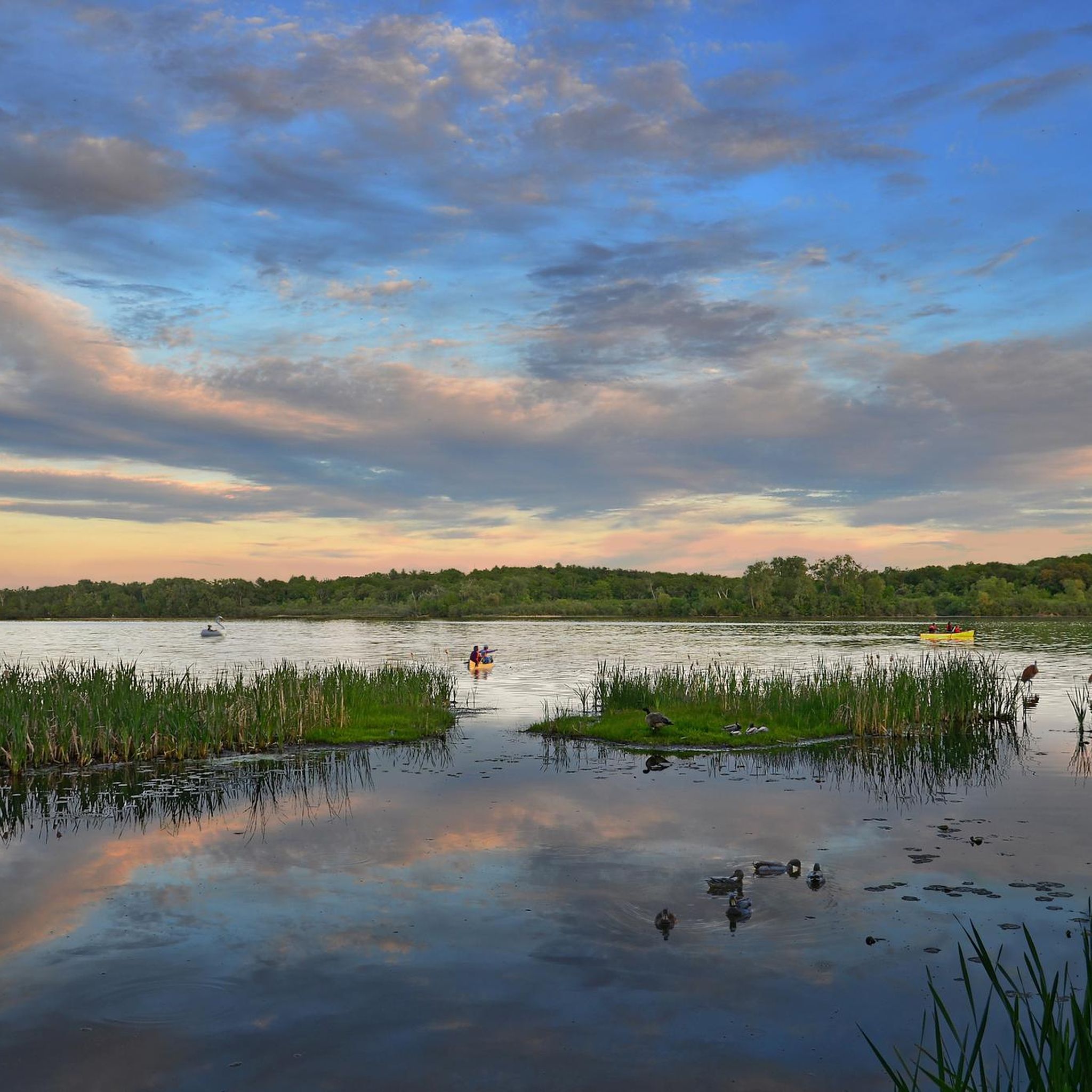
The Class of 1918 Marsh is a tiny remnant of a large wetland that formerly covered all of the area now occupied by playing fields, parking lots, and the Nielsen Tennis Stadium. Fifteen thousand years ago when the glaciers receded from this part of Wisconsin, the marsh was connected to Lake Mendota; later a sand bar built up that isolated it from the lake. The university acquired the land in 1910 and began to experiment with draining the marsh to grow crops, a difficult prospect given that the area is lower than the lake. Tiles were laid and a series of pumps installed. The experiment was considered successful, but by 1965 the tiles came loose and the area reverted to wetland. At this point, the campus was expanding and the university administration planned to use the area for playing fields and parking lots. In the interim they used it as a landfill.
0
0
Save The Mounds, respect the Ho-Chunk indigenous people, and stay off the mounds
0
0
Frequently Asked Questions
What are some popular natural monuments to visit near Fitchburg, Massachusetts?
Fitchburg and its surroundings offer several notable natural monuments. You can explore the diverse habitats and trails at Flat Rock Wildlife Sanctuary, enjoy the serene woodlands and lake at Fitchburg State Forest, or take a leisurely stroll around Mirror Lake at Coggshall Park. For panoramic views and extensive hiking, Mount Wachusett is a prominent nearby attraction.
Are there family-friendly natural attractions in Fitchburg?
Yes, several natural attractions in Fitchburg are suitable for families. Coggshall Park is a great option with its walking trails, playgrounds, and scenic Mirror Lake. Flat Rock Wildlife Sanctuary also offers easy trails, like the 2.25-mile Flat Rock Trail, which are enjoyable for all ages. For more options, you can find easy hikes around Fitchburg.
Where can I go for hiking near Fitchburg's natural monuments?
Fitchburg offers excellent hiking opportunities. Flat Rock Wildlife Sanctuary features an extensive trail system, including connections to the Crocker Conservation Area. Fitchburg State Forest also has a network of trails through dense woodlands. For more challenging options, Mount Wachusett provides numerous trails with diverse terrain and stunning views. You can explore various hiking routes around Fitchburg.
What kind of geological formations can I see in the Fitchburg area?
The region boasts interesting geological features. At Flat Rock Wildlife Sanctuary, you'll find 'the Bald' area with exposed bare granite rock and a unique highbush blueberry/sphagnum moss swamp within a pocket of flat granite. The Rollstone Boulder, now located on the Upper Common, is a massive 110-ton glacial erratic with a significant historical story of preservation.
What is the best time of year to visit natural monuments in Fitchburg?
The natural monuments around Fitchburg offer beauty year-round. Spring brings blooming wildflowers, while summer is ideal for hiking and enjoying the lakes. Fall is particularly spectacular for vibrant foliage, especially at Fitchburg State Forest and Mount Wachusett. Winter provides opportunities for snowshoeing at places like Flat Rock Wildlife Sanctuary.
Are there any natural monuments with historical significance in Fitchburg?
Yes, the Rollstone Boulder is a prime example. This legendary glacial erratic, originally from Rollstone Hill, was moved and reconstructed on the Upper Common in 1929. It stands as an iconic landmark and a symbol of Fitchburg's perseverance, representing an important piece of the city's natural and historical heritage.
Can I spot wildlife at natural monuments near Fitchburg?
Absolutely. Flat Rock Wildlife Sanctuary is a crucial habitat for a variety of wildlife, including fisher, coyote, red fox, and occasionally bobcat and black bear. It's an excellent spot for birdwatching and observing nature. Fitchburg State Forest also provides a tranquil environment where you might encounter various forest animals.
Are there any natural monuments accessible by public transport in Fitchburg?
While many natural monuments are best reached by car, Coggshall Park is located within Fitchburg and may be more accessible via local public transport routes. For other sites like Flat Rock Wildlife Sanctuary or Fitchburg State Forest, checking local bus schedules or ride-sharing options for proximity to trailheads is recommended.
What outdoor activities can I do near Fitchburg's natural monuments besides hiking?
Beyond hiking, you can enjoy various outdoor activities. Fitchburg State Forest's pristine lake offers opportunities for fishing and kayaking. Coggshall Park is perfect for leisurely walks and enjoying the scenic pond. For mountain biking enthusiasts, there are several MTB trails around Fitchburg, and you can also find running trails in the area.
Are there any natural monuments near Fitchburg that are dog-friendly?
Many natural areas in and around Fitchburg are dog-friendly, provided dogs are kept on a leash and owners clean up after them. Flat Rock Wildlife Sanctuary and Fitchburg State Forest are generally welcoming to dogs on their trails. It's always a good idea to check specific park regulations before your visit. For dedicated dog-friendly routes, you can look into options like the Prairie Moraine Dog Park loop mentioned in easy hikes around Fitchburg.
Where can I find a peaceful escape close to Fitchburg?
For an unexpected sense of solitude and wilderness close to the city, Flat Rock Wildlife Sanctuary is an excellent choice. Its diverse habitats and extensive trail system provide a tranquil setting for immersion in nature. Fitchburg State Forest also offers a peaceful respite with its dense woodlands and pristine lake, ideal for quiet reflection.
What is unique about Mount Wachusett, which is close to Fitchburg?
Mount Wachusett, though not directly in Fitchburg, is a significant natural attraction. It stands as the highest mountain in Eastern Massachusetts at 2,006 feet above sea level. Its 3,000-acre State Reservation offers an extensive trail system and panoramic views from the summit, making it a must-visit for hikers and nature enthusiasts.
Most popular routes around Fitchburg
Most popular attractions around Fitchburg

Get inspired with the komoot mobile app


Explore more
Extend your search for the best caves by checking out these guides of the top ones around Fitchburg:
