Sleeping Bear Dunes Wilderness
Sleeping Bear Dunes Wilderness
Top 4 Natural Monuments in Sleeping Bear Dunes Wilderness
Best natural monuments in Sleeping Bear Dunes Wilderness are characterized by immense sand dunes, clear inland lakes, and diverse forests. This designated area within Sleeping Bear Dunes National Lakeshore features landforms shaped by ancient glaciers and the forces of wind and water. The region offers panoramic views of Lake Michigan from towering bluffs and provides varied ecological experiences. It is recognized for its outstanding natural features and geological significance.
Best natural monuments in Sleeping Bear Dunes Wilderness
- The most popular…
Last updated: July 12, 2026
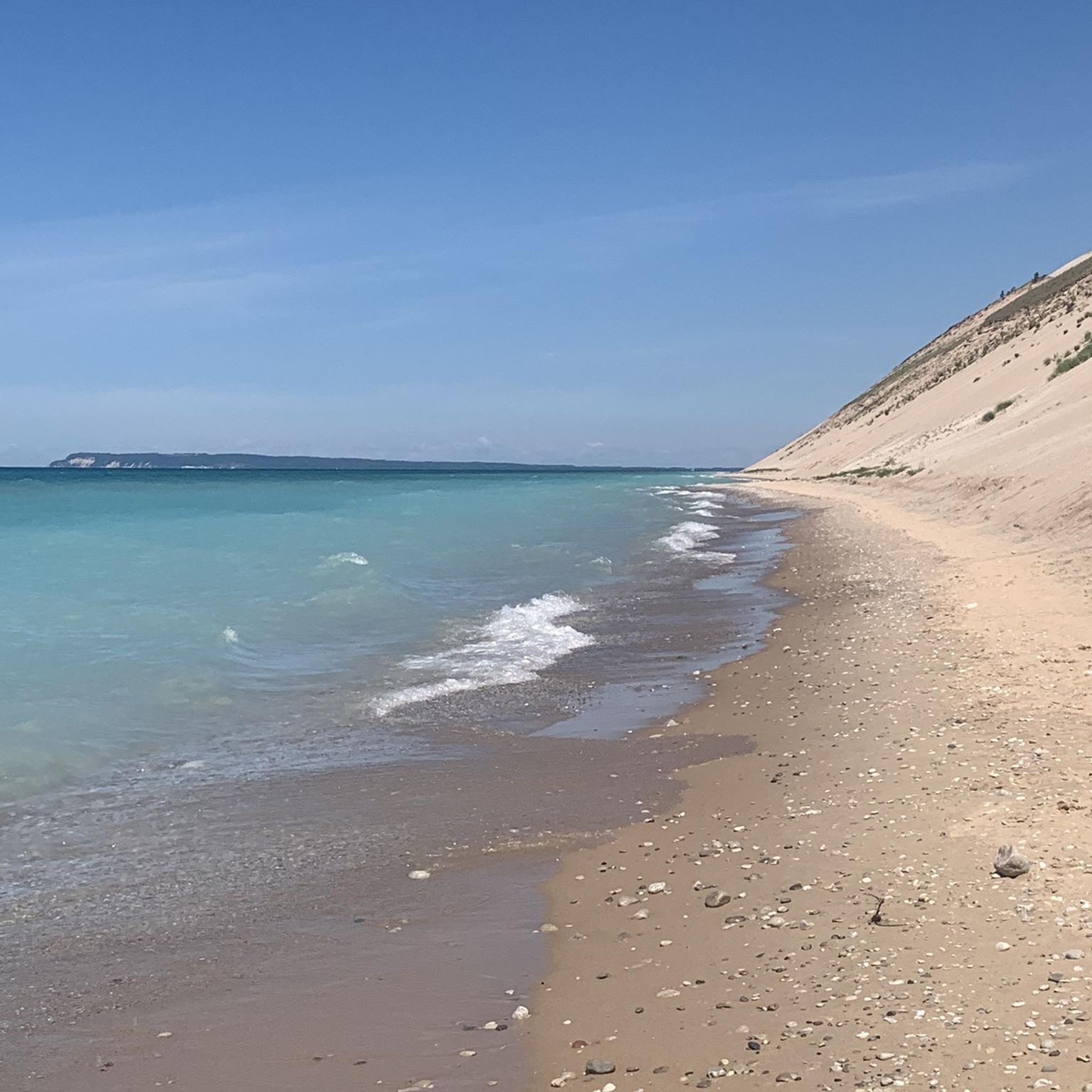
View of Lake Michigan from the Sleeping Bear Point Trail
Highlight (Segment) • Viewpoint
Tip by

Empire Bluffs Observation Deck
Highlight • Viewpoint
Tip by
Sign up now to discover places like this
Get recommendations on the best single tracks, peaks, & plenty of other exciting outdoor places.
Sign up for free
Lake Michigan Overlook
Highlight • Viewpoint
Tip by

Old Indian Trail – Sleeping Bear Dunes Wilderness
Highlight • Trail
Tip by

Valley of the Giants
Highlight • Forest
Tip by
Start today with a free account
Your next adventure awaits.
Login or Signup

Tips from the Community

Very good views, without being very difficult to access. A good way to view the wildflowers in the srea and the nesting of bank swallows in the sand dune faces.
0
0

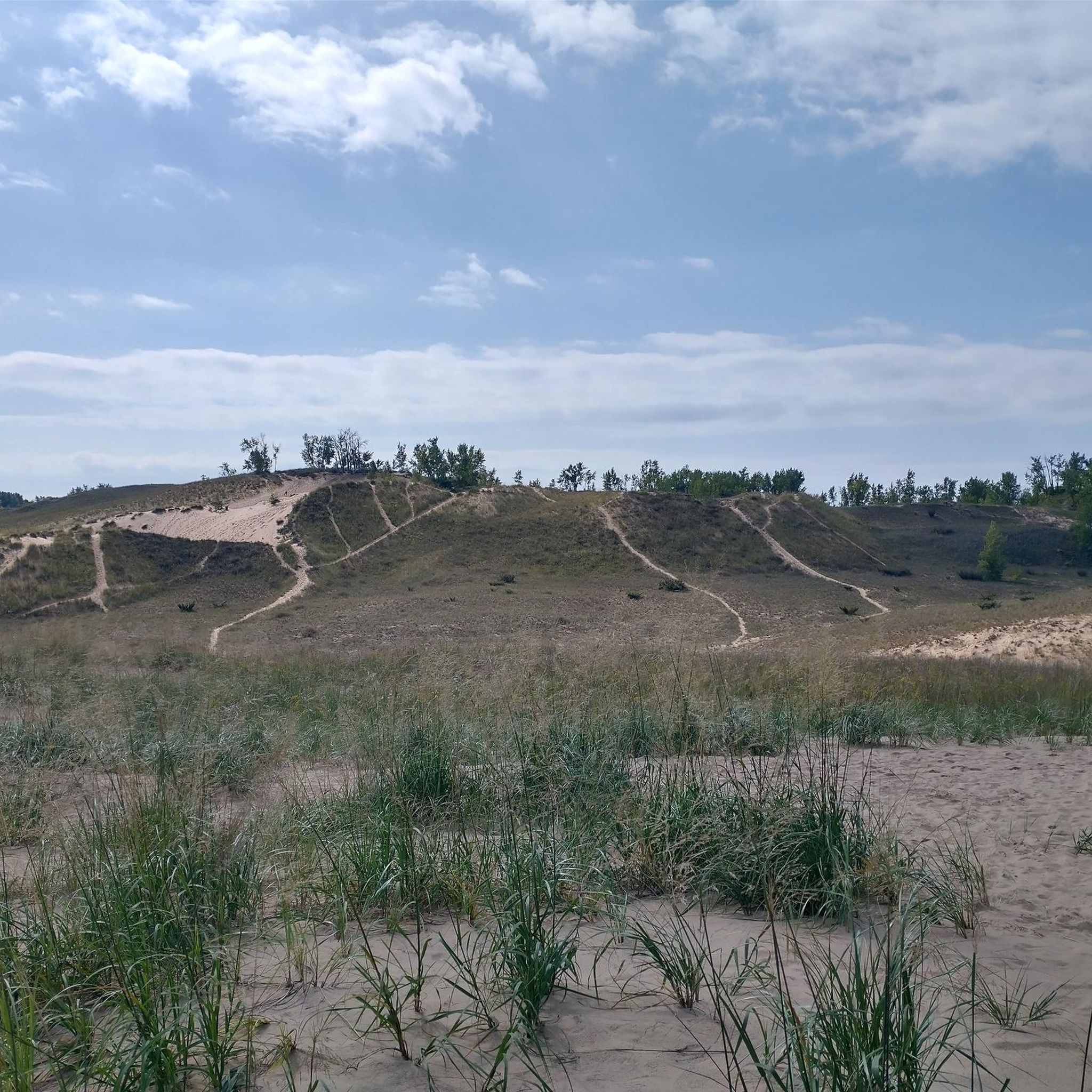
The loop from the Dune Climb parking lot to Lake Michigan is about 3.5 miles. It's hilly, all sandy, windy, and has no shade, so be sure to bring water and wear sun protection. Once you arrive at this overlook, you'll enjoy a nice lake view and get a little preview of the hike that still awaits you.
0
0

Absolutely fantastic view, a beautiful place
0
0

The Valley of the Giants is a forest of the last few white cedars and one of the few stands of virgin timber in all of Michigan. The white cedars stand over 100 feet tall, and are truly an impressive and serene sight to witness on South Manitou Island.
0
0
The Sleeping Bear Point Trail is an easy 2.8 mile loop leading you through the incredible Sleeping Bear Dunes. This trail is a great alternative to the longer and more strenuous Dune Trail. Incredible views over the Sleeping Bear Dunes and Lake Michigan!
1
0
One of the best viewpoints of the Sleeping Bear Dunes Lakeshore as well as the highest point of the dunes, Empire Bluffs offers incredible views over the Sleeping Bear Dunes as well as Lake Michigan. This is one of the busiest trails in the Sleeping Bear Dunes Lakeshore, so arrive early to enjoy the scenic hike and seasonal wildflowers in the spring.
0
0

A beautiful trail that runs mostly on flat, sandy terrain. It is worth taking a break on the shores of Lake Michigan.
2
0
The Sleeping Bear Point Trail offers stunning landscape over Lake Michigan. It is a pretty wild place!
3
0
Frequently Asked Questions
What are some of the most iconic natural monuments to visit in Sleeping Bear Dunes Wilderness?
The region is famous for its immense sand dunes perched high above Lake Michigan. Key spots include the panoramic views from the Empire Bluffs Observation Deck, which is one of the highest points, and the stunning vistas along the Sleeping Bear Point Trail. You can also experience the unique 'ghost forest' along this trail.
Are there family-friendly natural monuments or trails in Sleeping Bear Dunes Wilderness?
Yes, several natural monuments are accessible for families. The Sleeping Bear Point Trail is an easy 2.8-mile loop that offers incredible views without the strenuous effort of longer dune climbs. Another great option is the Old Indian Trail, which runs mostly on flat, sandy terrain and provides direct access to the Lake Michigan shores for a relaxing break.
What kind of unique natural features can I expect to see beyond the dunes?
Beyond the iconic dunes, the Wilderness boasts diverse natural features. You can explore lush forests, including the Valley of the Giants on South Manitou Island, home to white cedars over 100 feet tall. The region also features clear inland lakes and streams, many with striking indigo blue colors, and extensive pristine Lake Michigan shoreline and beaches.
What is the best time of year to visit the natural monuments in Sleeping Bear Dunes Wilderness?
The Sleeping Bear Dunes Wilderness offers beauty year-round, but spring and fall are particularly pleasant for hiking, with milder temperatures and seasonal wildflowers or vibrant foliage. Summer is popular for enjoying the beaches and lakes, though trails can be busier. Winter provides a serene, snow-covered landscape for those seeking solitude and unique cold-weather activities.
Are there opportunities for hiking and other outdoor activities near these natural monuments?
Absolutely. The region is a hiker's paradise. For a challenging experience, the loop from the Dune Climb parking lot to Lake Michigan Overlook is about 3.5 miles through hilly, sandy terrain. You can find many other trails for various skill levels. For more ideas, explore the Hiking in Sleeping Bear Dunes Wilderness guide, or discover running trails and family-friendly hikes in the area.
What makes the geology of Sleeping Bear Dunes Wilderness so significant?
The entire region is a globally important site for understanding landforms shaped by continental glaciation. The immense perched dunes, glacial headlands, and features like ridge/swale complexes are all direct results of ancient glaciers and ongoing wind and water erosion. This geological history contributes to its designation as 'The Most Beautiful Place in America'.
Are there any less crowded natural monuments or trails for a more peaceful experience?
While popular spots like Empire Bluffs can get busy, exploring trails like the Old Indian Trail, especially during off-peak hours or seasons, can offer a more tranquil experience. Additionally, venturing to areas like South Manitou Island to see the Valley of the Giants provides a serene and impressive natural encounter away from the main dune climb areas.
What kind of wildlife can I observe in the Sleeping Bear Dunes Wilderness?
The diverse habitats, including forests, meadows, wetlands, and bogs, support a rich array of native plant and animal communities. Visitors often spot various bird species, deer, and smaller mammals. The clear inland lakes and streams also host diverse aquatic ecosystems, offering opportunities for wildlife viewing in different environments.
What should I wear and bring for a hike to the natural monuments?
Given the sandy and often exposed terrain, especially on the dunes, it's advisable to wear sturdy closed-toe shoes, preferably hiking boots, to protect your feet from sand and potential blisters. Sun protection (hat, sunscreen, sunglasses) is crucial, as many areas lack shade. Always carry plenty of water, especially for longer or more strenuous hikes like the Dune Trail, which can be very demanding.
Where can I find information about permits or parking for visiting the natural monuments?
A park pass is required to enter Sleeping Bear Dunes National Lakeshore, which covers access to the natural monuments within the Wilderness. You can purchase passes at visitor centers or self-pay stations. Parking is available at various trailheads, such as the Dune Climb parking lot for access to the Lake Michigan Overlook and other dune trails. For detailed and up-to-date information on passes and specific parking areas, it's best to check the official National Park Service website: nps.gov/slbe.
Most popular routes in Sleeping Bear Dunes Wilderness
Most popular attractions in Sleeping Bear Dunes Wilderness

Get inspired with the komoot mobile app


Explore more
Extend your search for the best caves by checking out these guides of the top ones in Sleeping Bear Dunes Wilderness:
