Top 14 Natural Monuments in Denali Wilderness
Best natural monuments in Denali Wilderness include a diverse landscape of towering peaks, vast glaciers, and unique geological formations. This region, part of Denali National Park and Preserve, features North America's highest peak and extensive mountain ranges. Visitors can explore a variety of natural features, from tranquil lakes reflecting mountain vistas to colorful volcanic rock formations. The area offers opportunities to observe sub-arctic ecosystems and wildlife within its expansive wilderness.
Best natural monuments in Denali Wilderness
- The most popular natural…
Last updated: July 12, 2026
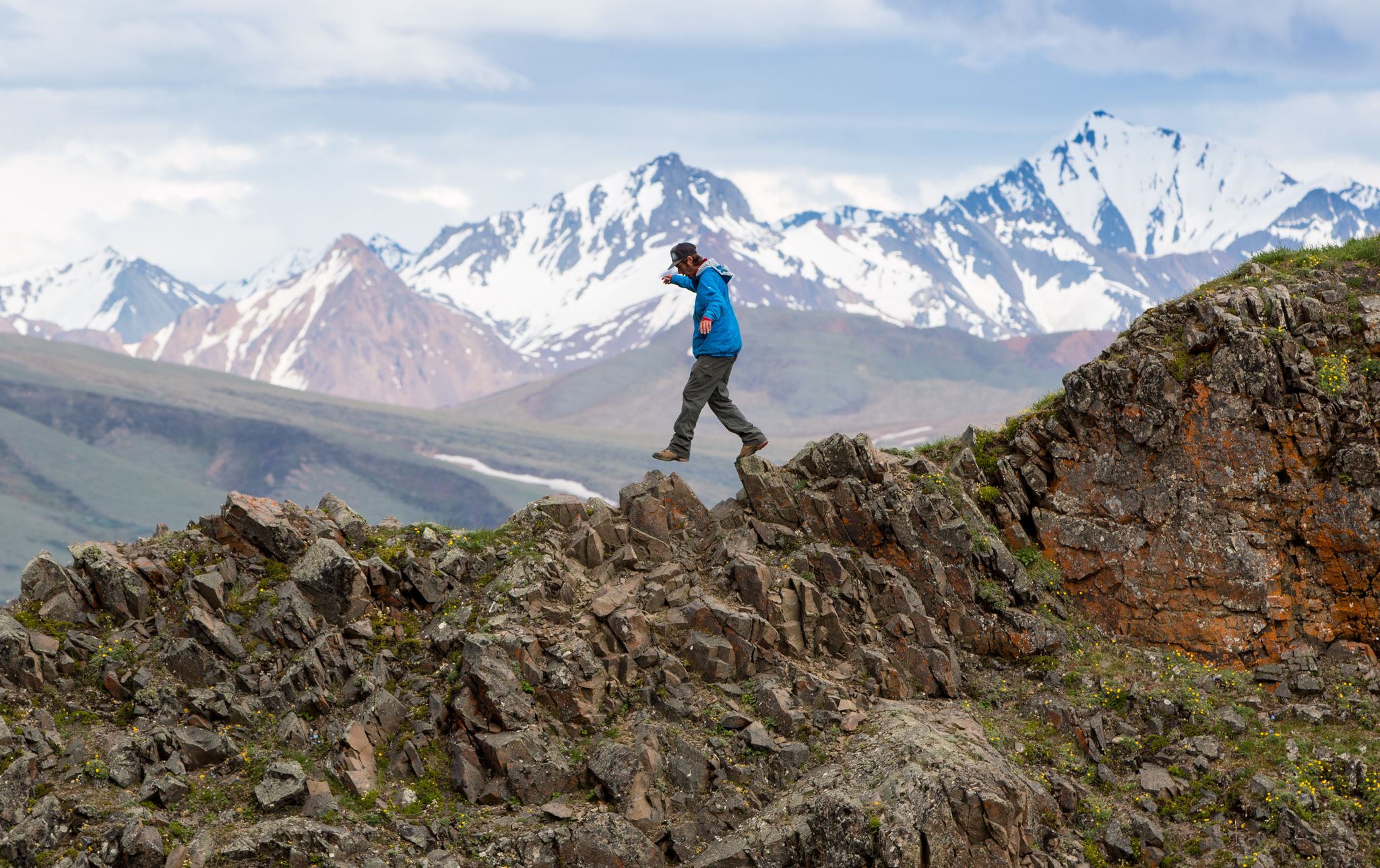
Rocky Ridge on Savage Alpine Trail
Highlight (Segment) • Viewpoint
Tip by

Polychrome Pass
Highlight • Mountain Pass
Tip by

Sign up now to discover places like this
Get recommendations on the best single tracks, peaks, & plenty of other exciting outdoor places.
Sign up for free
The Triple Lakes
Highlight (Segment) • Lake
Tip by
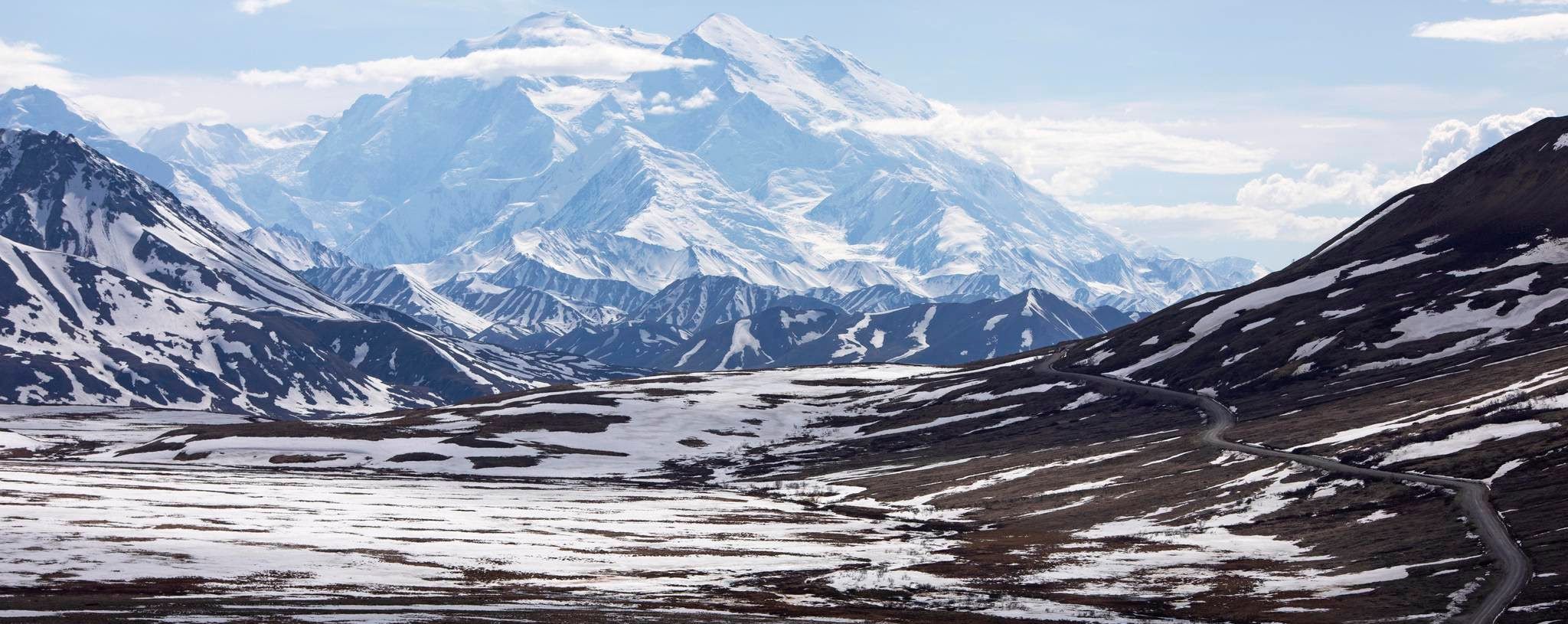
Denali West Buttress ridge (16,400 ft, 4970 m)
Highlight • Climb
Tip by
Sable Pass
Highlight • Mountain Pass
Tip by

Sign up for free to discover even more natural monuments in Denali Wilderness.
Sign up for free
Already have an account?
Start today with a free account
Your next adventure awaits.
Login or Signup
Other adventures in Denali Wilderness


Tips from the Community

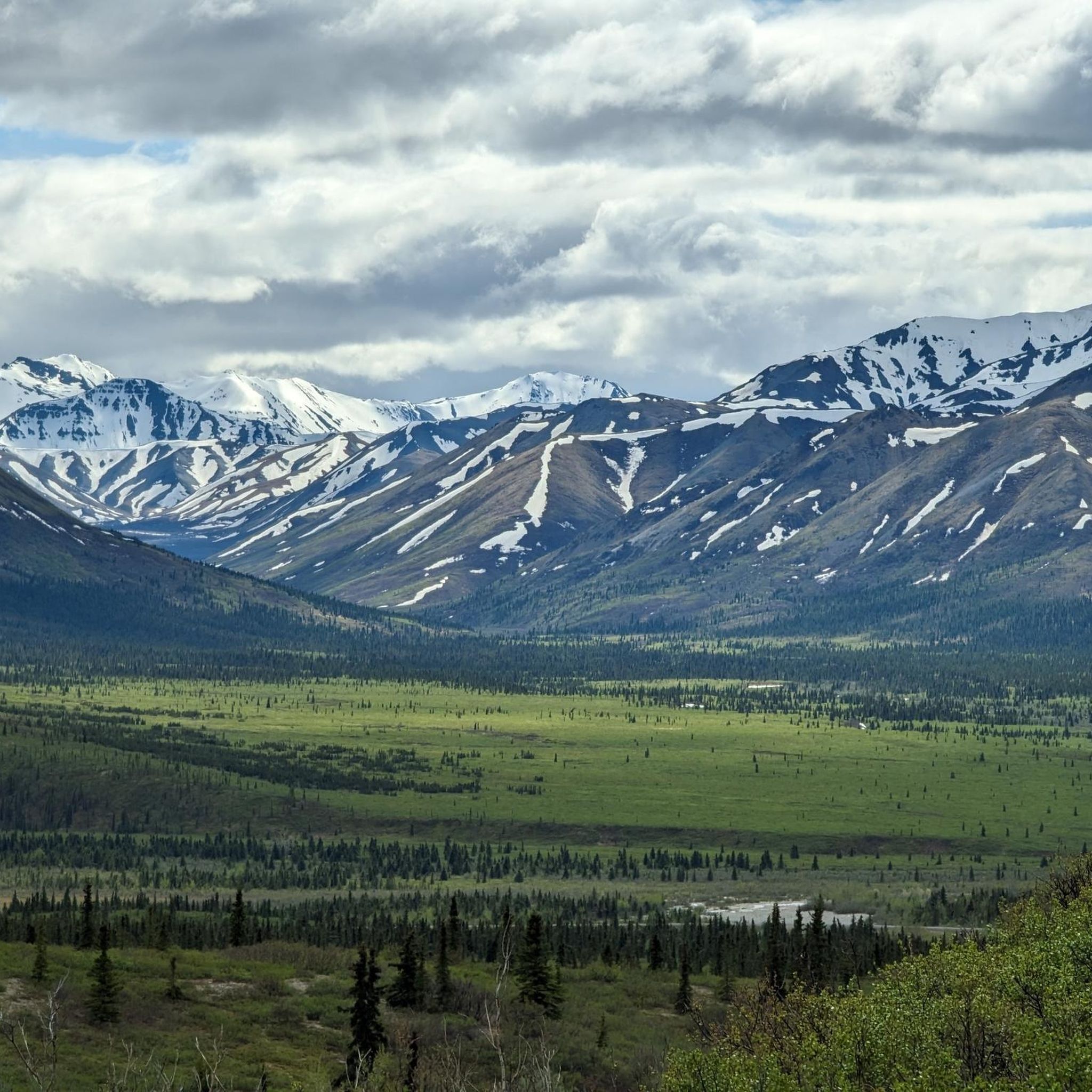
At an elevation of 3,917 feet, Sable Pass is one of the several high points reaching nearly 4,000 feet along this section of Denali Park Road. This part of the road passes through an area of the park that is not as open to off-road exploring, so it is one of the best places to view wildlife. Likewise, this stretch of road is high enough that there are not many trees to block views, so you get great views of the surrounding mountains and landscape, too.
0
0
Polychrome Pass is a popular overlook and observation area along Denali Park Road. It's located at mile marker 45.8 and is the site of new bridge construction. Buses can only get here in the dry seasons, but you can attempt to run up here basically all year long.
0
0

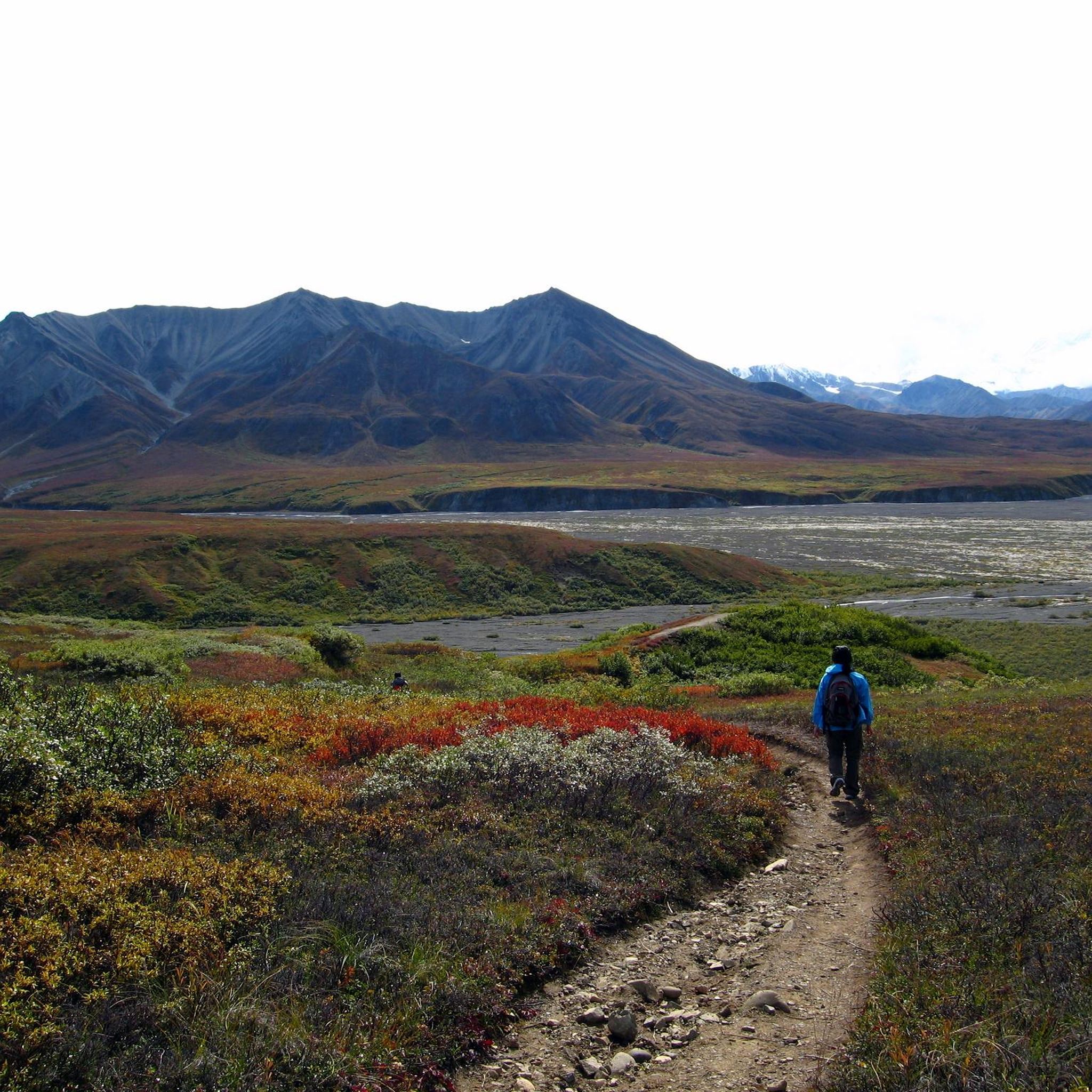
The Triple Lakes Trail takes you to its namesake: three scenic lakes all within a few hundred yards of each other. These lakes are surrounded by dense forests and tall grasses. You can find great places to rest, sip some water, take some photos, and look out for wildlife at each of these lakes. In particular, be on the lookout for the iconic moose; they love water and are good swimmers. Be careful though, moose are surprisingly quiet for their large size and can be very dangerous. Do not approach them and always photograph them (or any animal, for that matter) from a respectful distance.
1
0
This section of the Savage Alpine trail takes you on an exposed rocky ridge high above the Denali Park Road. This exciting, challenging, but still well-traveled, portion of trail offers fantastic 360 views of the area and the Savage River below. You also have a good chance of seeing a pika, a small, very cute animal that only lives in high alpine environments. In the summer they are very active gathering grasses and wild flowers to take back to their dens to store for the winter.
0
0

Great Hike, perfect view, rocky trail
0
0

First big view of Denali on a clear day. Also, I place I often see wildlife (grizzly bears, moose and dall sheep).
1
0

A wide valley with rocks of different colors are the inspiration for this naming.
1
0

Polychrome Pass gets its name from the colorful volcanic rocks that you can see from the overlook, but the name could also be applied to the colorful vegetation, streams, mountains and glaciers that make this spot unique. This high overlook is a great spot to watch bears, moose and caribou from far enough away that you won’t risk disturbing them. For hiking info: https://www.nps.gov/dena/planyourvisit/unit31.htm
1
0
Frequently Asked Questions
What are some of the most highly-rated natural monuments in Denali Wilderness?
Visitors frequently praise the diverse landscapes. Among the top-rated are Rocky Ridge on Savage Alpine Trail, which offers fantastic 360-degree views, and Polychrome Pass, known for its vibrant volcanic rocks and expansive vistas. Another favorite is The Triple Lakes, a serene area surrounded by forests, perfect for wildlife spotting.
Which natural monuments offer the best photography opportunities?
For iconic shots, Polychrome Pass provides stunning, colorful landscapes. Wonder Lake, though not a highlight in this guide, is renowned for its classic reflections of Denali on calm, clear days. The sheer scale of Denali itself, North America's highest peak, offers awe-inspiring photographic subjects from various viewpoints throughout the park.
Where can I best observe wildlife near Denali Wilderness natural monuments?
Wildlife viewing is excellent in several areas. Polychrome Pass is a great spot to watch bears, moose, and caribou from a distance. The area around The Triple Lakes is known for moose. Additionally, Sable Pass and the Savage River Area are prime locations for spotting Dall sheep, caribou, and bears, especially due to their open landscapes.
Are there family-friendly natural monuments or trails in Denali Wilderness?
Yes, the Savage River Area is an excellent choice for families. It offers immediate access to the park's beauty with trails like the Savage River Trail, a flat loop along the scenic river. While The Triple Lakes trail is considered intermediate, its serene environment and potential for moose sightings can also be rewarding for families with older children. For more easy options, explore the easy hikes in Denali Wilderness.
What unique geological features can I explore in Denali Wilderness?
The region is rich in geological wonders. Polychrome Pass showcases hillsides with striking colors from volcanic rock and mineral deposits. The Alaska Range, forming the park's backbone, features numerous granite peaks, snowy summits, and vast glaciers like the Kahiltna and Ruth Glaciers. Denali itself is a testament to immense geological forces, still growing due to tectonic plate convergence.
When is the best time to visit the natural monuments in Denali Wilderness?
The peak season for visiting Denali National Park and Preserve, including its natural monuments, is generally from late May to early September. During these summer months, the weather is milder, and park facilities and shuttle services are fully operational. Clear days offer the best chance to see Denali's summit and its reflection in Wonder Lake.
What outdoor activities can I do near these natural monuments?
Beyond sightseeing, the Denali Wilderness offers various outdoor activities. You can enjoy hiking on trails like the Triple Lakes Trail or the Roadside Trail. For runners, there are options such as the Savage River Loop Trail. Explore more options for hiking or running in the area.
What are the difficulty levels of trails leading to natural monuments in Denali Wilderness?
Trail difficulties vary. For instance, the Rocky Ridge on Savage Alpine Trail is considered challenging due to its exposed, rocky terrain. Polychrome Pass and The Triple Lakes trails are generally intermediate. The Savage River Area also offers easier, flatter loops. Always check specific trail conditions before heading out.
Are there any high-altitude natural monuments or viewpoints?
Yes, the region is defined by its mountainous terrain. Denali itself reaches over 20,000 feet. The Denali West Buttress ridge offers dramatic views at around 16,400 feet for experienced climbers. Sable Pass, at nearly 4,000 feet, provides expansive views of the surrounding mountains and landscape, making it a great elevated viewpoint accessible by road.
What do visitors enjoy most about the natural monuments in Denali Wilderness?
Visitors consistently highlight the breathtaking panoramic views, the opportunity to witness diverse wildlife in its natural habitat, and the sheer grandeur of the landscapes. The sense of wilderness and the chance to see North America's highest peak, Denali, are often cited as unforgettable experiences. The vibrant colors of places like Polychrome Pass and the tranquility of areas like The Triple Lakes also receive high praise.
Are there any specific regulations or permits required to visit certain natural monuments?
While general entry into Denali National Park and Preserve requires a park entrance fee, specific permits are typically needed for backcountry camping or climbing Denali itself. For most day visits to natural monuments along the Park Road, standard park entry is sufficient. It's always advisable to check the official National Park Service website for the most current regulations, especially if planning activities beyond day hiking.
How does the Denali Wilderness compare to other national park monuments?
Denali Wilderness, encompassing Denali National Park and Preserve, stands out due to its immense scale and the presence of Denali, North America's highest peak. It offers a unique sub-arctic ecosystem with vast tundra, boreal forests, and extensive glaciers, providing an unparalleled wilderness experience. Unlike many smaller national monuments, Denali focuses on preserving a vast, untamed landscape and its diverse wildlife.
Most popular attractions in Denali Wilderness

Get inspired with the komoot mobile app


Explore more
Extend your search for the best caves by checking out these guides of the top ones in Denali Wilderness:
