Mount Jefferson Wilderness
Mount Jefferson Wilderness
Top 20 Natural Monuments in Mount Jefferson Wilderness
Best natural monuments in Mount Jefferson Wilderness encompass over 111,000 acres in Oregon's central Cascade Range. This region is characterized by dramatic volcanic peaks, pristine alpine lakes, and an extensive trail system. The landscape features dense forests, high alpine meadows, and diverse vegetation including fir, hemlock, and pine species. It is the ancestral land of the Tenino, Molalla, and Warm Springs tribes.
Best natural monuments in Mount Jefferson Wilderness
- The most popular natural monuments is Shale Lake, a lake…
Last updated: July 12, 2026
Mount Jefferson Wilderness boundary
Highlight • Natural Monument
Tip by

Mount Jefferson Wilderness
Highlight • Natural Monument
Tip by
Sign up now to discover places like this
Get recommendations on the best single tracks, peaks, & plenty of other exciting outdoor places.
Sign up for free
Marion Falls
Highlight • Waterfall
The trail down to the falls is fairly easy to follow, but it does get quite steep to get down to view the falls.
Tip by

Boca Cave
Highlight • Cave
Tip by

Shale Lake
Highlight • Lake
Tip by
Sign up for free to discover even more natural monuments in Mount Jefferson Wilderness.
Sign up for free
Already have an account?
Start today with a free account
Your next adventure awaits.
Login or Signup
Popular around Mount Jefferson Wilderness
Tips from the Community

You can find Boca Cave by taking a short spur trail near the summit of Triangulation Peak. The cave offers some pretty cool views from the entrance and is actually a pretty wide shelter in itself once you start walking through it. If you've already gone up the slopes of Triangulation Peak, this is worth a visit.
0
0
You can find Boca Cave by taking a short spur trail near the summit of Triangulation Peak. The cave offers some pretty cool views from the entrance and is actually a pretty wide shelter in itself once you start walking through it. If you've already run up the slopes of Triangulation Peak, this is worth a visit.
0
0

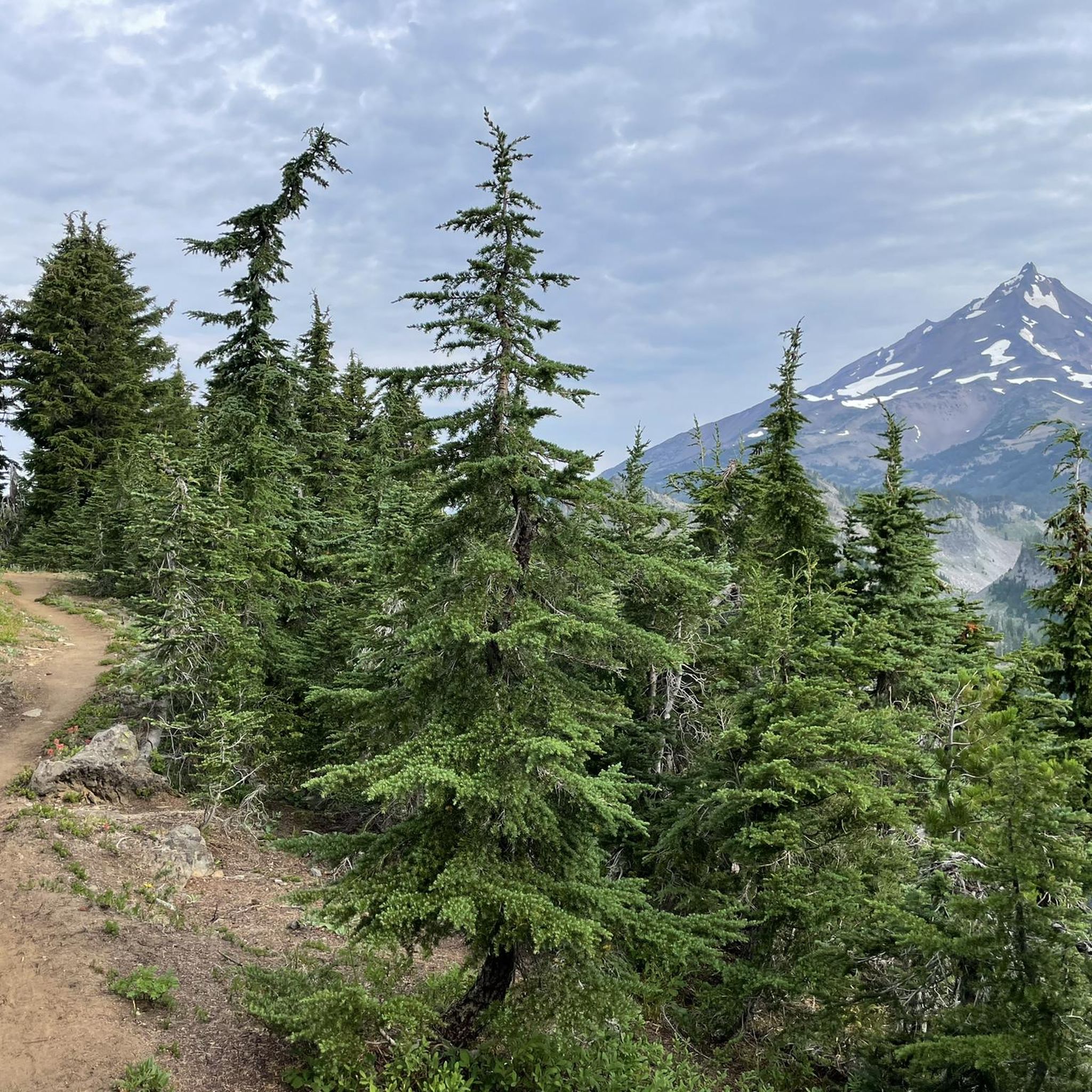
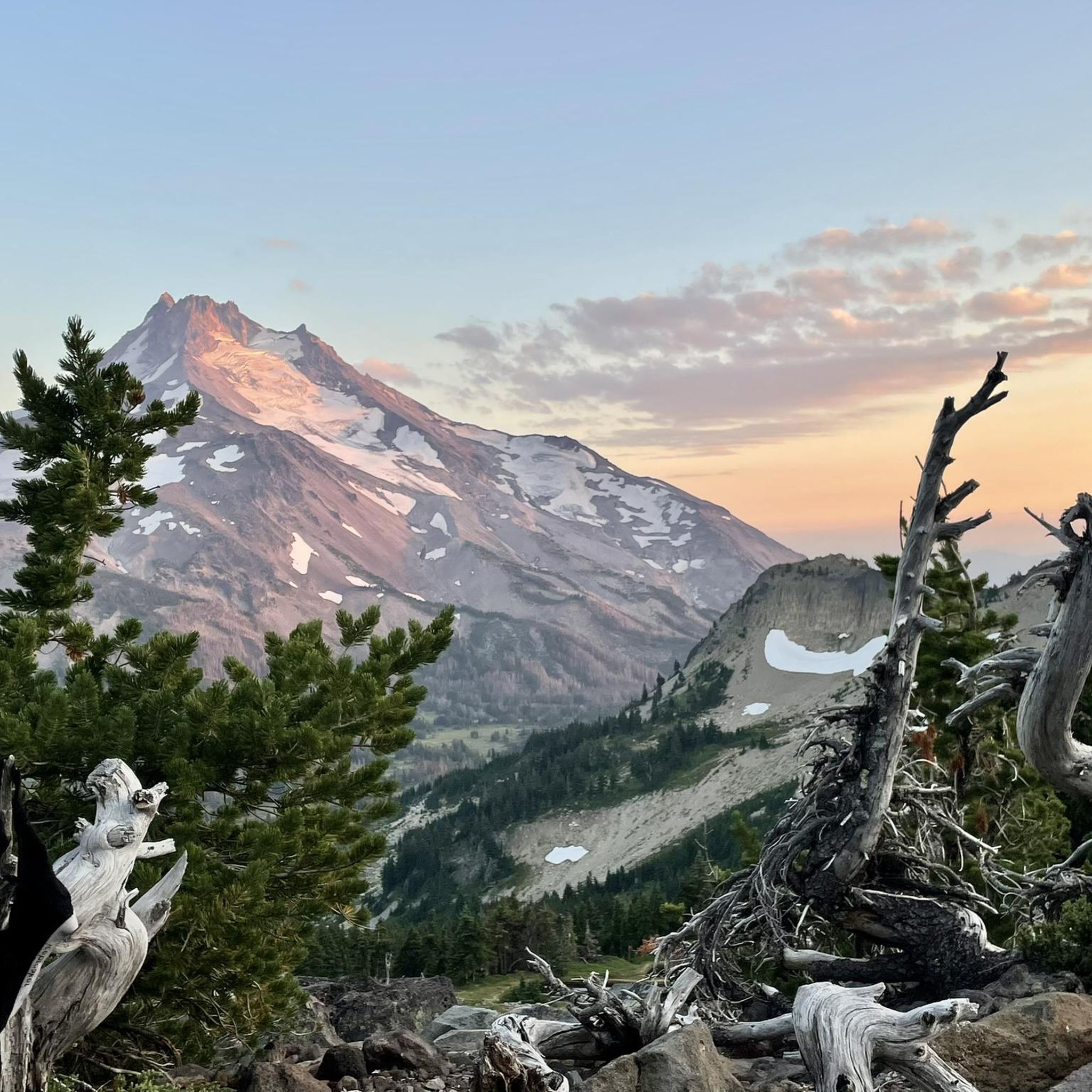
The wilderness around Mount Jefferson is one of the most impressive alpine areas within the whole state of Oregon. The majestic volcano with it numerous glaciers towers over pine forest, old burn areas, lava fields, lush meadows, flowing creeks and lots of beautiful vegetation. To enter the Mount Jefferson Wilderness you need to obtain a permit for the Central Cascades Wilderness. The PCT long-distance permit covers this area.
5
0
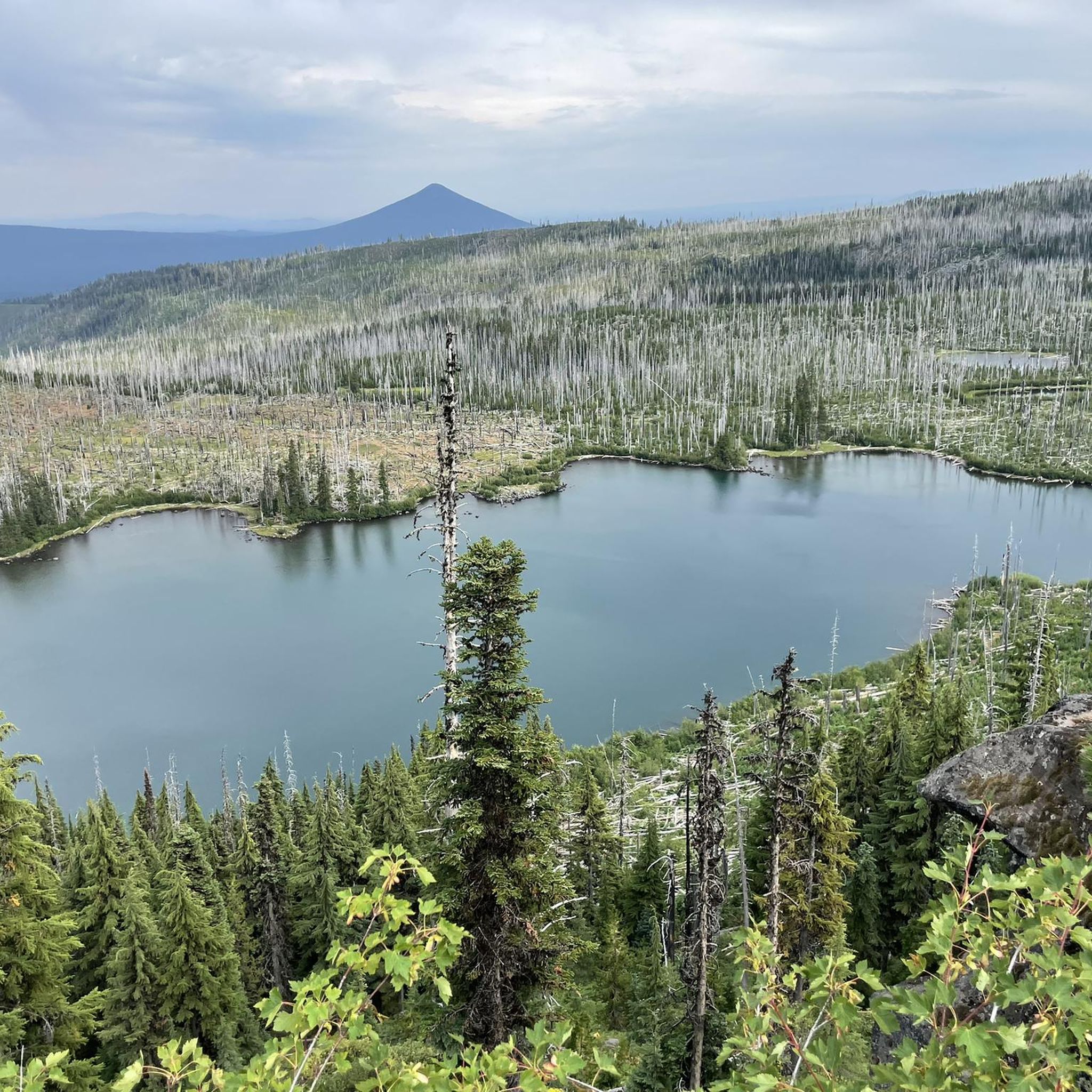
Shale Lake is just a tiny alpine lake, but from the right angle and with sunshine you will see Mount Jefferson mirroring in the clear water. There are also plenty of blueberry bushes in the area with delicious berries to forage in late summer.
7
0
Just a few feet north of Highway 20 at Santiam Pass, you enter the Mount Jefferson Wilderness that will first show you the rough peaks of Three Fingered Jack before you get closer to Mount Jefferson itself. There are even marmots in this area.
5
0

The sidetrail to the falls is noticeable but not well marked. Watch for it. The trail down to the falls is fairly easy to follow, but it does get quite steep to get down to view the falls. Marion Falls was originally named Orla Falls by the young men of the scouting party who had danced with Orla Davenport, the oldest daughter of the surveyor. Gatch Falls (the lower one) was named after Prof T.M. Gatch who had taught all of these same young men.
0
0
Frequently Asked Questions
What are some of the most notable natural monuments to visit in Mount Jefferson Wilderness?
The Mount Jefferson Wilderness offers several impressive natural monuments. You can experience the majestic Mount Jefferson Wilderness itself, featuring a towering volcano with glaciers, pine forests, and lush meadows. Another popular spot is Shale Lake, known for its clear waters reflecting Mount Jefferson and abundant blueberry bushes in late summer. Additionally, Marion Falls provides a beautiful waterfall experience within a forest setting.
Are there any unique geological features or viewpoints in the Mount Jefferson Wilderness?
Yes, the wilderness is rich in unique geological features. Beyond the dominant volcanic peaks like Mount Jefferson, you can explore Boca Cave, a wide shelter near Triangulation Peak offering cool views from its entrance. The Mount Jefferson Wilderness boundary near Santiam Pass also provides initial views of the rough peaks of Three Fingered Jack before you get closer to Mount Jefferson.
What kind of wildlife can I expect to see in the Mount Jefferson Wilderness?
The Mount Jefferson Wilderness is home to diverse wildlife. Visitors might spot various carnivores, insectivores, bats, rodents, and deer. The area also supports a wide array of bird species. Keep an eye out for marmots, especially near the Mount Jefferson Wilderness boundary at Santiam Pass.
What are the best times of year to visit the natural monuments in Mount Jefferson Wilderness?
The best time to visit the natural monuments in Mount Jefferson Wilderness is generally during the late spring, summer, and early fall months. This period offers the most accessible trails and favorable weather conditions for hiking and exploring. Late summer is particularly rewarding for foraging delicious blueberries around areas like Shale Lake.
Are permits required to access natural monuments in the Mount Jefferson Wilderness?
Yes, to enter the Mount Jefferson Wilderness, including areas around its natural monuments, you typically need to obtain a permit for the Central Cascades Wilderness. If you are undertaking a long-distance hike on the Pacific Crest Trail, a PCT long-distance permit usually covers this area.
Are there family-friendly trails to natural monuments in the Mount Jefferson Wilderness?
While many trails in the Mount Jefferson Wilderness can be challenging, there are options for families. For instance, the Square Lake route, mentioned in the Hiking in Mount Jefferson Wilderness guide, is rated as easy and could be suitable for families looking for a shorter, less strenuous experience.
What types of outdoor activities can I do near the natural monuments?
The Mount Jefferson Wilderness is ideal for various outdoor activities. You can find numerous opportunities for hiking, with routes like Three Fingered Jack via Pacific Crest Trail or Pamelia Lake and Hunts Cove Loop detailed in the Hiking in Mount Jefferson Wilderness guide. For mountain biking enthusiasts, there are trails such as the McKenzie River National Recreation Trail, as highlighted in the MTB Trails in Mount Jefferson Wilderness guide. Running trails, including the Canyon Creek Meadows Loop, are also available, as seen in the Running Trails in Mount Jefferson Wilderness guide.
What is the terrain like around Mount Jefferson, and what are the difficulty levels for exploring it?
The terrain around Mount Jefferson is diverse and can be quite rugged. It features steep talus slopes, rock outcrops, and alpine meadows, with elevations reaching 10,497 feet at the summit of Mount Jefferson. Exploring this area often involves challenging hikes and mountaineering, attracting those seeking a remote and demanding experience. Trails can range from moderate to difficult, with some requiring significant elevation gain.
Are there any specific tips for visiting Marion Falls?
When visiting Marion Falls, be aware that the sidetrail leading to it is noticeable but not always well-marked, so keep an eye out. The trail down to the falls is generally easy to follow, but it does get quite steep as you descend to get a good view of the falls.
What kind of vegetation can be found in the Mount Jefferson Wilderness?
The Mount Jefferson Wilderness boasts diverse vegetation, adapting to its varied landscapes. You'll find dense forests of Douglas fir, silver fir, sub-alpine fir, mountain hemlock, lodgepole pine, ponderosa pine, and several cedar species. The undergrowth includes vine maple, huckleberry, and rhododendron, adding to the scenic beauty.
What are the options for fishing in the Mount Jefferson Wilderness?
The wilderness features over 150 small alpine lakes, many of which are stocked with trout, making them appealing to fishing enthusiasts. For example, Lake Ann is known to support a self-sustaining population of brook trout, offering serene environments for anglers.
Can I bring my dog to the natural monuments in Mount Jefferson Wilderness?
While dogs are generally allowed in wilderness areas, specific regulations may apply. It's always best to check current rules regarding leashes, waste disposal, and any restricted areas within the Mount Jefferson Wilderness to ensure a responsible visit with your dog.
What are some popular activities around the alpine lakes in the wilderness?
The numerous alpine lakes, such as Lake Ann, Marion Lake, and Pamelia Lake, are popular for various recreational activities. Visitors enjoy hiking, backpacking, and fishing. Pamelia Lake, in particular, is a favored area for backpacking, mountaineering, horseback riding, and day hiking, with trails like the Pamelia Lake Trail and a segment of the Pacific Crest Trail.
Most popular attractions in Mount Jefferson Wilderness

Get inspired with the komoot mobile app


Explore more
Extend your search for the best caves by checking out these guides of the top ones in Mount Jefferson Wilderness:
