Pusch Ridge Wilderness
Pusch Ridge Wilderness
Top 12 Natural Monuments in Pusch Ridge Wilderness
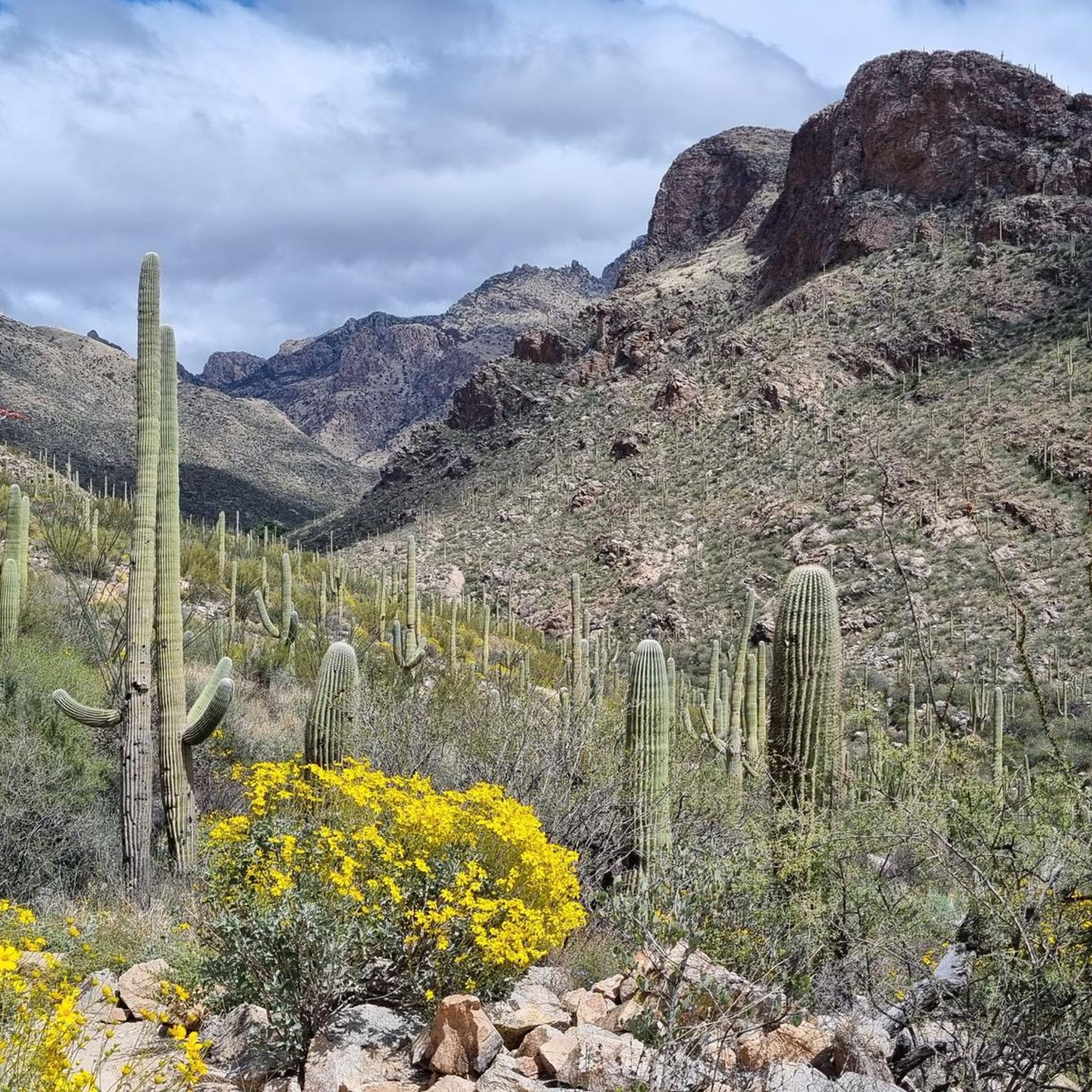
Best natural monuments in Pusch Ridge Wilderness are found within Arizona's Coronado National Forest, north of Tucson. This wilderness area spans over 56,000 acres, featuring a rugged and diverse landscape with significant elevation changes from 2,800 to 8,800 feet. These variations support a range of ecosystems, from Sonoran Desert to pine and mixed conifer forests. The dramatic landscape is shaped by geological processes, creating alternating high ground and flat valleys.
Best natural monuments in Pusch Ridge Wilderness
- The most popular…
Last updated: July 12, 2026
Maiden Pools
Highlight • Natural Monument
Tip by

Seven Falls
Highlight • Waterfall
Tip by

Sign up now to discover places like this
Get recommendations on the best single tracks, peaks, & plenty of other exciting outdoor places.
Sign up for free
Hutch's Pool
Highlight • Lake
Tip by
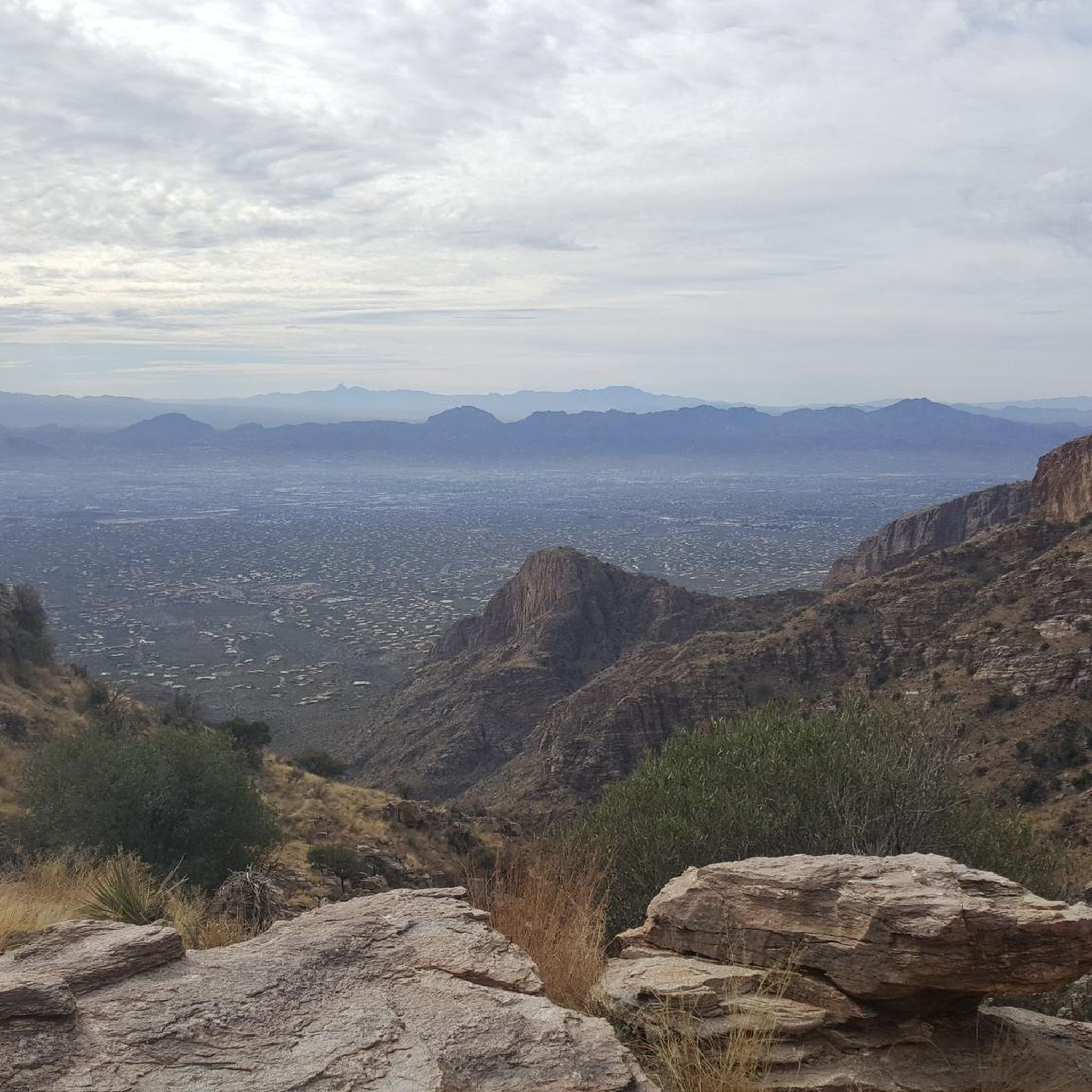
View from Pusch Peak
Highlight • Summit
Tip by

Saddle Back
Highlight • Summit
Tip by

Sign up for free to discover even more natural monuments in Pusch Ridge Wilderness.
Sign up for free
Already have an account?
Start today with a free account
Your next adventure awaits.
Login or Signup

Tips from the Community

Above the Maiden Falls are the Maiden Pools – the trail goes above the pools, and it requires some off trail walking to get down to them – use your discretion and be aware that walking off trail can permanently damage habitats. Once at the pools, be very cautious of flash flooding possibilities (the only way down is over the falls), and take care not to go near the edge ... it's a long way down. Act responsibly, make good decision, enjoy.
1
0

Reaching Seven Falls involves crossing a stream multiple times, which should be done carefully, especially during periods of high water. The reward in seven falls cascades with inviting pools, perfect for a refreshing dip on a warm day. The pools are seasonal, so they won't be full year-round.
0
0

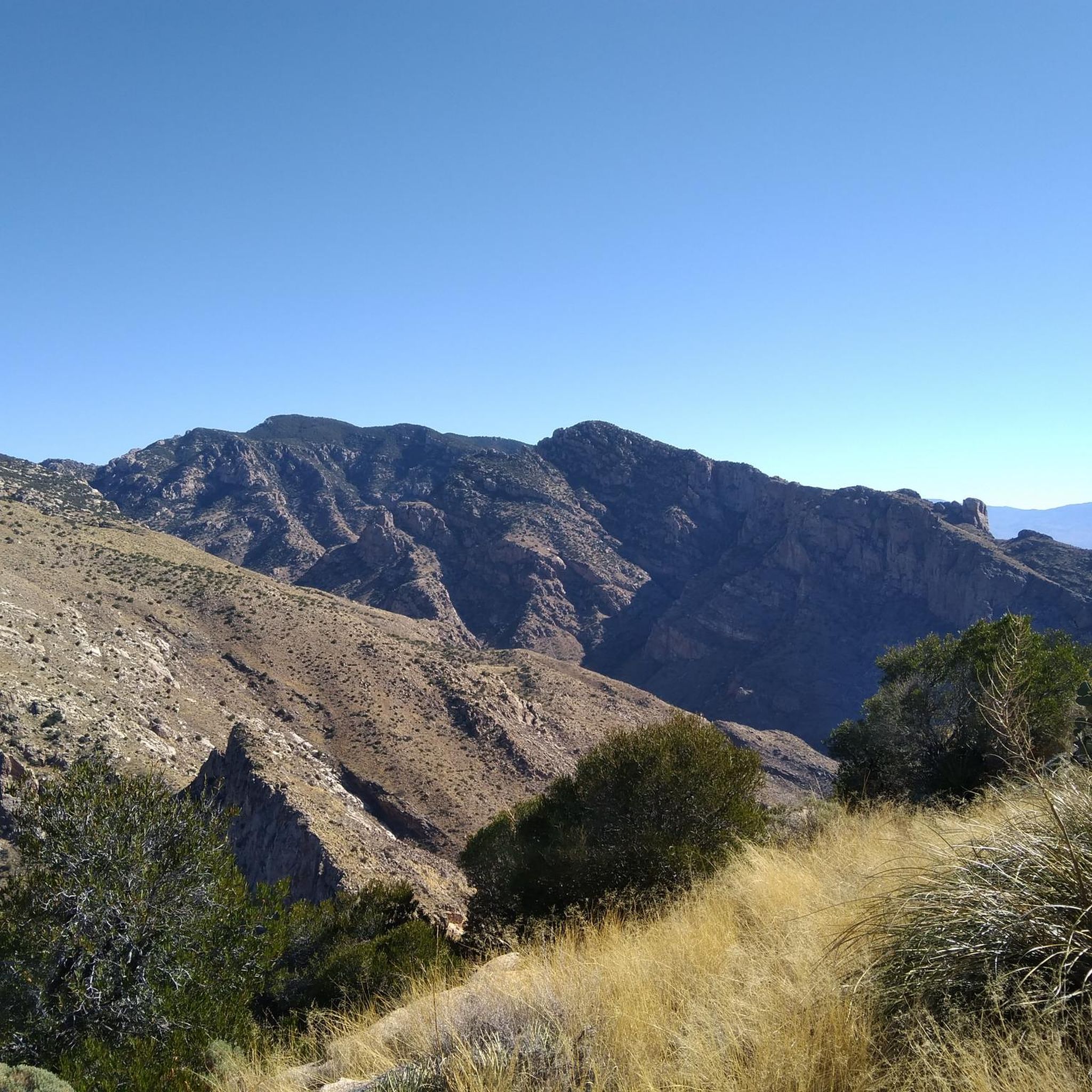
Blackett’s Ridge Trail is a popular hike that leads to the 4,341-foot summit of Saddleback. Spanning 5.5 miles with over 1,900 feet of elevation gain, the trail rewards hikers with views of Thimble Peak, the Santa Catalina Mountains, and, on clear days, the Santa Rita and Tucson Mountains. To the south, the city of Tucson stretches out below. Open year-round, the trail requires an $8 fee to enter the Sabino Canyon Recreation Area, and dogs are not allowed on trail. With no reliable water sources, hikers should bring plenty of water.
1
0

Steep access by a very well maintained trail with no technical difficulty. The views are really breathtaking.
0
0

If you are in decent shape, can follow your own pace, hike early when hot, and hydrate with sips, not chugging, it is a half day hike or less. It is a fairly high elevation for a 360 view in the Catalinas. Follow the trail with your eyes, especially when it is overgrown. Several side trails with many Sheep trails can lead to off trail, which can be dangerously steep. It you pay attention, it is beautiful and safe.
0
0

Not big enough to swim in, but definitely cool to see! The Maiden pools are a collection of small indentations of sitting water. Depending on the season the entire area can be covered in water, which in my opinion is not as exciting!
1
0

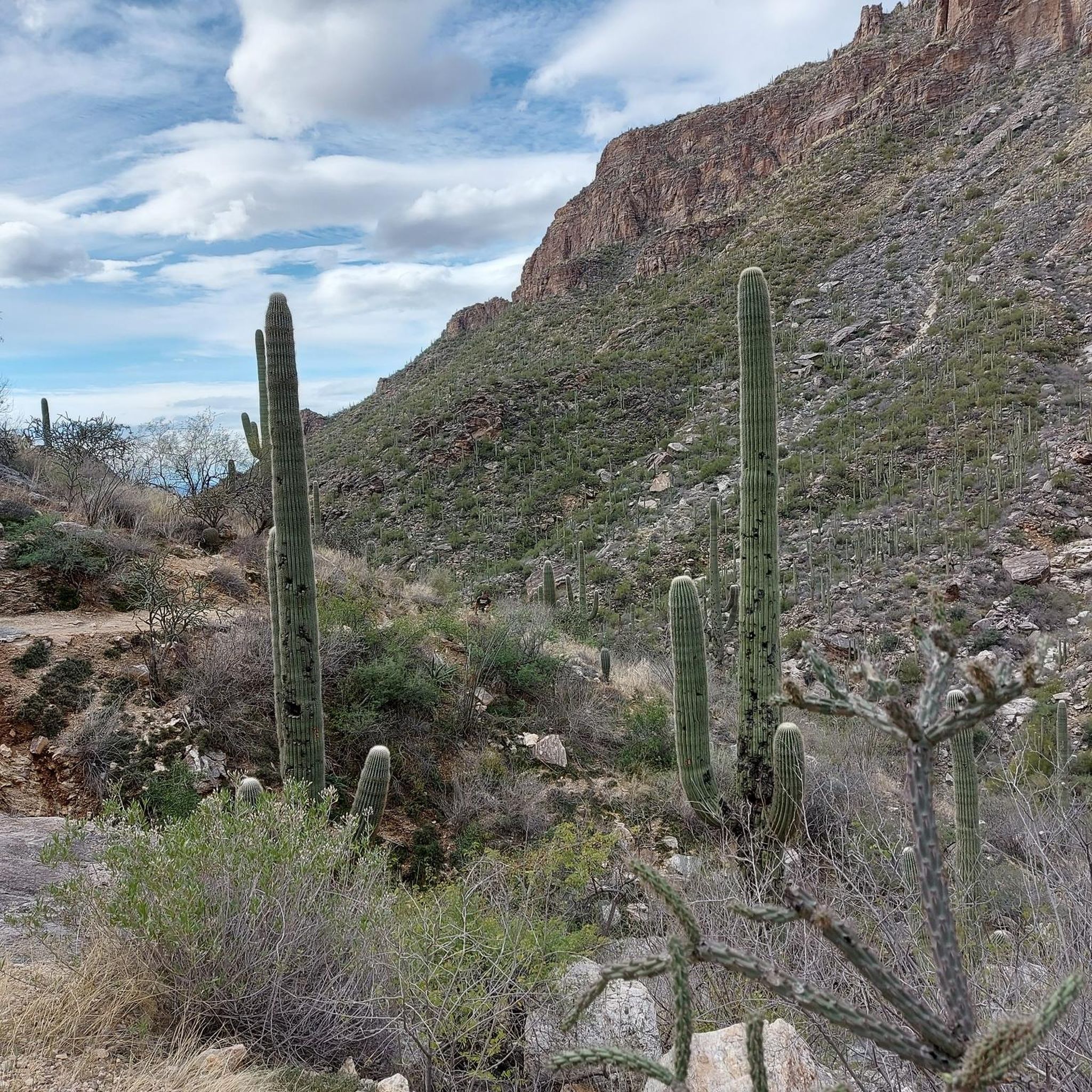
Wonderfully cascading, Bear Creek tumbles down stone steps here, lined on both sides by proud saguaro cacti. The best time of year to visit Seven Falls is, of course, spring, when the creeks are rushing from the melting snow.
3
1
Frequently Asked Questions
What kind of natural features can I expect to see in Pusch Ridge Wilderness?
Pusch Ridge Wilderness offers a diverse landscape, from Sonoran Desert at lower elevations to pine and mixed conifer forests at higher reaches. You'll encounter towering peaks like Marshall Peak, dramatic rock formations such as Finger Rock, and cascading waterfalls like Seven Falls. The area also features natural pools, including Hutch's Pool and Maiden Pools, and offers expansive views from summits like Pusch Peak.
When is the best time to visit the natural monuments in Pusch Ridge Wilderness?
The best time to visit depends on your activity. For seeing waterfalls like Seven Falls at their fullest, spring is ideal due to melting snow. Generally, the cooler months from fall through spring (October to April) are more comfortable for hiking and exploring the desert areas, avoiding the intense summer heat. Higher elevations offer a cooler escape during warmer periods.
Are there family-friendly options among the natural monuments in Pusch Ridge Wilderness?
While many trails in Pusch Ridge Wilderness can be challenging, some areas offer more accessible experiences. For example, the journey to Seven Falls, while involving stream crossings, leads to inviting pools that can be a fun reward for families. Always consider the difficulty and distance of a trail, and ensure it's appropriate for all family members.
What wildlife might I encounter while exploring Pusch Ridge Wilderness?
The diverse ecosystems of Pusch Ridge Wilderness support a variety of wildlife. At lower elevations, you might spot saguaro cacti, javelina, and possibly even the Gila Monster. Higher up, especially around peaks like Pusch Peak, there's a chance to see bighorn sheep. The area is also home to various bird species and other desert creatures.
What are some popular hiking trails to reach these natural monuments?
Many natural monuments are accessible via well-known trails. The Finger Rock Trail leads to the distinctive Finger Rock formation and eventually to Mount Kimball. The hike to Pusch Peak offers a challenging ascent with rewarding views. For those seeking natural pools, trails lead to Hutch's Pool and Maiden Pools. Remember to research trail conditions and difficulty before heading out.
What outdoor activities can I do near the natural monuments in Pusch Ridge Wilderness?
Beyond hiking to the natural monuments themselves, the Pusch Ridge Wilderness and surrounding areas offer a range of outdoor activities. You can find numerous running trails, such as Soldier Trail or the Sabino Canyon Road loop, as detailed in the Running Trails in Pusch Ridge Wilderness guide. For cyclists, there are road cycling routes like the Linda Vista Trailhead loop, and challenging MTB trails including Bug Springs Trail and Lemmon Drop, which you can explore in the Road Cycling Routes and MTB Trails in Pusch Ridge Wilderness guides.
Are there any natural pools suitable for swimming in the area?
Yes, there are natural pools that can be refreshing. Hutch's Pool, located off the Arizona Trail, is a deep pool present in all seasons, offering a potential swimming location depending on weather conditions. The inviting pools at Seven Falls are also popular for a dip, especially on warm days, though their water levels are seasonal.
What are some of the highest peaks in Pusch Ridge Wilderness?
Pusch Ridge Wilderness is home to several impressive peaks. Marshall Peak is the highest point, reaching an elevation of 8,304 feet. Other notable summits include Cathedral Rock at 7,940 feet, Window Peak at 7,470 feet, and Pusch Peak, which offers expansive 360-degree views.
What should I bring when hiking to natural monuments in Pusch Ridge Wilderness?
Given the rugged terrain and desert environment, it's crucial to be prepared. Always carry plenty of water, especially during warmer periods, and hydrate frequently. Sturdy hiking boots, sun protection (hat, sunscreen), and appropriate layers of clothing are recommended. A map or GPS device is also advisable, as some trails can be steep and have loose terrain.
How long does it typically take to hike to some of the natural monuments?
Hiking times vary significantly based on the monument and your fitness level. For instance, the hike to Pusch Peak can be a half-day hike or less for those in decent shape. Trails to Seven Falls or Finger Rock can also take several hours round trip. Always plan your hike, consider the elevation gain, and allow ample time for breaks and enjoying the scenery.
Are there any specific viewpoints or scenic overlooks I should seek out?
Absolutely. The View from Pusch Peak provides breathtaking 360-degree panoramas of the Santa Catalina Mountains and the Tucson plateau. The Finger Rock Trail also offers excellent views of Tucson as you ascend. Many of the higher peaks, including Cathedral Rock and Window Peak, inherently offer impressive vistas of the surrounding wilderness.
What is the geological significance of Pusch Ridge Wilderness?
The dramatic landscape of Pusch Ridge Wilderness is a result of significant geological processes, primarily volcanism and block faulting. These forces created the alternating high ground and flat valleys that characterize the area. The diverse elevations, ranging from 2,800 to 8,800 feet, are a direct consequence of this geological activity, shaping the unique ecosystems found here.
Most popular routes in Pusch Ridge Wilderness
Most popular attractions in Pusch Ridge Wilderness

Get inspired with the komoot mobile app


Explore more
Extend your search for the best caves by checking out these guides of the top ones in Pusch Ridge Wilderness:
