Ansel Adams Wilderness
Ansel Adams Wilderness
Top 20 Natural Monuments in Ansel Adams Wilderness
Best natural monuments in Ansel Adams Wilderness are found within a protected area in California's Sierra Nevada, characterized by alpine landscapes, granite formations, and glacial lakes. This wilderness, named after the photographer, features elevations ranging from approximately 3,500 feet to over 13,000 feet. It offers a network of more than 300 miles of hiking trails, including sections of the John Muir and Pacific Crest Trails. The region provides opportunities to experience diverse natural environments and geological features.
Best natural monuments…
Last updated: May 17, 2026
Thousand Island Lake
Highlight • Lake
Tip by

Garnet Lake
Highlight • Lake
Tip by
Sign up now to discover places like this
Get recommendations on the best single tracks, peaks, & plenty of other exciting outdoor places.
Sign up for free
Donohue Pass
Highlight • Mountain Pass
Tip by
Iva Bell Hot Springs ⛲ backpacking hike from Devil's Postpile National Monument, via Rainbow Falls and Fish Creek Trail
Highlight (Segment) • Natural Monument
Tip by

Ansel Adams Wilderness Boundary
Highlight • Natural Monument
Tip by
Sign up for free to discover even more natural monuments in Ansel Adams Wilderness.
Sign up for free
Already have an account?
Start today with a free account
Your next adventure awaits.
Login or Signup
Popular around Ansel Adams Wilderness
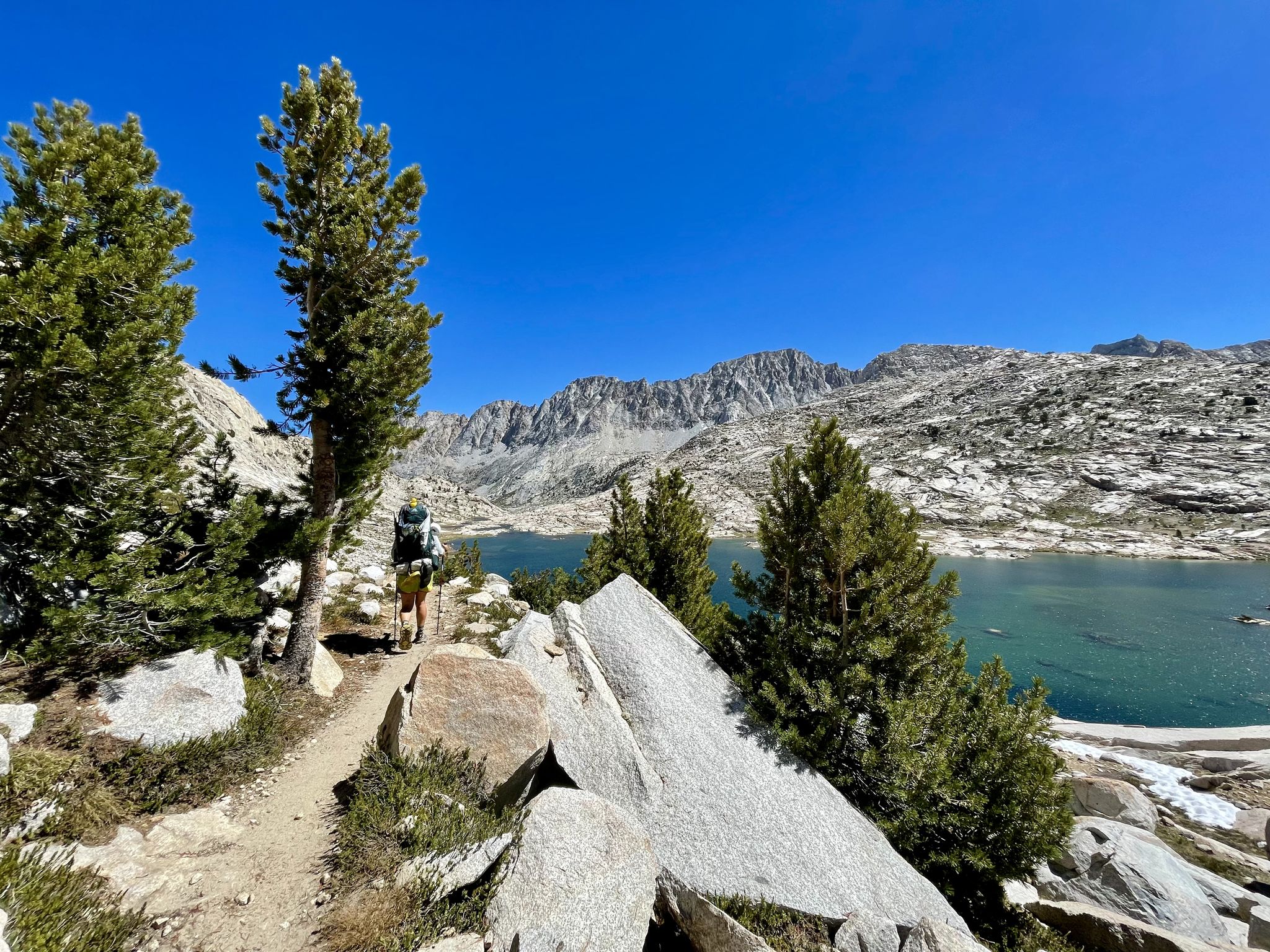
John Muir Trail – Along the legendary trail through the magical Sierra Nevada
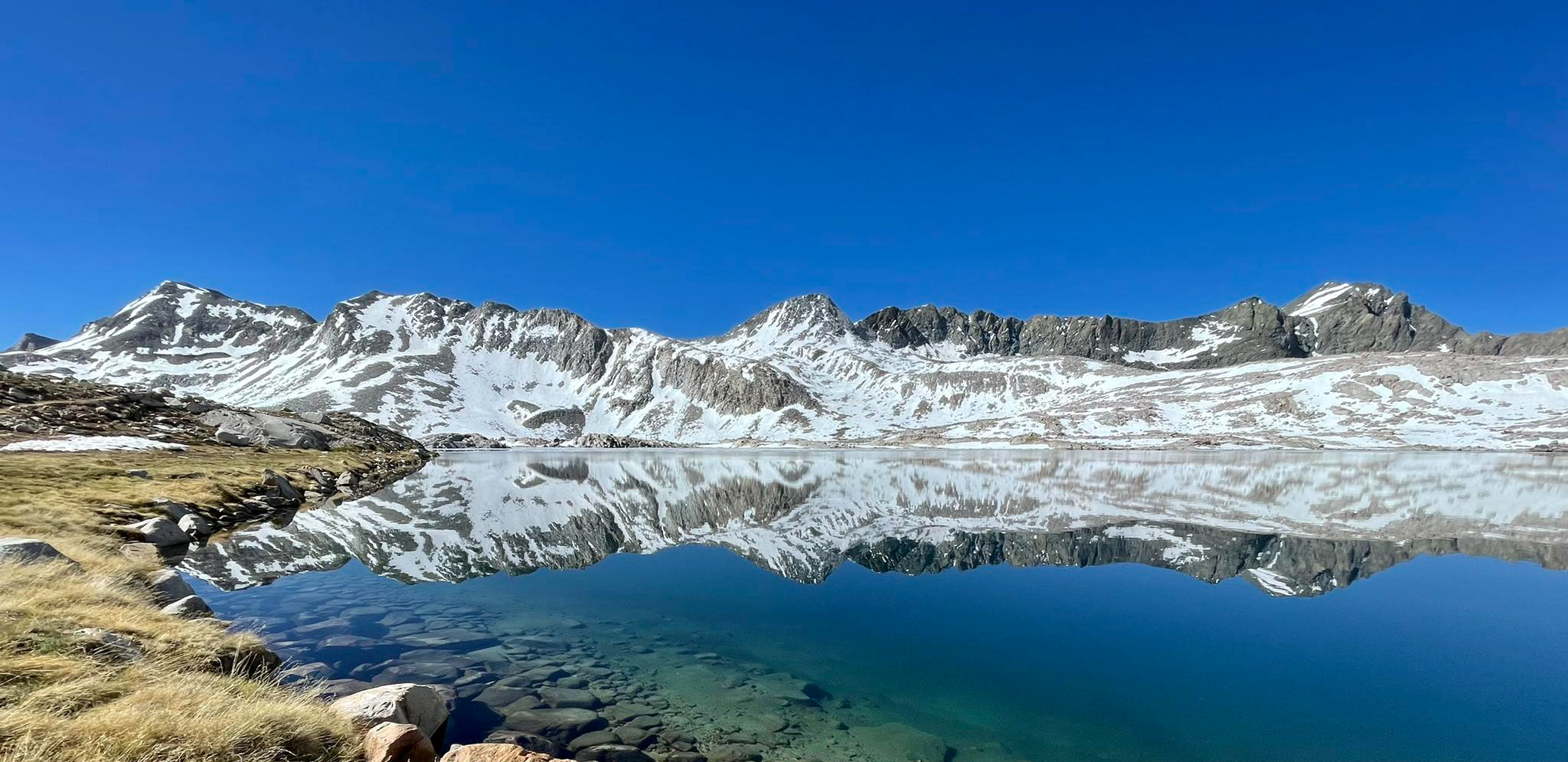
The Sierra High Route — Solitude in California's alpine country
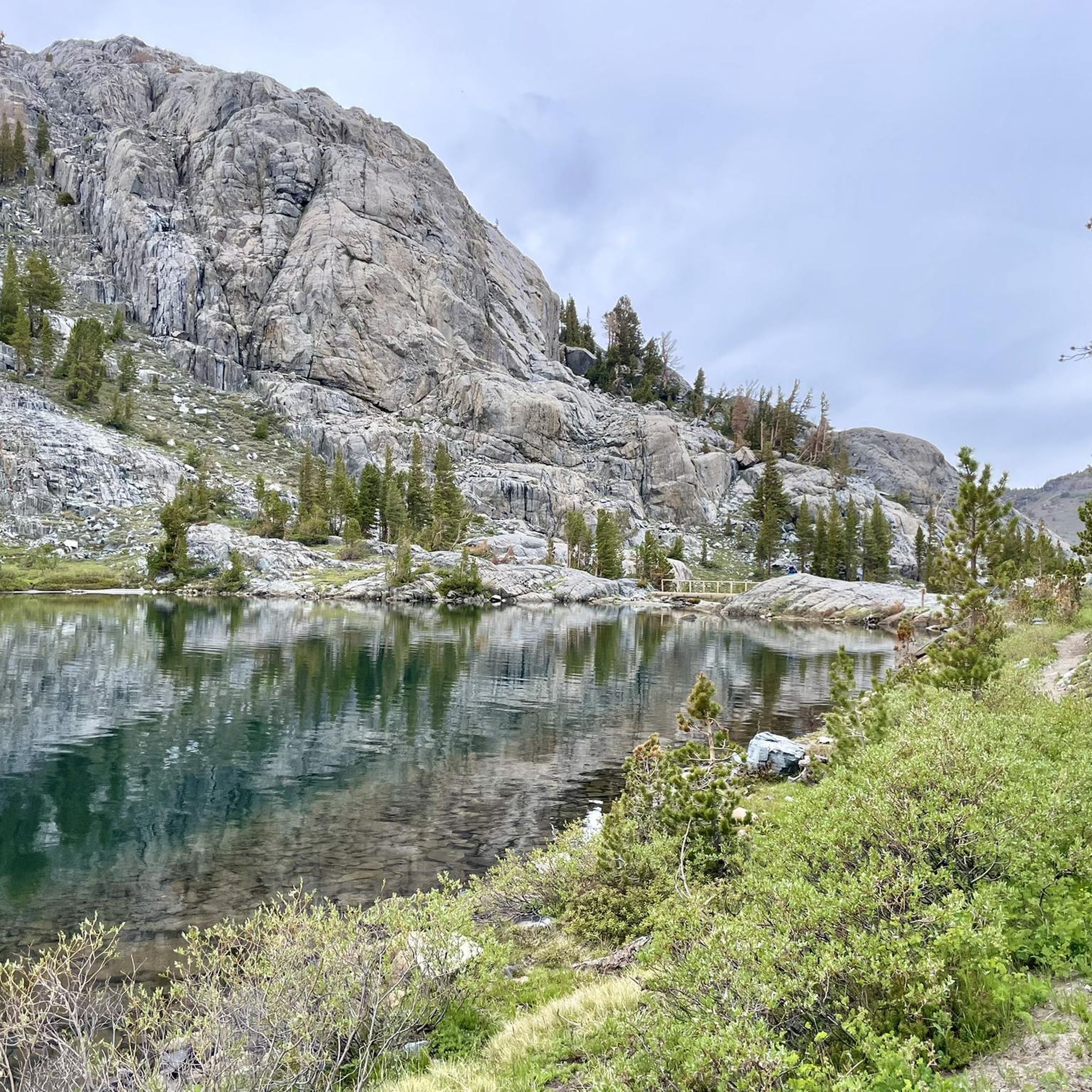
Hiking in Ansel Adams Wilderness
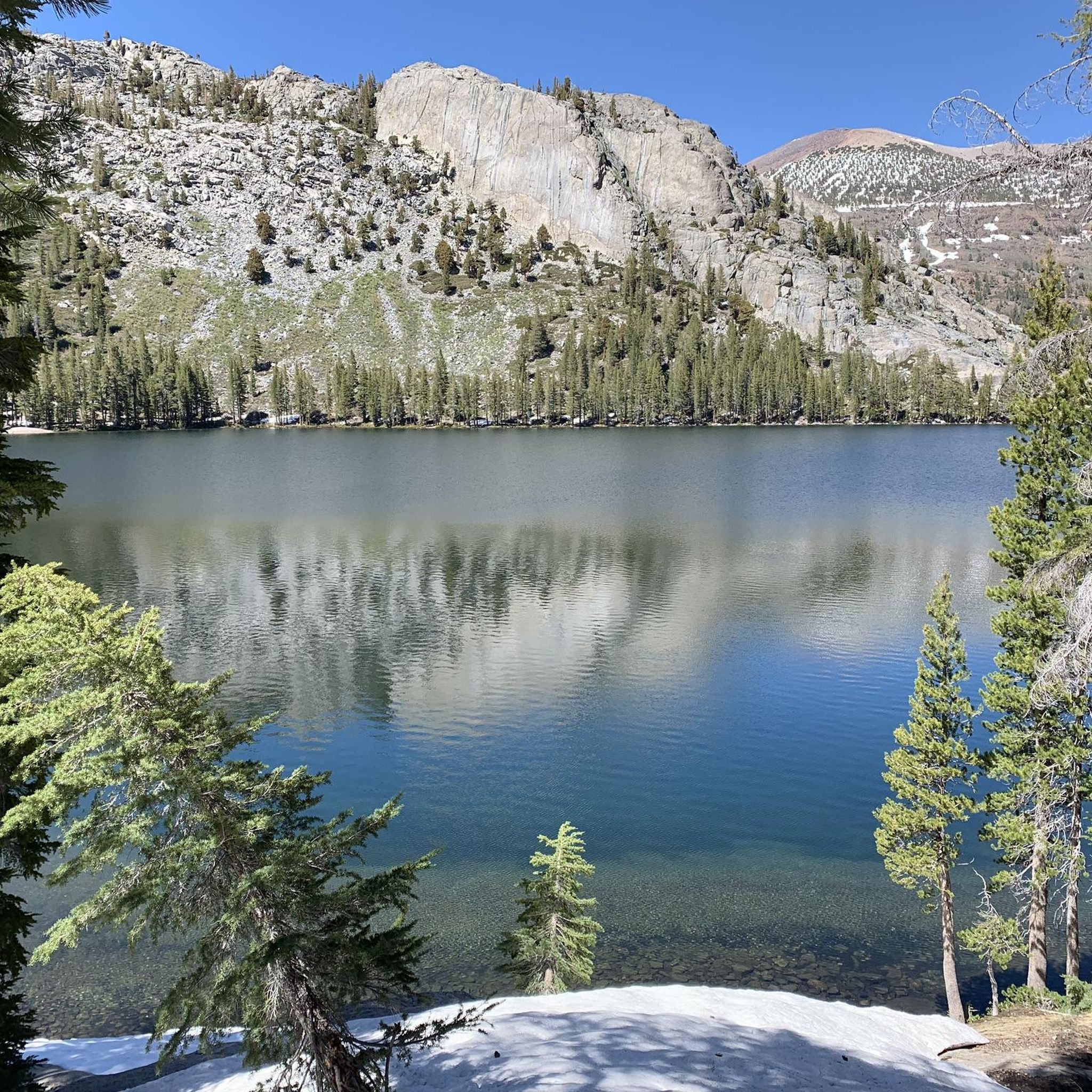
Running Trails in Ansel Adams Wilderness
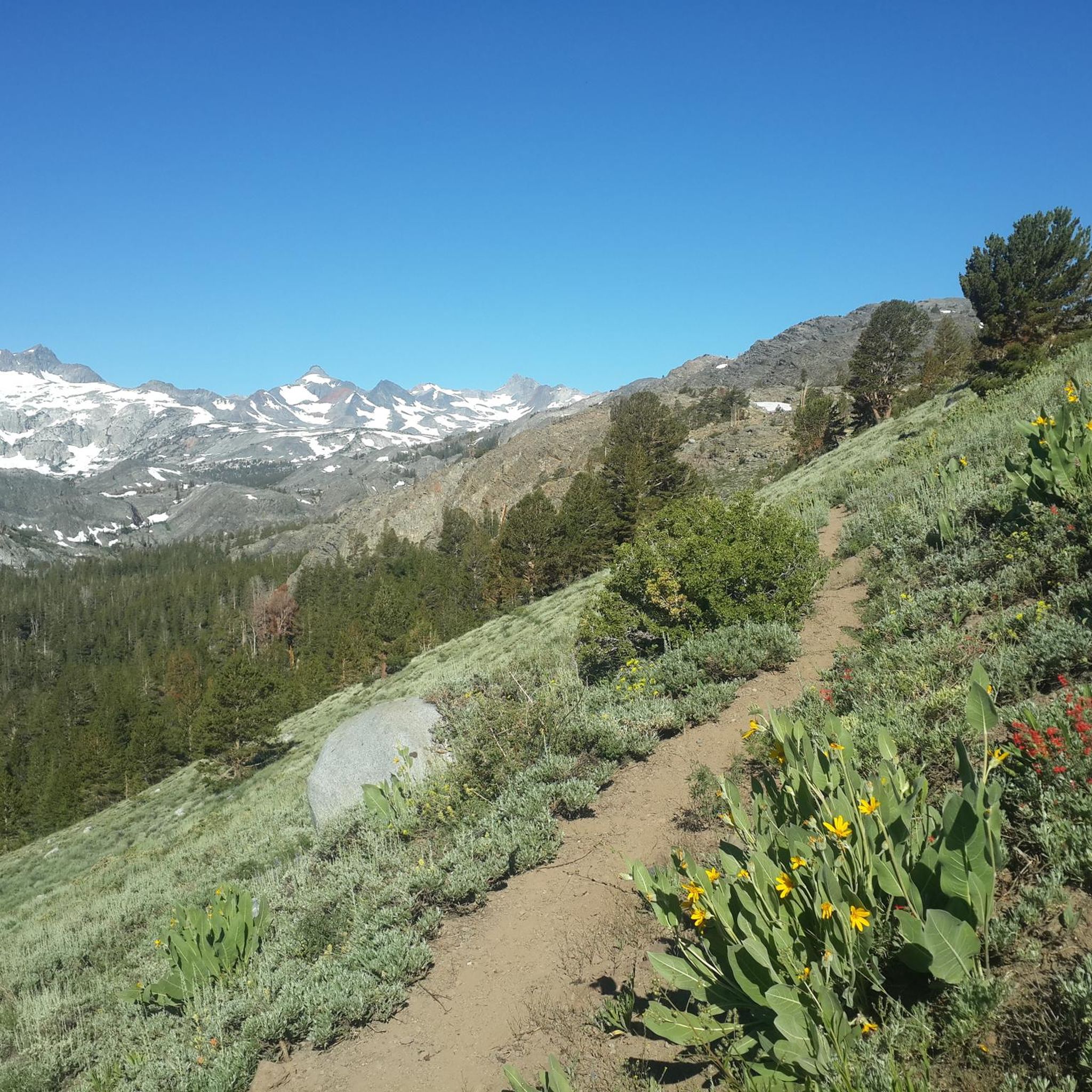
MTB Trails in Ansel Adams Wilderness
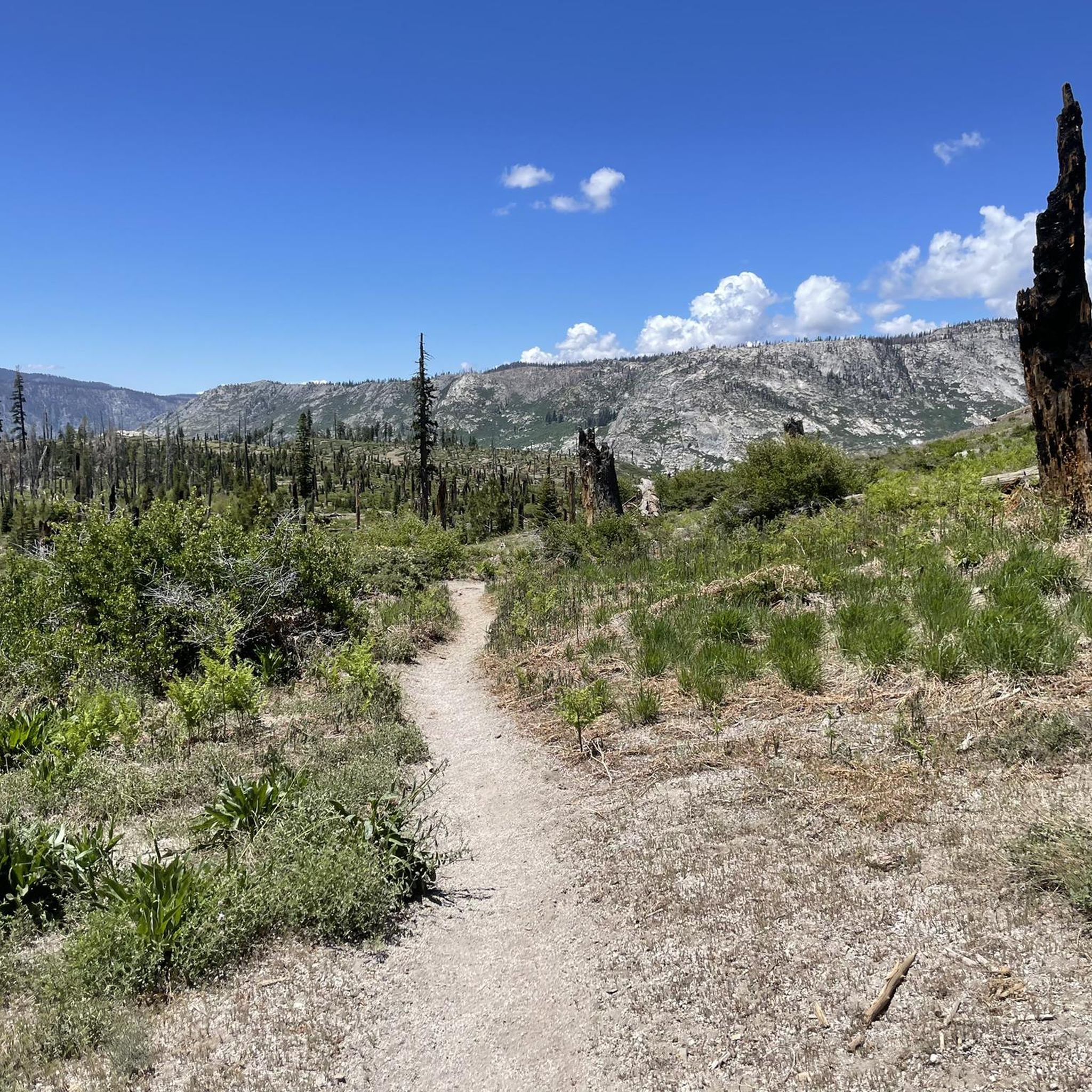
Cycling in Ansel Adams Wilderness
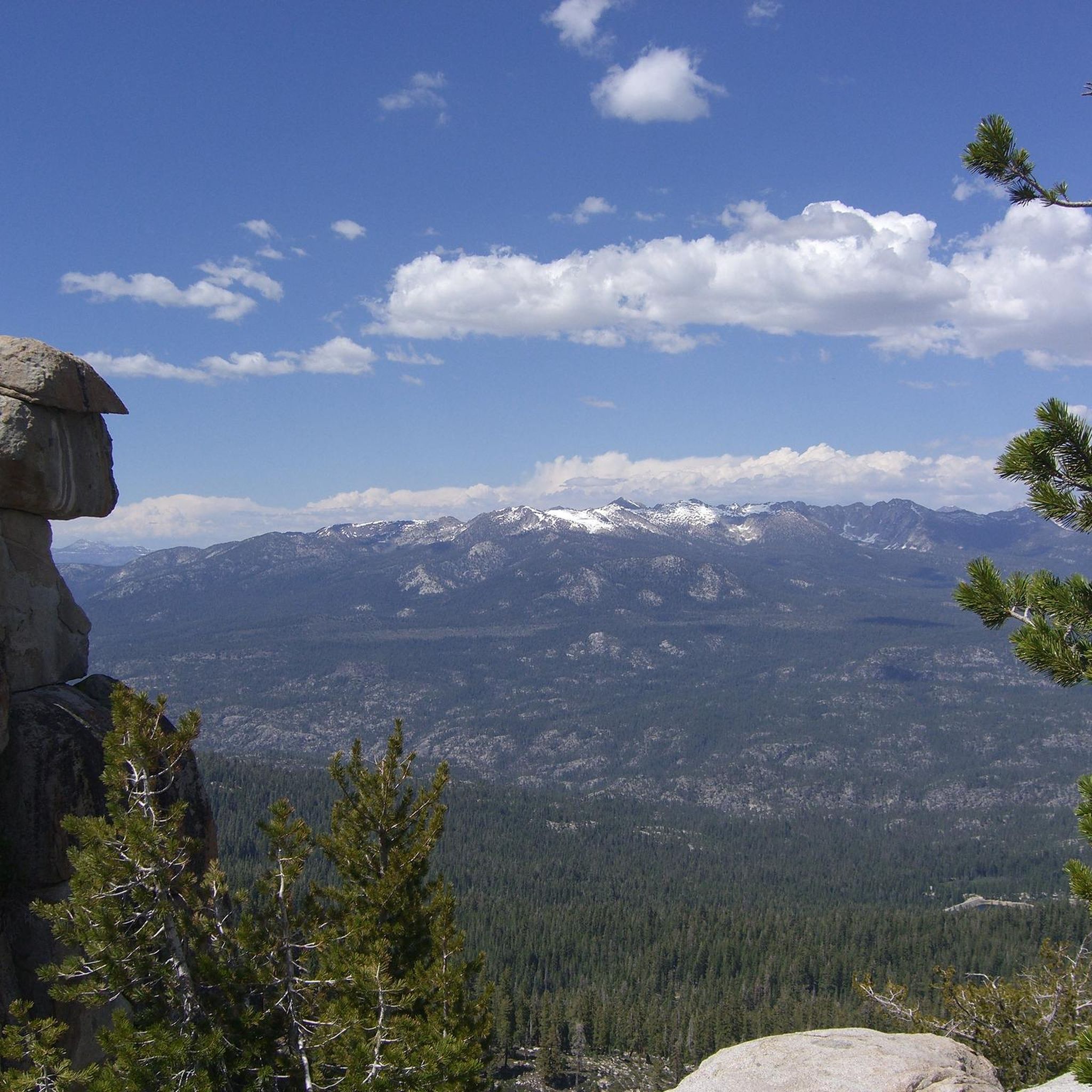
Road Cycling Routes in Ansel Adams Wilderness

Gravel biking in Ansel Adams Wilderness


Tips from the Community

Thousand Island Lake is one of the most beautiful lakes in the Sierra Nevada. It's name comes from the shimmering stone islands that make up it's unique and a true postcard motif. On its eastern shore, the Pacific Crest and John Muir Trail converge again.
0
0
Donohue Pass is the last major pass along the PCT if you hike northbound. It is snow covered until early summer or late spring. The view into the valley with blue shimmering lakes is stunning. The climb from the north side (hiking southbound) is much steeper than from the south side.
5
0
Thousand Island Lake is one of the most beautiful lakes in the Sierra Nevada. It's name comes from the shimmering stone islands that make up it's unique and a true postcard motif. On its eastern shore, the Pacific Crest and John Muir Trail converge again. Since this area is especially popular in the summer, you'll need an Inyo Natioal Forest permit to stay overnight, which you can apply for online six months prior your hike here: https://www.recreation.gov/permits/233262
5
0

The east branch of the PCT climbs up the switchbacks and out of Agnew Meadows, quickly crossing into the wilderness for which overnight permits are required and no mechanical travel is allowed.
1
0
From Garnet Lake the John Muir Trail continues north to Thousand Island Lake. An alternative route to the right of the bridge leads to the beautiful and secluded Altha Lake. Note that if you continue to hike down that way, there is no bridge over the Middle Fork San Joaquin River. In a low snow year, it is fordable, but not so much in a high snow level year. If you still want to take that route, there is a spur trail along the south shore of the river. You can cross the river further downstream or continue until the spur trail connects with the Shadow Lake Trail again.
7
0

Agree that this is worth gold.Beautiful as it can be. Was here 3 years ago hiking JMT.
1
2

The John Muir Trail crosses the river exiting 1000 Island Lake's East shore on a wooden log bridge
2
1
Frequently Asked Questions
What are some of the most iconic natural features to see in the Ansel Adams Wilderness?
The Ansel Adams Wilderness is renowned for its dramatic alpine landscapes. Key features include the majestic Ritter Range, home to Mount Ritter and Banner Peak, and the distinctive, jagged spires known as The Minarets. You'll also find numerous pristine glacial lakes, such as Thousand Island Lake, famous for reflecting Banner Peak, and Garnet Lake.
Are there challenging hiking trails to reach natural monuments in the Ansel Adams Wilderness?
Yes, many of the natural monuments are accessed via challenging trails. For example, reaching Donohue Pass, a significant point on the Pacific Crest Trail, involves a challenging ascent, especially from the north side. The hike to Iva Bell Hot Springs is also considered challenging, often done as a multi-day backpacking trip.
What is the best time of year to visit the natural monuments in Ansel Adams Wilderness?
The best time to visit is generally from late spring to early fall (June through September) when trails are mostly free of snow and weather conditions are more favorable for hiking and backpacking. High-elevation passes like Donohue Pass can remain snow-covered until early summer. The road to Reds Meadow and Devils Postpile is typically closed in winter.
What kind of permits are required for visiting natural monuments in the Ansel Adams Wilderness?
Overnight permits are required for backpacking and camping within the wilderness, especially in popular areas like Thousand Island Lake. These permits can often be applied for online several months in advance. For day use, permits are generally not required, but it's always best to check with the local ranger station for the most current regulations, especially when crossing the Ansel Adams Wilderness Boundary.
What outdoor activities can I do near the natural monuments in Ansel Adams Wilderness?
The Ansel Adams Wilderness offers a wide range of outdoor activities. You can explore numerous running trails, such as the challenging routes to Minaret Lake or Shadow Lake. For cycling enthusiasts, there are scenic road cycling and touring bicycle routes, including loops around Lake Mary or routes to Devil's Postpile National Monument. You can find more details on these activities in the Running Trails, Road Cycling Routes, and Cycling guides for the region.
Are there any family-friendly natural monuments or trails in the Ansel Adams Wilderness?
While many trails in the Ansel Adams Wilderness are challenging, some areas offer more accessible options. Devils Postpile National Monument, adjacent to the wilderness, features unique basalt columns and easy access to Rainbow Falls, making it a popular day-hiking destination suitable for families. Always check trail difficulty and length to ensure it aligns with your family's capabilities.
What kind of wildlife can I expect to see near the natural monuments?
The wilderness is home to diverse wildlife. Visitors to areas like Thousand Island Lake have reported seeing deer grazing and numerous marmots, as well as weasels. The region is also an active bear area, so proper food storage using bear-resistant containers is essential, especially for overnight trips.
What are the typical elevations encountered when visiting natural monuments in this wilderness?
The elevations within the Ansel Adams Wilderness vary significantly, ranging from approximately 3,500 feet to over 13,000 feet. This wide range contributes to its ecological diversity and means visitors should be prepared for high-altitude conditions, especially when tackling passes like Donohue Pass.
What makes Thousand Island Lake a popular natural monument?
Thousand Island Lake is considered one of the most beautiful lakes in the Sierra Nevada. It's named for its numerous rocky islands and offers an iconic photographic opportunity with Banner Peak perfectly reflected in its crystalline blue waters. It's also a favorite destination for backpackers and day hikers, accessible via trails like the Pacific Crest Trail.
Can I access hot springs within the Ansel Adams Wilderness?
Yes, Iva Bell Hot Springs is a natural monument located within the wilderness. It's typically reached via a challenging backpacking hike from Devil's Postpile National Monument. The springs feature several well-maintained pools for visitors to enjoy, but remember to camp away from the immediate vicinity of the hot springs.
What should I pack for a hike to natural monuments in the Ansel Adams Wilderness?
Given the varying elevations and conditions, it's crucial to pack layers of clothing, including waterproof and windproof outer shells. Essential items include sturdy hiking boots, navigation tools (map, compass, or GPS), plenty of water, high-energy snacks, sun protection, and a first-aid kit. For overnight trips, bear-resistant food containers are mandatory in many areas.
Are there any unique geological formations besides the Ritter Range and Minarets?
Yes, while not entirely within the wilderness, a significant and unique geological formation adjacent to it is Devils Postpile National Monument. This site features towering, symmetrical basalt columns formed by volcanic activity and later exposed and smoothed by glacial action, offering a fascinating glimpse into the region's geological history.
Most popular routes in Ansel Adams Wilderness
Most popular attractions in Ansel Adams Wilderness

Get inspired with the komoot mobile app


Explore more
Extend your search for the best caves by checking out these guides of the top ones in Ansel Adams Wilderness:
