Top 7 Natural Monuments around Grad Slunj
Best natural monuments around Grad Slunj include a diverse landscape shaped by rivers and karst formations. The area is characterized by its unique hydrological features, where rivers like the Slunjčica and Korana create waterfalls and cascades. Grad Slunj's natural environment is notable for its blend of water features, caves, and river valleys. These natural monuments offer insights into the region's geological processes and ecological value.
Best natural monuments around Grad Slunj
- The most popular natural monuments is Rastoke Waterfalls,…
Last updated: June 29, 2026
Rastoke Waterfalls
Highlight • Waterfall
Translated by Google •
Tip by

Fairy-tale village
Highlight • Settlement
Translated by Google •
Tip by

Sign up now to discover places like this
Get recommendations on the best single tracks, peaks, & plenty of other exciting outdoor places.
Sign up for free
Kotlac River Crossing
Highlight • River
Translated by Google •
Tip by
Cave Passage in Rastoke
Highlight • Cave
Tip by
Korana River Meander
Highlight • River
Translated by Google •
Tip by

Matešićeva-Popovačka Cave
Highlight • Cave
Translated by Google •
Tip by
Vrela Mrežnica Canyon Park
Highlight • Canyon
To keep in mind if you are thinking about passing through here to camp.
Tip by

View of the Slunjčica Pool
Highlight • Viewpoint
Translated by Google •
Tip by

Start today with a free account
Your next adventure awaits.
Login or Signup
Popular around Grad Slunj
Tips from the Community

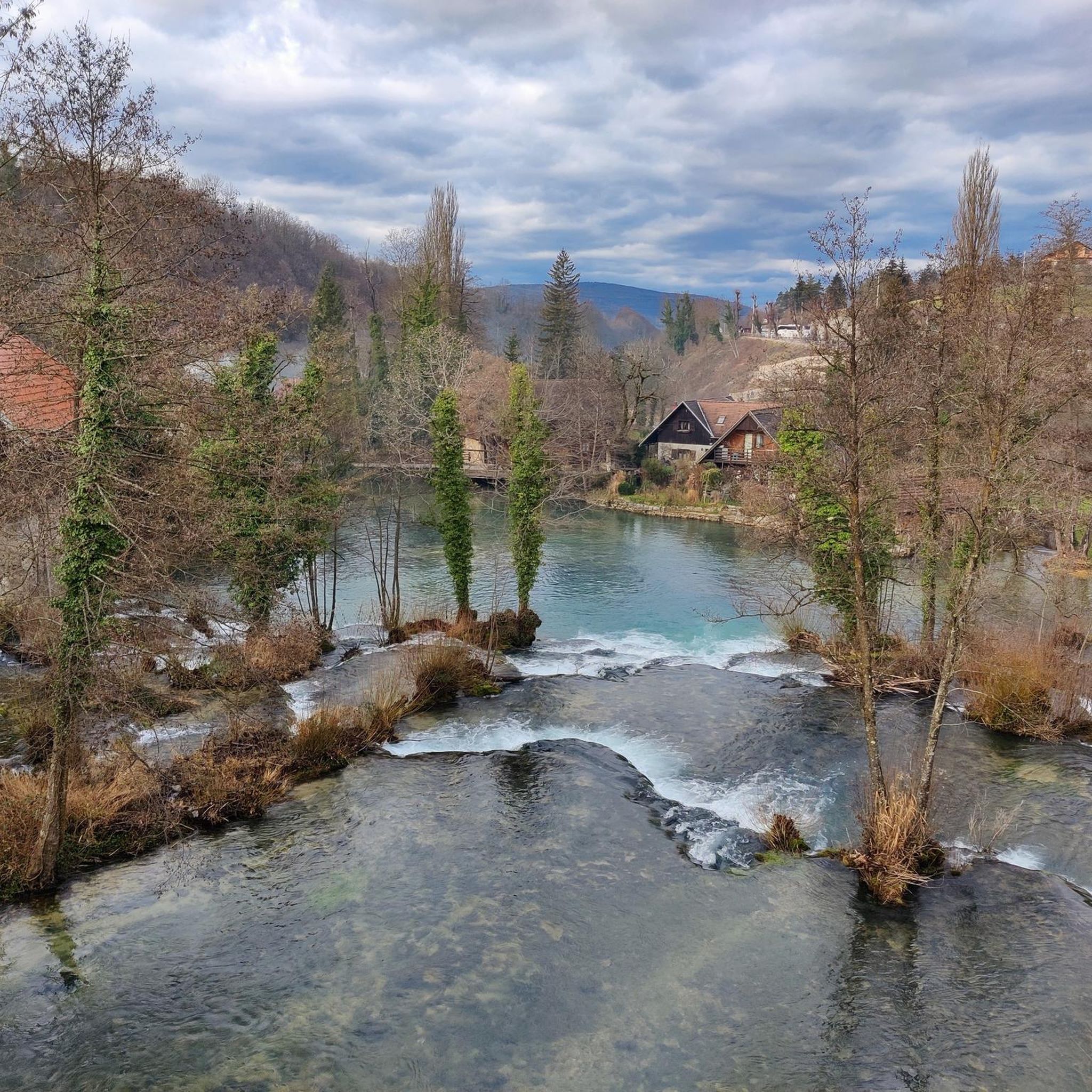
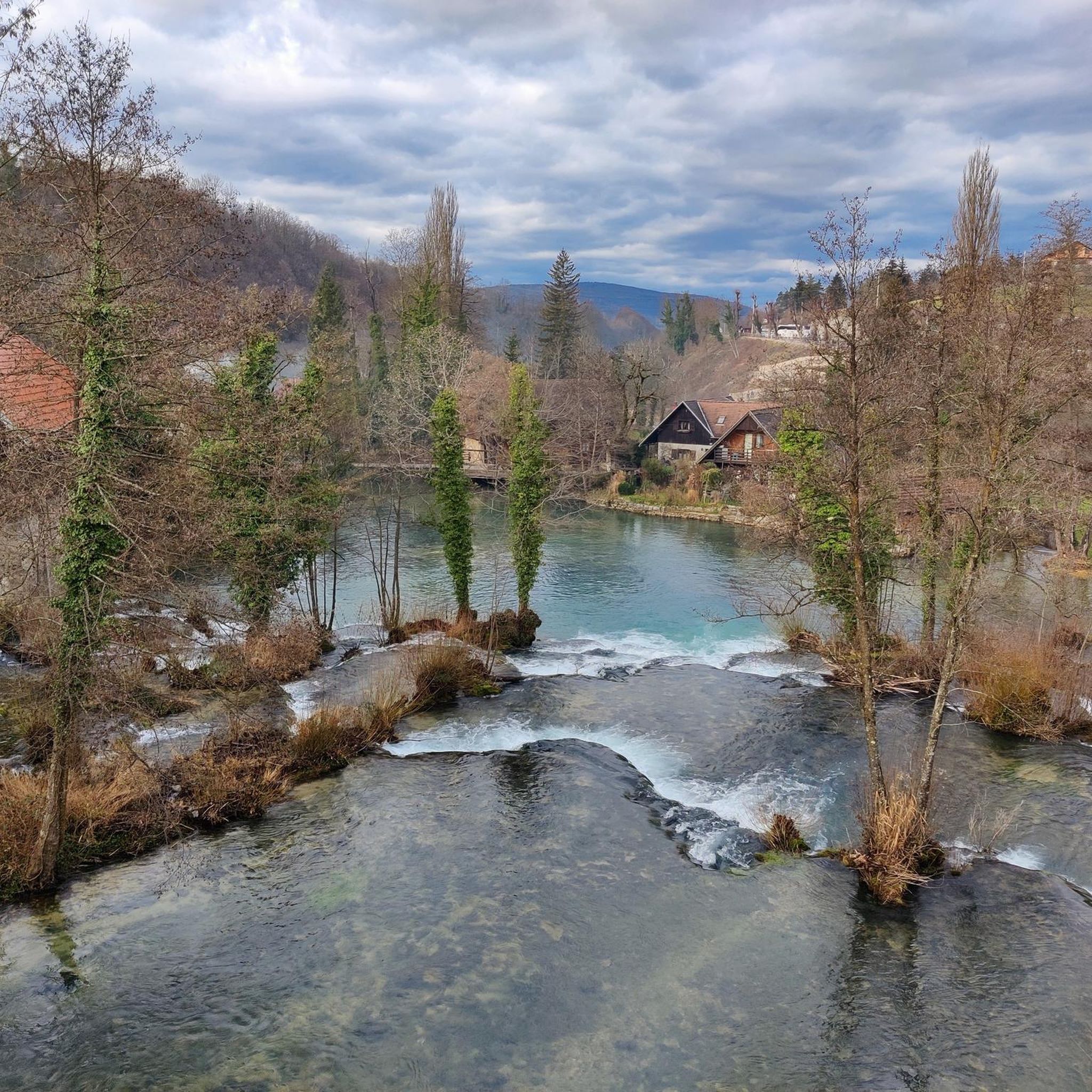
We were here on a rainy day in early June, so we didn't try to cross the river here. The stones were partially underwater and very slippery. However, you can also walk along this bank close to the shore up to the bridge in town.
1
0

Crossing the Korana River. You can't cross here dry. The water is belly-deep in places. Caution is advised on the rocks; they can be slippery. We wore water shoes.
1
0

many waterfalls where you can swim
0
0
Thanks for the recommendation
0
0

Another one of the positions for beautiful waterfalls
0
0
Just another one of the positions on beautiful waterfalls
0
0

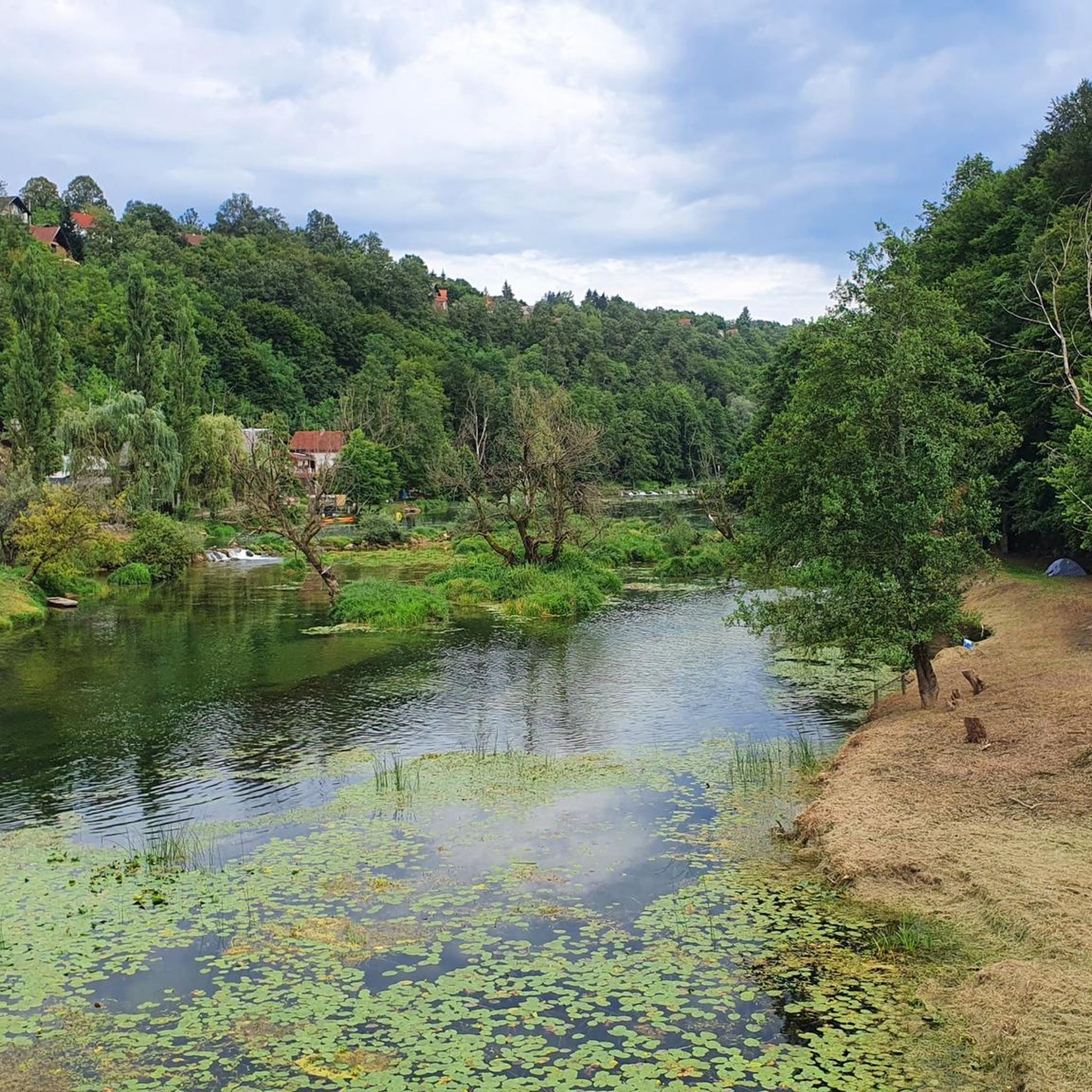
This is the site of the dark psytrance festival Modem that takes place in August. To keep in mind if you are thinking about passing through here to camp.
1
0
Frequently Asked Questions
What natural features can I expect to see around Grad Slunj?
The region around Grad Slunj is rich in unique hydrological features. You'll encounter numerous waterfalls and cascades, particularly where rivers like the Slunjčica and Korana converge. Expect to see impressive travertine formations, clear river waters, and lush greenery. Notable features include the cascading waters of Rastoke Waterfalls, the natural formation of the Korana River Meander, and various caves like the Cave Passage in Rastoke.
How does Rastoke compare to Plitvice Lakes National Park?
Rastoke is often referred to as 'Mini Plitvice Lakes' due to its similar travertine formations and cascading waterfalls where the Slunjčica River flows into the Korana River. While Plitvice Lakes National Park is a UNESCO World Heritage site with a much larger scale and 16 interconnected lakes, Rastoke offers a more intimate experience. It uniquely blends natural beauty with historical architecture, featuring traditional wooden watermills and houses built directly on the river's cascades, providing a charming and picturesque setting.
Are there family-friendly natural monuments around Grad Slunj?
Yes, several natural monuments are suitable for families. The Fairy-tale village of Rastoke, with its waterfalls and historic mills, is very family-friendly. Children often enjoy exploring the small Cave Passage in Rastoke. The general area of Rastoke Waterfalls is also considered family-friendly, offering easy walks and beautiful sights.
What is the best time of year to visit the natural monuments around Grad Slunj?
The spring and summer months (April to September) are generally considered the best time to visit. During spring, the waterfalls are at their fullest due to snowmelt, and the vegetation is lush. Summer offers pleasant weather for exploring and outdoor activities. Autumn also provides beautiful scenery with changing leaf colors. While winter can be picturesque with snow, some paths might be less accessible, and certain facilities may have reduced hours.
Are there hiking trails near the natural monuments in Grad Slunj?
Yes, there are various trails for different activities. For hiking, you can find routes that explore the natural beauty of the area. For more detailed information on hiking trails, including difficulty levels and distances, you can refer to the Running Trails around Grad Slunj guide, which often includes paths suitable for walking.
What other outdoor activities are available around Grad Slunj's natural monuments?
Beyond exploring the natural monuments on foot, the area offers opportunities for cycling and mountain biking. You can find various routes for these activities, such as those detailed in the MTB Trails around Grad Slunj and Cycling around Grad Slunj guides. The Mrežnica River, though slightly further afield, is also renowned for kayaking due to its clear waters and numerous cascades.
What is the difficulty level of trails around Grad Slunj's natural monuments?
The difficulty of trails varies. Many paths within Rastoke and around the main waterfalls are generally easy and suitable for most visitors. However, some highlights like the Kotlac River Crossing and Matešićeva-Popovačka Cave are categorized as intermediate or challenging. When planning longer routes, you'll find options ranging from moderate to difficult, as seen in the nearby cycling and running guides.
Are permits required for visiting natural monuments or hiking in Grad Slunj?
Generally, permits are not required for visiting the main natural monuments like Rastoke or for hiking on established trails around Grad Slunj. Rastoke itself is a village with public access, though some specific attractions within it, like museums or private areas, may have entrance fees. For any specific caves or protected areas that might require guided access or permits, it's always best to check locally upon arrival.
Can I see wildlife near the natural monuments in Grad Slunj?
Yes, the natural environment around Grad Slunj supports various wildlife. The Slunjčica River, for instance, is known for trout, grayling, and crabs. Otters have also made a return to Rastoke, finding homes in the holes of the sedimentary rock. Keep an eye out for various bird species and other small animals, especially in quieter areas along the rivers and in forested sections.
Are the trails around Grad Slunj's natural monuments dog-friendly?
While specific regulations can vary, many outdoor areas in Croatia, including natural trails, are generally dog-friendly, especially if dogs are kept on a leash. Rastoke, being a village, welcomes visitors with dogs, though it's always respectful to keep them leashed and clean up after them. For specific trails, it's advisable to check local signage or inquire at tourist information centers, especially for protected areas.
Where can I find accommodation or places to eat near the natural monuments?
The village of Rastoke itself offers various accommodation options, including guesthouses and private rooms, many with views of the waterfalls. You'll also find cafes and restaurants in Rastoke, often serving local specialties like grilled trout and traditional bread. The town of Slunj, just a short distance away, provides additional choices for dining and lodging. For a wider selection, consider nearby towns or areas closer to Plitvice Lakes National Park.
Is there parking available near the natural attractions?
Yes, parking is generally available near the main natural attractions, particularly in Rastoke. There are designated parking areas for visitors, though during peak season, these can fill up quickly. Some accommodations in Rastoke may also offer private parking. For other, more remote natural monuments, parking might be less formal, often roadside or in small clearings.
Most popular routes around Grad Slunj
Most popular attractions around Grad Slunj

Get inspired with the komoot mobile app


Explore more
Extend your search for the best caves by checking out these guides of the top ones around Grad Slunj:
