Top 6 Natural Monuments around Pag
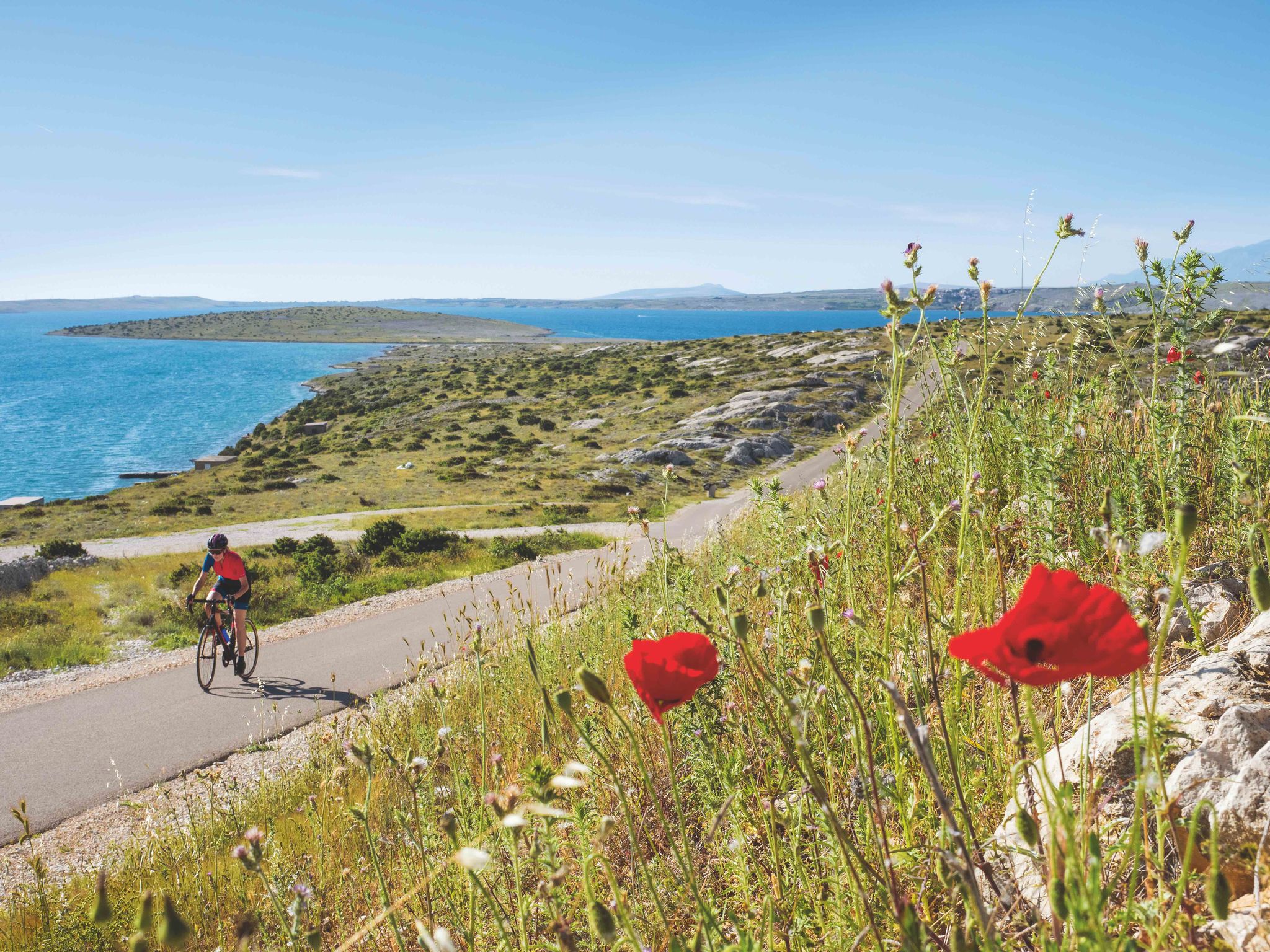
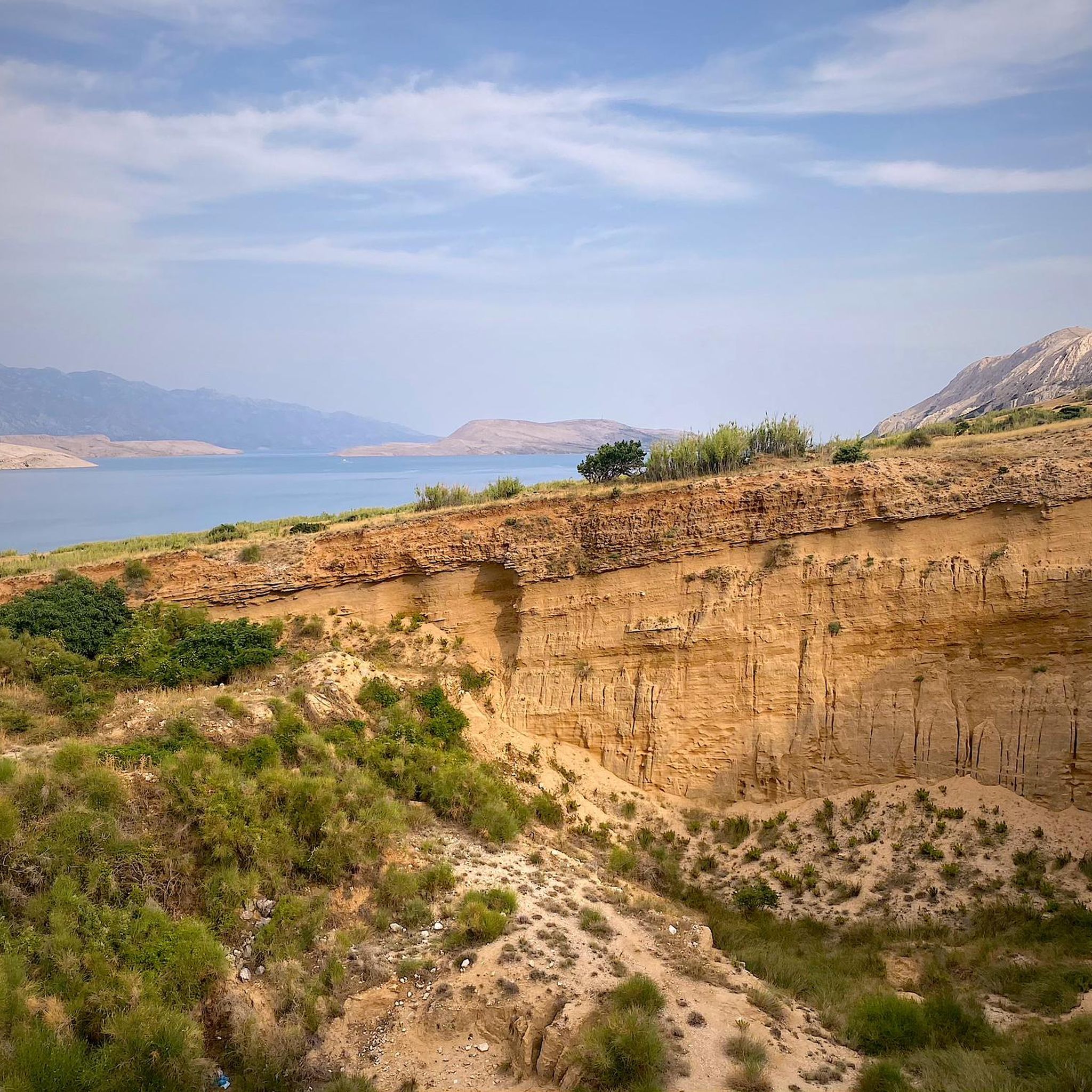
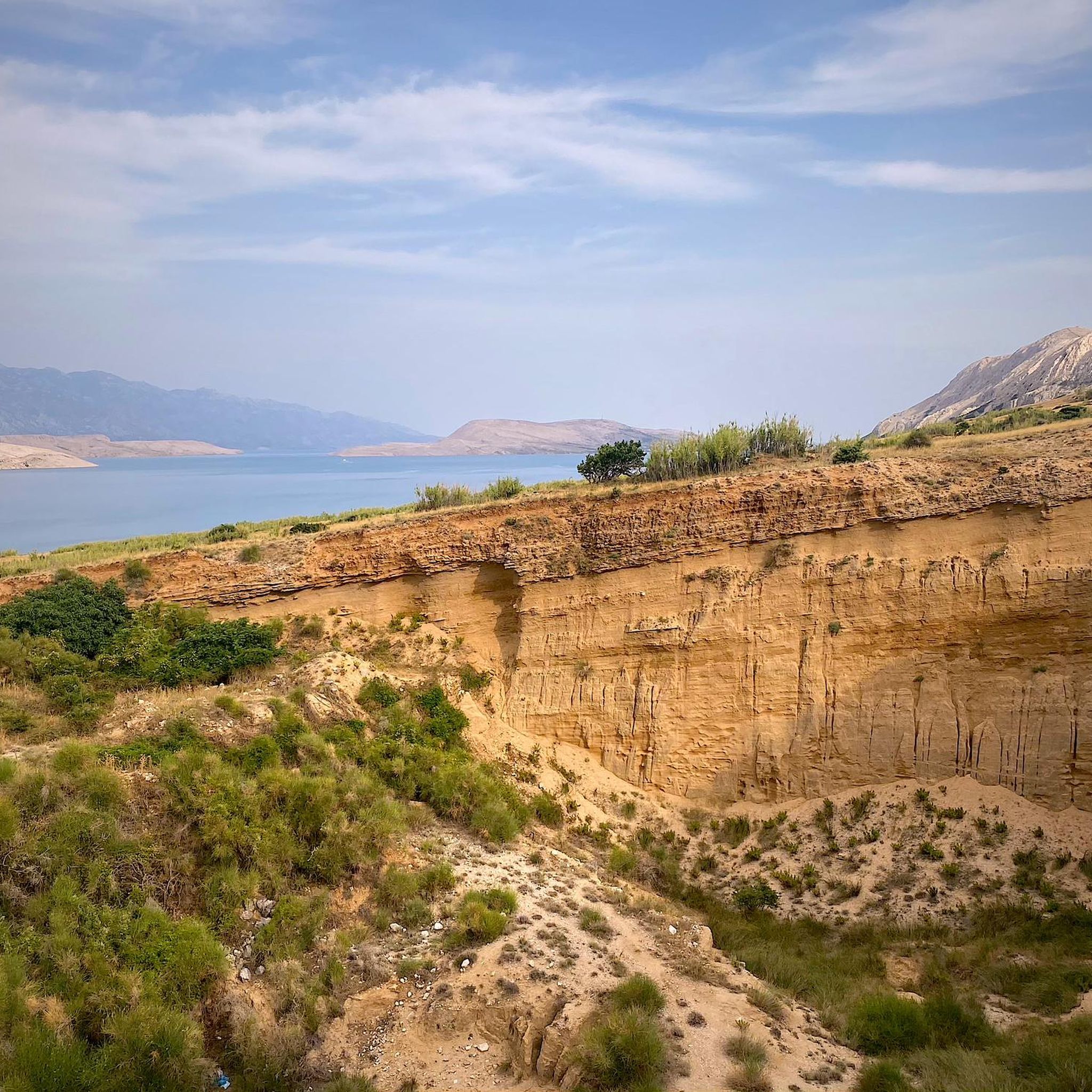
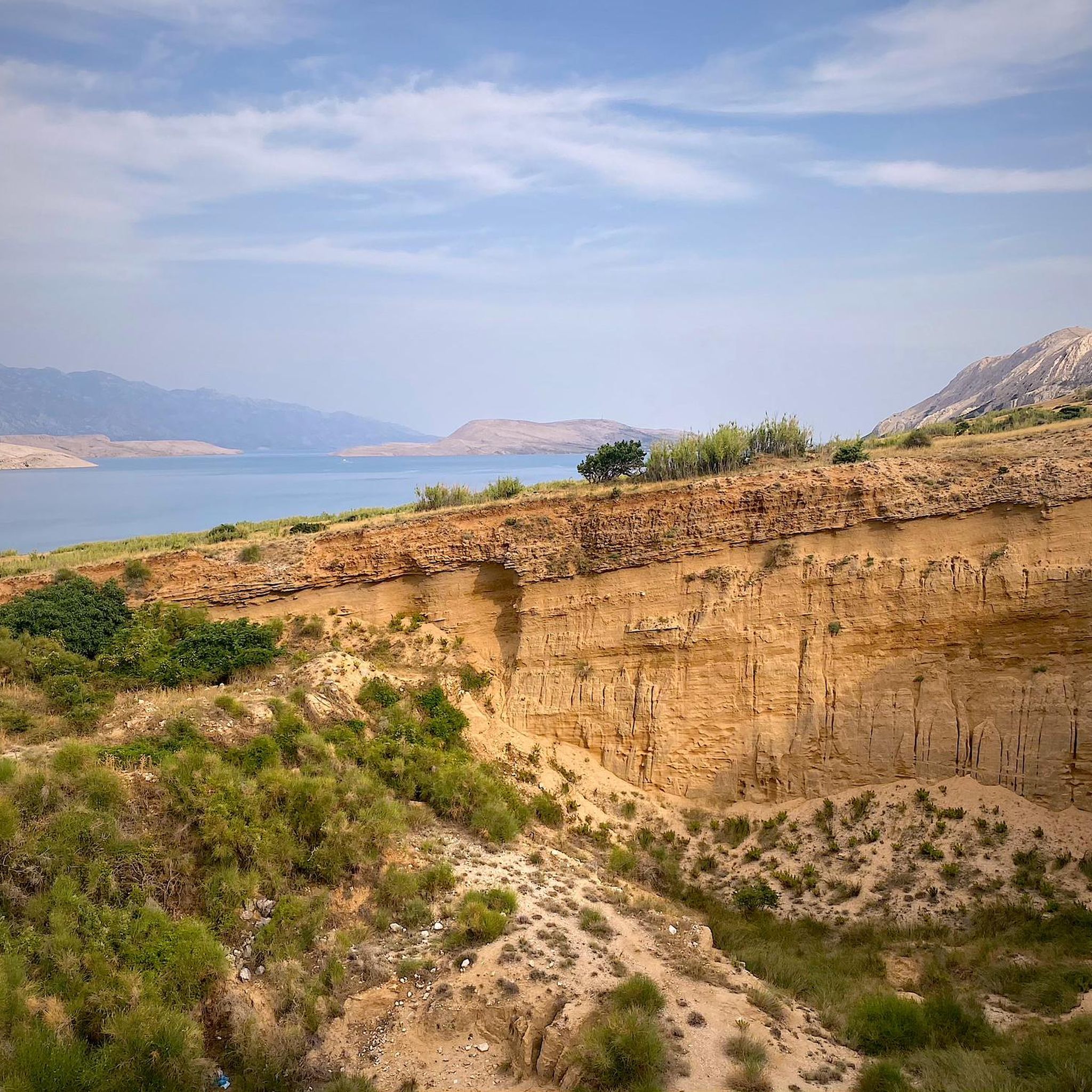
Best natural monuments around Pag showcase the island's unique "lunar" landscape and diverse natural features. The island's karst topography, shaped by the powerful Bora wind, creates distinctive rock formations and barren hills. Beyond these dramatic geological features, Pag also offers ancient olive groves, significant wetlands, and a variety of natural water sources. These sites provide opportunities to explore the island's natural beauty and geological history.
Best natural monuments around Pag
- The most popular natural monuments is Sveti Vid (349 m)…
Last updated: June 29, 2026
Vela Lokva – Ledenik
Highlight • Natural Monument
Tip by

Sveti Vid (349 m) – Highest Peak of Pag Island
Highlight • Summit
Translated by Google •
Tip by

Sign up now to discover places like this
Get recommendations on the best single tracks, peaks, & plenty of other exciting outdoor places.
Sign up for free
Sv. Marko Spring
Highlight • Natural Monument
At the top …
Translated by Google •
Tip by

Suddenly in the forest
Highlight • Forest
Translated by Google •
Tip by

Protected Area Beach near Pag Island
Highlight • Beach
Translated by Google •
Tip by

Kolanjsko Blato Nature Reserve
Highlight • Natural Monument
Translated by Google •
Tip by

Start today with a free account
Your next adventure awaits.
Login or Signup

Other adventures around Pag

Tips from the Community


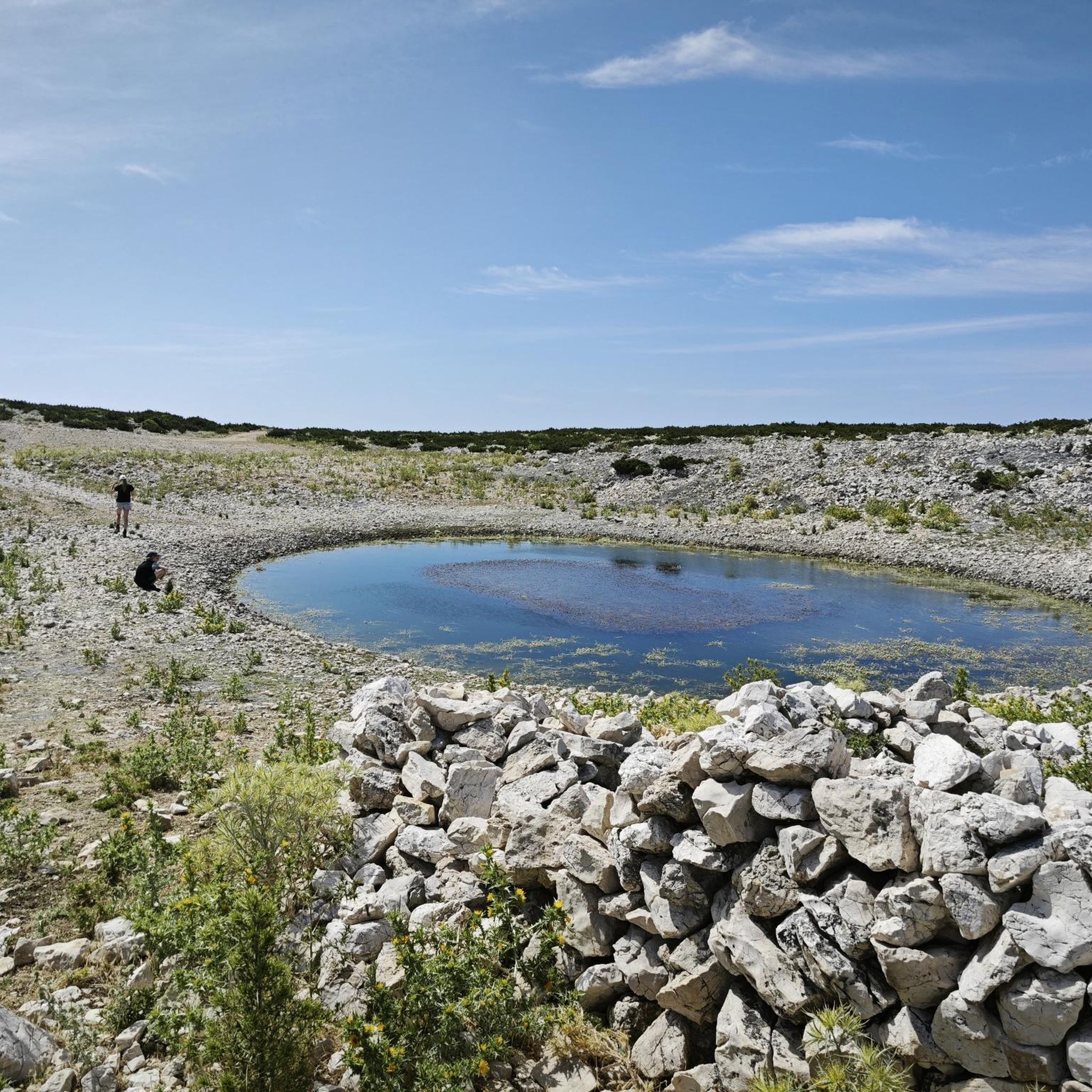
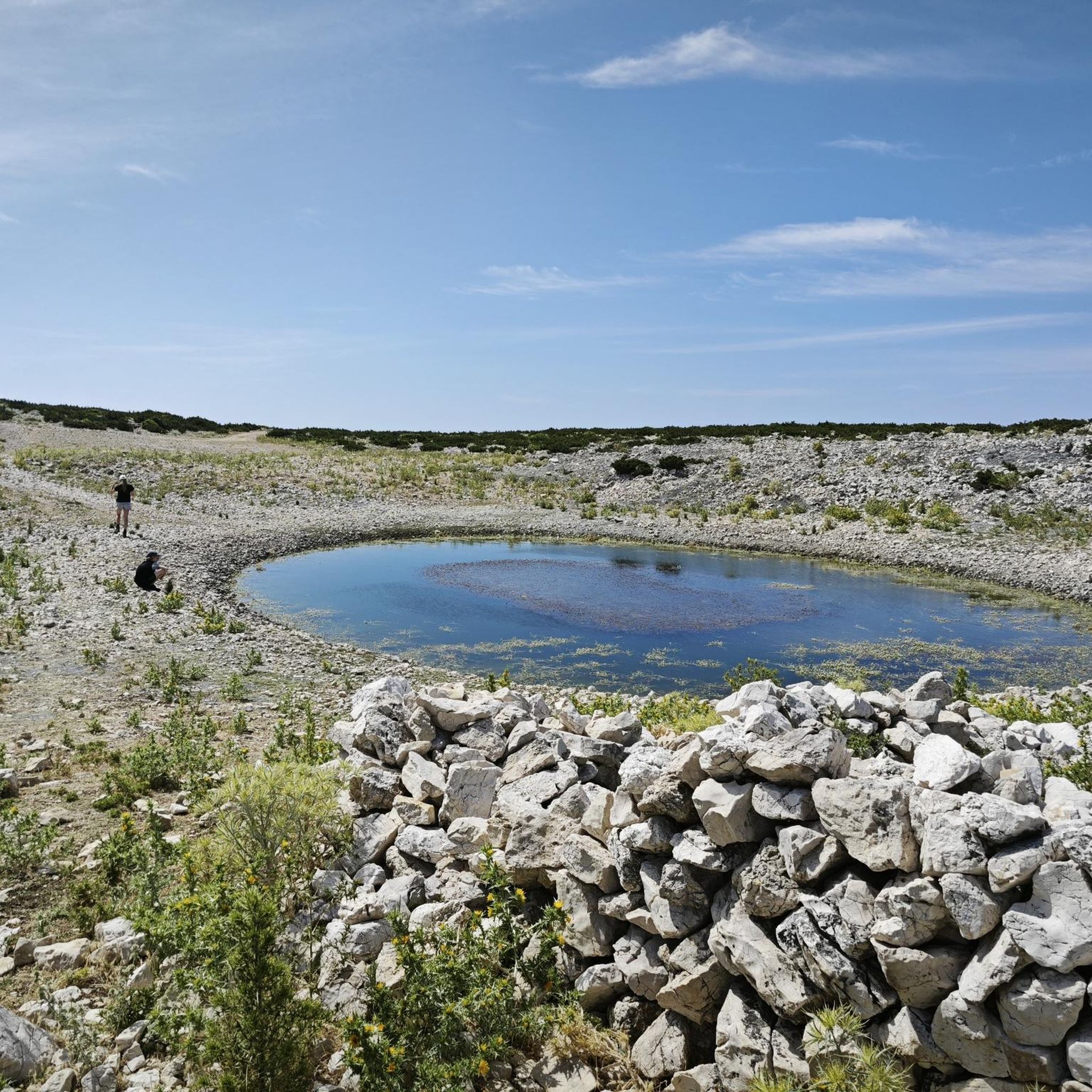
A natural waterhole nestled in the harsh karst landscape of Pag Island, known for never drying out. Even during extreme drought, the water level may drop but never disappears. It serves as a vital watering spot for sheep, birds, and other wildlife, and is also home to frogs. A true natural phenomenon in the heart of Pag’s rocky terrain.
0
0

On the way you will find tortoises.
1
0

The Kolanjsko Blato nature reserve is a protected bird reserve and is located just 10 km north of Mandre. The swamp biotope, which is over 170 hectares in size, provides a habitat for over 160 different bird species, 66 of which are nesting birds.
0
0

This is a specially designed small park in a grove of very special trees. There is also a rest area here with a great view.
2
0

protected green area on the stone island of Pag
2
0

Stony climb but wonderful views over the island.
1
0

Definitely sturdy shoes
1
0
Frequently Asked Questions
What unique geological features can I explore on Pag Island?
Pag Island is renowned for its distinctive karst topography. You can experience the otherworldly "Martian Landscape" near Metajna, characterized by barren rock formations sculpted by the Bora wind, particularly along the Life on Mars Trail. Another notable feature is the Pag Triangle, a large triangular plateau believed to be formed by erosion, contributing to the island's unique appearance. Additionally, the island features several caves, such as the Pag Cave and Modrić Cave, offering a glimpse into its geological history with stalactites and stalagmites.
Are there any ancient or historical natural sites on Pag Island?
Yes, the ancient Olive Groves of Lun are a significant historical natural site. Located at the northernmost tip of the island, these groves span over 24 hectares and contain more than 80,000 olive trees, with some estimated to be over 1,000 years old. Walking through these gnarled trees offers a unique historical and botanical experience.
Where can I observe wildlife or birds on Pag Island?
For birdwatching, the Veliko Blato Ornithological Reserve near Povljana is a crucial freshwater and brackish wetland habitat for a wide variety of resident and migratory bird species. You can also find wildlife around Vela Lokva – Ledenik, a natural waterhole that never dries out, serving as a vital watering spot for sheep, birds, and frogs in the harsh karst landscape. On the stony climb to Sveti Vid (349 m) – Highest Peak of Pag Island, you might even spot tortoises.
Are there family-friendly natural monuments suitable for children?
Absolutely. The coastal path between Ručica beach and Metajna, part of the "Martian Landscape," is a concrete path easily accessible for families. Suddenly in the forest is a protected green area with a specially designed small park and a rest area offering great views, perfect for a family break. The Kolanjsko Blato Nature Reserve also offers family-friendly viewpoints.
What are the best hiking opportunities near Pag's natural monuments?
Pag offers diverse hiking opportunities. You can explore the "Martian Landscape" via the Life on Mars Trail, which has options for both short scenic walks and full hikes. For more structured routes, consider exploring the trails around Pag's hiking guide, which includes routes like the Mini-Golf Course – Sveti Vid Peak loop from Šimuni or the Sveti Vid Peak loop from Pag.
Are there any easy or beginner-friendly trails among the natural monuments?
Yes, for easier walks, the concrete coastal path between Ručica beach and Metajna in the "Martian Landscape" is very accessible. Additionally, komoot offers an easy hikes guide around Pag, featuring routes like the Sveti Vid Peak loop from Pag (6.27 km) or the Novalja Harbor loop (7.26 km), which are suitable for beginners.
What is the highest point on Pag Island and what does it offer?
The highest point on Pag Island is Sveti Vid (349 m). It offers wonderful panoramic views over the entire island and the surrounding Adriatic Sea. The climb is stony and requires sturdy shoes, but the vistas from the summit are well worth the effort.
Can I find natural water sources or unique water features on the island?
Yes, Pag Island features several natural water sources. The Sv. Marko Spring provides cold mountain water, a welcome refreshment during a tour. Another unique feature is Vela Lokva – Ledenik, a natural waterhole nestled in the harsh karst landscape that never dries out, even during extreme droughts, making it a vital spot for local wildlife.
What is the "Martian Landscape" of Pag Island, and how can I experience it?
The "Martian Landscape," also known as the "Lunar World," refers to the otherworldly, barren rock formations found on the eastern side of Pag Island, particularly around Metajna. This dramatic scenery, sculpted by the powerful Bora wind, features white rocks and deep blue sea. You can experience it by walking the coastal path between Ručica beach and Metajna, or by hiking the Life on Mars Trail, which offers a more active way to explore this unique terrain.
Are there any protected natural areas or reserves on Pag?
Yes, Pag Island is home to several protected natural areas. The Veliko Blato Ornithological Reserve is a significant wetland for bird species. Suddenly in the forest is a protected green area on the otherwise stony island, featuring a grove of unique trees. Additionally, the Kolanjsko Blato Nature Reserve is another important protected natural monument on the island.
What is the best time to visit Pag's natural monuments?
The best time to visit Pag's natural monuments is generally during the spring and autumn months. The weather is milder, making it ideal for hiking and exploring the outdoor landscapes. During summer, while popular, it's advisable to avoid midday heat, especially on trails like the Life on Mars Trail, due to the lack of shade. The Olive Groves of Lun are particularly beautiful during sunset, bathing the landscape in warm, golden light.
What do visitors enjoy most about the natural monuments around Pag?
Visitors frequently praise the stunning panoramic views, especially from Sveti Vid. The unique "lunar" landscapes and the peaceful retreat offered by sites like the Olive Groves of Lun are also highly appreciated. Many enjoy the clear, fish-filled waters at the Protected Area Beach near Pag Island and the refreshing cold water from the Sv. Marko Spring. The unexpected green oasis of Suddenly in the forest also receives positive feedback for its unique trees and rest area.
Most popular routes around Pag
Most popular attractions around Pag

Get inspired with the komoot mobile app


Explore more
Extend your search for the best caves by checking out these guides of the top ones around Pag:
