Top 20 Natural Monuments around Tachov
Best natural monuments around Tachov showcase the region's diverse natural landscape in the western Czech Republic. The area features a mix of geological formations, historical markers, and tranquil water bodies. These sites offer opportunities to explore unique natural features and experience the local environment. The landscape is characterized by forests, rivers, and historical borderlands.
Best natural monuments around Tachov
- The most popular natural monuments is Waldnaab Spring, a river source that flows through western Bohemia. This beautiful natural source…
Last updated: November 12, 2026
Kreuzstein Border Marker (Bavaria–Bohemia)
Highlight • Monument
Translated by Google •
Tip by

Waldnaab Spring
Highlight • River
Translated by Google •
Tip by

Sign up now to discover places like this
Get recommendations on the best single tracks, peaks, & plenty of other exciting outdoor places.
Marian Grotto
Highlight • Religious Site
Translated by Google •
Tip by

Tillyschanze Earthwork
Highlight • Historical Site
Translated by Google •
Tip by

Světce Riding Hall (Jízdárna Světce)
Highlight • Monument
Translated by Google •
Tip by
Lučina Reservoir
Highlight • Lake
via de.wikipedia.org/wiki/Talsperre_Lu%C4%8Dina
Translated by Google •
Tip by

Großer Schüsselstein Neudorf
Highlight • Natural Monument
Translated by Google •
Tip by
Middle Schüsselstein of Neudorf
Highlight • Natural Monument
Translated by Google •
Tip by
Stone Lizard Sculpture
Highlight • Monument
Translated by Google •
Tip by

Iron Curtain Monument Nové Domky
Highlight • Monument
... A special feature of the place is that the Foreign Minister of the Federal Republic of Germany, Hans-Dietrich Genscher, and his Czechoslovak counterpart, Jiří Dienstbier, symbolically …
Translated by Google •
Tip by
Sign up for free to discover even more natural monuments around Tachov.
Already have an account?
Start today with a free account
Your next adventure awaits.
Popular around Tachov
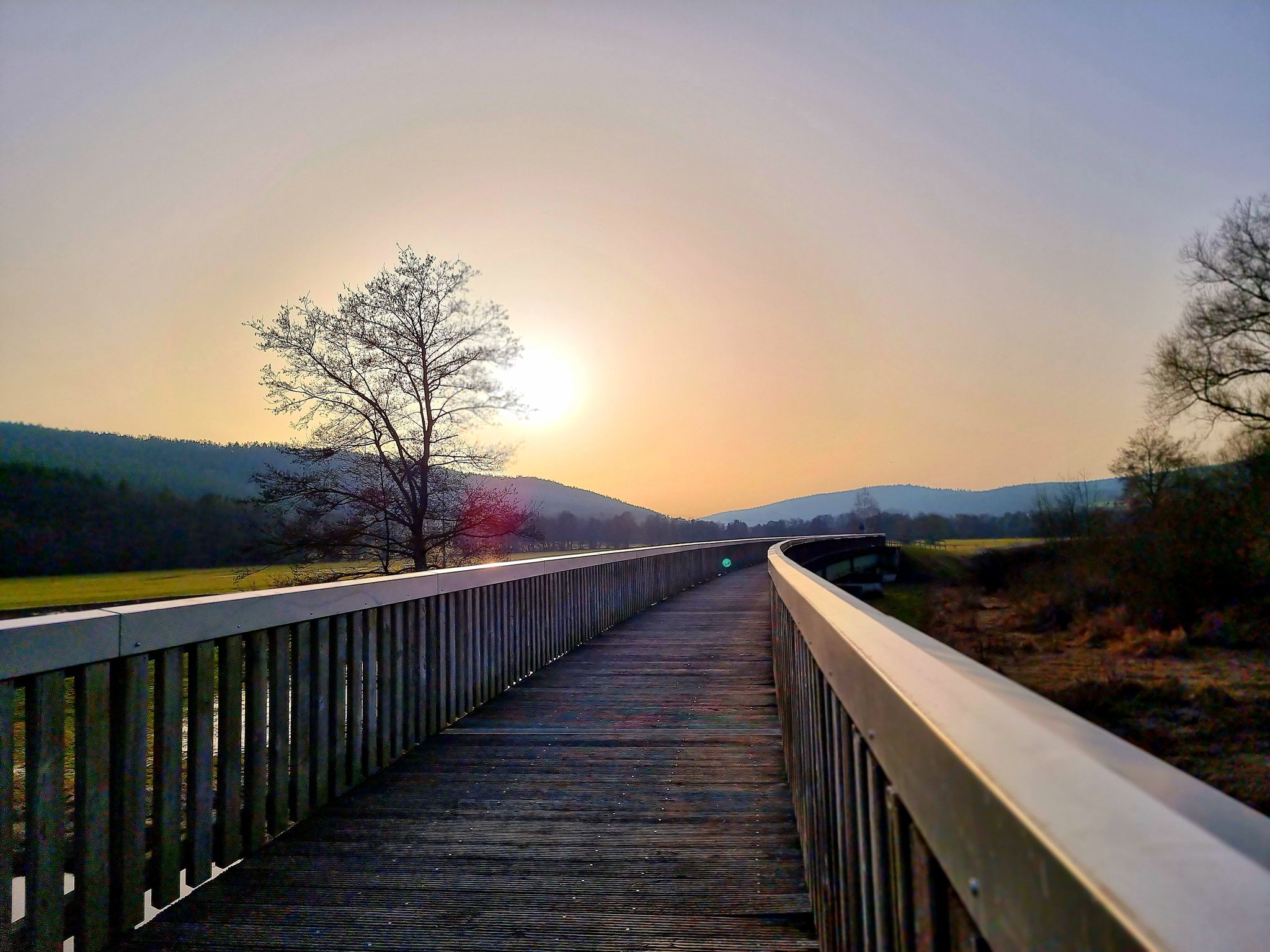
Bavaria-Bohemia long-distance cycling trail – Crossing borders
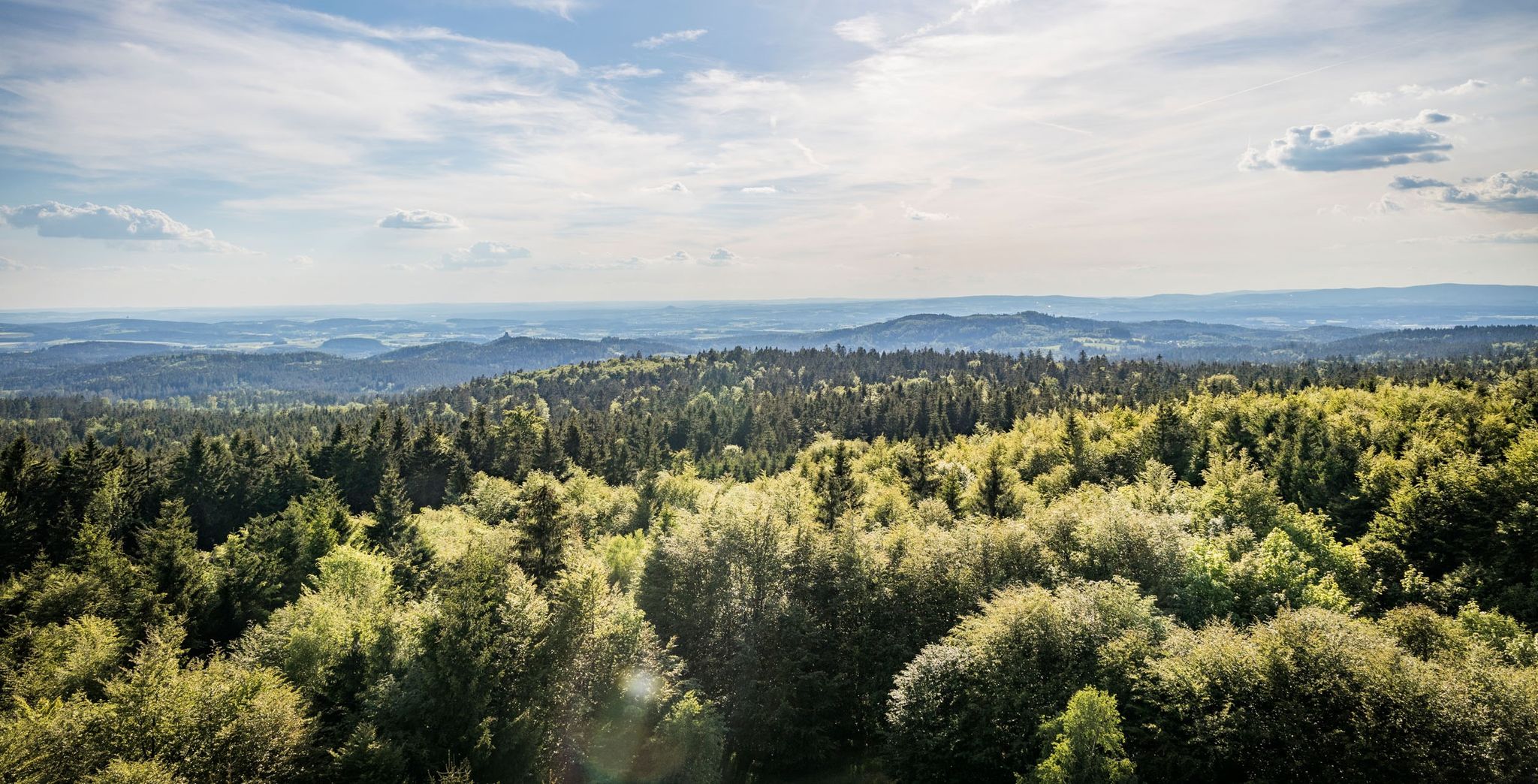
Nurtschweg – Hiking along the German-Czech border
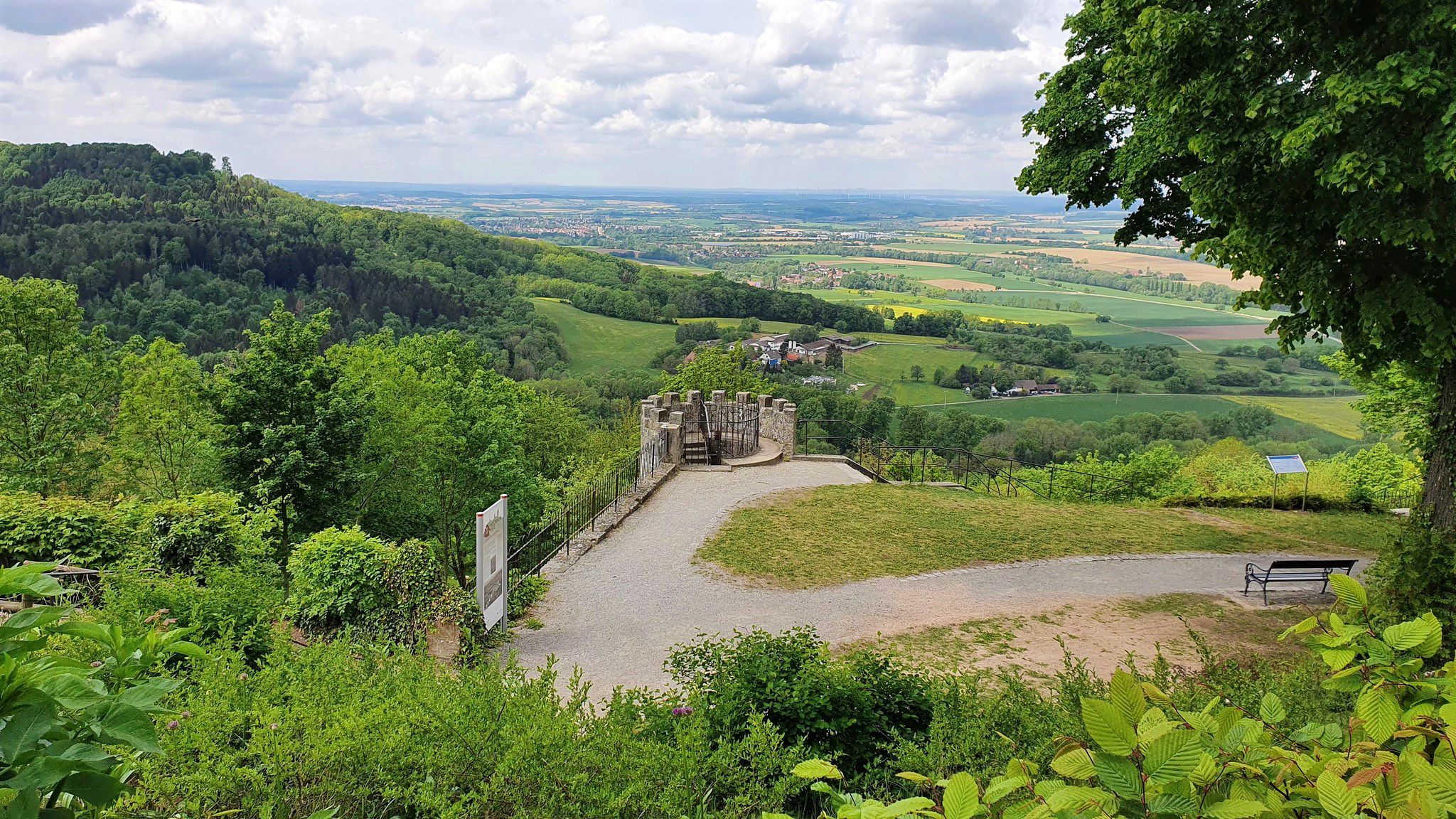
A cycling adventure from Paris to Prague – Pan-European Cycle Route
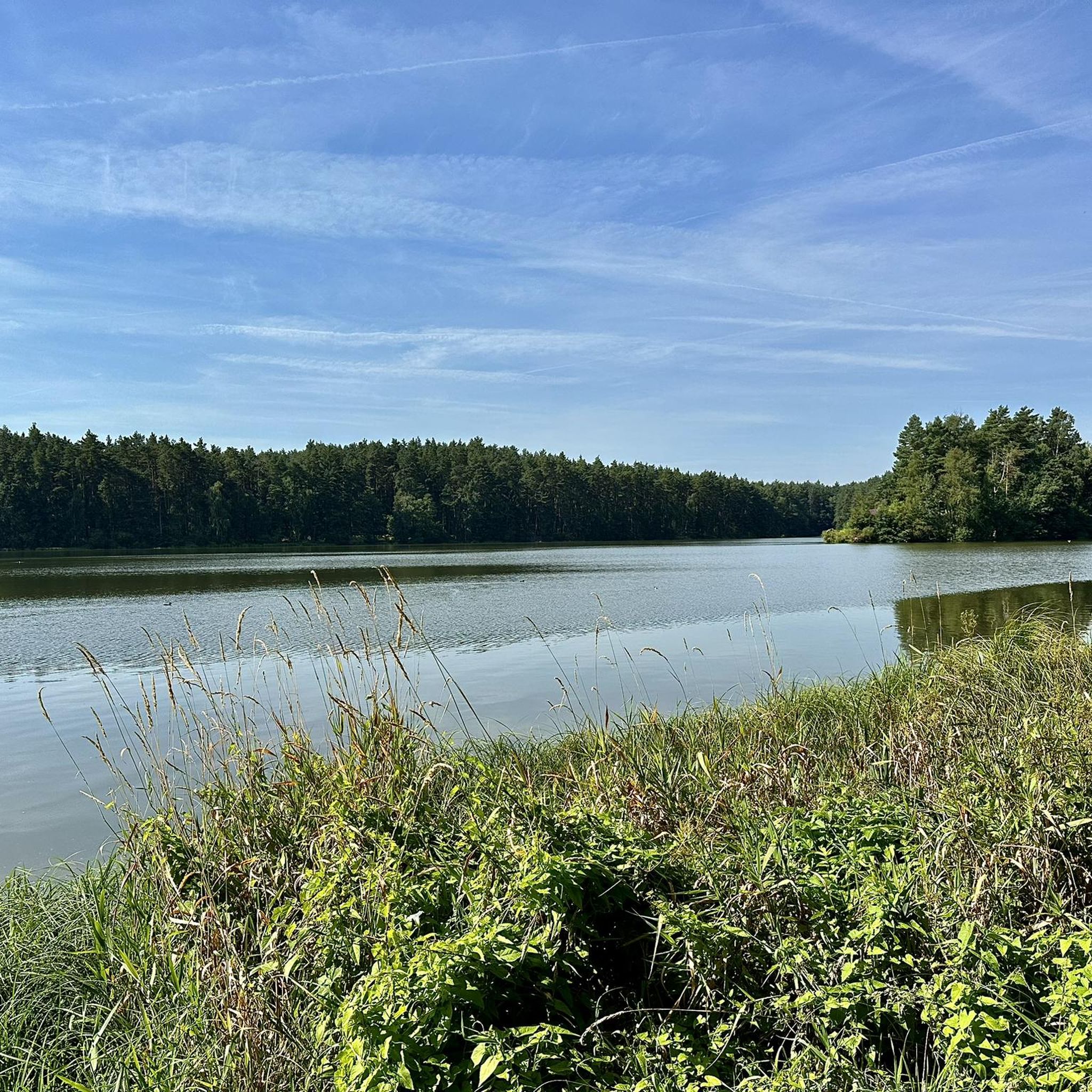
Hiking around Tachov
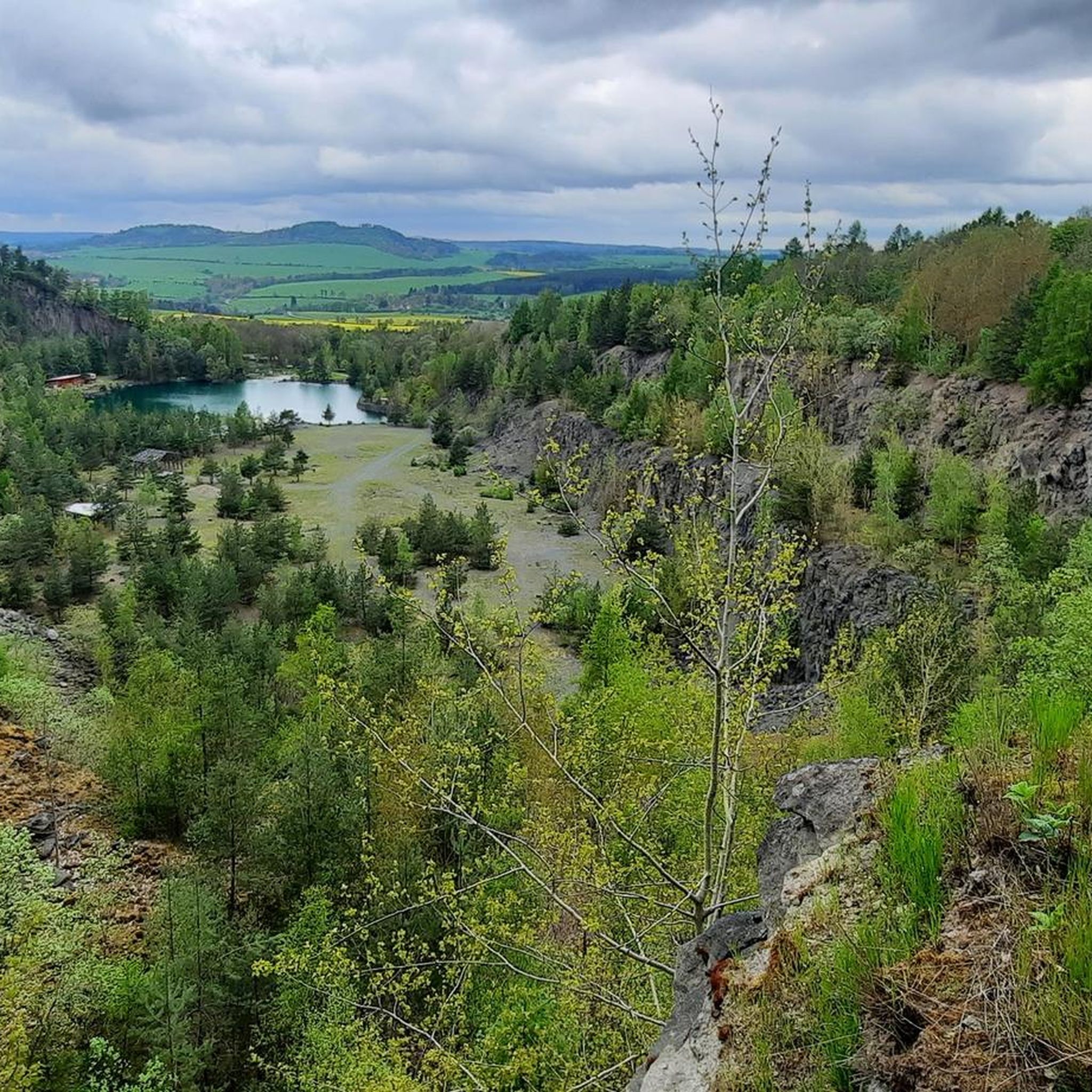
Cycling around Tachov
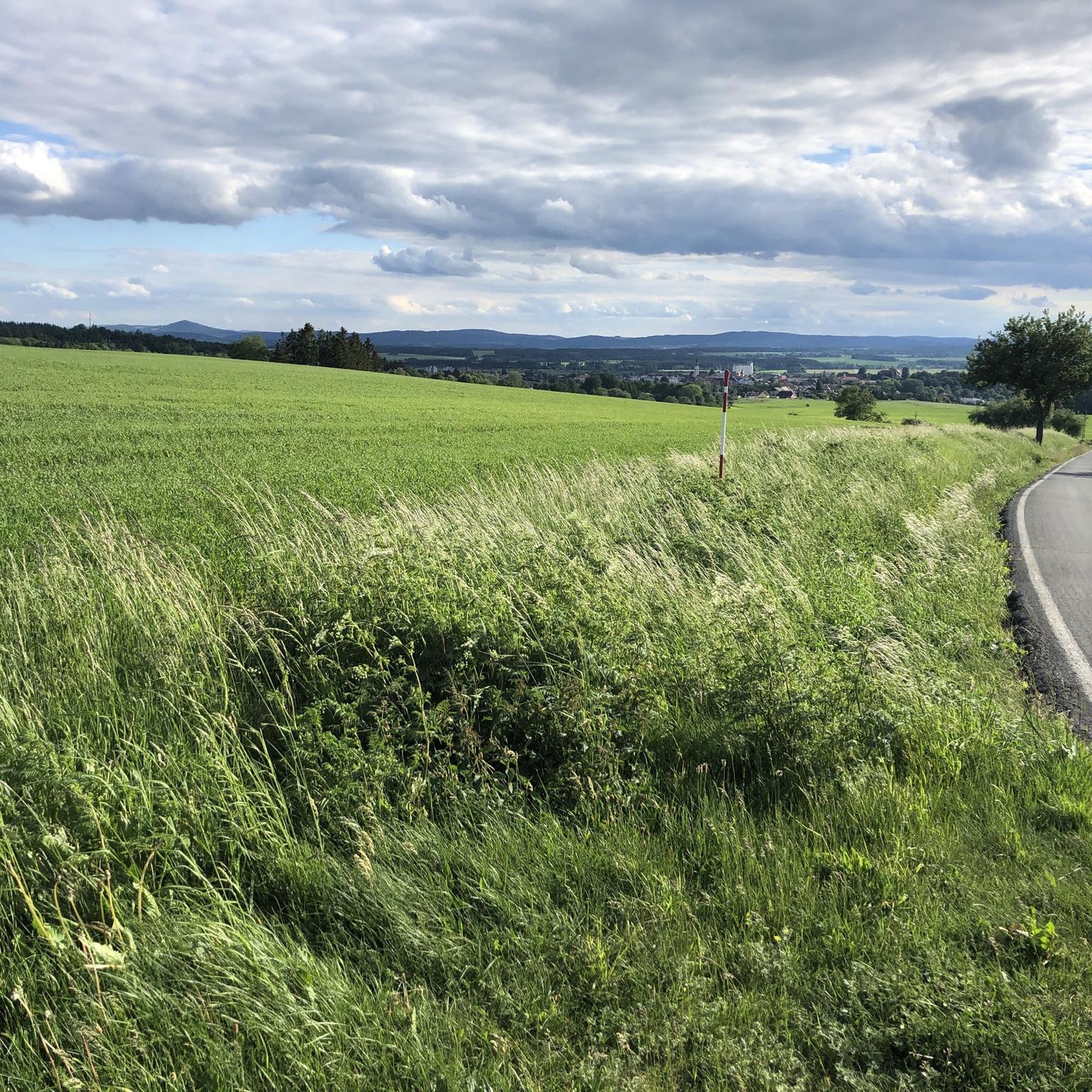
Running Trails around Tachov
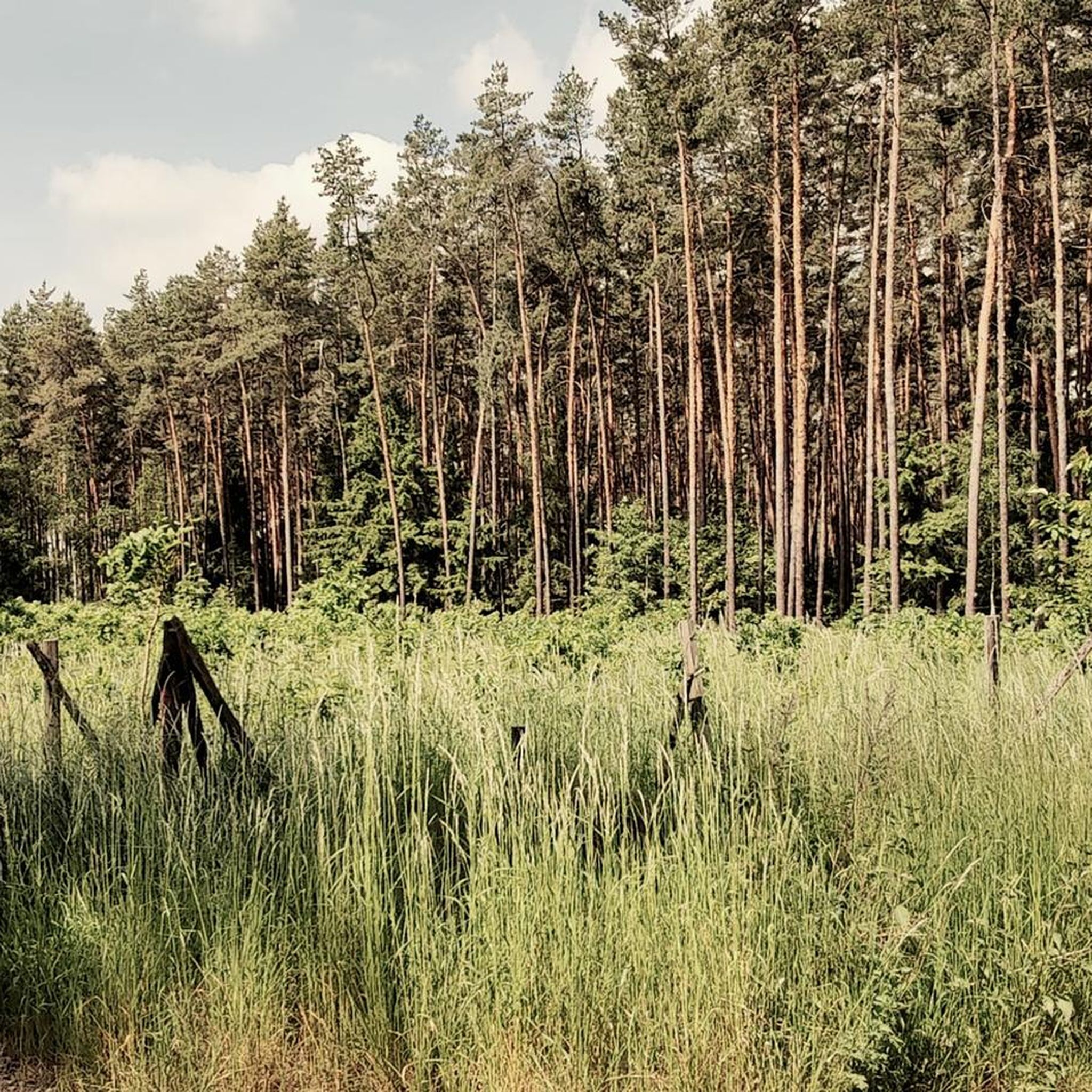
Road Cycling Routes around Tachov
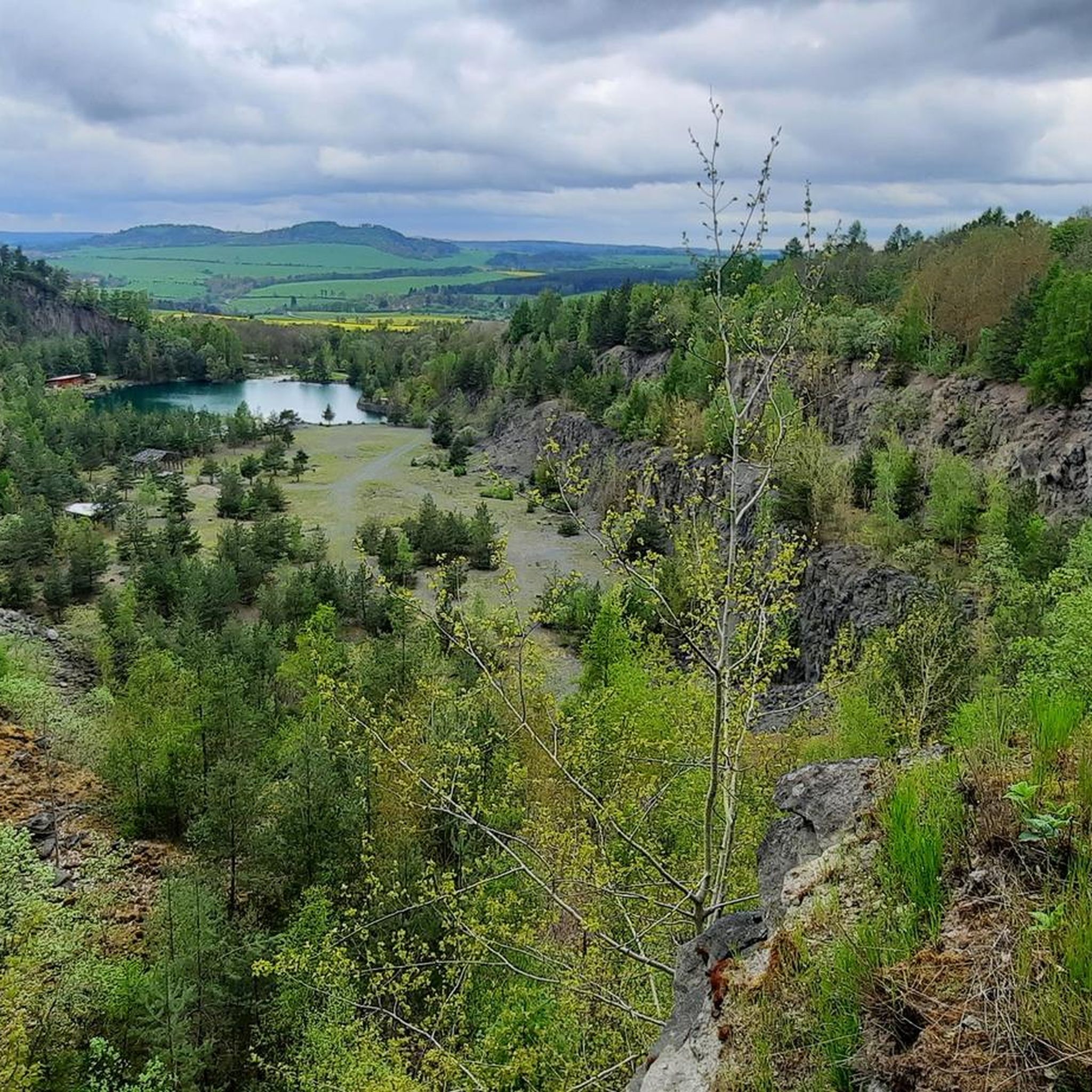
MTB Trails around Tachov
Gravel biking around Tachov
Other adventures around Tachov


Tips from the Community

When Slavs repeatedly invaded the Nordgau at the beginning of the 12th century, Margrave Diepold, as administrator of the Nordgau, and his friend Count Beringer of Sulzbach were forced in 1109 to settle the border with the Bohemian dukes Borsivoy and Wladislaw on behalf of the German King Henry V. One of the established border points was likely this mighty, immovable granite block. A cross, still clearly visible today, was carved into the broad, blunt cone on the south side. Barely discernible is the inscription "Bohemia" on the east side and "Bavaria" on the west side. The slab marks the border line with a furrow cut at an obtuse angle. The stone also bears a number and the year of the last border determination: "1843." In 1997, the Bavarian-Bohemian hiking and cross-country skiing border crossing "Kreuzstein / Křížový kámen" was officially opened.
15
0

At this spot, the Iron Curtain was symbolically cut through in December 1989 by former Foreign Minister Hans-Dietrich Genscher and his Czechoslovak counterpart, Jiří Dienstbier. The memorial commemorates this historic act.
0
0

Here, a clearing in the forest was used to create a small "sacred area" in the middle of nature, one that hikers and bikers should not pass by unnoticed. A small hill constructed of natural stone—one could also call it a grotto—rises in the middle of the forest clearing. It is crowned by a cross with the Corpus Christi. The centerpiece of this small sacred monument, however, is a depiction of the Virgin Mary, with a votive tablet on either side of her image. Seating and tables complete the ensemble.
0
0
Here, a clearing in the forest was used to create a small "sacred area" in the midst of nature, one that hikers should not pass by unnoticed. A small hill constructed of natural stone—one could also call it a grotto—rises in the middle of the forest clearing. It is crowned by a cross containing the Corpus Christ. The centerpiece of this small sacred monument, however, is the depiction of the Virgin Mary, with a votive tablet on either side of her image. Seating and tables complete the ensemble.
0
0

The Český les Protected Landscape Area was declared the 25th protected landscape area in the Czech Republic in 2005. Most of the area was cleared after the forced expulsion of the predominantly German inhabitants after World War II. Until the fall of the communist regime in 1989, it was part of the western border zone and practically uninhabited. Thanks to this development, today it is an area hardly influenced by human activities, a mosaic of dense forests, meadows and woodlands. There are many valuable, well-preserved habitats of beech and fir-beech mixed forests (although in a large part of the original area they have been replaced by spruce plantations), bog spruce forests and bog mountain pine forests. Geologically, the area is not very diverse. It consists of nutrient-poor rocks of the so-called Moldanubicum pluton of Paleozoic to Proterozoic origin (granites, gneiss, slate, clay slate). The Český les Protected Landscape Area covers an area of 473 km². There are no permanent settlements in the area, only a few restored hamlets, and many of the meadows and pastures are now used for livestock farming. The protected area is divided into two parts separated by the D5 motorway connecting the Czech Republic and Germany. The zone near the motorway was not included in the protected area.
0
0

Very interesting meaning of these keystones
1
0

A lizard on a stone, a board with information about glassblowing is right next to it
2
0

Nice place for a bike ride or hike, the dam is not accessible for swimming or sightseeing nearby.
2
0
Frequently Asked Questions
What are some notable natural landmarks and viewpoints around Tachov?
The region offers several impressive natural landmarks. The Waldnaab Spring, also known as "Kreuzbrunnen," is a beautiful river source with a picturesque valley and rock formations. For geological interest, the Devil's Stone near Babylon is a 40-ton rocking stone that visitors can gently move. Additionally, Sokol's Lookout, part of the Devil's Nature Trail, provides scenic views from a rocky outcrop of a quartz embankment.
Are there family-friendly natural monuments to visit near Tachov?
Yes, several natural monuments are suitable for families. The Kreuzstein Border Marker (Bavaria–Bohemia) is a historical granite stone that can be an interesting stop. The Marian Grotto offers a peaceful, sacred area in a natural setting. The Babylon Natural Swimming Pool is also a popular spot for families, especially in summer, with clean water and sandy beaches.
What historical natural monuments can I explore in the Tachov area?
The Kreuzstein Border Marker (Bavaria–Bohemia) is a significant historical monument, a mighty granite stone that has marked the border for around 1,000 years. Another site with historical context is Salka Cave, which originated from 17th-century slate mining and is now protected for its geological significance. The Tillyschanze Earthwork is also a historical site categorized as a natural monument.
What is the best time of year to visit the natural monuments around Tachov?
The best time depends on your interests. Summer is ideal for swimming and relaxation at the Babylon Natural Swimming Pool, which is particularly vibrant then. For unique geological sights, Salka Cave offers impressive ice stalactites at its entrance during winter. Generally, spring and autumn provide pleasant weather for hiking and exploring the various natural and historical sites.
Are there opportunities for swimming or water activities at the natural monuments?
Yes, the Babylon Natural Swimming Pool is a popular recreational area, especially in summer. This 12-hectare pond offers clean water and sandy and grassy beaches, making it an ideal spot for swimming and relaxation. It also features a unique flooded quarry with an underwater observation cabin for divers.
What kind of outdoor activities can I do near these natural monuments?
The Tachov region offers diverse outdoor activities. You can find numerous hiking trails, such as the easy Silberhütte Shelter – Havran Observation Tower loop, or more challenging routes like the Bread Rock – Old Mill Gehenhammer loop. There are also options for road cycling, with routes like the Smooth Asphalt Road – Steinberg Church loop, and running trails, including the Kreuzstein Rest Area – Silberhütte Shelter loop.
Are there any unique geological formations to see?
Absolutely. Salka Cave is a unique natural monument formed from 17th-century slate mining, known for its flooded rock adit and winter ice stalactites. The Devil's Stone is an intriguing 40-ton rocking stone that visitors can experience moving. Sokol's Lookout also features a rocky outcrop of a quartz embankment, protected for its geological significance.
What are some less crowded natural sights around Tachov?
While popular spots can attract visitors, areas like the Waldnaab Spring and its picturesque valley offer tranquil walks. The Marian Grotto is described as a peaceful spot for reflection. Exploring the Zamecky Park, while connected to Tachov Castle, provides a serene 'verdant oasis' for leisurely strolls away from more bustling attractions.
Can I find any natural monuments that are also part of a larger park or garden?
Yes, Zamecky Park, while associated with Tachov Castle, functions as a beautiful natural attraction in its own right. It features manicured gardens, scenic ponds, and enchanting walking trails, offering a tranquil green space perfect for picnics or leisurely strolls.
What is the <a href="https://www.komoot.com/highlight/434057" target="_blank" rel="noopener">Lučina Reservoir</a> and what can I do there?
The Lučina Reservoir is a significant body of water primarily serving as a drinking water reservoir for the surrounding regions. While it offers good views, swimming or driving on the reservoir is not permitted due to its function. It's a place for scenic appreciation rather than direct water activities.
Are there any monuments related to the Iron Curtain or border history?
Yes, the Kreuzstein Border Marker (Bavaria–Bohemia) is a historical granite stone that has marked the border between Bavaria and Bohemia for approximately 1,000 years. Additionally, the Iron Curtain Monument Nové Domky specifically commemorates this significant historical period.
Most popular routes around Tachov
Most popular attractions around Tachov

Get inspired with the komoot mobile app


Explore more
Extend your search for the best caves by checking out these guides of the top ones around Tachov:
