Attractions and Places To See around Mumpf - Top 20
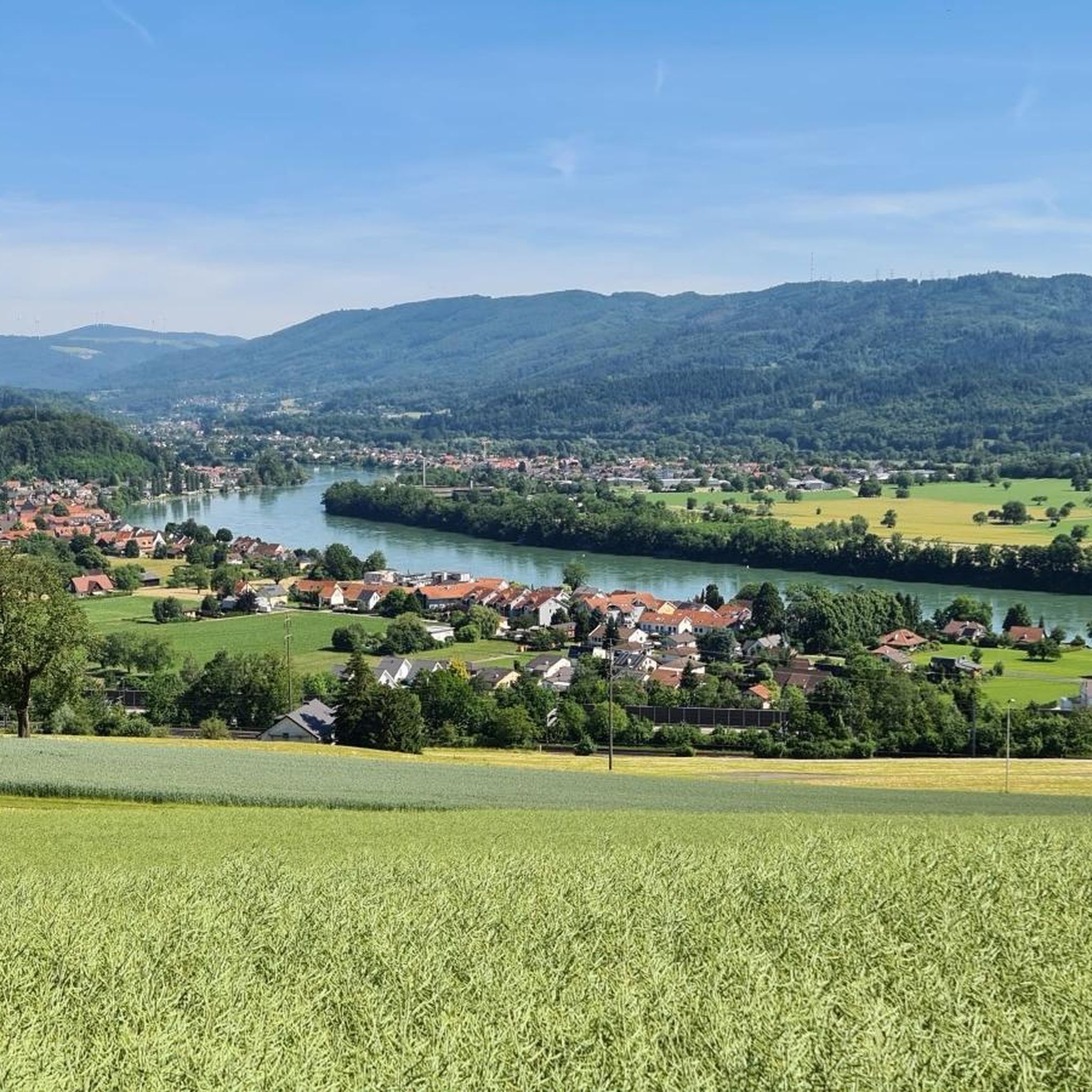
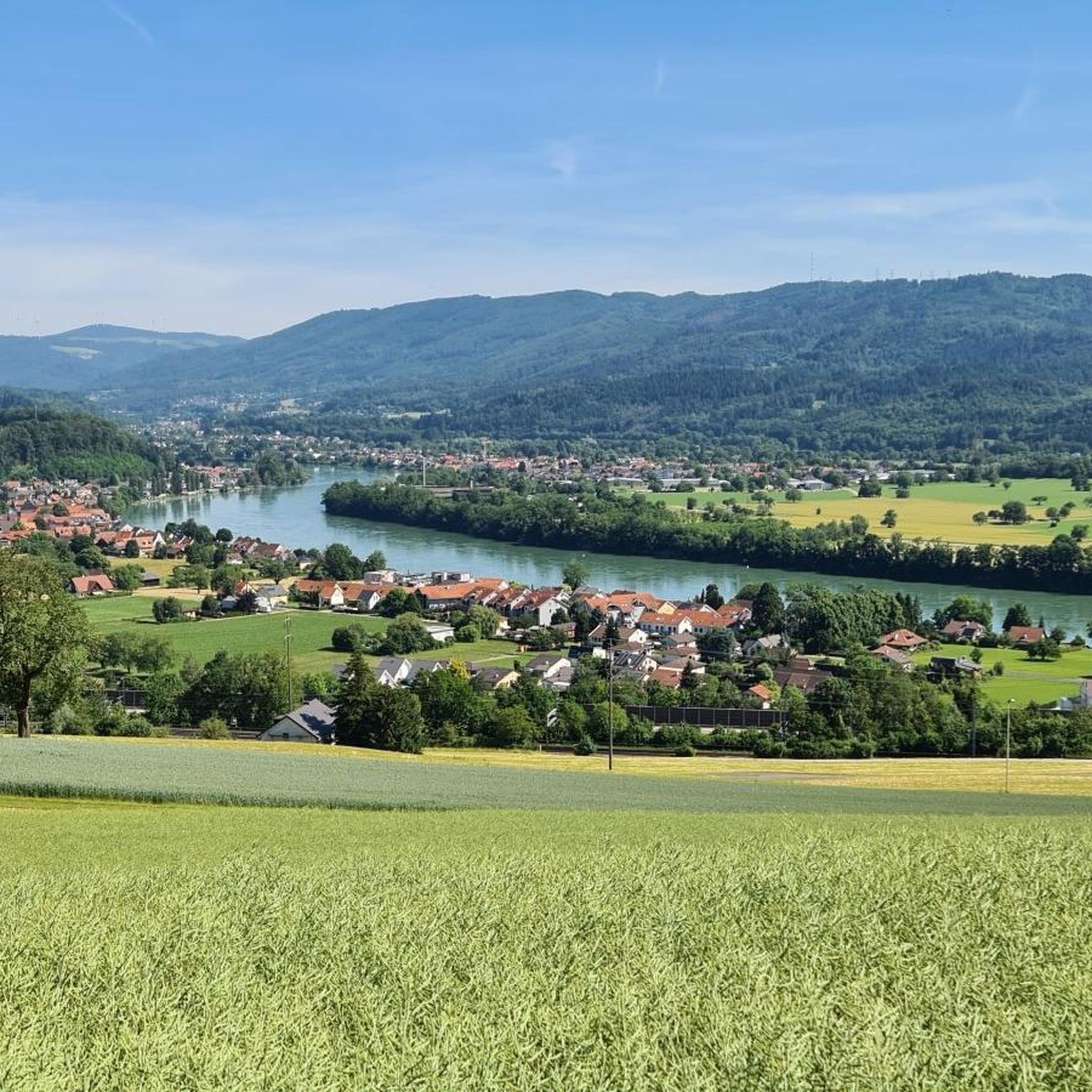
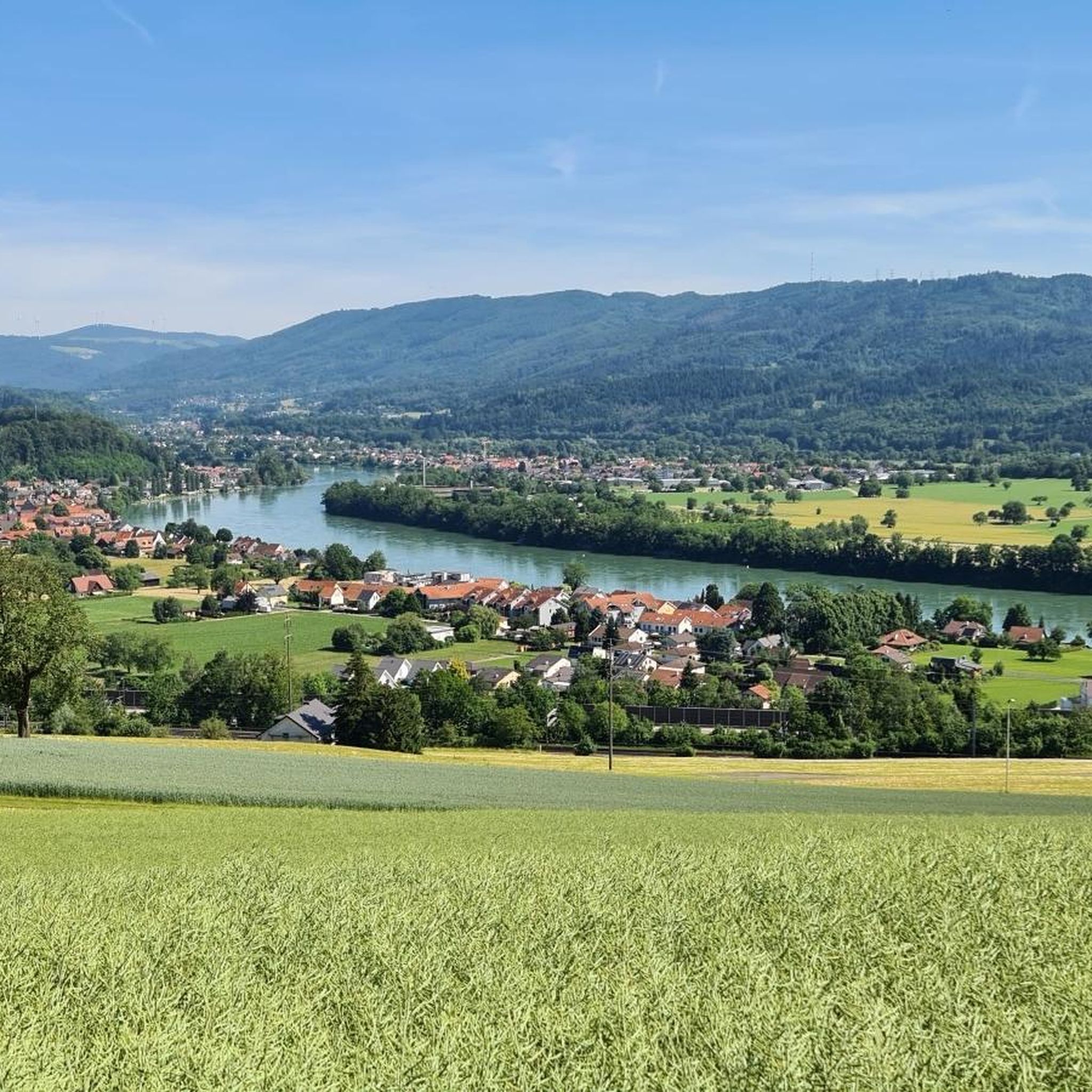
Best attractions and places to see around Mumpf include a blend of historical sites, cultural experiences, and natural features. Situated in the canton of Aargau, Switzerland, Mumpf lies between the Rhine river and the foothills of the Jura Mountains. The area features remnants of its Roman past, prehistoric settlements, and significant river crossings. It offers opportunities to explore local history and the surrounding landscape.
Best attractions and places to see around Mumpf
- The most popular attractions is Rheinfelden Town Hall…
Last updated: October 10, 2026
Wooden Covered Bridge in Bad Säckingen
Highlight • Bridge
Translated by Google •
Tip by

Old Rhine Bridge, Rheinfelden
Highlight • Bridge
The old Rhine Bridge is a Rhine and border crossing between the two Rheinfelden. Crossing is only permitted for pedestrians, bicycles, mopeds, …
Translated by Google •
Tip by

Sign up now to discover places like this
Get recommendations on the best single tracks, peaks, & plenty of other exciting outdoor places.
Laufenburg Old Town and Rhine Bridge
Highlight • Settlement
Translated by Google •
Tip by

Rhine Cycle Route Wallbach–Bad Säckingen
Highlight (Segment) • Cycleway
Translated by Google •
Tip by

Rheinfelden Town Hall
Highlight • Historical Site
Centrally located, the town hall with its impressive baroque facade, massive tower and beautiful courtyard stands in the middle of Rheinfelden's old town.
An Austrian coat of arms on a Swiss town hall?
Translated by Google •
Tip by
Sign up for free to discover even more attractions around Mumpf.
Already have an account?
Start today with a free account
Your next adventure awaits.
Tips from the Community

Rhine Bridge "Border crossing between the two Rheinfelden" The old Rhine Bridge is a Rhine and border crossing between the two Rheinfelden. Crossing is only permitted for pedestrians, bicycles, mopeds, taxis and the local bus. From the ferry to the bridge. There was already a ferry in the area of today's bridge during Roman rule. The Zähringers, who expanded the market town of Rheinfelden into a town, also had a ferry connection across the Rhine. It ensured the connection to the road to the Zähringen possessions in Breisgau. The first bridge was probably built in the second half of the 12th century, because in 1198 a citizen of Rheinfelden was referred to in a document as Heinricus de Ponte (Heinrich von der Brücke). It was therefore the oldest bridge between Constance and Strasbourg, even before the middle bridge in Basel, which was built in 1225. Pedestrian bridge. Except for taxis and the local bus, cars are no longer allowed to use the bridge. The crossing over the Rhine and the entire old town is reserved for bicycles at walking pace and pedestrians. The Rhine bridge offers a wonderful view of the old town facades and the Park Hotel on the Rhine. Text / Source: Tourism Rheinfelden, City Office, Rheinfelden https://www.tourismus-rheinfelden.ch/de/erleben/sehenswuerdigkeiten/rheinbruecke
17
0
Rhine Bridge, Rheinfelden since 1150 Around 1150, Konrad von Zähringen had the first Rhine bridge built in Rheinfelden. This gave the newly minted town of Rheinfelden (which received town charter in 1130) a major economic boom. The bridge in Rheinfelden was the only bridge over the Rhine in the area at the time, and was even older than the bridges in Basel. Thanks to the island, building a bridge here was easier than elsewhere in the Rhine, as the island could be used as a bridge pillar. This is why the bridge still has a bend today. One night in 1897, the old wooden bridge burned down. "It is said that many a Rheinfelden resident shed a tear when this old landmark of the town, to which such a rich piece of history is linked, was consumed by flames." Construction of the bridge that still stands today began soon after. Fortunately, it is now fireproof, but still not completely out of danger. In 1995 it was almost washed away by floods, and in May 1999 the bridge also withstood the flood of the century. Text / Source: http://rheinfelden.net/rhf-p.htm http://rheinfelden.net/rhf-p.htm
17
2
Inner courtyard of the Rheinfelden town hall The imposing Rheinfelden town hall with its baroque facade and coats of arms, the defiant tower, the courthouse and the beautiful inner courtyard with the proud open staircase. (The Rheinfelden town hall is often referred to as a miniature version of the Basel town hall! Text / Source: Tourism Rheinfelden, City Office, Rheinfelden Rheinfelden-rundgang-rheinfelden-2021_0
14
0
Rheinfelden Town Hall The Town Hall is a hidden gem full of history. It is located in the town hall and can be reached via the Gothic staircase in the inner courtyard. Inside, magnificent portraits of the Habsburg rulers and coats of arms await. Anyone who wants to get married in Rheinfelden can celebrate their civil wedding here. Cultural asset of regional importance. On the night of February 11, 1531, the old town hall in Rheinfelden fell victim to a fire. Shortly afterwards, a new building was built using the medieval tower that had been spared from the fire. This late Gothic building forms the core of today's town hall. Coat of arms & portraits of the rulers. The large council chamber was decorated on the north and south sides with coats of arms from the Ropstein workshop in Freiburg im Breisgau. These were donated by Austrian sovereigns, friendly forest towns and the county of Hauenstein, as well as local nobles who were in the service of the Habsburgs. 10 princes and 8 citizens' portraits depict personalities from Rheinfelden's history: Among others, Emperor Ferdinand I and Maria Theresa. Text / Source: Tourism Rheinfelden, City Office, Rheinfelden https://www.tourismus-rheinfelden.ch/de/erleben/sehenswuerdigkeiten/rathaussaal-rheinfelden
15
0
Rheinfelden Town Hall Centrally located, the town hall with its impressive baroque facade, massive tower and beautiful courtyard stands in the middle of Rheinfelden's old town. An Austrian coat of arms on a Swiss town hall? After the town hall burned down in 1531, it was rebuilt. The tower with its crenellated crown dates back to the Zähringer period. The baroque facade from the 18th century shows the coats of arms of Austria, the county of Hauenstein, Laufenburg, Säckingen, Rheinfelden, and the Truchsessen family. Rheinfelden belonged to the Habsburgs and thus to Austria for almost 1000 years. Today, the entire city administration is located in the historic building. Rudolf: The King of Rheinfelden. When you enter through the gate on the left, there is a cast of the gravestone of Rudolf von Rheinfelden († 1080). The former court and market arcades are also here. Text / Source: Tourism Rheinfelden, City Office, Rheinfelden https://www.tourismus-rheinfelden.ch/de/erleben/sehenswuerdigkeiten/rheinfelder-rathaus
17
0
Rhine Bridge "Border crossing between the two Rheinfelden" The old Rhine Bridge is a Rhine and border crossing between the two Rheinfelden. Only pedestrians, bicycles, mopeds, taxis and the local bus are allowed to cross. From the ferry to the bridge. There was already a ferry in the area of today's bridge during Roman rule. The Zähringen family, who expanded the market town of Rheinfelden into a town, also had a ferry connection across the Rhine. It ensured the connection to the road to the Zähringen possessions in Breisgau. The first bridge was probably built in the second half of the 12th century, because in 1198 a citizen of Rheinfelden was referred to in a document as Heinricus de Ponte (Heinrich von der Brücke). It was therefore the oldest bridge between Constance and Strasbourg, even before the middle bridge in Basel, which was built in 1225. Pedestrian bridge. Except for taxis and the local bus, cars are no longer allowed to use the bridge. The crossing over the Rhine and the entire old town is reserved for bicycles at walking pace and pedestrians. The Rhine bridge offers a wonderful view of the old town facades and the Park Hotel on the Rhine. Text / Source: Tourism Rheinfelden, City Office, Rheinfelden https://www.tourismus-rheinfelden.ch/de/erleben/sehenswuerdigkeiten/rheinbruecke
15
0
Rhine Bridge, Rheinfelden since 1150 Around 1150, Konrad von Zähringen had the first Rhine bridge built in Rheinfelden. This gave the newly minted town of Rheinfelden (which received town charter in 1130) a major economic boom. The bridge in Rheinfelden was the only bridge over the Rhine in the area at the time, and was even older than the bridges in Basel. Thanks to the island, building a bridge here was easier than elsewhere on the Rhine, as the island could be used as a bridge pillar. This is why the bridge still has a bend today. One night in 1897, the old wooden bridge burned down. "It is said that many a Rheinfelden resident shed a tear when this old landmark of the town, to which such a rich piece of history is linked, was destroyed by fire." Construction of the bridge that still stands today began soon after. Fortunately, it is now fireproof, but still not completely out of danger. In 1995 it was almost washed away by floods, and in May 1999 the bridge also withstood the flood of the century. Text / Source: http://rheinfelden.net/rhf-p.htm http://rheinfelden.net/rhf-p.htm
15
0

Frequently Asked Questions
What historical sites can I explore around Mumpf?
Mumpf and its surroundings are rich in history. You can visit the foundations of a Roman small fort beneath the Gasthaus Anker, dating back to the 4th century. The historic St. Martin's Church, first mentioned in 1441, also offers a glimpse into the past. Additionally, the nearby Rheinfelden Town Hall, with its impressive baroque facade, reflects nearly 1000 years of connection to the Habsburgs.
Are there any museums in Mumpf that showcase local history?
Yes, the Dorfmuseum "Alter Dreschschopf" in Mumpf is dedicated to the village's history and the daily life of its inhabitants. It features around 1000 exhibits, including displays on fishing in the Rhine, agriculture, blacksmithing, and findings from the Neolithic excavations at Kapf. The museum is housed in a renovated old threshing barn.
What natural features are prominent in the Mumpf area?
Mumpf is beautifully situated by the Rhine river, which has historically been vital for the village. The municipality lies between the Rhine and the foothills of the Jura Mountains, offering scenic landscapes. The Kapf/Chapf Hill is another significant natural feature, known for its prehistoric settlement.
What kind of outdoor activities can I do near Mumpf's attractions?
The area around Mumpf is excellent for outdoor activities. You can explore various routes for hiking, cycling, and running. For instance, there are several hiking trails, including easy and moderate loops like the "Zollhaus Fountain (1889) – Nase Biotope loop from Bad Säckingen." Cyclists can enjoy routes such as the Rhine Cycle Route Wallbach–Bad Säckingen. For more detailed options, you can check the dedicated guides for Hiking around Mumpf and Cycling around Mumpf.
Are there family-friendly attractions or activities around Mumpf?
Many attractions around Mumpf are suitable for families. The Wooden Covered Bridge in Bad Säckingen connects to a charming old town perfect for a stroll with children. The Old Rhine Bridge, Rheinfelden, which is pedestrian and bicycle-friendly, offers a unique border-crossing experience. Exploring the Dorfmuseum "Alter Dreschschopf" can also be an educational and engaging activity for families.
Where can I find scenic viewpoints near Mumpf?
The Old Rhine Bridge, Rheinfelden offers wonderful views of the old town facades and the Park Hotel on the Rhine. Similarly, the Laufenburg Old Town and Rhine Bridge provide picturesque views, especially from the bridge itself. The Rhine Cycle Route Wallbach–Bad Säckingen also features several scenic spots along the river.
What is the significance of the Rhine River to Mumpf?
The Rhine River has played a significant role in Mumpf's history and economy. It was historically important for fishing and timber rafting. Today, it continues to be a central natural feature, offering scenic beauty and opportunities for activities like cycling along its banks, such as on the Rhine Cycle Route Wallbach–Bad Säckingen.
Can I visit a prehistoric site near Mumpf?
Yes, the Kapf/Chapf Hill near Mumpf is home to a significant prehistoric settlement. Excavations in 1991 revealed a fortified settlement from the mid to late Neolithic period, complete with a large moat and findings like wooden beams and stone tools. This site is recognized as a Swiss heritage site of national significance.
Are there any accessible attractions for visitors with mobility needs?
Several attractions in the region are noted for their accessibility. The Wooden Covered Bridge in Bad Säckingen and the Old Rhine Bridge, Rheinfelden are both wheelchair accessible. Additionally, the Rhine Cycle Route Wallbach–Bad Säckingen is also wheelchair accessible, offering a pleasant experience along the river.
What is the best time of year to visit Mumpf for sightseeing and outdoor activities?
While Mumpf can be enjoyed year-round, the spring, summer, and early autumn months generally offer the most pleasant weather for exploring historical sites, enjoying the Rhine, and engaging in outdoor activities like hiking and cycling. The mild temperatures are ideal for walking through old towns and along river paths.
What is unique about the bridges in the Mumpf area?
The bridges in the Mumpf area are historically significant. The Old Rhine Bridge, Rheinfelden, for example, was one of the oldest Rhine crossings between Constance and Strasbourg, predating the middle bridge in Basel. It serves as a border crossing between the two Rheinfelden towns. The Wooden Covered Bridge in Bad Säckingen is another charming and historic structure connecting to a picturesque old town.
Most popular attractions around Mumpf

Get inspired with the komoot mobile app


Explore more
Still not found the Highlight you’re looking for? See guides of the top attractions in other regions:
