Top 5 Natural Monuments around powiat pilski
Natural monuments around powiat pilski are characterized by diverse landscapes, including river valleys, sandar plains, and forests. The district contains approximately 140 natural monuments, primarily individual trees, groups of trees, and erratic boulders. These protected elements highlight the region's unique natural forms and ecological value. The area offers opportunities to explore varied ecosystems and appreciate its geological and botanical history.
Best natural monuments around powiat pilski
- The most popular natural monument is Kuźnik Nature Reserve, Greater Poland National Park,…
Last updated: July 12, 2026
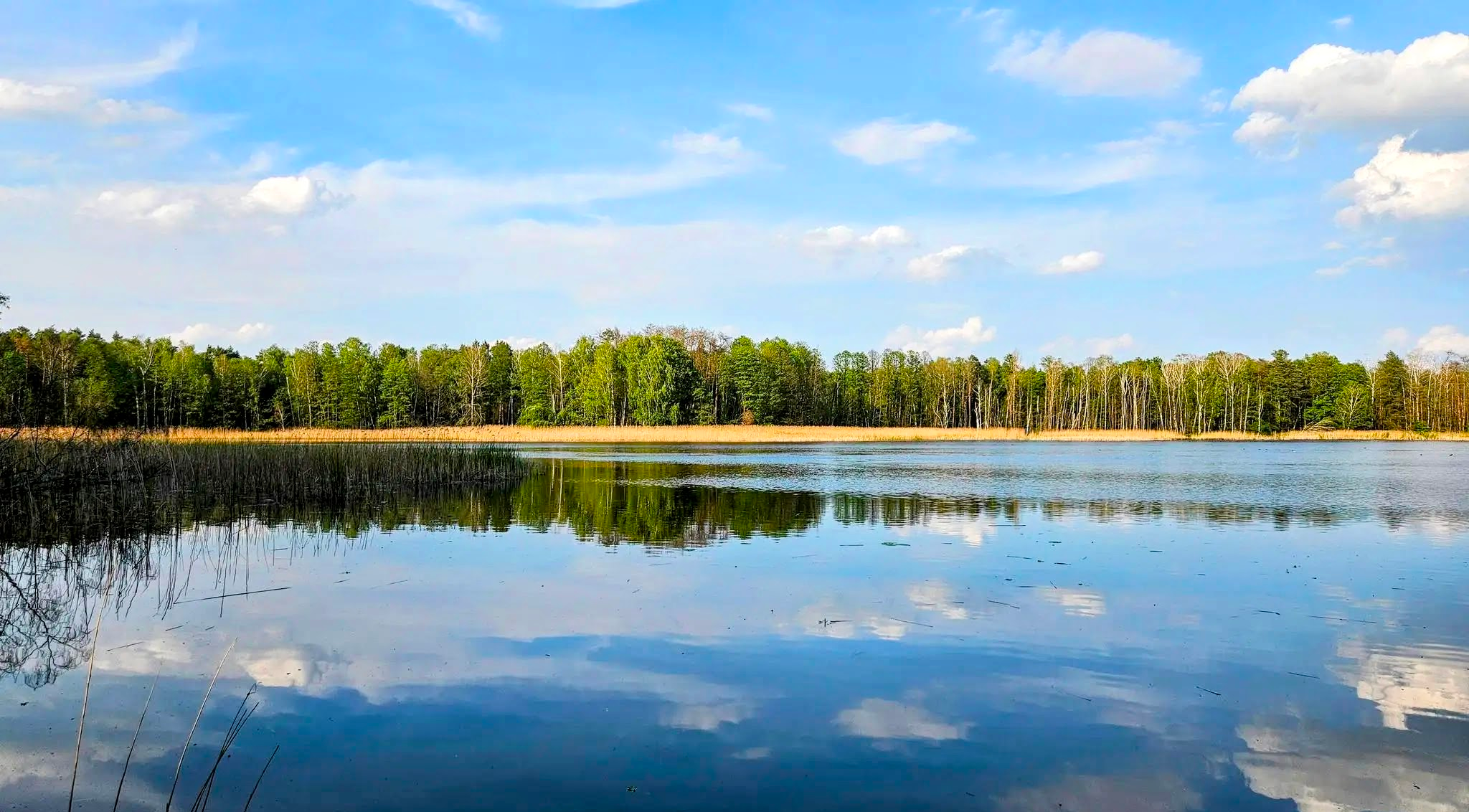
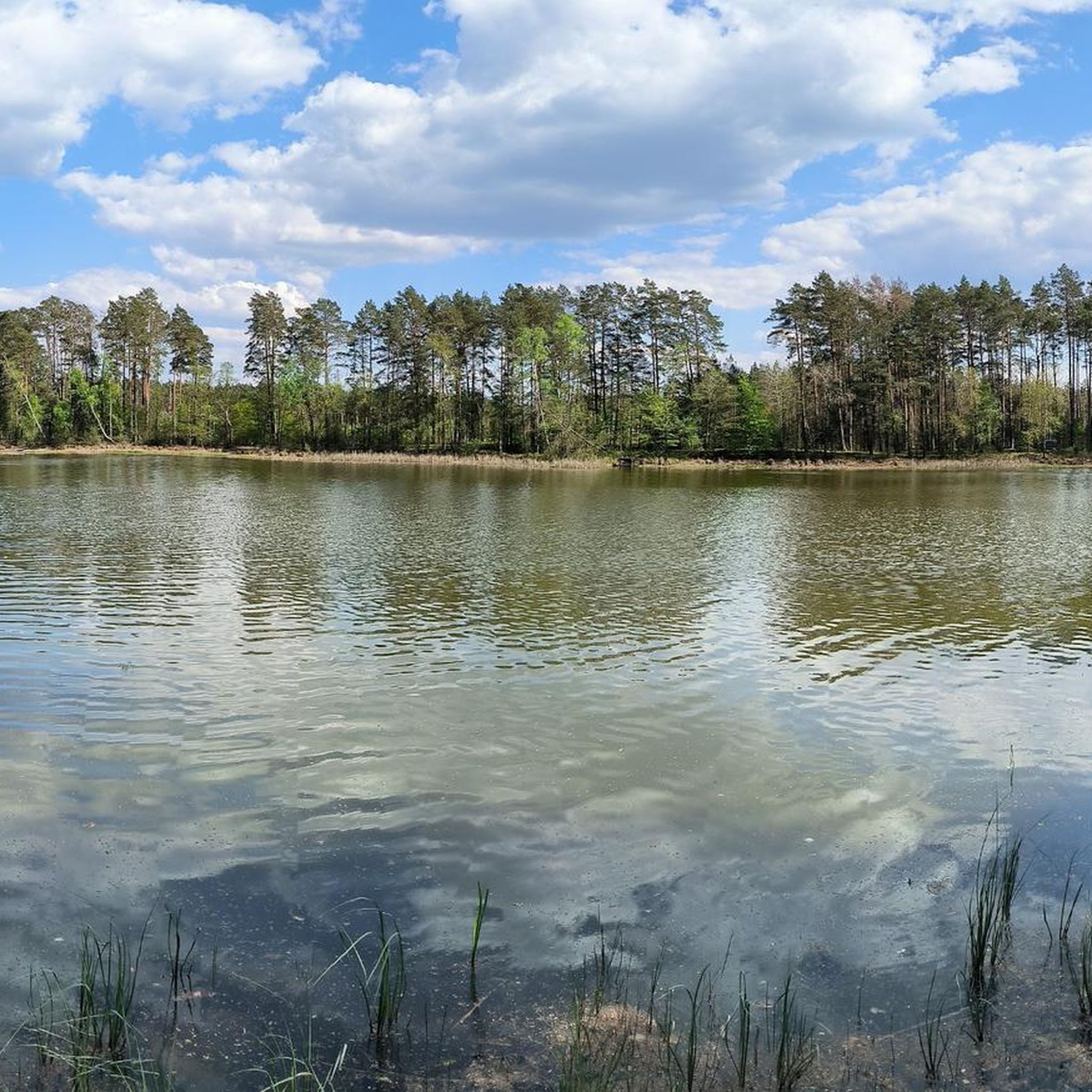
Kuźnik Nature Reserve
Highlight • Forest
Translated by Google •
Tip by

Kuźnik Nature Reserve, Greater Poland National Park
Highlight • Natural Monument
Translated by Google •
Tip by

Sign up now to discover places like this
Get recommendations on the best single tracks, peaks, & plenty of other exciting outdoor places.
Sign up for free
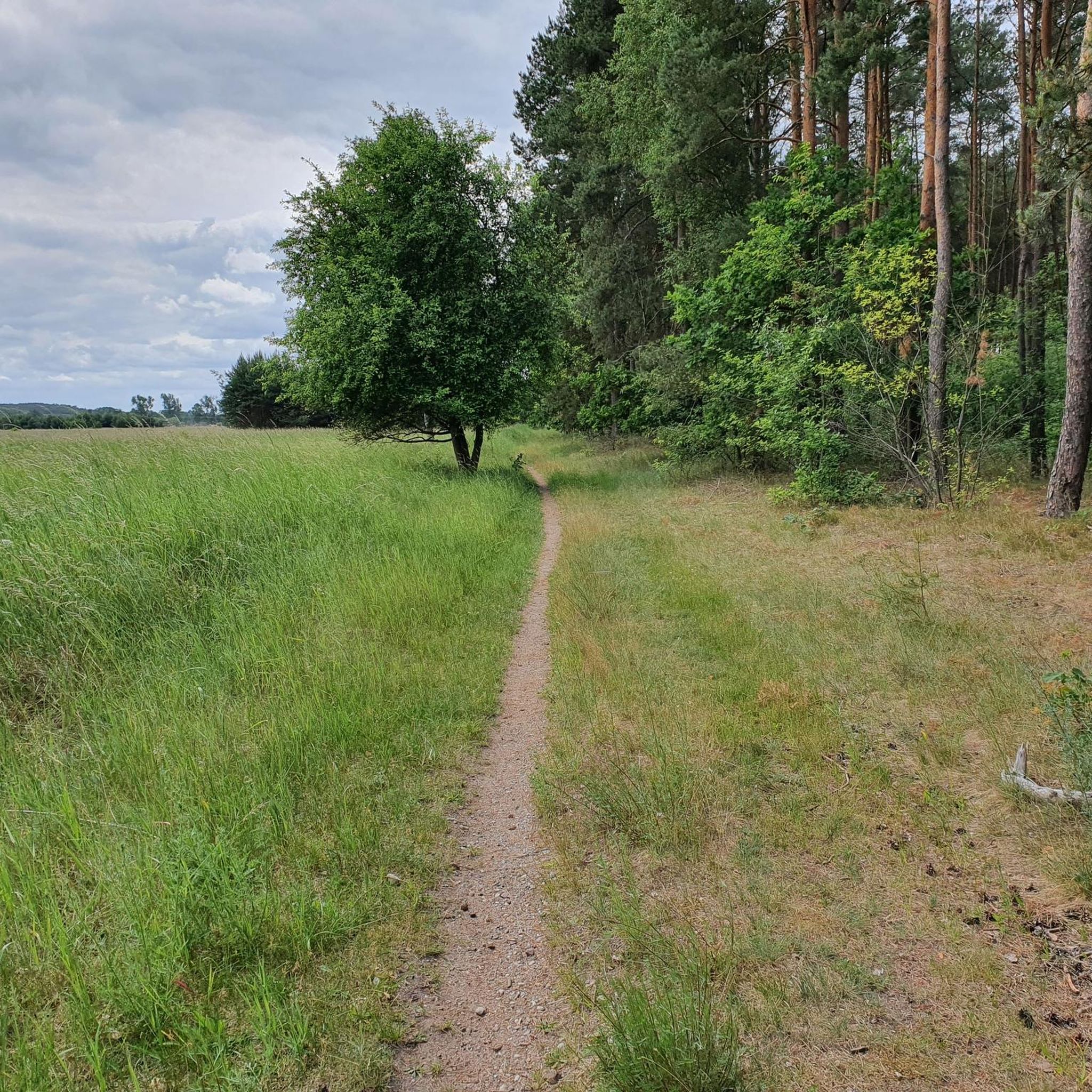
View of the Noteć Valley (Obszar Natura 2000 Dolina Noteci)
Highlight (Segment) • Viewpoint
Translated by Google •
Tip by

10th-Century Burial Mound Cemetery
Highlight • Historical Site
Translated by Google •
Tip by

Start today with a free account
Your next adventure awaits.
Login or Signup

Other adventures around powiat pilski

Tips from the Community

The reserve was established in 1926 and reactivated in 1959. It covers approximately 96 hectares. The name "Kuźnik" comes from a forge operating nearby since the early 17th century, extracting iron-containing bog iron ore.
0
0

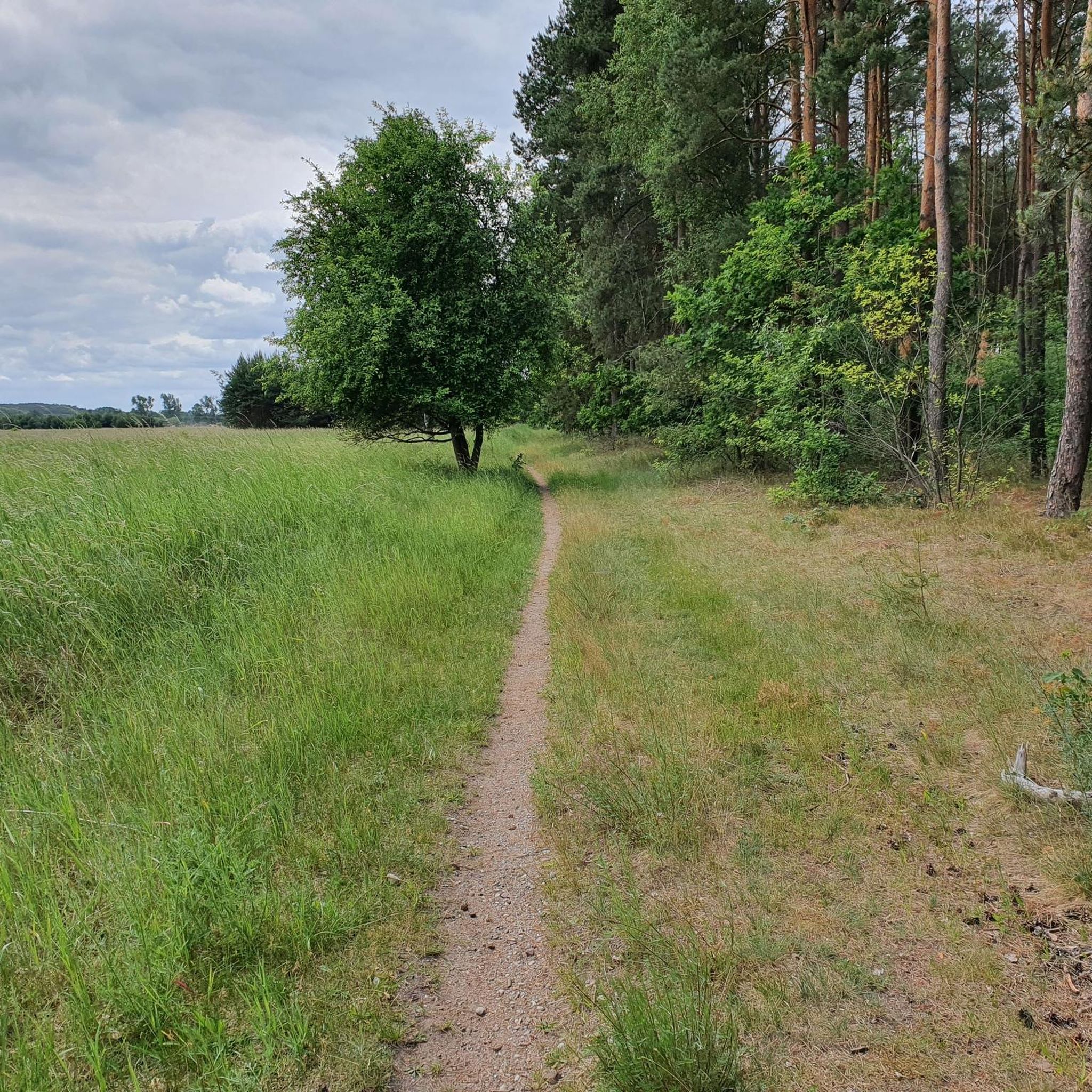
The entrance is located right next to the board on the right side, in the summer it is overgrown and difficult to see.
1
0

You can see many species of birds (I managed to observe: a green woodpecker, a great woodpecker, a kingfisher, a wagtail), deer and beavers.
1
0

Superb views of the Noteć (Netze) valley. In the end, the most spectacular. No traffic. All asphalt, up to 2.4 km.
1
0
Frequently Asked Questions
What types of natural monuments can I find in Powiat Pilski?
Powiat Pilski is home to approximately 140 natural monuments, primarily consisting of individual trees, groups of trees, and erratic boulders. These protected elements showcase the region's unique natural forms and ecological value. You'll also find diverse landscapes including river valleys, sandar plains, and forests.
Are there any significant nature reserves to visit in Powiat Pilski?
Yes, the region boasts several important nature reserves. The oldest and most notable is the Kuźnik Nature Reserve, known for its diverse plant communities, post-glacial lakes, and rich biodiversity. Other reserves include "Torfowisko Kaczory" (a unique peat bog with rare plants), "Wielkopolska Dolina Rurzycy," "Zielona Góra," and "Smolary".
What kind of wildlife can I observe in the natural monuments of Powiat Pilski?
The natural monuments and reserves in Powiat Pilski are rich in wildlife. In the Kuźnik Nature Reserve, you might spot various bird species like green woodpeckers, kingfishers, long-eared owls, and wagtails, as well as deer and beavers. The "Torfowisko Kaczory" peat bog is a nesting ground for cranes, goldeneyes, and ravens.
Are there family-friendly natural monuments or trails in Powiat Pilski?
Yes, several natural monuments are suitable for families. The Kuźnik Nature Reserve is categorized as family-friendly, offering opportunities to explore diverse ecosystems. Additionally, viewpoints like the View of the Noteć Valley and View of the Noteć River are also considered family-friendly, providing easy access to scenic vistas.
What are the best places for scenic views of the landscape?
For breathtaking panoramic views, visit the View of the Noteć Valley (Obszar Natura 2000 Dolina Noteci), which offers extensive vistas over the river landscape. Another excellent spot is the View of the Noteć River, providing a good perspective from a bridge near Bialosliwie.
Are there hiking opportunities near the natural monuments?
Absolutely. The region offers various hiking trails, particularly around the Kuźnik Nature Reserve. You can find easy loops like the "Jezioro Rudnickie – Rezerwat Kuźnik loop" or the "Rezerwat Kuźnik loop." For more options, explore the hiking guide for Powiat Pilski, which includes routes of varying difficulties.
Can I go cycling near the natural monuments in Powiat Pilski?
Yes, there are gravel biking routes available in the area. You can find moderate to difficult routes, such as the "Pila railroad station – Hydroelectric Power Plant on the Gwda loop." For a comprehensive overview of cycling options, refer to the gravel biking guide for Powiat Pilski.
What historical sites are considered natural monuments in the region?
Beyond natural features, you can visit the 10th-Century Burial Mound Cemetery. This site combines historical significance with its natural setting within a forest, offering a unique blend of nature and ancient history.
What are some unique plant species I can see in Powiat Pilski's natural monuments?
The region's diverse ecosystems host unique flora. In the Kuźnik Nature Reserve, you'll find rare plants like bog rosemary, cranberry, and common andromeda, alongside charophyte algae in its lakes. The "Torfowisko Kaczory" peat bog is notable for the glacial relict dwarf birch and round-leaved sundew, as well as various peat mosses.
Are there any natural monuments within the city of Piła itself?
Yes, the city of Piła, a key part of Powiat Pilski, is home to 22 natural monuments. These include 17 individual trees, 4 groups of trees, and one erratic boulder. Dominant tree species are oaks, small-leaved lindens, and silver maples, with some of the oldest oaks found in the Kalina forest areas and noteworthy silver maples in the municipal park.
What is the best time of year to visit the natural monuments in Powiat Pilski?
The best time to visit largely depends on your interests. Spring and early summer (April to June) are ideal for observing blooming flora and active wildlife, especially in the nature reserves. Autumn (September to October) offers beautiful fall foliage, particularly in forested areas. Winter can provide a serene, quiet experience, though some paths might be less accessible.
What geological features shaped the natural monuments in Powiat Pilski?
The landscape of Powiat Pilski, including its natural monuments, was significantly shaped by the last glaciation. This is evident in features like the post-glacial lakes and moraine hills found in the Kuźnik Nature Reserve, which also has a history of bog iron ore extraction, highlighting the region's geological past.
Most popular routes around powiat pilski
Most popular attractions around powiat pilski

Get inspired with the komoot mobile app


Explore more
Extend your search for the best caves by checking out these guides of the top ones around powiat pilski:
