Top 7 Natural Monuments around Szydłowiec
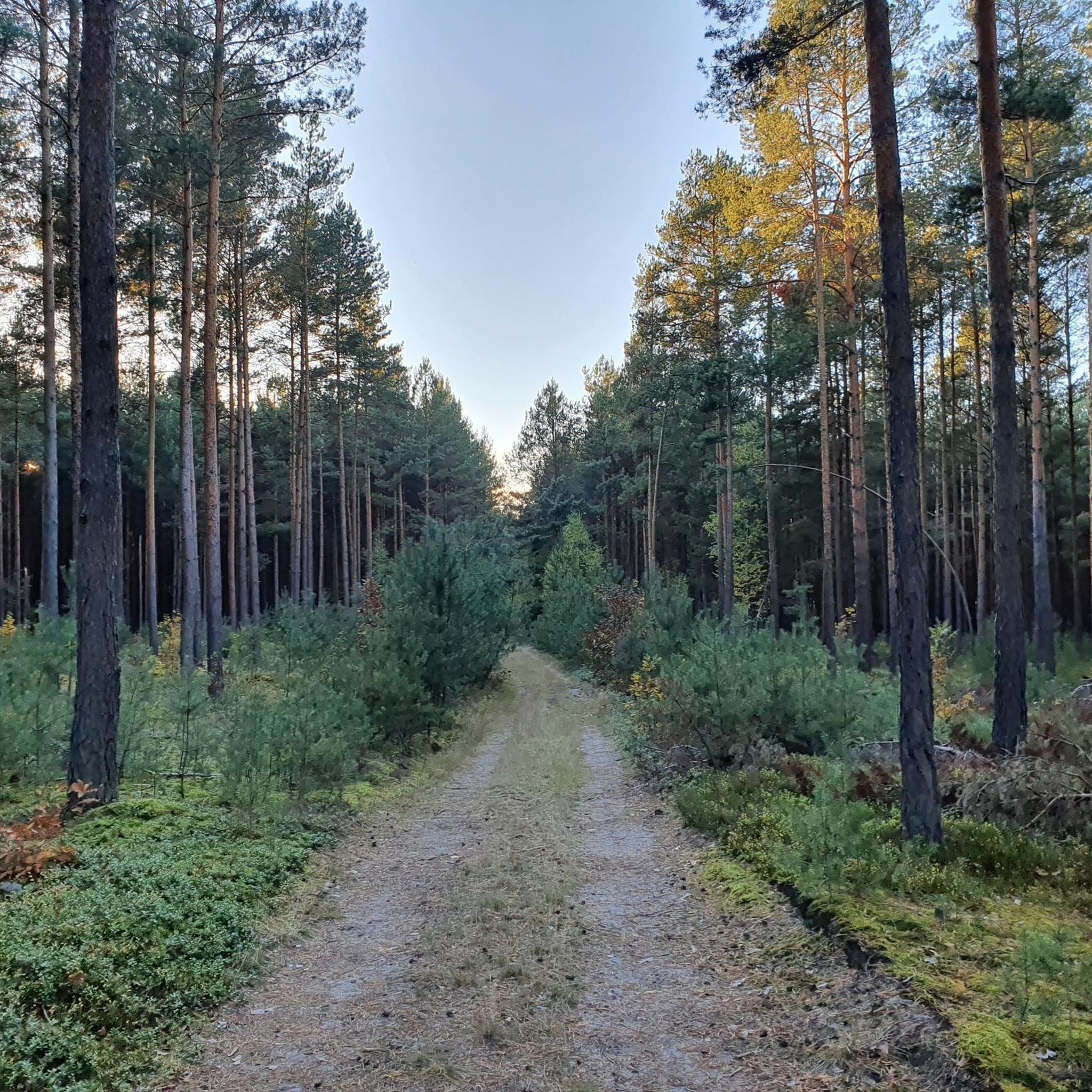
Best natural monuments around Szydłowiec offer diverse geological formations and ecological significance. The region, particularly its southern part, is characterized by extensive forests, primarily pine and fir, with remnants of the Świętokrzyska Forest. Unique rock formations, ancient fossil sites, and significant water sources define the natural landscape. These areas provide opportunities to explore varied geology and rich plant life.
Best natural monuments around Szydłowiec
- The most popular natural monuments is Aga's Cave — Piekło pod Niekłaniem rock formations, a cave that preserves peculiar rock forms carved by erosive processes in Triassic and Lower Jurassic sandstones. These formations, reaching up to 8 meters in height, display unusual shapes like mushrooms and chimneys, standing out with yellow, orange, and dark colors against the forest.
- Another must-see spot is Spring in Niekłań Wielki, a natural monument. This spring is located on the trail leading to the Skałki Piekło pod Niekłaniem Reserve, and visitors often collect its water.
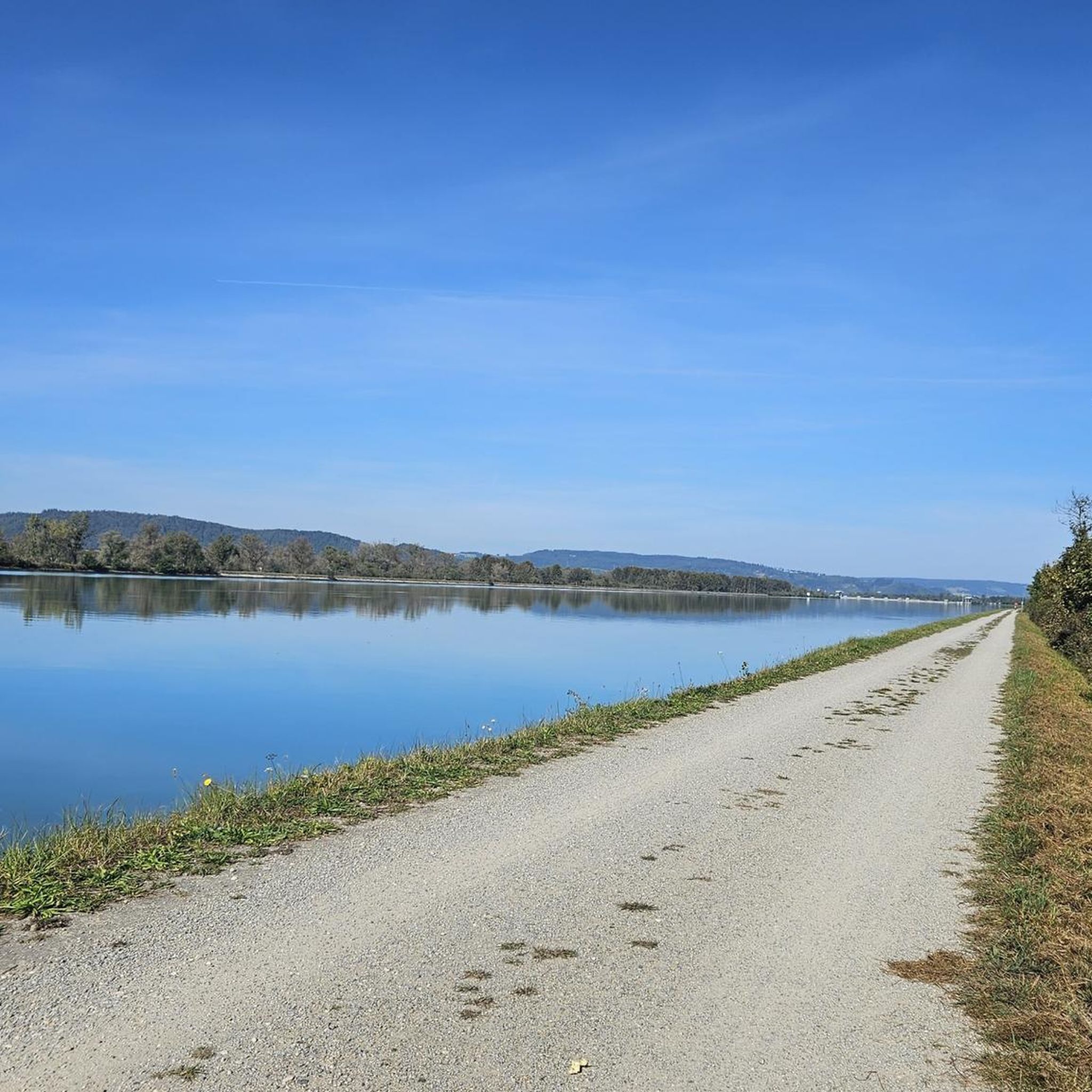
- Visitors also love Source of the Kamienna River (Biały Stok), a river source. The Kamienna River is a left-bank tributary of the Vistula, with its source located on the southern outskirts of the Mazowieckie Voivodeship.
- Szydłowiec is known for its rock formations, springs, and river sources. The area offers a variety of natural monuments to see and explore, including significant geological sites and water features.
- The natural monuments around Szydłowiec are appreciated by the komoot community. There are 7 highlights with 68 photos and 38 upvotes, showcasing the area's appeal.
Last updated: July 12, 2026
Aga's Cave — Piekło pod Niekłaniem rock formations
Highlight • Cave
Translated by Google •
Tip by

Teodor Zieliński Memorial Boulder
Highlight • Monument
Translated by Google •
Tip by

Sign up now to discover places like this
Get recommendations on the best single tracks, peaks, & plenty of other exciting outdoor places.
Sign up for free
Spring in Niekłań Wielki
Highlight • Natural Monument
Translated by Google •
Tip by
Altana Hill
Highlight • Summit
Translated by Google •
Tip by

Brzask Mass Execution Memorial
Highlight • Monument
There are plaques on the monument with the inscriptions:
"The collective grave of participants of the nationwide fight against the German fascists of women and men workers and officials of free professions and scouts of the residents of the city of Skarżysko, Końskie, Iłża, Starachowice, Ostrowiec St. Ćmielów, Opatów, Busko, Sandomierz, Radom and Kielc. There are 760 people murdered here on June 25-29, 1940. A PART OF THEIR MEMORY. "
and:
"PERSON! Tell Poland, here lie her sons: obedient and faithful until the last hour."
Translated by Google •
Tip by
Source of the Kamienna River (Biały Stok)
Highlight • River
Translated by Google •
Tip by
Tomkowa Dziura rock formations
Highlight (Segment) • Natural Monument
The name "Piekło" means "hell" and comes from the bizarre, sometimes mystical-looking rocks, which, according to legend, were formed by devilish forces.
Fearing devils, the residents are said to have left the nearby forest settlement. Not far from the Skałki Piekło nature reserve is Tomkowa Dziura. Here, too, it is unclear how this place got its name. Supposedly, after the devilish pranks, rocks with strange shapes and springs with clear water remained, where the devils quenched their thirst after their work.
Translated by Google •
Tip by

Kamienna Spring
Highlight • River
Translated by Google •
Tip by

Start today with a free account
Your next adventure awaits.
Login or Signup
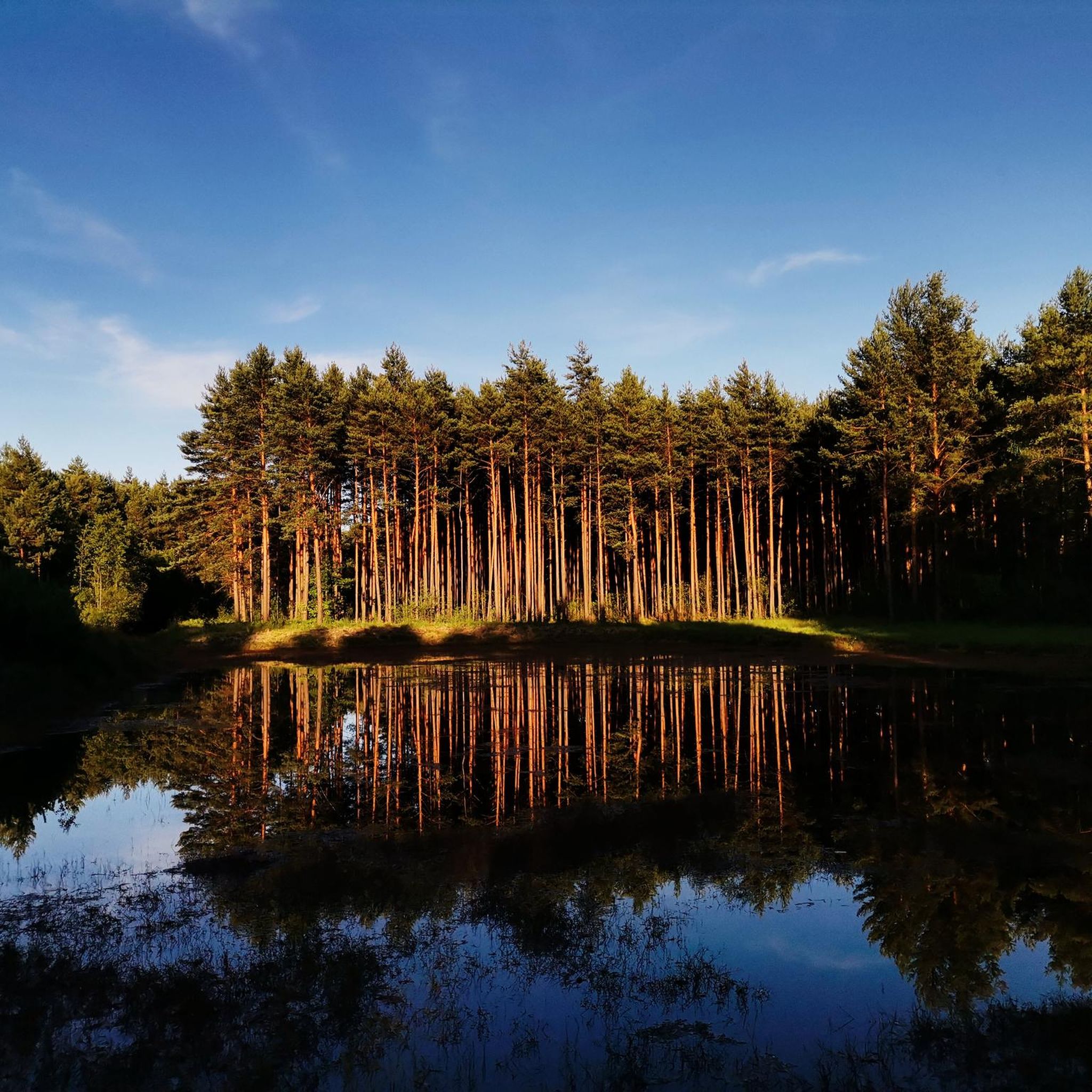
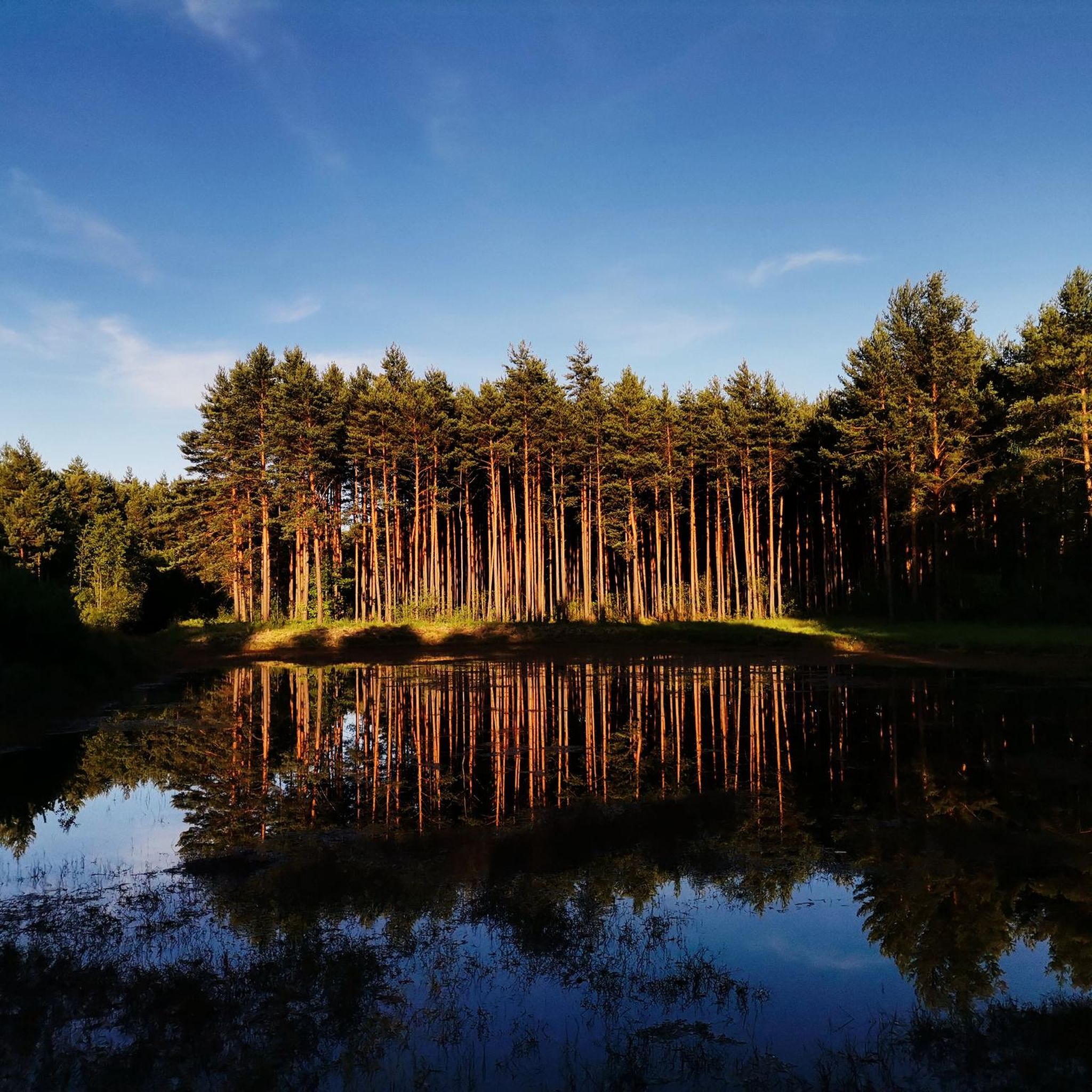
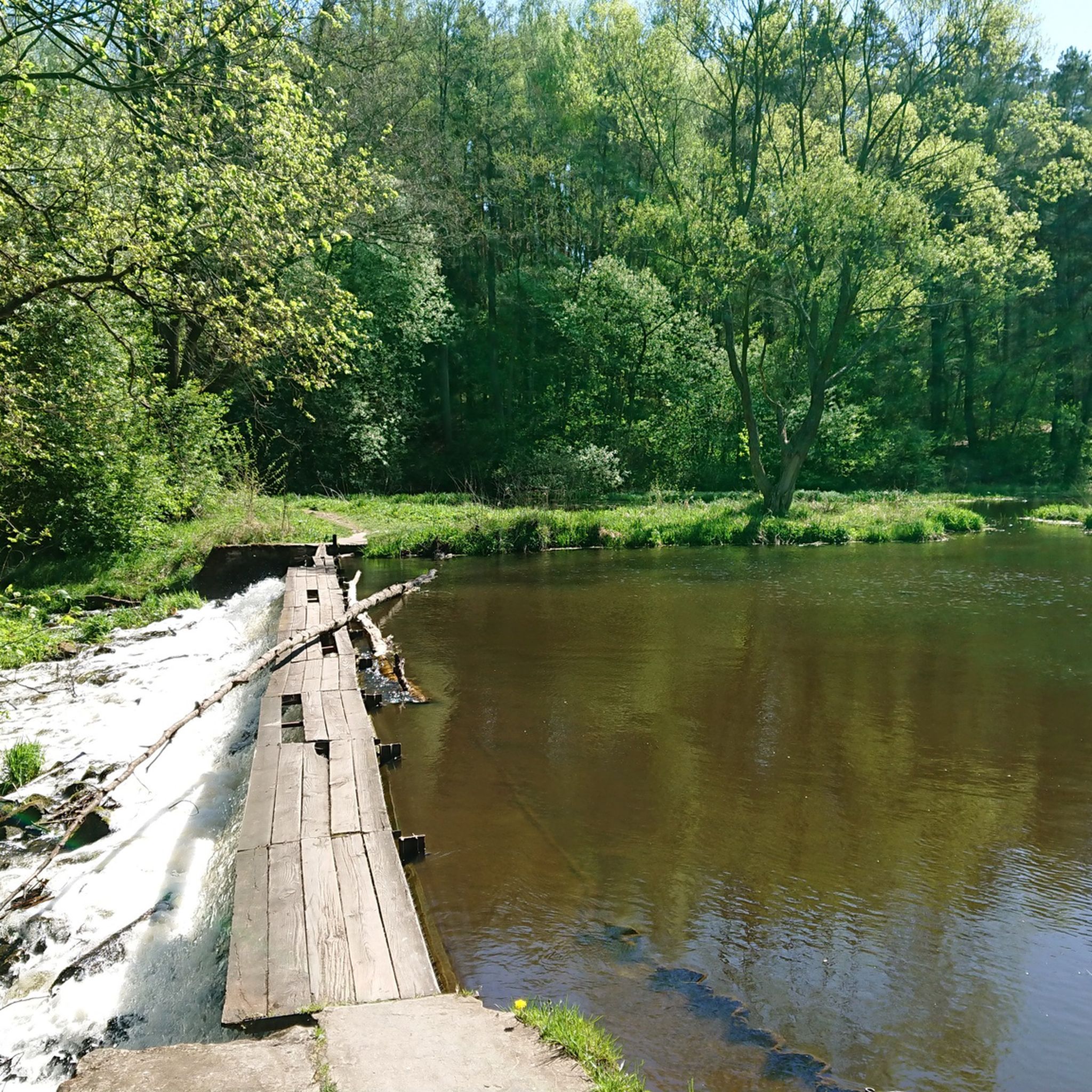
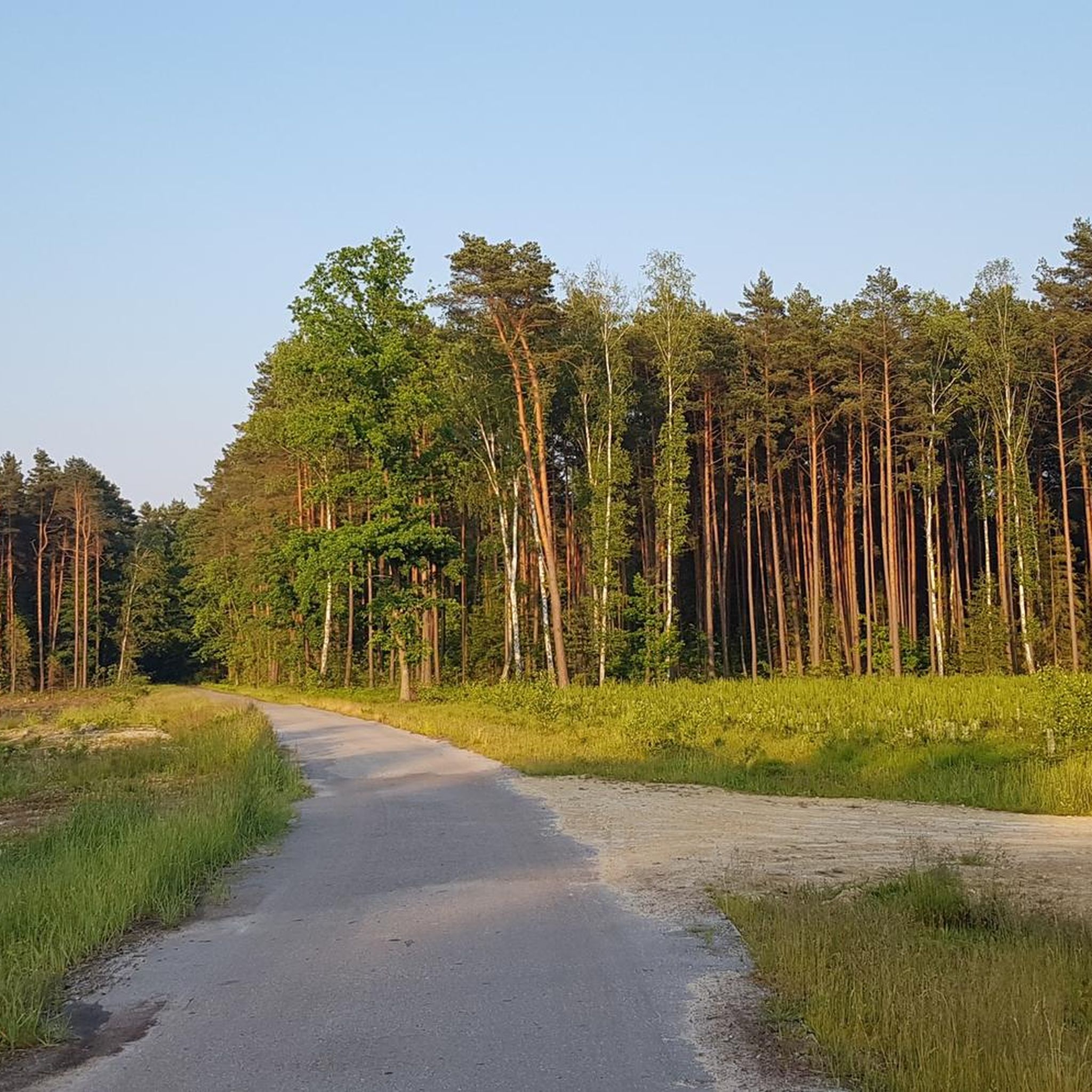
Tips from the Community

Apparently this spring water will give you ability to over perform in bed and last 4 times longer. Legend says it will make you more fertile too. That's what old tales say here
0
0

An inanimate nature reserve in the Konecko-Łopuszniański Protected Landscape Area in the Stąporków commune, in the Konecki district, in the northern part of the Świętokrzyskie province, near the town of Niekłań Wielki. The rocks stretch for about 1 kilometre, their height reaches 8 metres. The Skałki Piekło nature reserve under Niekłaniem is the starting point of the black tourist trail of the black tourist trail leading to the town of Wólka Plebańska. The blue tourist trail from Skarżysko-Kamienna (Pogorzałe) to Kuźniaki passes through the reserve. It is also a point on the Piekielny Szlak.
0
0

The water that flows from the spring in Piekło today has been tested. It does not contain coliform bacteria and is soft. It contains various chemical elements that humans need for life. However, it does not meet the Ministry of Health's standards because the concentrations of hydrogen ions (pH) and manganese are exceeded. According to tests, the water contains 246 mg of manganese per litre, while the permissible amount is 50 mg. The water is drinkable because there is no microbiological contamination. Although the high concentration of manganese does not have a clear negative impact on health, caution and moderation are recommended.
48
0
Tom's Hole - Tomkowa Dziura The name "Piekło" means "hell" and comes from the bizarre, sometimes mystical-looking rocks, which, according to legend, were formed by devilish forces. Fearing devils, the residents are said to have left the nearby forest settlement. Not far from the Skałki Piekło nature reserve is Tomkowa Dziura. Here, too, it is unclear how this place got its name. Supposedly, after the devilish pranks, rocks with strange shapes and springs with clear water remained, where the devils quenched their thirst after their work.
54
0

A charming place, clean, very good water suitable for drinking, great for a water bottle during summer trips.
1
0

The "Skałki Piekło pod Niekłaniem" nature reserve was established on April 1, 1959, in order to preserve, for scientific and didactic reasons, the peculiar forms of sandstone rocks formed by wind erosion and the northern parrot fern (Asplenium Septentrionale) living in rock crevices, on the initiative of Eng. Teodor Zielinski. It is the oldest nature reserve operating in the Stąporków Forest District.
2
0

The reserve was established in 1959 to preserve peculiar rock forms. The rocks in question were carved thanks to erosive processes in the Triassic and Lower Jurassic sandstones. Thanks to this, they stand out beautifully with yellow and orange, but also with a dark color against the green of the forest. At a length of several hundred meters, the rocks form two separate clusters. Following the blue trail from the parking lot, first we reach lower and darker rock formations, then we reach more colorful and magnificent, up to 8 m high inselbergs. These are rocks with extremely unusual shapes, such as mushrooms, chimneys, pulpits (pulpit), or… what your imagination will tell you.
4
0
At the beginning of June 1940, Primary School No. 1 was turned into a prison for the second time by a group of SS-men who came to Skarżysko. Arrests were carried out and prisoners from Kielce, Starachowice, Iłża, Opatów, Ostrowiec and Sandomierz began to be brought back. On June 29, those arrested were taken to the "Brzask" forest and shot there. The Murder at Dawn was part of the A-B Action against the Polish intelligentsia carried out throughout the General Government. It is estimated that about 760 people lost their lives in the Brzask forest. There are plaques on the monument with the inscriptions: "The collective grave of participants of the nationwide fight against the German fascists of women and men workers and officials of free professions and scouts of the residents of the city of Skarżysko, Końskie, Iłża, Starachowice, Ostrowiec St. Ćmielów, Opatów, Busko, Sandomierz, Radom and Kielc. There are 760 people murdered here on June 25-29, 1940. A PART OF THEIR MEMORY. " and: "PERSON! Tell Poland, here lie her sons: obedient and faithful until the last hour."
0
0
Frequently Asked Questions
What unique geological features can I explore around Szydłowiec?
The region is rich in geological formations. A prime example is the Skałki Piekło pod Niekłaniem rock formations, where erosive processes have carved Triassic and Lower Jurassic sandstones into peculiar shapes resembling mushrooms, chimneys, and pulpits, reaching up to 8 meters in height. Another significant site is the Gagaty Sołtykowskie reserve, a former clay pit famous for discoveries of 'gagat' (jet) and dinosaur footprints, offering a glimpse into prehistoric times.
Are there any natural monuments with historical significance in the area?
Yes, while primarily natural, some sites have historical connections. At the entrance to the Skałki Piekło pod Niekłaniem reserve, you'll find the Teodor Zieliński Memorial Boulder, commemorating the individual instrumental in the reserve's creation and his contributions to forestry and nature conservation.
Where can I find natural springs or water sources near Szydłowiec?
You can visit the Spring in Niekłań Wielki, located on the trail leading to the Skałki Piekło pod Niekłaniem Reserve. Many visitors collect water from this spring. Additionally, the Source of the Kamienna River (Biały Stok) is a notable natural attraction, marking the origin of a significant left-bank tributary of the Vistula.
Are there family-friendly natural monuments to visit around Szydłowiec?
Many natural monuments in the area are suitable for families. The Spring in Niekłań Wielki and the Source of the Kamienna River (Biały Stok) are easily accessible and offer pleasant natural surroundings. The trails around the Skałki Piekło pod Niekłaniem reserve also provide an engaging experience for children to explore unique rock formations.
What kind of hiking trails are available near the natural monuments?
The region offers various hiking opportunities. The Skałki Piekło pod Niekłaniem reserve serves as a starting point for the black tourist trail and is traversed by the blue tourist trail, making it ideal for hikers. For easy walks, you can explore routes like the 'Trail to Gagaty Sołtykowskie Reserve' or the 'Spring in Niekłań Wielki loop'. You can find more details on these and other easy hikes in the Easy hikes around Szydłowiec guide.
Can I go mountain biking or gravel biking near these natural monuments?
Yes, the forested areas around Szydłowiec are excellent for cycling. There are numerous routes for both mountain biking and gravel biking. For example, you can find trails like the 'Chapel on Obrazik Glade – Bukowa Góra Rock Formations loop' for MTB or the 'St. Hubert's Shrine – Świnia Góra Nature Reserve loop' for gravel biking. Explore more options in the MTB Trails around Szydłowiec and Gravel biking around Szydłowiec guides.
What kind of forests and plant life can be found in the Szydłowiec region?
The southern part of the Szydłowiec commune is characterized by extensive forests, primarily pine and fir, with remnants of the once vast Świętokrzyska Forest. You can also find significant natural clusters of Polish larch in the Altana massif and numerous natural yew tree stands, with some specimens reaching up to 9 meters in height, on the slopes of Garb Gielniowski. The Skałki Piekło pod Niekłaniem rock formations reserve also preserves the northern parrot fern (Asplenium Septentrionale) in its crevices.
Are there any other notable rock formations besides Skałki Piekło pod Niekłaniem?
Beyond the well-known Skałki Piekło pod Niekłaniem, you can also discover other interesting geological features like the Tomkowa Dziura rock formations, which offer additional opportunities for exploration and scenic views within the forested landscape.
What do visitors particularly enjoy about the natural monuments around Szydłowiec?
Visitors are often captivated by the unique geological formations, especially the striking shapes and colors of the rocks at Skałki Piekło pod Niekłaniem. The opportunity to collect fresh water from the Spring in Niekłań Wielki is also a popular activity. The overall appeal lies in the diverse natural beauty, from ancient rock formations to serene river sources, providing a peaceful escape into nature.
Is there a specific time of year that is best to visit the natural monuments?
While the natural monuments are accessible year-round, spring and autumn offer particularly pleasant conditions for hiking and exploring, with mild temperatures and beautiful foliage. Summer is also popular, though it can be warmer. Winter visits can be picturesque, especially after snowfall, but some trails might be more challenging.
Are there any hidden natural gems or less-known spots worth discovering?
While not widely publicized, the Gagaty Sołtykowskie reserve, with its unique jet discoveries and dinosaur footprints, offers a fascinating and less-traveled experience for those interested in geology and paleontology. The diverse forests, including clusters of Polish larch and ancient yew trees, also hold many hidden natural wonders for keen explorers.
Most popular routes around Szydłowiec
Most popular attractions around Szydłowiec

Get inspired with the komoot mobile app


Didn’t find what you were looking for?
Find even more amazing natural monuments around Szydłowiec by checking out the top Highlights region by region:
Explore more
Extend your search for the best caves by checking out these guides of the top ones around Szydłowiec:
