Top 20 Natural Monuments around Karpacz
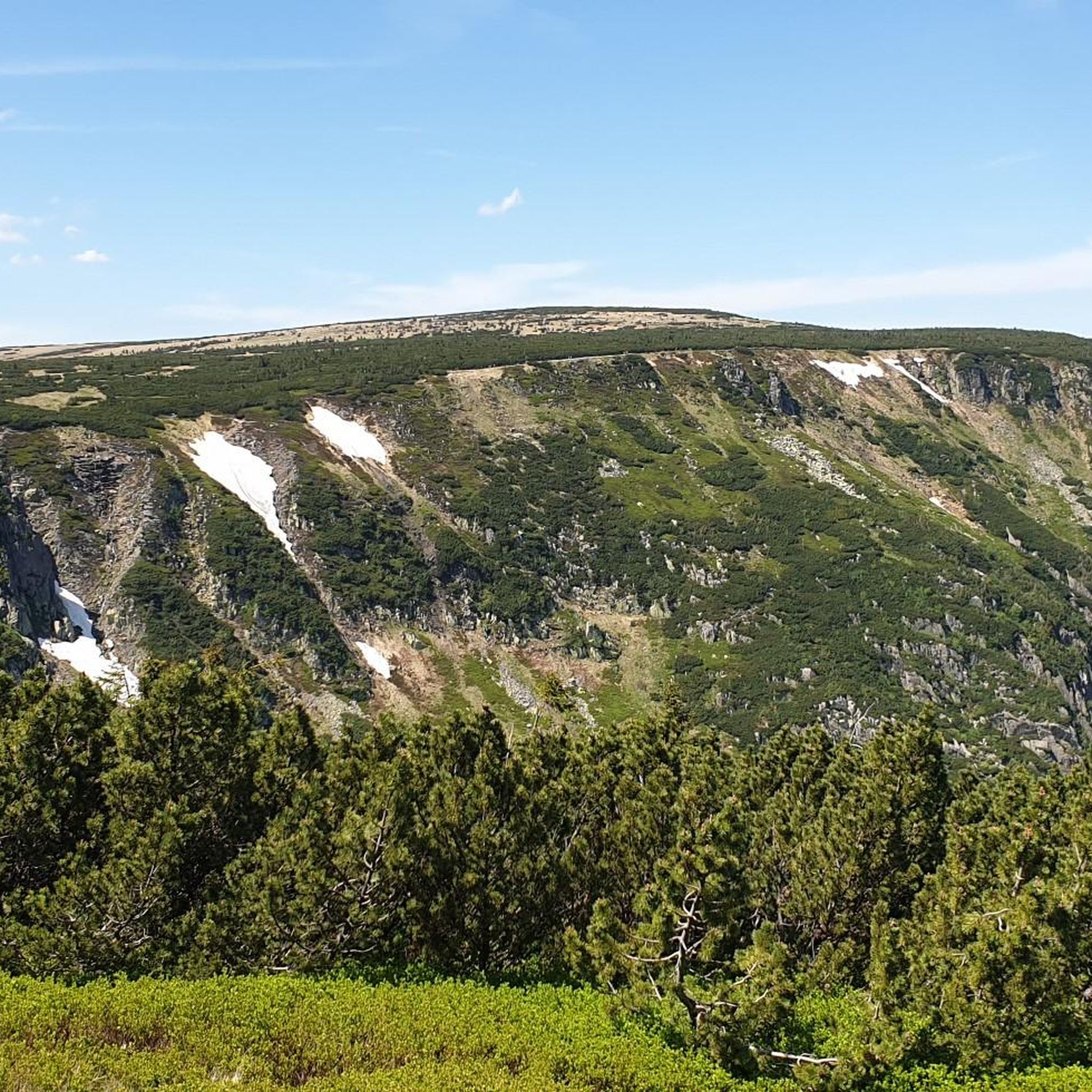
Best natural monuments around Karpacz are found within the Karkonosze Mountains, a region largely encompassed by the Karkonosze National Park, a UNESCO Biosphere Reserve. This area features a post-glacial landscape with cirques, moraines, and distinctive rock formations. Visitors can explore a variety of natural treasures and unique geological features. The region offers diverse experiences for those interested in mountain environments and protected wilderness.
Best natural monuments around Karpacz
- The most popular natural monuments is Śnieżka (Schneekoppe) Summit, a summit…
Last updated: June 29, 2026
Śnieżka (Schneekoppe) Summit
Highlight • Summit
Unfortunately, only the kiosk on the Czech side is still open.
Translated by Google •
Tip by

Mały Staw (Little Pond) and Samotnia Mountain Hut
Highlight • Lake
A nice photo motif.
Translated by Google •
Tip by

Sign up now to discover places like this
Get recommendations on the best single tracks, peaks, & plenty of other exciting outdoor places.
Sign up for free
Snowy Cauldrons
Highlight • Gorge
Translated by Google •
Tip by
Sněžka Meteorological Observatory
Highlight • Monument
Translated by Google •
Tip by

Sunflower (Mittagsstein) Rock Formation
Highlight • Natural Monument
It is located at an altitude of 1423 meters above sea level on the northern slope of the Smogornia.
Translated by Google •
Tip by

Sign up for free to discover even more natural monuments around Karpacz.
Sign up for free
Already have an account?
Start today with a free account
Your next adventure awaits.
Login or Signup
Other adventures around Karpacz

Tips from the Community

If you go to Sněžka in the summer, wear autumn clothes. If you go to Sněžka in the autumn, wear winter clothes. If you go to Sněžka in the winter, wear clothes that you would also wear in the Arctic! And if you go to Sněžka in the spring, wear clothes for all four seasons. 🌦️😅
6
0

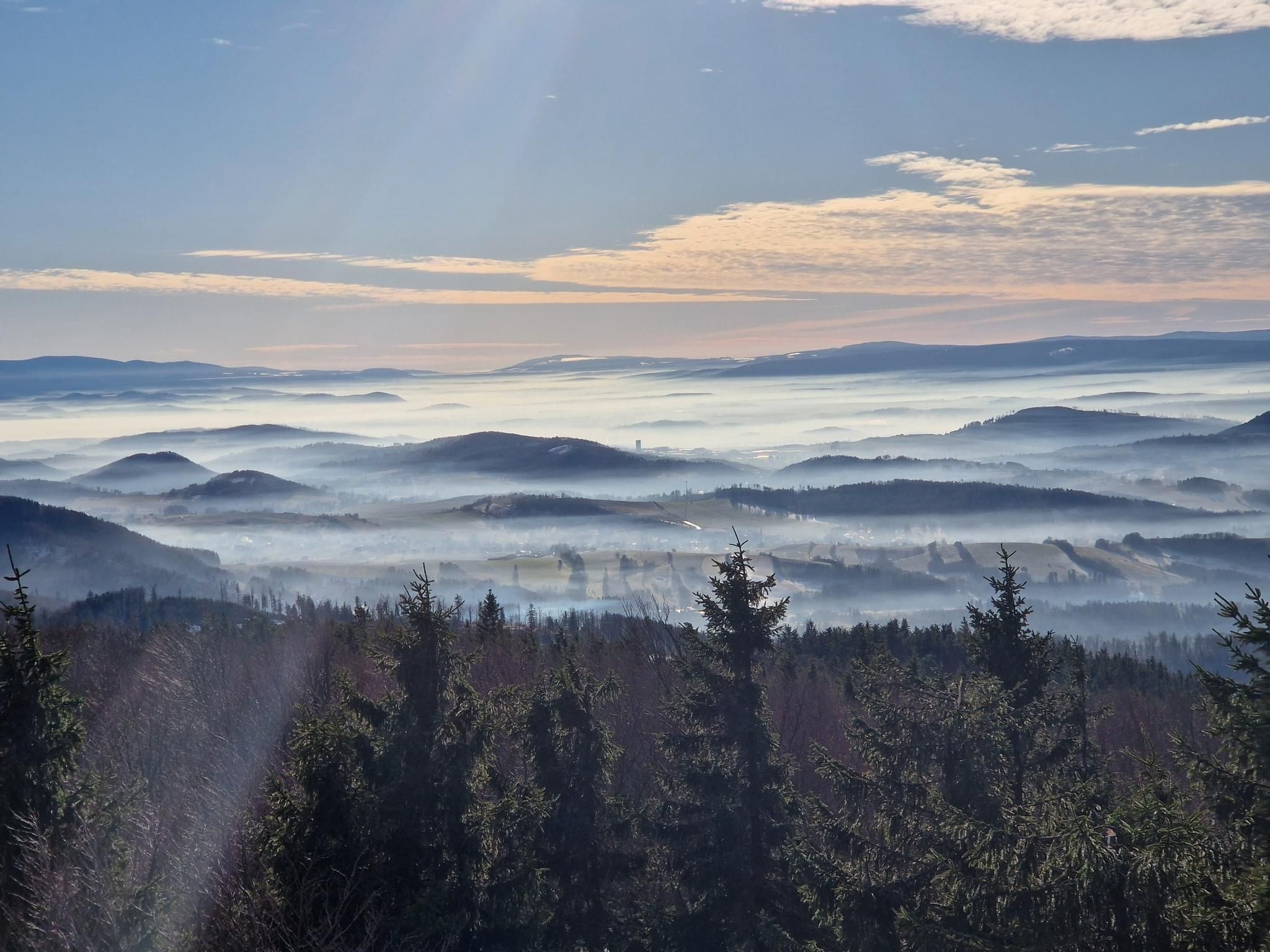
❄️ A winter walk with magical views! 🌄 Sun over the mountains, fresh frost, glistening snow, and perfect shots at every turn 📸✨ An easy, atmospheric route that gives you the feeling of a true winter fairy tale. Come for beautiful views, inspiration, and fresh mountain air! 🌬️🏔️💙
3
0

The history of meteorological observations here on Śnieżka begins in 1824, but the first observatory was here since 1900. This one is named after Tadeusz Hołdys, who directed it for many years. Beautiful views!
2
1

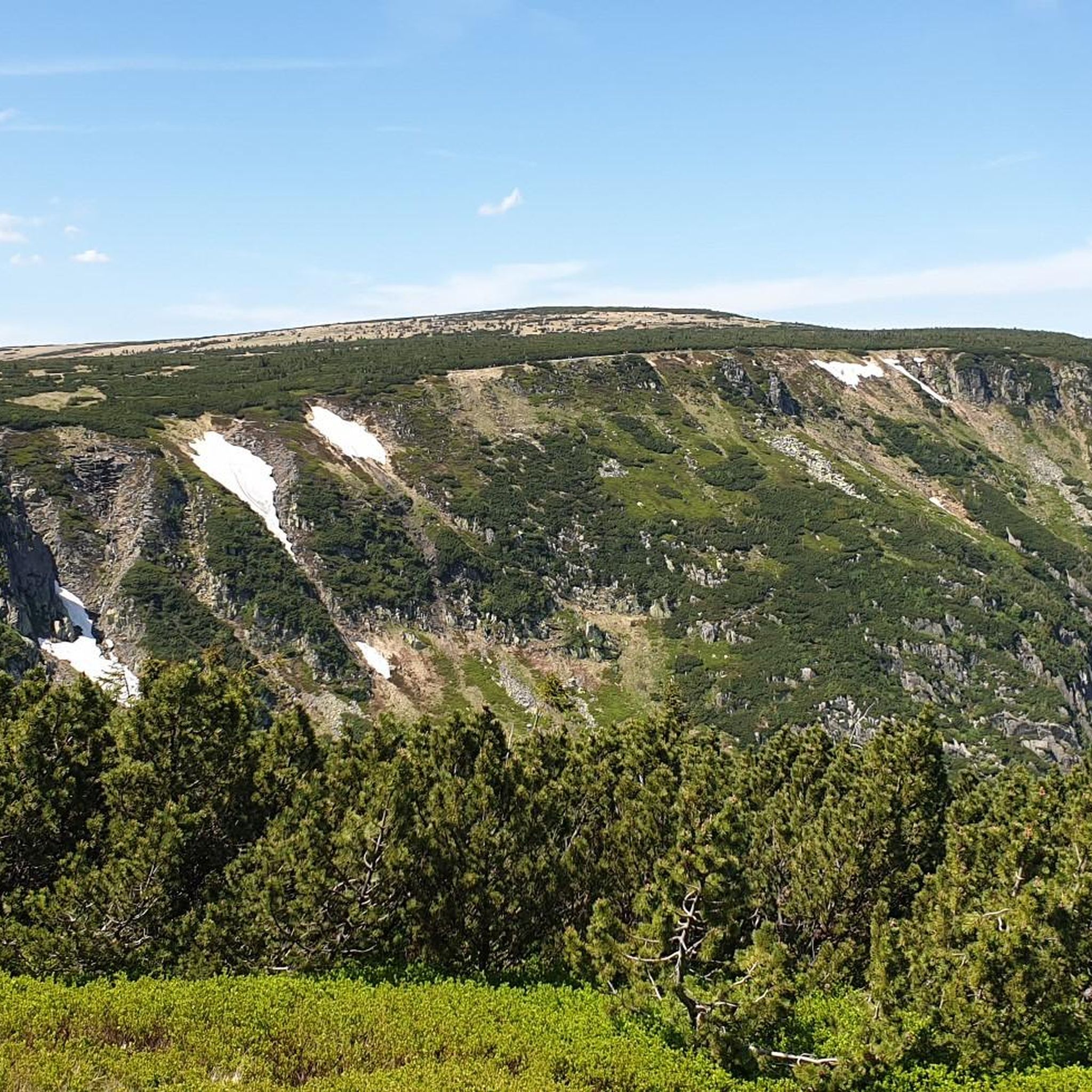
The Snow Pits (Polish: Śnieżne Kotły) in the Giant Mountains are an impressive natural wonder that delights both hikers and nature lovers. They consist of two glacial cirques, the Great Snow Pit (Wielki Kocioł Śnieżny) and the Small Snow Pit (Mały Kocioł Śnieżny), located at an altitude of approximately 1,200 to 1,300 meters. These steep and deep rock faces were formed by glaciers and provide a breathtaking backdrop. The walls of the Snow Pits drop almost vertically to a height of up to 100 meters, making them one of the most spectacular places in the Giant Mountains. Rare flora and fauna: Due to the special microclimate, plant species normally found only in arctic regions thrive here. On the ridge above the Snow Pits stands the historic Snow Pit Hut (Polish: Schronisko na Śnieżnych Kotłach), a building that formerly served as a meteorological station.
0
0

The most beautiful place in this part of the Karkonosze Mountains. Easy access from Karpacz. In the season there are a lot of people...
2
0

One of the most beautiful buildings in the Giant Mountains, great location, good food. But overcrowded on the weekend.
6
0
Słonecznik (sunflower) - midday stone, 1423 meters, good for resting and beautiful view of the valley, you are never alone there when the weather is nice
4
0

Sněžka (Polish Śnieżka, German Schneekoppe) is, with its 1603 m (previously stated figure 1602 m), the highest mountain in the Giant Mountains, Sudetes, Silesia, Bohemia, and the whole of the Czech Republic. Considering that the peak of Sněžka is located in Poland, the highest peak lying within the borders of the Czech Republic is Luční hora, 1555 m high. Sněžka is an important landmark of the eastern part of the Giant Mountains.
5
1
Frequently Asked Questions
What are some of the most impressive natural monuments to visit around Karpacz?
The Karkonosze Mountains around Karpacz are home to several remarkable natural monuments. Among the most prominent are Śnieżka (Schneekoppe) Summit, the highest peak in the range, offering expansive views. Another must-see is the dramatic Snowy Cauldrons, impressive glacial cirques with steep rock faces. You can also find unique rock formations like Sunflower (Mittagsstein) Rock Formation, known for its distinctive shape and views.
What unique geological features can I expect to see in the Karkonosze Mountains near Karpacz?
The Karkonosze Mountains, largely within the Karkonosze National Park, showcase a fascinating post-glacial landscape. You'll encounter deep glacial cirques like the Snowy Cauldrons, moraines, and distinctive granite rock formations such as Pielgrzymy (Pilgrims), Słonecznik (Sunflower), Twarożnik (Curd Cheese), and Trzy Świnki (Three Pigs), all recognized for their bizarre and inspiring shapes.
Are there any significant mountain peaks or viewpoints worth visiting?
Absolutely. The most significant peak is Śnieżka (Schneekoppe) Summit, standing at 1603 m above sea level. On clear days, it offers breathtaking views spanning up to 200 kilometers. The summit also features the distinctive Sněžka Meteorological Observatory. Other viewpoints include the Snowy Cauldrons and the Sunflower (Mittagsstein) Rock Formation, both providing excellent vistas.
Can I see any waterfalls or lakes among the natural monuments?
Yes, the region offers beautiful water features. The Wild Waterfall (Dziki Wodospad) on the Łomnica River is a picturesque natural attraction, especially impressive after winter thaws. You can also visit Mały Staw (Little Pond), a scenic mountain lake nestled in a glacial cirque, often accompanied by the charming Samotnia Mountain Hut.
What kind of outdoor activities can I do near the natural monuments in Karpacz?
The area around Karpacz is ideal for various outdoor activities. You can enjoy extensive hiking, with trails leading to summits, glacial cirques, and rock formations. Cycling is also popular, with routes like the 'Wang Church – Miłków Palace loop' or 'Karkonoskie Mysteries – Borowice Waterfall loop'. For more details on routes, check out the cycling guide and hiking guides around Karpacz.
Are there hiking trails suitable for different difficulty levels?
Yes, the Karkonosze National Park offers over 100 kilometers of hiking trails catering to various skill levels. You'll find challenging ascents to peaks like Śnieżka, moderate routes around areas like the Snowy Cauldrons, and easier paths such as the 'Rapids on the Way to the Dam' loop. For specific easy routes, refer to the Easy hikes around Karpacz guide.
Are there family-friendly natural monuments or trails in the Karpacz area?
Many natural monuments and trails around Karpacz can be enjoyed by families. The Wild Waterfall (Dziki Wodospad) is easily accessible and offers a pleasant spot for a short break. For easy hikes, consider routes like the 'Lomnica Reservoir – Dam on the Lomnica River loop' which is relatively short and scenic. Always check the specific trail difficulty before heading out with children.
Can I bring my dog to the natural monuments and on trails?
The Karkonosze National Park, which encompasses many natural monuments, has specific regulations regarding dogs. Generally, dogs are allowed on designated trails but must be kept on a leash. It's always best to check the current rules and specific trail allowances before planning your visit with a dog.
What is the best time of year to visit the natural monuments around Karpacz?
The best time to visit largely depends on your preferred activities. Summer (June to September) offers the most favorable weather for hiking and exploring, with longer daylight hours. Spring and autumn provide beautiful scenery with fewer crowds, though weather can be more unpredictable. Winter transforms the landscape into a snowy wonderland, but some higher trails may be challenging or closed due to severe conditions, especially on Śnieżka.
Are there facilities like cafes or mountain huts near the natural monuments?
Yes, you'll find facilities in several key locations. For instance, near Mały Staw (Little Pond), there's the Samotnia Mountain Hut, known for its beautiful location and food. On Śnieżka Summit, there's a meteorological observatory which historically included a kiosk, and plans for a restaurant to reopen. However, some popular spots can get crowded on weekends.
What do visitors particularly enjoy about the natural monuments in Karpacz?
Visitors frequently praise the breathtaking views and the dramatic, rugged landscapes. The expansive vistas from Śnieżka and the incredible abysses of the Snowy Cauldrons are often highlighted. Many appreciate the unique geological formations and the sense of pristine wilderness within the Karkonosze National Park. The komoot community has shared over 1900 photos and given more than 2100 upvotes, reflecting the area's popularity.
Is public transport available to reach the natural monuments?
While Karpacz itself is accessible by public transport, reaching specific natural monuments often requires a combination of local buses and hiking. Some trailheads are accessible by public transport from Karpacz, but for more remote locations within the Karkonosze National Park, you might need to rely on local services or consider driving to designated parking areas and then hiking.
Are there any circular walks available around the natural monuments?
Yes, there are several options for circular walks that allow you to experience multiple natural monuments. For example, you can find routes that loop around areas like the Mały Staw (Little Pond) and the surrounding glacial cirques. Many trails within the Karkonosze National Park are designed to be part of longer circular routes, offering diverse scenery and viewpoints. Check the waterfall hikes guide for some examples.
Most popular routes around Karpacz
Most popular attractions around Karpacz

Get inspired with the komoot mobile app


Explore more
Extend your search for the best caves by checking out these guides of the top ones around Karpacz:
