Top 3 Natural Monuments around Siekierczyn
Best natural monuments around Siekierczyn showcase unique geological formations and ancient flora in southwestern Poland. The region is characterized by its diverse natural beauty, offering both educational and scenic experiences. Visitors can explore remnants of tertiary volcanoes and ancient trees, providing insights into the area's natural history. These sites offer opportunities to connect with the landscape and observe significant natural landmarks.
Best natural monuments around Siekierczyn
- The most popular natural monuments is Basalt Columns on Steinberg Hill (Lubań), a…
Last updated: June 29, 2026
Czocha Castle
Highlight • Castle
Translated by Google •
Tip by

View of the Neisse River and the viaduct
Highlight • Viewpoint
Translated by Google •
Tip by

Sign up now to discover places like this
Get recommendations on the best single tracks, peaks, & plenty of other exciting outdoor places.
Sign up for free
Basalt Columns on Steinberg Hill (Lubań)
Highlight • Natural Monument
Translated by Google •
Tip by

Henryka yew - the oldest tree in Poland
Highlight • Natural Monument
Showing Translation
Tip by

Marienfelsen
Highlight • Natural Monument
Translated by Google •
Tip by

Sign up for free to discover even more natural monuments around Siekierczyn.
Sign up for free
Already have an account?
Start today with a free account
Your next adventure awaits.
Login or Signup

Tips from the Community

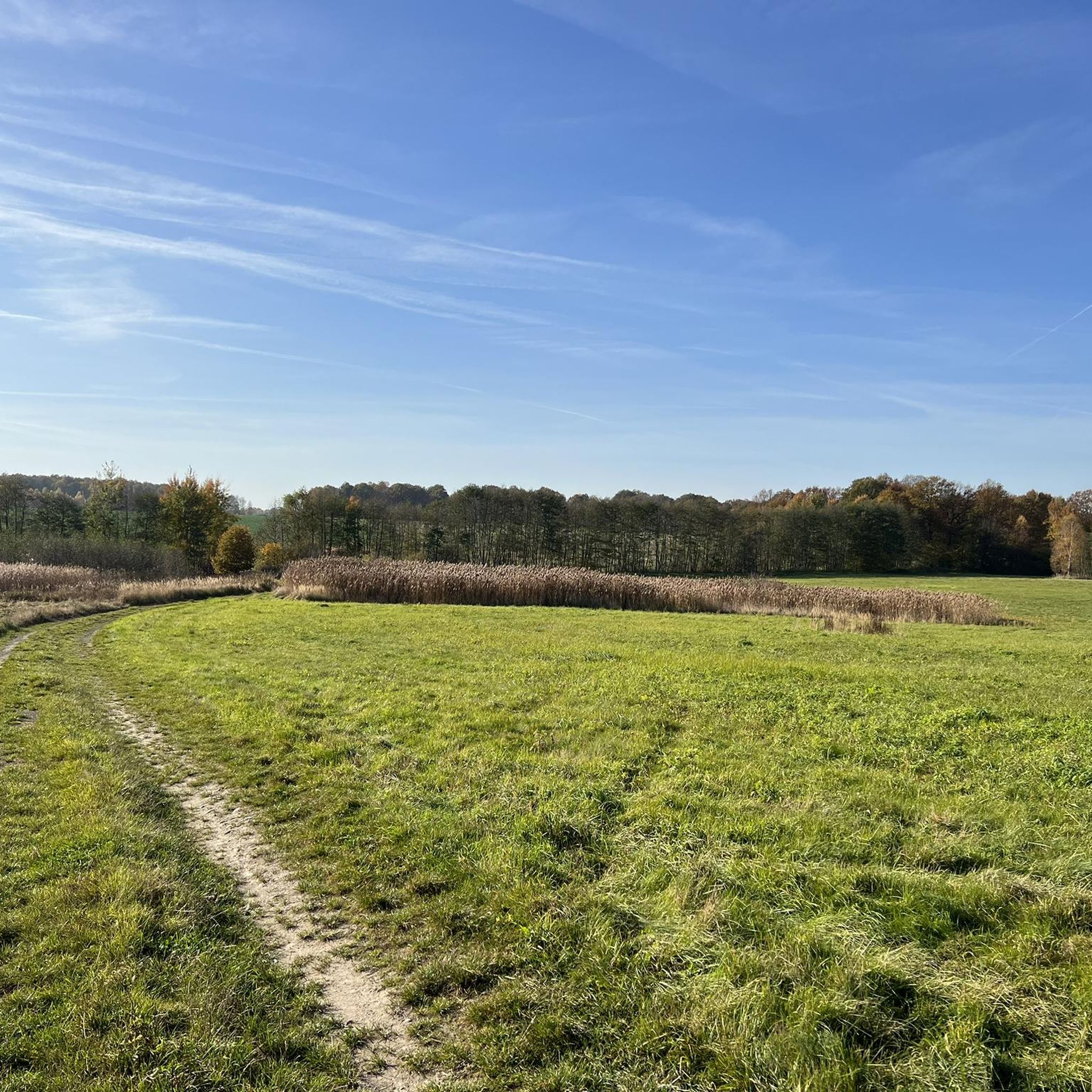
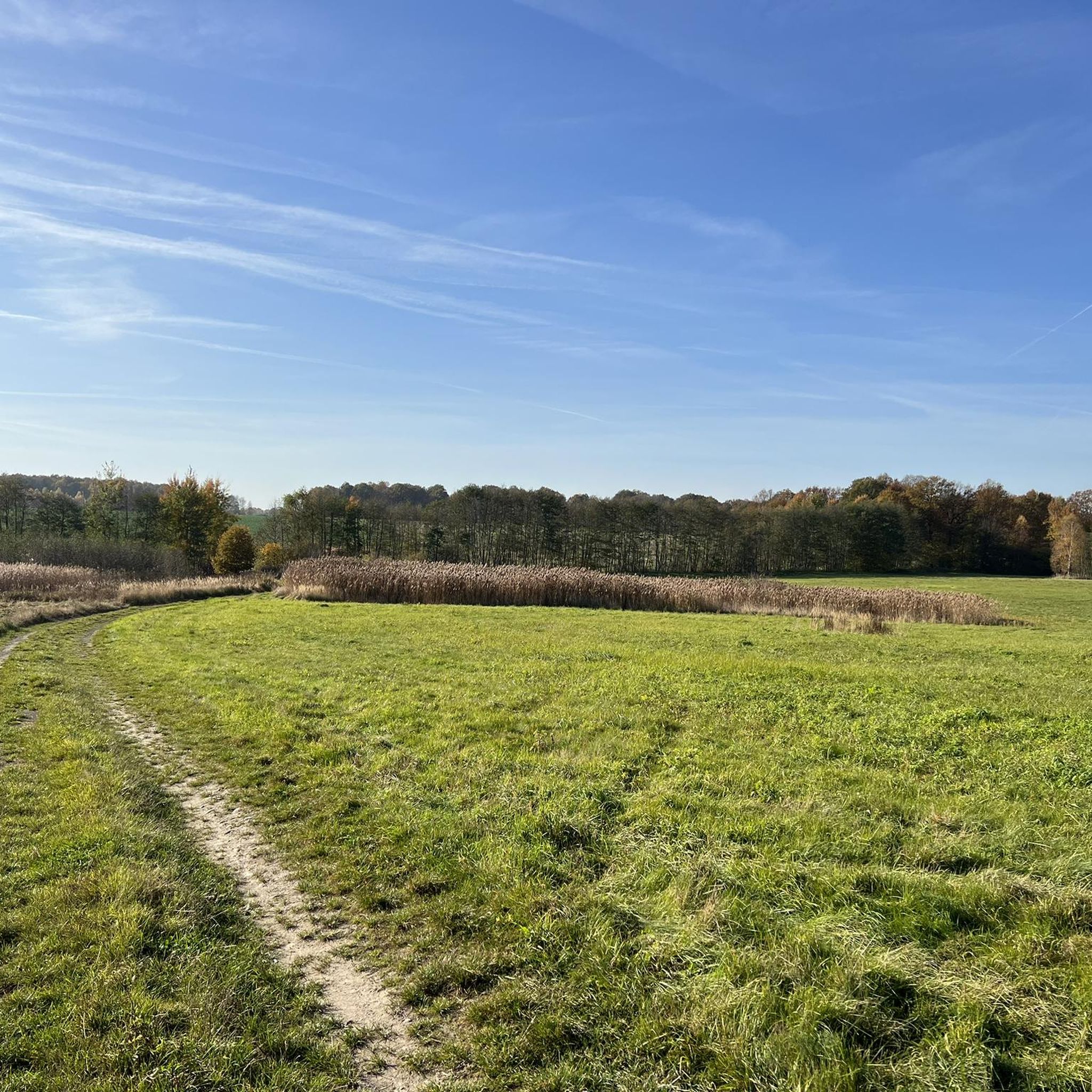
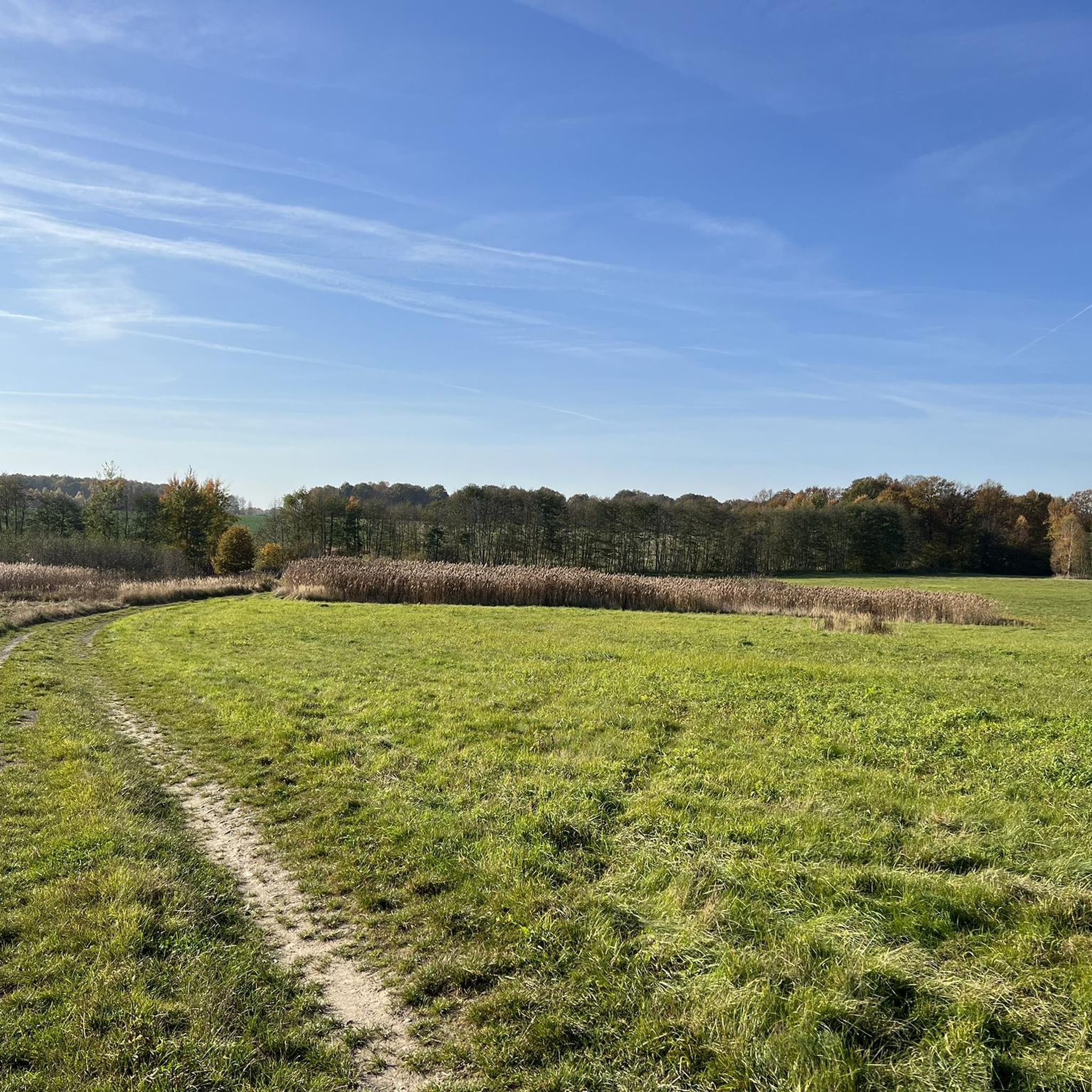
It is estimated that this yew is over 1270 years old. It is 15 meters high and 4 meters in circumference. So we're going to see it! - no excuses!
1
0

On September 1, 1847, the first trains of the Lower Silesian-Marcher Railway crossed the newly completed Neisse Viaduct, a 475-meter-long and 35-meter-high structure, from Kohlfurt. Spanning the Neisse Valley with 30 arches, the viaduct also marked the completion of the Dresden-Görlitz line of the Saxon-Silesian Railway, thus establishing a rail connection to Saxony. Its size is unparalleled in Lower Silesia. The total amount of stone required and delivered for the construction of the Görlitz Viaduct was 1,322,255 cubic feet – equivalent to 37,442 cubic meters. The viaduct's architect was Gustav Kießler. Görlitz owes Kießler not only the Neisse Viaduct but also his involvement in the construction of the city's first train station and theater. About the person: Gustav Kießler, architect and politician, born May 12, 1807 in Görlitz; died 1883; full name: Gustav Julius Gotthelf Kießler
0
0

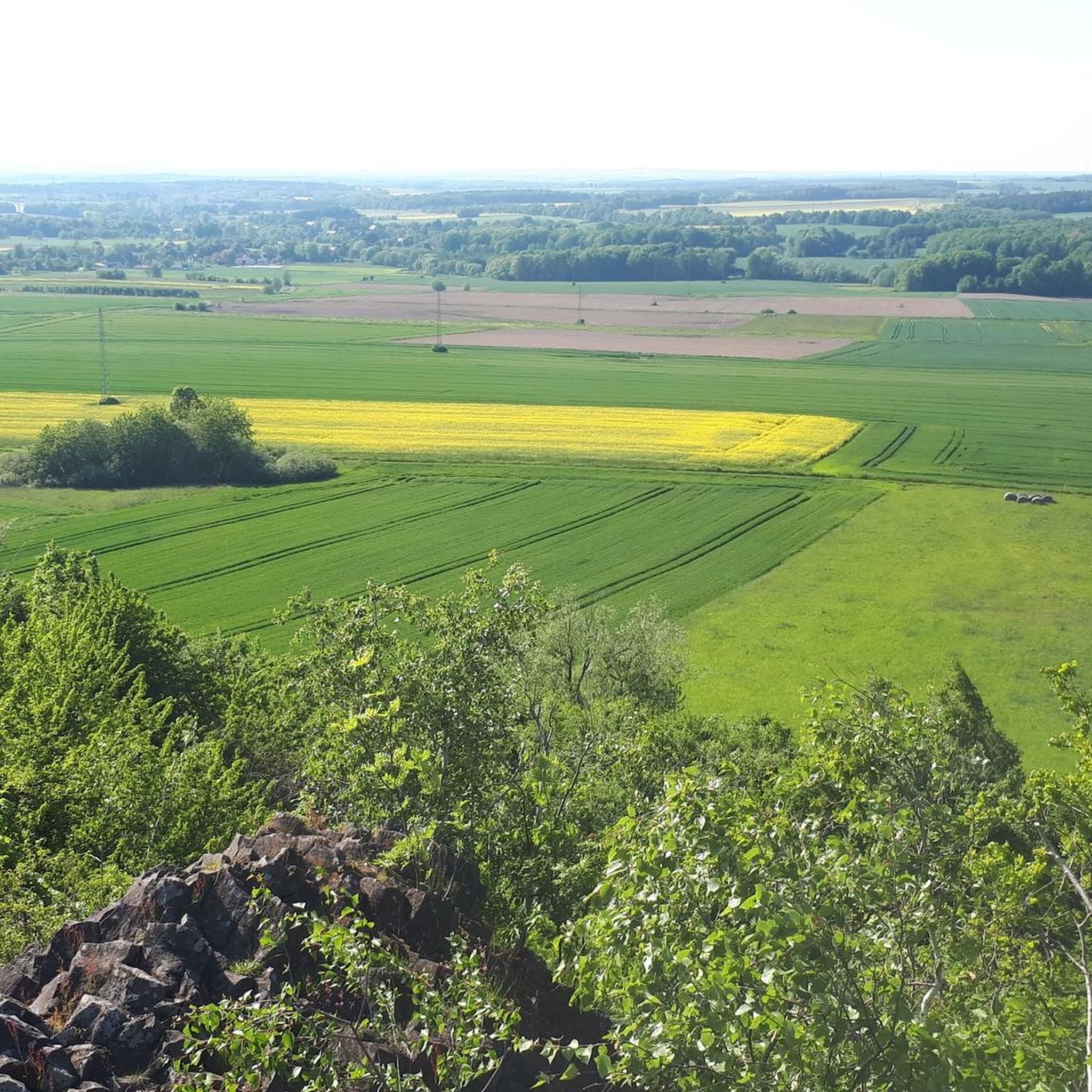
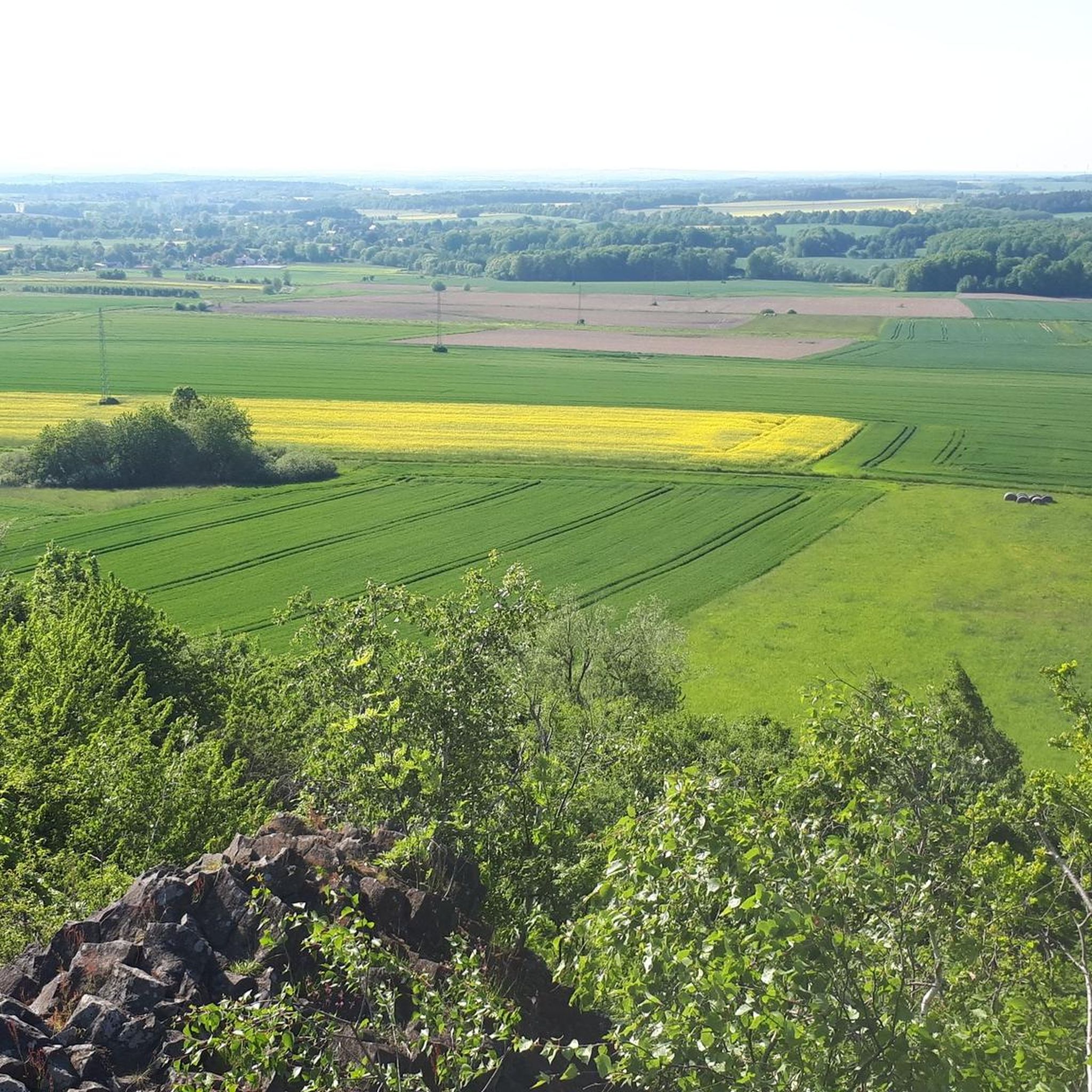
such an amazing view of the surroundings
2
0

Here you can take a wonderful rest and enjoy the magnificent view.
1
0

Here we come across a former park with small paths and stairs, benches, viewing points and rocks with inscriptions.
0
0
The Stone Mountain (283 m) in Lubań is a remnant of tertiary volcanoes and probably the oldest "basalt" quarry near Lubań. The medieval town walls, towers and older buildings were probably built from the blocks excavated here. At the top, a large park was created between the quarries in the second half of the 19th century. There you can find interesting geological formations such as volcanic bombs or 10-15 meter high basalt columns. The park also has numerous natural monuments, including the "Herman" ash tree with a circumference of 298 cm and the "Franciszek" sycamore maple with a circumference of 281 cm.
1
0

Easy hike, you dive deep into nature. There are also hardly any people on the road. We went back by tram because that is also a special experience.
3
0

The garden is small but has a lot of beautiful flowers and some great figures.
6
0
Frequently Asked Questions
What unique natural features can I explore around Siekierczyn?
The region around Siekierczyn is rich in diverse natural features. You can discover ancient trees, such as the historic Cis Henrykowski (Henryków Lubański Yew), and impressive geological formations like the basalt columns at Basalt Columns on Steinberg Hill (Lubań) and the volcanic Stożek Perkuna Rock Formation on Ciasnota Mountain. These sites offer a glimpse into the area's natural history and unique landscapes.
Are there any ancient trees to visit near Siekierczyn?
Yes, one of the most remarkable natural monuments is the Cis Henrykowski (Henryków Lubański Yew). Located in Henryków Lubański, this European yew is considered the oldest tree in Poland, estimated to be between 1300 and 1500 years old. It's a living symbol of continuity and history, easily accessible along a village lane.
What kind of geological formations can I see in the area?
The area is known for its volcanic past, featuring significant geological formations. You can explore the impressive basalt columns at Basalt Columns on Steinberg Hill (Lubań), which are remnants of tertiary volcanoes and can reach up to 15 meters in height. Another notable site is the Stożek Perkuna Rock Formation on Ciasnota Mountain, a volcanic cone composed of basanite or nephelinite with distinct basalt structures.
Are there good viewpoints among the natural monuments?
Absolutely. The Stożek Perkuna Rock Formation on Ciasnota Mountain is celebrated as one of the best viewpoints in the Izera Foothills, offering panoramic landscapes. Additionally, Marienfelsen features viewing points, and the Basalt Columns on Steinberg Hill (Lubań) also provide scenic views from the city park.
Are the natural monuments around Siekierczyn suitable for families?
Many natural monuments in the area are family-friendly. The Basalt Columns on Steinberg Hill (Lubań) are located within a city park with educational trails, making it an engaging visit for all ages. The Cis Henrykowski yew is also easily accessible. For a scenic walk, the View of the Neisse River and the viaduct offers an easy hike through nature.
What outdoor activities can I do near these natural monuments?
The region offers various outdoor activities. You can find numerous hiking trails, such as easy loops around Lubań, or explore more challenging routes. For cyclists, there are extensive MTB trails and road cycling routes, including those that pass by natural landmarks. You can find detailed guides for these activities, including routes like 'Flowering Bird Cherry Tree loop from Lubań' for hiking, or 'Prison Wall in Upper Lusatia' for MTB, on the Hiking around Siekierczyn, MTB Trails around Siekierczyn, and Road Cycling Routes around Siekierczyn guide pages.
How accessible are these natural monuments by public transport or car?
Accessibility varies by site. For the Cis Henrykowski yew, parking and informational boards are available, and it's situated along a village lane. The Basalt Columns on Steinberg Hill (Lubań) are within a city park, suggesting good access. While specific public transport details for each site are not provided, the general area is well-connected for car travel.
What makes the Basalt Columns on Steinberg Hill (Lubań) significant?
The Basalt Columns on Steinberg Hill (Lubań) are significant as a remnant of tertiary volcanoes. This site features impressive basalt columns, some reaching up to 15 meters in height, and is part of a city park with educational trails. It offers a valuable lesson in geology and provides scenic views, alongside historical context related to the city of Lubań.
What is special about the Stożek Perkuna Rock Formation?
The Stożek Perkuna Rock Formation on Ciasnota Mountain is a unique volcanic formation composed of basanite or nephelinite. It features two distinct basalt structures, indicating different eruption periods. Beyond its geological interest, the area boasts interesting botanical features, including xerothermic vegetation, and offers panoramic views as one of the best viewpoints in the Izera Foothills. It has been protected as a natural monument since 1954.
Are there historical sites near the natural monuments?
Yes, while not natural monuments themselves, historical sites are nearby. Czocha Castle, a 13th-century fortress, is a notable historical attraction in the vicinity. Additionally, Marienfelsen, though a natural monument, also has historical elements with inscribed rocks and remnants of a former park.
What do visitors enjoy most about the natural monuments around Siekierczyn?
Visitors particularly appreciate the unique geological formations, such as the basalt columns and volcanic cones, and the ancient trees like the Cis Henrykowski. The scenic viewpoints, like those at Stożek Perkuna Rock Formation, are also highly valued. Many enjoy the opportunity to connect with nature, explore educational trails, and discover the rich natural history of the region.
Most popular attractions around Siekierczyn

Get inspired with the komoot mobile app


Explore more
Extend your search for the best caves by checking out these guides of the top ones around Siekierczyn:
