Top 13 Natural Monuments around Łódź
Best natural monuments around Łódź are primarily found within the city's historic parks and surrounding nature reserves. The region features a diverse collection of natural monuments, including ancient trees, significant tree groupings, and impressive glacial erratics. These sites offer ecological, historical, and aesthetic value, providing green spaces within the urban environment and opportunities to connect with nature. The city of Łódź actively protects these natural wonders, making them accessible destinations for exploration.
Best natural monuments around Łódź
- The most popular…
Last updated: August 23, 2026
Marysinek Protected Area – Floating Piers on the Ponds
Highlight • Natural Monument
Translated by Google •
Tip by

Parowy Janinowskie Nature Reserve
Highlight • Forest
Translated by Google •
Tip by

Sign up now to discover places like this
Get recommendations on the best single tracks, peaks, & plenty of other exciting outdoor places.
Sign up for free
Struga Dobieszkowska Nature Reserve
Highlight (Segment) • Forest
Translated by Google •
Tip by

Leśny-Dolny Reservoir in the Łagiewnicki Forest
Highlight • Lake
Translated by Google •
Tip by

Duża Woda Nature Reserve
Highlight • Natural Monument
Translated by Google •
Tip by

Sign up for free to discover even more natural monuments around Łódź.
Sign up for free
Already have an account?
Start today with a free account
Your next adventure awaits.
Login or Signup

Other adventures around Łódź

Tips from the Community

Latex in 2026 no water and dead fish something is going on
0
0
When I was a child I was there, and now that it has been so nicely restored.
0
0


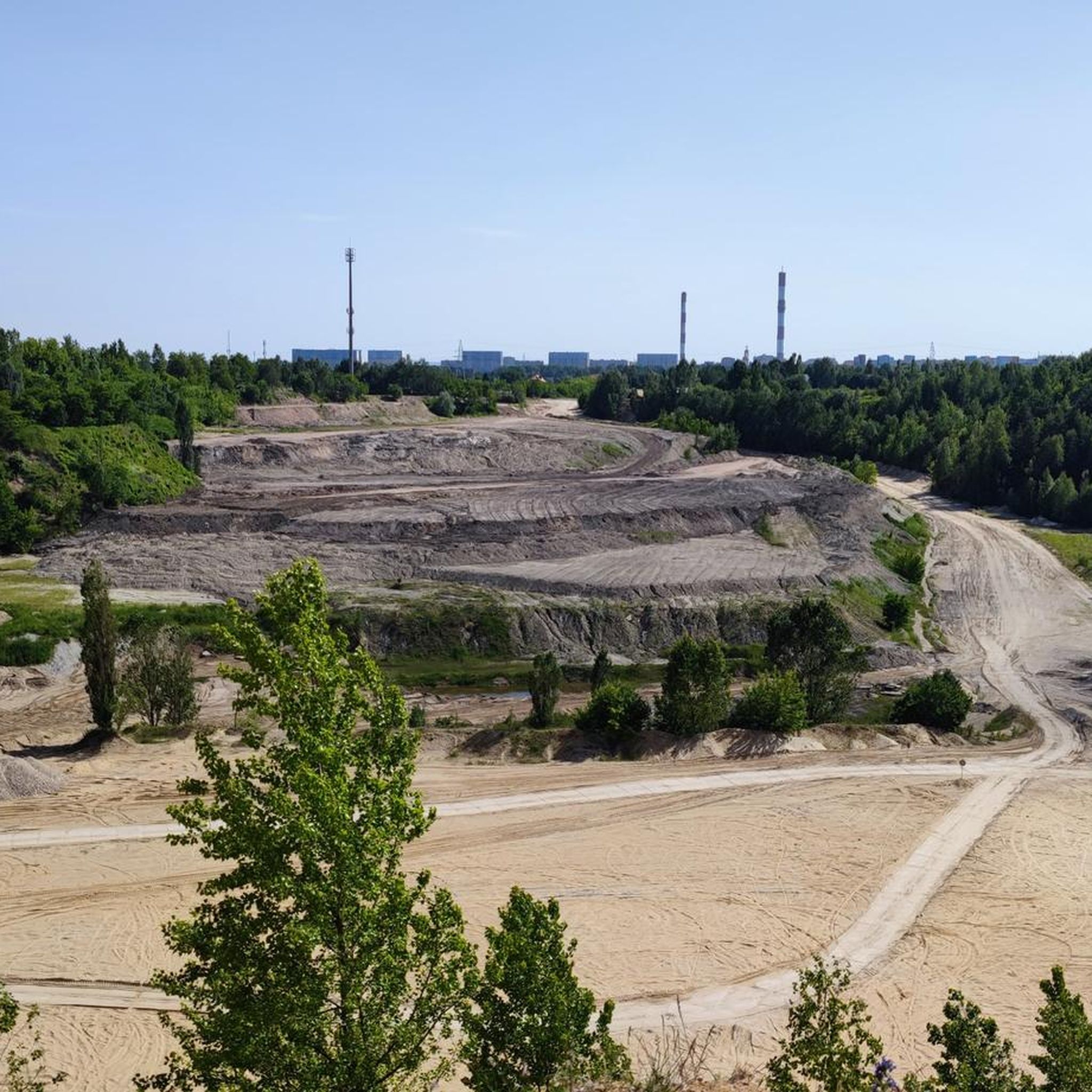
The Struga Dobieszkowska Nature Reserve is a forest nature reserve located in the Janinów forest district (Brzeziny Forest District), in the Łódź province, in the Zgierz district, in the Stryków commune, near Dobieszków. It is located within the Łódź Hills Landscape Park. The reserve was established in 1990 and covers an area of 37.65 ha. The purpose of protection is to preserve the natural forest landscape of the Młynówka stream, with numerous morphological forms, including ravines, spring bowls and forests, mainly riparian and oak-hornbeam forests.
0
0
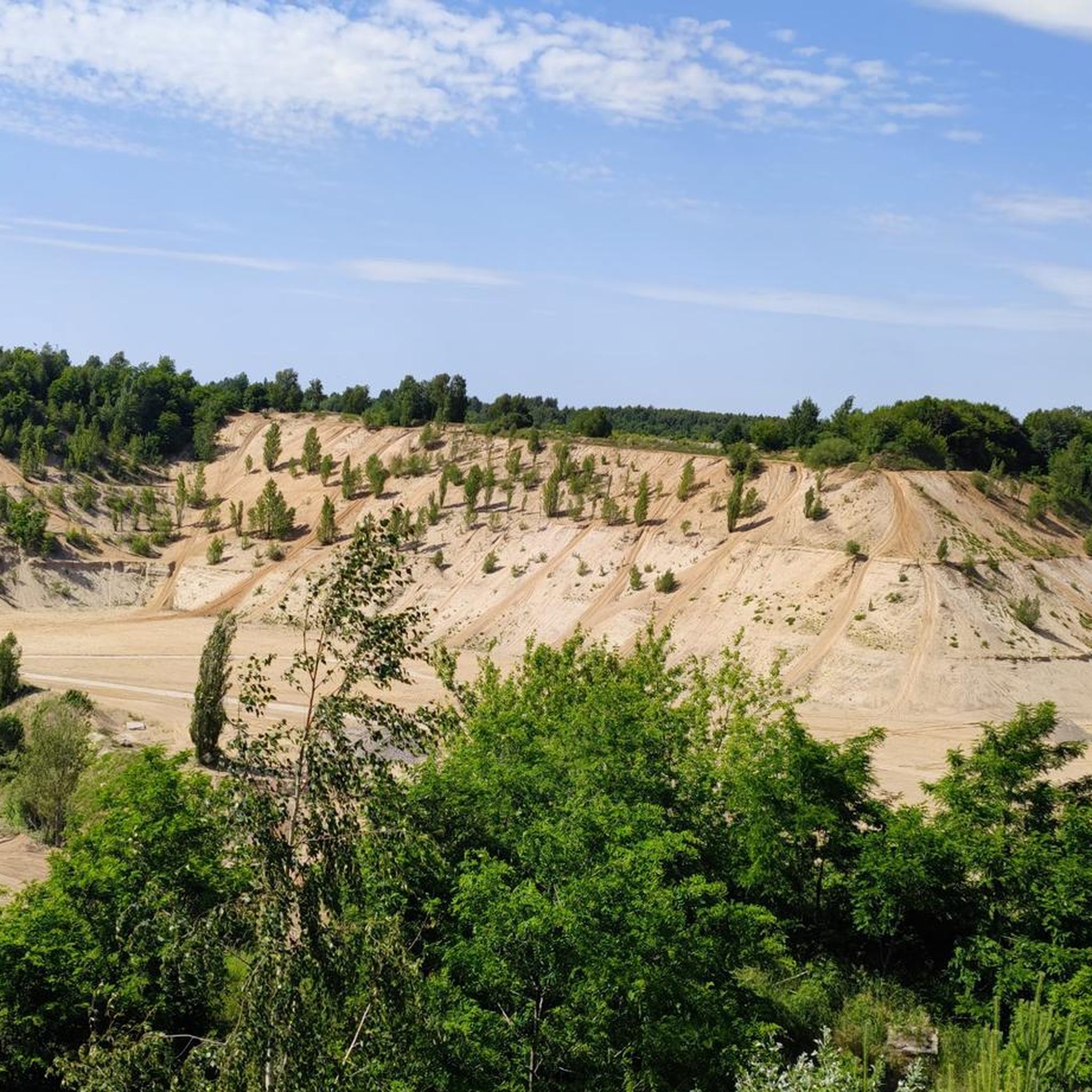
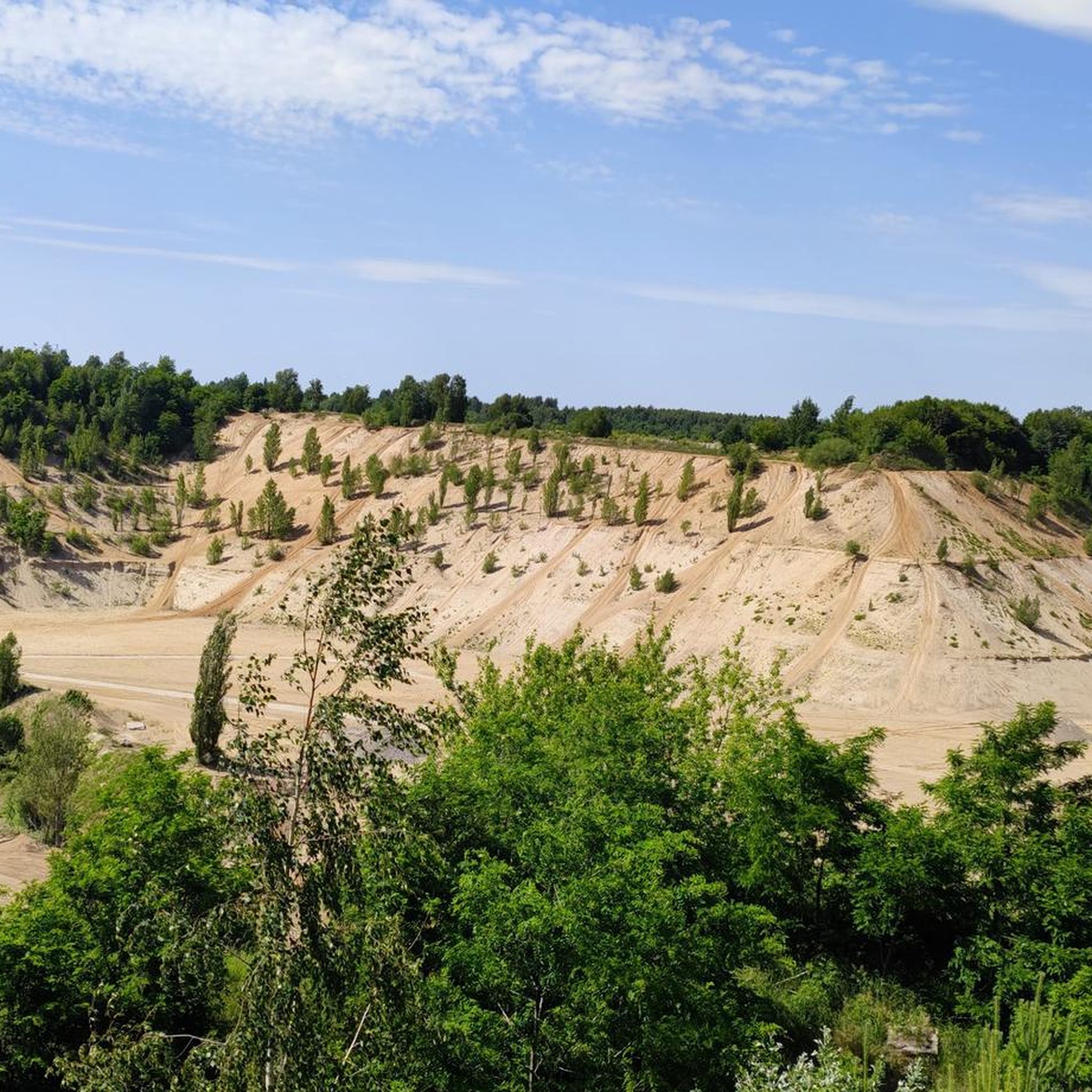
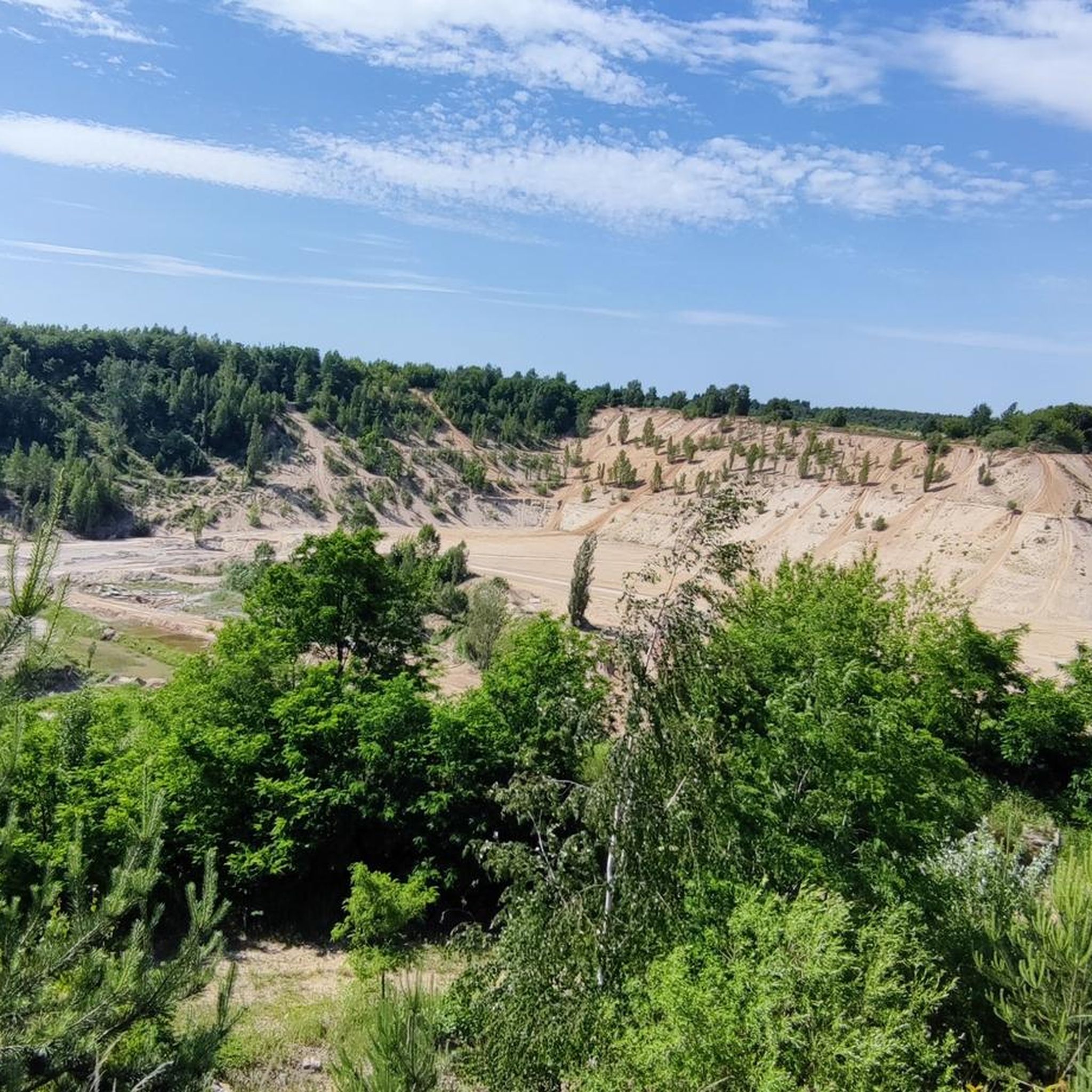
Parowy Janinowskie Nature Reserve - a forest nature reserve in the Brzeziny commune in Brzeziny district in the Łódź province, in the Łódź Heights Landscape Park. It is located in the Janinów forest district, in the Brzeziny forest area (Brzeziny Forest District). The reserve was established in 2000 and covers an area of 41.66 ha. The purpose of the reserve's protection is to preserve, for scientific and educational reasons, a fragment of a beech forest with a complex of erosive gullies, characteristic of the edge zone of the Łódź Heights.
1
0

A beautiful moment in Łagiewnicki Forest: a passage between two water reservoirs with lovely views. It is worth taking a break here from walking.
0
0

A pleasant stop for a rest.
0
0
Frequently Asked Questions
What types of natural monuments can I expect to see around Łódź?
Łódź is rich in diverse natural monuments, primarily featuring ancient trees, significant tree groupings, and impressive glacial erratics. Many of these are located within the city's historic parks, such as Park im. Adama Mickiewicza and Parks Źródliska I and II. You can also find protected patches of common ivy, showcasing the region's botanical diversity.
Which natural monuments are particularly good for families?
Several natural monuments around Łódź are family-friendly. The Marysinek Protected Area – Floating Piers on the Ponds offers small fishing ponds with floating rafts, perfect for observing local fauna and flora, and features a bicycle path. The Leśny-Dolny Reservoir in the Łagiewnicki Forest is another great spot, providing lovely views and a peaceful break, ideal for walks with children. Additionally, the Duża Woda Nature Reserve has a pleasant forest and a pond with benches, offering a relaxing environment for all ages.
What kind of geological formations can be found among Łódź's natural monuments?
Łódź is home to several significant glacial erratics, which are remnants of the Ice Age. For example, in Park Staszica, you can find a large erratic with a circumference of 11 meters, composed of grey gneiss. Another notable erratic in the same park, resembling a "giant donut," is made of coarse-crystalline pink granite. Numerous smaller erratics are also scattered throughout Park "Źródliska II", offering a tangible connection to the region's geological past.
Are there opportunities for wildlife spotting at these natural monuments?
Yes, many of Łódź's natural monuments offer chances for wildlife spotting. The Marysinek Protected Area – Floating Piers on the Ponds is specifically designed for observing local fauna and flora from its floating rafts. The extensive Łagiewniki Forest, which includes the Leśny-Dolny Reservoir, is one of Europe's largest urban forests and provides a habitat for various species, making it a good location for nature observation.
What are the best times to visit the natural monuments around Łódź?
The best time to visit depends on your interests. Spring and summer offer lush greenery and pleasant weather for walks and observing flora. Autumn is particularly beautiful for viewing the changing leaf colors, especially along the maple avenues designated as natural monuments. While winter walks can be serene, some areas might be less accessible depending on snow conditions. Generally, the historic parks and nature reserves are accessible year-round.
Can I bring my dog to the natural monuments?
Many natural areas around Łódź, including the extensive Łagiewniki Forest and various parks, are generally dog-friendly, especially on trails and in open spaces. However, it's always advisable to keep dogs on a leash and check for specific regulations at individual nature reserves or protected areas to ensure compliance and respect for wildlife and other visitors.
What outdoor activities can I do near these natural monuments?
The natural monuments around Łódź are often situated within or near larger green spaces that offer various outdoor activities. For instance, the Łagiewnicki Forest, home to the Leśny-Dolny Reservoir, is excellent for walking, running, and mountain biking. You can find numerous routes for these activities, such as the "Kościelna Góra – Łagiewnickie Ravines loop" for MTB or various running trails. For more details on routes, you can explore the MTB Trails around Łódź, Running Trails around Łódź, and Road Cycling Routes around Łódź guides.
Are there any easy walking trails around the natural monuments?
Yes, many natural monuments are located in parks and reserves with easy walking paths. For example, the Marysinek Protected Area – Floating Piers on the Ponds features a bicycle path that is also suitable for leisurely walks. The Duża Woda Nature Reserve offers pleasant forest walks with benches by the pond for resting. Historic parks within Łódź also provide accessible paths to view monumental trees and glacial erratics.
What makes the trees in Łódź's parks special?
The trees in Łódź's historic parks are special due to their age, size, and sometimes rare varieties, many of which are designated as natural monuments. Parks like Źródliska I and II are protected for their impressive old-growth tree populations, including monumental oaks. Specific examples include white chestnut trees with circumferences over 300 cm and unique maple varieties like 'Cucullatum' and 'Schwedleri' in the Poznański Palace garden, offering a glimpse into dendrological diversity and historical landscaping.
Where can I find parking and public transport access for these natural monuments?
Many natural monuments located within Łódź's city parks are generally accessible by public transport, with bus and tram stops nearby. For sites like the Marysinek Protected Area, there is a car park on the south side, though it's also recommended to access it by bike from the north-east or north-west. For larger areas like the Łagiewnicki Forest, various entry points have parking facilities. It's best to check specific locations for the most convenient access options.
Are there any natural monuments that are considered 'hidden gems'?
While the main highlights are well-loved, exploring the smaller, less-frequented natural monuments within Łódź's numerous parks can reveal hidden gems. For instance, beyond the well-known glacial erratics, many smaller, yet interesting, boulders are arranged along pond edges in parks like "Źródliska II". Similarly, specific individual trees or unique ivy growths in various city parks, though not always widely publicized, offer quiet moments of natural beauty and historical significance.
What do visitors enjoy most about the natural monuments around Łódź?
Visitors frequently appreciate the peaceful and relaxing environments these natural monuments offer within or near the urban setting. Many enjoy the opportunity to connect with nature, whether it's observing local fauna and flora from floating platforms at Marysinek, taking a break with lovely views at the Leśny-Dolny Reservoir, or simply finding a pleasant spot to rest by the pond in Duża Woda Nature Reserve. The sheer age and size of the monumental trees and the geological significance of the glacial erratics also leave a lasting impression.
Most popular routes around Łódź
Most popular attractions around Łódź

Get inspired with the komoot mobile app


Explore more
Extend your search for the best caves by checking out these guides of the top ones around Łódź:
